Amanda Booth Bio
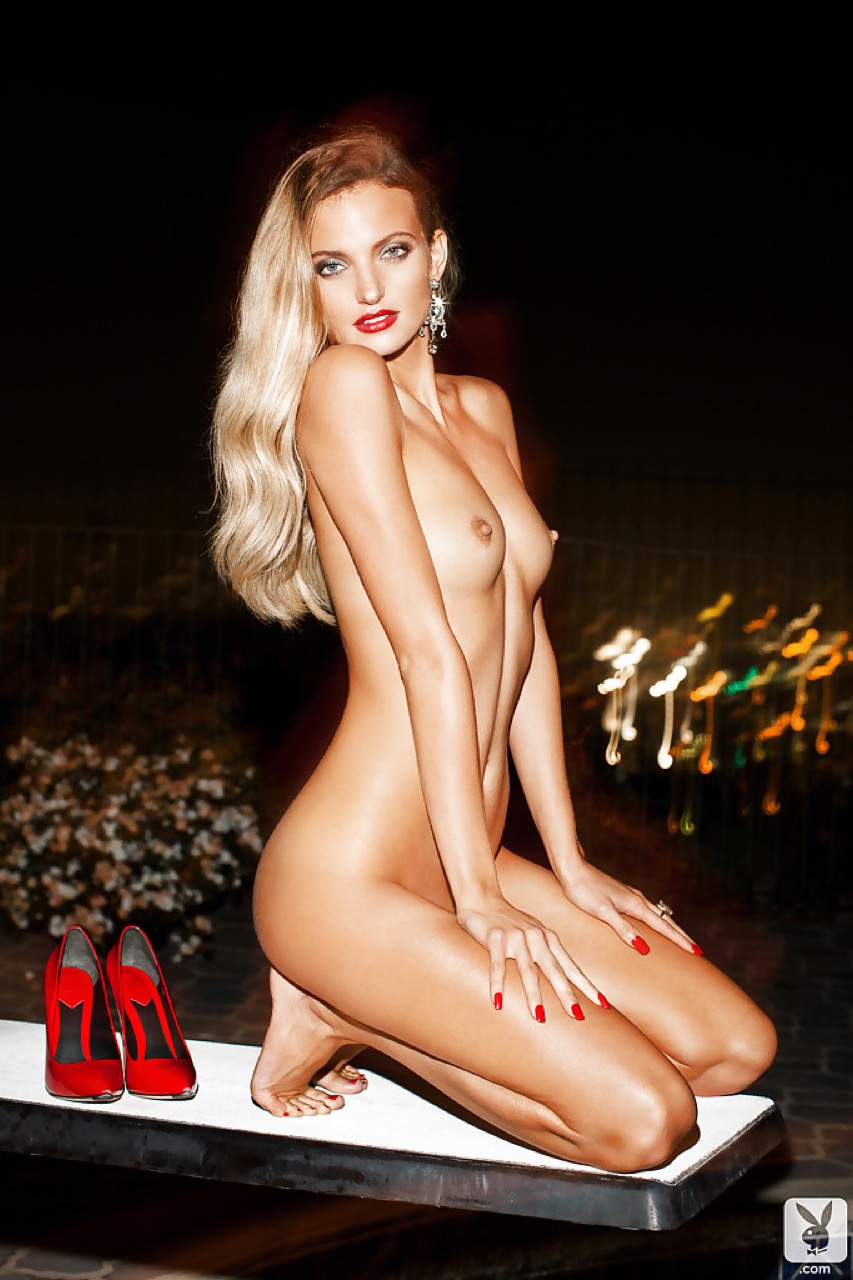
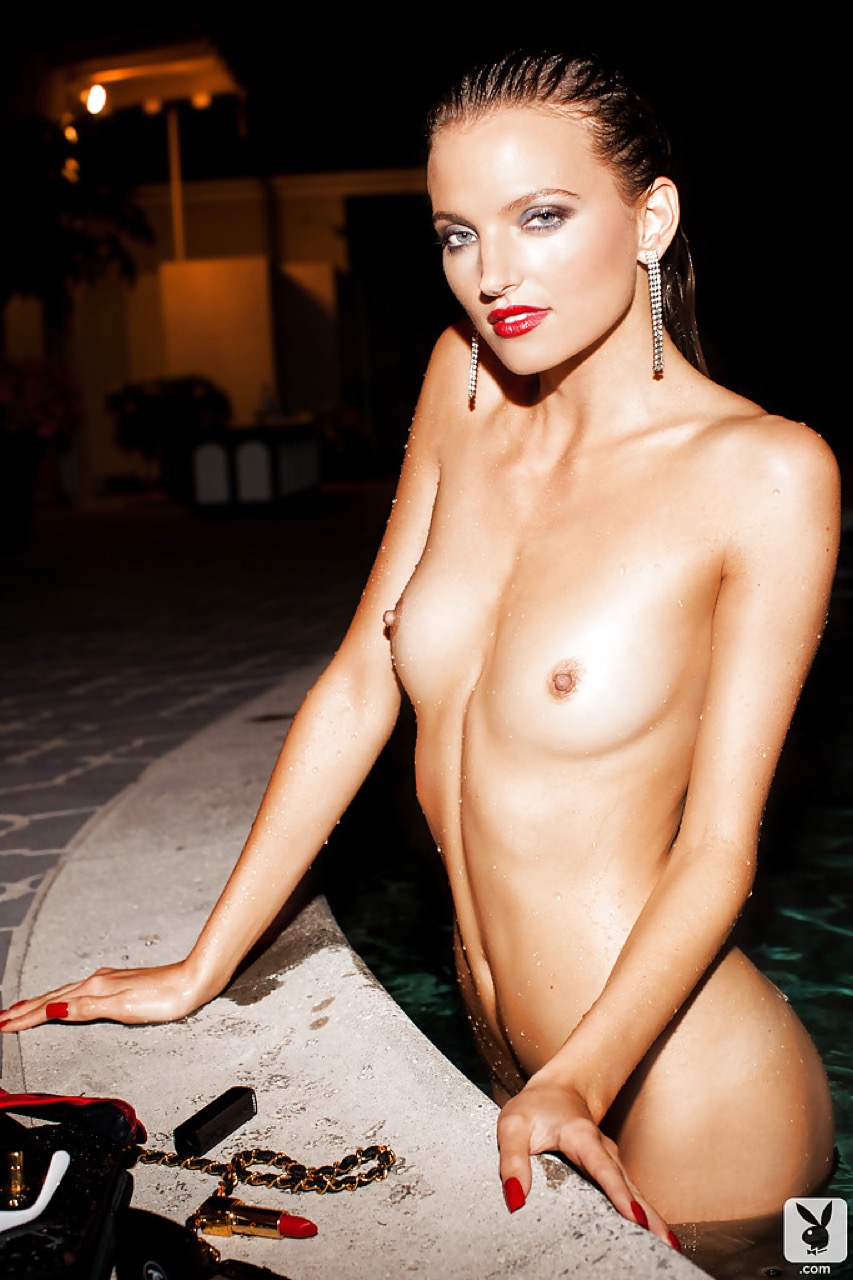
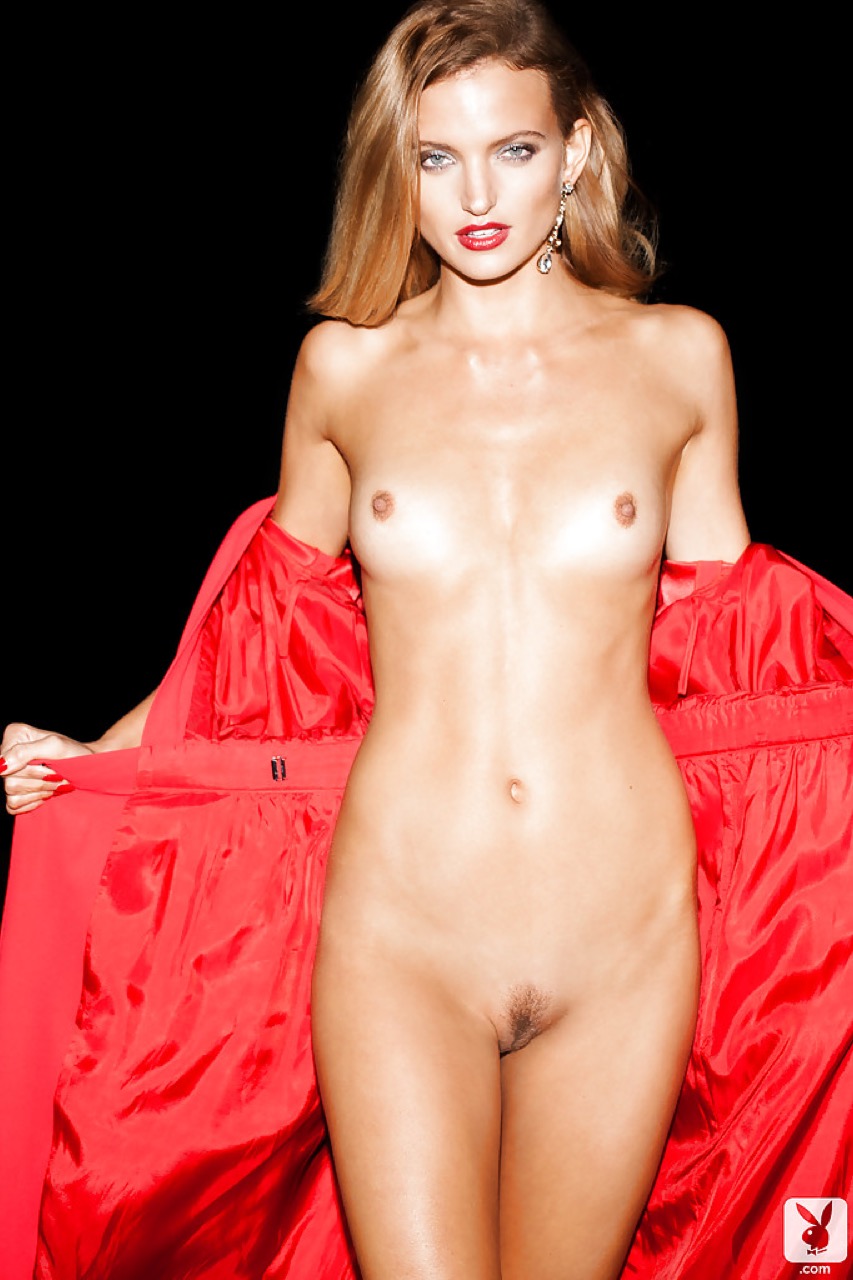
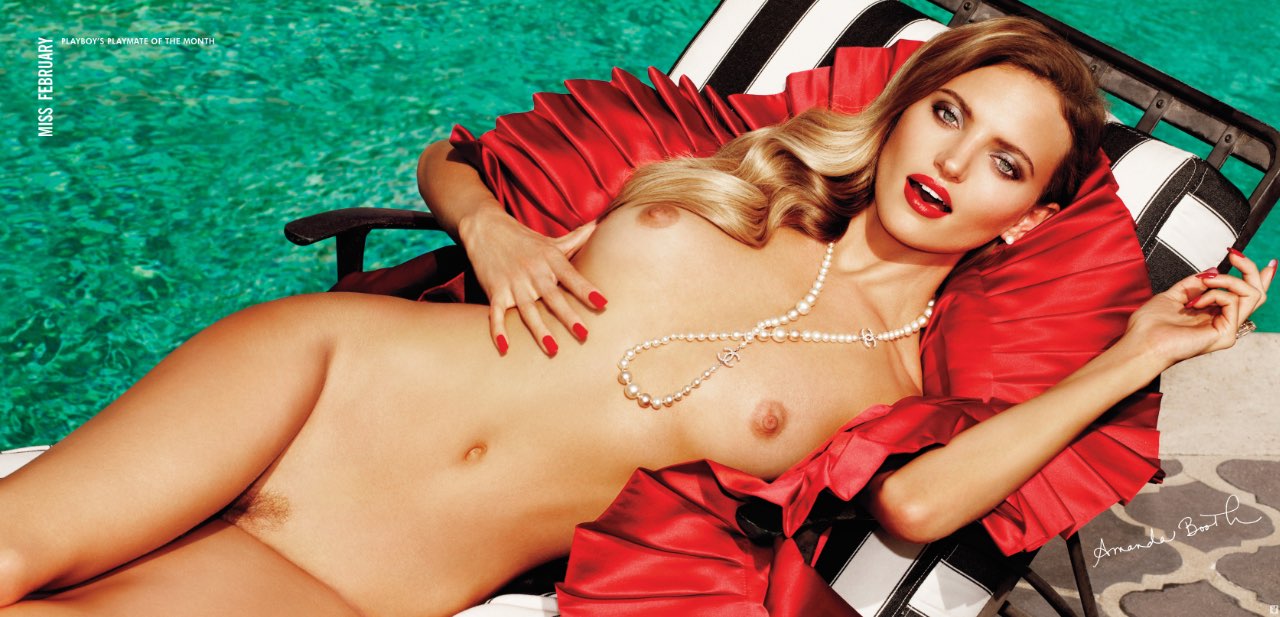
Amanda Booth is an American actress, glamour and nude model. She was born on July 14, 1986, in Watertown, California. Playboy named her its February 2014 Playmate at 27. Her appearance came during Playboy's contemporary era of international and digital publishing.
Booth has natural breasts, blue eyes and blond hair. Her measurements are 32-24-35.
Amanda Booth reached modeling through an abrupt change in plans. A gifted athlete, she competed in track, swimming and diving before attending Florida Atlantic University on a diving scholarship and studying mathematics. An injury ended that path at 18, prompting her to leave school and move to New York City, where she set out to find modeling representation on her own despite being told she was unlikely to succeed.
That persistence developed into a substantial commercial and editorial career. Booth worked in New York, Los Angeles and internationally, appearing in fashion publications including Italian Vogue, Australian Harper’s Bazaar and Elle. Her advertising credits expanded across major brands such as Lancôme, Anthropologie, Fiat, Hershey’s, Target and Old Navy, while commercial acting became another important part of her professional life.
Television added a different dimension to that work. By the time Playboy featured her, Booth had already appeared in more than 40 commercials and had begun taking acting roles, including a guest appearance on Community. She later added further television work, including Maron, while continuing to move between fashion, advertising and acting assignments.
Playboy encountered Booth at a particularly busy point in that career. The magazine emphasized her ability to shift easily between approachable commercial modeling and more polished high-fashion work, while Booth herself was more interested in sustaining a creative life than chasing celebrity for its own sake. She spoke about Los Angeles as the place she wanted to build that life and hoped eventually to add more film work.
In later years, Booth became increasingly visible as an advocate for inclusion and representation for people with disabilities. Her son Micah, who was born with Down syndrome and autism, appeared with her in editorial and advertising projects including Parents, Vogue Living, Anthropologie and Milk. In 2019, the Global Down Syndrome Foundation honored Booth with the Quincy Jones Exceptional Advocacy Award for her work promoting greater visibility and inclusion.