Lindsay Lohan Bio
Lindsay Lohan is an American Actress, model, singer, fashion designer, producer and businesswoman. Born Lindsay Dee Lohan on July 2, 1986, in New York City, New York, she has also been credited as LiLo. She appeared in Playboy in January 2012 at 25, adding the feature to her public career. Her appearance came during Playboy's contemporary era of international and digital publishing.
Lohan has natural breasts, gray eyes and red hair. Her measurements are 35-25-35.
Lindsay Lohan brings a volatile, irresistible kind of glamour to the Playboy archive — the beauty of a former child star who grew up under impossible lights and never stopped fascinating the culture. She was never the quiet, polished Hollywood ingénue. She was brighter, messier, funnier, more dangerous than that — a red-haired screen presence with the face of innocence, the timing of a born performer, and the kind of fame that always seemed to come with fire around it.
Her rise began early. Born in New York, Lohan started as a child model and commercial actress before making her breakthrough in Disney’s The Parent Trap, where she played both Hallie Parker and Annie James with a confidence well beyond her years. That performance announced her as a real movie talent, not just a cute kid with freckles. Films like Freaky Friday, Confessions of a Teenage Drama Queen, and Mean Girls turned her into one of the defining young stars of the 2000s, while Herbie: Fully Loaded confirmed that her appeal could carry studio movies, teen comedy, and mainstream pop culture all at once.
What made Lindsay different was that she never felt manufactured. She had charisma, yes, but also unpredictability. She could be funny, vulnerable, bratty, magnetic, wounded, and sexy in the same scene. That combination made her not only a box-office favorite, but also a tabloid obsession. As the 2000s unfolded, Lohan became one of the most photographed and discussed women in the world, her public life blurring the line between celebrity spectacle and personal unraveling.
Her connection to glamour photography came with a distinct sense of mythology. In February 2010, she appeared topless and semi-nude in New York magazine in a recreation of Marilyn Monroe’s last photo shoot, leaning directly into the parallels the culture had long been drawing between the two women — beauty, vulnerability, sensuality, and the burden of being watched too closely. The images framed Lindsay not merely as a scandal figure, but as a tragic-pop icon in the making, someone whose allure came tied to history and danger.
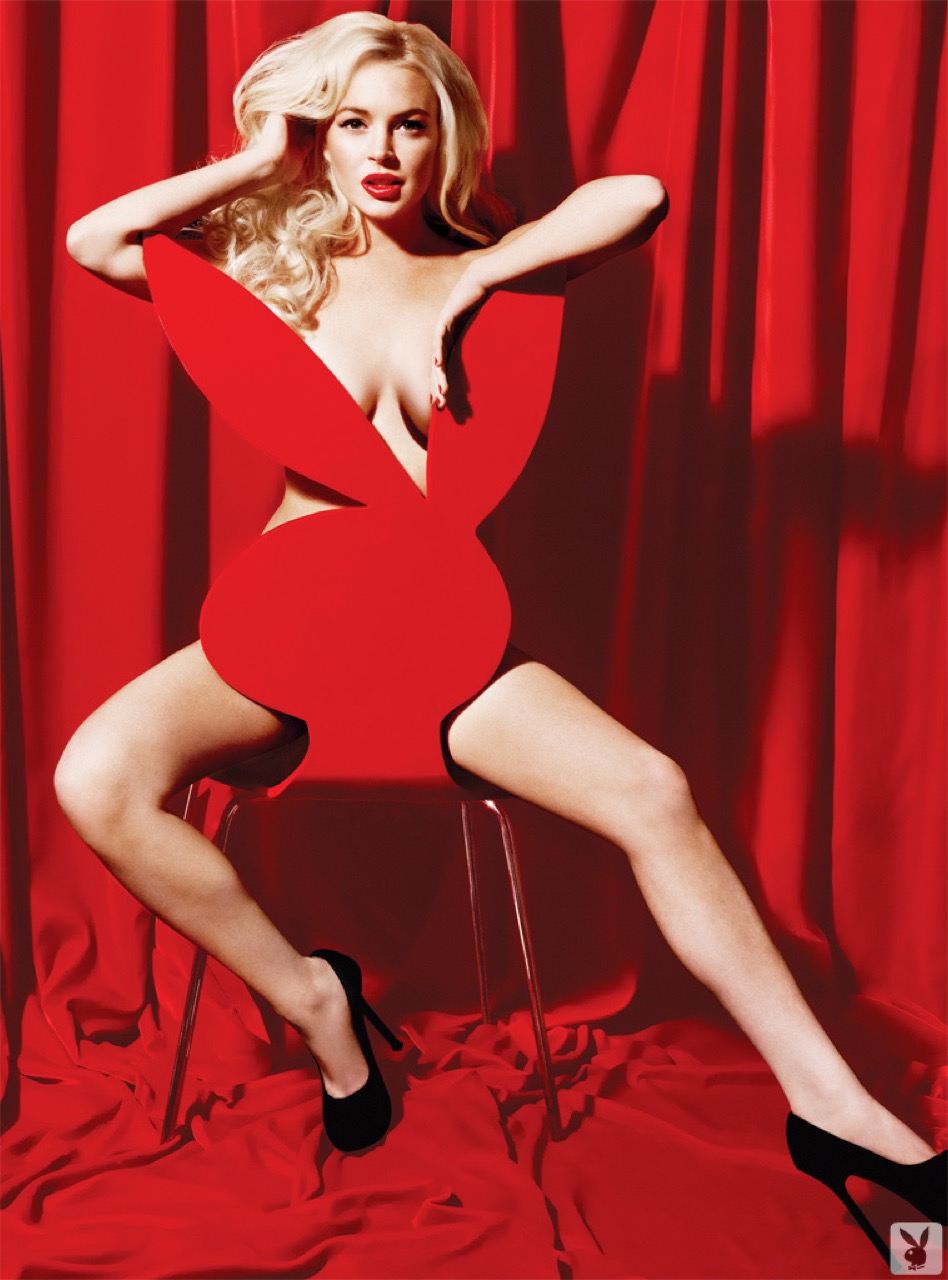
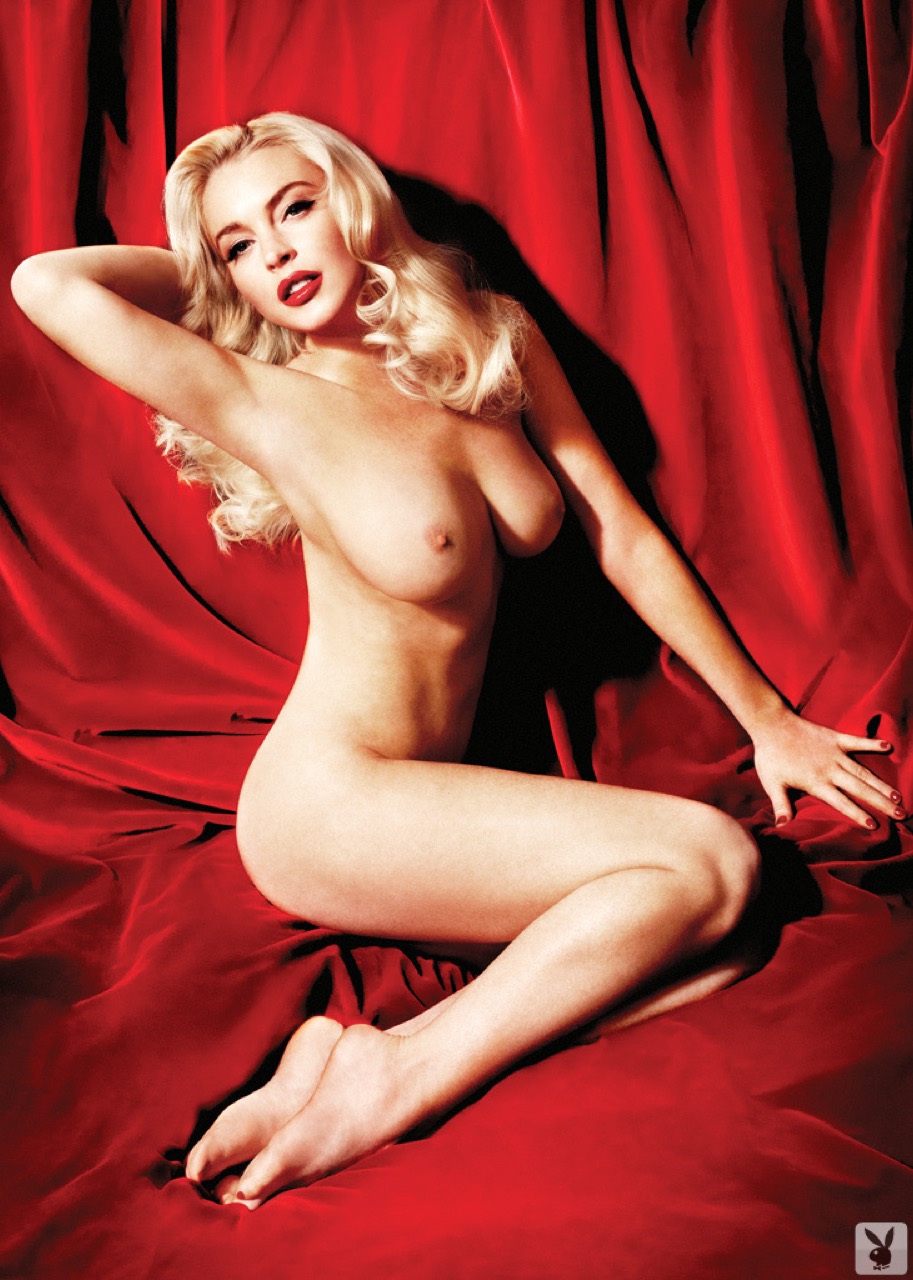
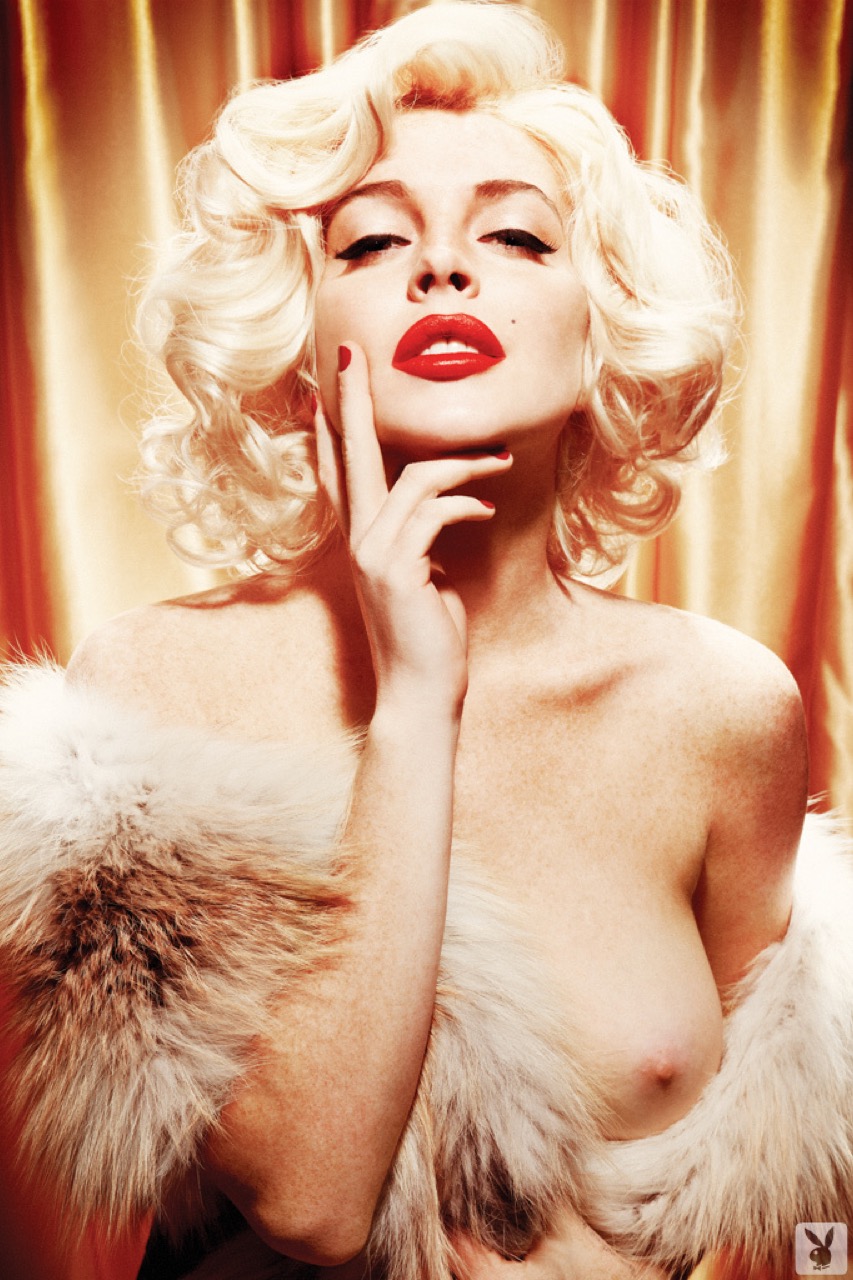
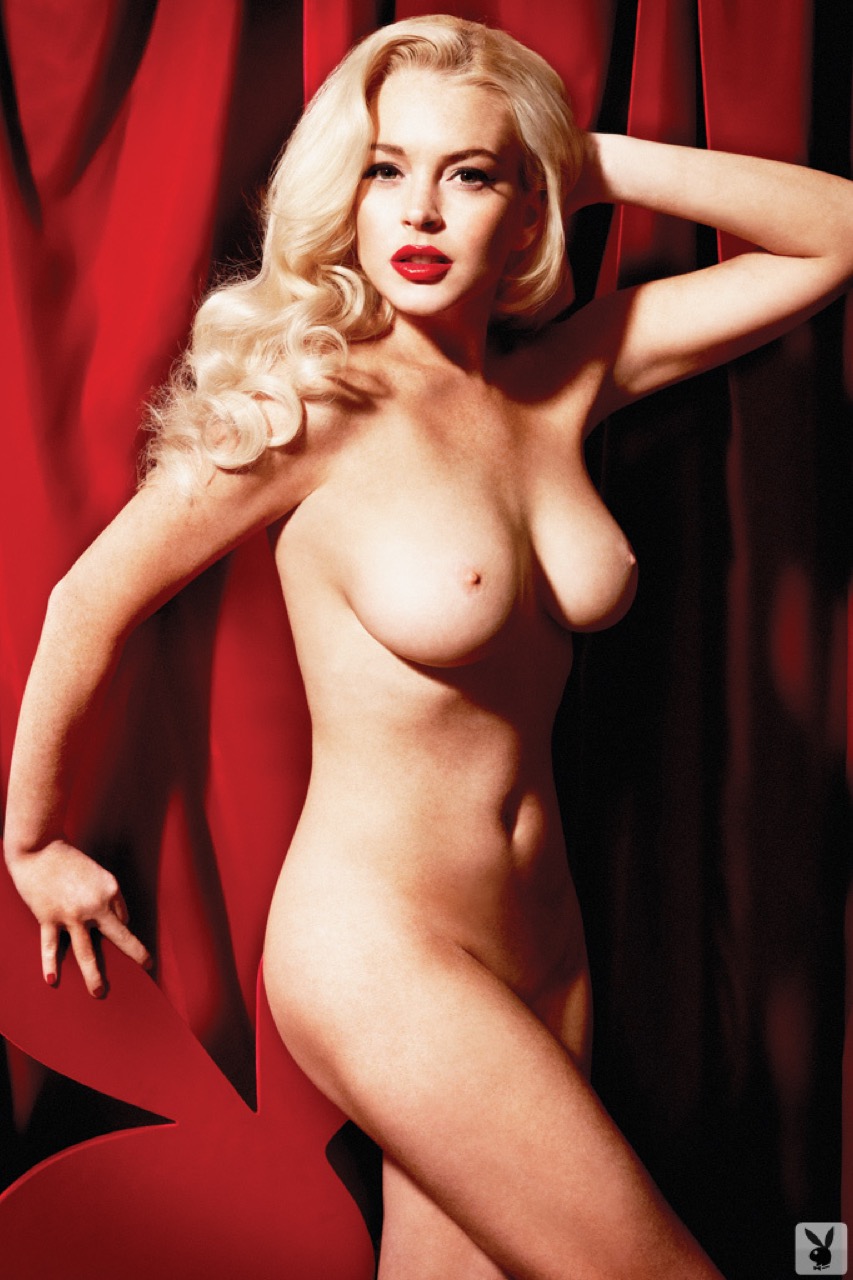
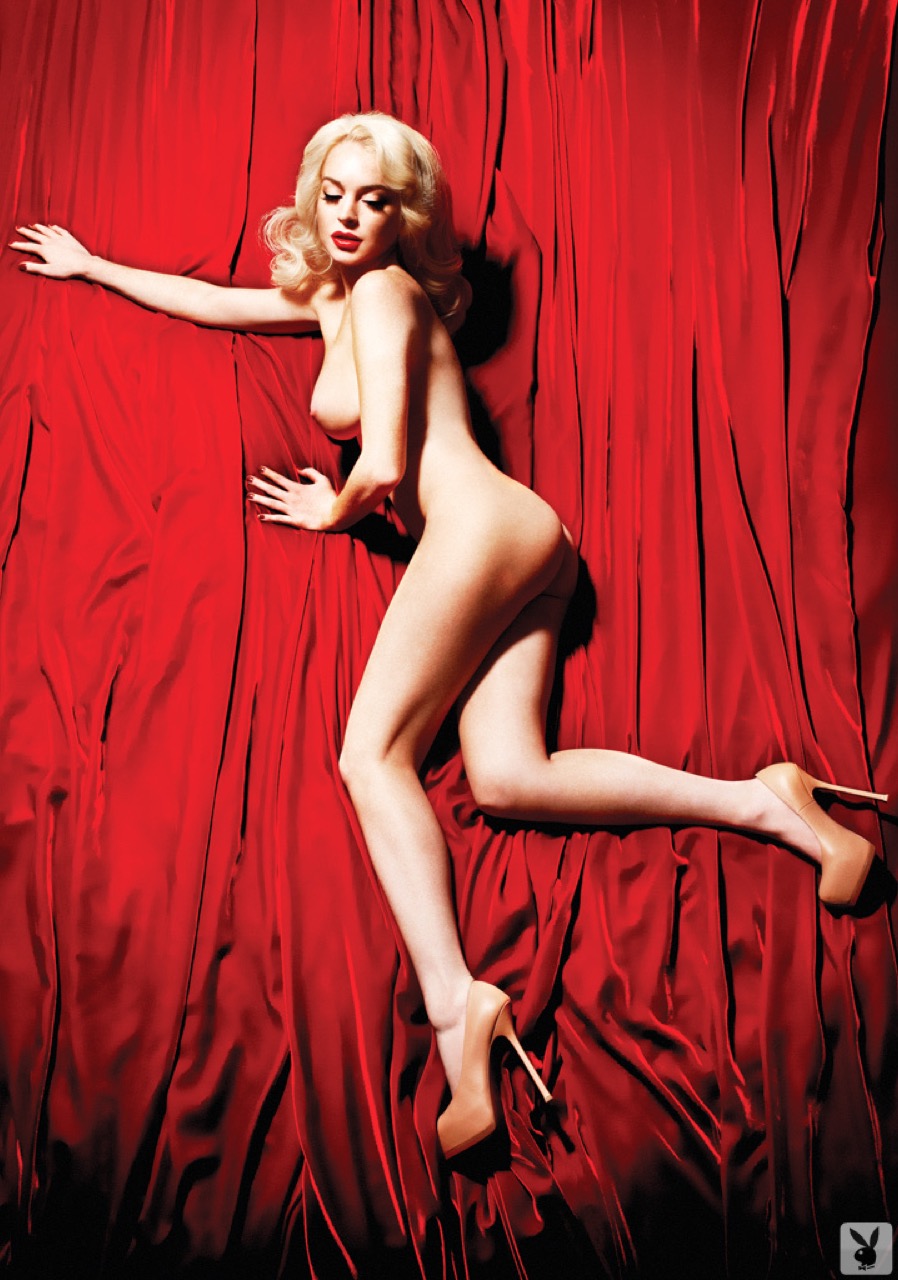
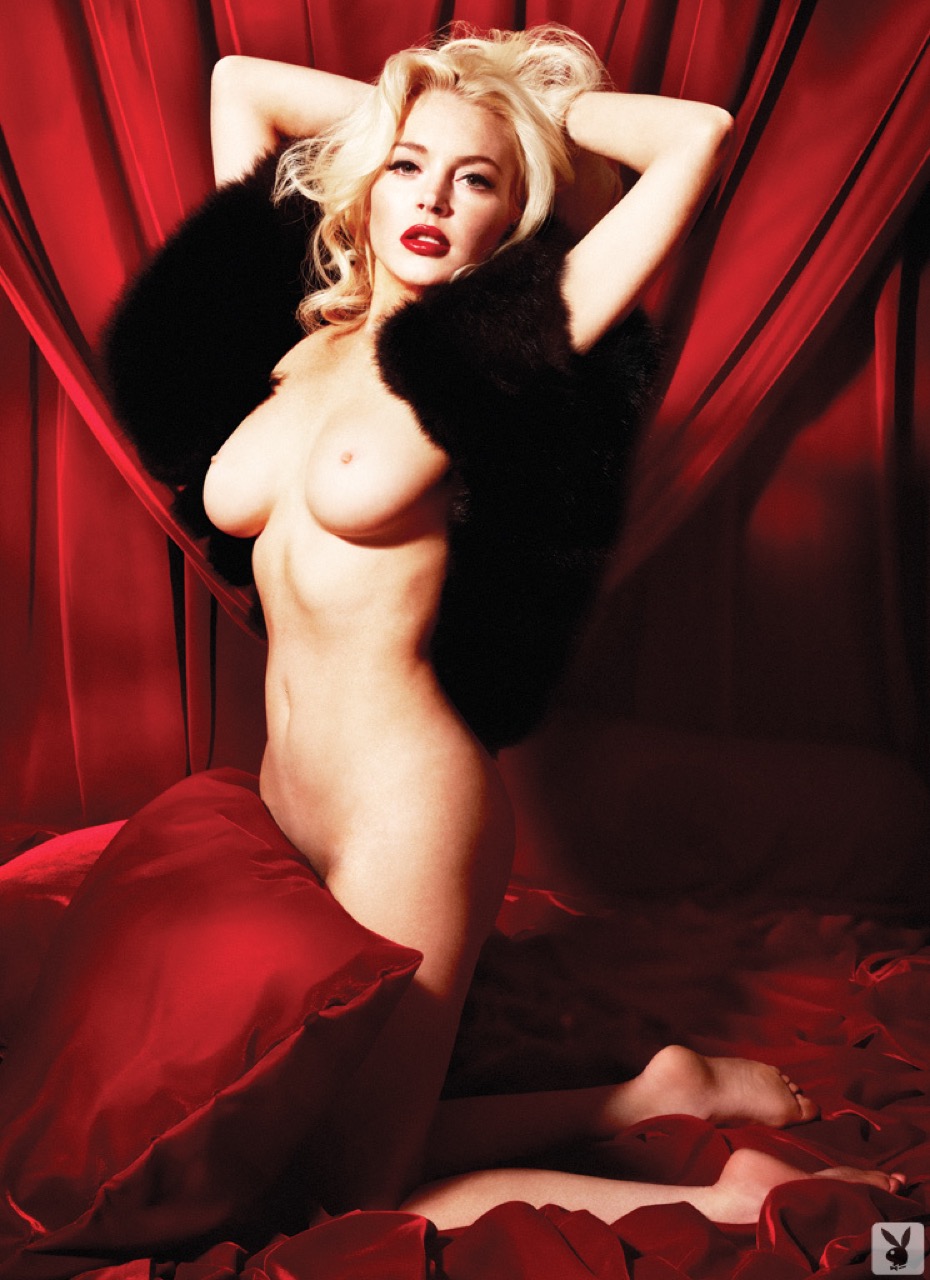
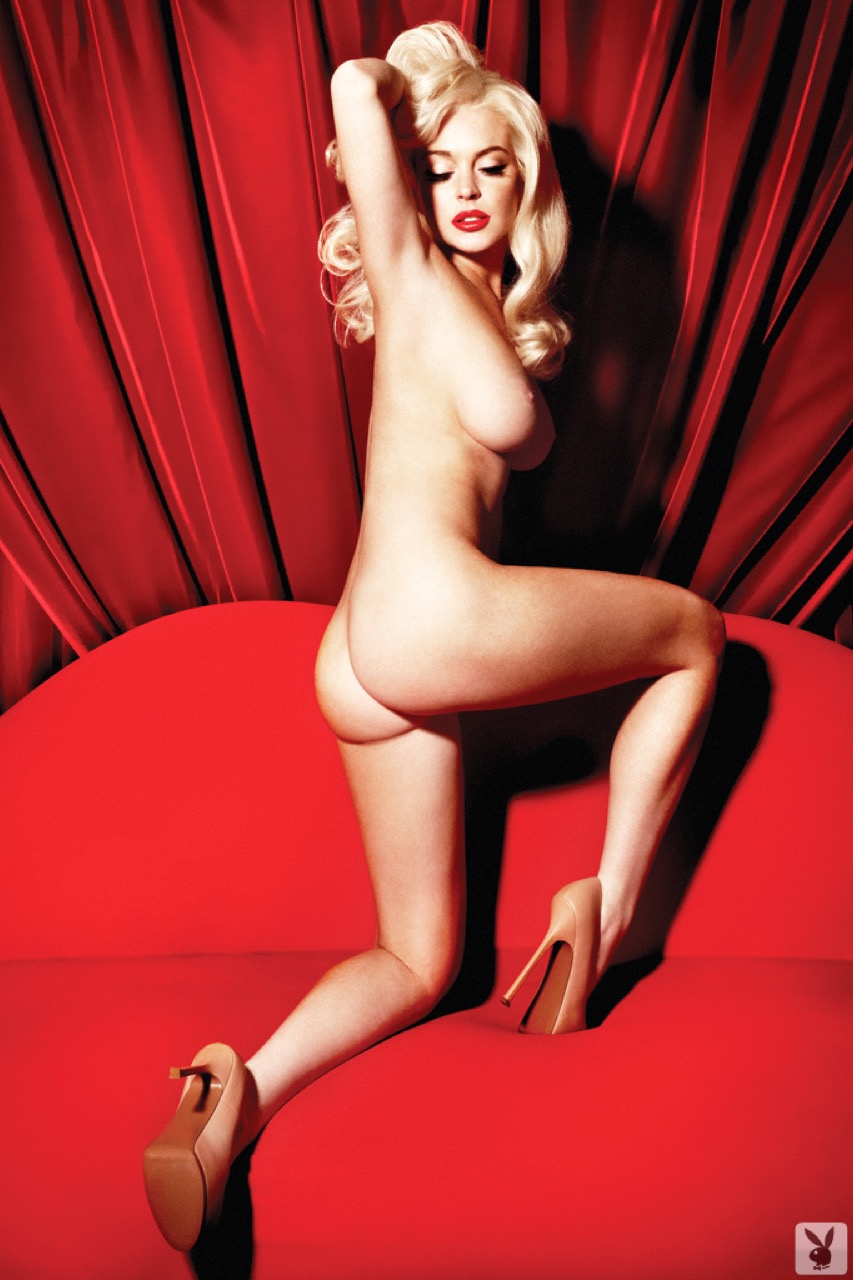
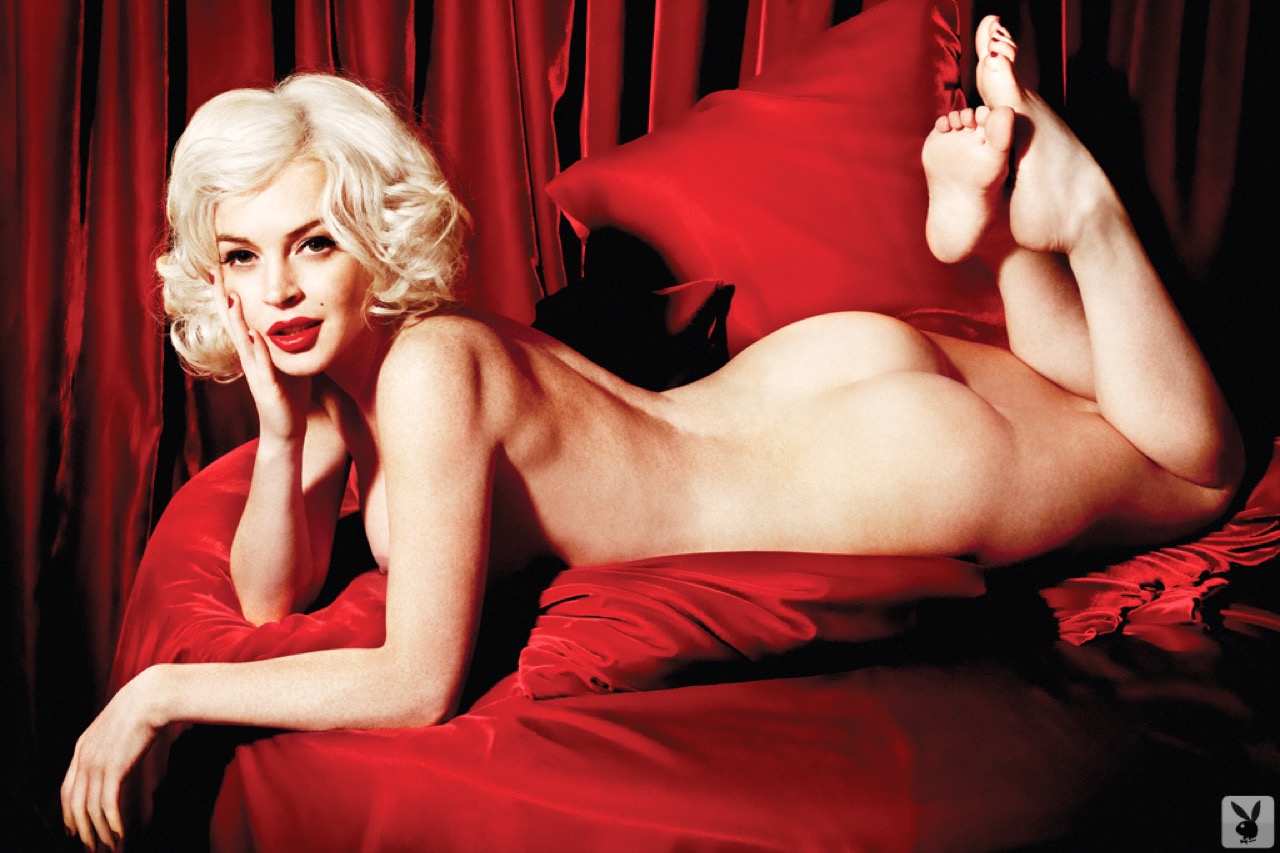
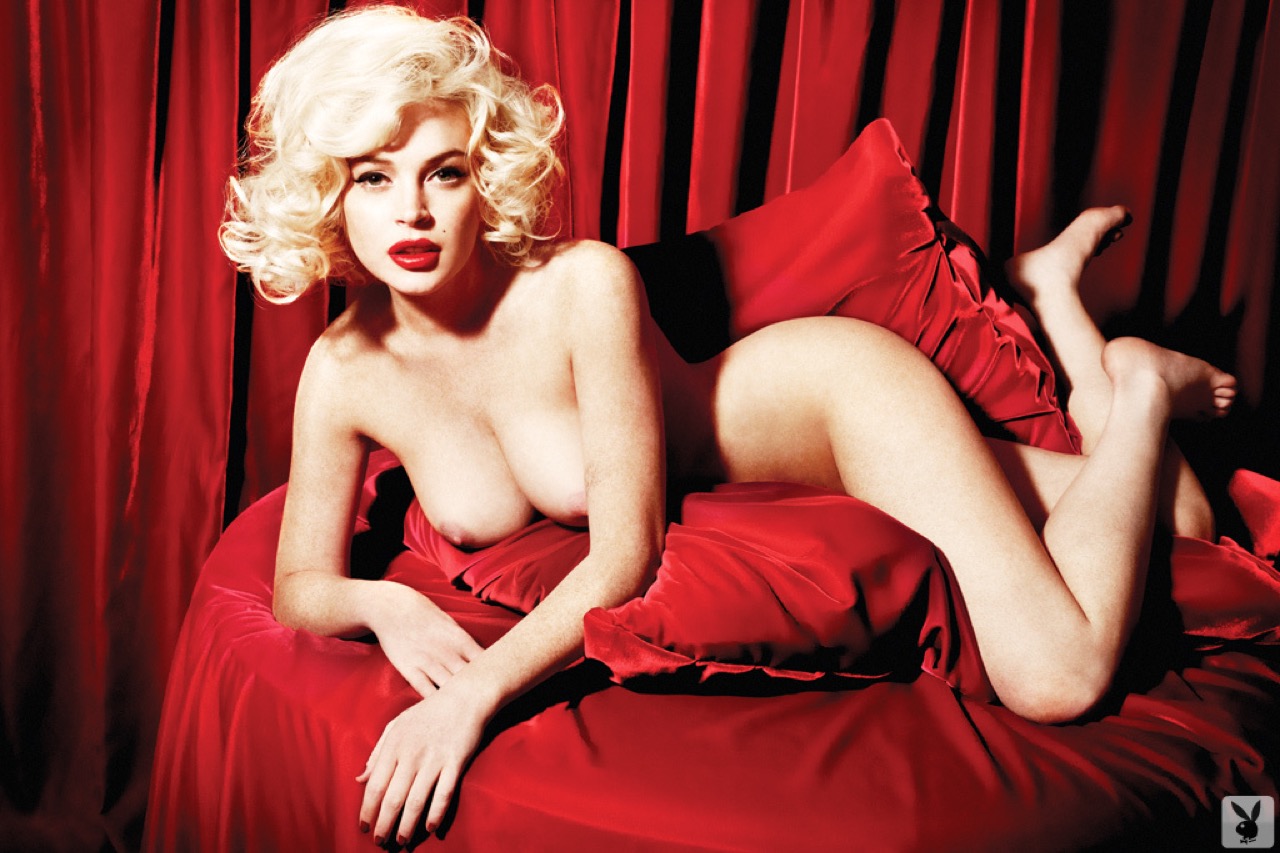
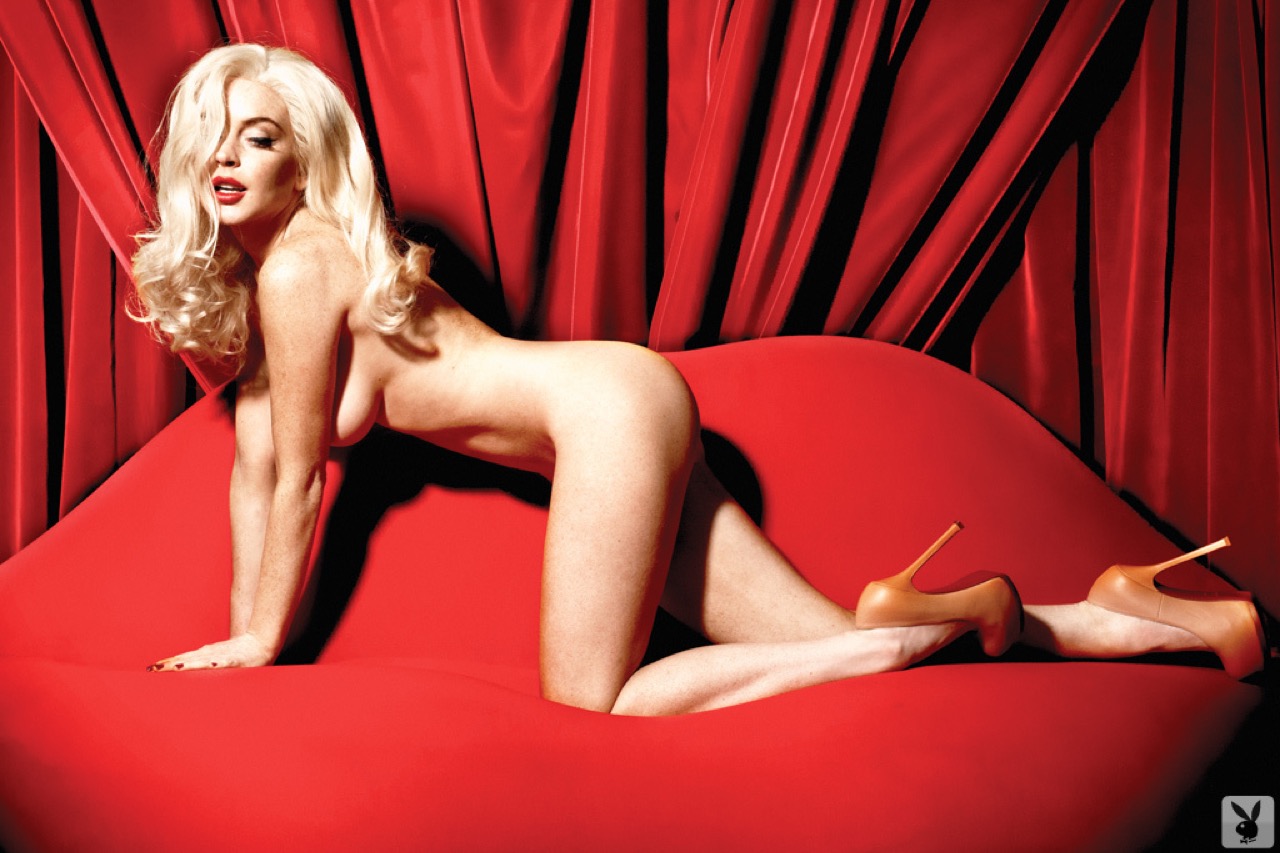
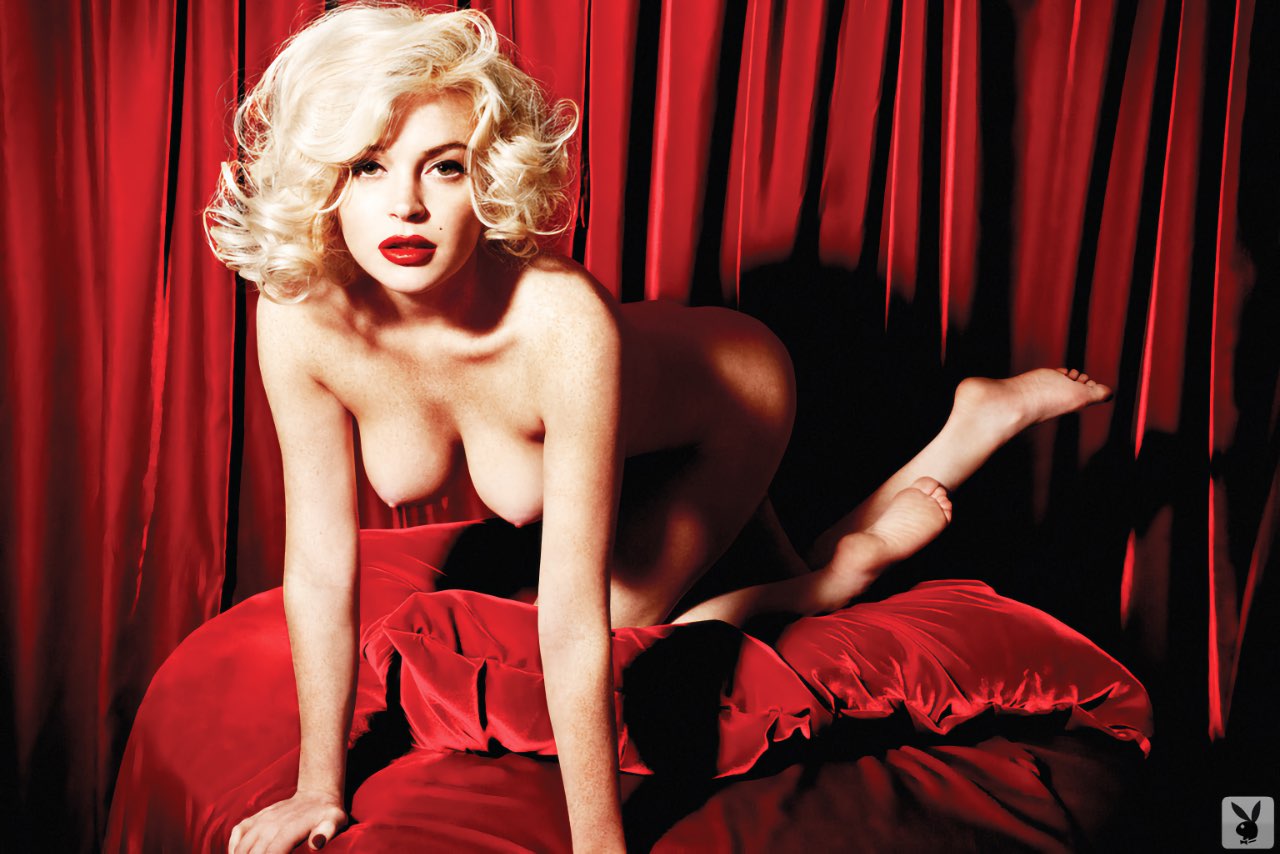
That tension carried directly into her Playboy appearance in the January/February 2012 issue. The pictorial, also inspired by Marilyn Monroe, presented Lohan in a more controlled, old-Hollywood fantasy: platinum-soft lighting, vintage seduction, and the unmistakable suggestion that she was reclaiming her own image by stepping into one of Playboy’s most iconic visual traditions. For Playboy, Lindsay was never just another celebrity posing for attention. She was a woman whose beauty already came loaded with narrative — fame, fall, resilience, and the thrill of seeing her still standing in the center of the frame.
Beyond the scandal years, Lohan has remained a durable pop-culture figure. She expanded into music with albums like Speak and A Little More Personal (Raw), later returned to acting in selected film and television projects, and eventually stepped into a more mature public identity shaped by distance, reflection, and reinvention. Whether on-screen, in fashion, or in the endless afterlife of celebrity memory, she has kept the culture’s attention in a way few former teen stars ever manage.
What makes Lindsay Lohan memorable is not simply that she was famous young, beautiful, and troubled. It is that she always had something extra — wit, instinct, danger, and a kind of emotional transparency that made people root for her even when they did not understand her. In the Playboy archive, Lindsay stands as a woman who turned vulnerability into image, scandal into iconography, and old-Hollywood fantasy into a very modern story of survival.