Dita Von Teese Bio
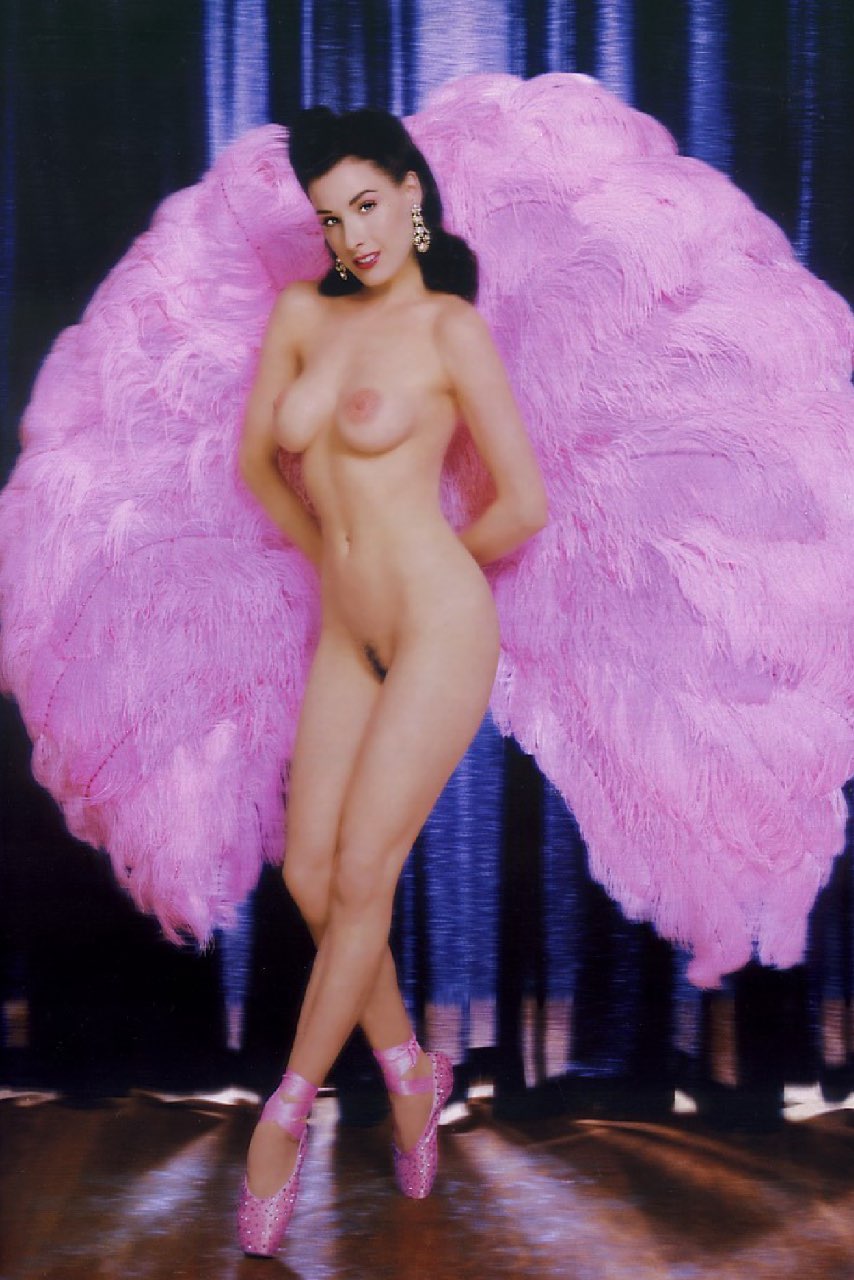
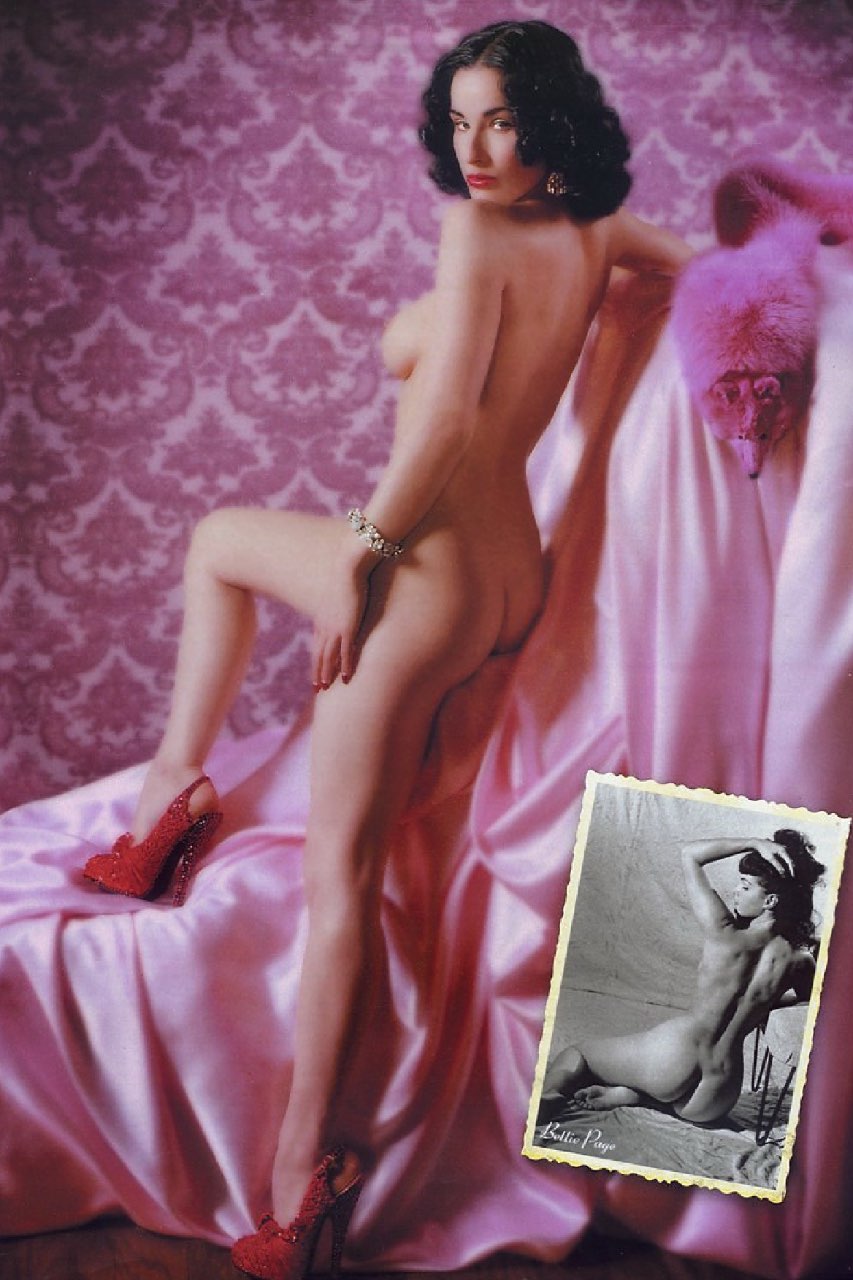
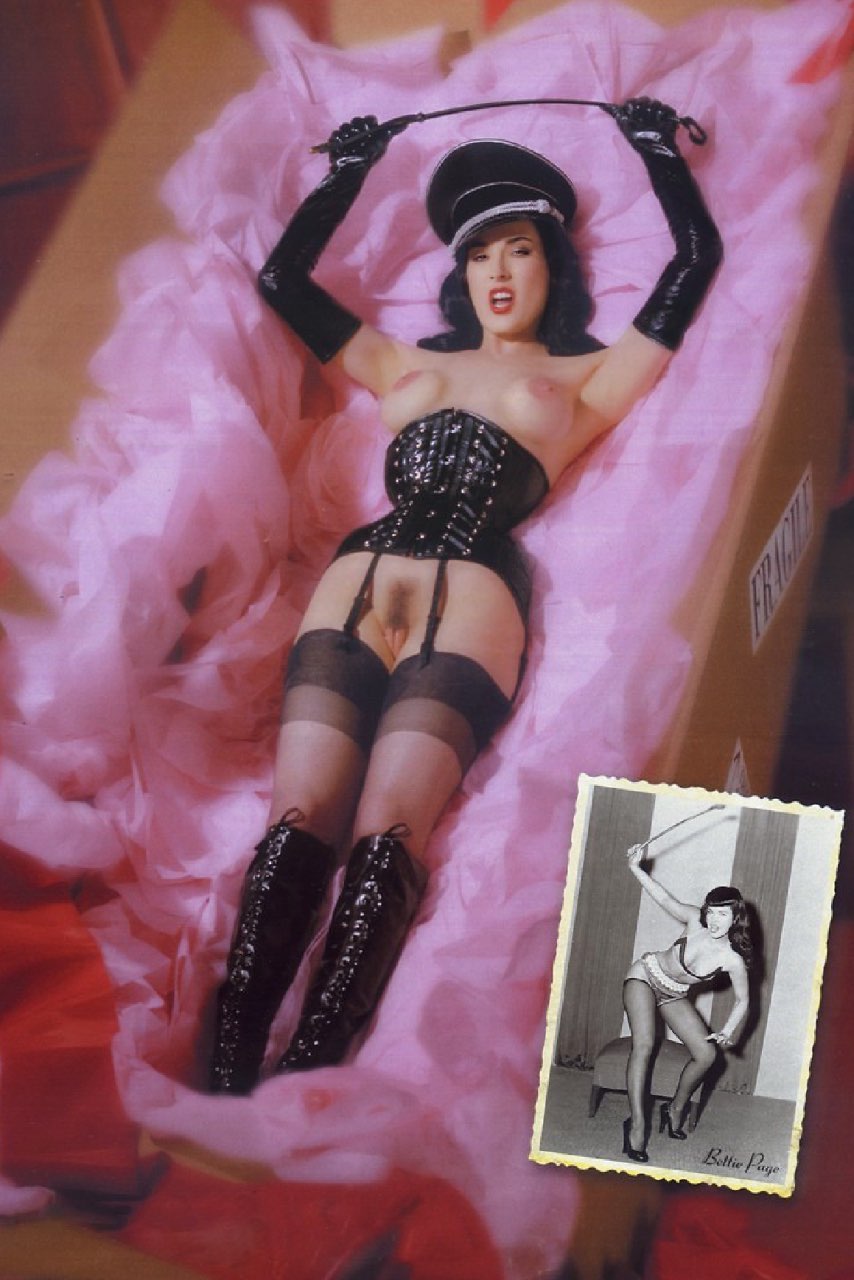
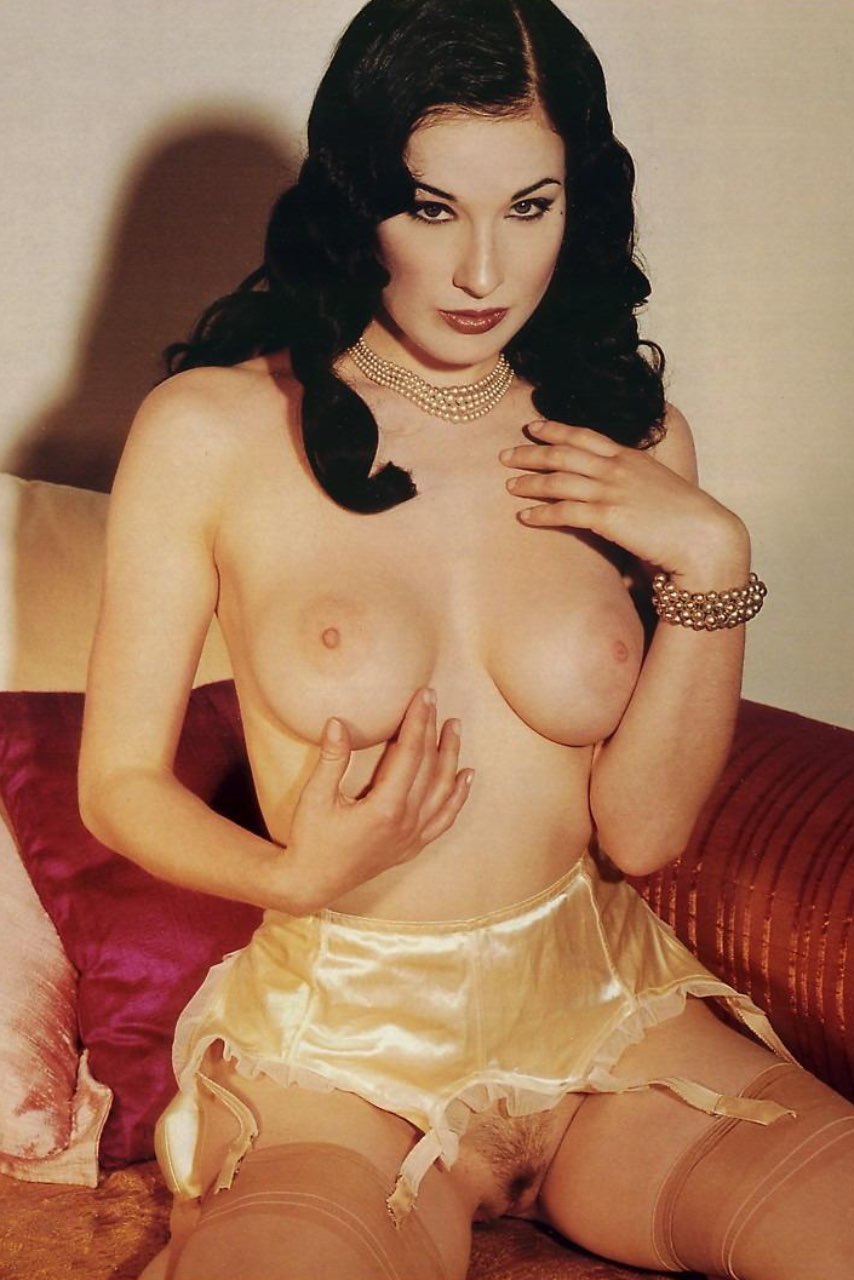
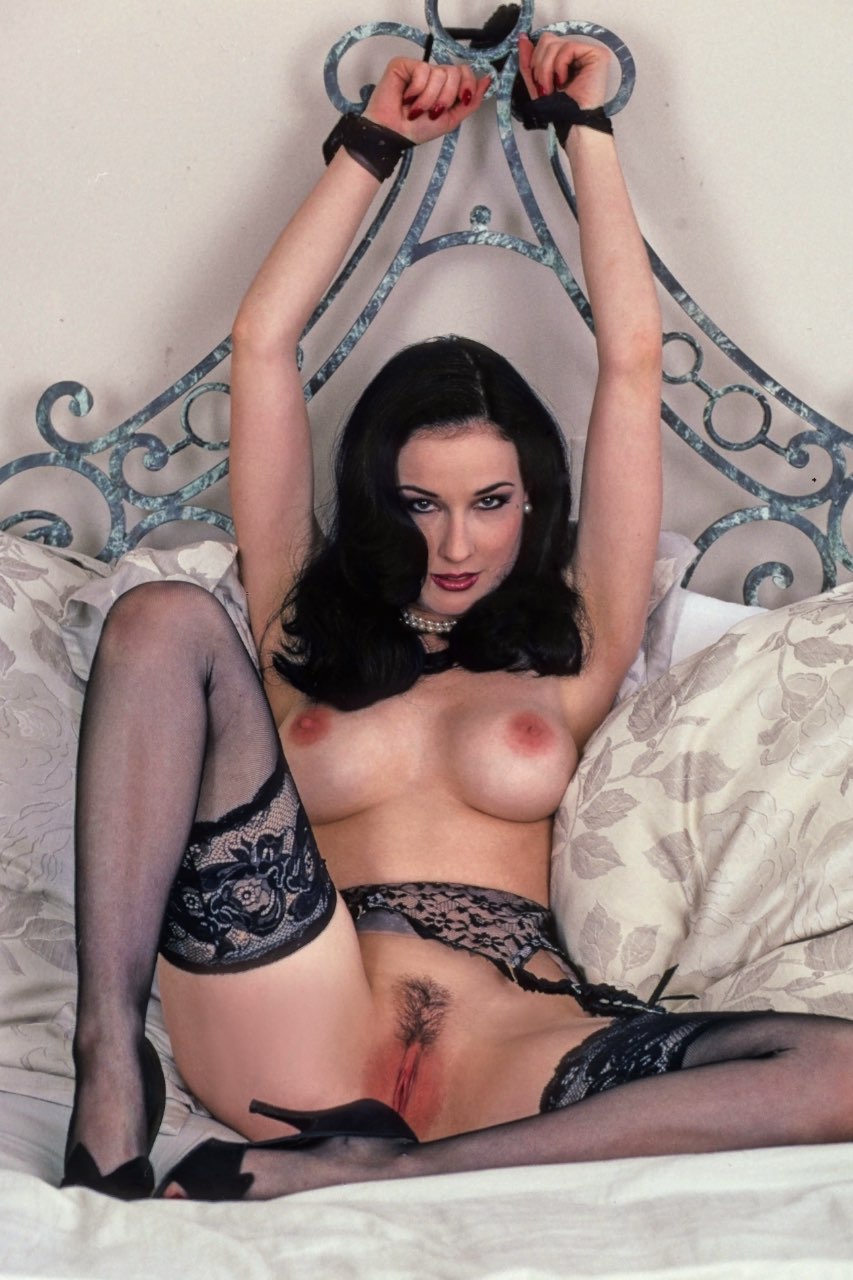
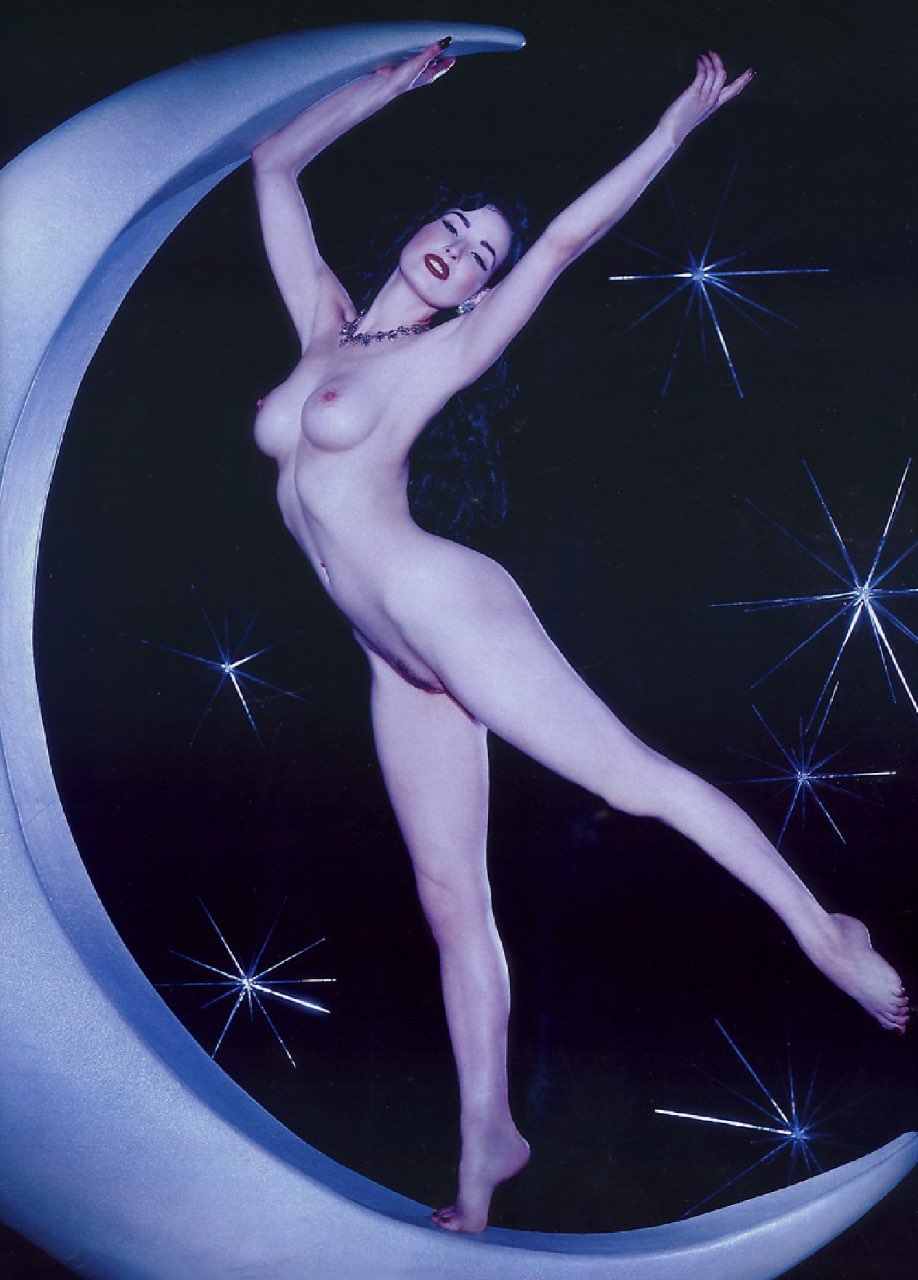
Dita Von Teese is an American Burlesque performer, actress, costume designer, author, fashion, glamour and adult model. Born Heather Renee Sweet on September 28, 1972, in West Branch, Michigan, she has also been credited as Queen of Burlesque. She appeared in Playboy in December 2002 at 30, adding the feature to her public career. Her appearance came in the 2000s, as Playboy's print tradition began to share space with an expanding online presence.
Von Teese has enhanced breasts, green eyes and black hair. Her measurements are 33-22-35.
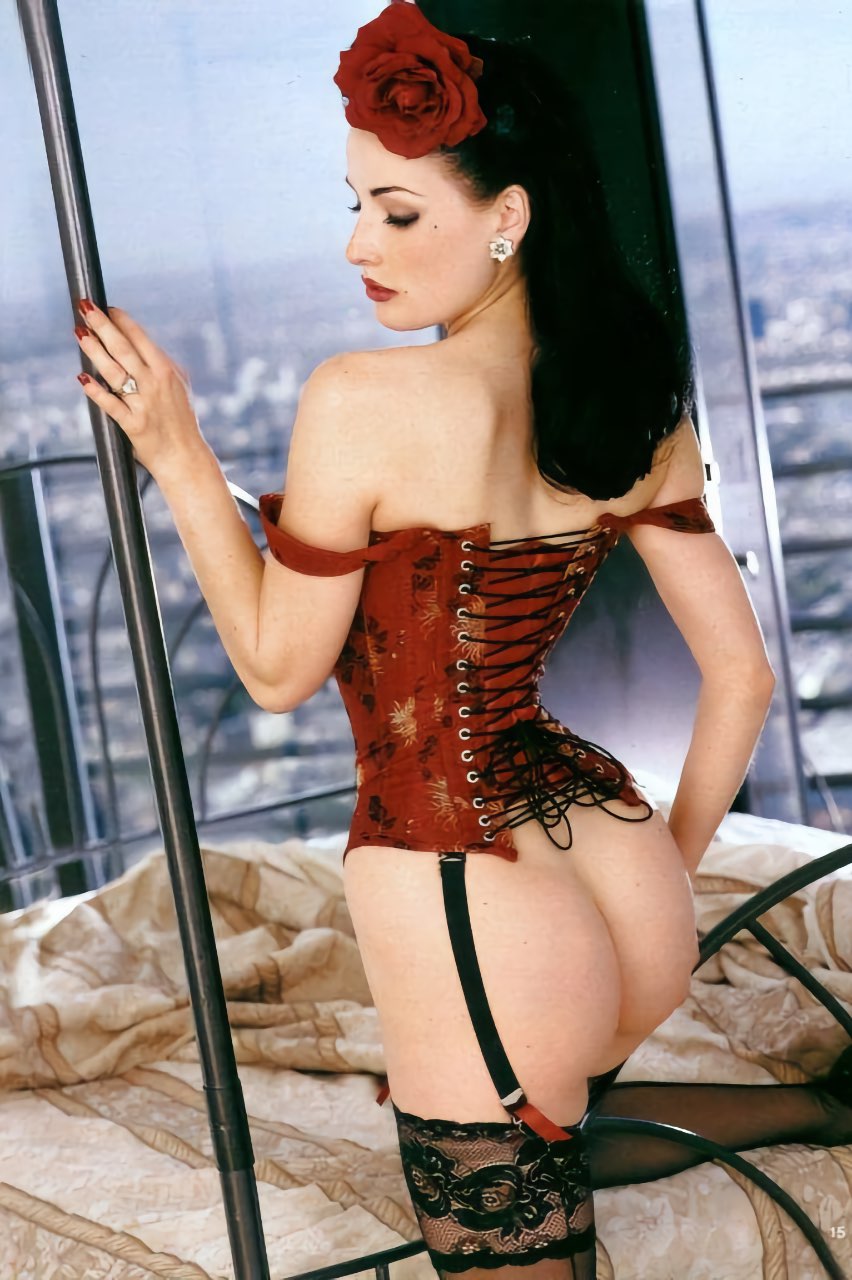
Dita Von Teese built her public identity with remarkable precision, transforming vintage glamour into a complete visual language of her own. Inspired by the elegance of classic cinema, pin-up photography, and old Hollywood beauty rituals, she rejected the casual trends surrounding her and embraced a look defined by porcelain skin, sculpted brows, dramatic eyes, crimson lips, and glossy blue-black hair. Every detail felt deliberate, turning personal style into a form of performance.
Her stage name developed with the same blend of inspiration and accident. She adopted “Dita” as a tribute to silent-film actress Dita Parlo, using the single name during the early stages of her career. When Playboy required a surname for her December 2002 cover, she selected “Von Treese” from a telephone directory. The magazine printed it as “Von Teese,” and she decided the unexpected version suited her perfectly. The mistake became permanent, creating one of modern glamour’s most memorable names.
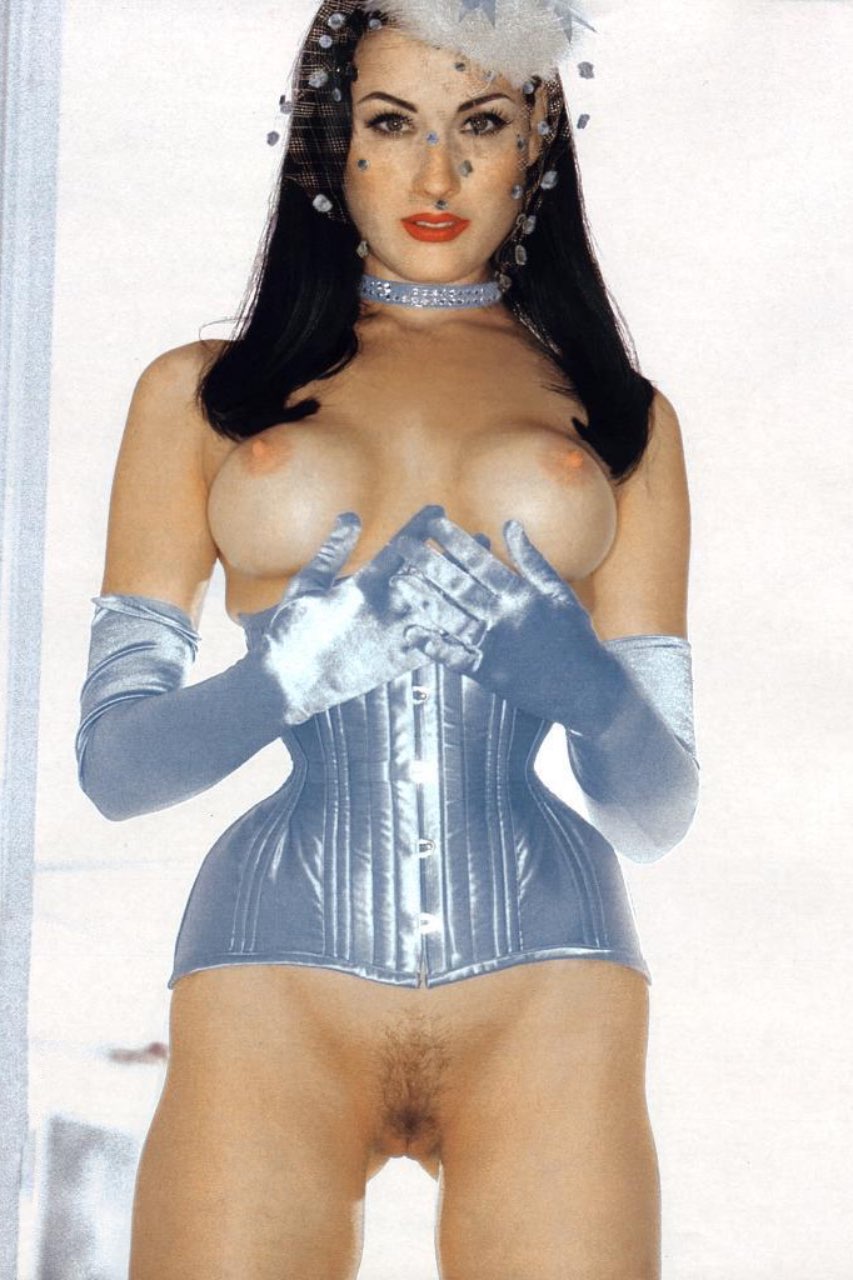
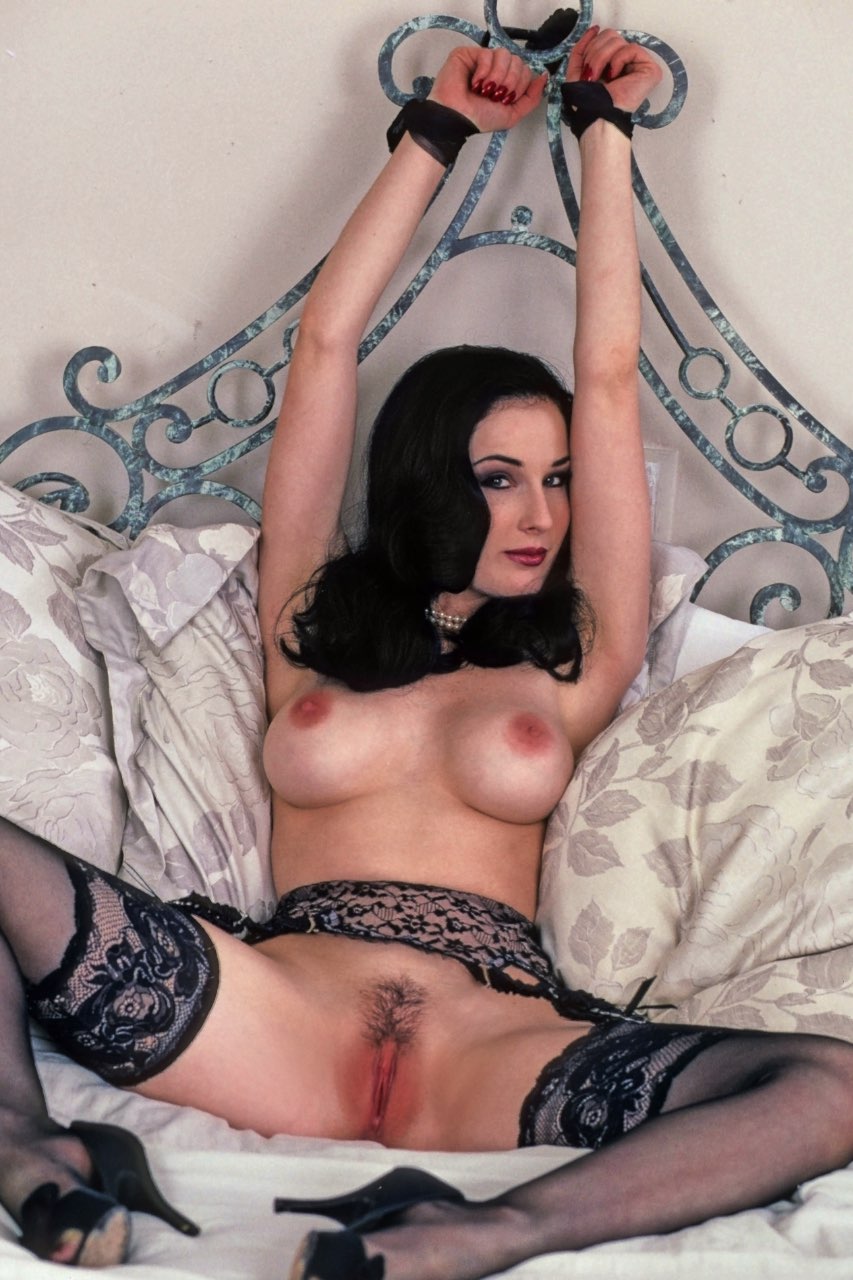
The December 2002 Playboy cover marked an important breakthrough, introducing her carefully constructed world to a much broader audience. Rather than presenting contemporary celebrity glamour, the pictorial evoked corseted silhouettes, luxurious lingerie, elaborate dressing rooms, and the sophisticated tease of mid-century pin-up art. Von Teese did not simply pose for Playboy; she brought a fully developed aesthetic into its pages, offering a vision of sensuality built on control, ritual, and theatrical imagination.
Corsetry became central to that image. Through years of tightlacing, she reduced her natural waist to approximately 22 inches and could be laced considerably smaller for performances and photographs. The practice connected her with the fetish and alternative-fashion communities, where she had already gained recognition before achieving mainstream fame. Yet the corset was never merely an extreme physical detail—it became a symbol of transformation, discipline, and the pleasure she found in creating an exaggerated feminine silhouette.
Von Teese’s lasting appeal comes from the fact that her famous image was not designed for her by a studio, stylist, or fashion house. She created it herself and remained loyal to it even as trends changed around her. Playboy gave that vision international visibility, but its foundations were already complete: silent-film mystery, burlesque theatricality, fetish elegance, and an absolute belief in glamour as an art form. What might appear to be one carefully repeated trick became, in her hands, an entire world.