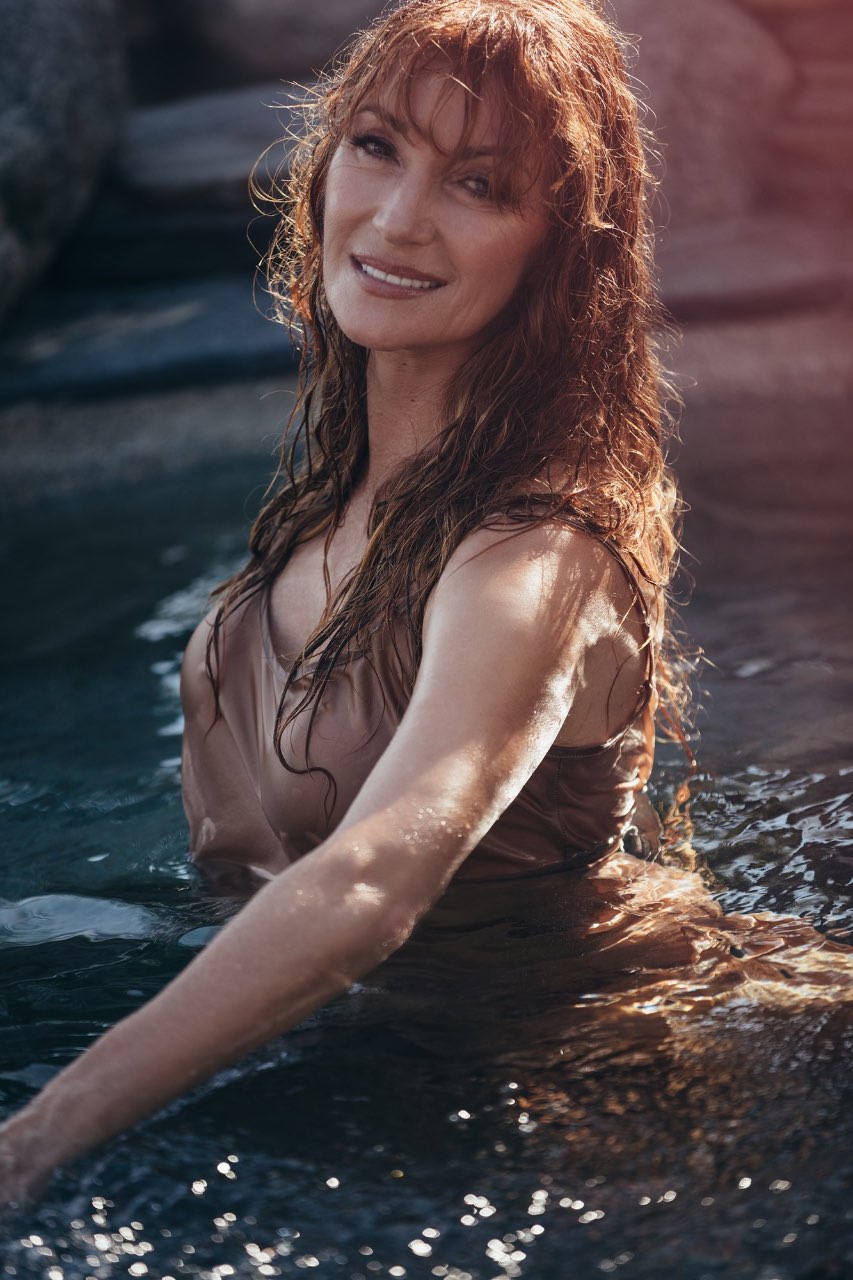
Jane Seymour Bio
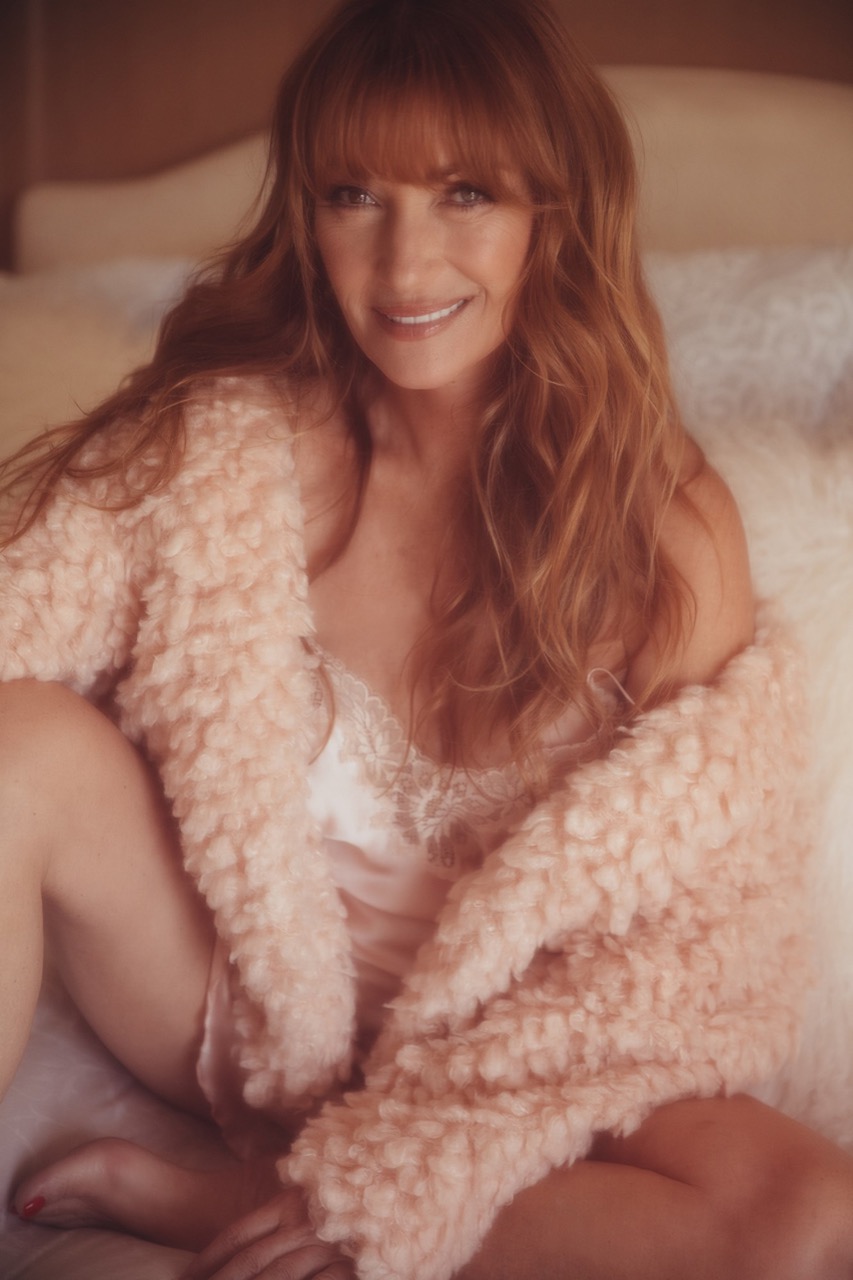
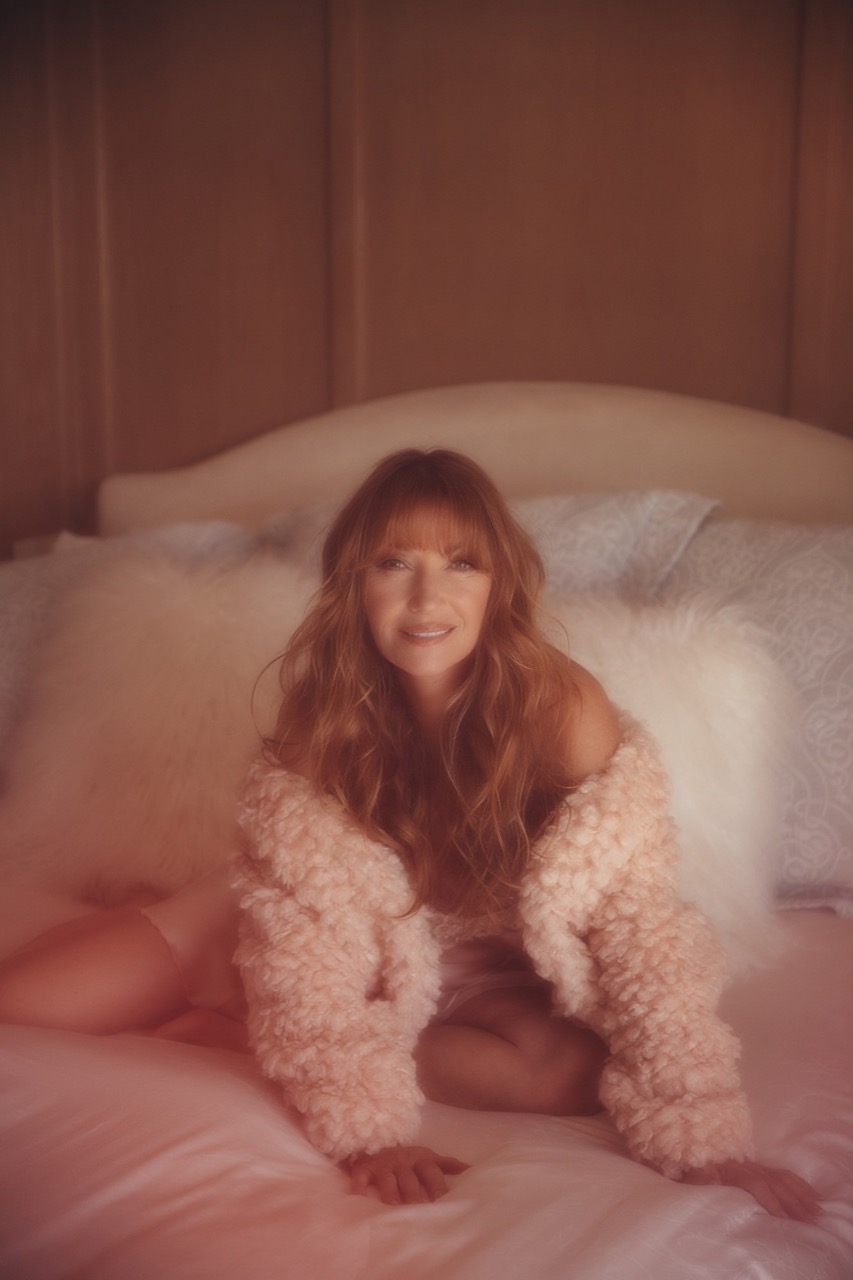
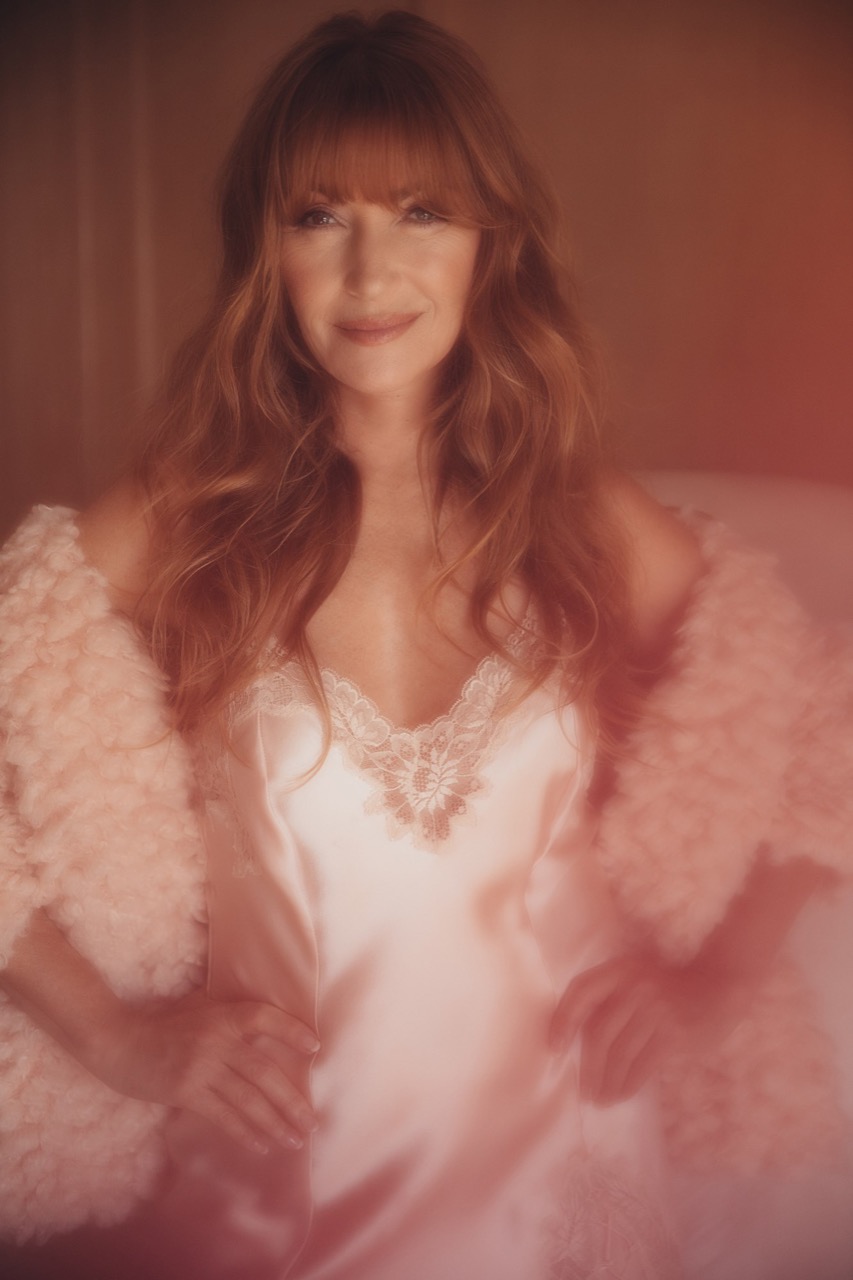
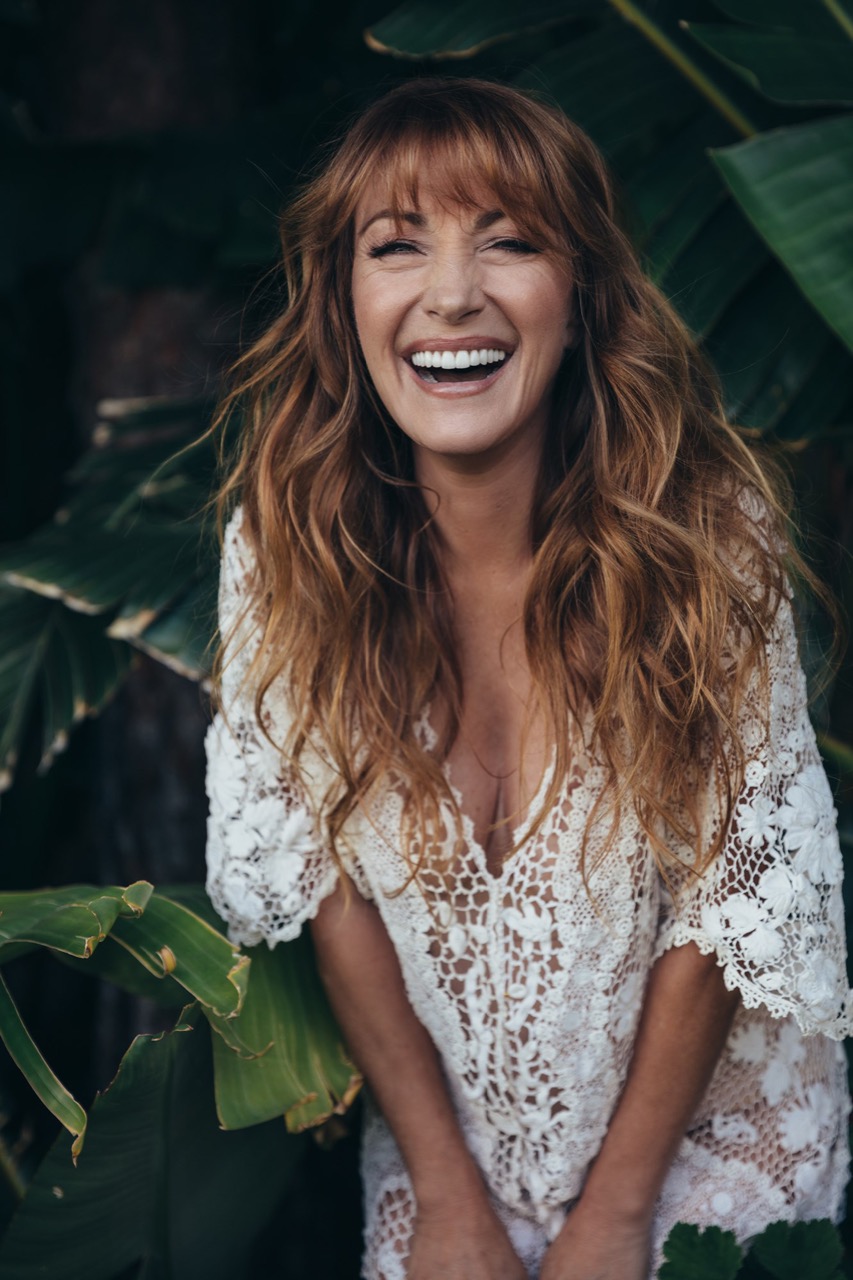
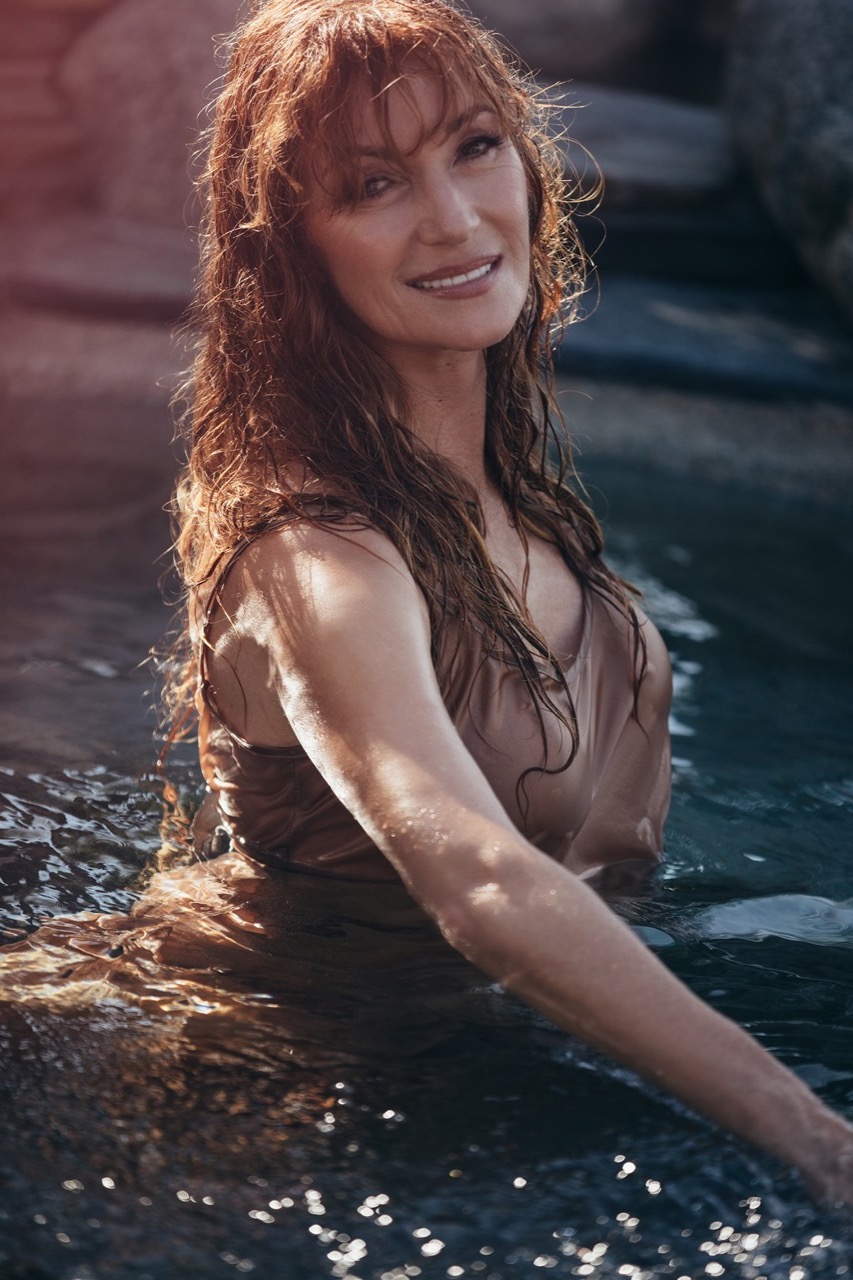
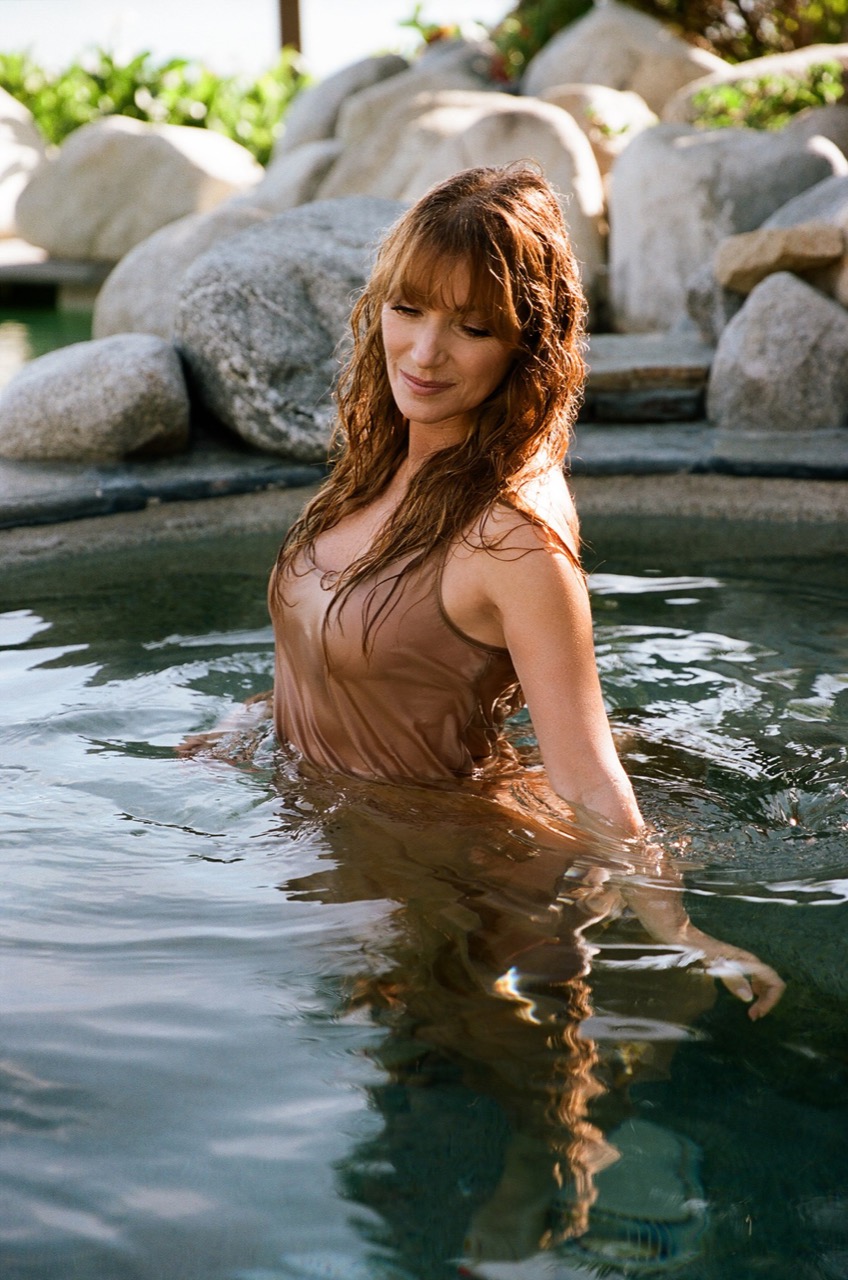
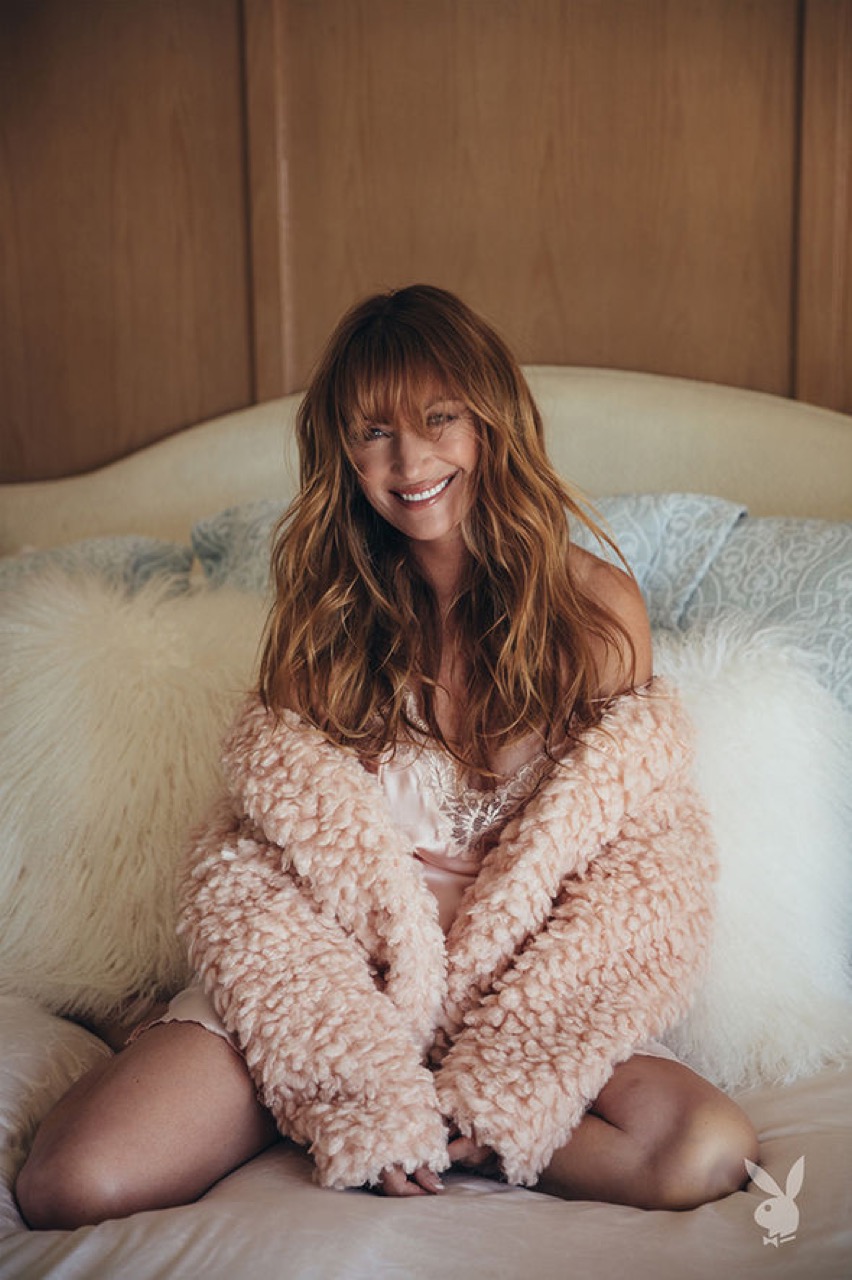
Jane Seymour is a British Actress. Born Joyce Penelope Wilhelmina Frankenberg on February 15, 1951, in Uxbridge, United Kingdom, she has also been credited as The Queen of the Miniseries. She appeared in Playboy in February 2018 at 66, adding the feature to her public career. Her appearance came during Playboy's contemporary era of international and digital publishing.
Seymour has natural breasts, green eyes and brown hair. Her measurements are 34-24-34.
Jane Seymour brings a rare, regal elegance to the Playboy archive — refined, intelligent, and lit by the kind of beauty that seems to belong equally to classic cinema, television drama, and old-world romance. Her glamour has never depended on provocation. It comes from poise, mystery, and the unmistakable confidence of a woman who has moved through decades of entertainment without surrendering her grace.
Her journey began with an uncredited appearance in the 1969 musical comedy Oh! What a Lovely War, but it did not take long for her presence to become impossible to ignore. With The Onedin Line, Seymour emerged as a striking television talent, bringing warmth and dramatic composure to the screen. Then came one of her most memorable early roles: Solitaire, the psychic Bond girl in Live and Let Die. Elegant, enigmatic, and almost otherworldly, she gave the Bond universe one of its most distinctive female figures.
Part of Jane Seymour’s visual power comes from a detail that feels almost cinematic in itself: her heterochromia. With one brown eye and one green eye, she carries a natural asymmetry that deepens her screen presence, adding to the sense that she was built for close-ups, candlelight, and secrets. It is a feature that makes her beauty not only striking, but singular — the kind of face the camera remembers.
In 1987, Seymour became the subject of a Playboy pictorial, a moment that confirmed her status as a timeless symbol of adult elegance. Notably, she chose not to pose nude, preserving the sense of dignity and restraint that had always defined her image. Her Playboy presence was not about revealing everything. It was about suggestion, maturity, and the magnetic pull of a woman who understood that allure can be strongest when it remains partly withheld.
Her return to Playboy in February 2018 carried even greater significance. At 67, Jane Seymour became the oldest woman ever to appear in the magazine’s pages at that time, turning the moment into a statement about beauty, age, confidence, and survival. In her interview, she also spoke with courage about briefly leaving acting after experiencing sexual harassment by an unnamed film producer in the early 1970s, adding a powerful layer of honesty to a feature already framed around resilience.
Jane Seymour’s legacy is built from more than beauty. She is an actress, icon, survivor, and woman of enduring self-possession. From Bond mythology to television stardom, from Playboy elegance to public candor, she has carried herself with grace and quiet strength. In the Playboy archive, Jane Seymour stands as proof that true sensuality does not fade with time. It deepens, gathers history, and becomes something far more compelling than youth alone.