Amy Acuff Bio
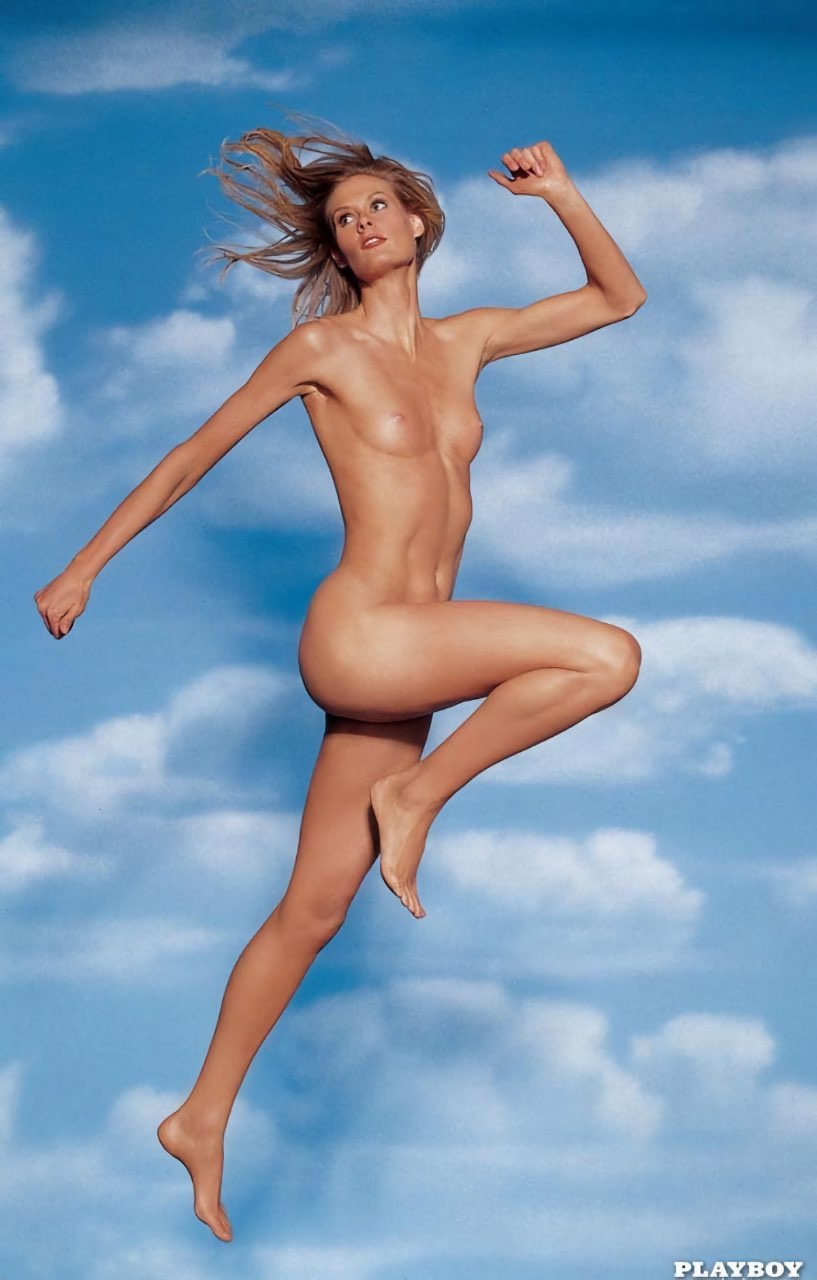
Amy Acuff is an American High jumper and model. Born Amelia Lyn Acuff on July 14, 1975, in Port Arthur, Texas, she has also been credited as Amy Lyn Acuff. She appeared in Playboy in September 2004 at 29, adding the feature to her public career. Her appearance came in the 2000s, as Playboy's print tradition began to share space with an expanding online presence.
Acuff has natural breasts, amber eyes and blond hair. Her measurements are 33-26-35.
Amy Acuff built one of the most durable careers in American high jumping, representing the United States at five consecutive Olympic Games between 1996 and 2012. Remaining competitive at the highest international level for nearly two decades required an unusual combination of technical precision, physical resilience, and mental discipline. Her longevity made her a familiar figure across several generations of American track and field.
Her strongest Olympic performance came in Athens in 2004, where she cleared 1.99 meters and narrowly missed the podium with a fourth-place finish. That result reflected a career filled with domestic success: Acuff won six U.S. outdoor high jump championships and five national indoor titles, establishing herself as one of the country’s most consistent performers in the event. She was also a five-time NCAA champion during her collegiate years at UCLA.
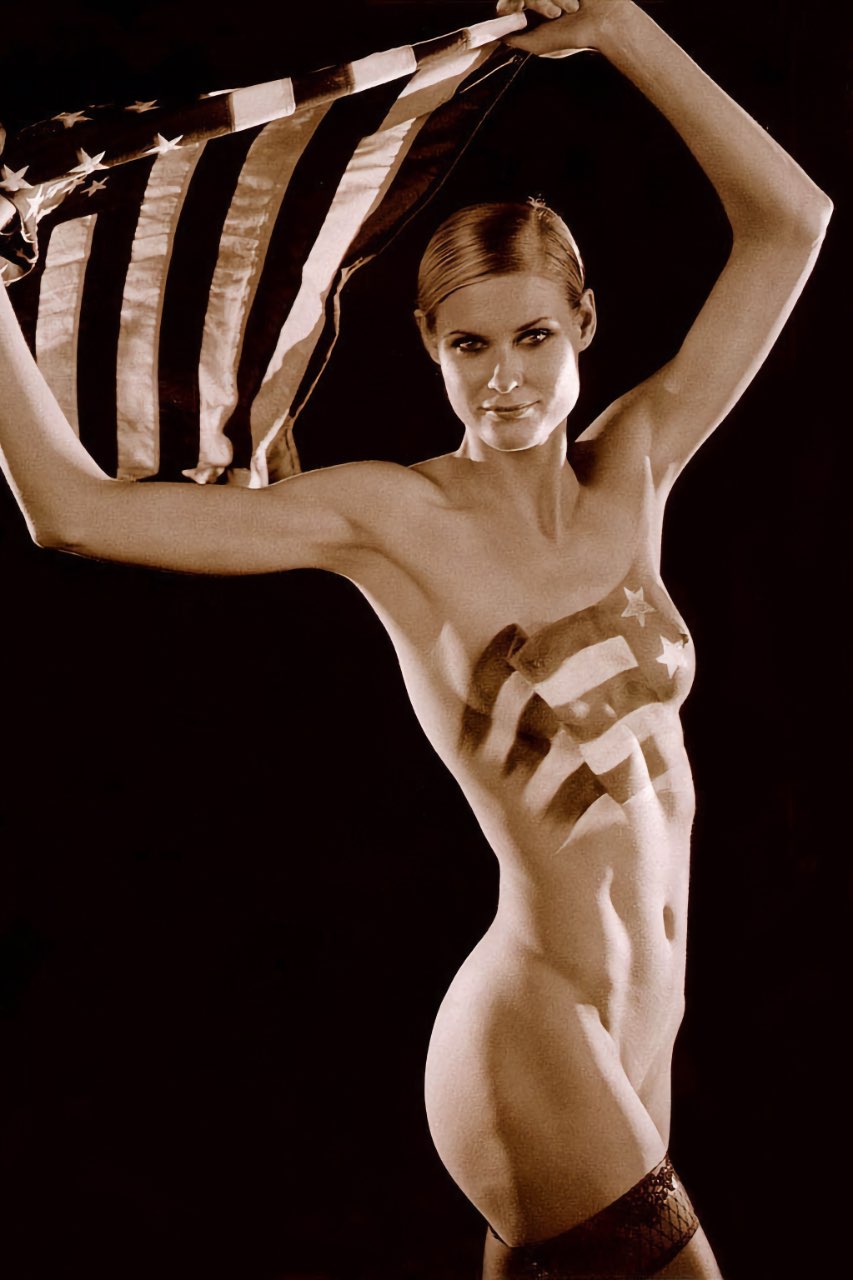
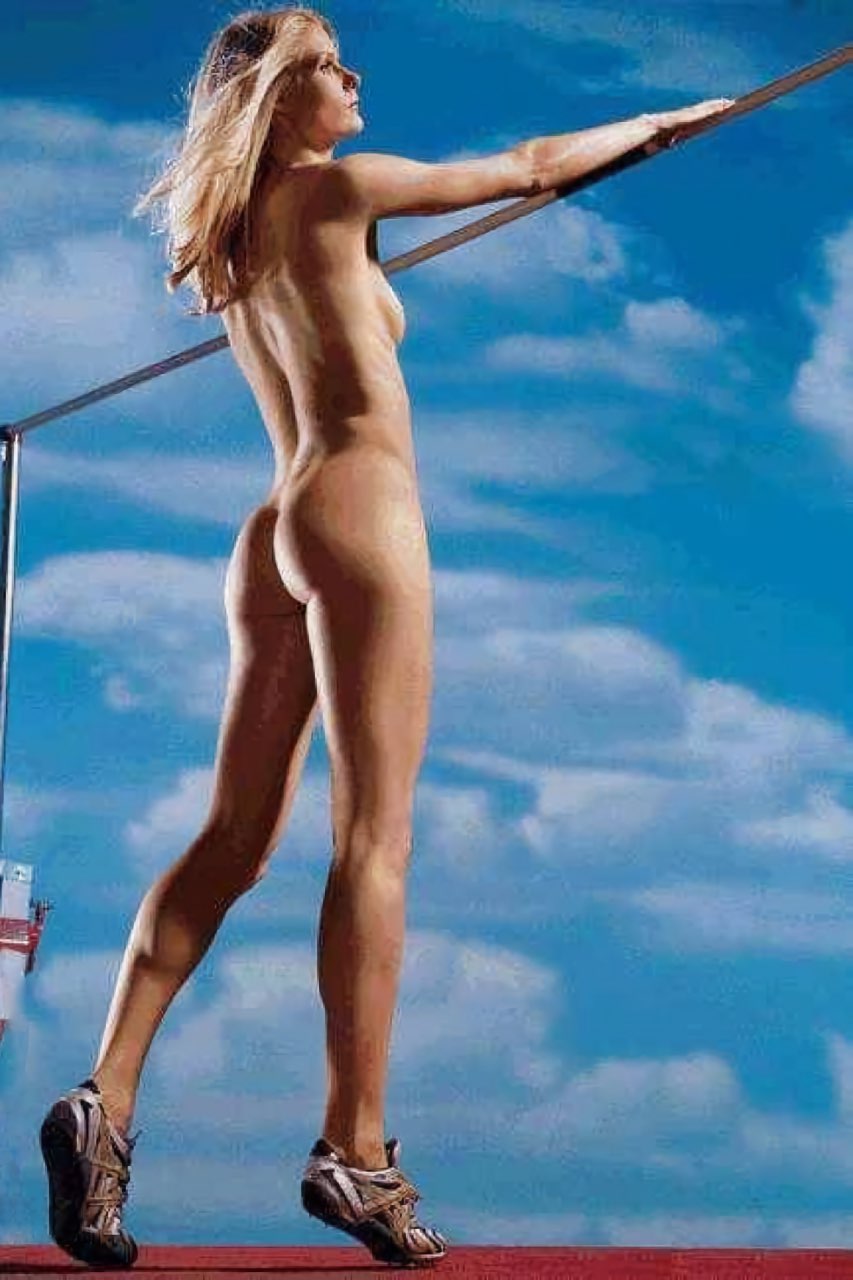
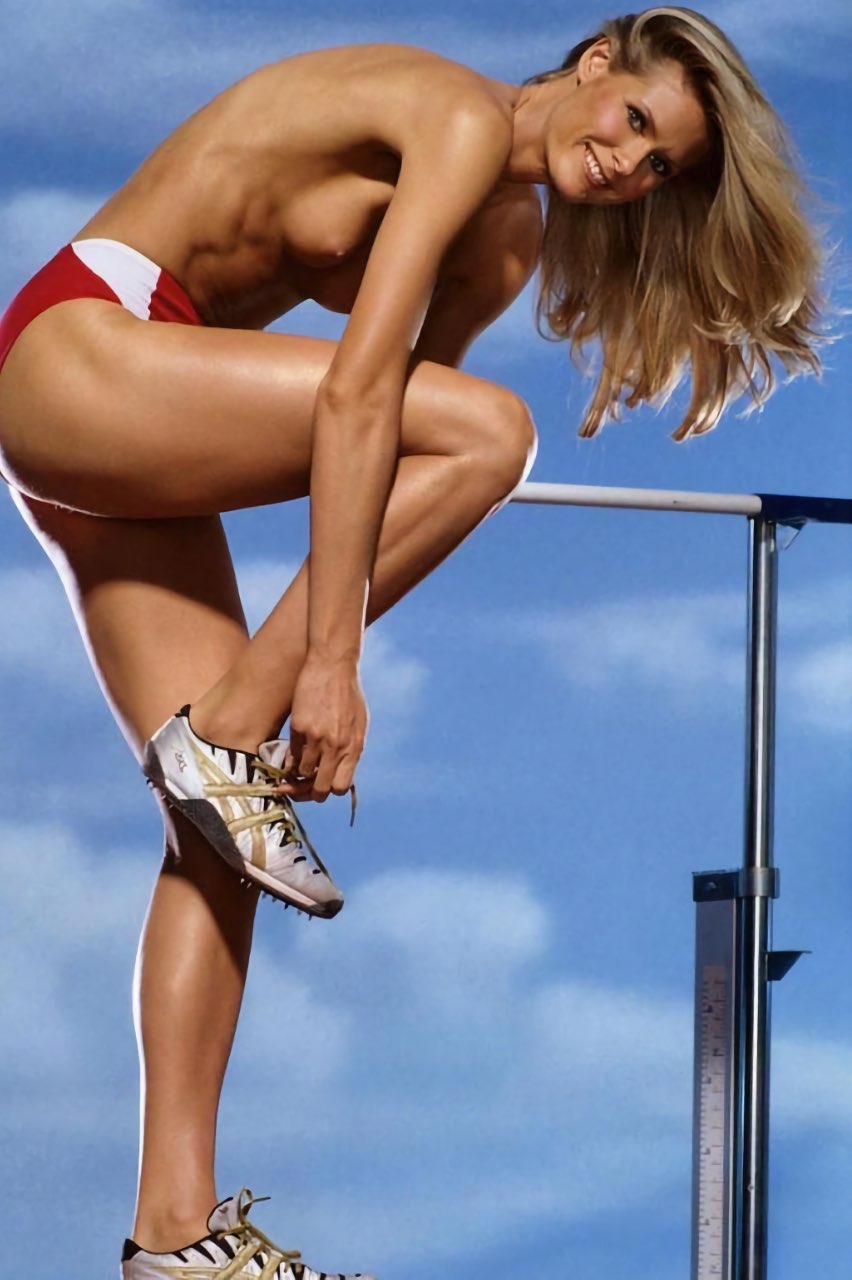
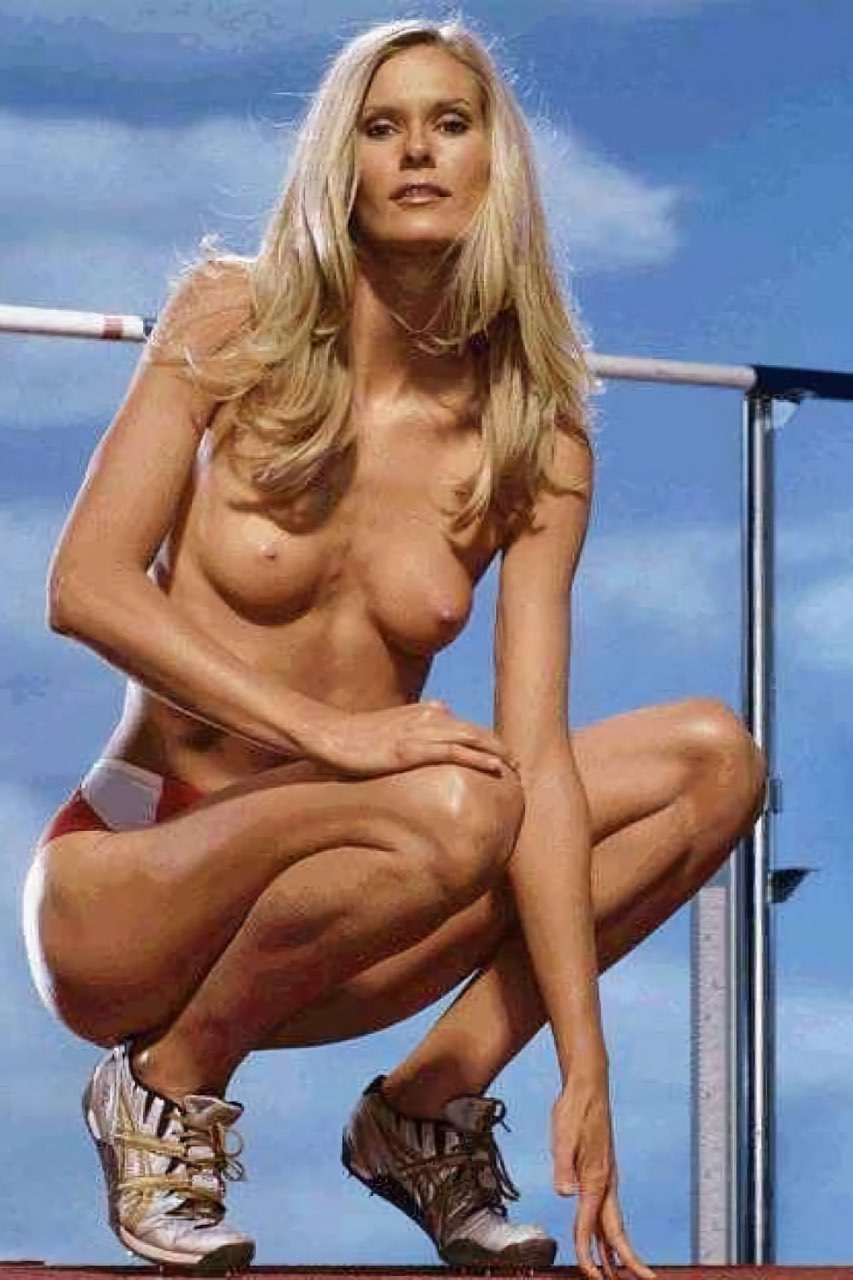
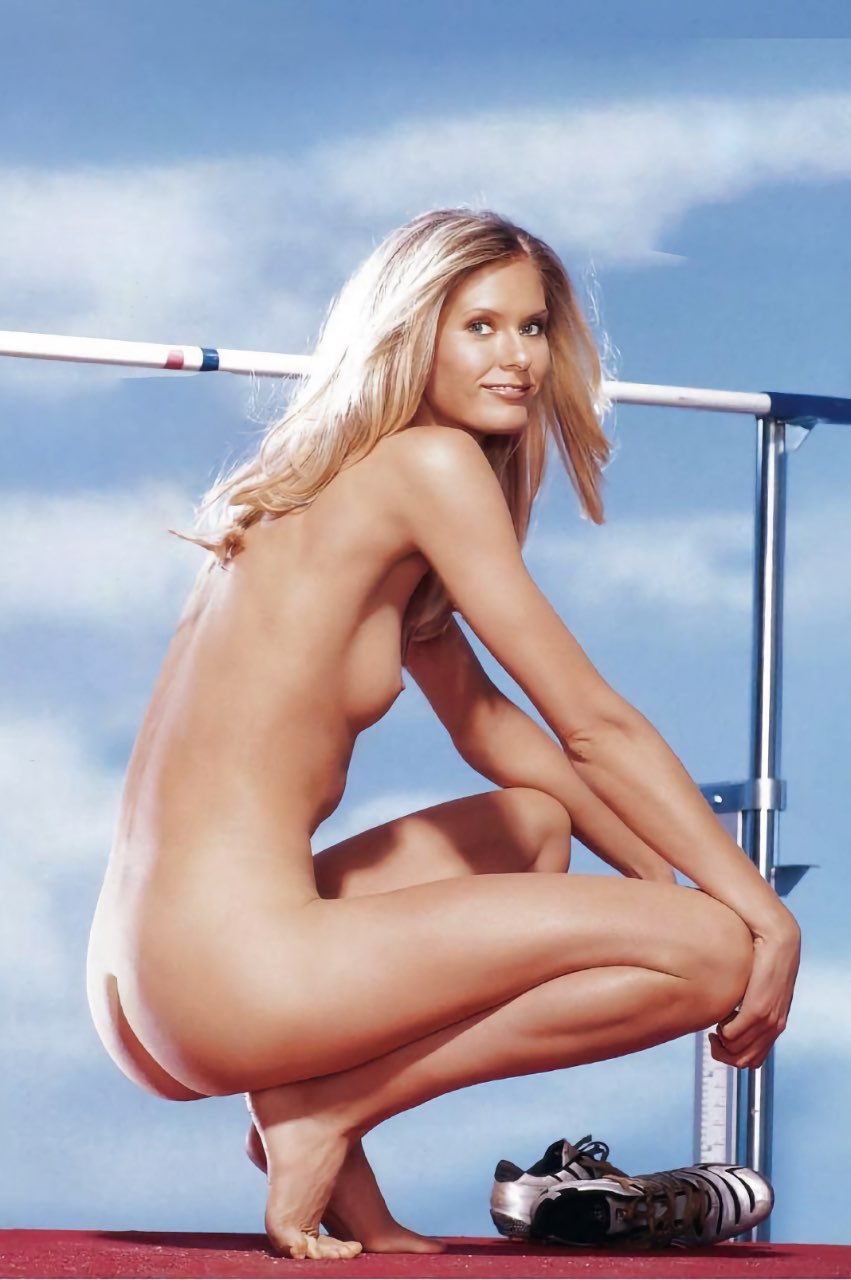
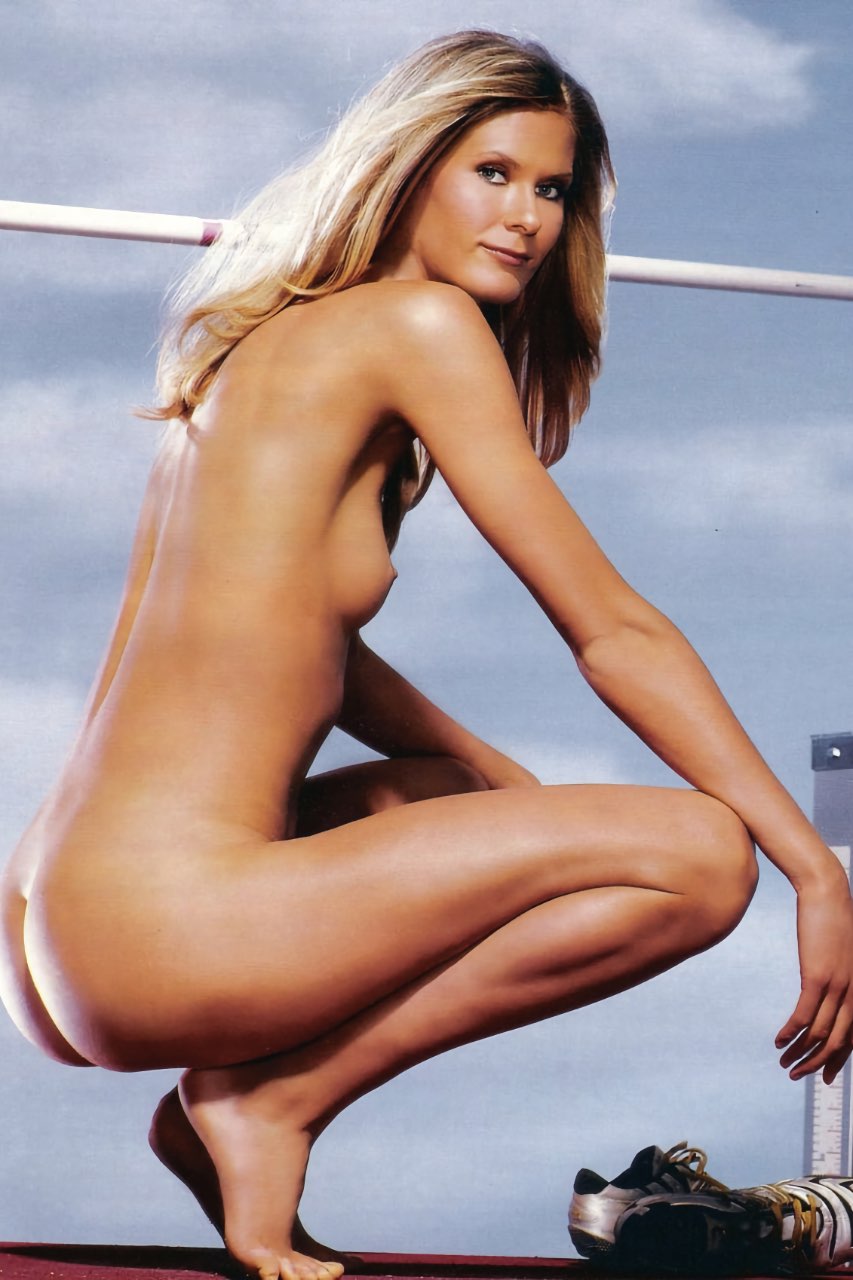
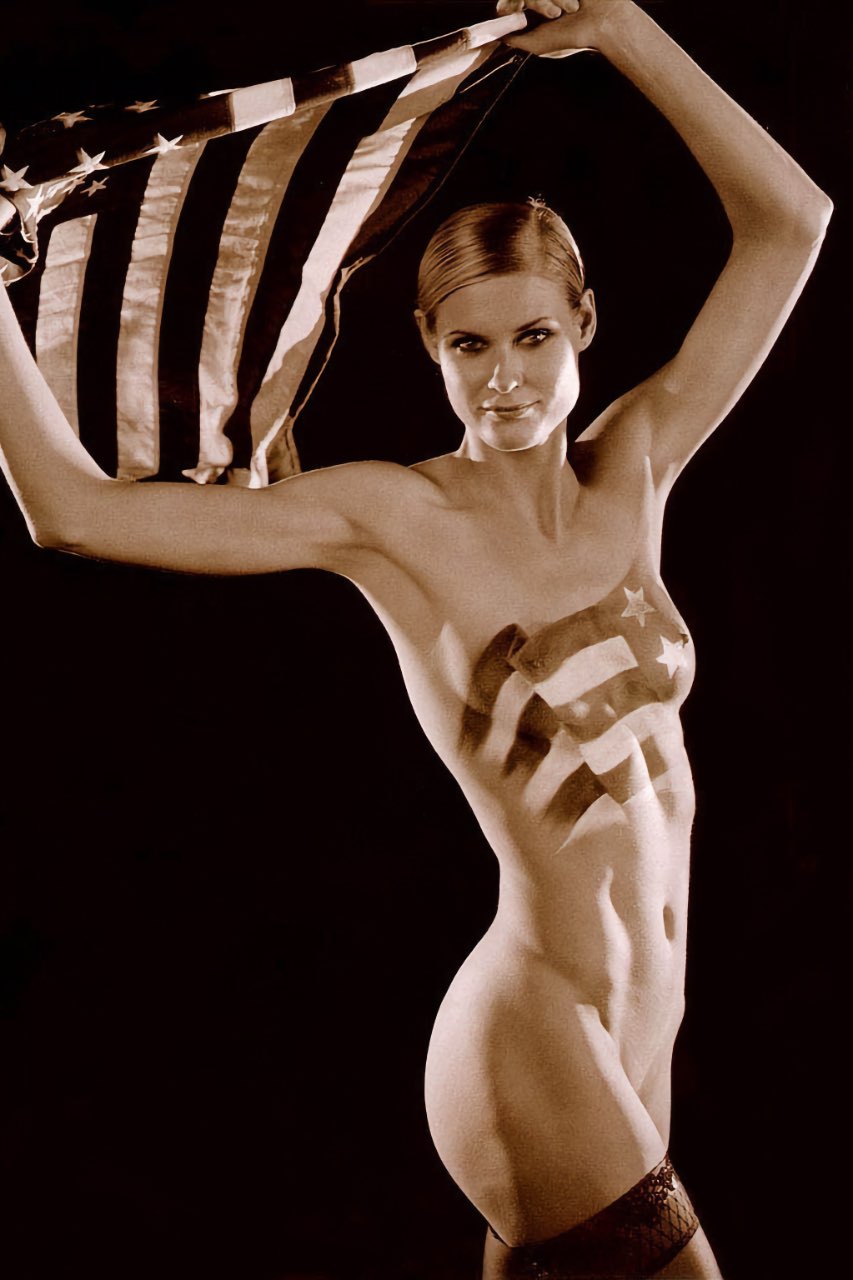
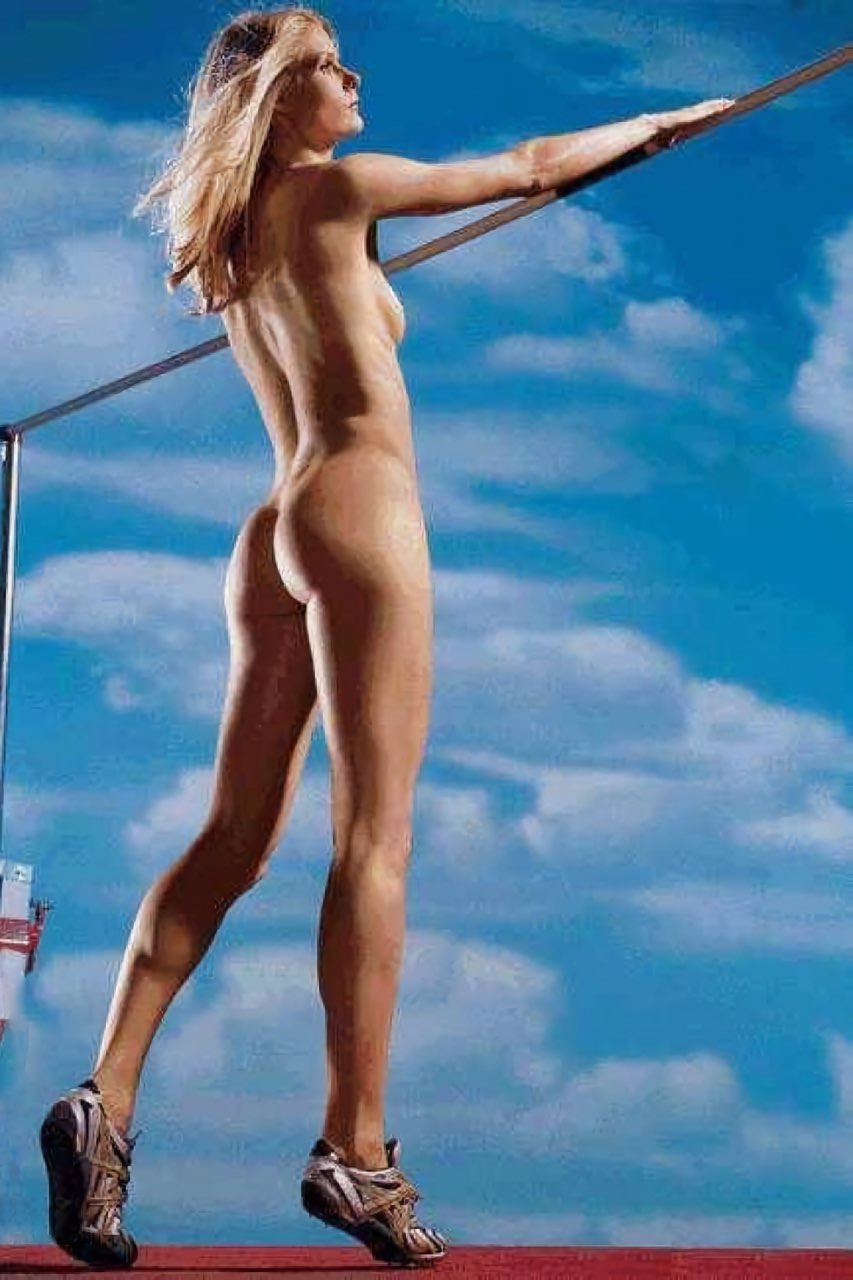
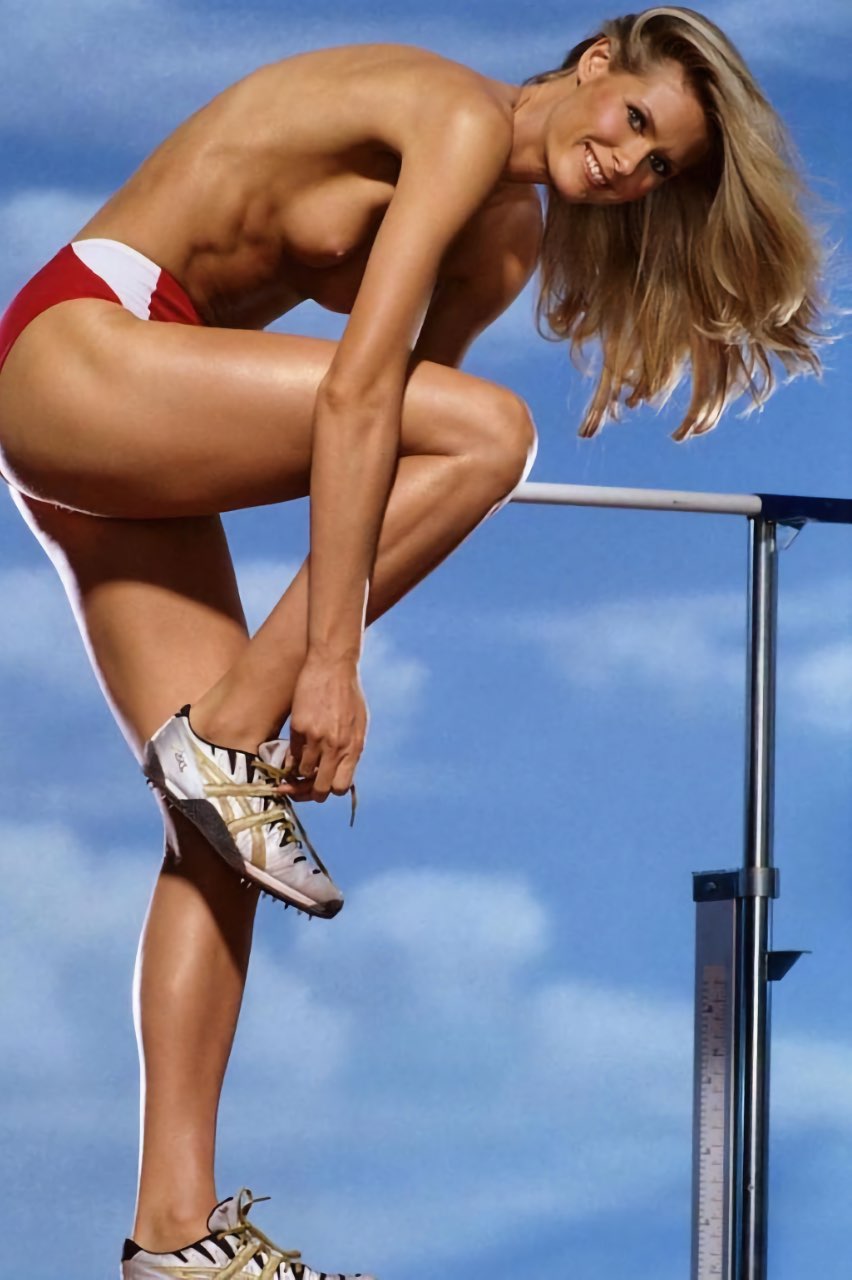
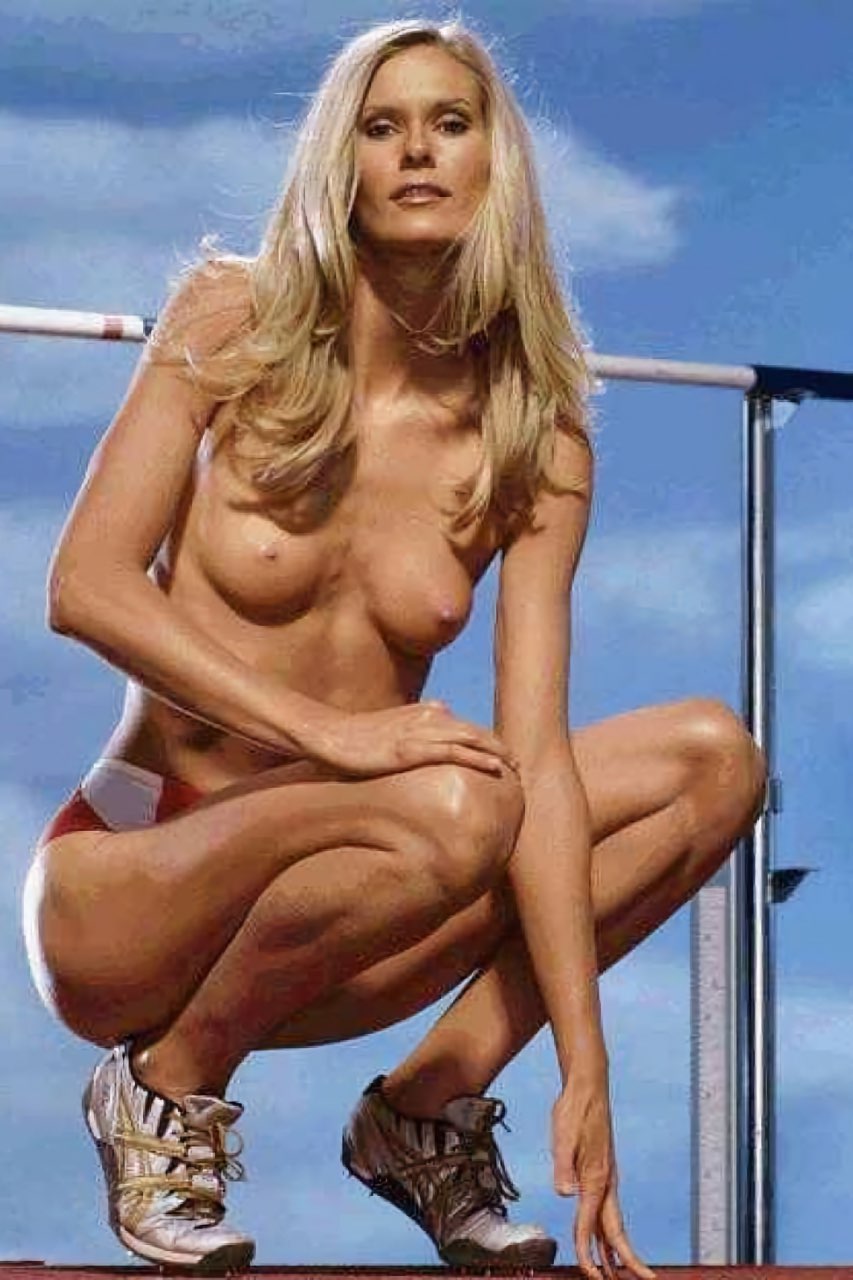
Acuff had already explored the relationship between athletic power and glamour before her most famous magazine appearance. In 1999, she helped organize the Omnilite Millennium Calendar of Champions, which featured artistic nude and semi-nude photographs of female track-and-field athletes. Part of the proceeds supported the Florence Griffith-Joyner Youth Foundation, giving the project a purpose beyond provocation while challenging conventional ideas about how elite sportswomen could present themselves.
Her appearance on the cover of Playboy’s September 2004 issue brought that conversation to a much larger audience. Featured in the “Women of the Olympics” pictorial alongside other international athletes, Acuff presented the trained female body as both powerful and sensual. The photographs arrived during the Athens Games, when public interest in Olympic competitors was at its peak, placing her at the center of a wider debate about athletic identity, personal choice, and the media’s portrayal of women in sport.
What made Acuff’s Playboy appearance distinctive was the authority behind it. She was not using glamour as a substitute for athletic achievement; she had already earned national titles, Olympic selections, and international respect. The pictorial added another dimension to that record, celebrating the elegance and physical confidence developed through years of competition. Her legacy rests on both remarkable sporting longevity and a willingness to question the narrow image traditionally assigned to female athletes.