Pia Zadora Bio
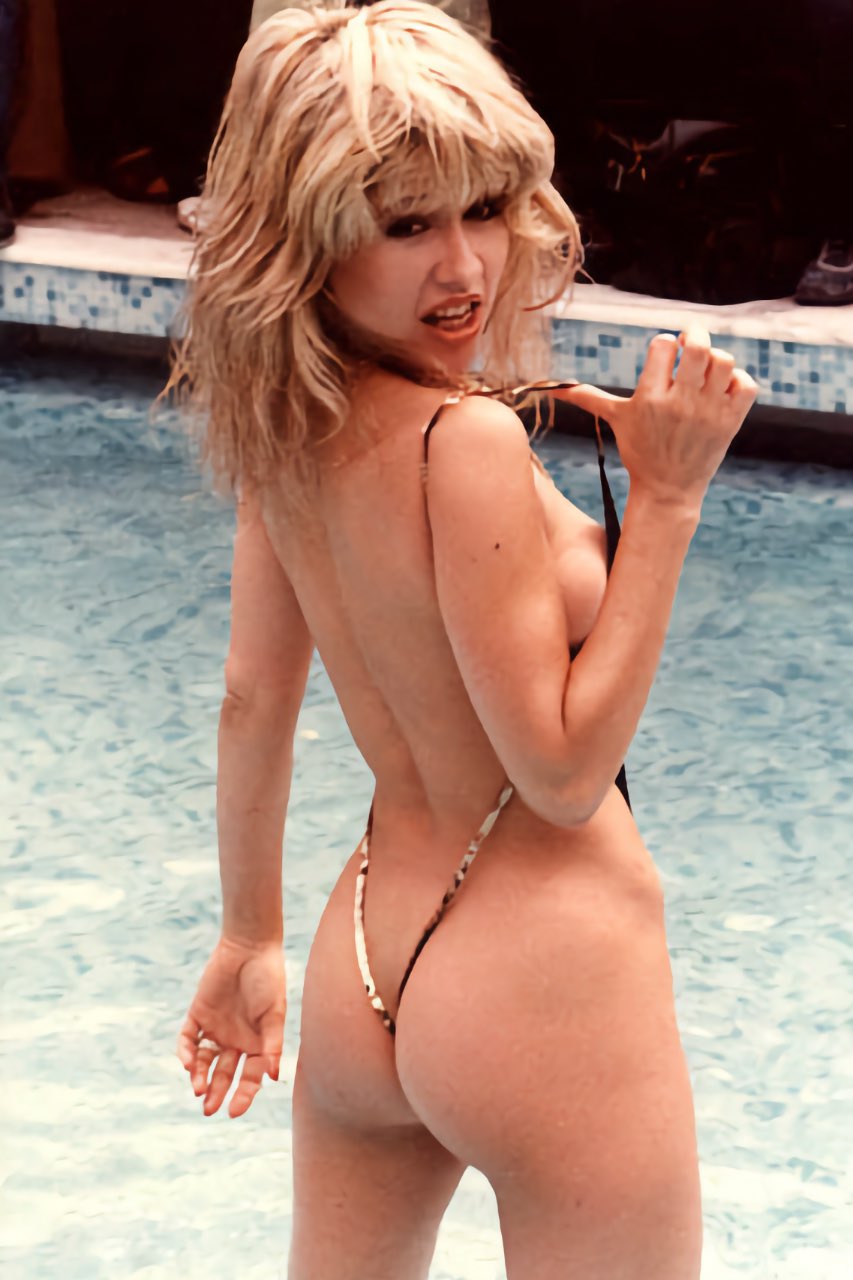
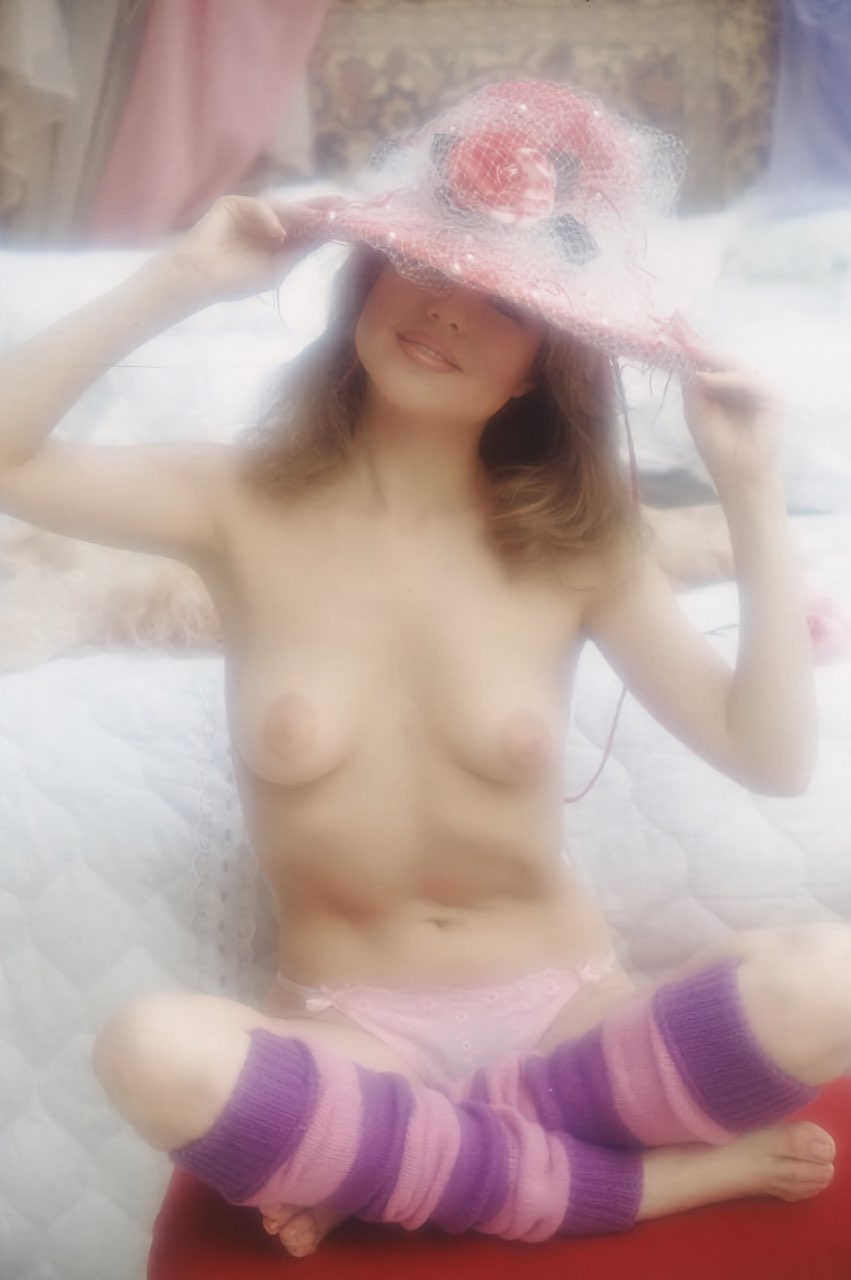
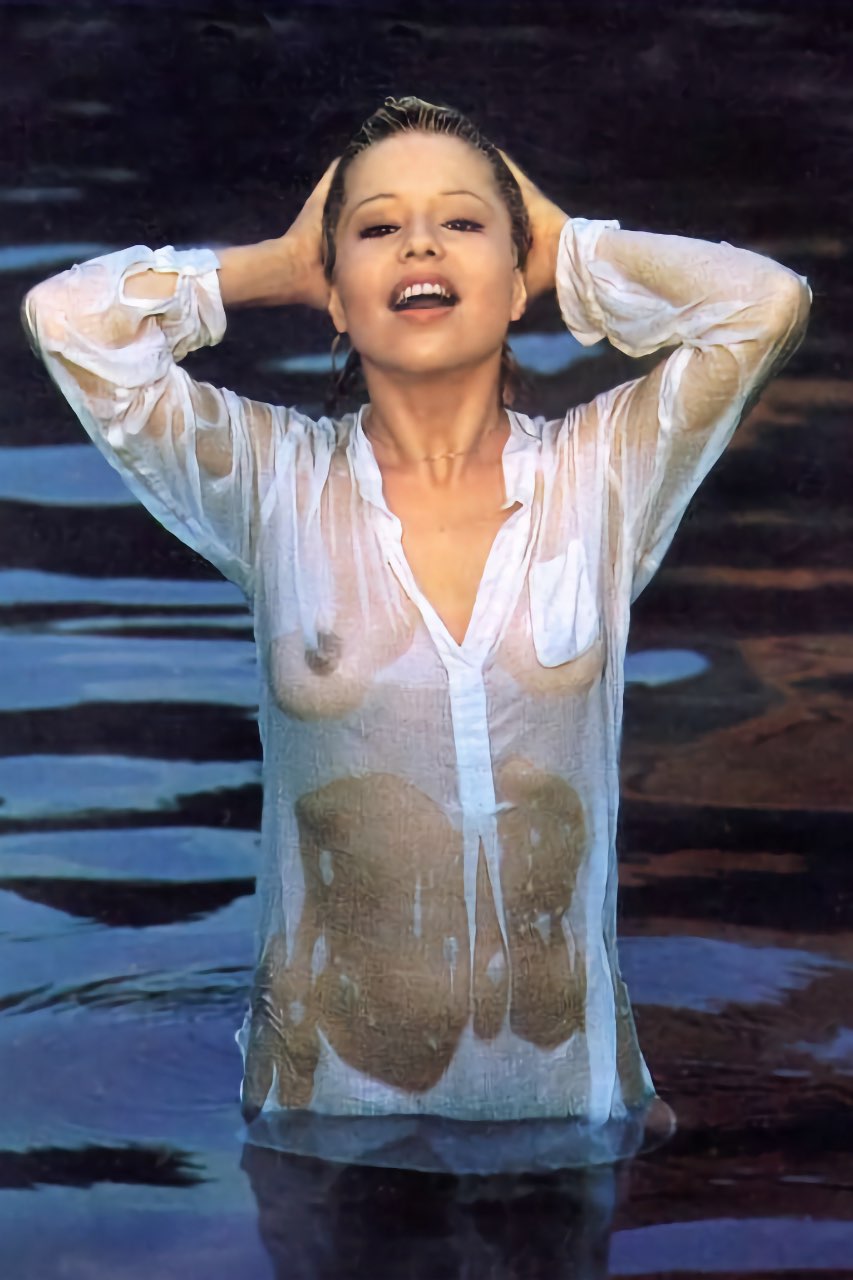
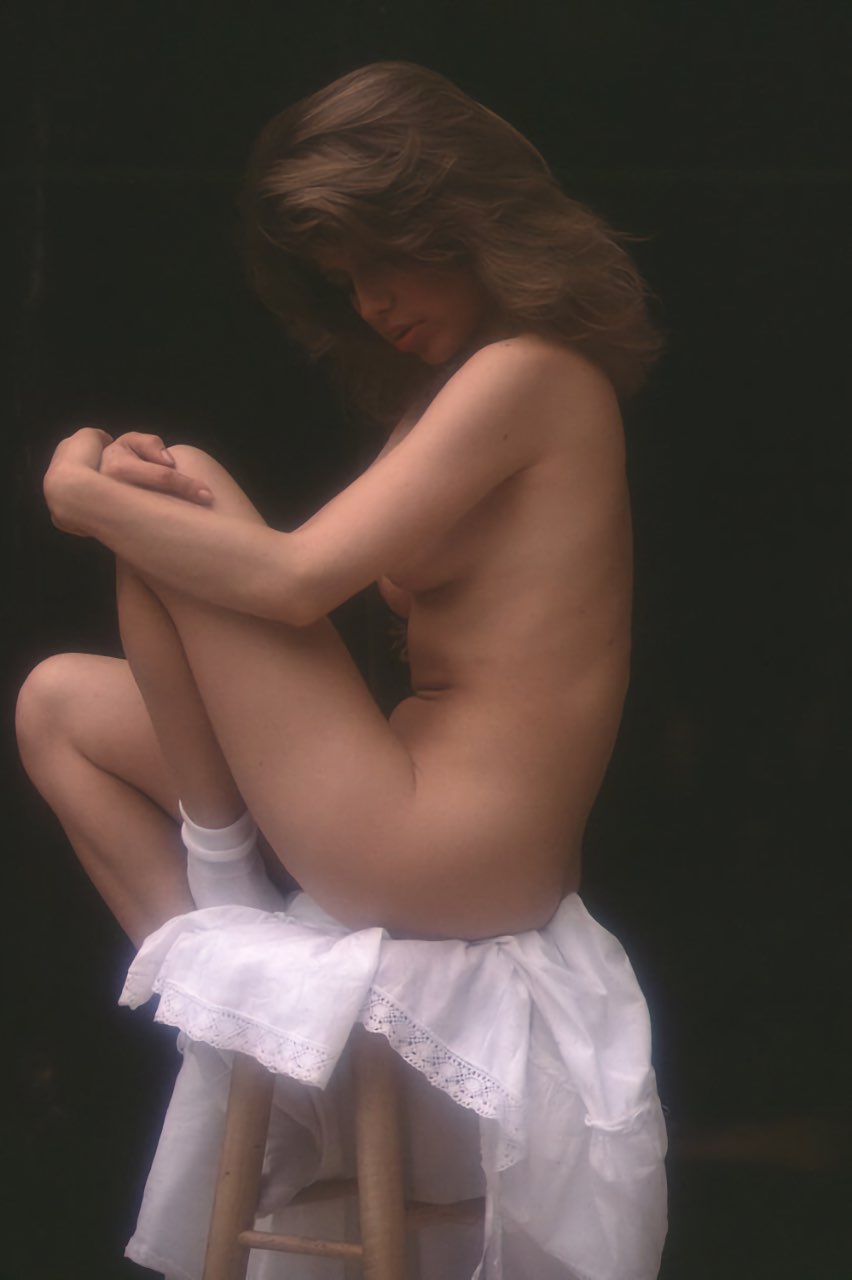
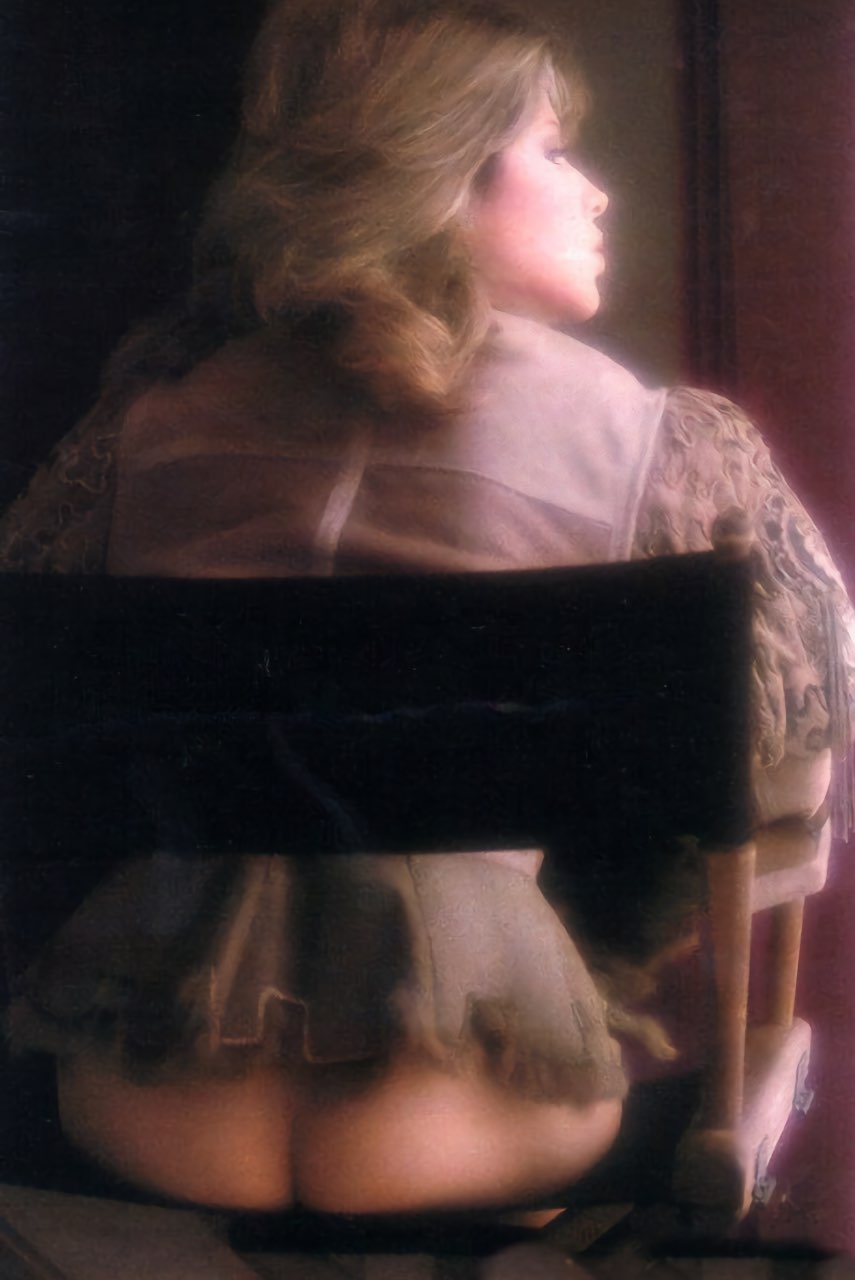
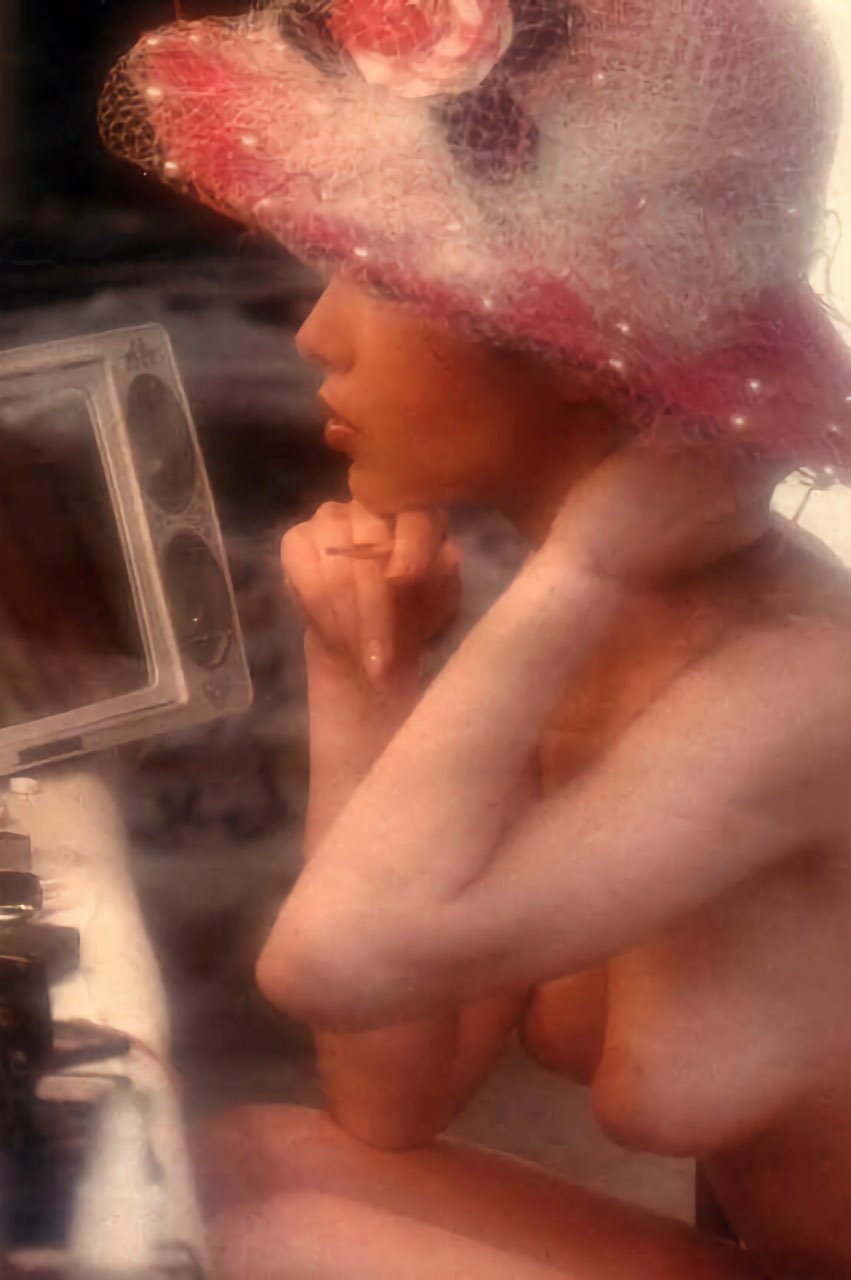
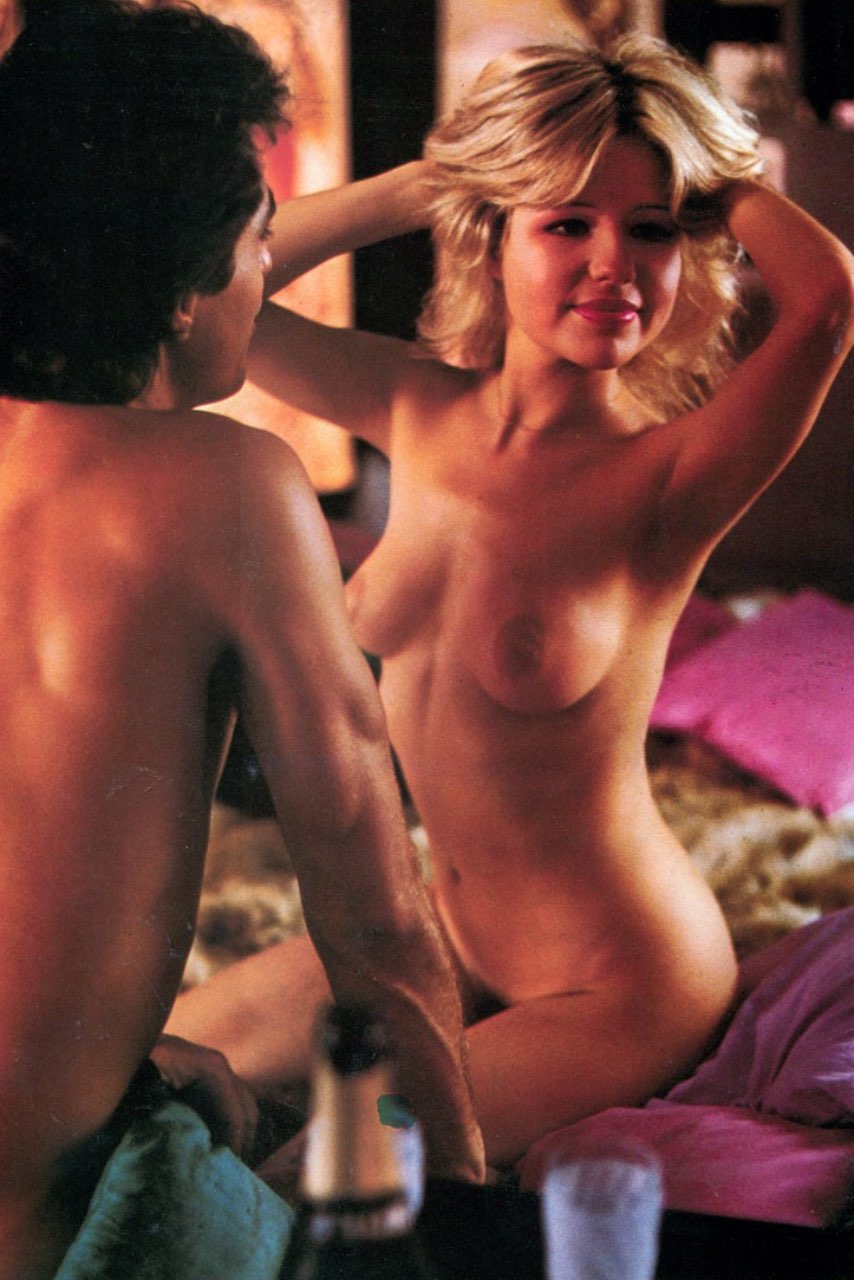
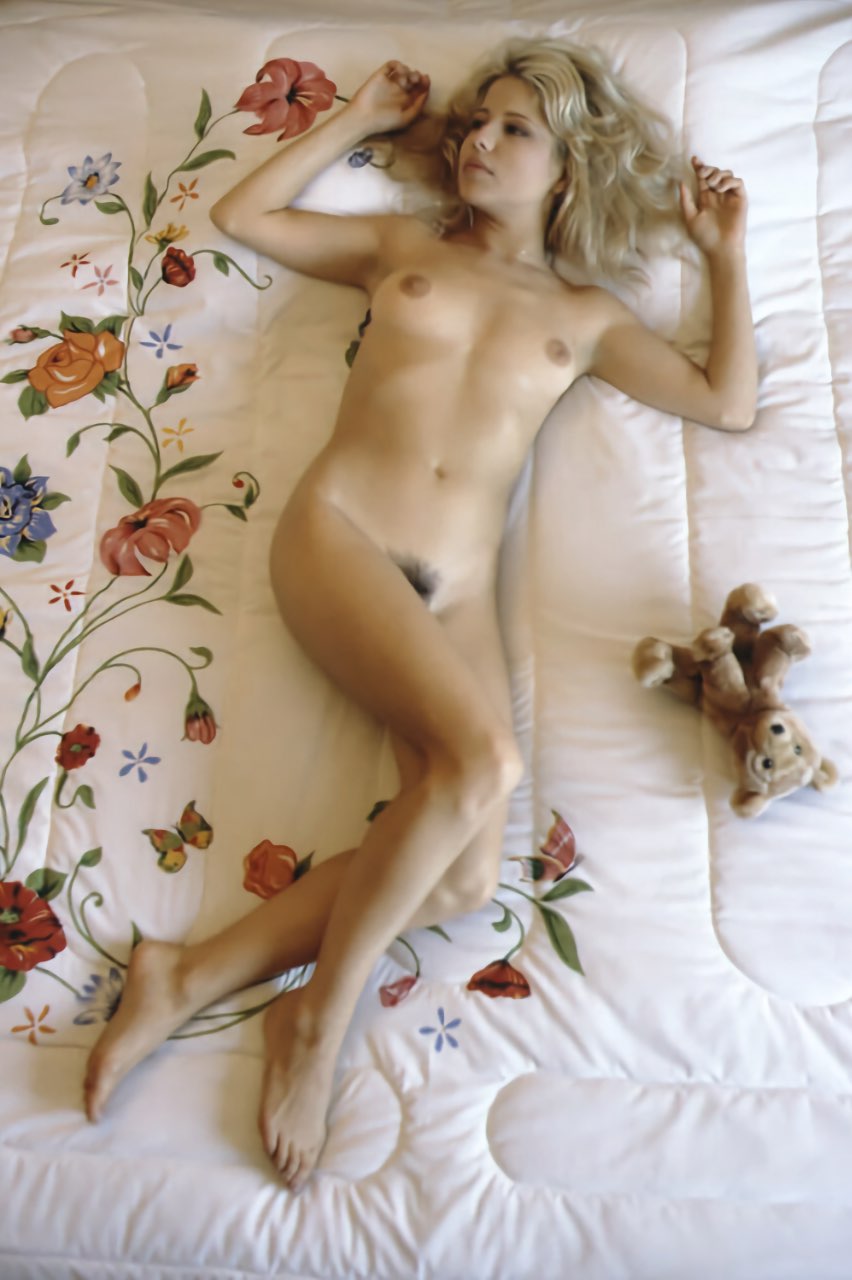
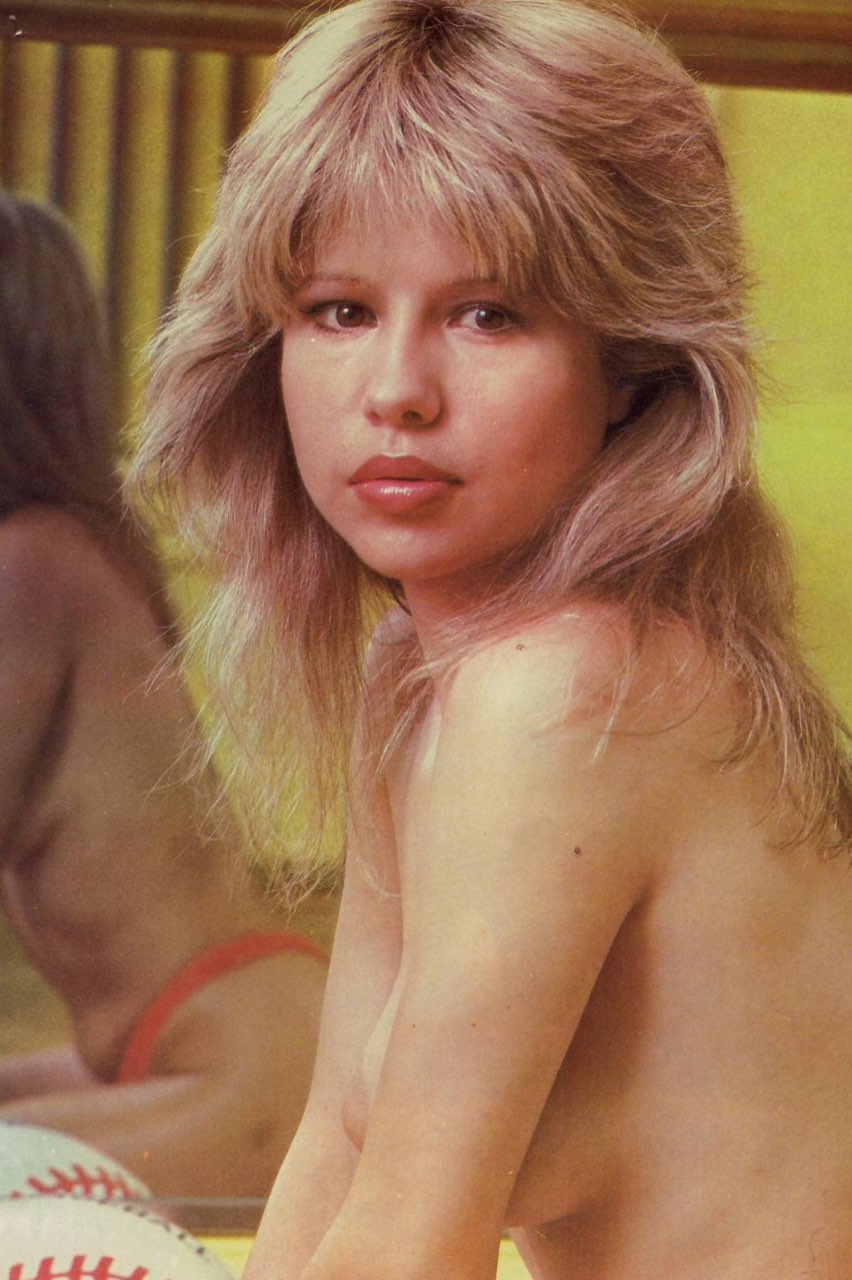
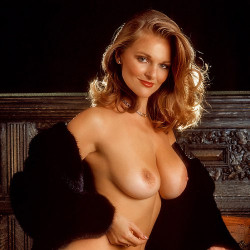
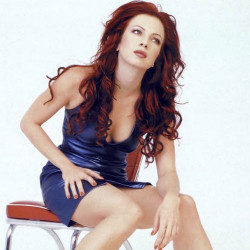
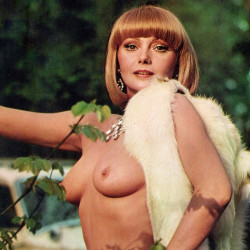
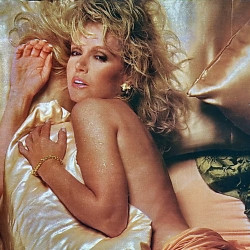
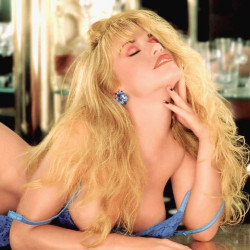
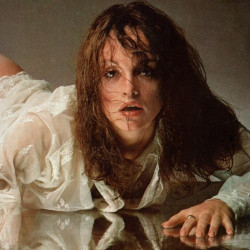
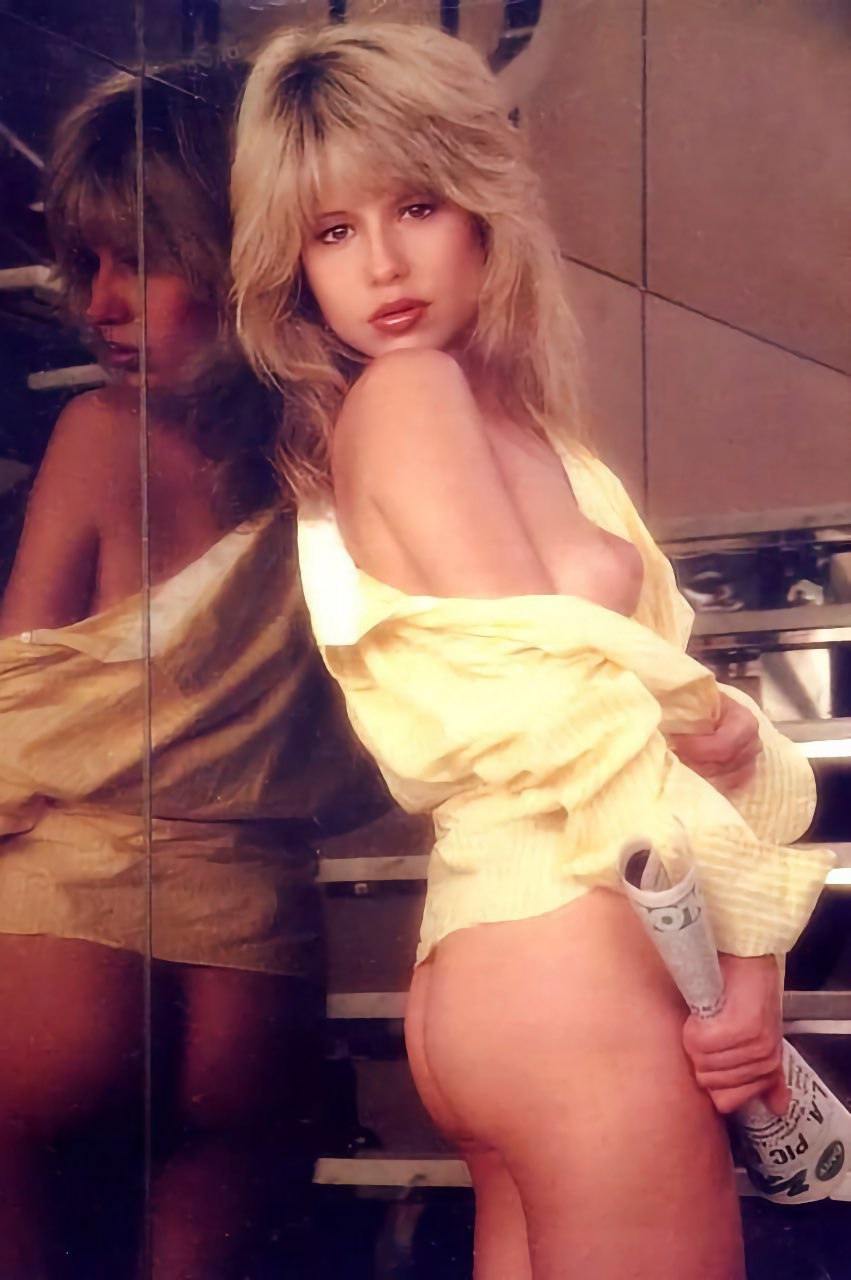
Pia Zadora is an American Actress and singer. She was born Pia Alfreda Schipani on May 4, 1954, in Hoboken, New Jersey. She appeared in Playboy in December 1981 at 27, adding the feature to her public career. Her appearance came during Playboy's polished, high-production 1980s period.
Zadora has natural breasts, brown eyes and blond hair. Her measurements are 33-22-34.
Pia Zadora appeared in Playboy in March 1982, not 1981, in a nude pictorial connected to the release of Butterfly. The feature arrived during one of the most intensely publicised introductions in Hollywood history, presenting Zadora as a glamorous new screen personality with theatrical experience, musical ambitions and a talent for attracting attention. She was not the issue’s cover model, but her pictorial became part of the publicity surrounding a film—and an awards campaign—that would make her one of the decade’s most debated entertainers.
Zadora had been performing long before Hollywood treated her as an overnight discovery. She worked as a child actress on Broadway and in regional theatre, appearing in productions that included Fiddler on the Roof, and made an early film appearance in Santa Claus Conquers the Martians. Her stage background gave her a foundation in singing and live performance, although her later celebrity would often be discussed more in terms of promotion, glamour and controversy than the years she had already spent developing her craft.
The March 1982 Playboy pictorial was closely associated with Butterfly, in which Zadora starred opposite Stacy Keach and Orson Welles. Her performance earned the Golden Globe for New Star of the Year while also receiving Golden Raspberry Awards, creating the contradictory public image that followed her for years. The Golden Globe victory became particularly controversial amid accusations that an expensive promotional campaign financed by her husband, Meshulam Riklis, had influenced voters. Playboy formed part of that highly visible campaign, placing Zadora’s sensuality and emerging celebrity before a vast national audience.
Rather than retreat from the resulting criticism, Zadora continued working in film and increasingly redirected her career toward music. She starred in The Lonely Lady and the cult musical Voyage of the Rock Aliens, then achieved major European success with “When the Rain Begins to Fall,” her energetic duet with Jermaine Jackson. She also recorded pop, rock and traditional standards, earning a Grammy nomination for “Rock It Out” and later collaborating with the London Philharmonic Orchestra on Pia & Phil. Her recording career revealed the old-school nightclub performer behind the tabloid mythology.
Pia Zadora’s Playboy appearance remains inseparable from the contradictions that made her such a vivid figure of early-1980s celebrity. It was glamorous but strategic, playful but carefully promoted, and positioned at the centre of a storm involving ambition, wealth, criticism and sudden fame. Yet Zadora proved more durable than the controversy surrounding Butterfly. Whether singing in concert, embracing cult cinema or revisiting the standards she loved, she continued performing on her own terms—still polished, still provocative and never likely to disappear quietly into the background.