Sylva Koscina Bio
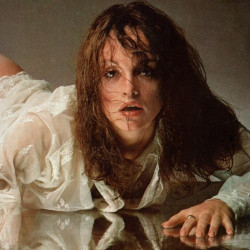
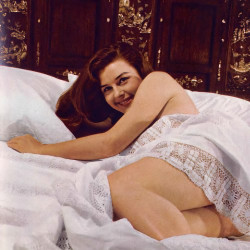
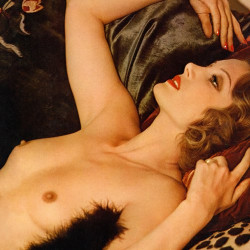
Sylva Koscina was a Croatian Actress and model. Born Silvija Koscina on August 22, 1933, in Zagreb, Croatia, she has also been credited as Sylva Koskinon. She appeared in Playboy in May 1967 at 33, adding the feature to her public career. Her appearance came during the 1960s, as Playboy grew into a major force in American magazine publishing.
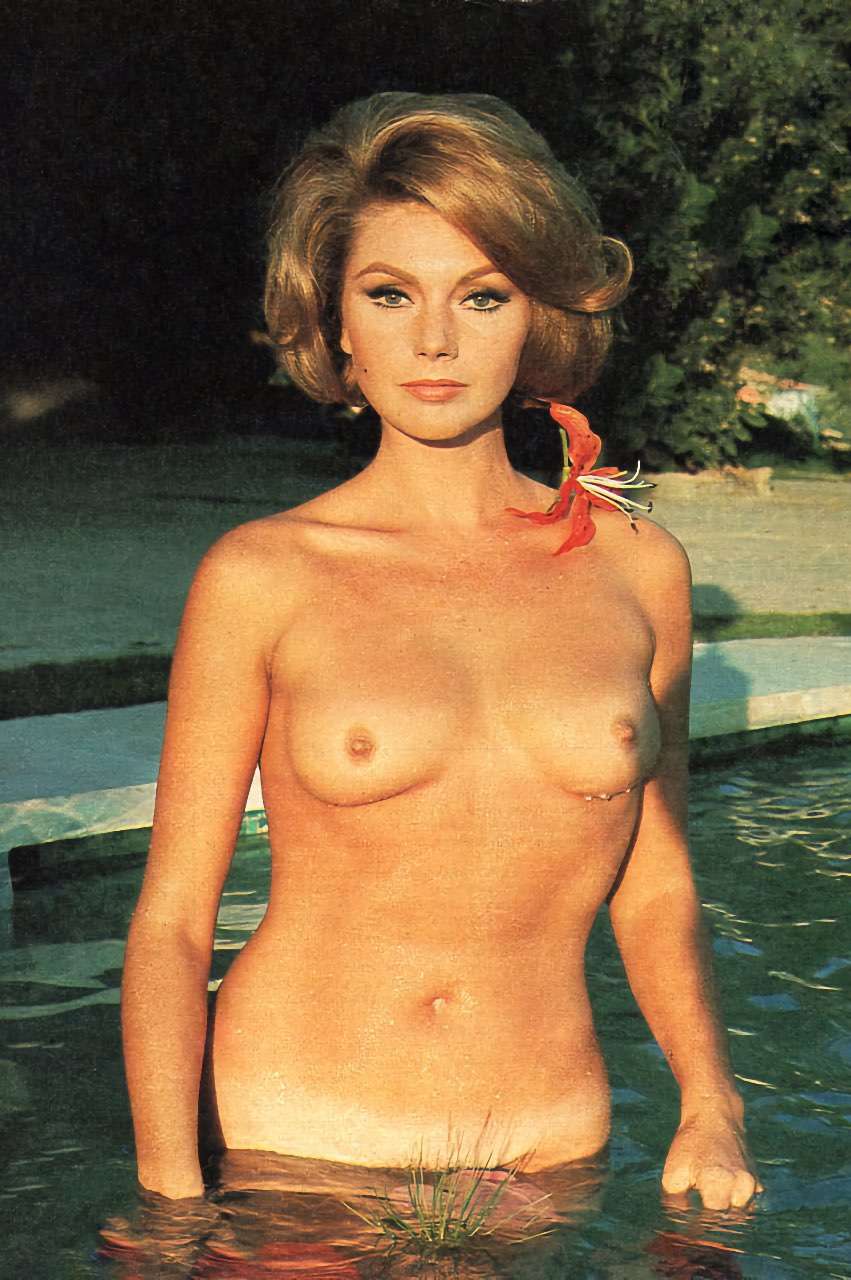
Koscina had natural breasts, green eyes and brown hair. Her measurements are 36-26-38.
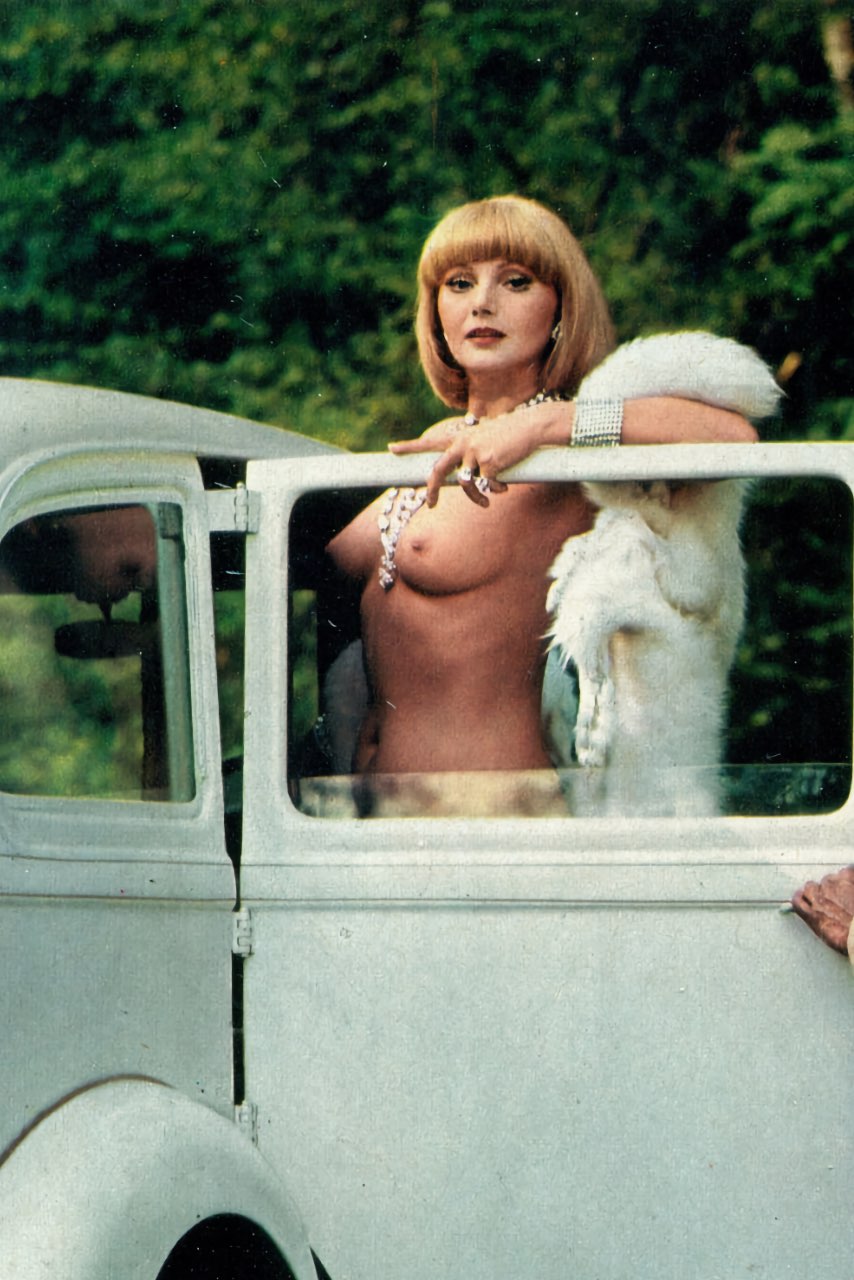
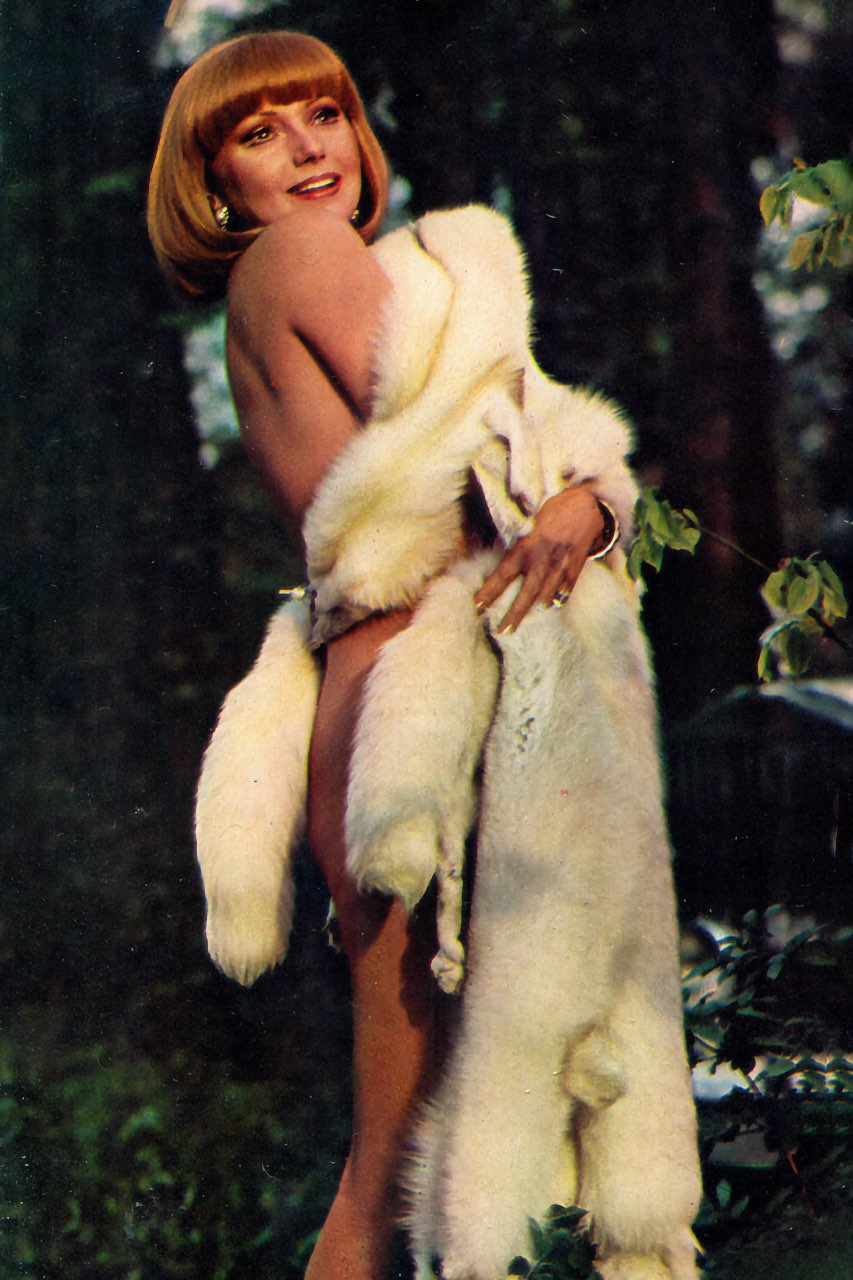
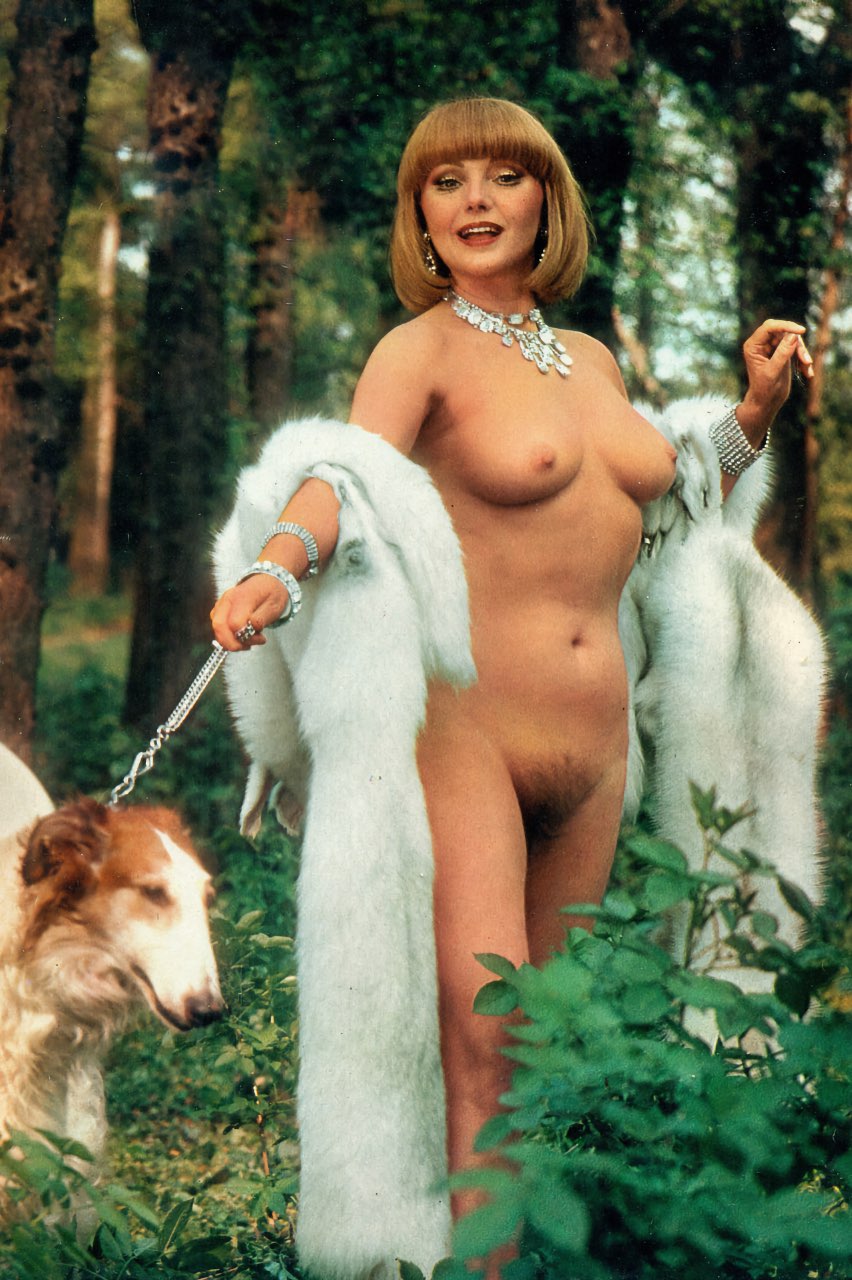
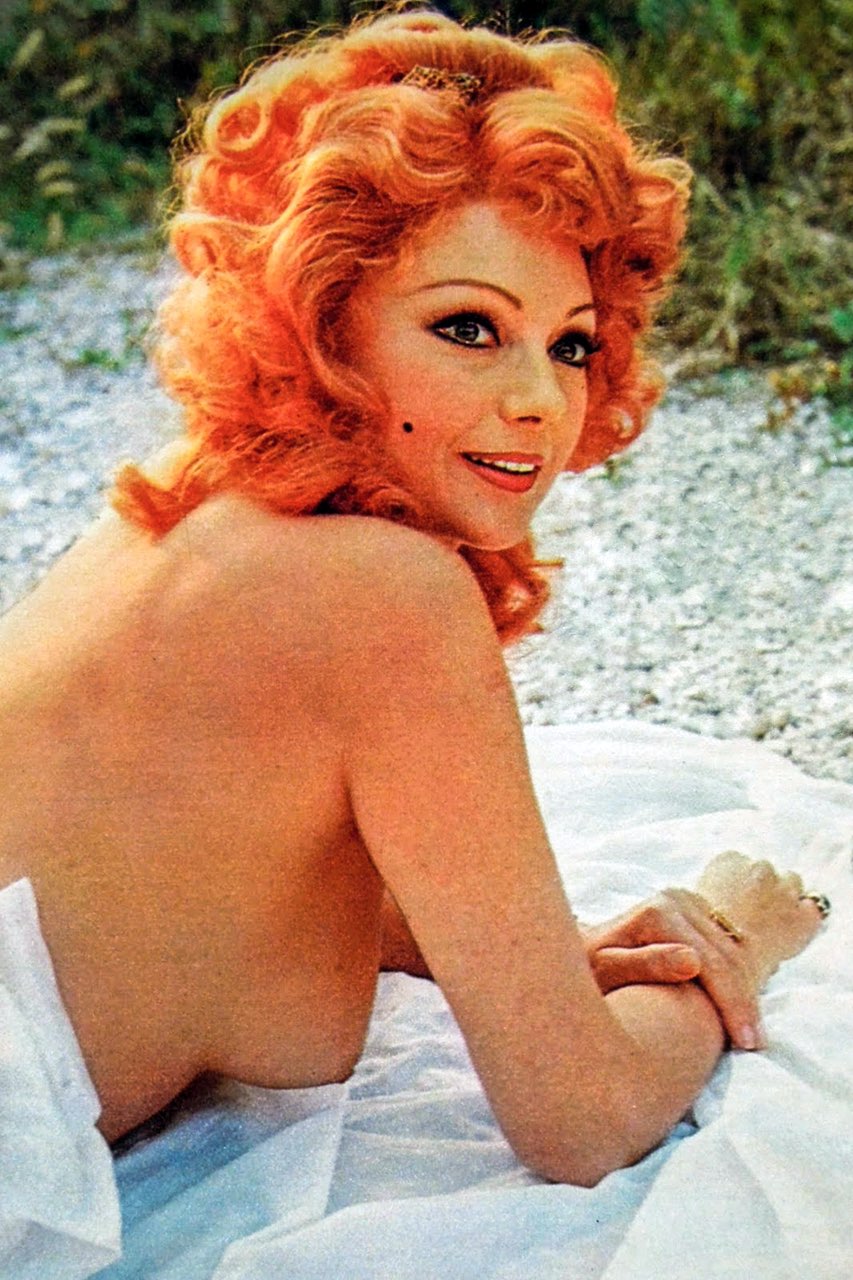
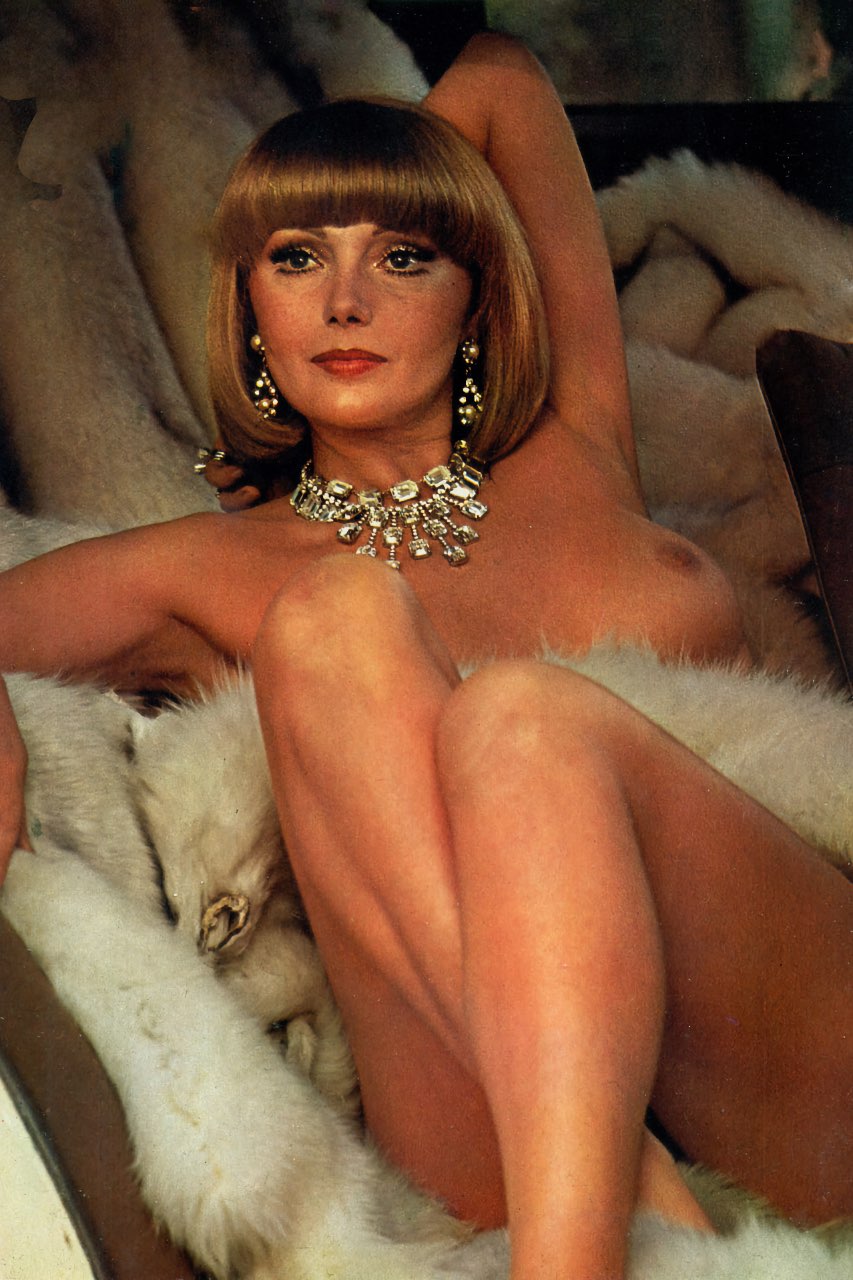
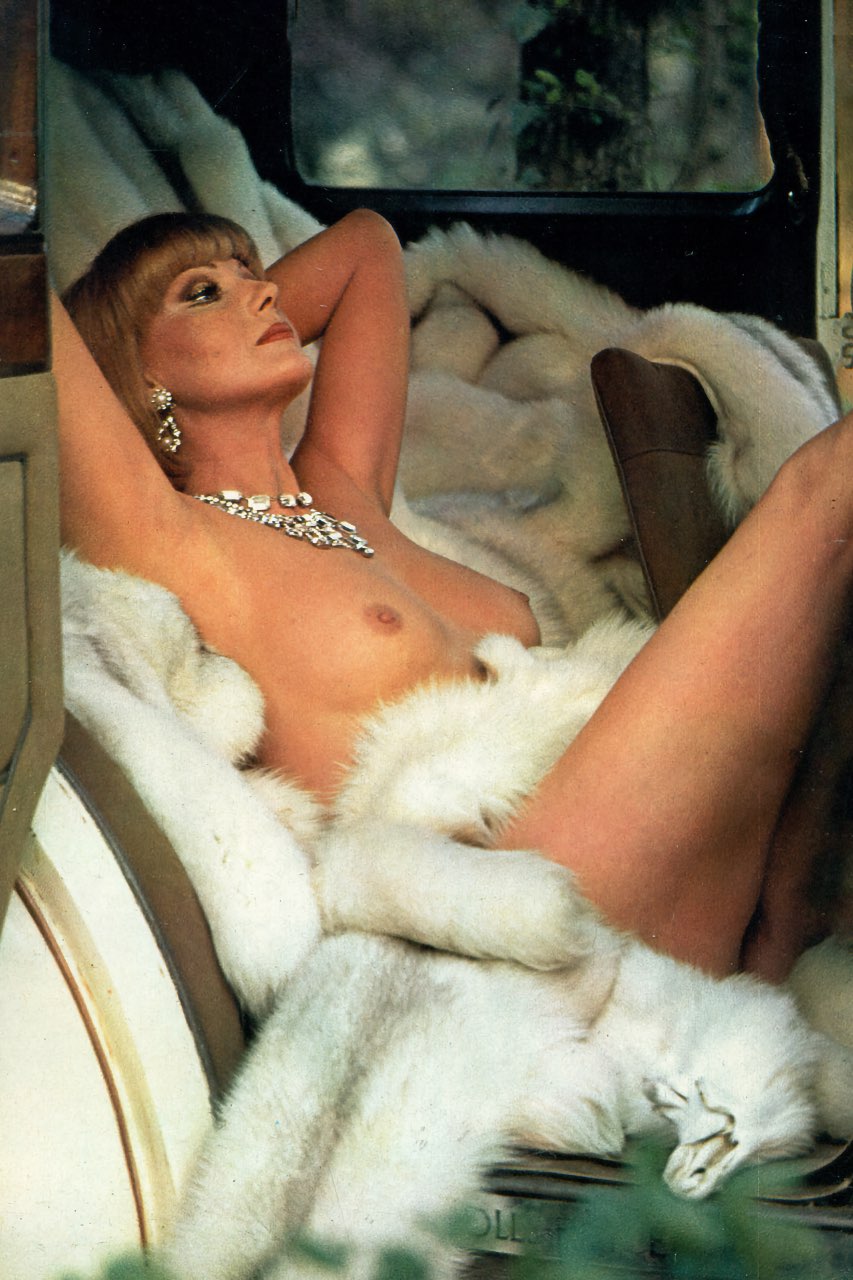
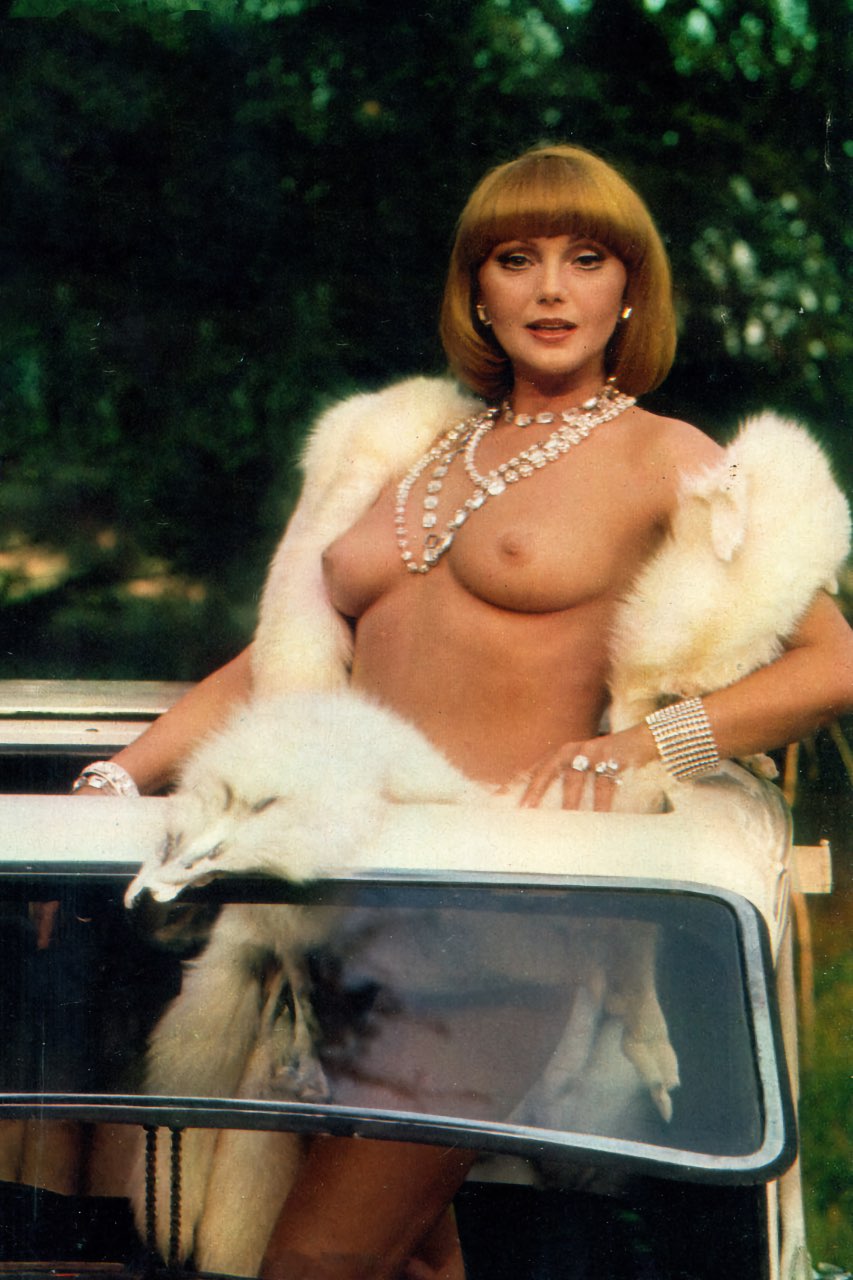
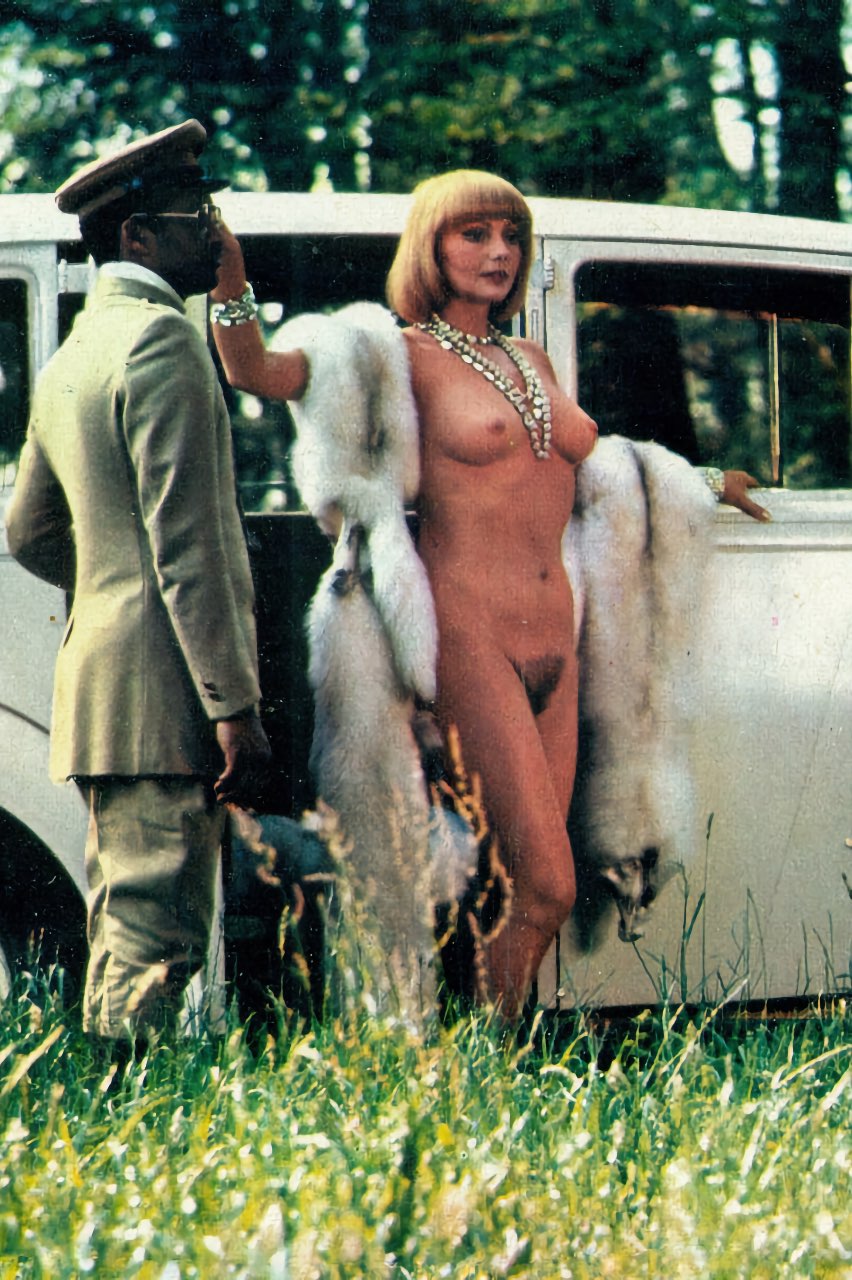
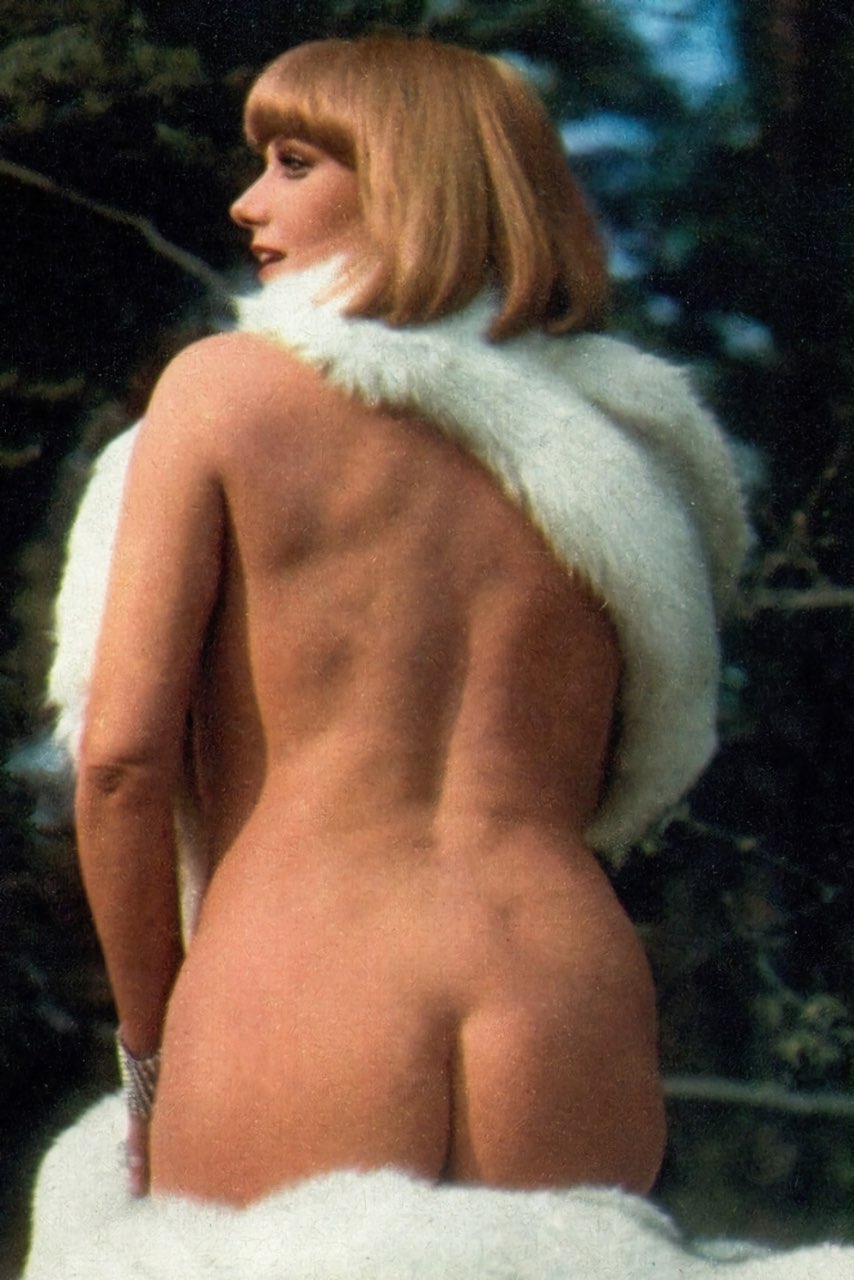
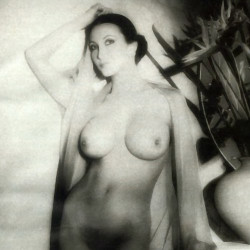
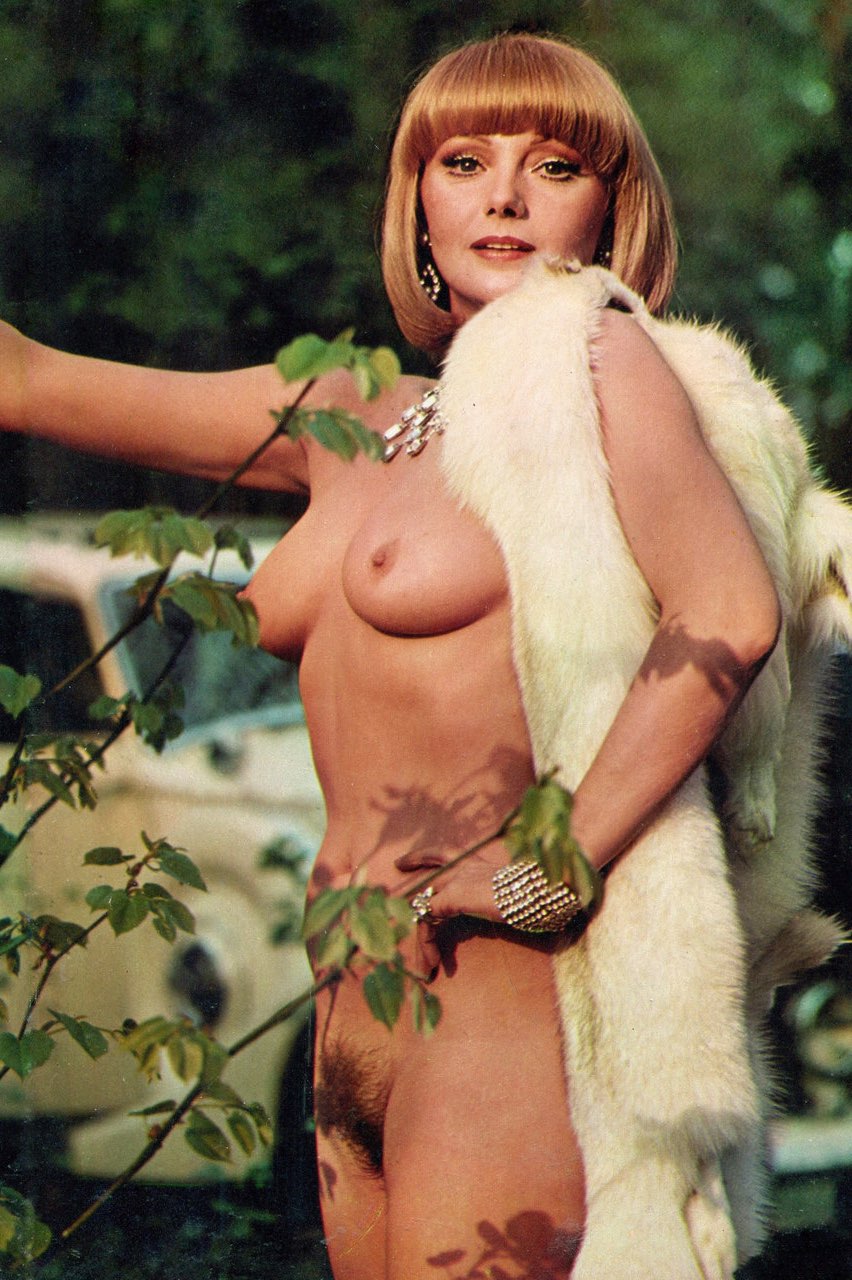
Sylva Koscina appeared in the May 1967 American edition of Playboy in an eight-page celebrity pictorial photographed by Angelo Frontoni. She was not presented as a Playmate, but as an established European film star preparing to expand her career in Hollywood. Frontoni’s elegant images emphasised the sophisticated confidence that had already made Koscina one of Italian cinema’s most recognisable personalities, while introducing her to American readers at a particularly ambitious moment in her career.
Koscina entered films during the energetic post-war revival of Italian cinema. After an early appearance alongside Totò, she received her first substantial role in Pietro Germi’s The Railroad Man, playing the daughter of a troubled railway engineer. She soon proved equally comfortable in romantic comedies, historical adventures and popular spectacles. Her breakthrough with international audiences came as Iole, the devoted bride of Steve Reeves’s hero in Hercules and Hercules Unchained, two enormously successful productions that helped launch the Italian sword-and-sandal cycle around the world.
Although frequently celebrated for her beauty, Koscina possessed the flexibility required by a remarkably varied film industry. She moved easily between ingénue and sophisticated temptress, appearing in Federico Fellini’s Juliet of the Spirits before playing a glamorous assassin opposite Elke Sommer in Deadlier Than the Male. Hollywood roles followed in Three Bites of the Apple, A Lovely Way to Die and The Secret War of Harry Frigg, where she became Paul Newman’s romantic interest. She later appeared in the epic Battle of Neretva and opposite Rock Hudson in Hornets’ Nest.
Her Playboy association reflected the increasingly daring direction of her public image. The 1967 American feature followed provocative photographs published in Playboy’s Italian edition, creating considerable attention at a time when established actresses were still expected to protect carefully controlled screen personas. Koscina returned as the cover subject of the June 1975 Italian Playboy, appearing shortly before her forty-second birthday. The later feature presented mature confidence rather than youthful discovery, confirming her willingness to embrace glamour on her own terms.
Koscina continued working in European cinema through comedies, thrillers and horror films, including Mario Bava’s Lisa and the Devil. Her career ultimately encompassed far more than the mythological adventures that first made her internationally famous. She represented a generation of multilingual European actresses who crossed borders and genres with ease, bringing continental elegance to both popular entertainment and ambitious filmmaking. Her Playboy appearances preserved two distinct stages of that journey: the rising international star of 1967 and the assured screen veteran who returned in 1975, still glamorous, independent and entirely at ease before the camera.