Judy Norton Bio
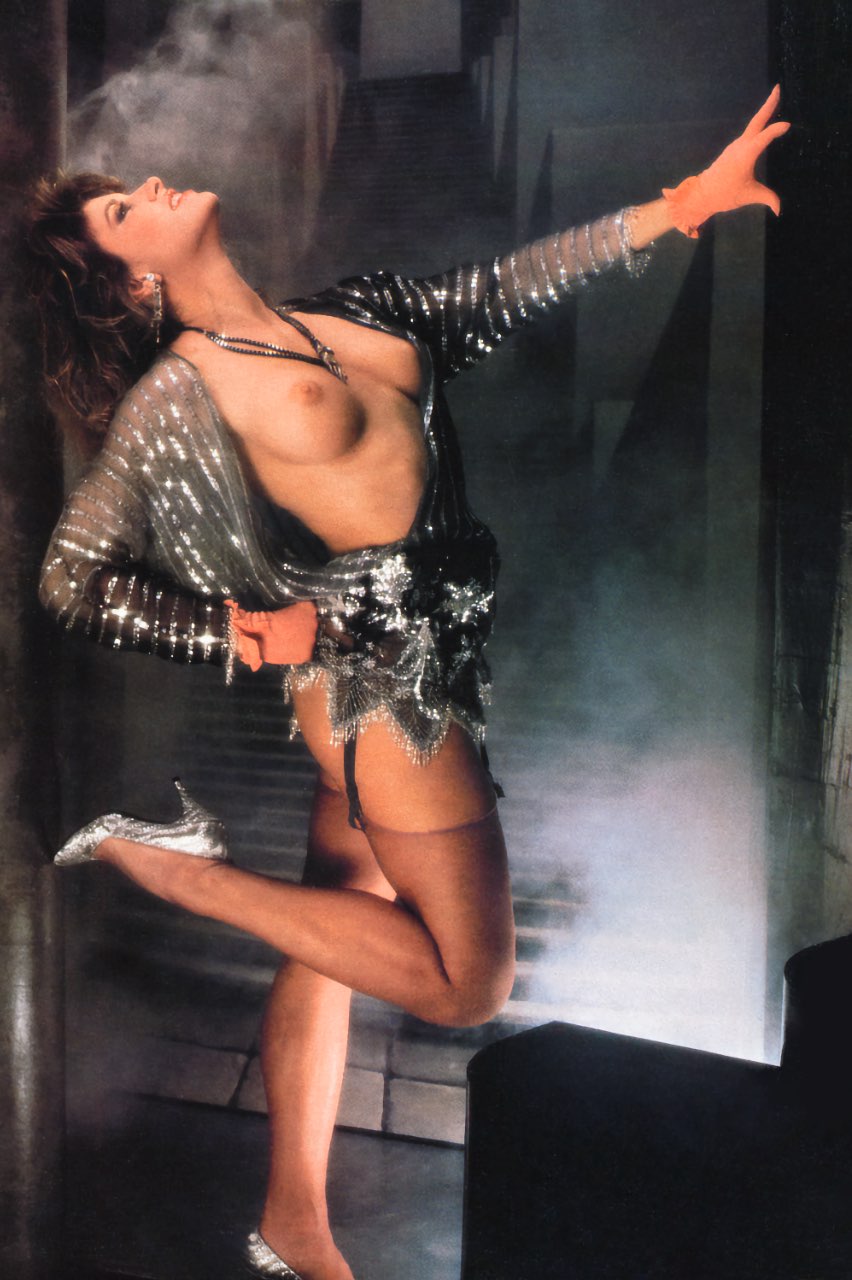
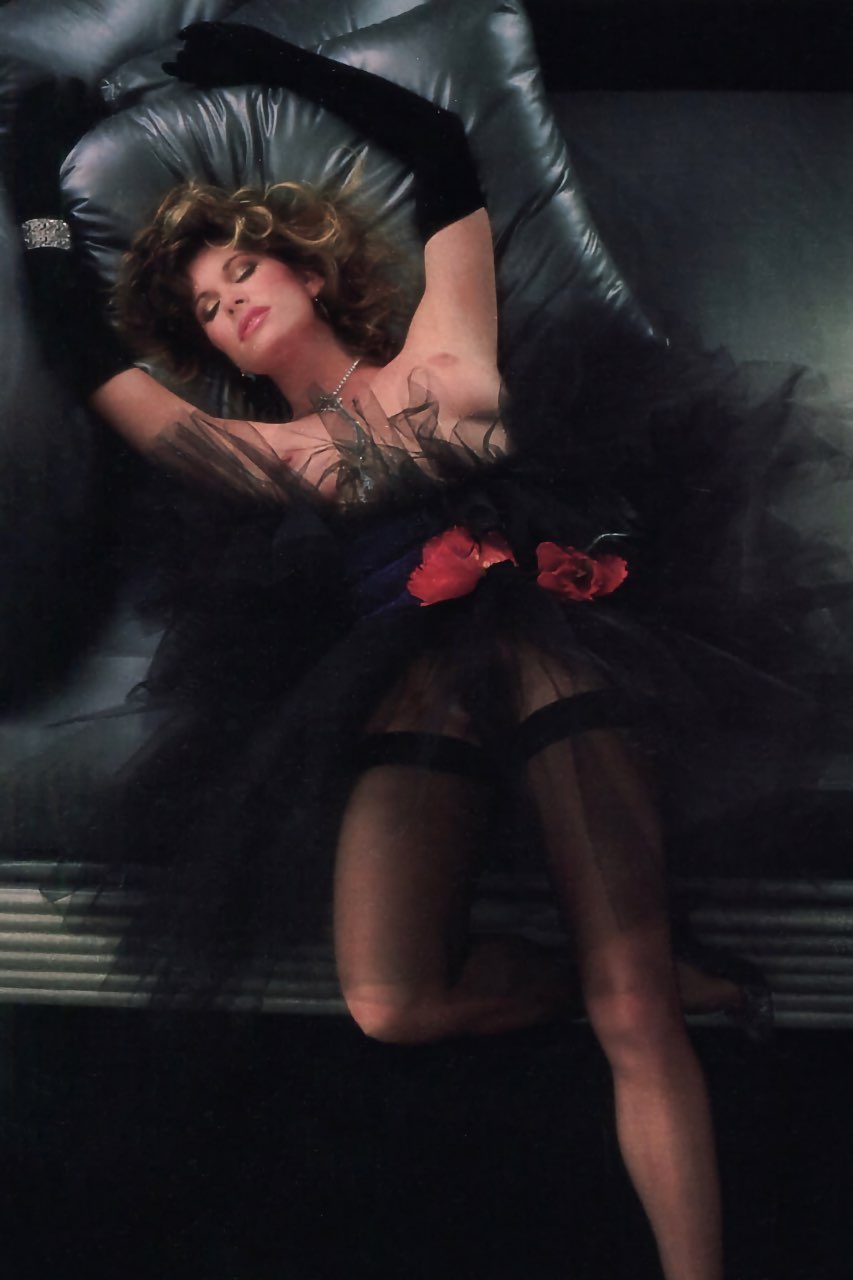
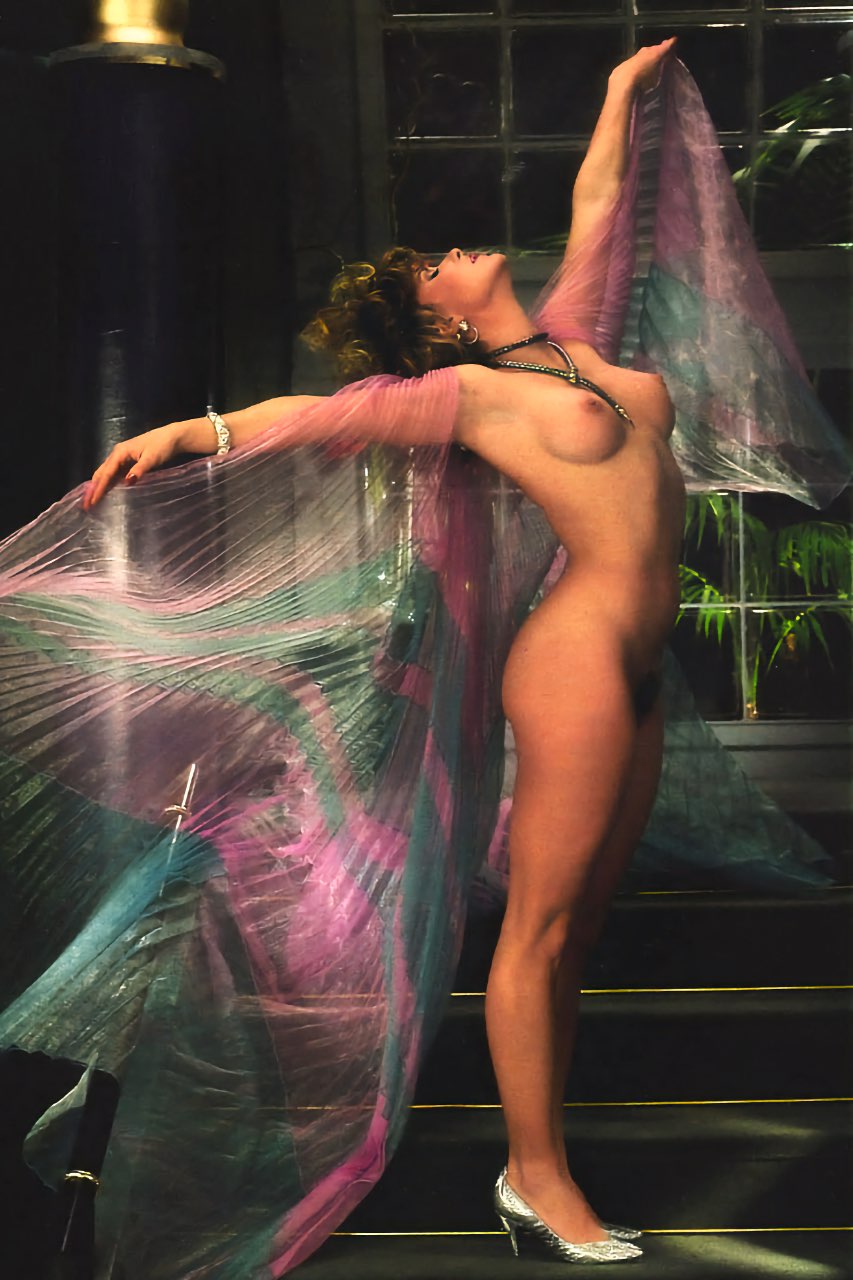
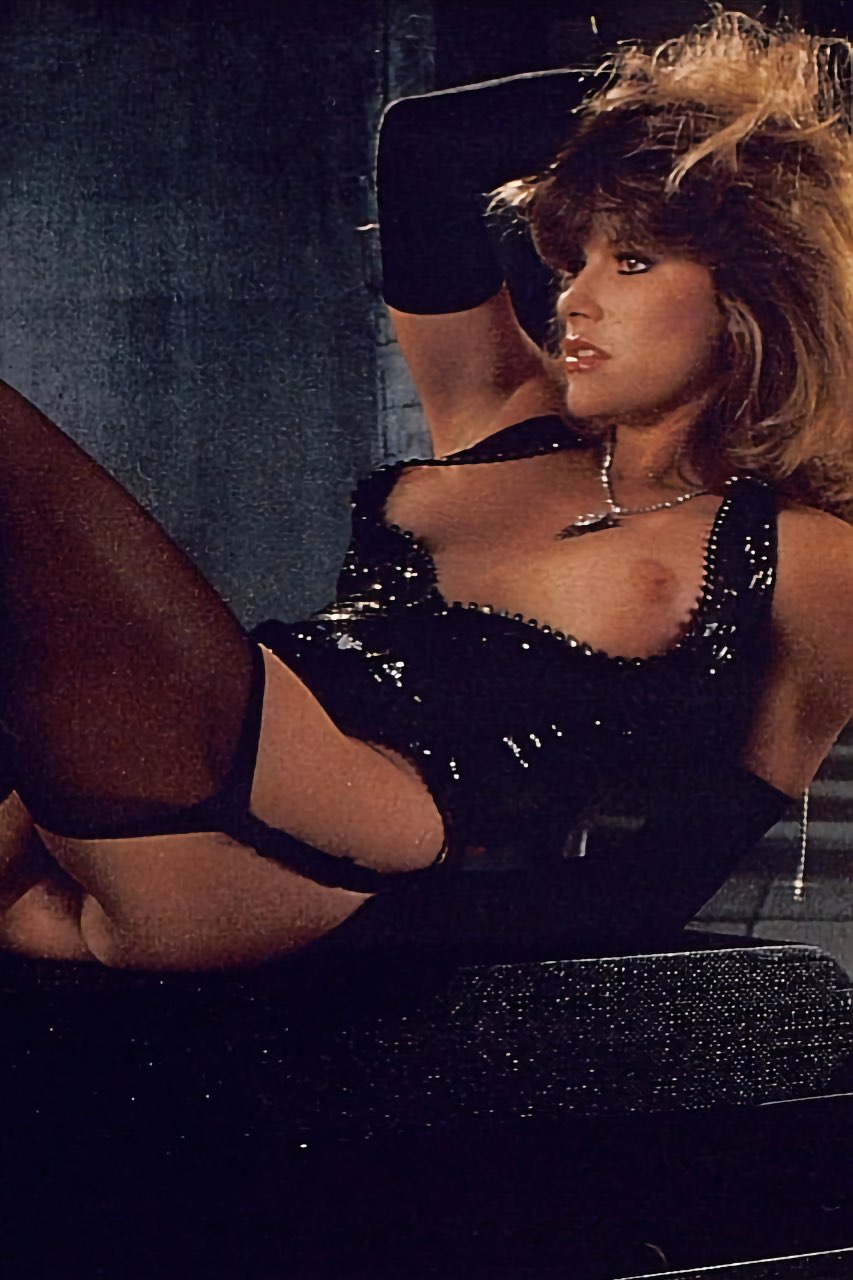
Judy Norton is an American Actress and theater director. She was born on January 29, 1958, in Santa Monica, California, and has also been credited as Judy Norton-Graves, Judy Norton-Taylor, and Judy Taylor. She appeared in Playboy in August 1985 at 27, adding the feature to her public career. Her appearance came during Playboy's polished, high-production 1980s period.
Norton has natural breasts, brown eyes and blond hair. Her measurements are 33-24-35.
Judy Norton is best remembered as Mary Ellen Walton, the spirited eldest daughter whose ambitions and independence gave The Waltons much of its youthful energy. Beginning with the television film The Homecoming and continuing through the long-running series and its later reunion specials, she grew up before a national audience. That familiarity brought lasting affection, but it also created a wholesome identity that proved difficult to leave behind when she began seeking more mature opportunities.
Unlike performers who distance themselves completely from an early success, Norton continued to respect the role that established her while steadily expanding her creative range. She worked extensively in theatre as an actress, writer and director, taking on productions that allowed her to exercise greater control than television casting often provided. Her interests also extended to singing, filmmaking and episodic television, revealing a career shaped less by a single dramatic reinvention than by persistent versatility.
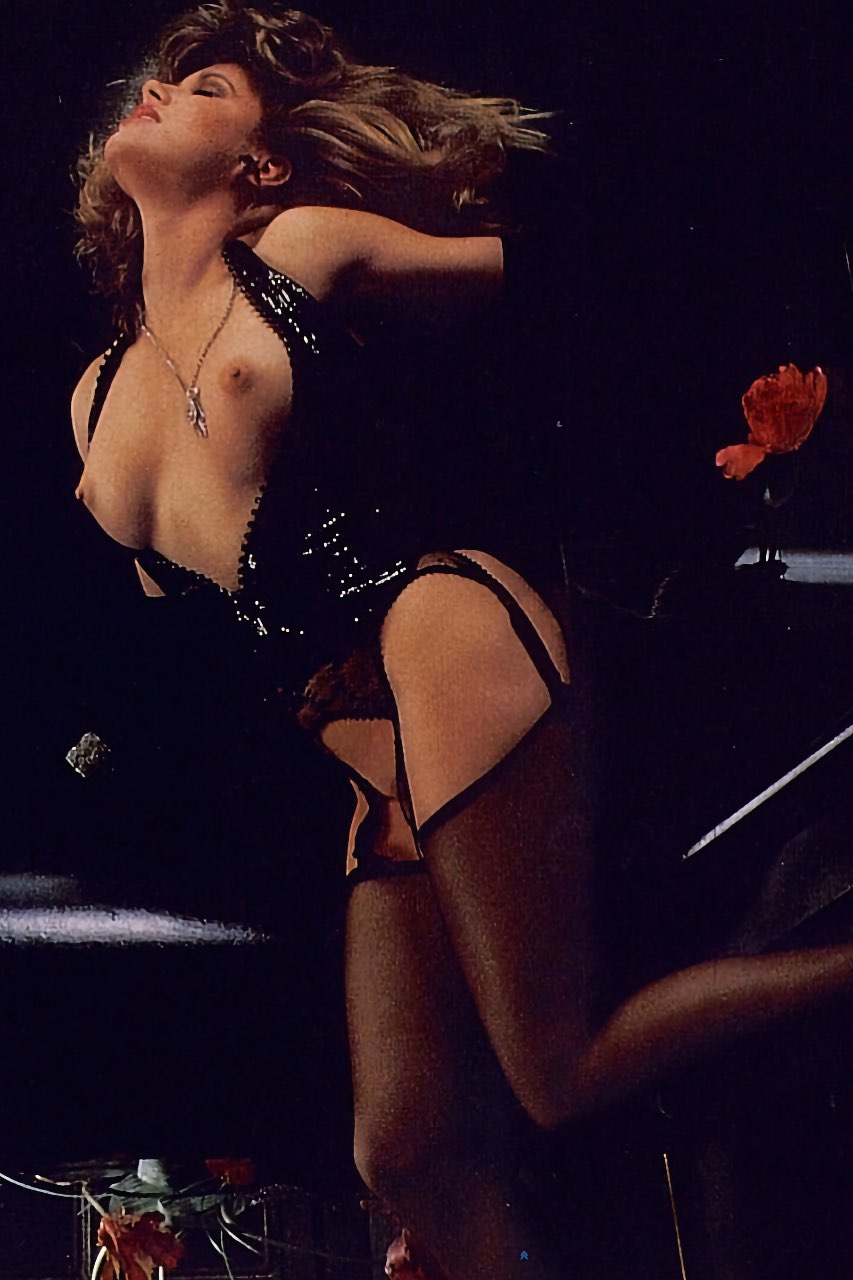
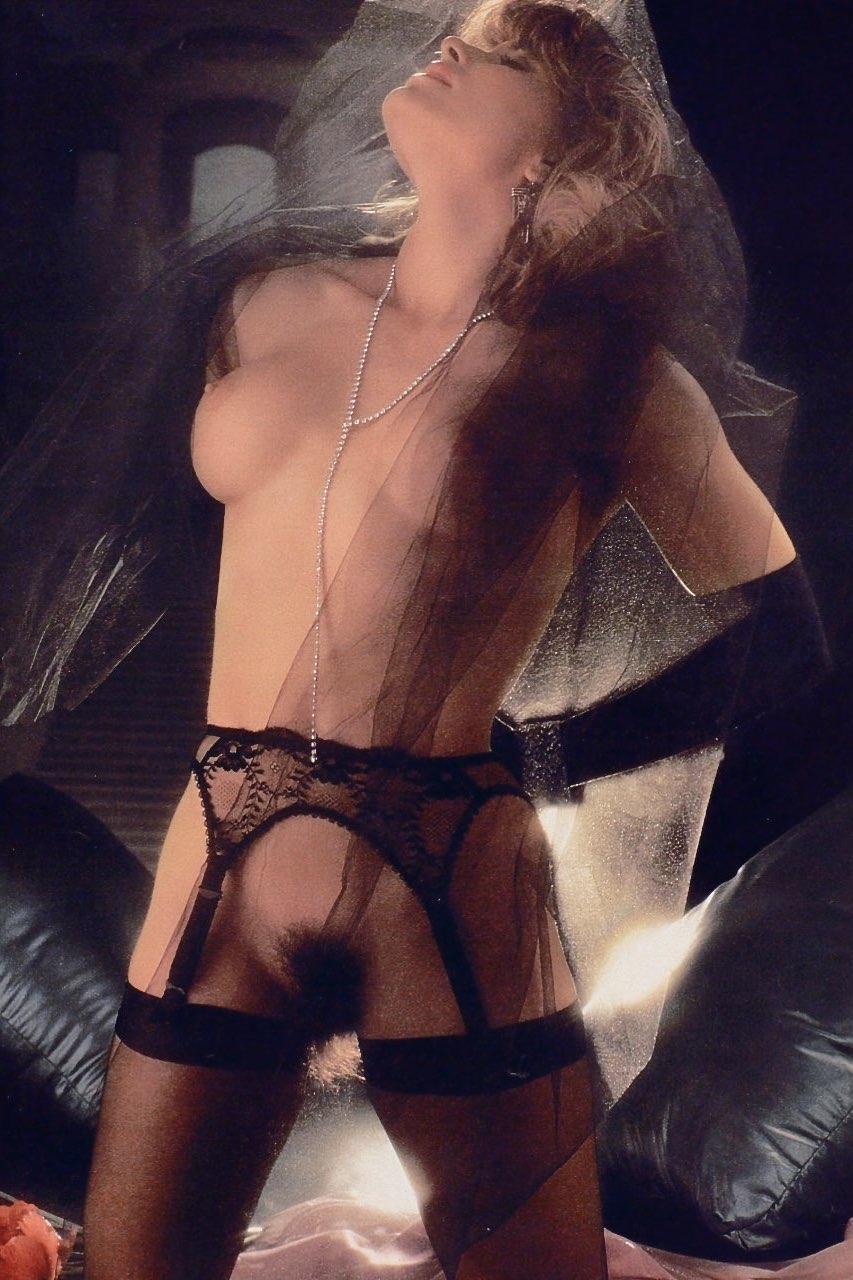
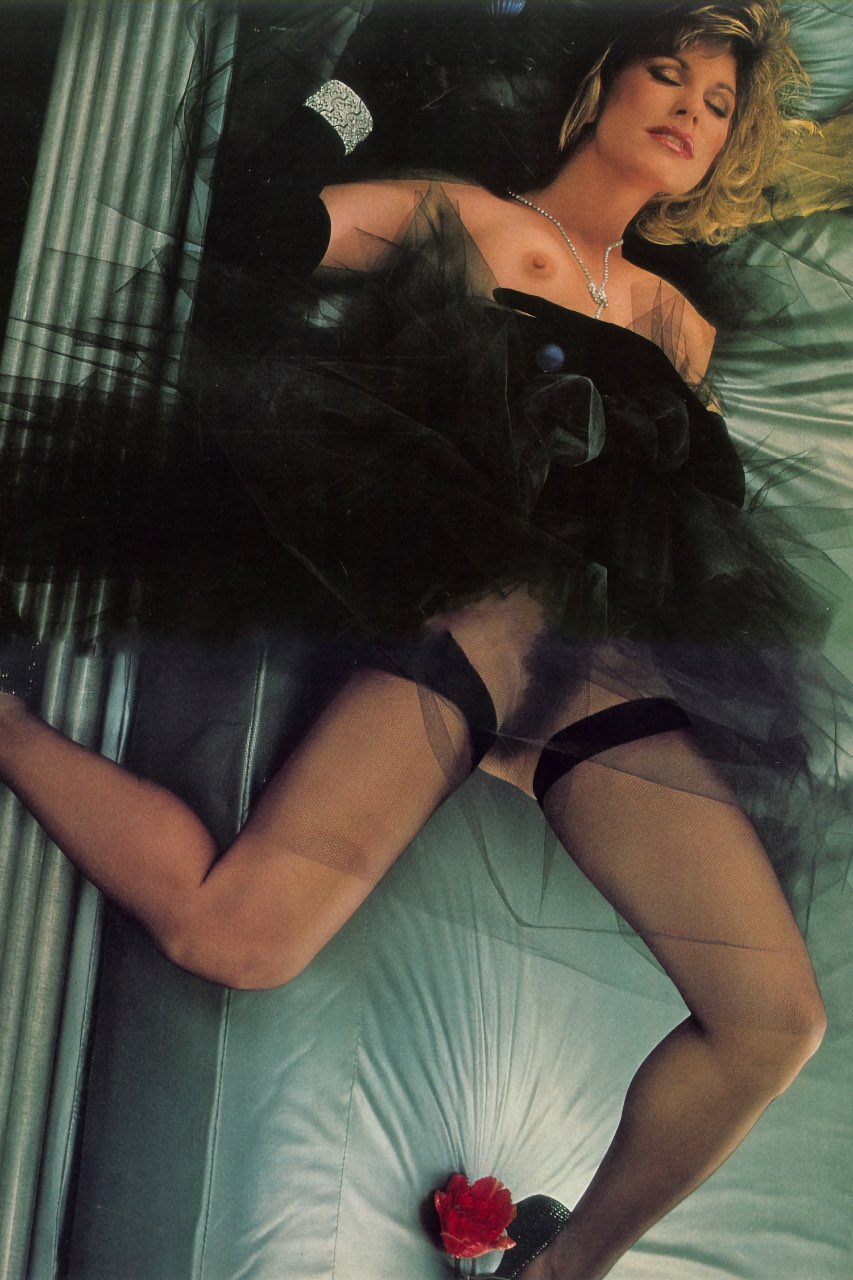
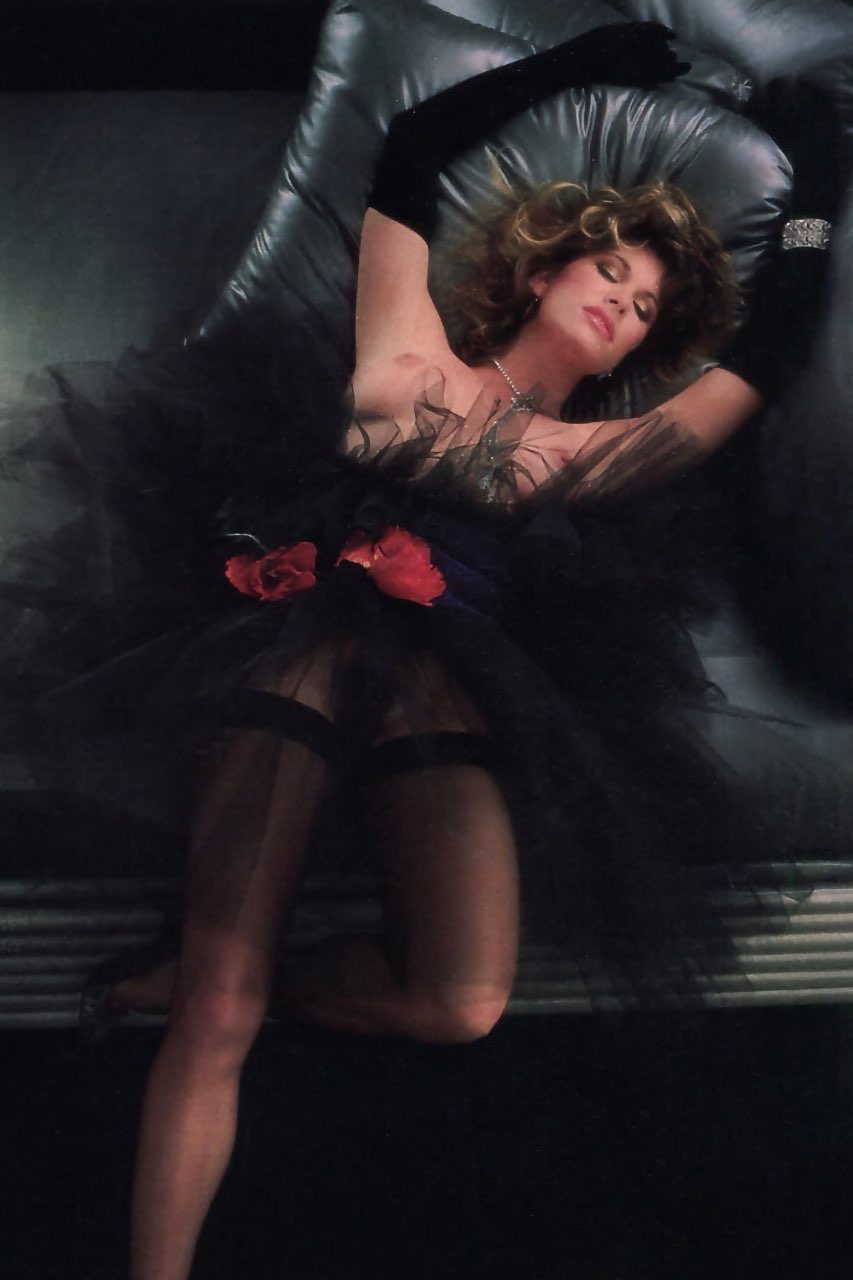
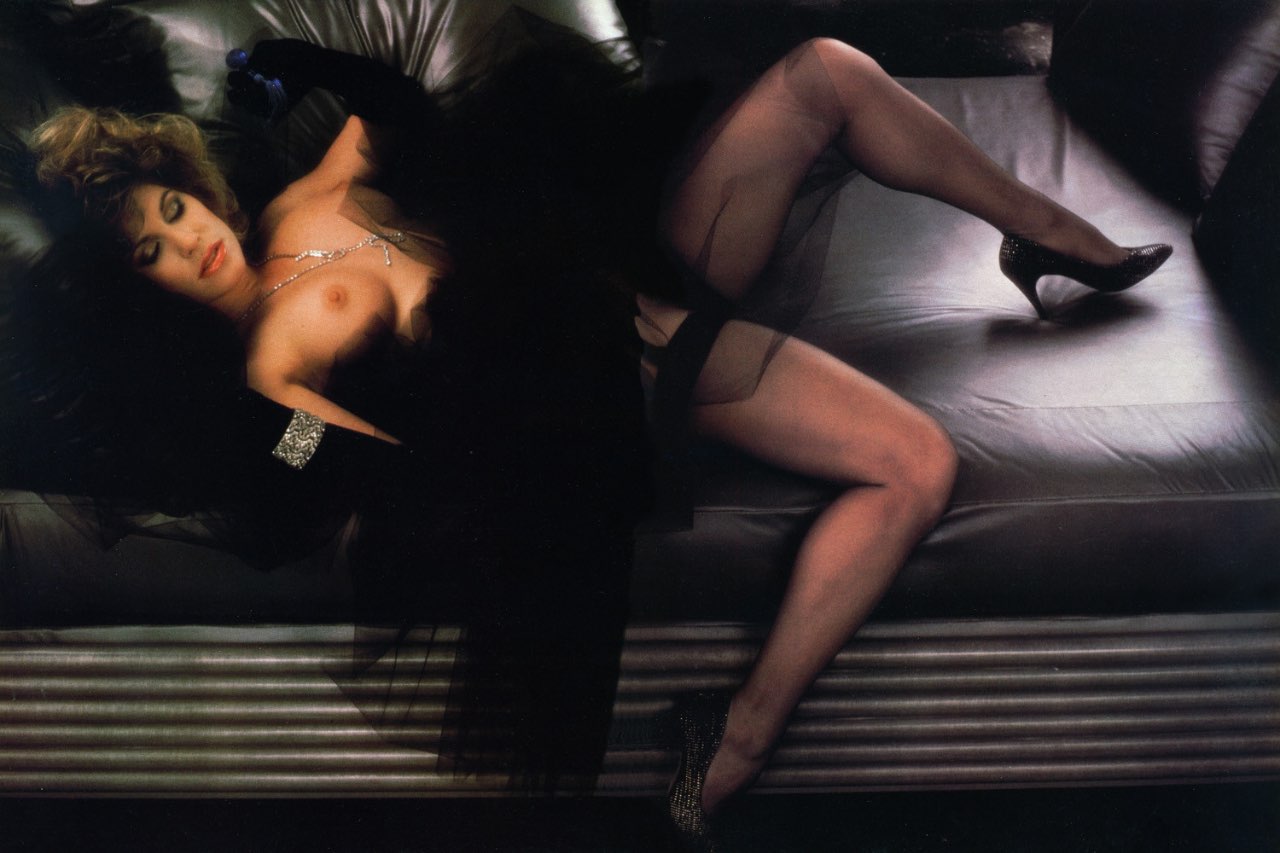
Her most provocative attempt to change public perception came in the August 1985 issue of Playboy. Presented under the mischievous title “The Punch in Judy,” the nude pictorial deliberately contrasted the adult actress with the sheltered image audiences associated with Walton’s Mountain. It was a bold piece of glossy 1980s image-making: polished, theatrical and designed to announce that the woman behind Mary Ellen could no longer be confined to memories of family-hour television.
The feature remains a significant, if complicated, chapter in her career. Norton later explained that advisers had encouraged the pictorial as a positive professional move, while experience ultimately taught her to place greater trust in her own instincts. That retrospective honesty gives the appearance a deeper context. It was not merely a celebrity pictorial, but an example of the pressures former child and family-television performers often faced when trying to establish an adult identity in an industry eager to preserve familiar images.
Beyond acting, Norton channelled her restless energy into athletics, including competitive horse jumping, skiing, tennis and skydiving, qualities television viewers also saw during her appearances on Battle of the Network Stars. Music remained another enduring passion, eventually leading to Reflections, a collection of standards and Broadway material built around her live performance work. Her Playboy appearance may have offered the era’s most dramatic break from Mary Ellen Walton, but the broader story is one of a performer who kept moving—across television, stage, music, writing and directing—without allowing one beloved role to define the limits of her ambition.