Laurie Carr Bio
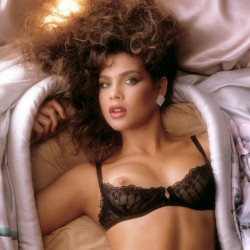
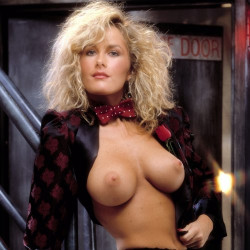
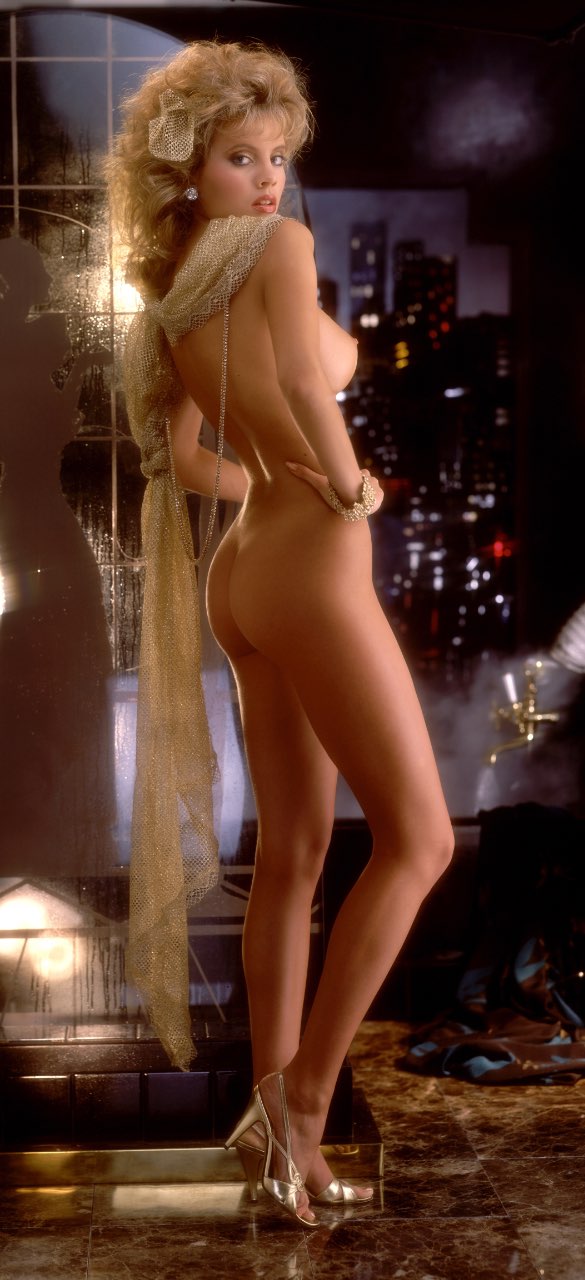
Laurie Carr is an American actress, glamour and nude model. She was born Laurie Ann Carr on December 11, 1965, in Dallas, Texas. Playboy named her its December 1986 Playmate at 20. Her appearance came during Playboy's polished, high-production 1980s period.
Carr has enhanced breasts, blue eyes and blond hair. Her measurements are 34-21-33.
A friend mailed her photos to Playboy and Laurie Carr stepped out of the art studio and into the camera’s glare. She had been studying commercial art; trading sketchpads for shoots shifted the trajectory of a working life and gave her the kind of image work that suited both glossy specials and the era’s video releases. Before long she was a familiar face across the magazine’s ancillary pages and in several of its home-video compilations.
Film and television work followed the still images. Carr took a nurse’s turn in the campy horror-comedy Mortuary Academy and turned up in a guest spot on the family sitcom Full House, credits that translated magazine recognition into on-screen opportunities without pretending to be a leading-lady dossier.
Where her photographs perhaps reached the widest non-magazine audience was in rock. Carr’s likeness graced the covers of Slaughter’s Stick It to Ya and the companion Stick It Live, deploying magazine-honed glamour to an album-art context that rode the same Sunset Strip buzz as the bands themselves. During that period she also married Robbin Crosby, the guitarist best known for his work with Ratt; the marriage ended in 1991. Crosby died in 2002 after a long battle with addiction, a fate that fueled confused reporting at the time but that records and contemporaneous accounts attribute to substance-related causes rather than the illnesses once rumored.
In later years Carr stepped away from the image-driven round and toward a helping profession, retraining in the health field and practicing as a chiropractor. Her story moves from commercial art to centerfolds, from album sleeves to a clinical practice — a sequence of public-facing chapters that closed some doors and opened others without ever erasing the era in which her work became part of a larger pop-cultural collage.