Lana Wood Bio
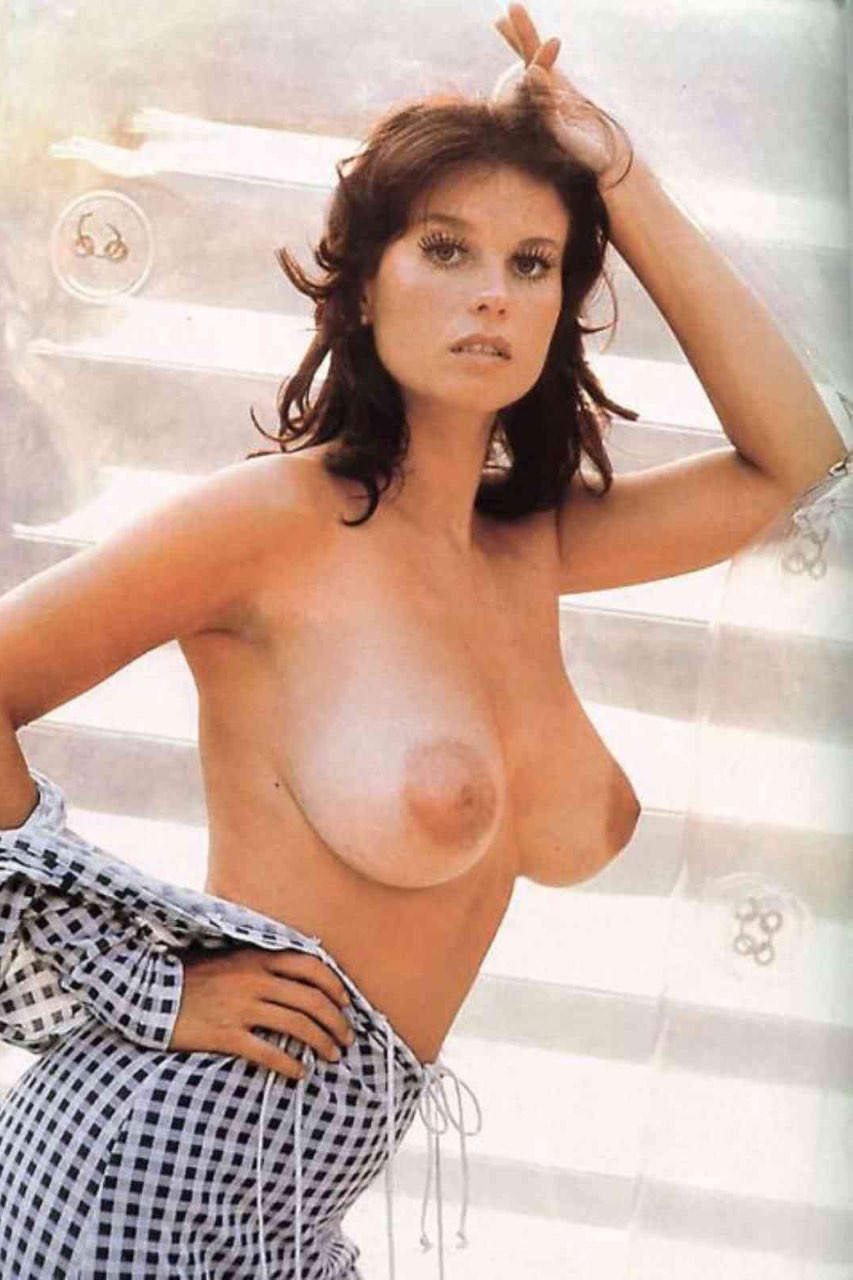
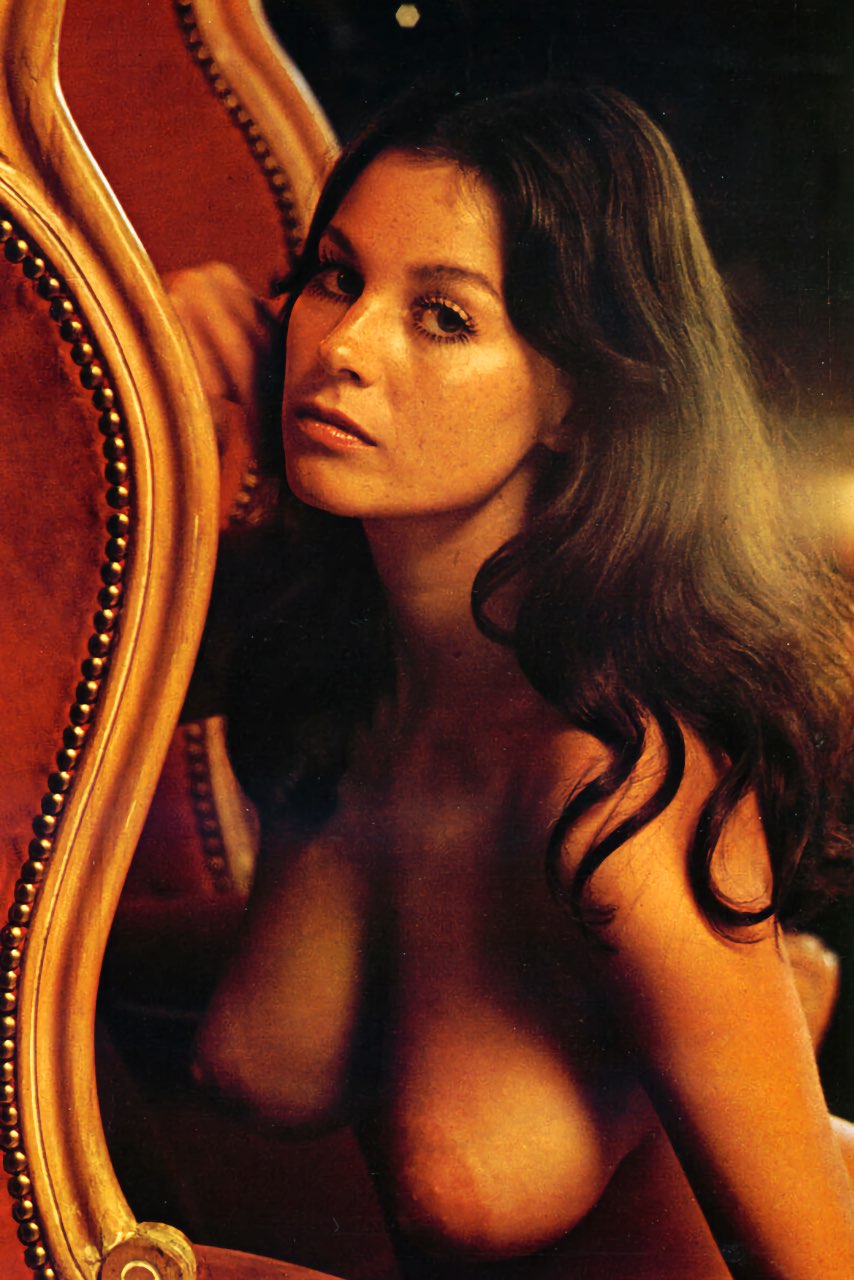
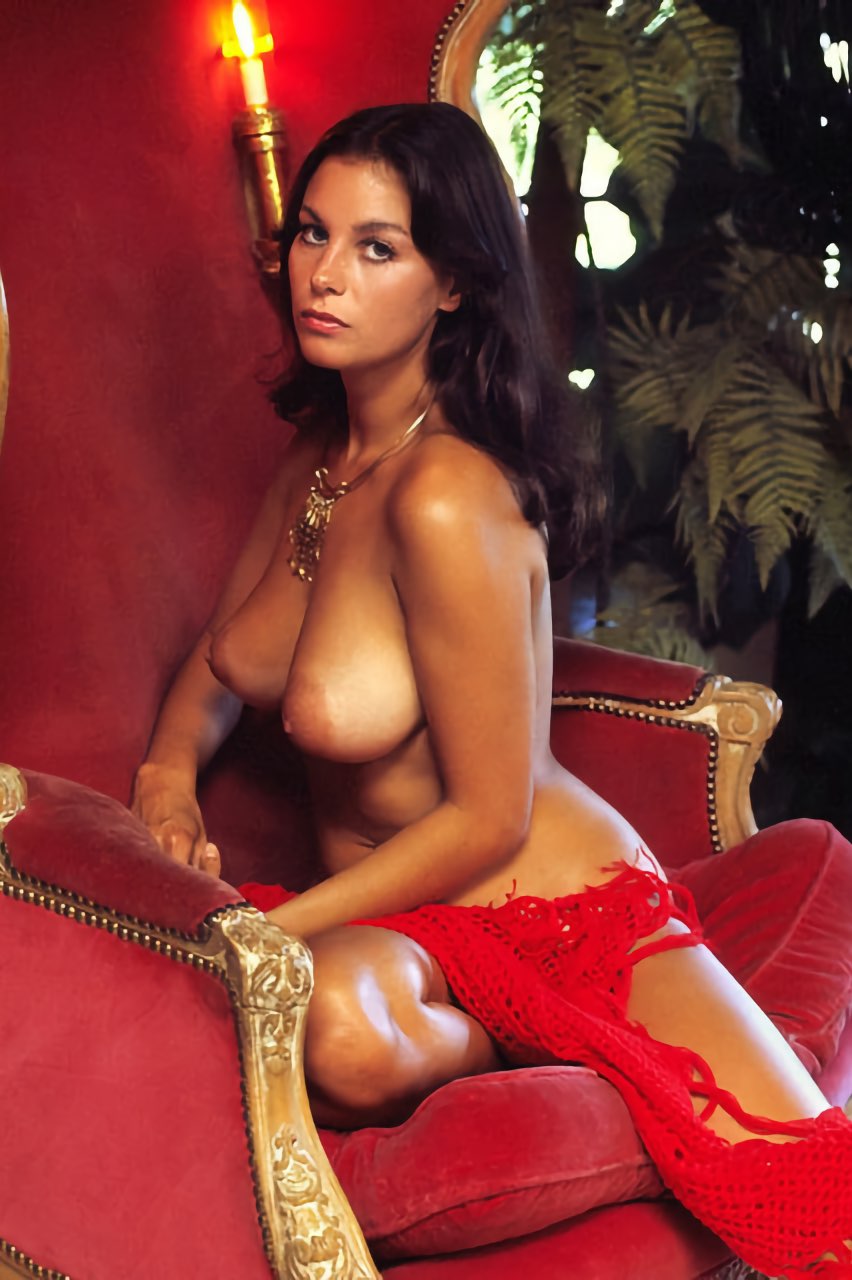
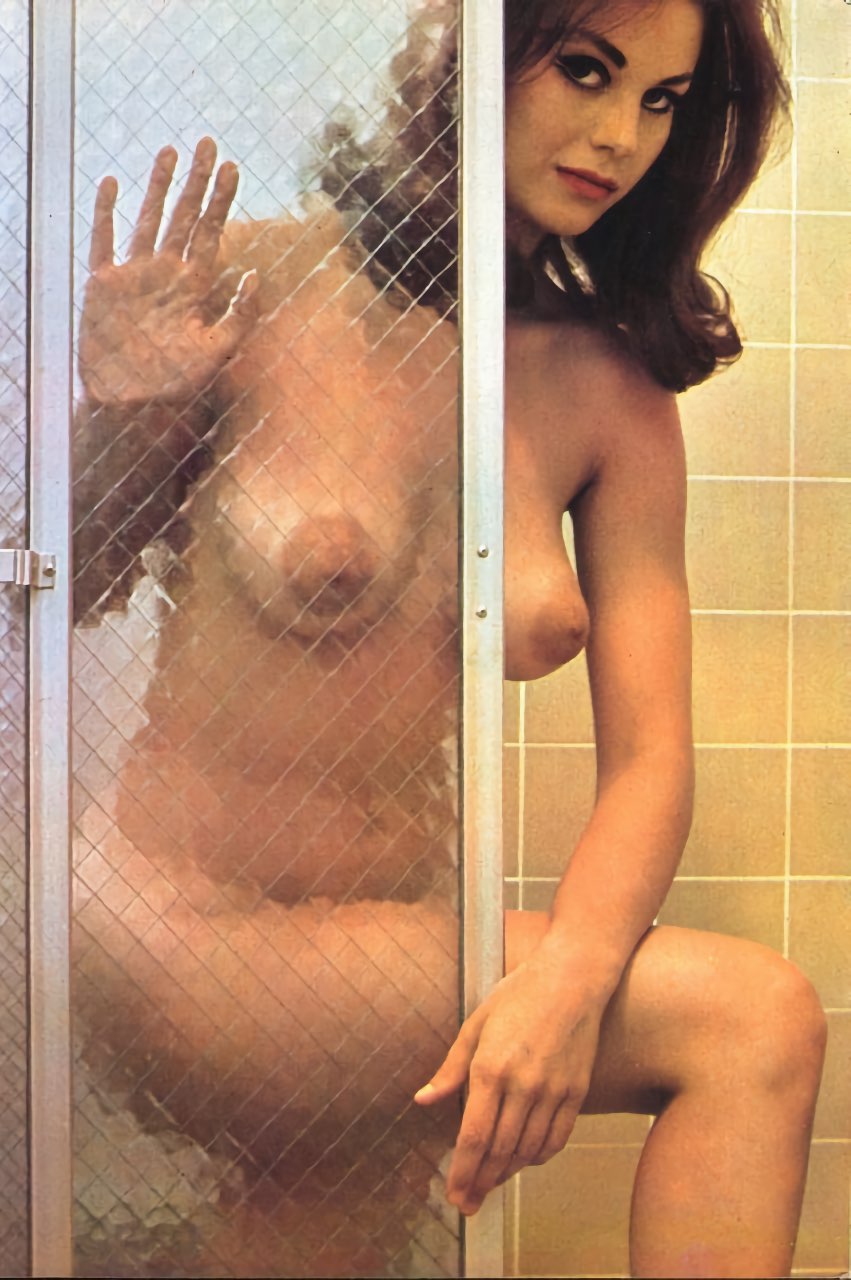
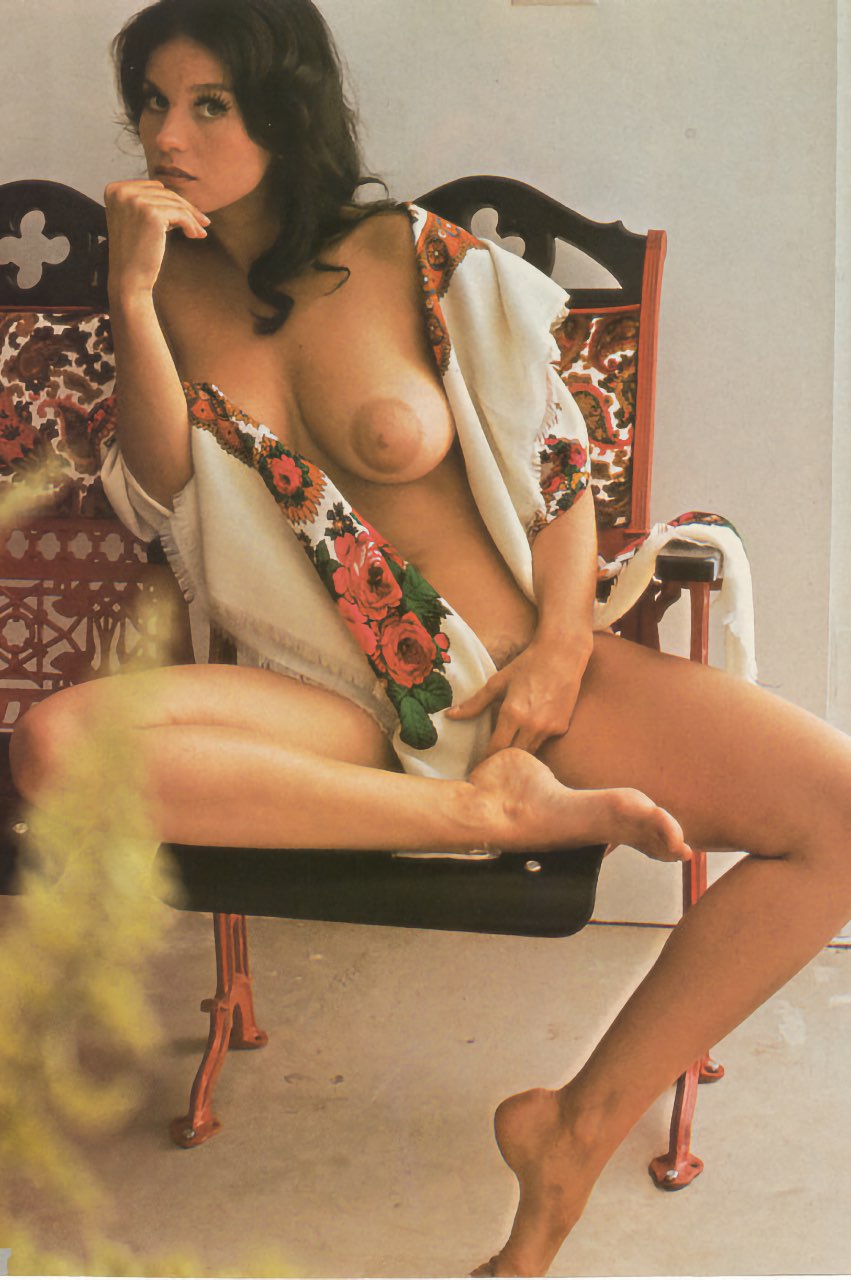
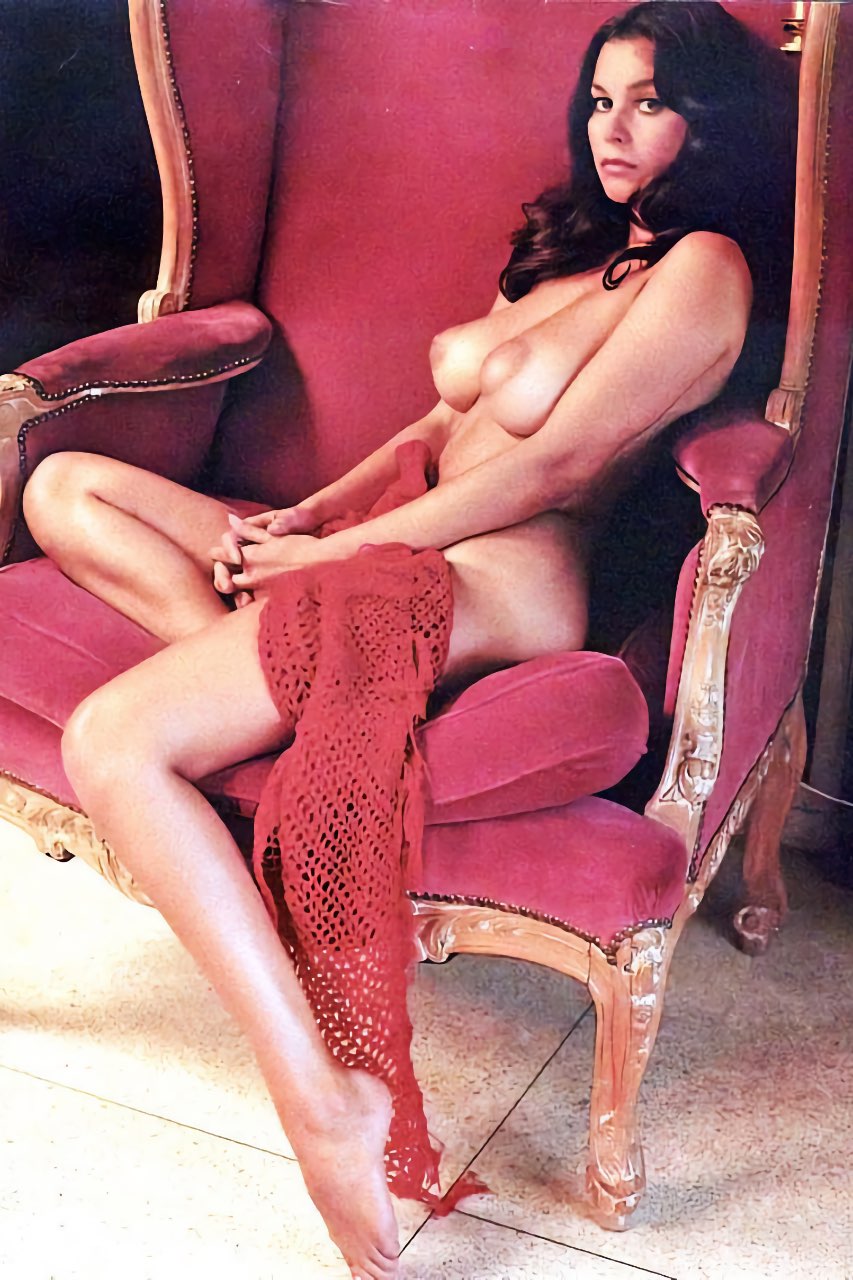
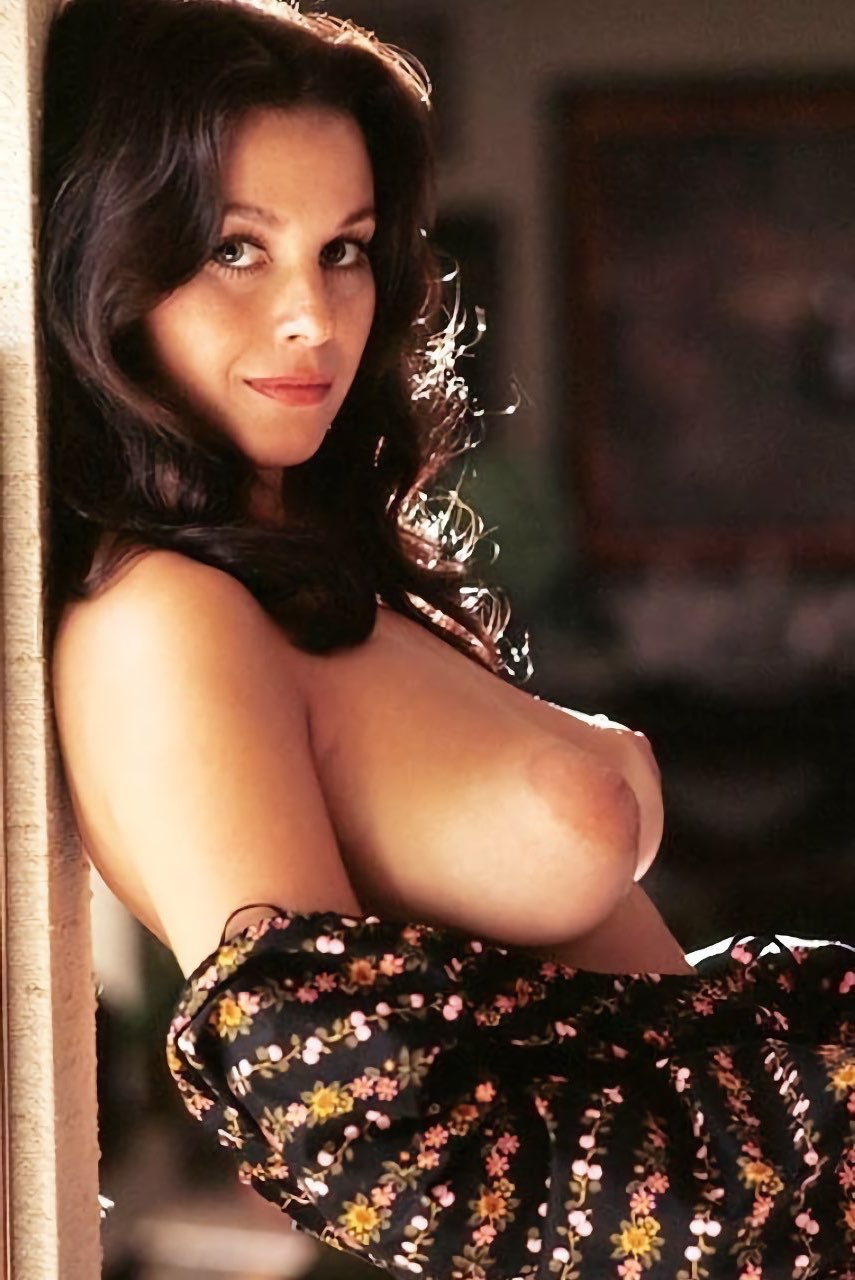
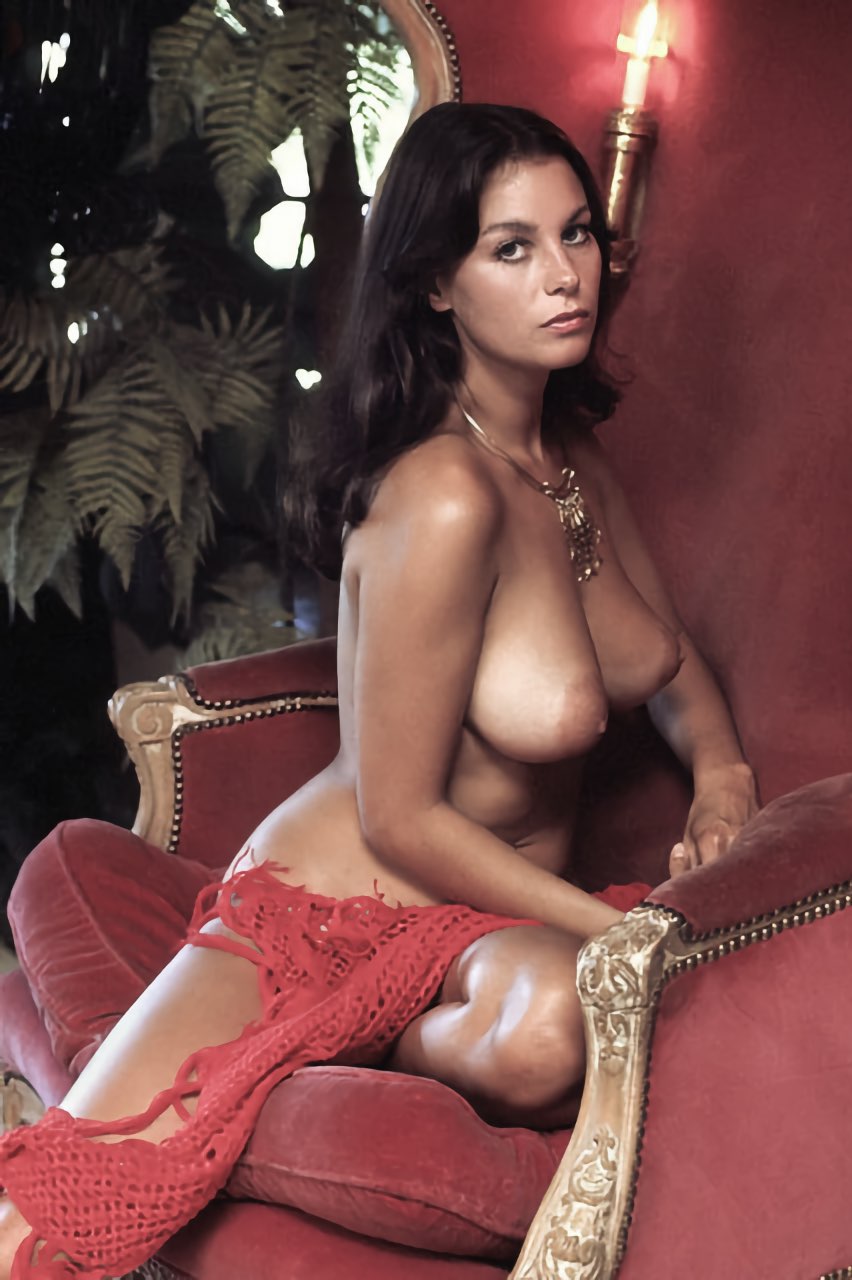
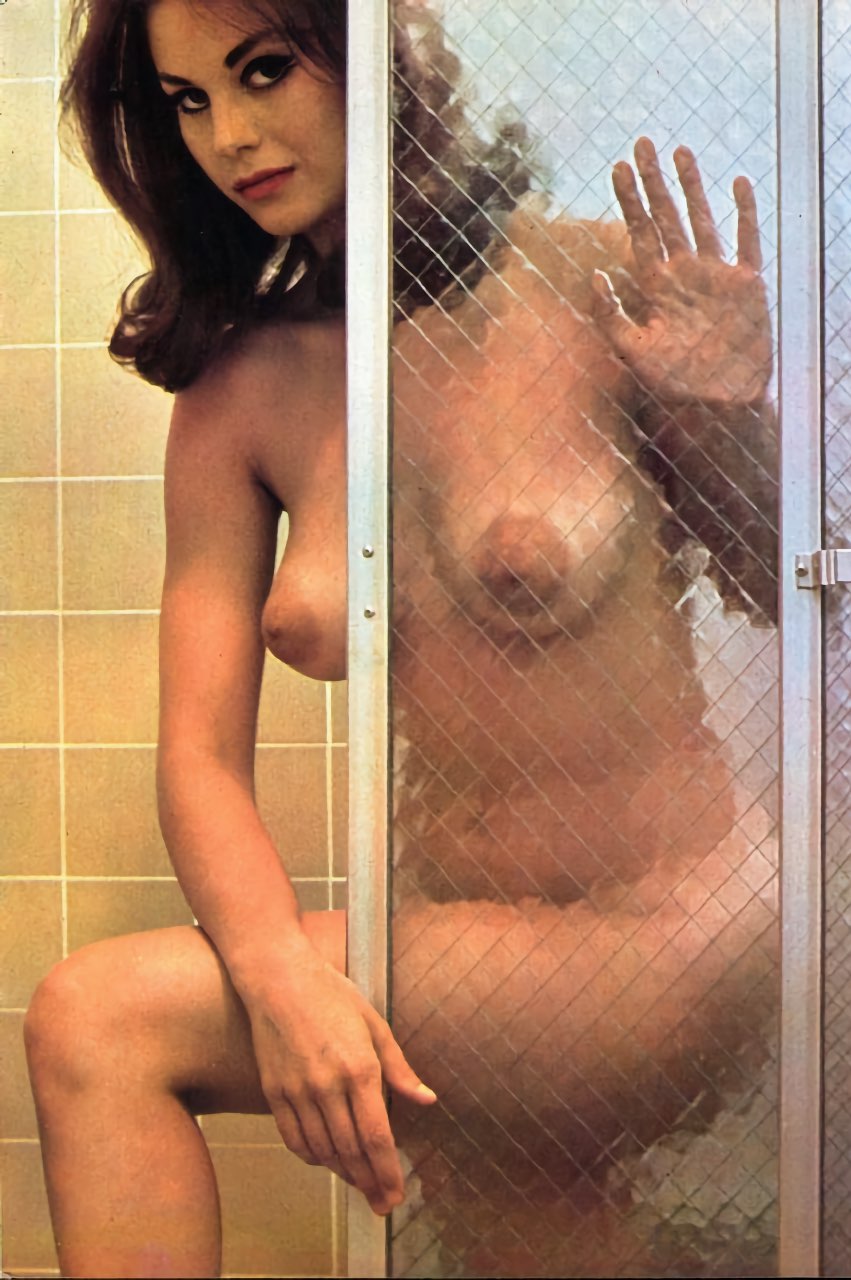
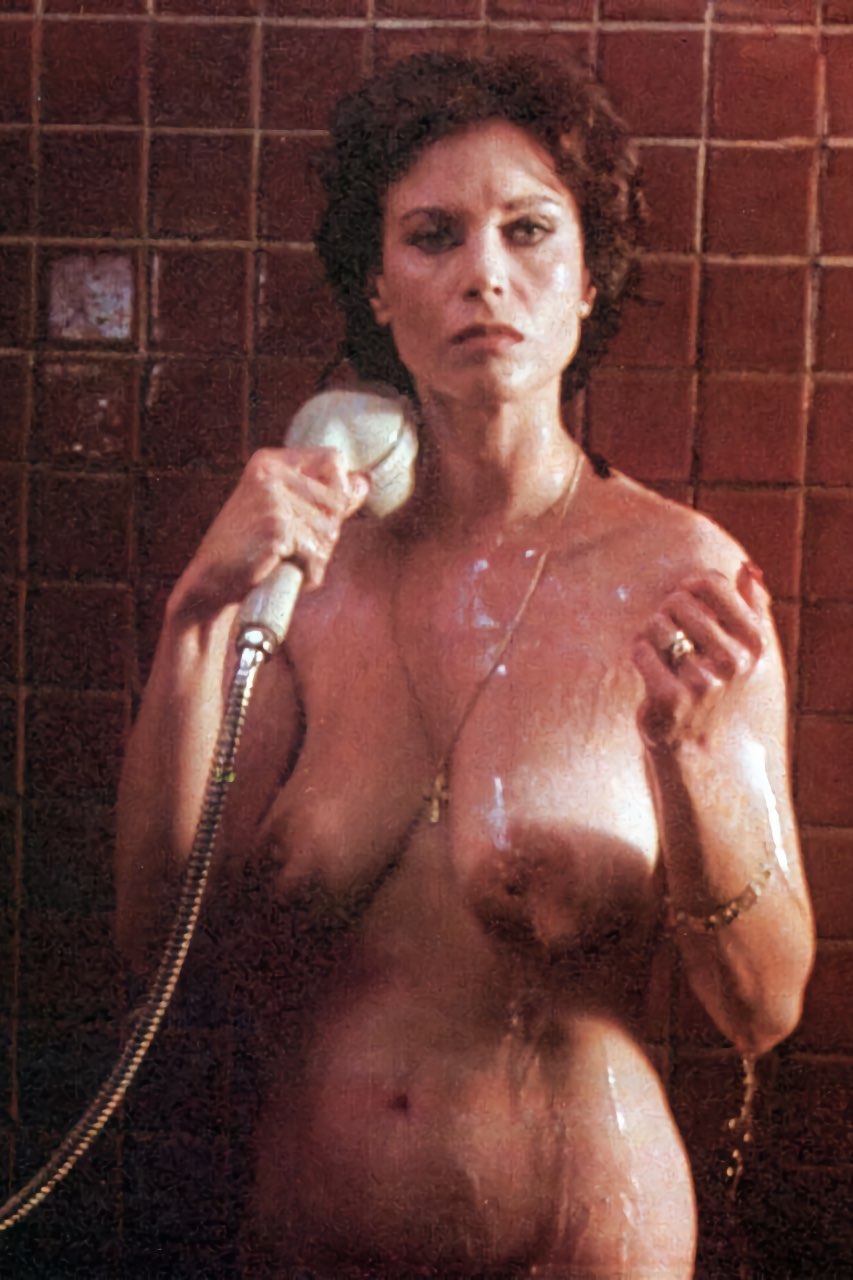
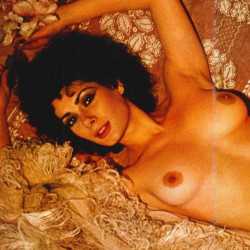
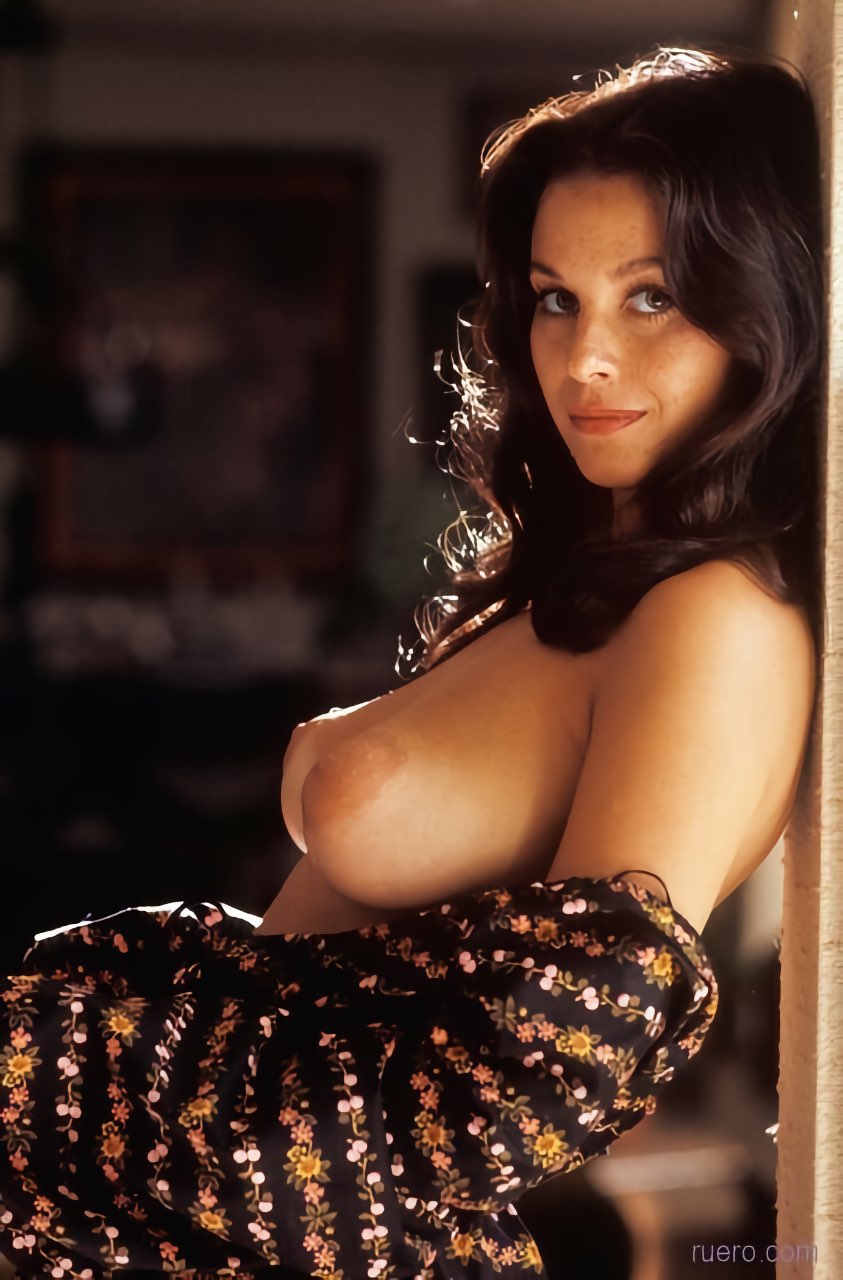
Lana Wood is an American Actress and film producer. Born Svetlana Lisa Gurdin on March 1, 1946, in Santa Monica, California, she has also been credited as Svetlana Zakharenko-Gurdin and Svetlana Gurdin. She appeared in Playboy in April 1971 at 25, adding the feature to her public career. Her appearance came during Playboy's 1970s print era, when the magazine reached the height of its mass-market influence.
Wood has natural breasts, hazel eyes and brown hair. Her measurements are 36-24-35.
Lana Wood brings a smoky, old-Hollywood glamour to the frame — elegant, dangerous, and touched with the kind of private history that gives beauty its deeper charge. Long before her Playboy appearance in April 1971, she had already lived near the bright machinery of Hollywood, shaped by a family story of migration, reinvention, and cinema. Her presence was never simply decorative. It carried mystery, lineage, and the unmistakable poise of a woman who understood the camera’s appetite.
Born Svetlana Lisa Gurdin in Santa Monica, California, Lana was the daughter of Russian émigrés whose families had fled the upheavals of the Russian Civil War. Her older sister, Natalie Wood, became one of Hollywood’s most famous young stars, and Lana followed into the business under the same screen surname. She made her film debut in The Searchers in 1956, and in her early years often appeared in projects connected to Natalie before stepping into a career of her own.
By the 1960s, Lana Wood had become a recognizable screen presence in her own right. She appeared in The Long, Hot Summer and played Sandy Webber on Peyton Place from 1966 to 1967, bringing television audiences a mix of softness, drama, and poised sensuality. Her most famous film role came in 1971, when she played Plenty O’Toole in the James Bond film Diamonds Are Forever — a character whose name alone belonged to the playful, provocative mythology of the Bond universe.
That same period brought Lana into Playboy’s world. After being approached by Hugh Hefner in 1970, she agreed to pose for the magazine, and her pictorial appeared in the April 1971 issue alongside her own poetry. The combination suited her: glamour with intelligence, sensuality with a literary edge, a screen actress allowing the public to see not only her beauty but a more personal creative voice.
Across her career, Lana built a body of work that included more than 20 films and over 300 television episodes, with appearances in The Fugitive, Bonanza, Mission: Impossible, The Wild Wild West, Police Story, Starsky & Hutch, Nero Wolfe, Fantasy Island, and Capitol. After Satan’s Mistress in 1982, she stepped away from acting to focus on producing, later returning to screen work in lower-budget films after 2008.
What makes Lana Wood memorable is the tension between glamour and survival. She moved through Hollywood as an actress, Bond girl, Playboy model, producer, and author, later writing Natalie: A Memoir by Her Sister and Little Sister. Her story belongs to a vanished era of studio lights and magazine mystique, but it also carries something more enduring: the image of a woman who lived close to legend, stepped into her own spotlight, and left behind a presence both sensual and haunted.