Monique St. Pierre Bio 
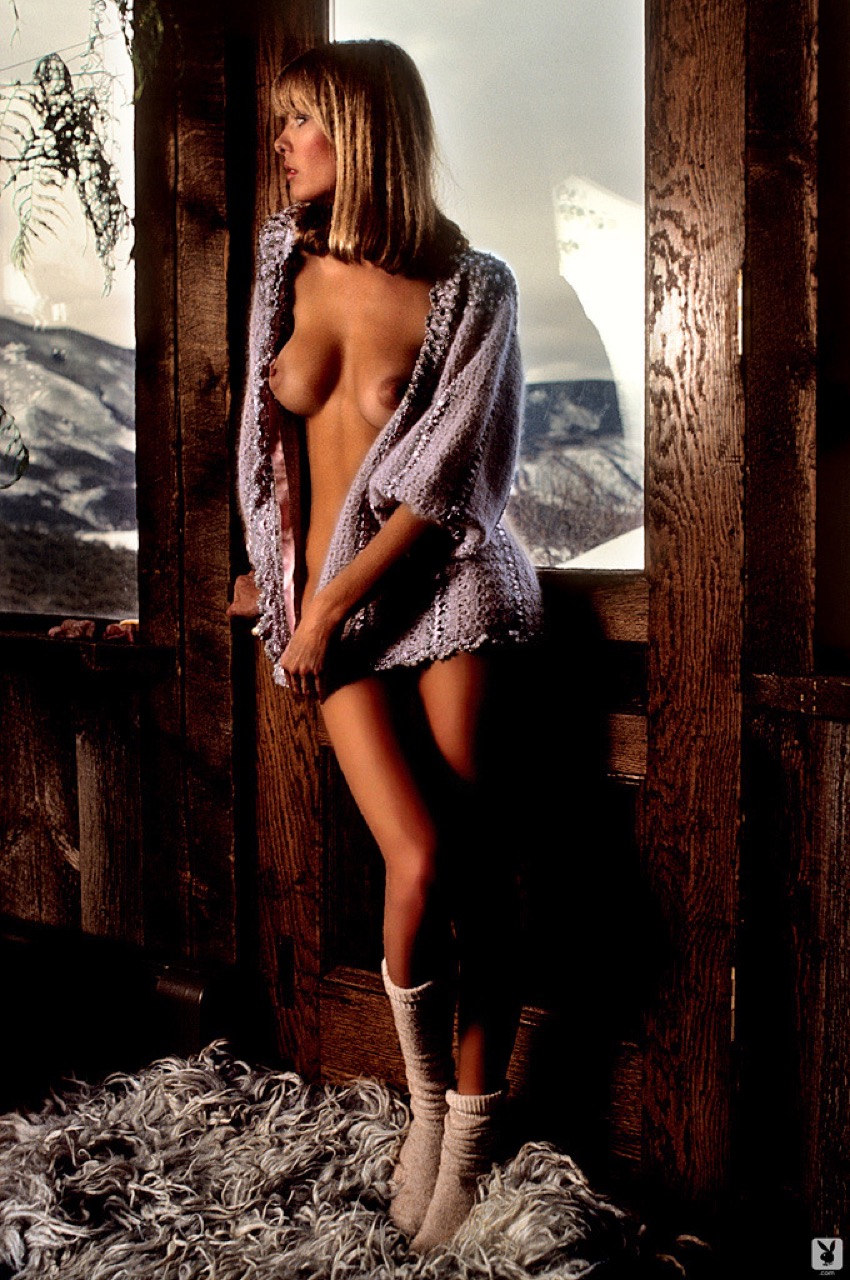
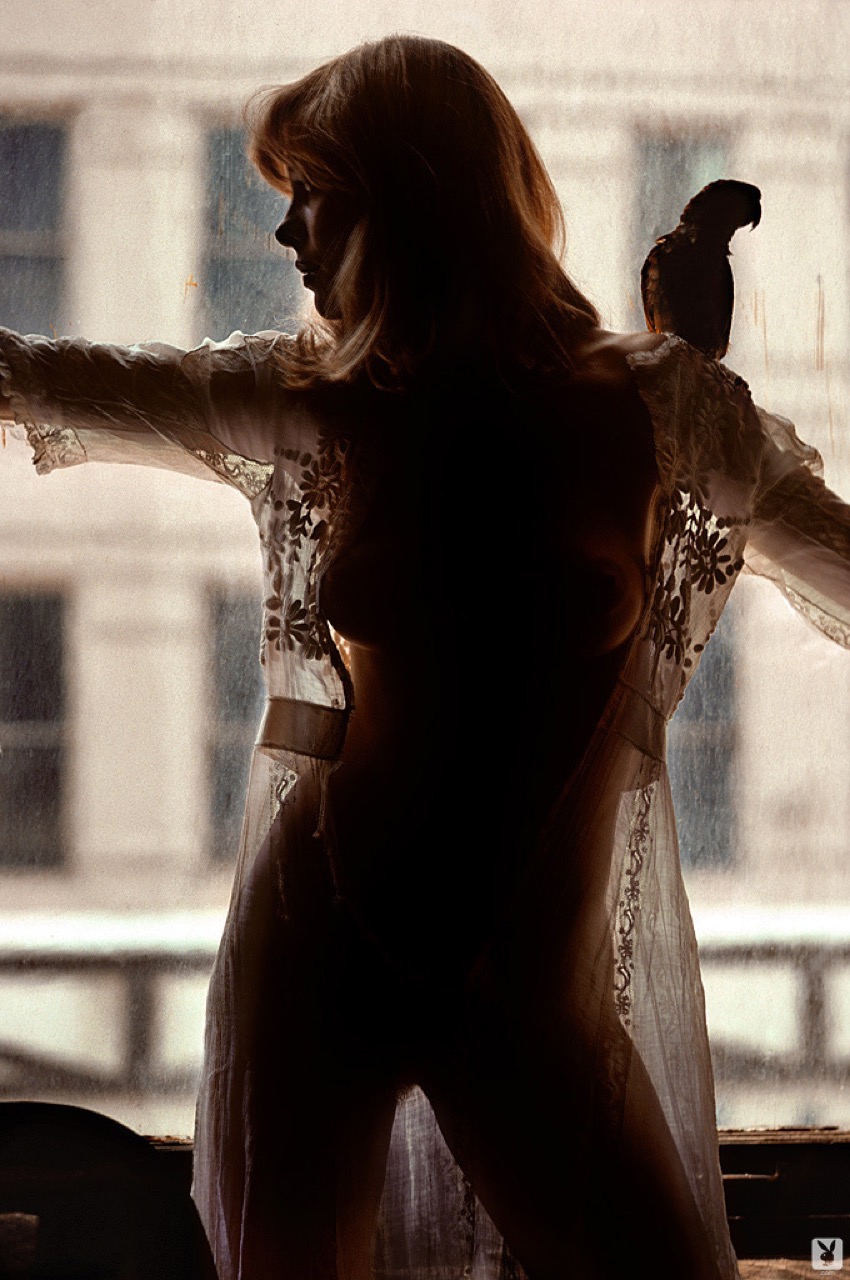
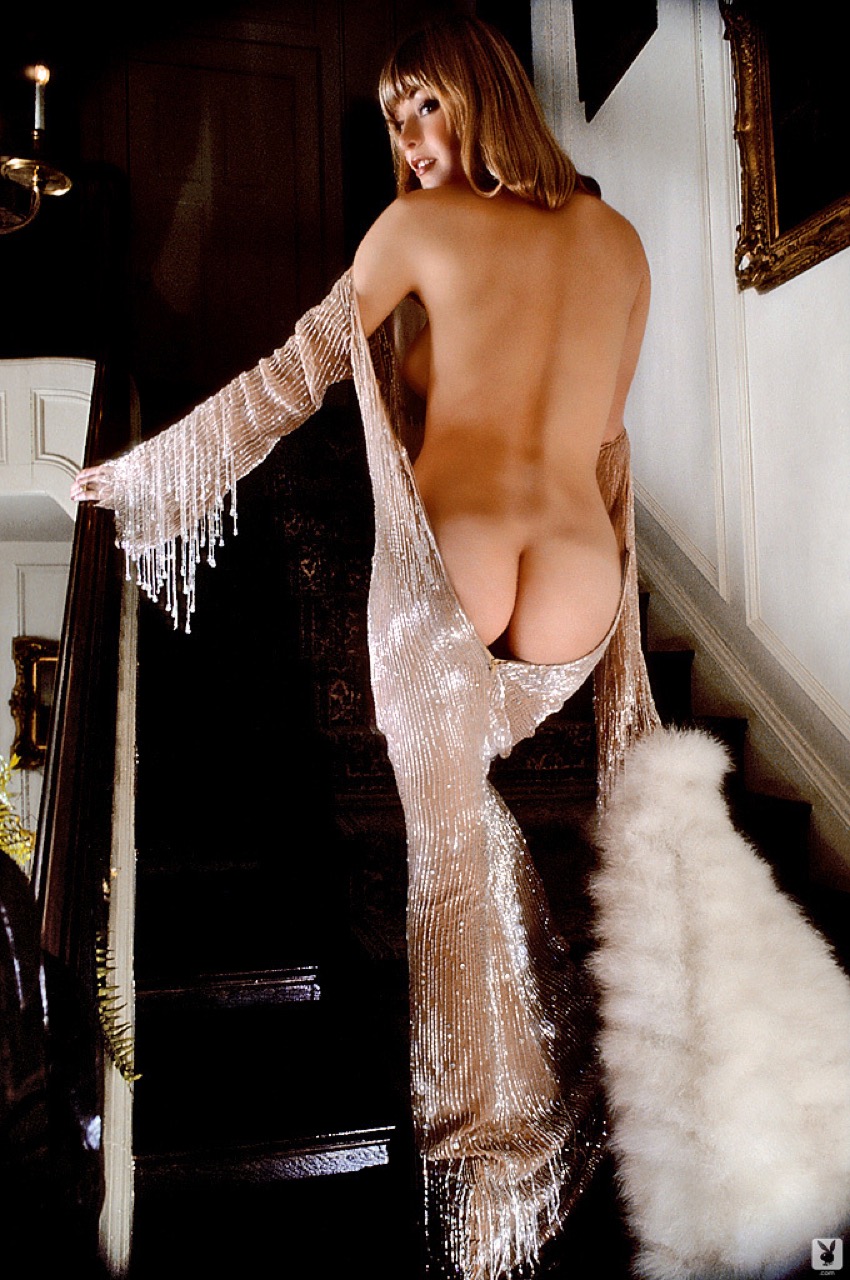
Monique St. Pierre is a German actress, glamour and nude model. She was born on November 25, 1953, in Wiesbaden, Germany. Playboy named her its November 1978 Playmate at 24. She was later named Playmate of the Year 1979. Her appearance came during Playboy's 1970s print era, when the magazine reached the height of its mass-market influence.
St. Pierre has natural breasts, brown eyes and blond hair. Her measurements are 36-26-36.
After finishing secondary school in Munich, Monique St. Pierre took the unusual step of moving to the United States to pursue higher education and nursing training, a practical detour that sat beside a fast-developing modeling life. Conversant in German, English and French, she carried a cosmopolitan ease into New York’s fashion rooms—an asset that showed up as readily in agency contracts as it did in editorial work.
By the late 1970s she was on the roster at Wilhelmina in Manhattan when a studio centerfold shot by Richard Fegley changed the immediate trajectory of her professional life. The pictorial brought wider attention; it also prompted the agency to sever ties, a blunt reminder of how tightly agency politics and magazine exposure could be intertwined in that moment of the industry.
St. Pierre did not vanish after her magazine appearances. She continued modeling for the brand and later moved behind the camera and the desk, taking an executive position with the Playboy Channel that placed her on the business side of the enterprise she had helped to represent in print. Alongside that transition she supported a handful of screen credits, moving between theatrical features and television projects rather than settling into a single medium.
Her film work included a memorable turn in the cult horror-comedy Motel Hell, billed in the source material as “Debbie the hooker.” Off-screen, she married actor Steve Parrish in 1979; the couple had a son and divorced in 1982. Taken together, the record that survives in contemporary accounts is of a performer and professional who crossed borders—geographic, linguistic and professional—and who found ways to translate a centerfold moment into a varied, if selective, public life.