Donyale Luna Bio
Donyale Luna was an American Supermodel and actress. Born Peggy Anne Donyale Aragonea Pegeon Freeman on August 31, 1945, in Detroit, Michigan, she has also been credited as Peggy Ann Freeman and Big Peggy. She appeared in Playboy in April 1975 at 29, adding the feature to her public career. Her appearance came during Playboy's 1970s print era, when the magazine reached the height of its mass-market influence.
Luna had natural breasts, brown eyes and black hair. Her measurements are 33-25-35.
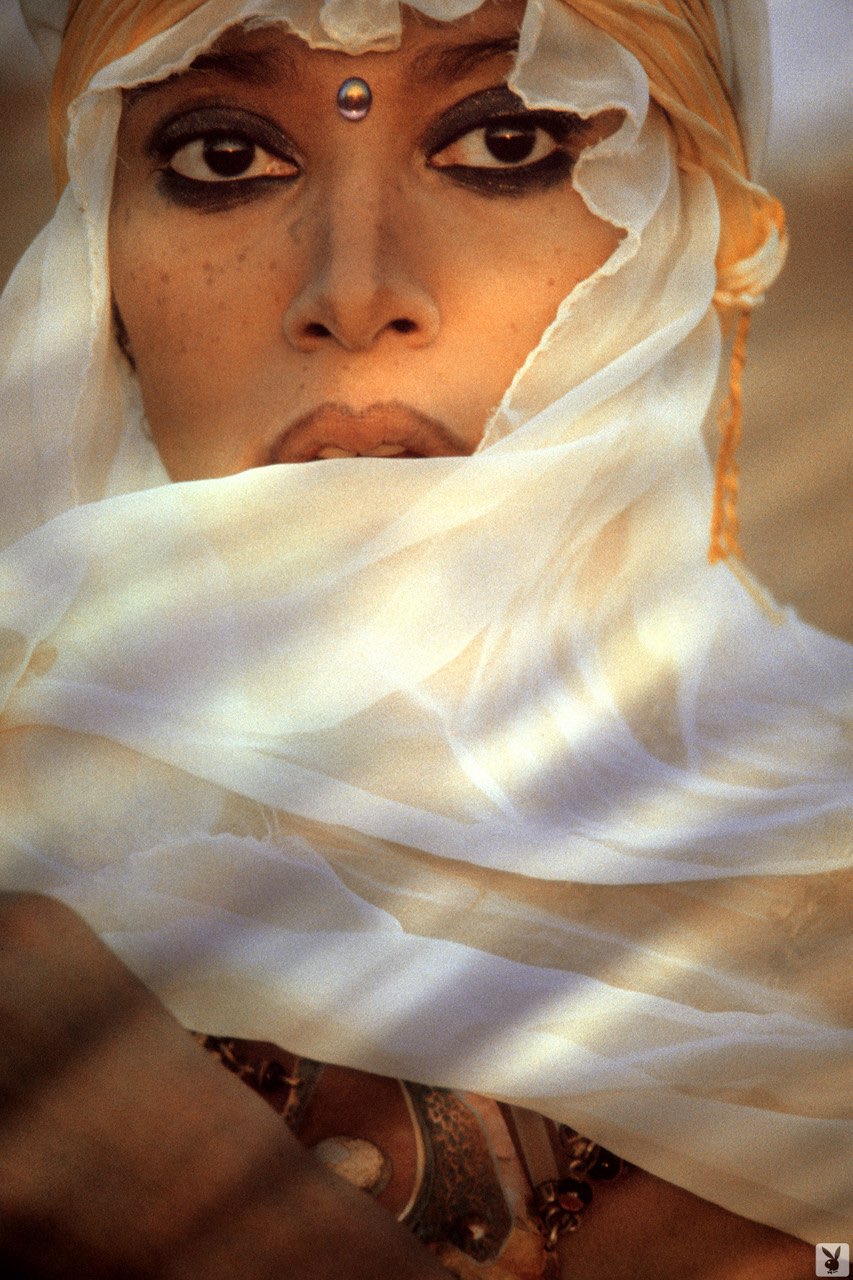
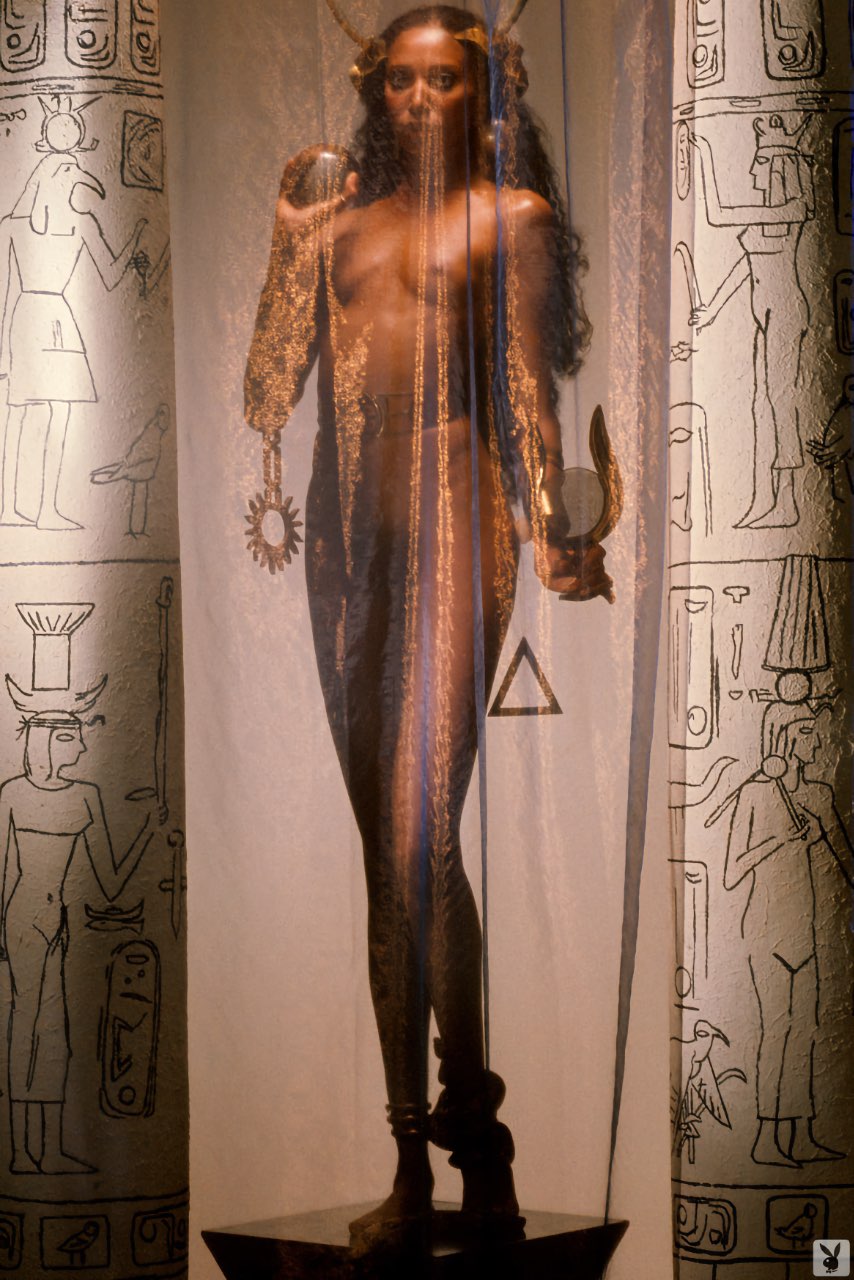
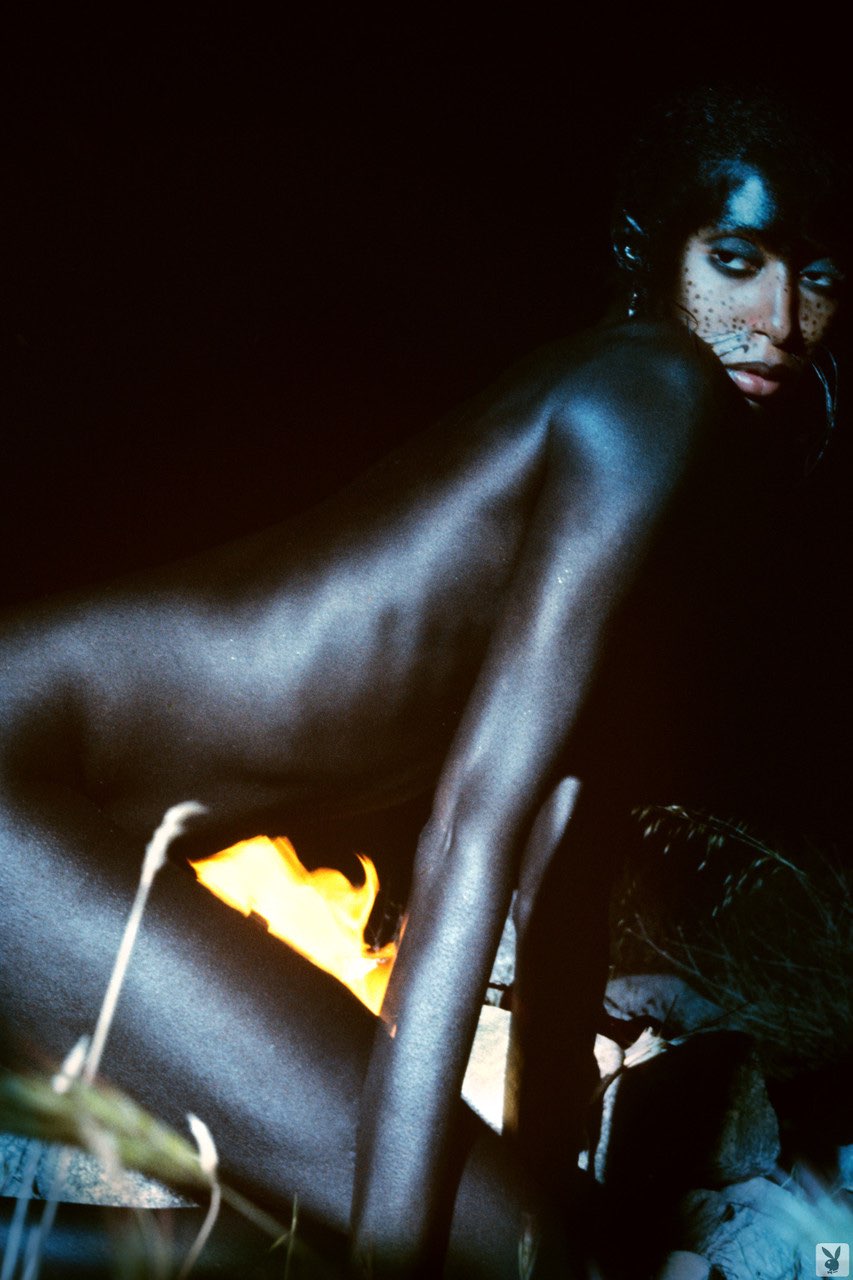
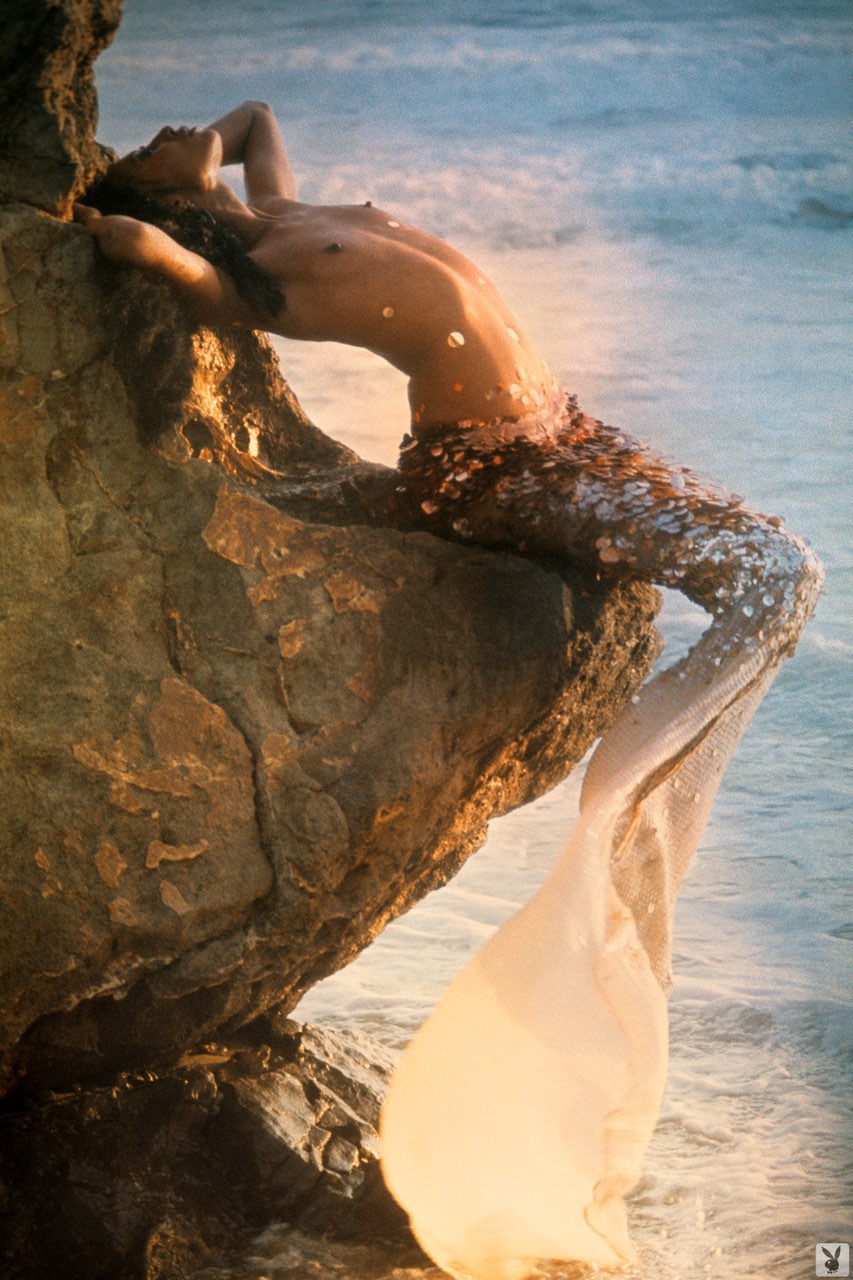
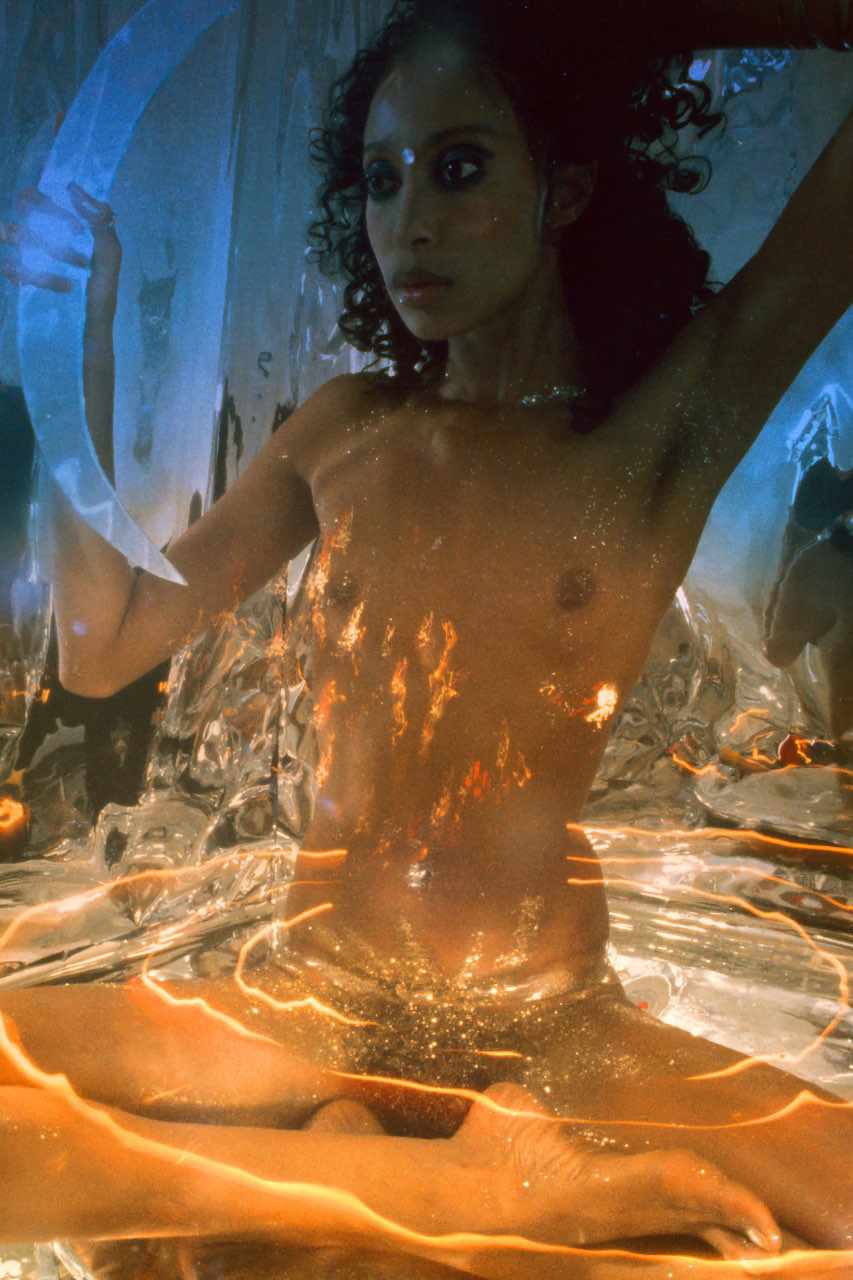
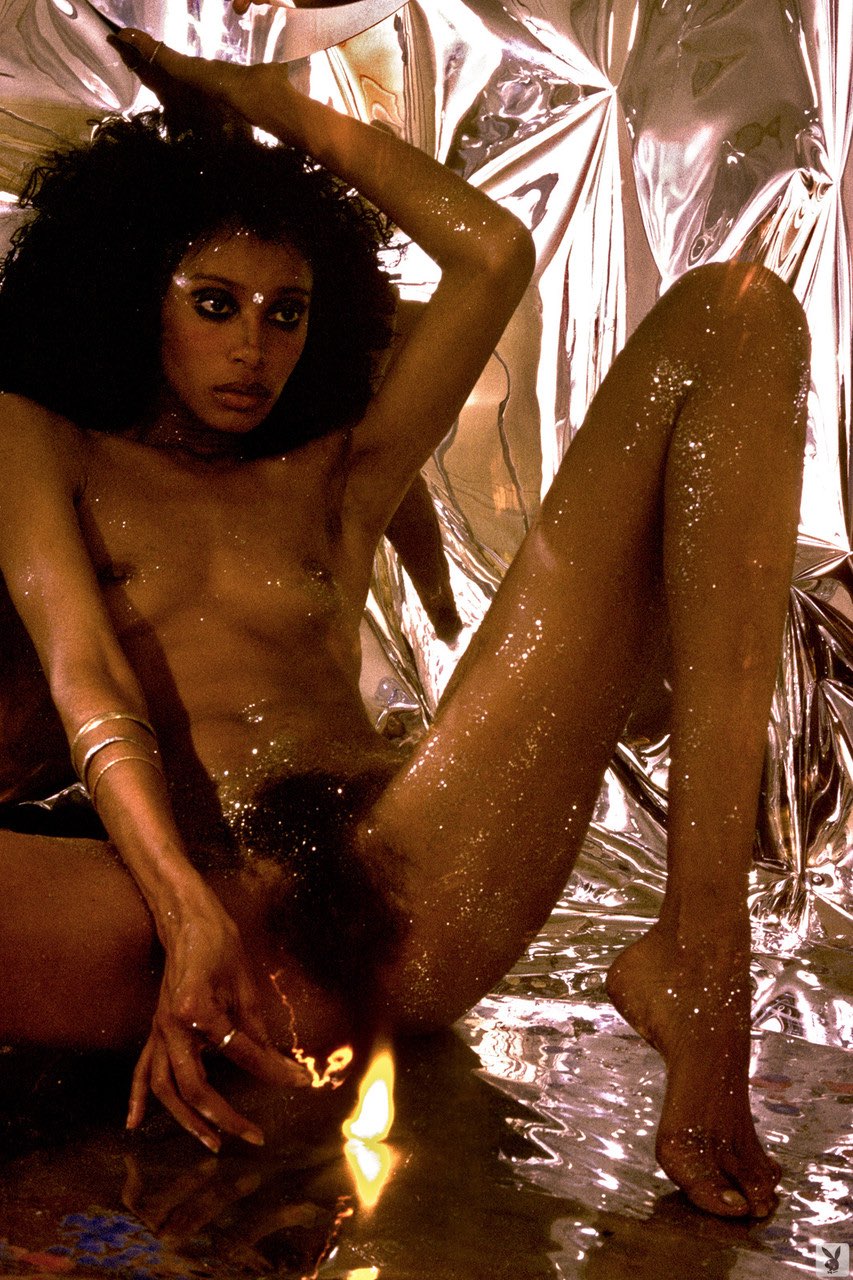
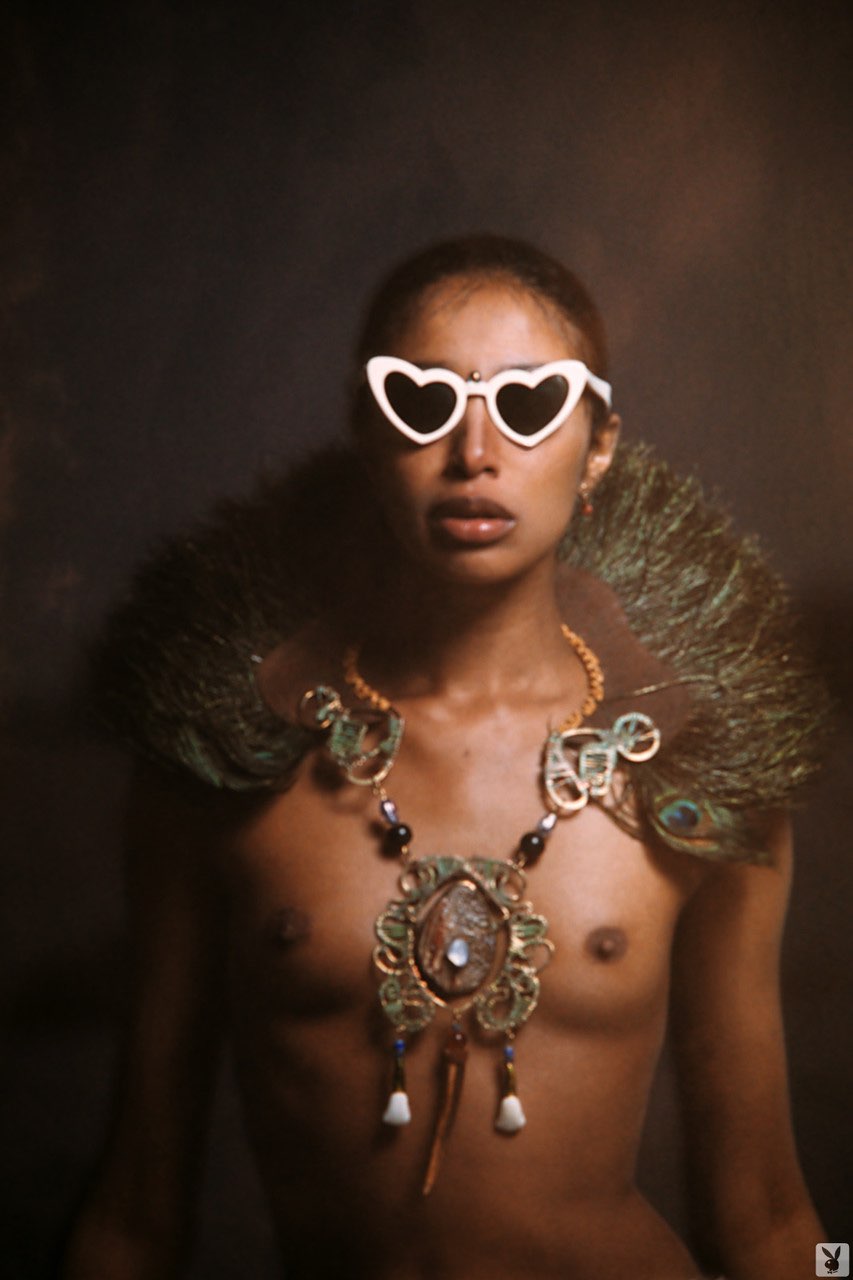
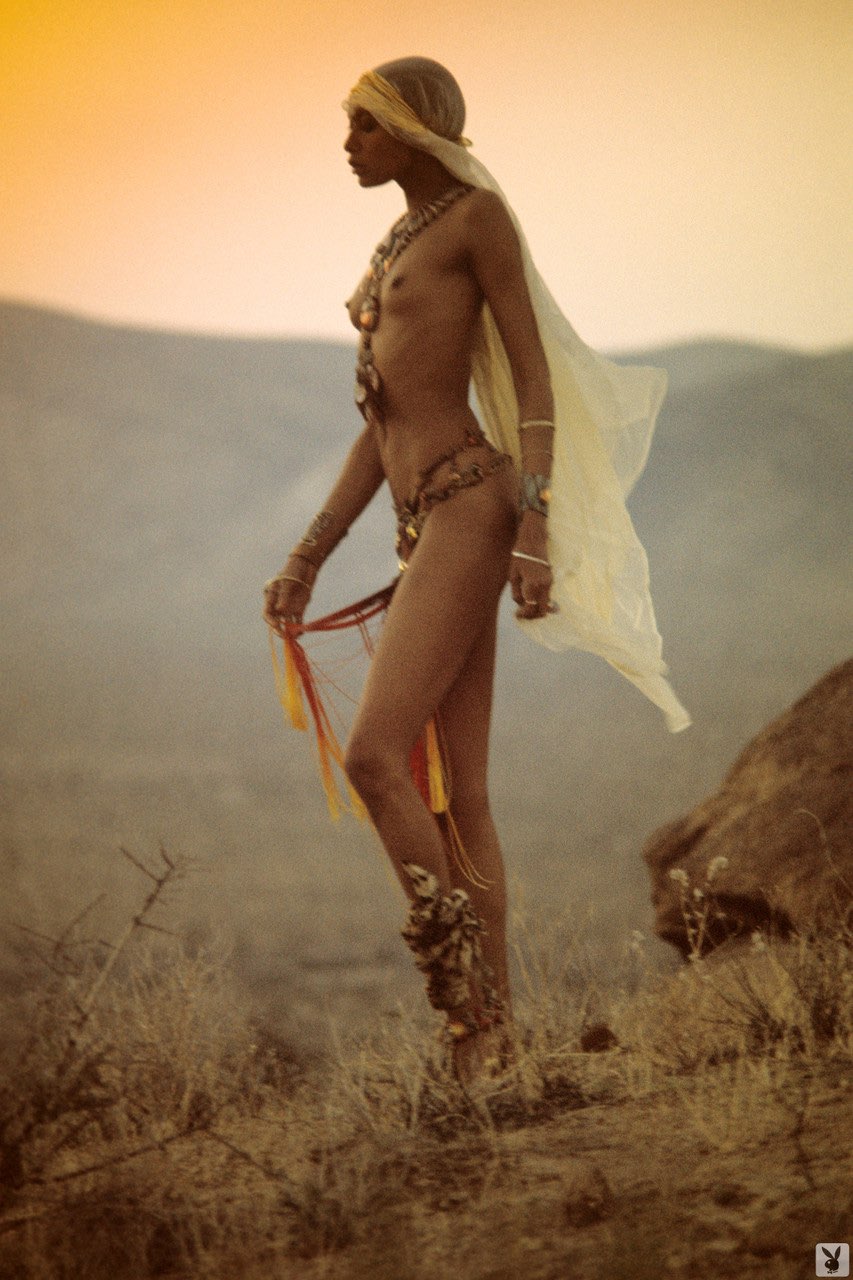
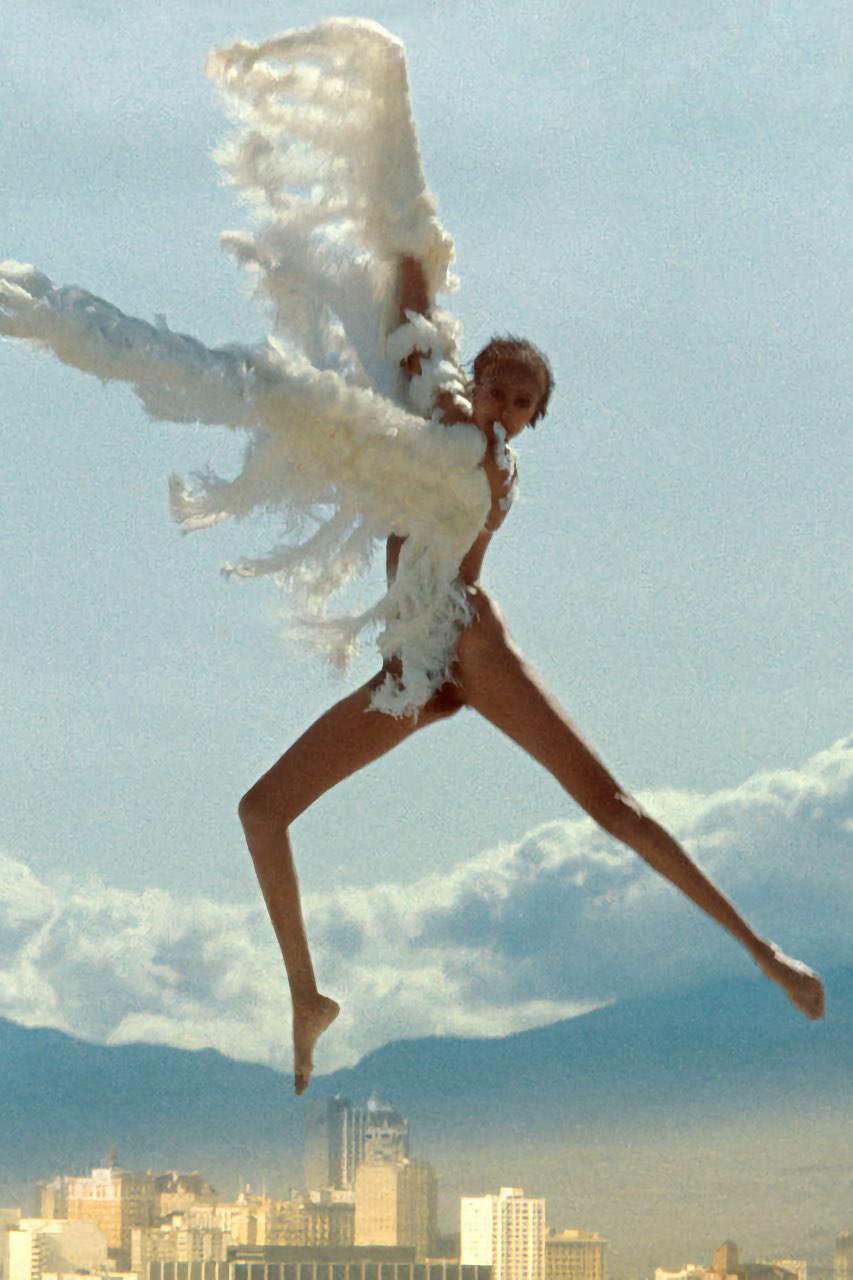
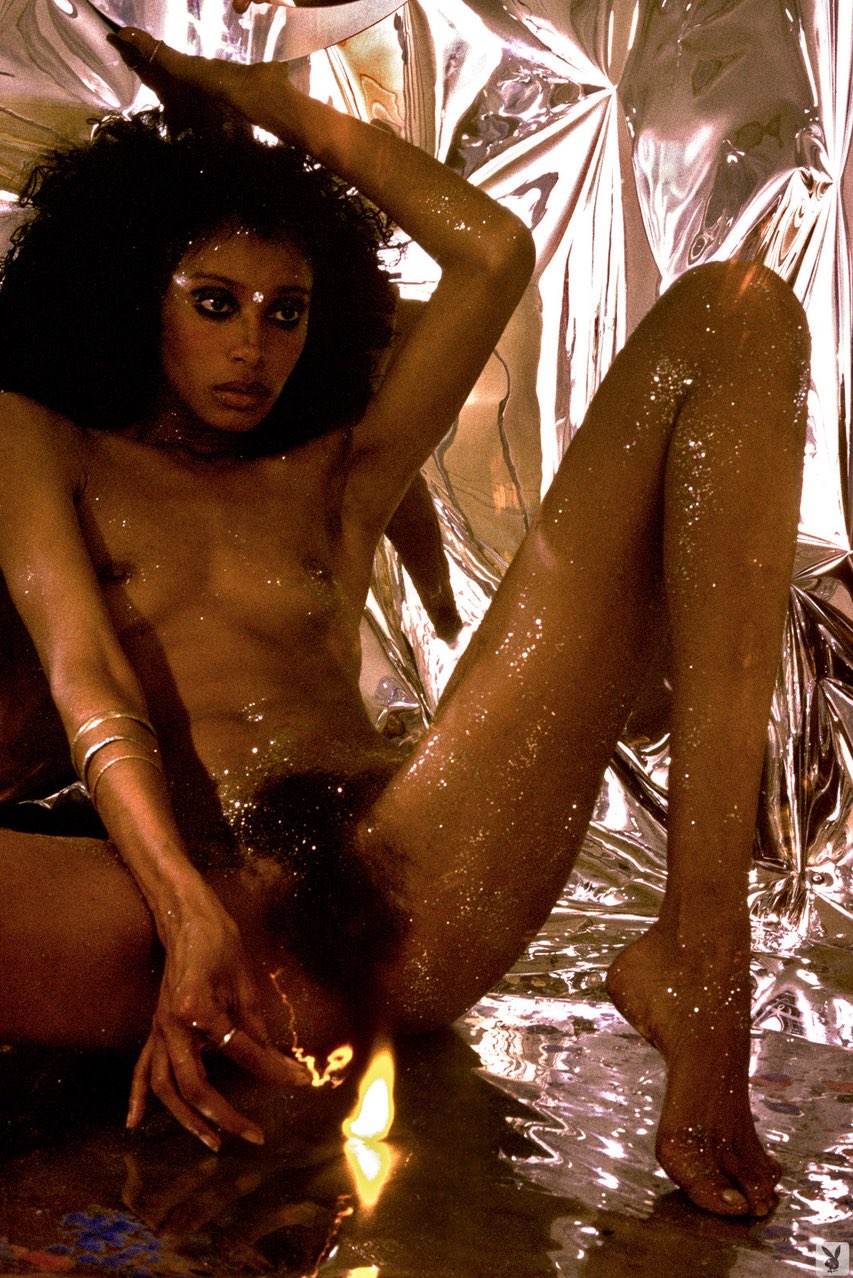
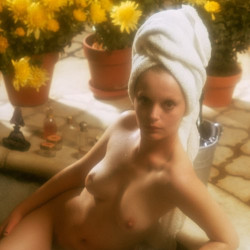
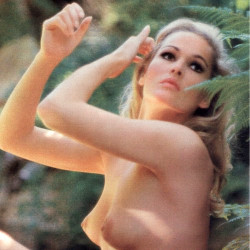
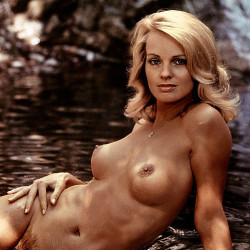
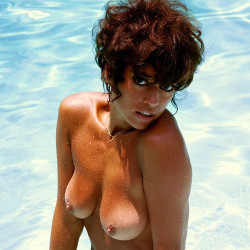
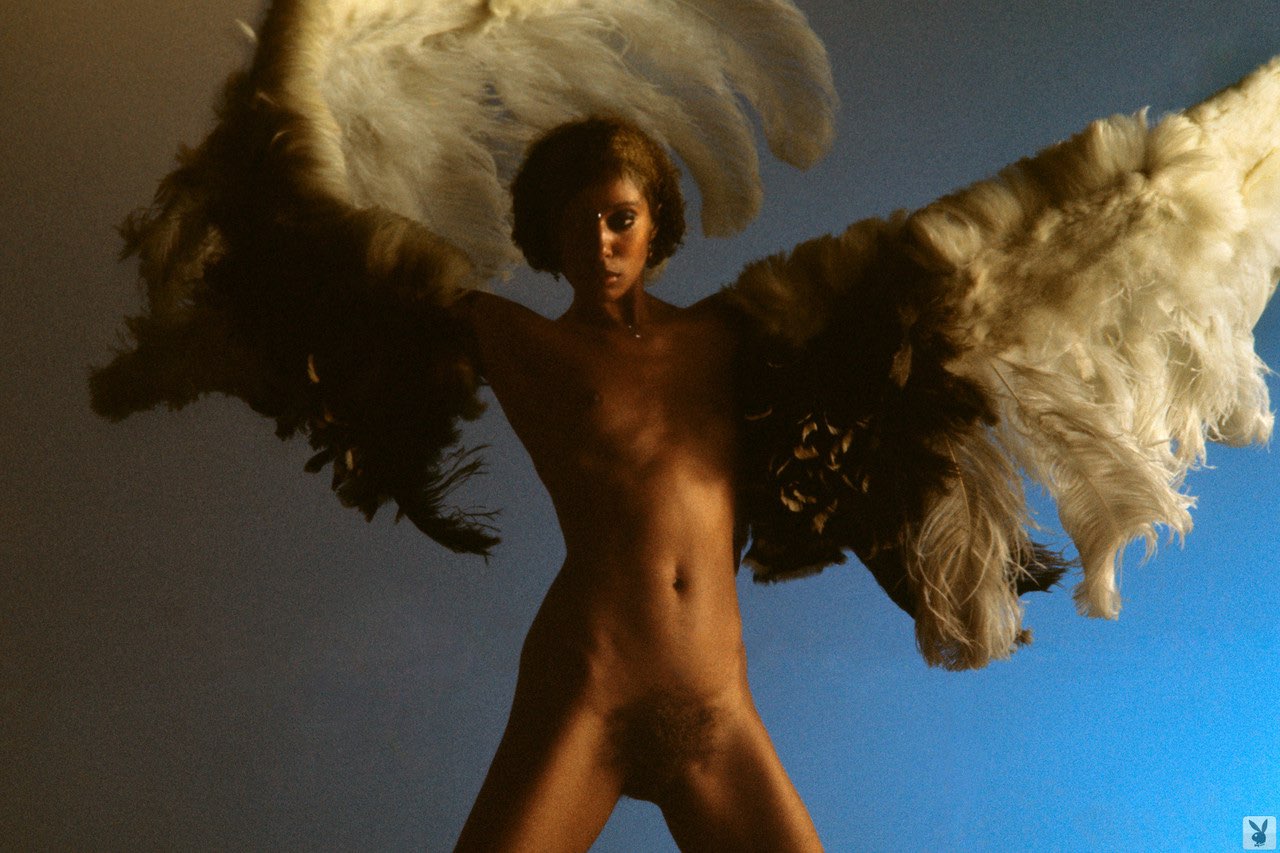
Donyale Luna brought her unmistakably theatrical imagination to Playboy’s April 1975 issue in a pictorial photographed by her husband, Luigi Cazzaniga. Rather than approaching the session as a conventional celebrity pin-up, she devised a sequence of dreamlike characters, appearing as an angel above the Los Angeles skyline, a mermaid beside the Pacific and a succession of otherworldly figures. The photographs captured the quality that had defined her finest fashion work: Luna did not merely wear clothes or hold a pose; she transformed every assignment into a performance.
Years before that Playboy feature, Luna had changed the direction of international fashion. After entering New York’s modelling world, she worked with Richard Avedon and appeared in Harper’s Bazaar, attracting admiration for her extraordinary proportions, expressive movement and refusal to resemble anyone else. Her career accelerated in London, where David Bailey photographed her for the March 1966 cover of British Vogue. The image made her the magazine’s first Black cover model and established her as a defining figure in the fashion revolution of the 1960s, even as racial prejudice continued to restrict her opportunities in America.
Luna treated modelling as a form of living theatre. On the runway, she could glide, dance, exaggerate her gestures or turn a designer’s presentation into something close to performance art. She worked with leading names including Paco Rabanne, André Courrèges and Yves Saint Laurent, while her distinctive image attracted artists and filmmakers beyond fashion. She appeared in Andy Warhol’s experimental films and made memorable appearances in Qui êtes-vous, Polly Maggoo? and Michelangelo Antonioni’s Blow-Up, both of which placed the fashion world inside a more surreal cinematic frame.
Her screen career became increasingly European and unconventional. Luna appeared in Otto Preminger’s Skidoo and played the mysterious Oenothea in Federico Fellini’s Satyricon, a role perfectly matched to her statuesque, almost mythological presence. She later took the title role in Carmelo Bene’s experimental Salomé. By the time Playboy featured her, she had moved beyond the traditional boundaries between model, actress and muse. The pictorial embraced that ambiguity, presenting nudity as part of a personal fantasy rather than reducing her to the magazine’s usual visual formula.
Luna’s career was brief, complicated and frequently obstructed by an industry uncertain how to handle a Black woman who rejected familiar categories. Yet her influence became increasingly visible in the generations of models who followed, and the documentary Donyale Luna: Supermodel renewed attention to both her achievements and the barriers she faced. Her Playboy appearance remains one of her most revealing creative statements: strange, elegant, playful and entirely self-authored. Donyale Luna did not simply change the face of fashion; she expanded the possibilities of what a model could imagine herself to be.