Julie Newmar Bio
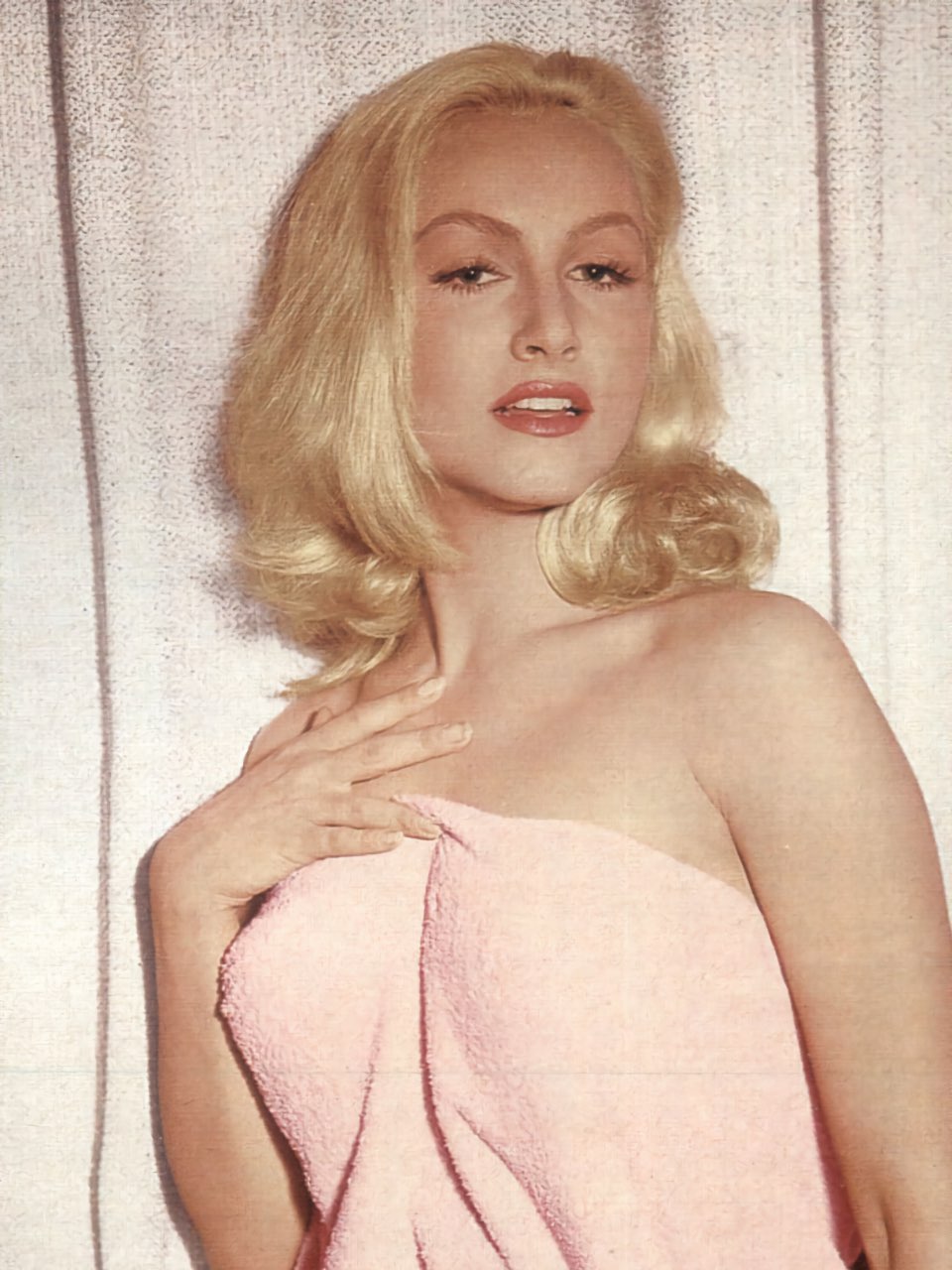
Julie Newmar is an American Actress, dancer and singer. Born Julia Chalene Newmeyer on August 16, 1933, in Los Angeles, California, she has also been credited as Catwoman. She appeared in Playboy in May 1968 at 34, adding the feature to her public career. Her appearance came during the 1960s, as Playboy grew into a major force in American magazine publishing.
Newmar has natural breasts, brown eyes and brown hair. Her measurements are 37-25-38.
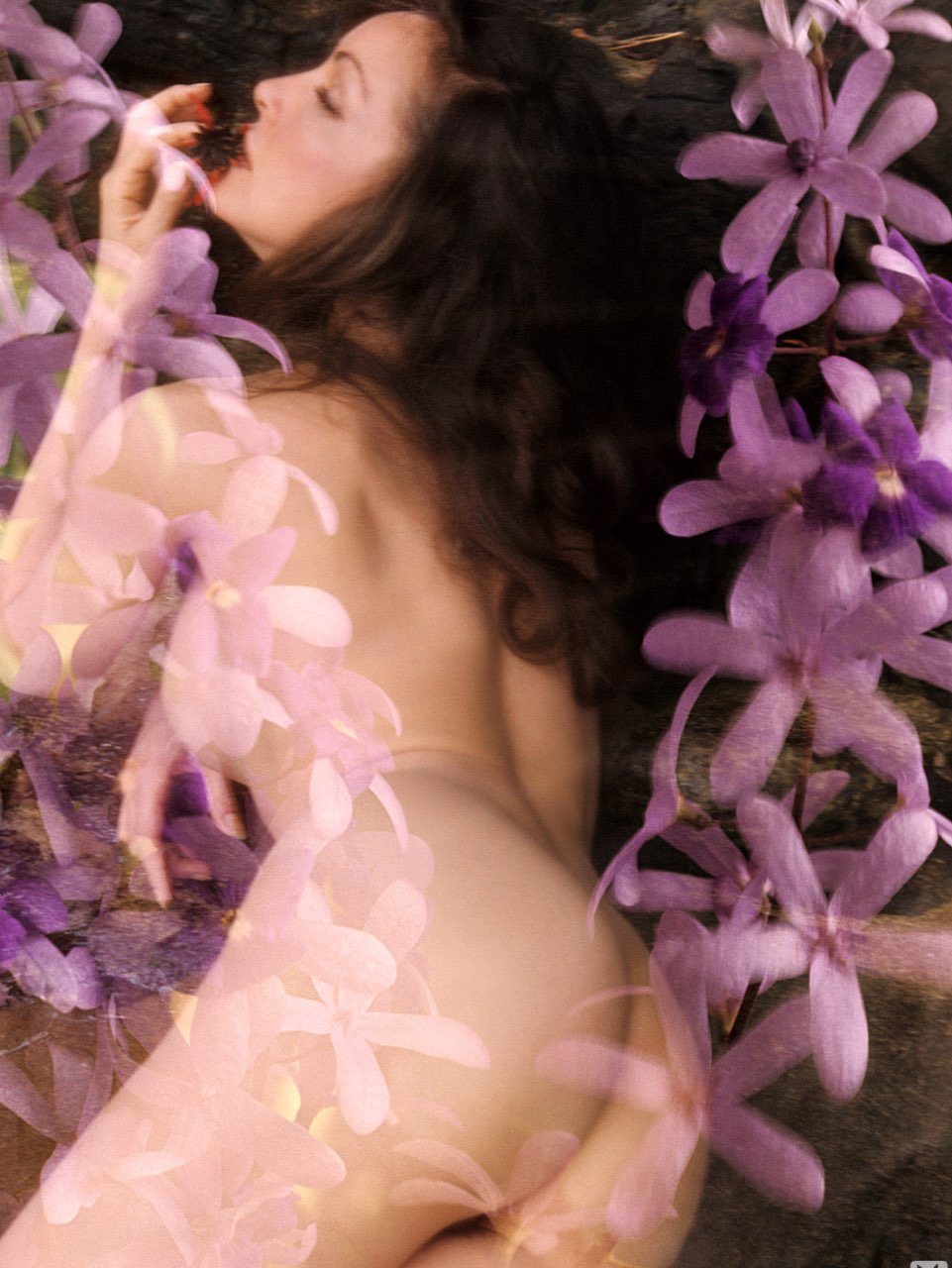
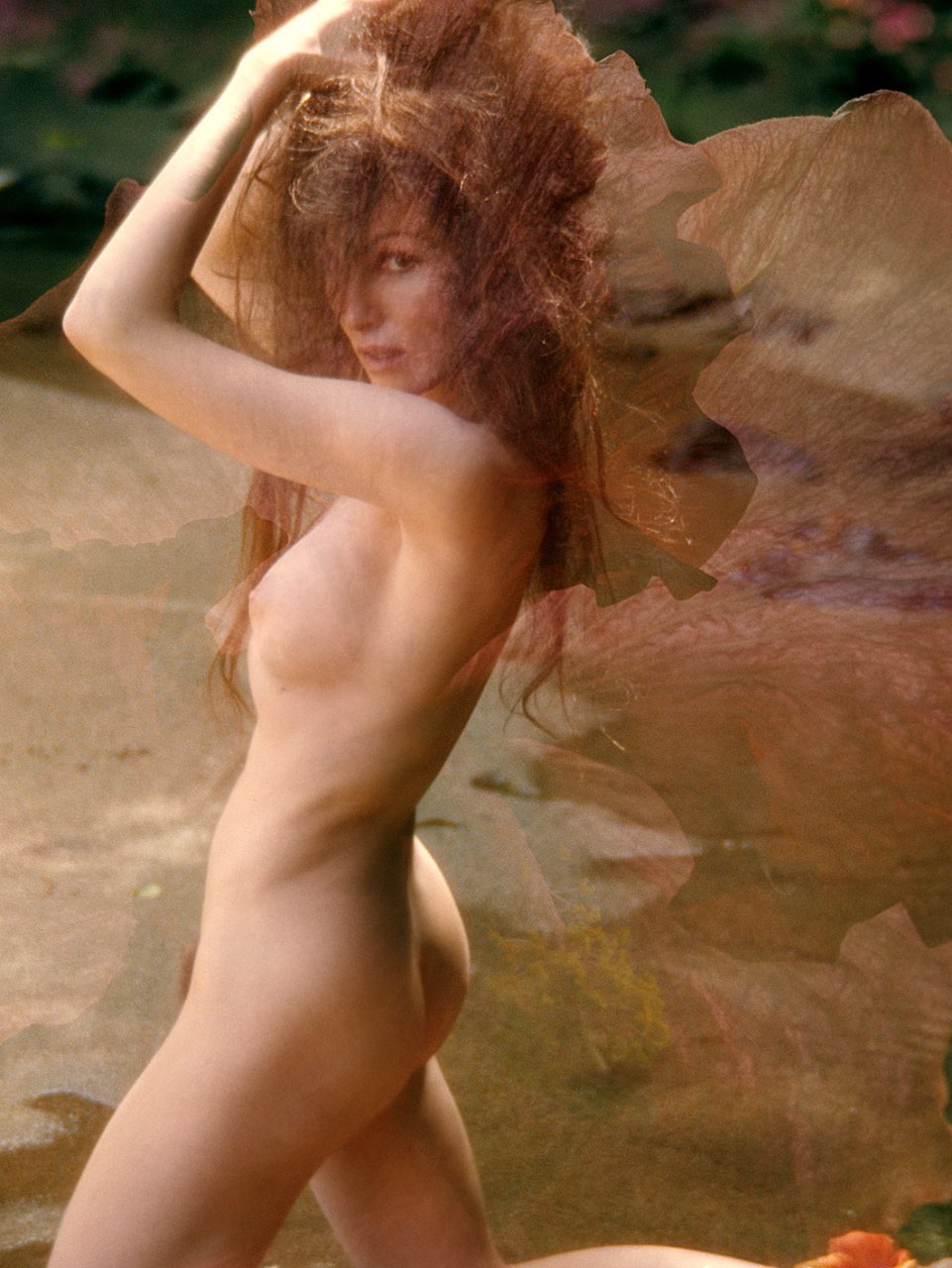
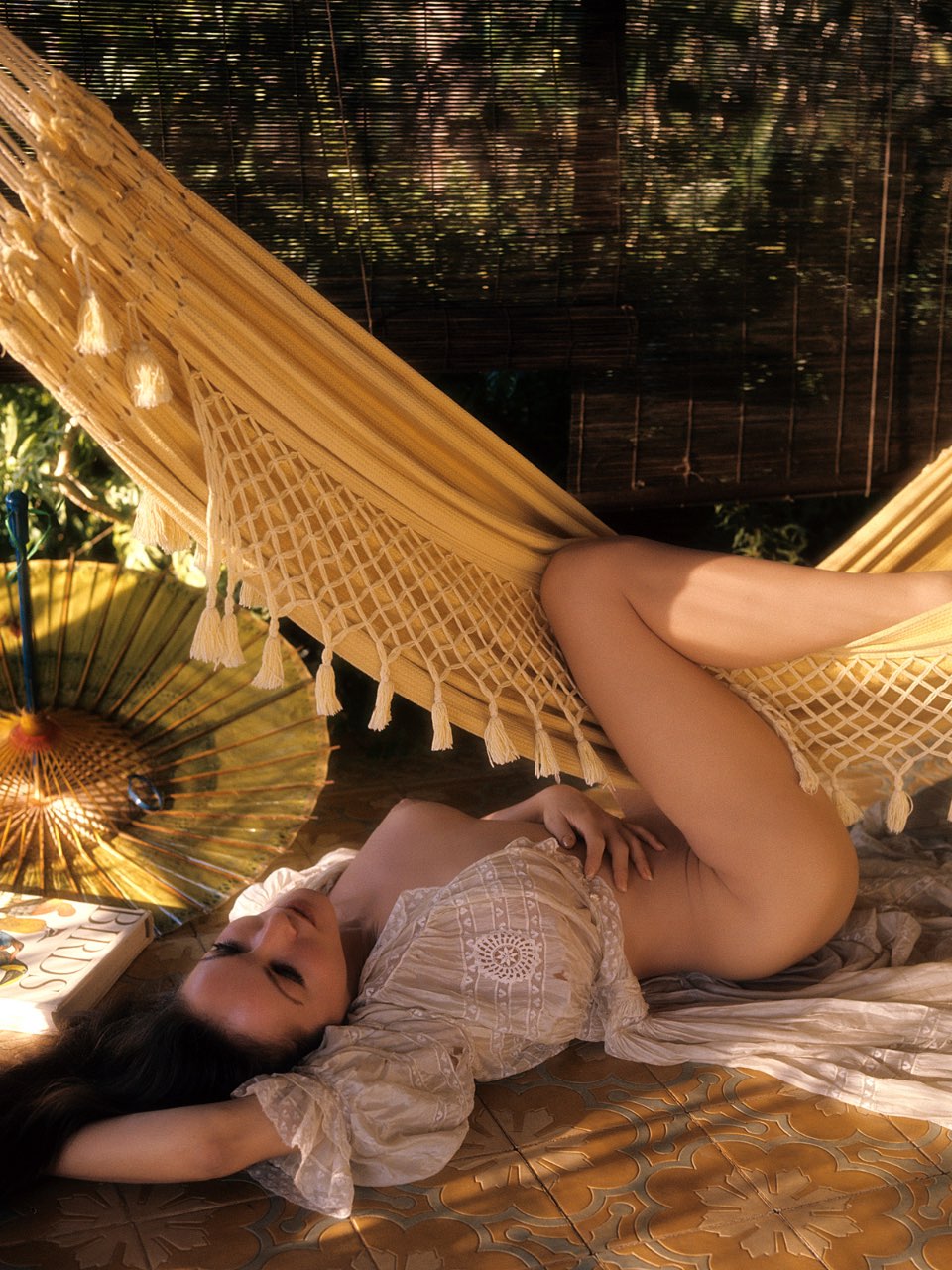
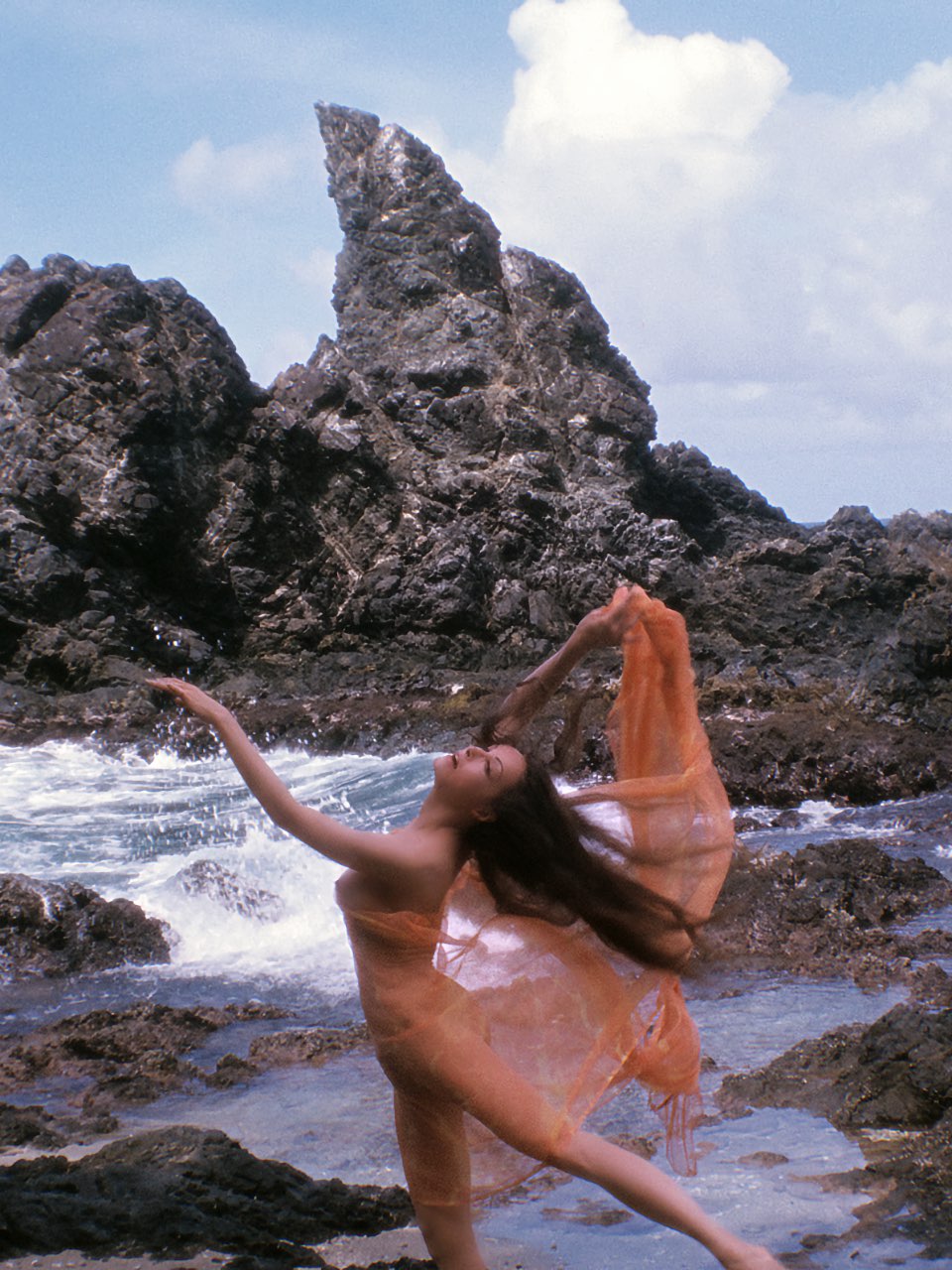
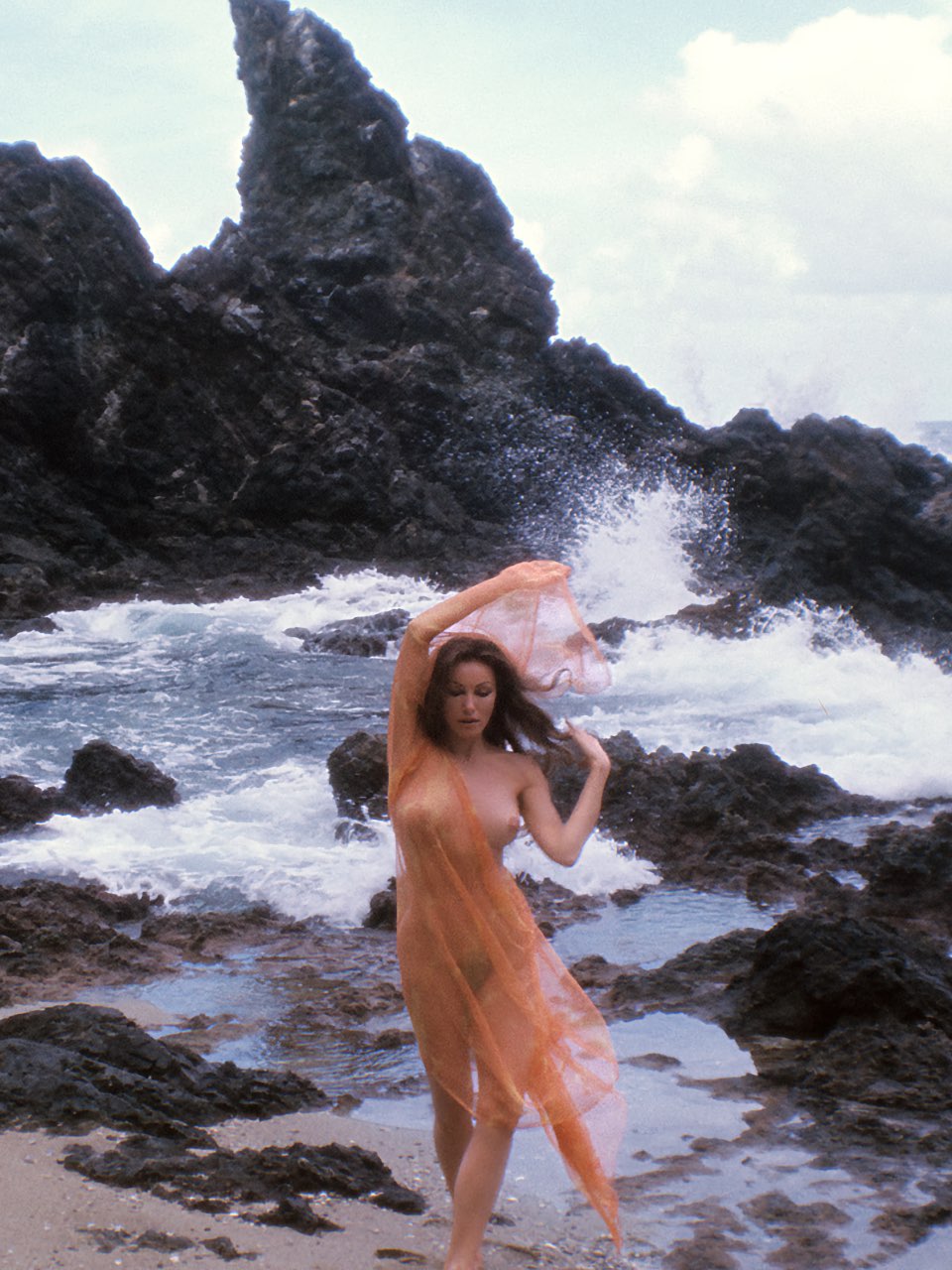
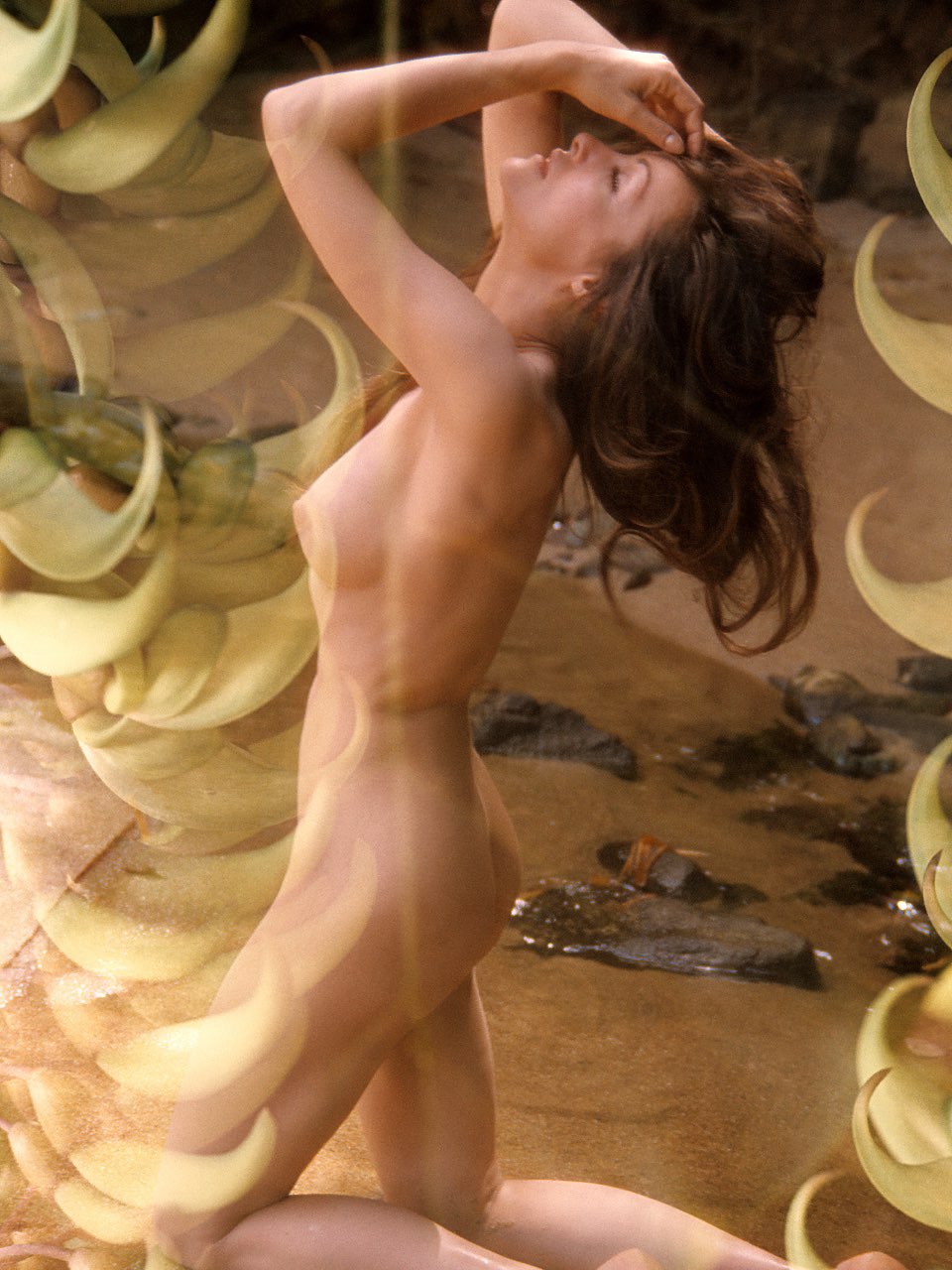
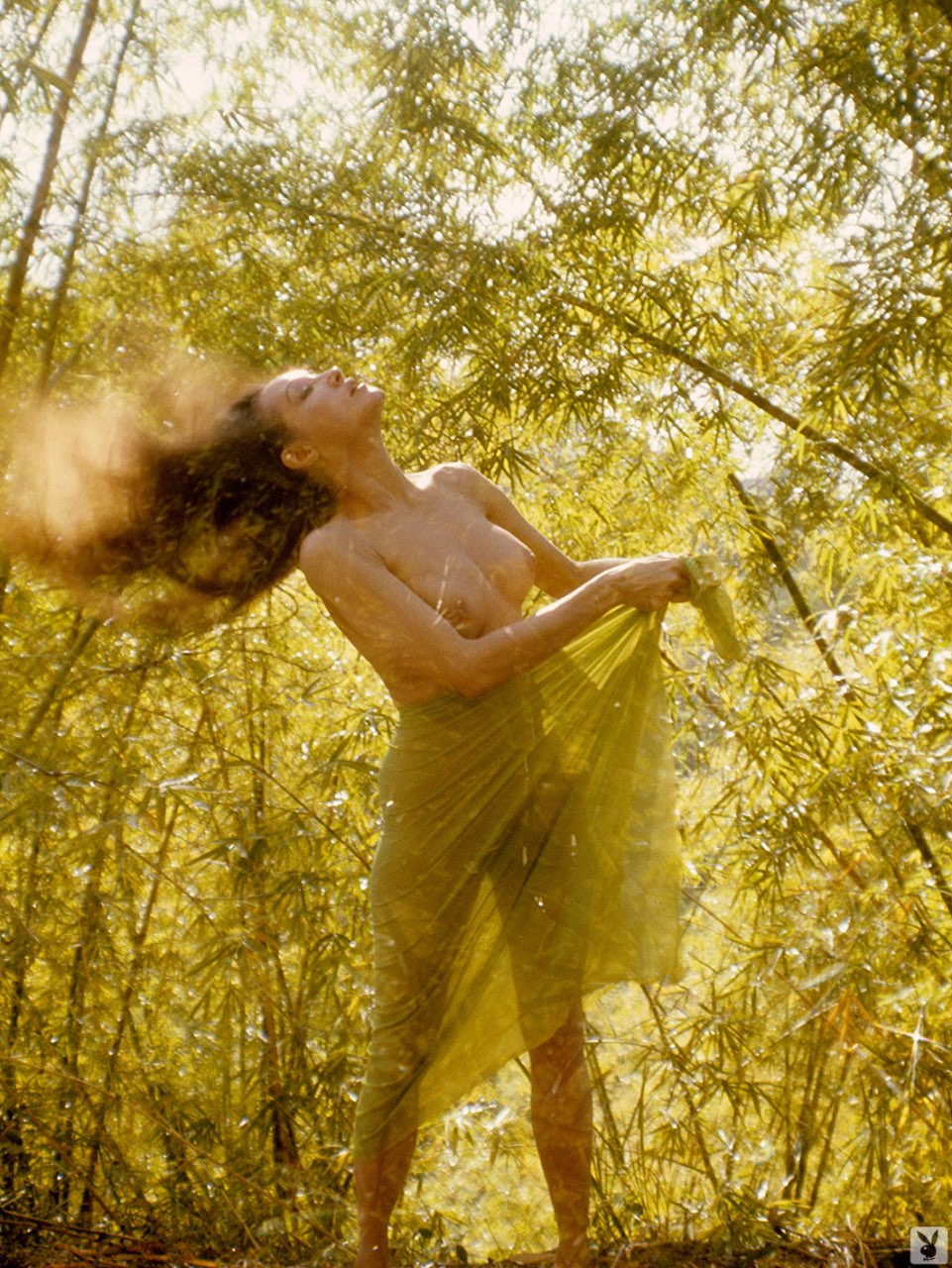
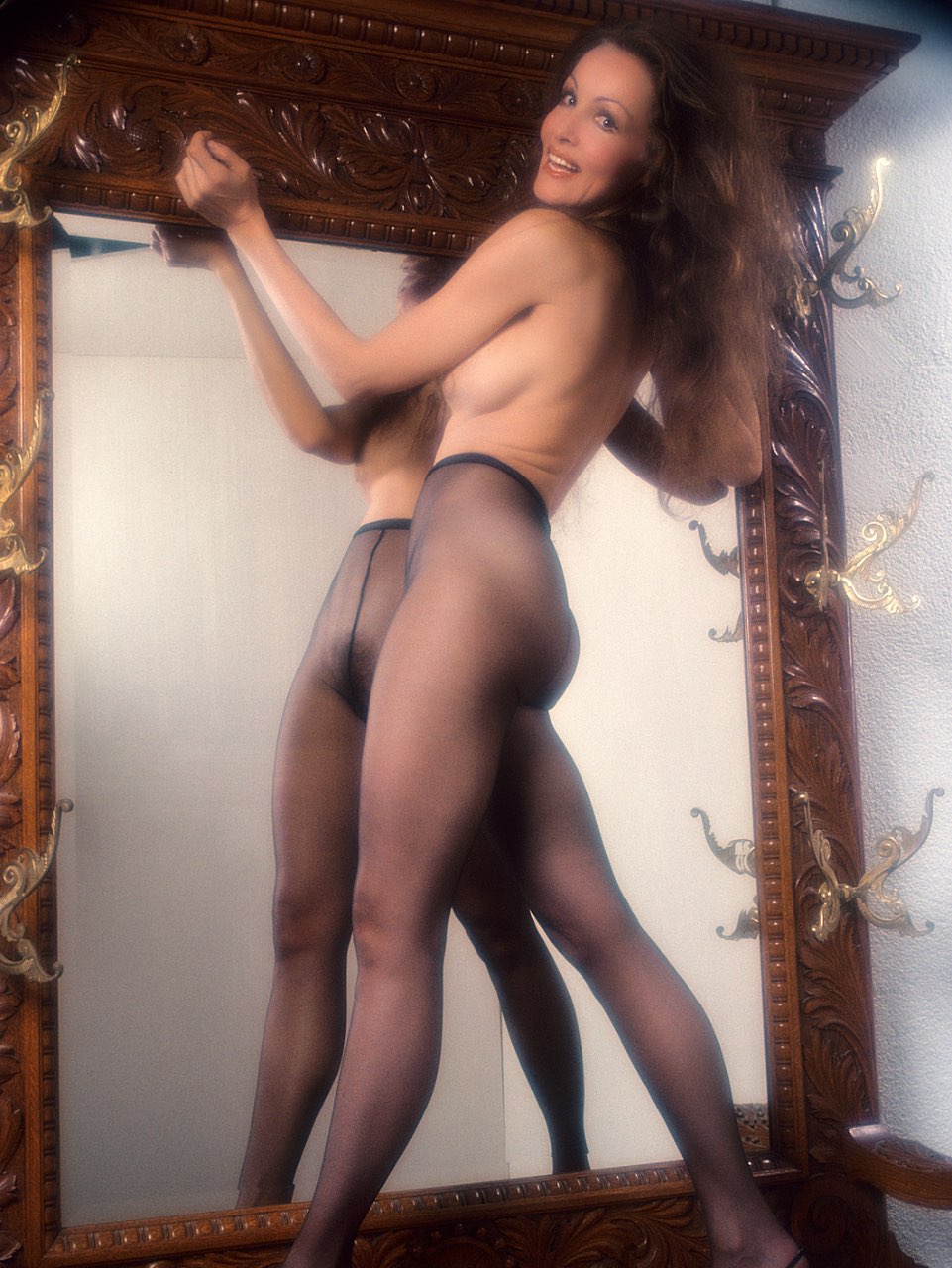
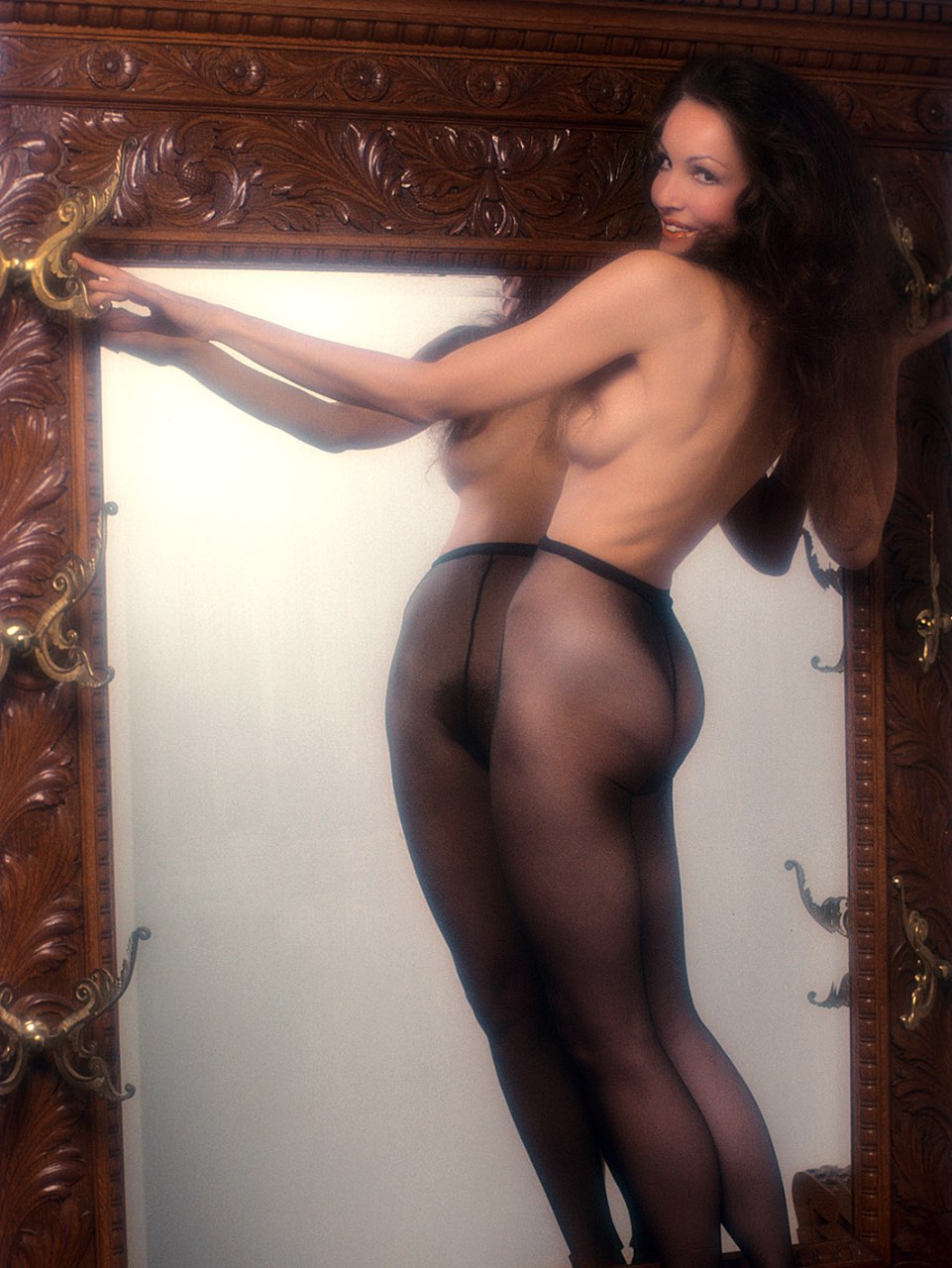
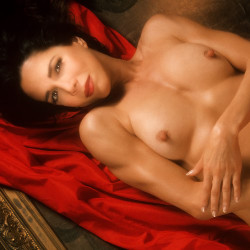
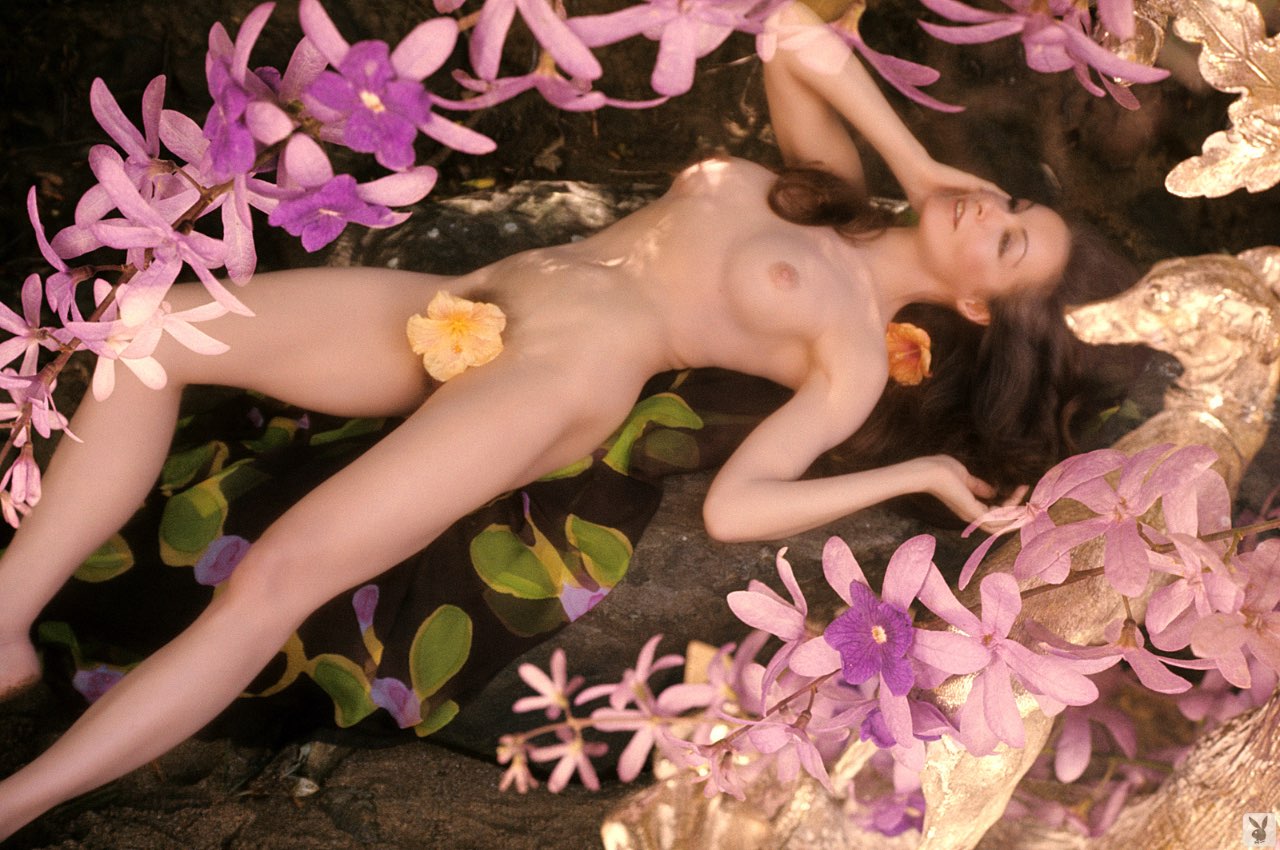
Julie Newmar appeared in Playboy’s May 1968 issue in the pictorial “There Once Was an Indian Maid,” built around photographs connected with the Western adventure Mackenna’s Gold. The feature arrived while her portrayal of Catwoman on Batman was still fresh in the public imagination, giving Playboy a performer who combined theatrical poise, feline wit and an unmistakably commanding physical presence. She was not the issue’s Playmate—that honour belonged to Elizabeth Jordan—but a celebrity attraction whose fame gave the pictorial its special character.
Long before Gotham City, Newmar had established herself as a dancer and Broadway performer. After early screen appearances in films including Seven Brides for Seven Brothers, she made her Broadway debut in Silk Stockings and created the unforgettable cameo role of Stupefyin’ Jones in Li’l Abner. Her combination of comic timing, statuesque elegance and controlled movement proved especially effective in The Marriage-Go-Round, for which she won the Tony Award for Best Featured Actress in a Play. She later repeated the role in the film adaptation, demonstrating that her appeal extended well beyond musical spectacle.
Television made her a household name. Newmar starred as the beautifully engineered Rhoda in My Living Doll before slipping into the black catsuit of Catwoman on Batman. Her interpretation was playful rather than simply villainous: every gesture suggested amusement, calculation and complete confidence in her ability to unsettle Adam West’s impeccably disciplined hero. Newmar also modified the costume herself, lowering its belt to sharpen its feline silhouette. The result became one of television’s most enduring character designs and established a standard against which later portrayals of Catwoman would inevitably be measured.
The May 1968 Playboy feature extended that image without reducing Newmar to it. Photographed in the atmosphere of Mackenna’s Gold, it presented her as a wild and glamorous figure suited to the magazine’s taste for cinematic fantasy. Yet her allure always carried an element of intelligence and humour. Even when cast as an idealised beauty, she seemed fully aware of the conventions surrounding the role—and usually appeared to be enjoying the opportunity to turn them to her own advantage.
Newmar continued acting in films and television while also pursuing interests in design, invention and property investment. She developed her own hosiery concept, became a successful real-estate investor and eventually returned to Catwoman through animated Batman productions. The affectionate tribute To Wong Foo, Thanks for Everything! Julie Newmar confirmed how completely her name had entered popular culture. Her Playboy appearance captures the surface glamour of that legacy, but her lasting fascination lies in the woman behind it: inventive, funny, independent and always more formidable than the fantasy she was invited to embody.