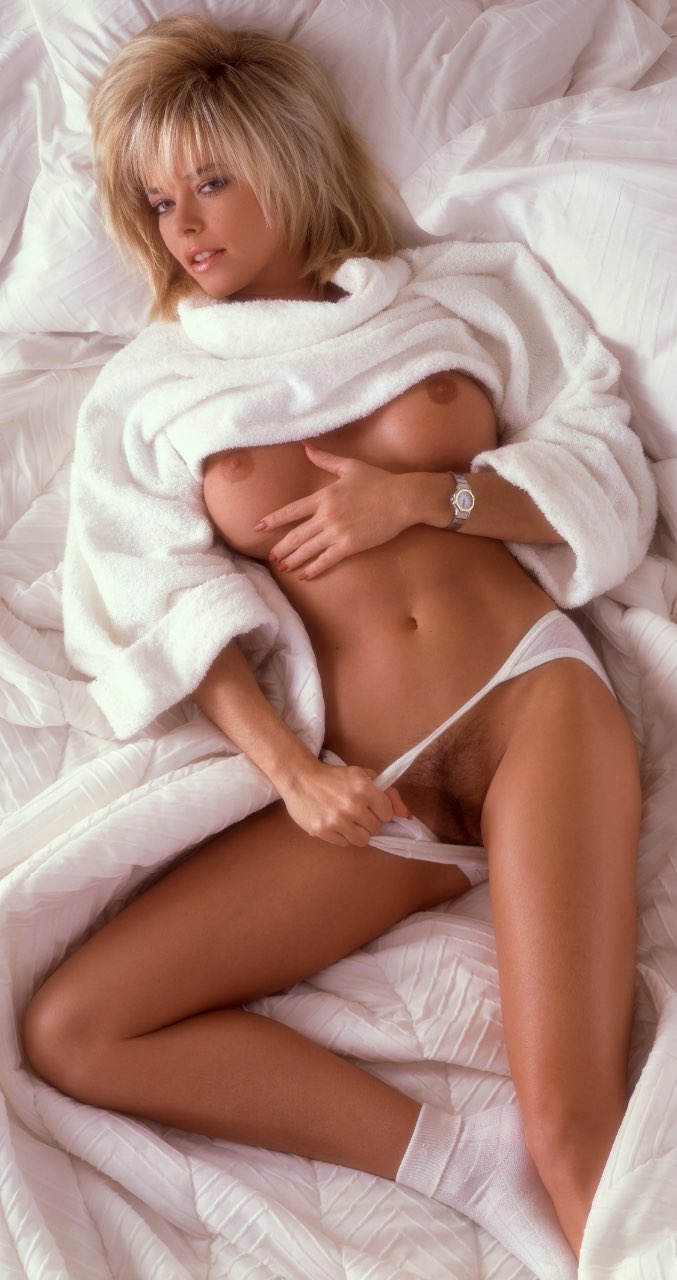
Sandy Greenberg Bio
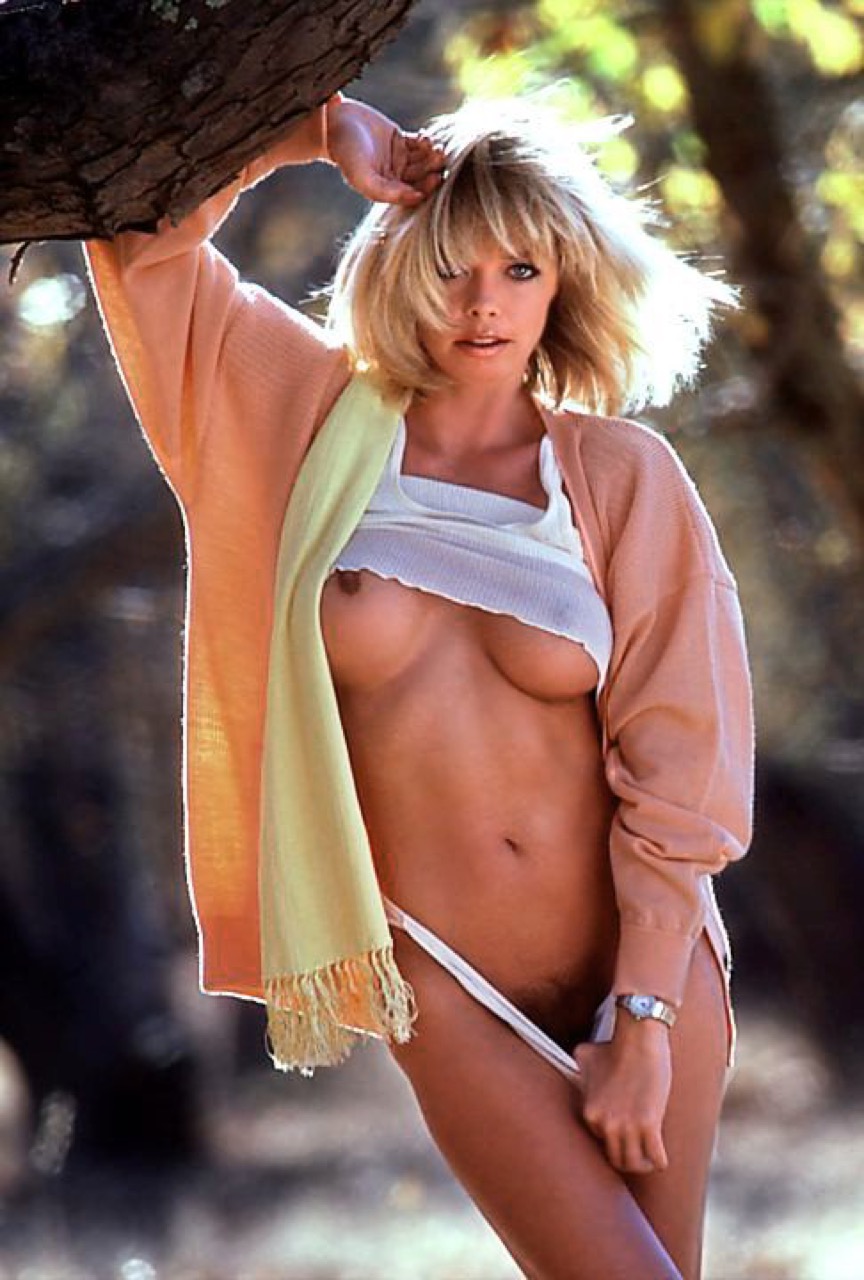
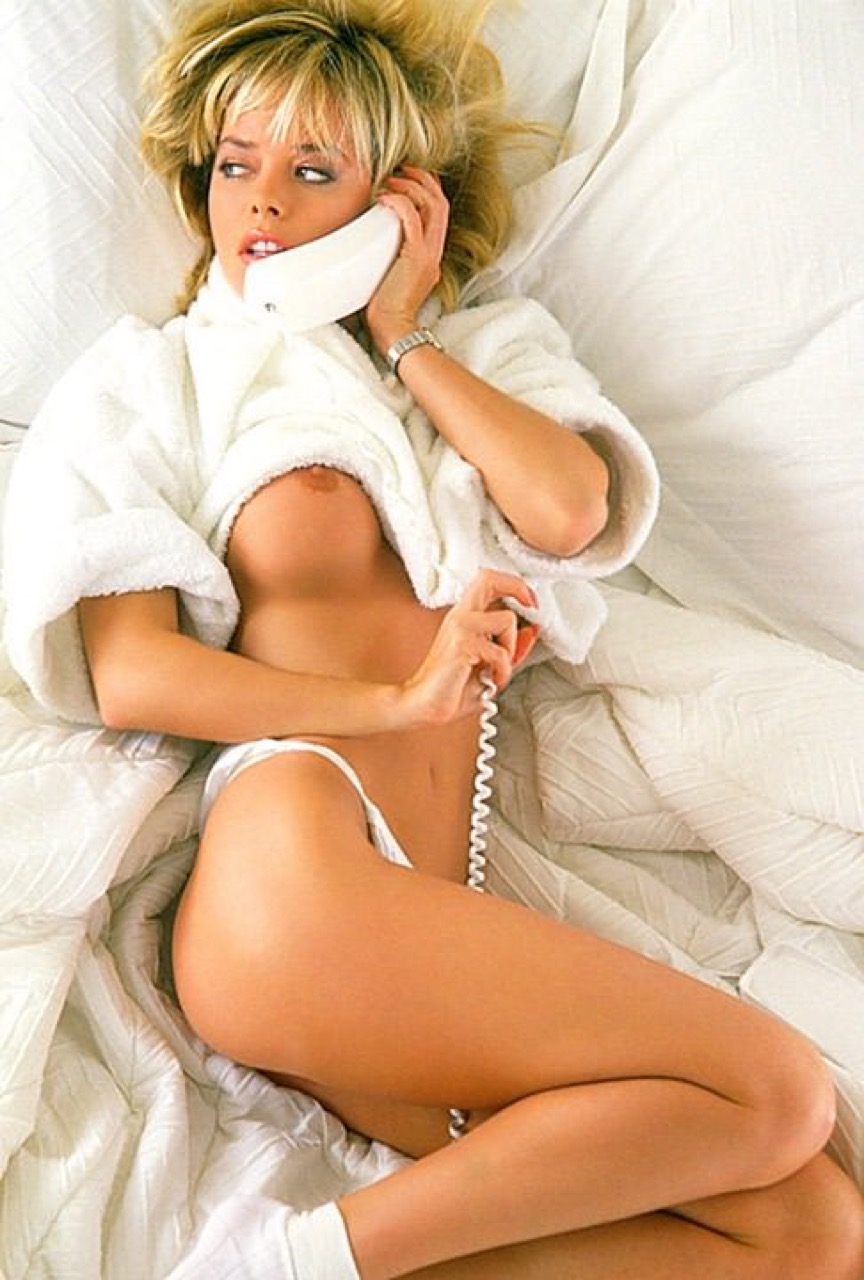
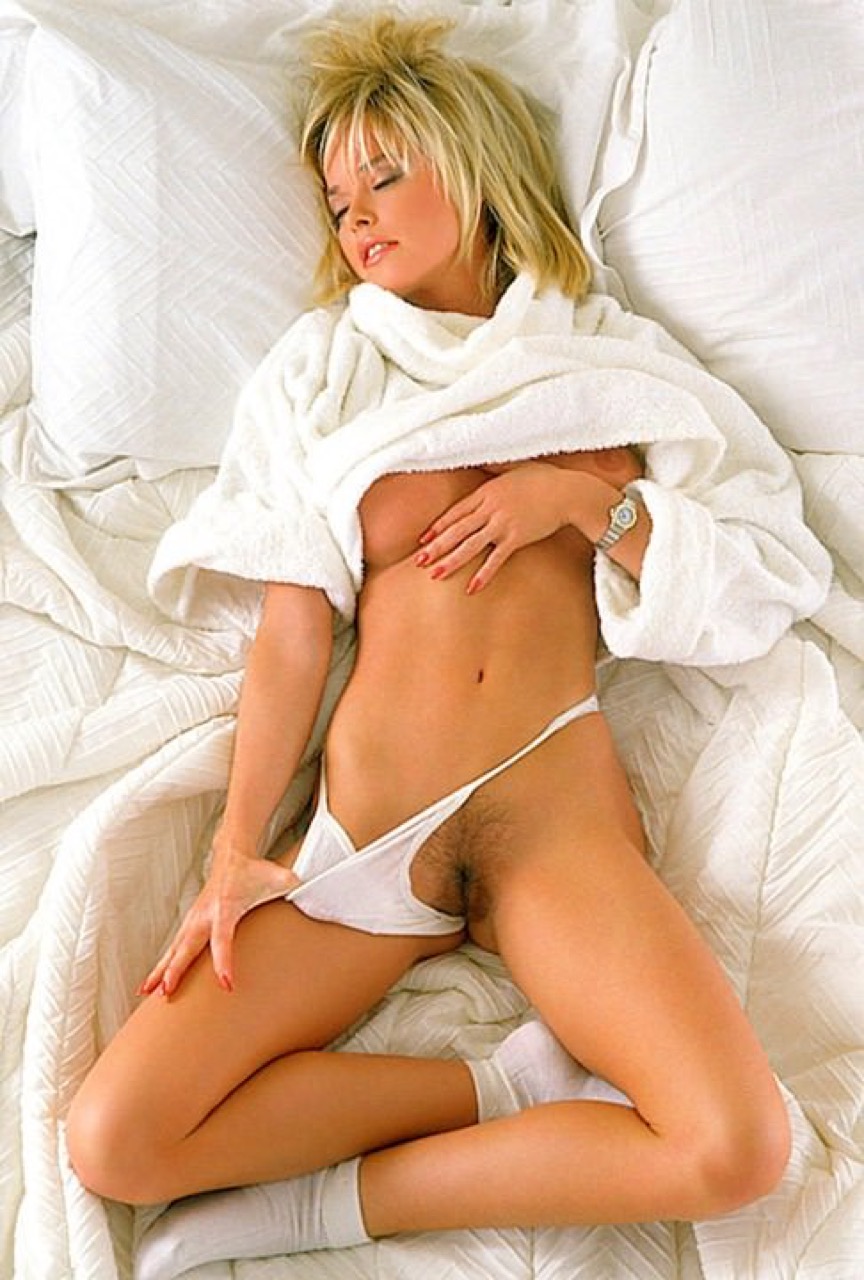
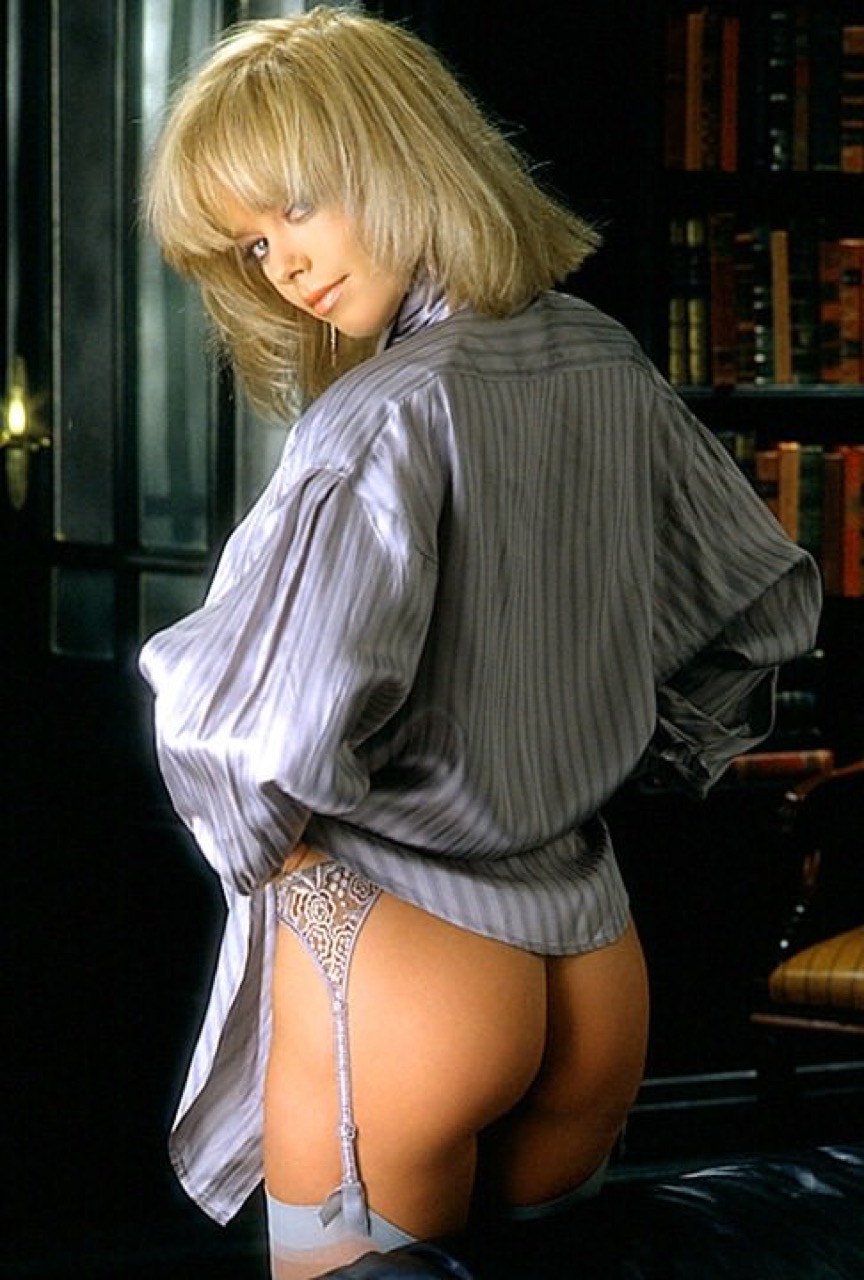
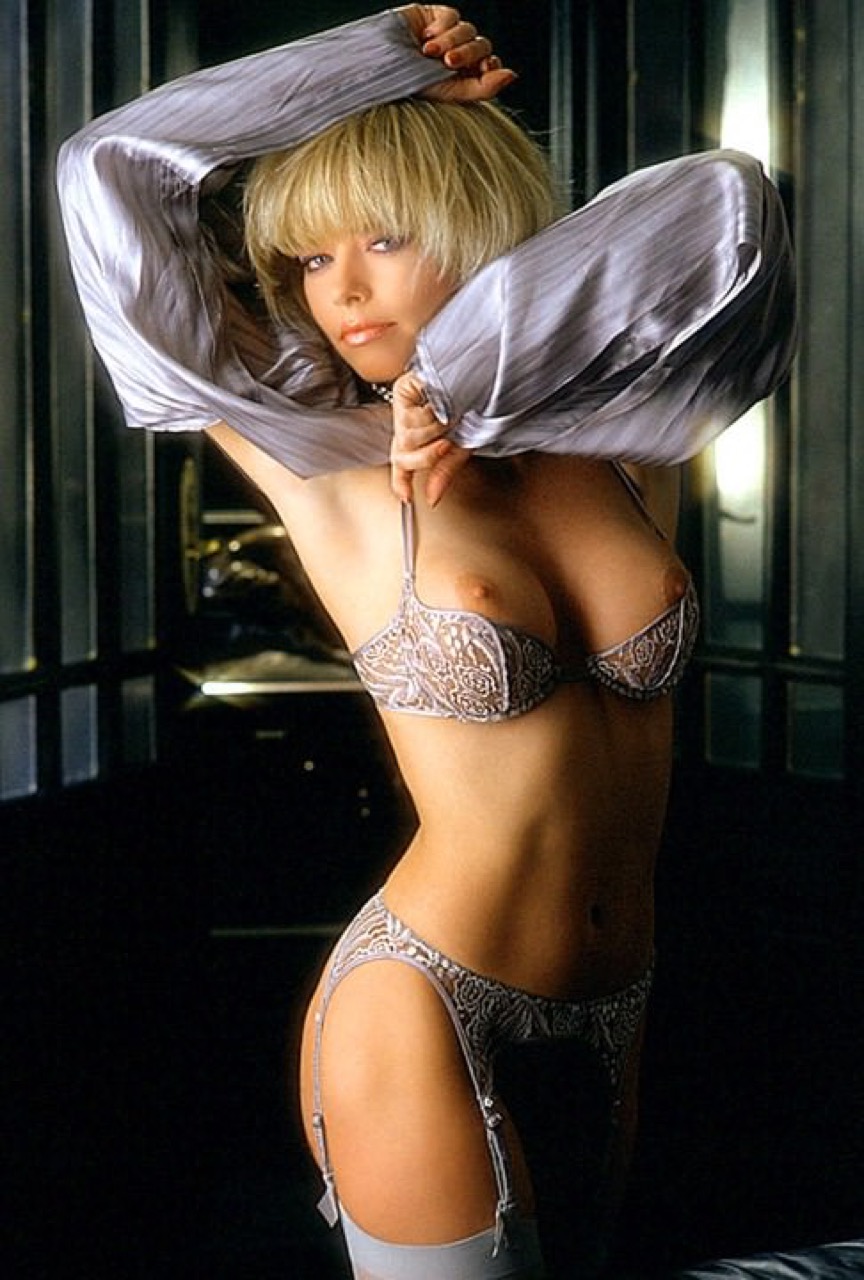
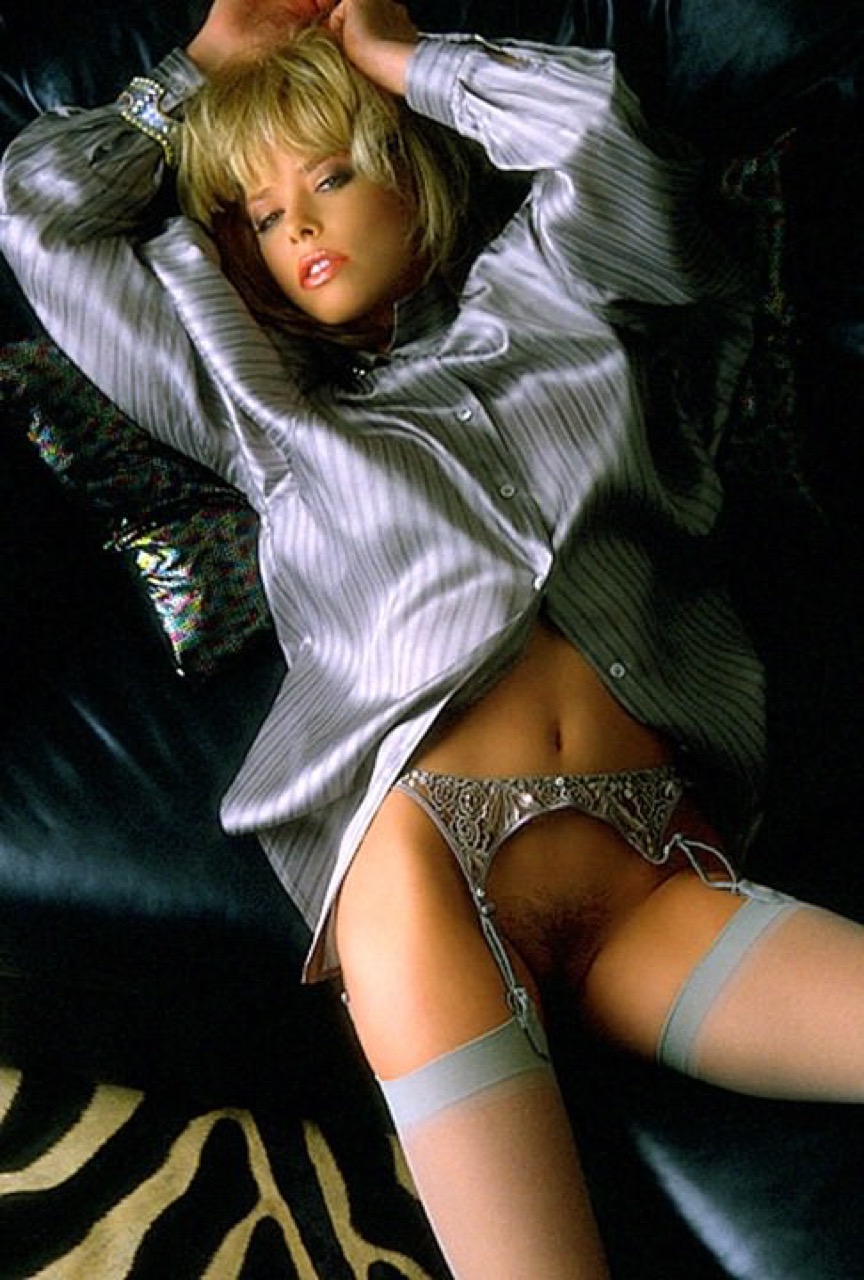
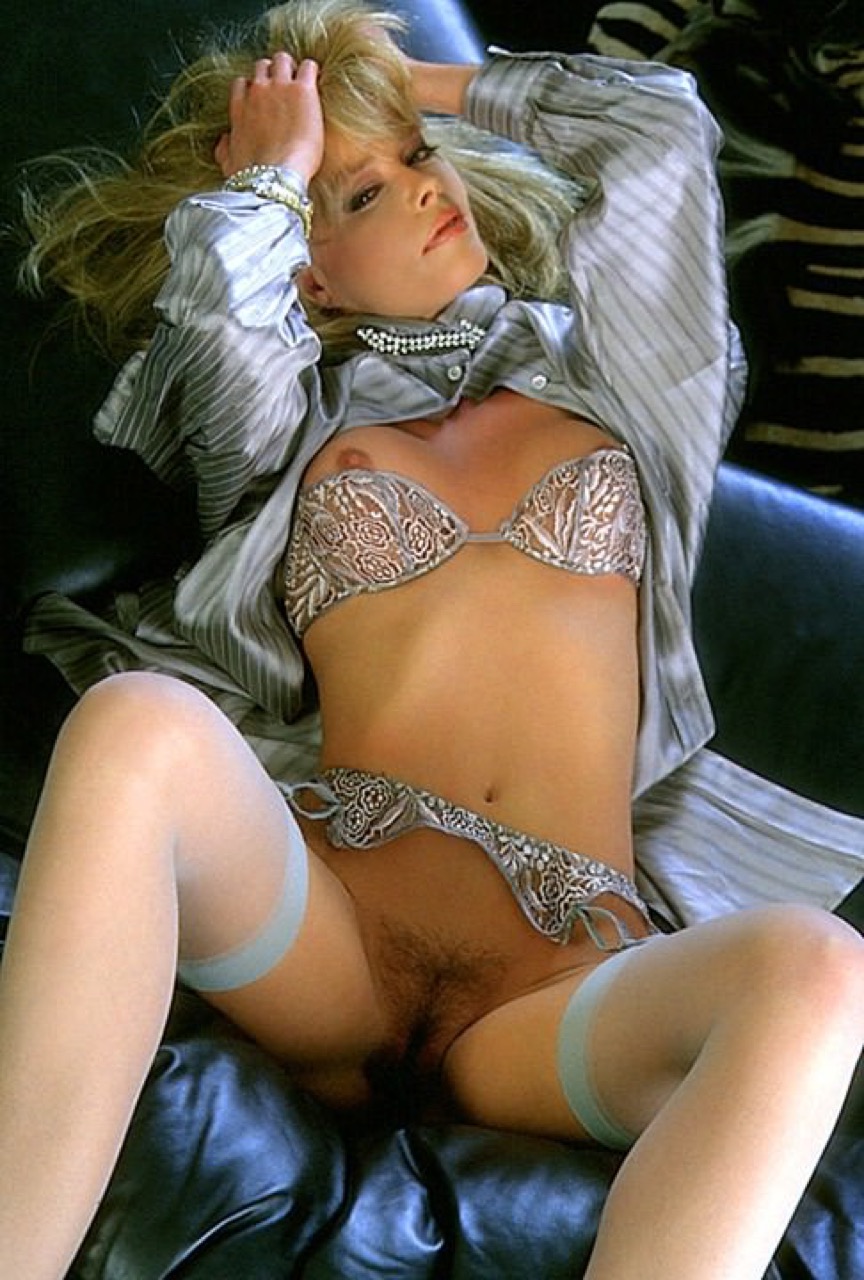
Sandy Greenberg is an American glamour model, fitness model, actress, photographer, and designer. Born Sondra Elizabeth Greenberg on July 22, 1958, in Spokane, Washington, she has also been credited as Sondra Greenberg and Sonora Greenberg. Playboy named her its June 1987 Playmate at 28. Her appearance came during Playboy's polished, high-production 1980s period.
Greenberg has enhanced breasts, blue eyes and blond hair. Her measurements are 35-21-33.
She first turned heads in the magazine’s January issue with a performance as “Maxine Legroom,” a futuristic, high-energy parody of the Max Headroom character that leaned as much on comic timing as on visual bravado. The chrome-lipped alter ego proved theatrically exacting — eight hours in makeup for a single transformation — and spawned dance videos and comedy spots on the Playboy Channel, a reminder that Greenberg’s gifts were as performative as they were photographic.
At the time of the pictorial she was living in St. Louis; a recent divorce precipitated a move to Los Angeles where she retooled the tools of her trade. In L.A. she appeared in multiple videos and newsstand special editions while quietly expanding into production work, a pattern that kept her in front of the camera and steadily behind it as well.
Those behind-the-scenes credits are concrete: set design for independent projects and Playboy Video Productions, contributions to theme-park attractions, and a credited turn as costume designer on the comedy short Meet the Pitts. She also supplied set design for the film Far Out Man, showing a willingness to shape atmospheres as well as inhabit them.
Onscreen parts ranged from a small role in the thriller Visions to a lead turn in the action picture Fatal Revenge, the latter casting her as a tough-talking cop; both speak to a readiness to take on low-budget projects that demanded presence and pacing. Off camera she embraced motorcycle culture, serving as an official spokeswoman for BMW Motorcycles in posters and live events, and her commercial work crossed into the art market: a Zebra photograph became a limited-edition fine-art print sold through a Soho gallery for over $2,000 framed. By the spring of 1989 she was showing black-and-white photography of her own, a late-career pivot that underlined a practical, theatrical intelligence rather than any single public role.