Christa Campbell Bio
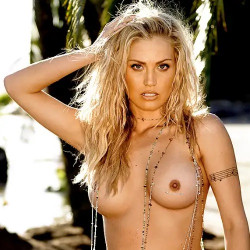
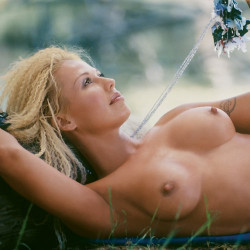
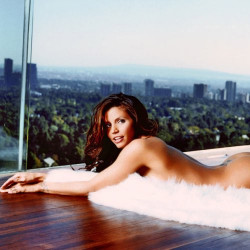
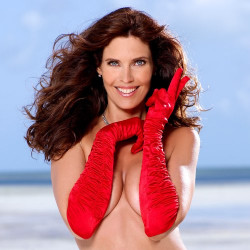
Christa Campbell is an American Actress and producer. Born Christa Maria Campbell on December 7, 1972, in Oakland, California, she has also been credited as XTA. She appeared in Playboy in September 2007 at 34, adding the feature to her public career. Her appearance came in the 2000s, as Playboy's print tradition began to share space with an expanding online presence.
Campbell has enhanced breasts, blue eyes and brown hair. Her measurements are 34-27-36.
Christa Campbell built her early screen reputation through roles that combined polished glamour with the heightened energy of horror, thriller, and action cinema. Her first appearances included sensual independent productions, but she gradually moved into larger genre films, developing a following among audiences drawn to her bold screen presence and unmistakable bombshell appeal.
Films such as 2001 Maniacs, Lonely Hearts, The Wicker Man, Cleaner, and Day of the Dead placed her firmly within the world of cult entertainment. She later appeared in higher-profile action projects including The Mechanic and Drive Angry, proving equally comfortable in dark horror, crime drama, and fast-moving Hollywood spectacle. Her Playboy feature complemented this stage of her career, capturing the confident glamour that had already become central to her public image.
Yet the most important chapter of Campbell’s story unfolded away from the spotlight. In 2011, she joined forces with Lati Grobman to establish Campbell-Grobman Films, beginning a partnership that would produce an unusually varied collection of independent and studio-backed projects. Their work ranged from the chilling crime drama The Iceman and the franchise revival Texas Chainsaw 3D to comedy, action, documentary, and character-driven drama.
The company’s expanding slate included Straight A’s, She’s Funny That Way, The Bleeder, Criminal, The Hitman’s Bodyguard, Hellboy, Rambo: Last Blood, and The Hitman’s Wife’s Bodyguard. Campbell was also involved with Brave Miss World, which received an Emmy nomination, and Winter on Fire: Ukraine’s Fight for Freedom, nominated for the Academy Award for Best Documentary Feature. Those projects revealed a creative reach extending far beyond the genre roles that first introduced her to audiences.
Campbell’s career is ultimately a story of reinvention carried out with confidence and determination. The glamour that made her memorable on screen became only one part of a much broader Hollywood identity. By moving from cult-film favorite to an influential force behind an ambitious catalogue of productions, she demonstrated that image and authority need not exist on opposite sides of the camera.