Anita Ekberg Bio
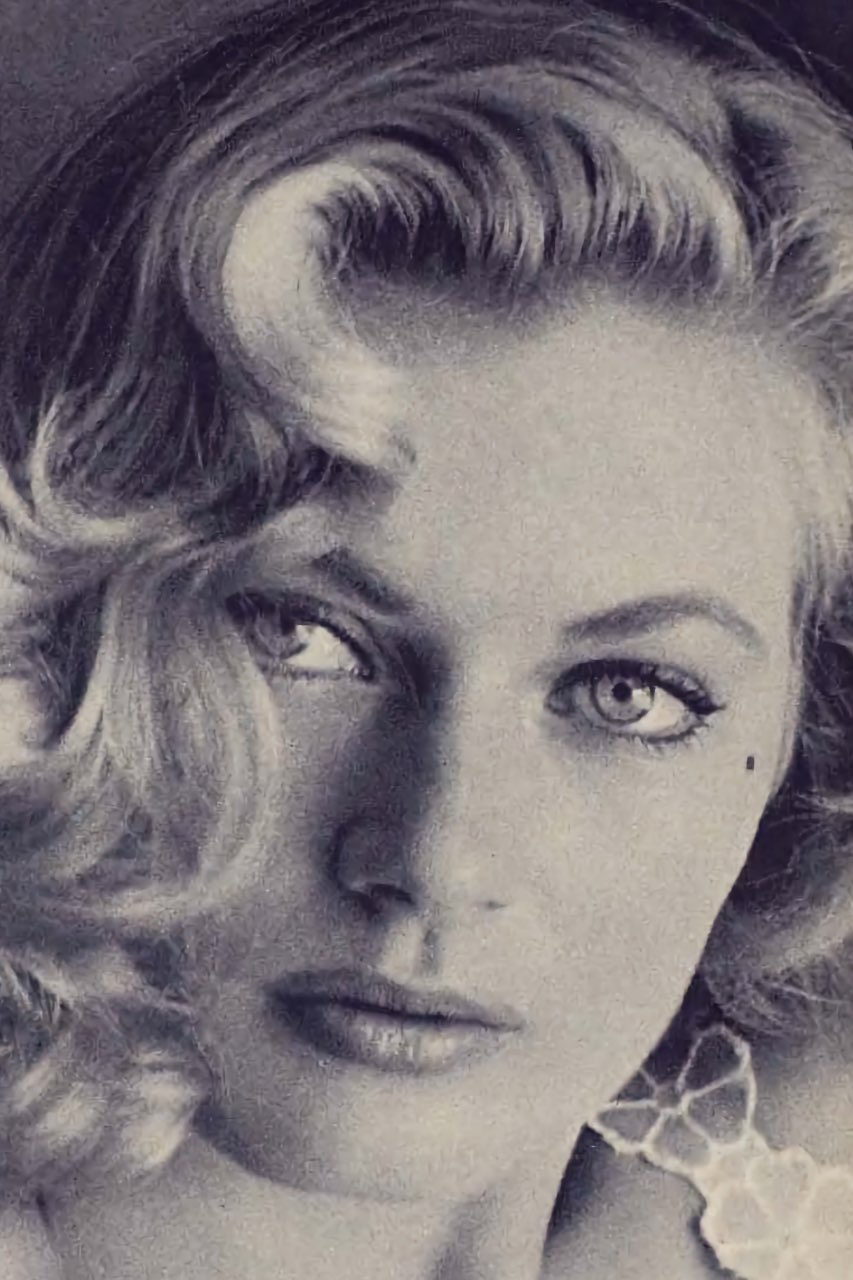
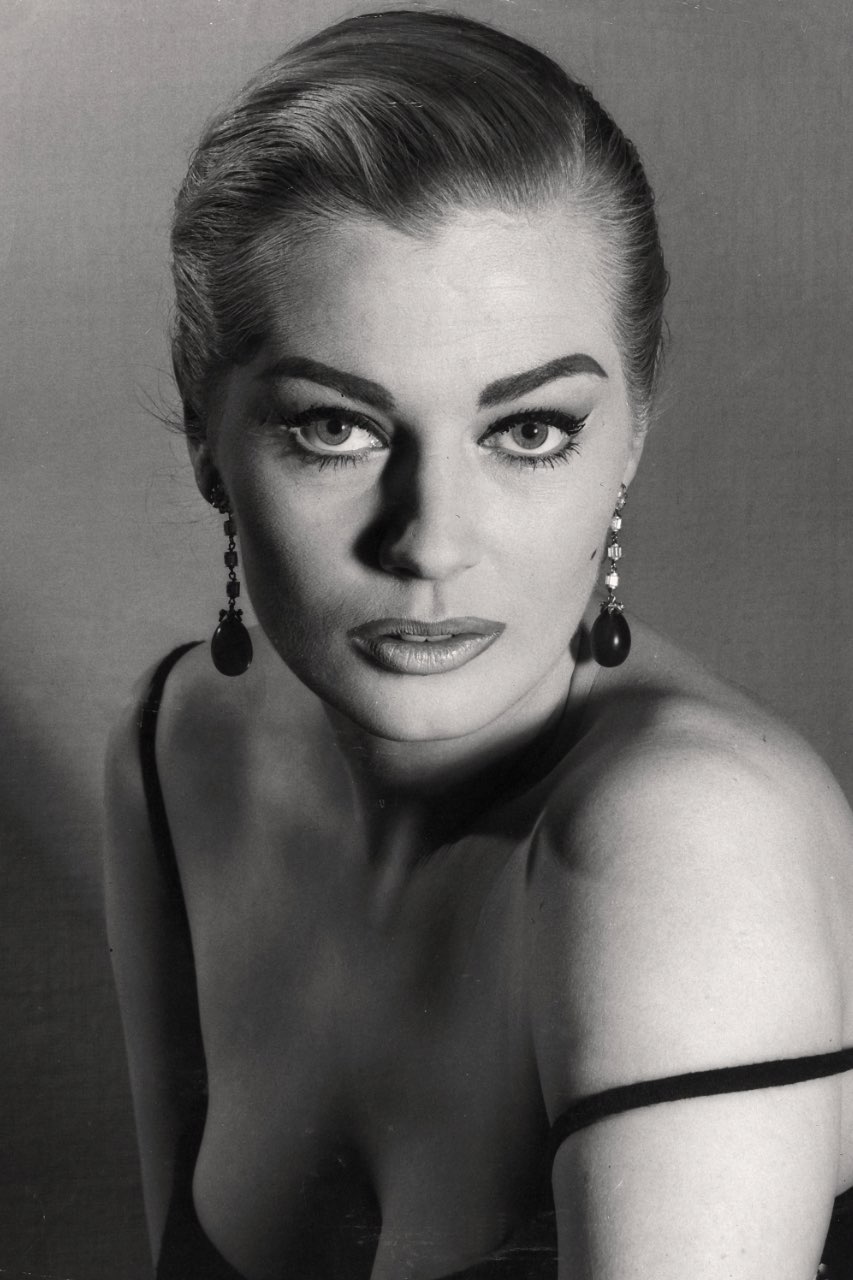
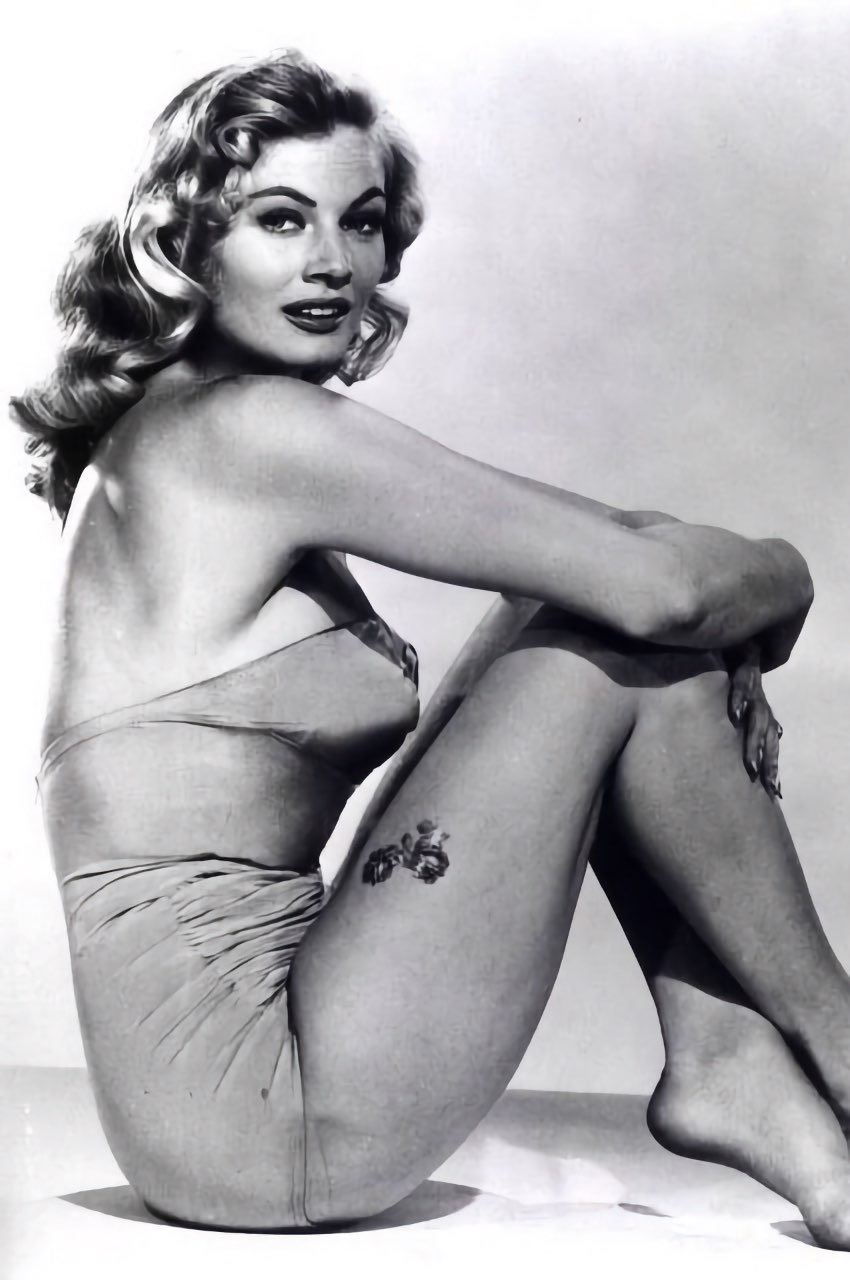
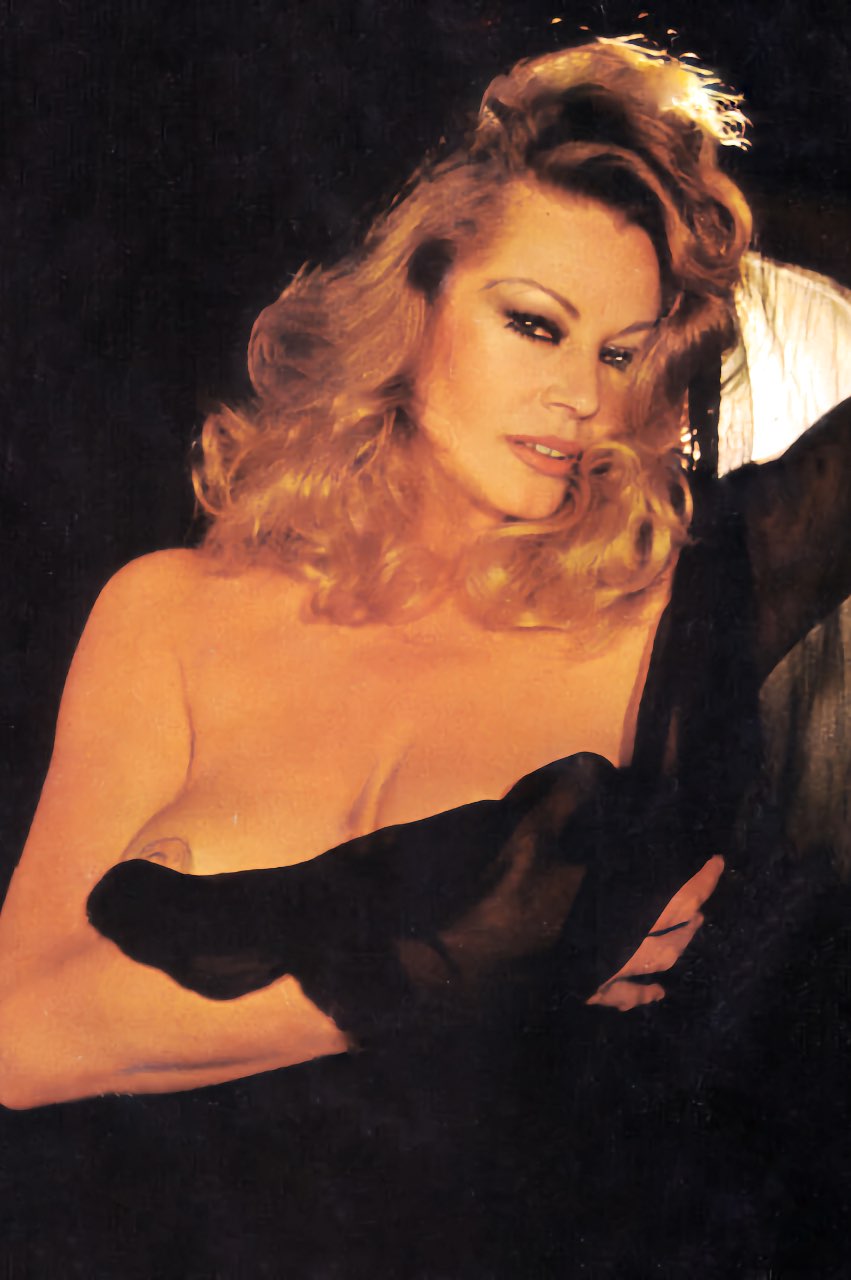
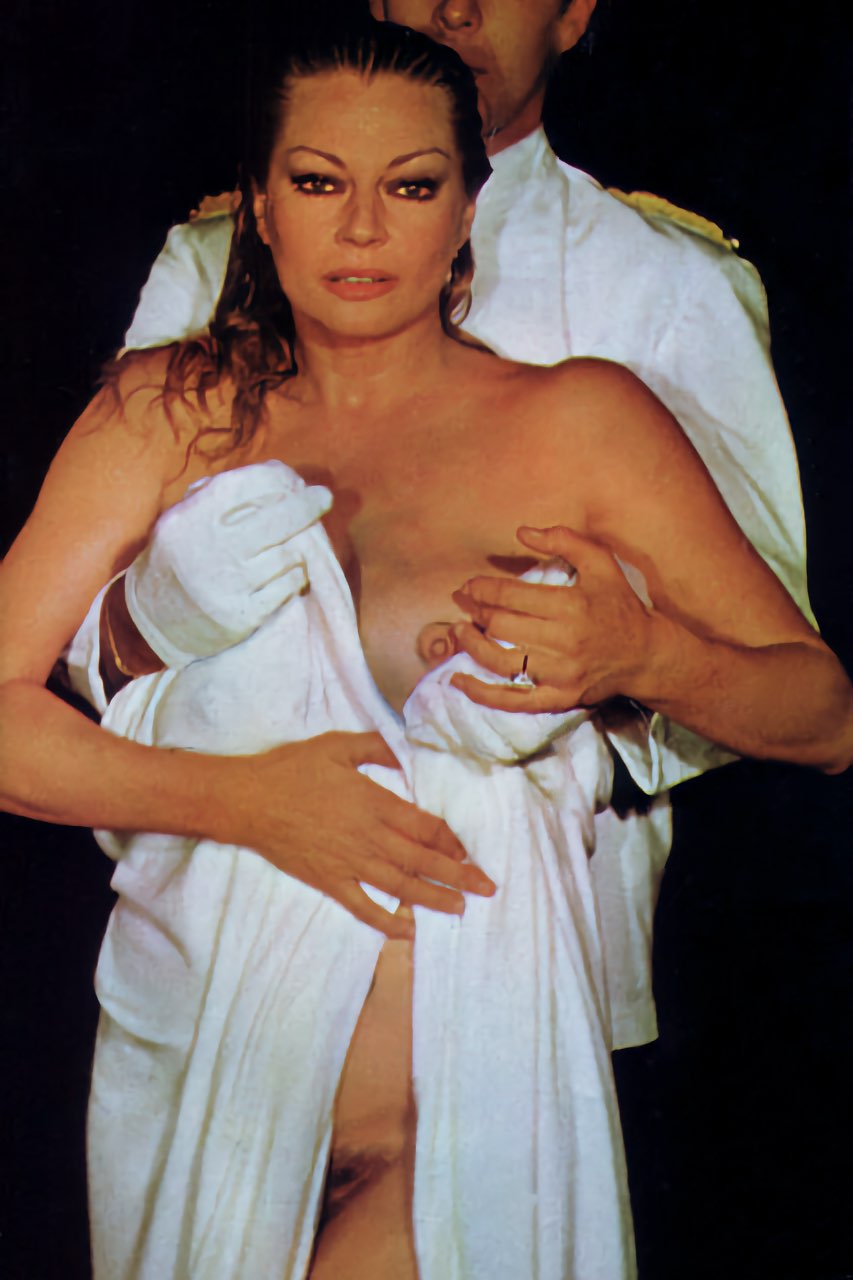
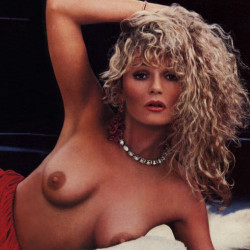
Anita Ekberg was a Swedish Adult and glamour model, and actress. Born Kerstin Anita Marianne Ekberg on September 29, 1931, in Malmo, Sweden, she has also been credited as The Iceberg and Miss Sweden. She appeared in Playboy in August 1956 at 24, adding the feature to her public career. Her appearance dates from the magazine's formative 1950s, when the Playmate format was still taking shape.
Ekberg had natural breasts, blue eyes and blond hair. Her measurements are 40-22-36.
Anita Ekberg entered international popular culture with the kind of presence that seemed made for the widescreen era. After winning the Miss Sweden title, she travelled to the United States and quickly attracted attention as a model, beauty-pageant figure and European newcomer with unmistakable star quality. Hollywood’s studio system soon placed her under contract, but Ekberg was never easily contained by the conventional ingénue mould. Her confidence, statuesque glamour and cool Scandinavian poise made her a natural subject for photographers and columnists long before filmmakers discovered how powerfully she could command a scene.
Her early screen work included appearances in Abbott and Costello Go to Mars and The Golden Blade, followed by increasingly prominent assignments in Blood Alley, Artists and Models and the 1956 adaptation of War and Peace. She also toured with Bob Hope and became associated with John Wayne’s Batjac production company, building a public image that blended Hollywood polish with a more cosmopolitan independence. A Golden Globe as one of the year’s most promising newcomers confirmed that she was more than a celebrated pin-up, while films such as Hollywood or Bust, Zarak and Paris Holiday established her as one of the decade’s most recognisable international personalities.
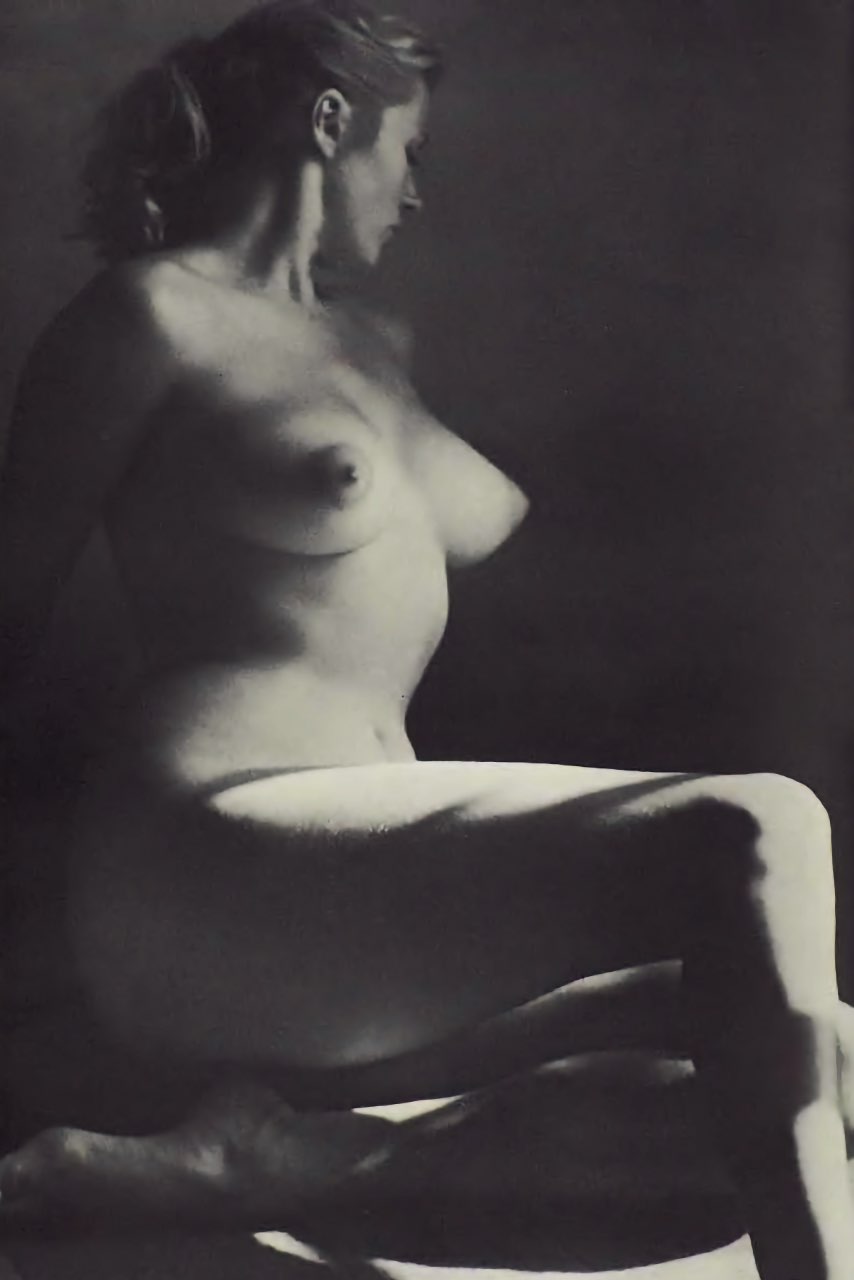
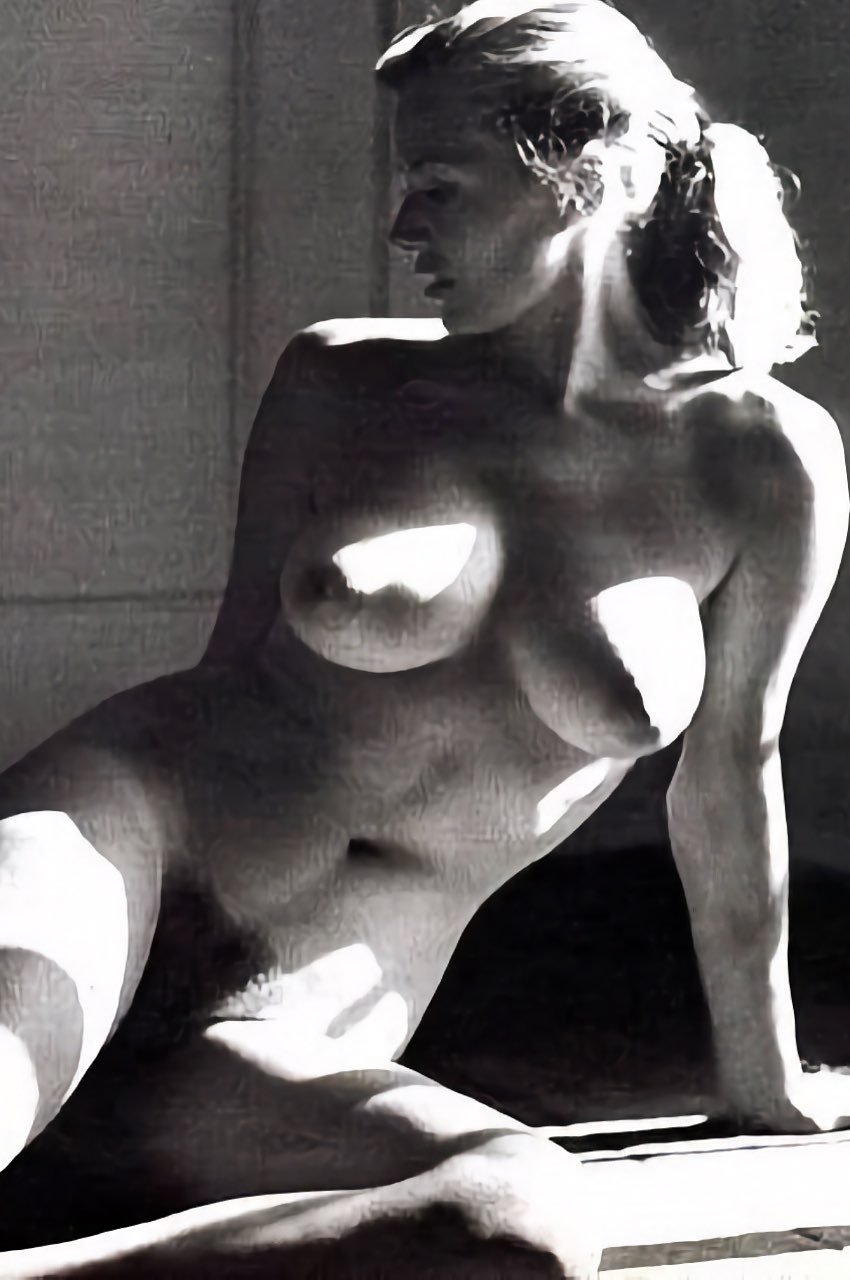
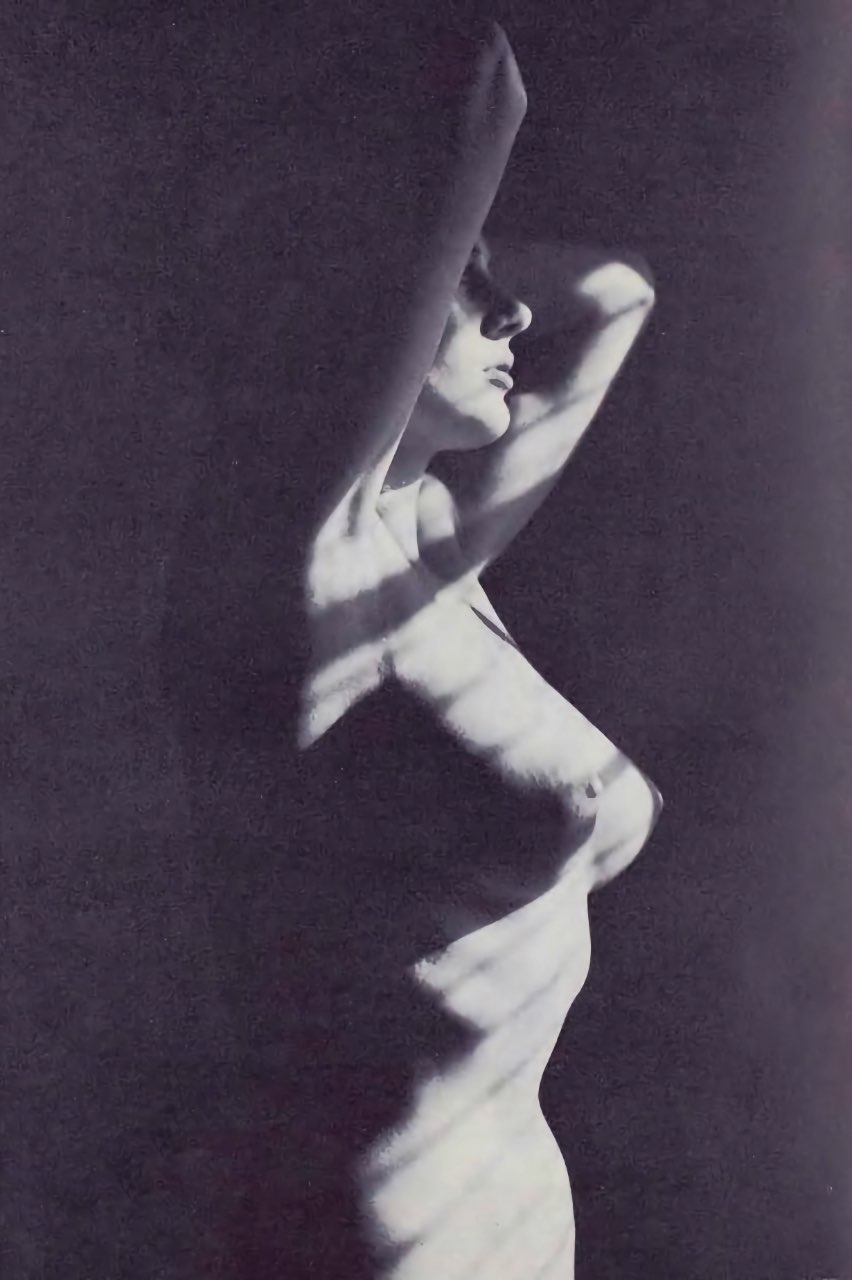
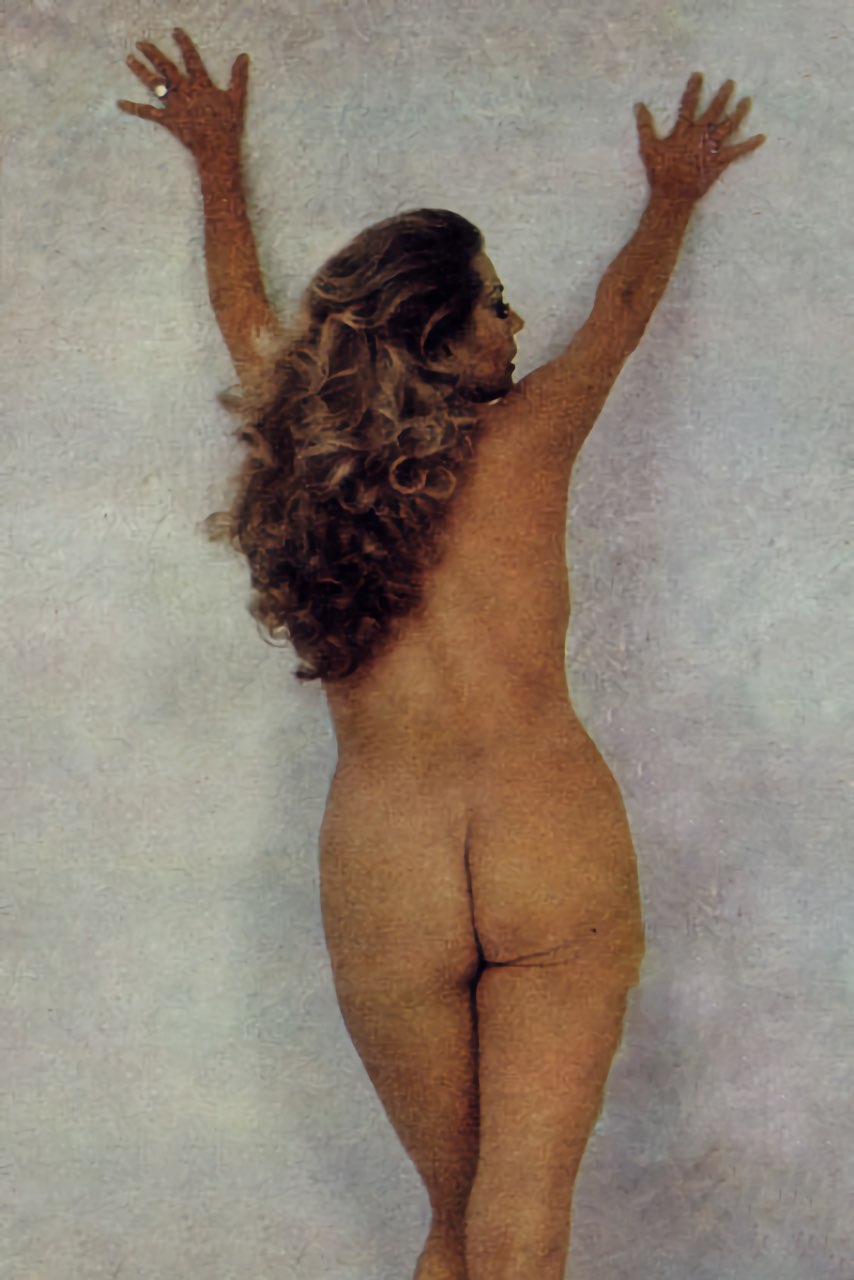
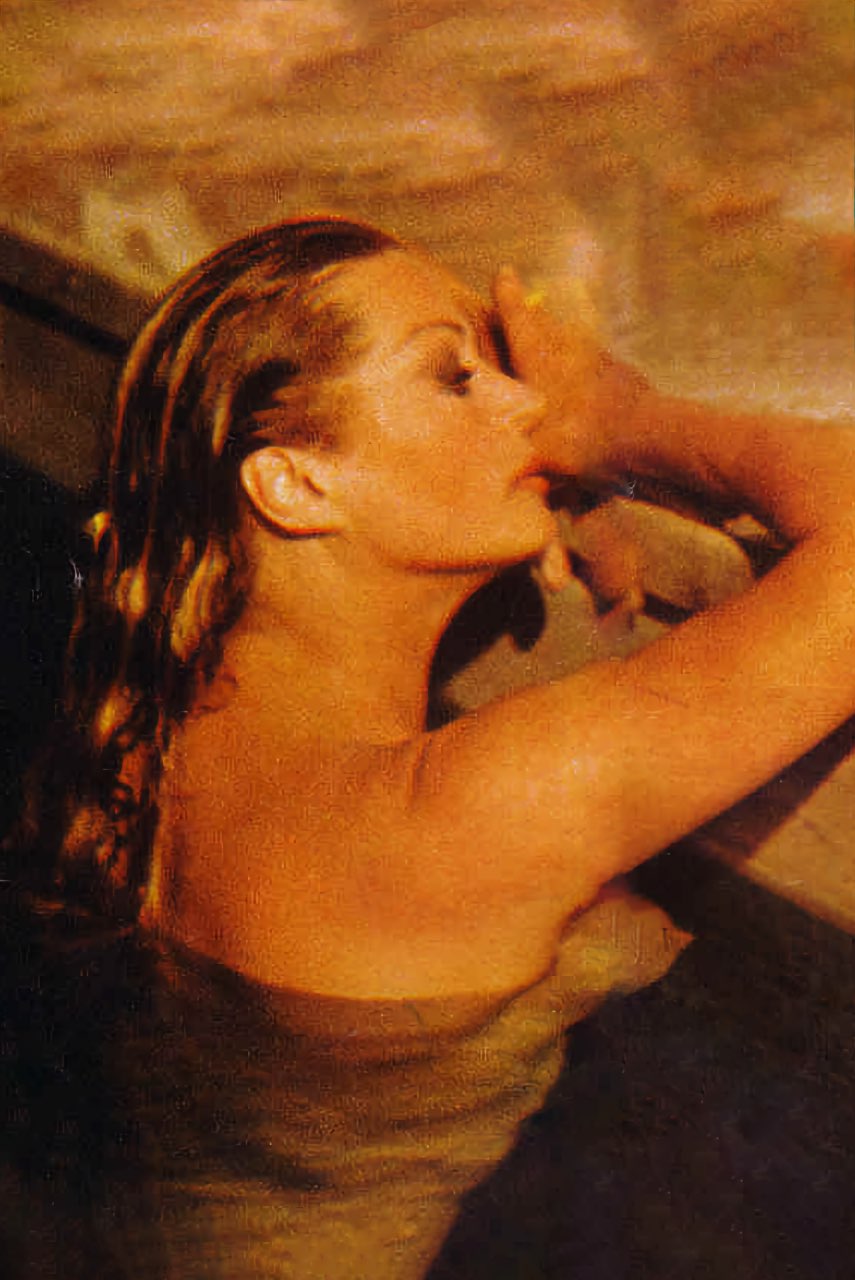
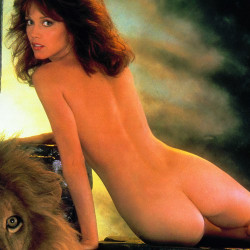
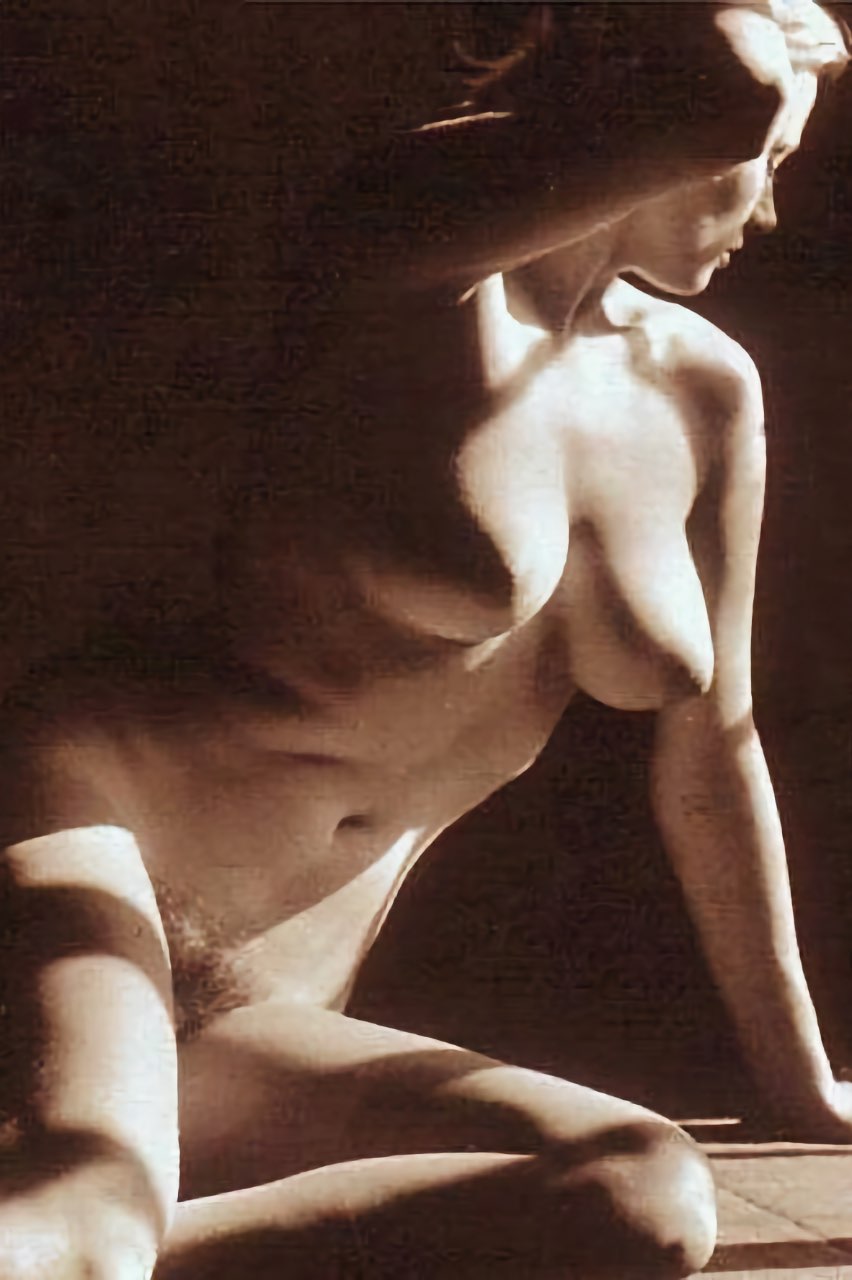
Playboy featured Ekberg in its August 1956 issue in “The Ekberg Bronze,” an unusual pictorial built around sculptor Sepy Dobronyi’s study of her figure. Rather than presenting a conventional celebrity portfolio, the magazine connected photography, sculpture and the classical tradition of the artist’s model. The feature captured Playboy at an early stage of its development, when the publication was defining its mix of visual sophistication, modern design and fascination with the women shaping contemporary entertainment.
Ekberg’s enduring cinematic immortality arrived with Federico Fellini’s La Dolce Vita. As Sylvia, the visiting screen goddess who enters Rome’s Trevi Fountain and beckons Marcello Mastroianni toward her, she created one of the defining images of postwar European cinema. The sequence transformed her existing fame into legend, yet its effectiveness depended on more than beauty. Ekberg played Sylvia as both fantasy and self-aware spectacle—a woman surrounded by attention who nevertheless remained mysterious, amused and beyond possession.
She continued working across European and American productions, later reuniting with Fellini for Boccaccio ’70, The Clowns and Intervista. Although no subsequent role could escape comparison with Sylvia, Ekberg’s legacy reaches beyond a single midnight fountain scene. She represented the moment when Hollywood glamour, European art cinema and the emerging celebrity press converged, becoming a symbol recognised far beyond any one magazine or film. Her Playboy appearance belongs to that broader story: an early portrait of a woman whose image would soon become part of cinema history.