During the 1970s and 1980s, Playboy Playmates were everywhere in Hollywood. They turned up in blockbuster comedies, primetime television dramas, cult horror films, and an outrageous collection of action adventures. For some, a centerfold was the beginning of a serious acting career. For others, it was a ticket into a peculiar corner of the movie business where glamour, gunfire, and questionable screenplays went hand in hand. This is the story of Hollywood's long-running love affair with the Playmate.
When a Centerfold Could Open Hollywood's Doors
In the summer of 1987, Eddie Murphy walked through the gates of the Playboy Mansion in Beverly Hills Cop II, pretending to be a pool cleaner. Inside, a charity fundraiser was underway, Hugh Hefner was playing himself, and an assortment of beautiful women provided exactly the sort of scenery audiences expected from Hollywood's most famous private residence. For a few minutes, Tony Scott's action comedy became something resembling a Playboy party with a multimillion-dollar production budget.
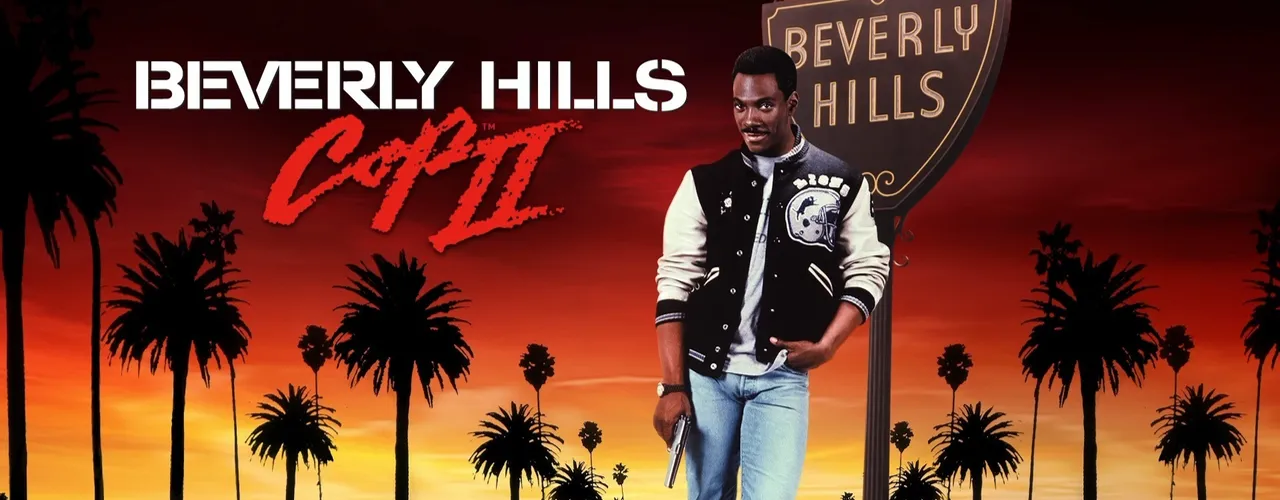
The scene wasn't assembled with ordinary Hollywood extras. The film featured seven actual Playmates, including Ola Ray, Kymberly Herrin, Rebecca Ferratti, and Alana Soares, alongside several other Playboy models. The production spent two days filming at the Mansion, an unusual privilege at the time. Playboy Enterprises even received a special acknowledgment in the movie's closing credits.
Today, the sequence feels like a particularly extravagant souvenir of the 1980s. Back then, it made perfect sense. Playboy was part of Hollywood's social vocabulary, Hugh Hefner was practically an institution, and Playmates were familiar faces to millions of Americans. Their appearances on the big screen were hardly surprising.
What is surprising, looking back, is just how many of them found their way into movies and television. From Wonder Woman and Magnum, P.I. to Weird Science and Ghostbusters, Playmates appeared across an extraordinary range of productions. Some stayed for a scene, others for an episode, and a few managed to build substantial acting careers. By the middle of the decade, an entire series of action movies had emerged in which former centerfolds weren't supporting characters at all. They were the stars.
For nearly two decades, Hollywood and Playboy operated in overlapping worlds, exchanging talent, publicity, and a very particular idea of glamour. The arrangement helped shape a recognizable corner of American entertainment, even if neither industry ever formally acknowledged the relationship as a talent pipeline.
Playboy's Unofficial Hollywood Talent Agency
By the early 1970s, a Playboy centerfold could introduce a young woman to an audience larger than that of many television programs. The magazine was selling millions of copies every month, and its Playmates were publicized through appearances, interviews, promotional events, and the elaborate machinery of Hugh Hefner's publishing empire. A woman who might previously have been unknown outside her hometown could suddenly find herself recognized in Los Angeles, New York, or Chicago.
Hollywood understood the possibilities. Producers needed attractive young actresses, television shows required a steady supply of guest performers, and low-budget filmmakers were always looking for recognizable faces they could afford. Playboy offered a remarkably convenient source of talent. Its models were already accustomed to photographers, publicity, and the demands of working in front of a camera. Some were experienced performers; others had never delivered a line of dialogue professionally. What they shared was a credential that Hollywood knew how to advertise.
The relationship was more practical than mysterious. Many Playmates were based in Southern California, where modeling agencies, casting offices, television studios, and independent film producers operated within the same relatively small entertainment community. Playboy's celebrity connections created additional opportunities, although there was never any guarantee that a centerfold would lead to a screen test.
One of the earliest examples was Claudia Jennings, Miss November 1969 and Playmate of the Year 1970. Jennings became a genuine star of the drive-in circuit, appearing in exploitation favorites such as Unholy Rollers (1972), Truck Stop Women (1974), and 'Gator Bait (1974). She wasn't merely there to decorate the poster. She played tough, rebellious women who frequently drove the action, and her films attracted audiences who appreciated an unconventional leading lady.
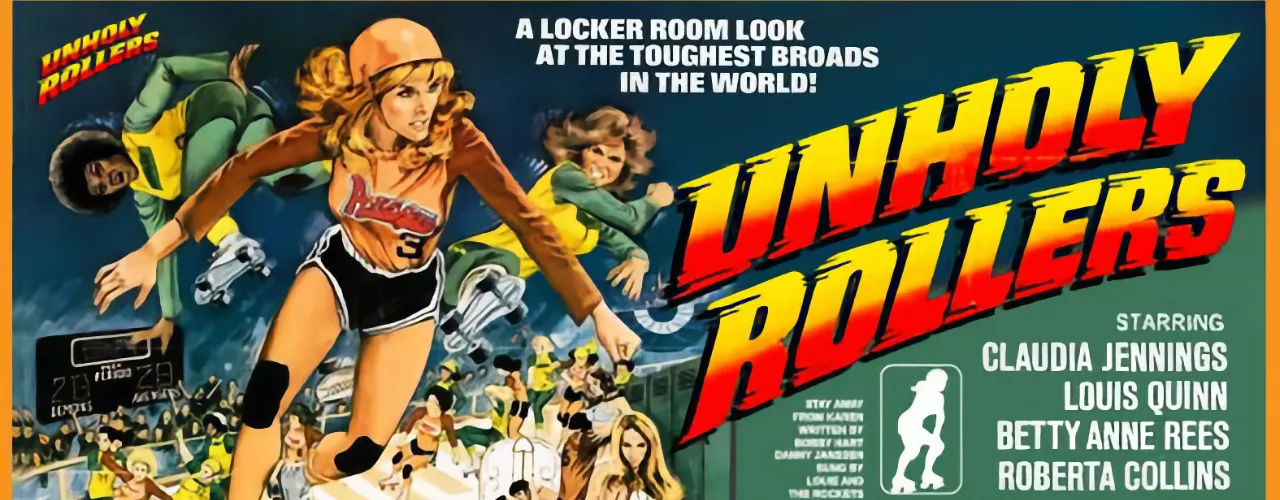
Jennings demonstrated that a Playmate could become a marketable screen personality without waiting for a major Hollywood studio to offer her a starring role. Her career ended tragically in a 1979 automobile accident, but the territory she explored would become familiar to another generation of Playboy models.
For aspiring actresses, the centerfold was both an opportunity and a complication. It could attract the attention of a casting director while encouraging that same director to see the woman only as a particular type of character. Hollywood welcomed Playboy's glamour enthusiastically. It wasn't always as interested in discovering what else its models could do.
Playmates on Primetime: From Knight Rider to Magnum, P.I.
Anyone who spent the 1980s watching American television will remember a particular kind of guest appearance. A private detective enters a luxury hotel and encounters a mysterious blonde. A millionaire's daughter gets mixed up with criminals. A nightclub singer knows more than she should. Somewhere nearby, a sports car is waiting, and trouble is usually no more than a commercial break away.
Television producers needed women for these roles every week, and Playmates regularly answered the call.
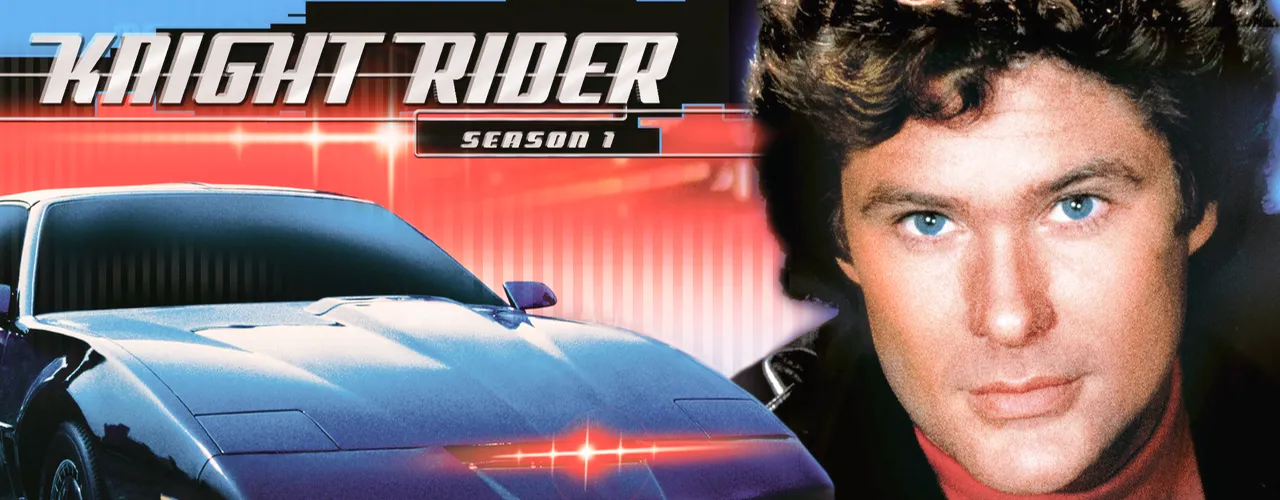
The credits of shows including Knight Rider, Magnum, P.I., The A-Team, Wonder Woman, and Highway to Heaven reflect an era when glamour models moved freely between magazine photography and episodic television. Their appearances varied enormously in importance. Some were brief, while others gave actresses an opportunity to establish characters, demonstrate comic timing, or work alongside established television stars.
Pamela Jean Bryant, Playboy's April 1978 Playmate, built an extensive collection of guest appearances. She played Peggy Chandler on Fantasy Island, appeared in The Incredible Hulk and T.J. Hooker, and turned up as Marge in a 1986 episode of Magnum, P.I. Her television work accompanied a film career that included everything from collegiate comedy to horror and thrillers.
Martha Smith, Miss July 1973, made an even more substantial transition. After playing the wonderfully disagreeable Babs Jansen in National Lampoon's Animal House (1978), she became Francine Desmond on Scarecrow and Mrs. King. Smith appeared throughout the show's 1983–1987 run, establishing herself as a recognizable television actress in a role that had little to do with her earlier Playboy publicity.
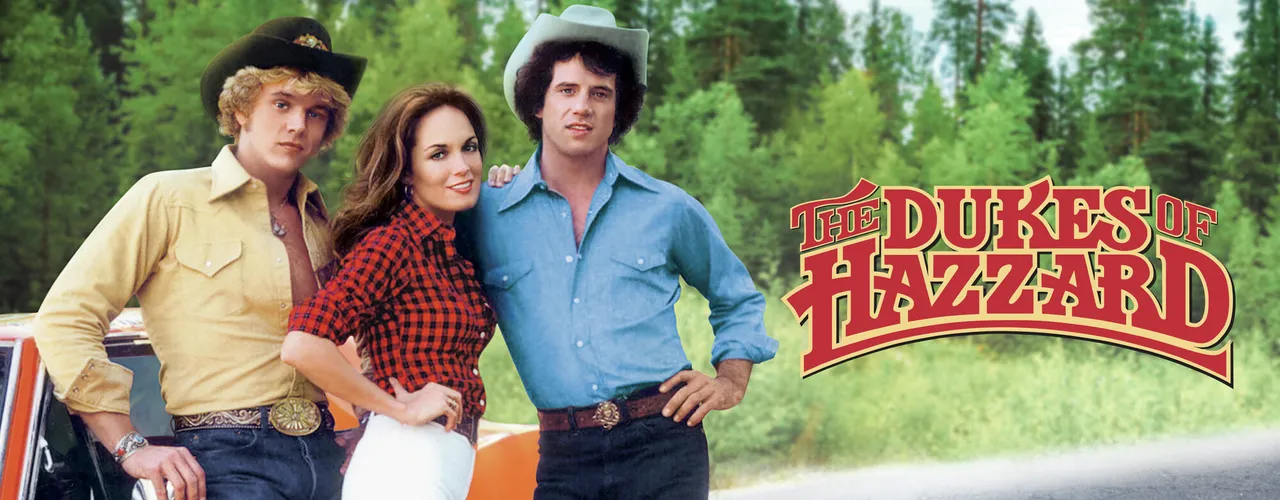
Then there was Shannon Tweed, Playboy's November 1981 Playmate and Playmate of the Year 1982. Tweed played Diana Hunter in 21 episodes of Falcon Crest, appeared in The Dukes of Hazzard, and portrayed Savannah Wilder on Days of Our Lives. Her later work would make her particularly familiar to enthusiasts of erotic thrillers, but she had already demonstrated an ability to sustain a television acting career.
What makes these careers interesting is their variety. Smith found lasting success in a network spy series, Tweed moved between soap operas and feature films, and Bryant became a reliable guest performer. There was no single route from Playboy into television, even if casting directors sometimes seemed to have the same kind of character in mind.
The small screen offered something the centerfold couldn't: the chance to become familiar to audiences for reasons other than a photograph.
Hollywood's Love Affair with the Playboy Image
Television generally employed Playmates as actresses playing fictional characters. Hollywood sometimes had something else in mind. It wanted the Playboy image itself, complete with the cultural associations that audiences already understood.
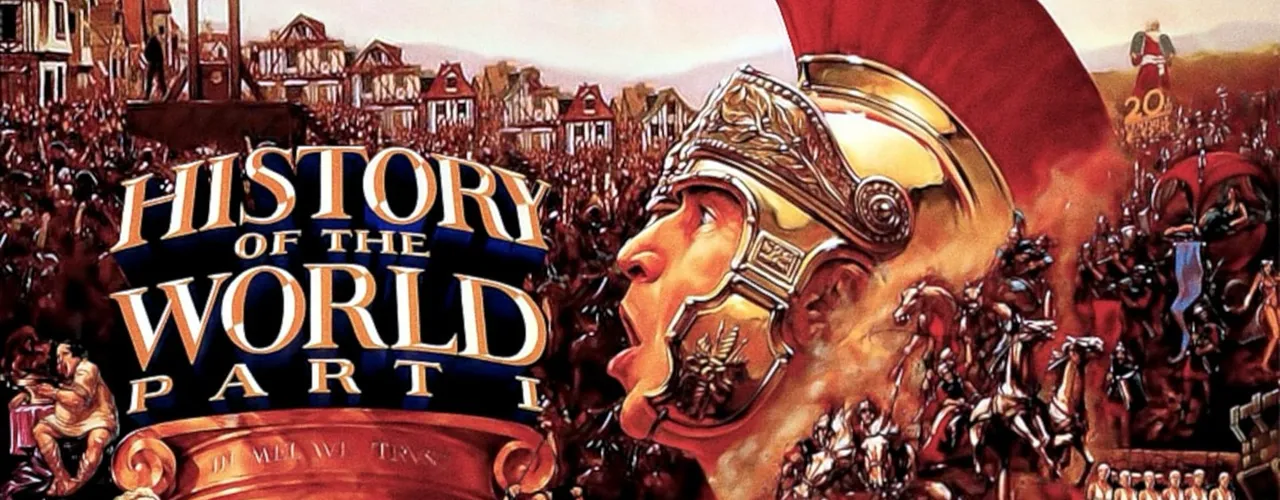
Mel Brooks made the connection explicit in History of the World, Part I (1981). During the film's Roman Empire sequence, a collection of remarkably photogenic Vestal Virgins appears among the absurdities of ancient Rome. The joke works because Brooks is placing contemporary American glamour inside a ridiculous historical fantasy.
Among the performers were Jeana Tomasino, Miss November 1980, Heidi Sorenson, Miss July 1981, and Karen Morton, Miss July 1978. Other Playboy models joined them, and the closing credits specifically acknowledged the Vestal Virgins as Playmates and models. Brooks wasn't trying to conceal the connection. Quite the opposite: Playboy was part of the gag.
A few years later, John Hughes included Kym Malin, Playboy's May 1982 Playmate, in Weird Science (1985). Her appearance as a piano-playing party guest was brief, but it fitted neatly into the film's adolescent fantasy of beautiful women, impossible situations, and teenage wish fulfillment.
Meanwhile, Kymberly Herrin, Miss March 1981, enjoyed an altogether more supernatural screen appearance. In Ghostbusters (1984), she played the ghost encountered by Dan Aykroyd's Ray Stantz during a dream sequence. Herrin also appeared in Romancing the Stone that year and subsequently joined the Playmate contingent in Beverly Hills Cop II.
These weren't identical productions, but each drew on an established visual tradition in which the glamorous woman was an instantly recognizable figure. Playboy had spent decades helping establish that tradition, and Hollywood was perfectly happy to borrow from it.
The connection extended beyond cinema. Ola Ray, Miss June 1980, became internationally recognizable as Michael Jackson's girlfriend in the 1983 Thriller short film. Jeana Tomasino and Kymberly Herrin appeared in ZZ Top's enormously popular music videos, including Legs. Music television was becoming another route through which former centerfolds could reach audiences far beyond Playboy's readership.
By the middle of the decade, a Playmate might appear in a mainstream comedy, a television drama, and a music video without anyone finding the combination particularly unusual. The industries shared not only talent but an appetite for the kind of glamour Playboy had made famous.
Guns, Glamour, and Andy Sidaris: The Playmate Action Heroines
If mainstream Hollywood occasionally borrowed Playboy's women, director Andy Sidaris built an entire corner of the movie business around them.
His films are among the strangest and most entertaining artifacts of late-1980s action cinema. They contain secret agents, international criminals, exotic beaches, luxury yachts, expensive sports cars, elaborate weapons, and plots that occasionally seem to have been written during a particularly lively cocktail party.
Sidaris had an unusual background for a filmmaker specializing in glamorous action adventures. Before becoming a cult director, he had spent years working in television sports, where he helped shape the visual presentation of major sporting events. He understood cameras, spectacle, and the value of keeping viewers entertained. When he turned his attention to independent action movies, those instincts found a rather different outlet.
His 1985 film Malibu Express introduced audiences to private investigator Cody Abilene, played by Darby Hinton, and established many of the elements that would become Sidaris trademarks. The women were beautiful, the criminals were dangerous, and the California sunshine was practically a supporting character.
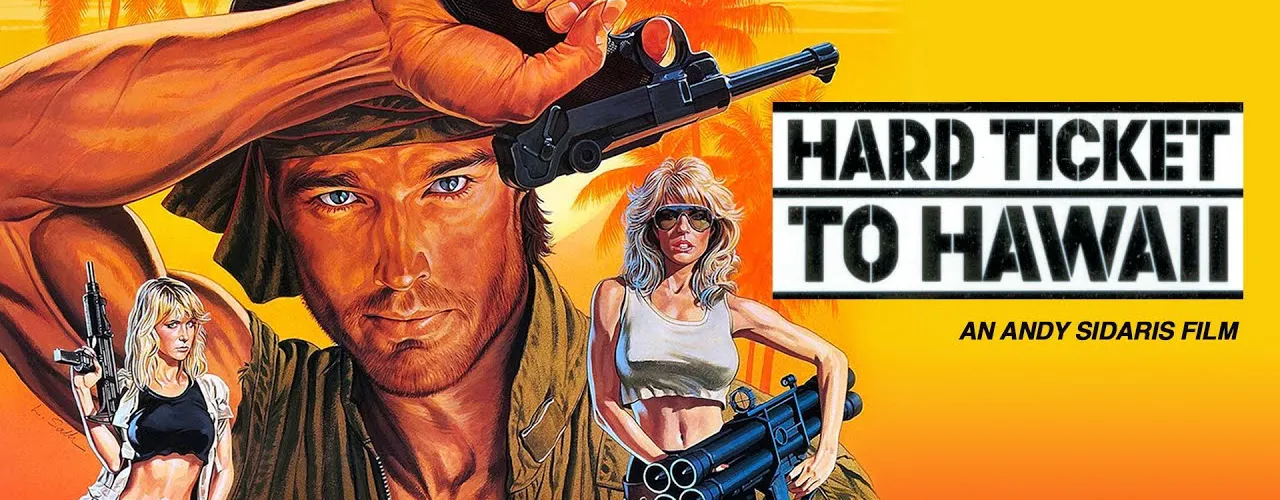
Two years later came Hard Ticket to Hawaii (1987), the film that would define his reputation.

This time, the leading women were actual Playboy Playmates. Dona Speir, Miss March 1984, played federal agent Donna Hamilton, while Hope Marie Carlton, Miss July 1985, portrayed her partner Taryn. Together, they investigated a gun-smuggling operation in Hawaii while contending with assorted villains and an escaped, exceptionally dangerous snake.
The movie was gloriously ridiculous. One notorious action sequence involves a skateboard-riding assassin, an inflatable doll, and a rocket launcher. Elsewhere, the plot makes room for diamonds, automatic weapons, and enough tropical scenery to keep a travel agency busy for months.
Yet beneath the absurdity was an interesting casting decision. Speir and Carlton weren't playing anonymous women waiting to be rescued by a male hero. They were the agents conducting the investigation, confronting criminals, and handling the weapons.
Dona Speir proved especially well suited to the formula. Her character, Donna Hamilton, became the central figure in a succession of Sidaris adventures, including Picasso Trigger (1988), Savage Beach (1989), Guns (1990), Do or Die (1991), Hard Hunted (1992), and Fit to Kill (1993).
Carlton returned as Taryn in Picasso Trigger and Savage Beach, while other Playmates joined the expanding cast. Cynthia Brimhall, Miss October 1985, became a recurring presence in the series, frequently playing Edy Stark, a nightclub performer whose professional interests extended into espionage. Roberta Vasquez, Miss November 1984, also became a recognizable Sidaris actress.
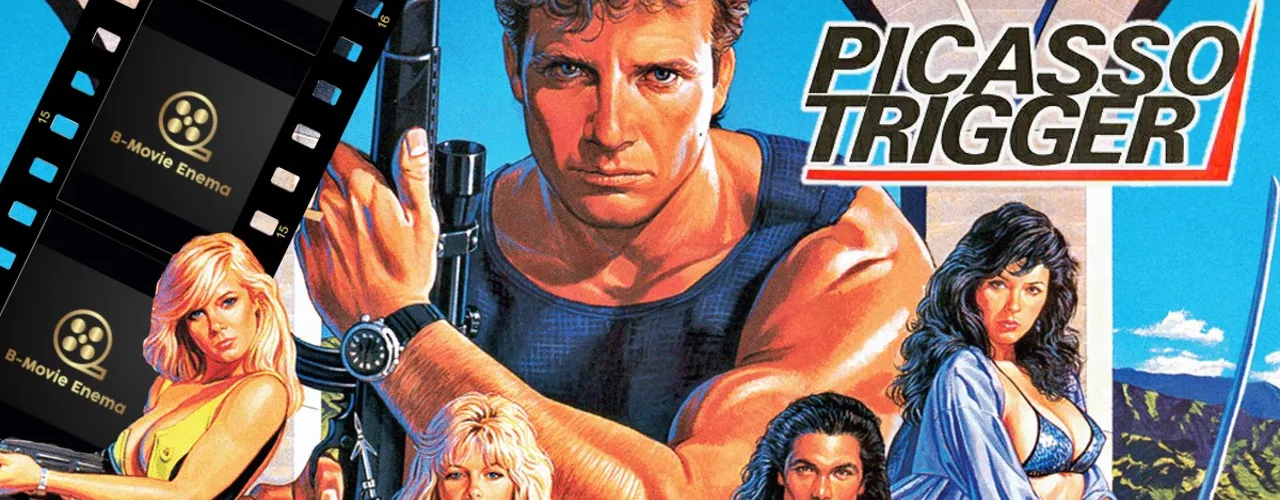
The films developed their own peculiar continuity. Characters returned, locations changed, villains grew increasingly extravagant, and familiar performers sometimes reappeared in entirely different roles. Sidaris never seemed particularly worried that attentive viewers might notice. He knew what his audience had come to see.
His wife and producing partner, Arlene Sidaris, played an important role in making the films. Together, they developed a production formula that made their pictures familiar attractions on cable television and home video.
The results were hardly conventional examples of female empowerment. Sidaris never pretended that his films were anything other than unabashed entertainment aimed largely at men. The cameras admired his actresses as enthusiastically as Playboy's photographers did, and opportunities for nudity were rarely overlooked.
Nevertheless, there was a difference between appearing briefly as a glamorous woman in a Hollywood blockbuster and carrying an entire action film. Speir, Carlton, and their fellow performers received leading roles, recurring characters, and the opportunity to become recognizable stars of a particular genre.
For women who might otherwise have been offered only a few lines in a mainstream production, Sidaris provided a different kind of opportunity. His movies offered glamour with a generous supply of gunfire, and audiences developed a genuine affection for the actresses at their center.
The Sidaris universe was extravagant, frequently absurd, and impossible to mistake for anyone else's work. It also gave several Playmates their most memorable screen careers.
The VHS Boom and the Business of Playboy Celebrity
Andy Sidaris didn't create his movies in isolation. He was working in an entertainment industry undergoing a significant commercial transformation.
During the 1980s, videocassette recorders became common in American homes, and video rental stores opened across the country. By the middle of the decade, home video had developed into a multibillion-dollar business. Suddenly, a film no longer needed a successful theatrical release to find a substantial audience.
For independent producers, this created opportunities that would have been difficult to imagine a decade earlier. Action movies, horror pictures, sex comedies, and thrillers could be marketed directly to rental customers. A provocative title, an eye-catching cover, and a recognizable performer might be enough to persuade someone to take a chance on an unfamiliar production.
Playmates fitted comfortably into that environment. Their association with Playboy gave them publicity value, while their photographs and established glamour personas provided ready-made material for posters and video packaging.
The relationship had earlier roots in the drive-in cinema of the 1970s. The college comedy H.O.T.S. (1979), for example, featured three Playmates: Susan Kiger, Pamela Jean Bryant, and Sandy Johnson. The film was a shameless exercise in sorority-house mischief, populated by attractive young women and designed for an audience unlikely to demand sophisticated character development.
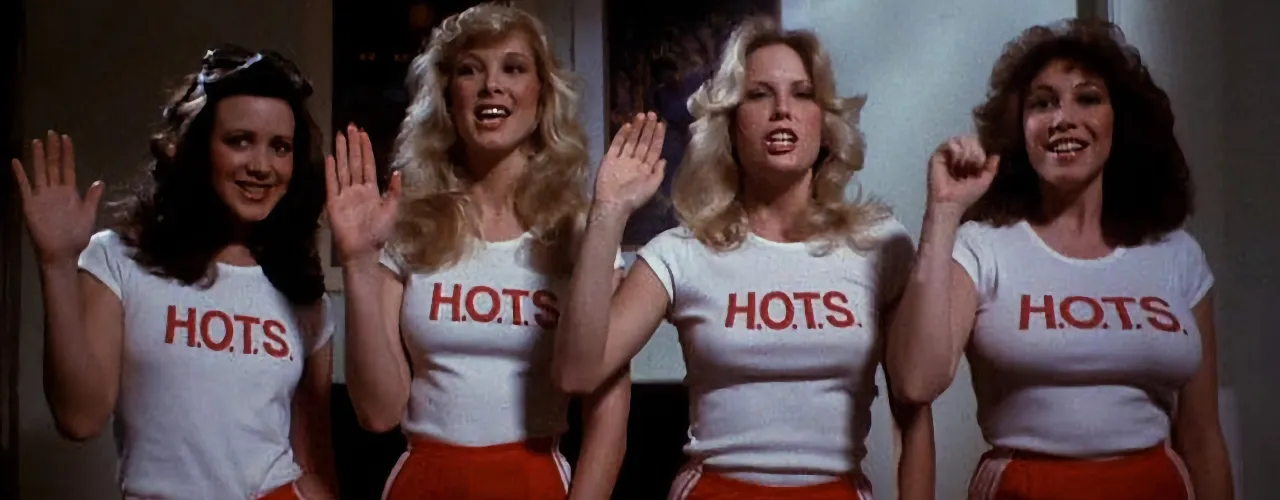
Its commercial premise was clear enough. The presence of actual Playmates was part of the attraction.
Sandy Johnson had already secured a small but historically memorable role in a very different production. In John Carpenter's Halloween (1978), she played Judith Myers, the first victim of the young Michael Myers. It was a brief appearance, but one that became permanently associated with one of horror cinema's most famous franchises.
Johnson later recalled that her Playboy connection had helped her acting career, with the magazine's agency receiving inquiries from productions seeking performers comfortable with nude scenes. Her account provides a revealing glimpse of how the relationship sometimes worked in practice.
The emerging home-video industry expanded the possibilities. Films that might once have disappeared after a short theatrical run could remain available for years, introducing their actresses to new audiences. In this environment, a Playmate didn't necessarily need to become a conventional Hollywood star to sustain a screen career.
For a certain kind of movie, the Playboy connection was already a selling point.
Beyond the Stereotype: Playmates Who Wanted More
For all the commercial opportunities Playboy created, its influence on an actress's career could be complicated.
A centerfold attracted attention, but it could also become a label that followed a woman into every audition. Producers might admire her appearance while questioning her acting experience. The publicity that opened one door could make another more difficult to enter.
That tension was particularly evident in the careers of women who wanted to move beyond glamorous supporting parts.
Martha Smith's success on Scarecrow and Mrs. King demonstrated that a former Playmate could become a regular television performer in a substantial dramatic role. Shannon Tweed followed a different route, making her Playboy identity part of a lasting screen persona while working across television, action films, and thrillers.
Rosanne Katon, Miss September 1978, offers another interesting example. Katon appeared in exploitation films and comedies, but her acting work also included television drama and independent cinema. In Julie Dash's short film Illusions (1982), she played a Black singer whose voice is used to dub a white Hollywood actress, a role concerned with the industry's treatment of race, identity, and performance.
Katon's career illustrates why the assumption that every Playmate actress followed the same path is misleading. Some had already worked in entertainment before posing for Playboy. Others continued to pursue ambitious and unconventional projects afterward.
Then there was Dorothy Stratten, whose story remains one of the most painful chapters in Playboy history.
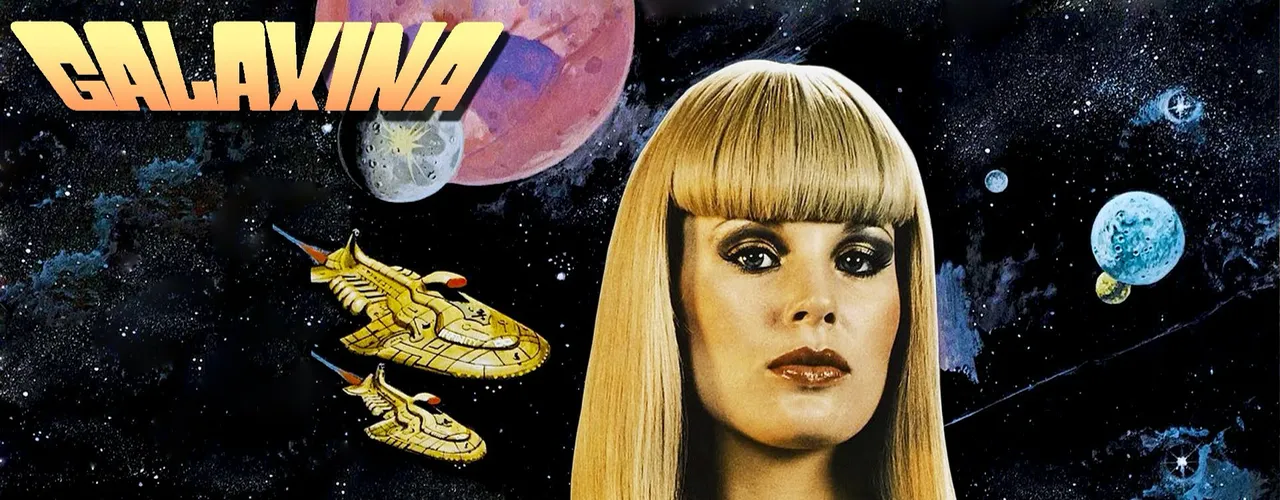
Named Miss August 1979 and Playmate of the Year 1980, Stratten appeared in the science-fiction comedy Galaxina (1980) and Peter Bogdanovich's romantic comedy They All Laughed (1981), alongside Audrey Hepburn and Ben Gazzara. She was beginning to move beyond modeling when her estranged husband, Paul Snider, murdered her in August 1980. She was only 20 years old.
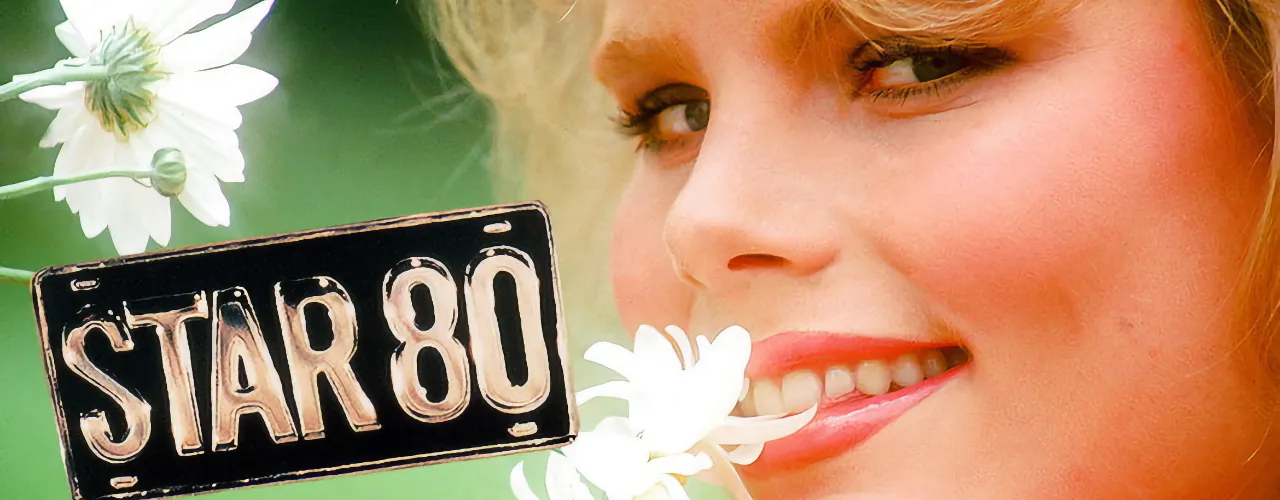
Stratten's death shocked Hollywood and led to two dramatizations of her life, including Bob Fosse's Star 80 (1983), starring Mariel Hemingway as Stratten and Eric Roberts as Snider.
The production itself revealed something about Hollywood's relationship with Playboy. Although the filmmakers recreated the Playboy Mansion at another location after being unable to secure the actual property, they hired genuine Playmates to appear in party scenes. Even a film examining the darker consequences of the Playboy celebrity world drew on the real magazine's imagery for authenticity.
Star 80 was a disturbing counterpoint to the cheerful Hollywood fantasy presented in films like Beverly Hills Cop II. One celebrated the glamour of the Mansion; the other examined a young woman's destruction amid ambition, possessiveness, and celebrity.
Together, they exposed two very different aspects of the same cultural phenomenon.
Stratten's story also reminds us that behind the familiar centerfolds were individuals navigating an industry that could be both generous and unforgiving. Playboy fame offered possibilities, but it provided no protection against exploitation, controlling relationships, or the pressures of sudden celebrity.
The End of Hollywood's Playmate Era
By the early 1990s, the relationship between Playboy and Hollywood was beginning to change.
Playmates continued to appear in movies and television, of course. Some became household names, and others built successful careers in entertainment, business, or the expanding celebrity media industry. But the particular circumstances that had made the 1970s and 1980s so fertile were gradually disappearing.
The first major change concerned the magazine itself. Playboy had once occupied an extraordinary position in American popular culture. Its circulation, publicity machinery, and celebrity connections could transform an unknown model into a nationally recognized personality. As magazine readership declined and entertainment choices multiplied, that kind of exposure became more difficult to achieve.
The second change involved Hollywood's independent film economy. The VHS market had supported a generation of low-budget productions, but competition, changing distribution arrangements, and evolving audience tastes gradually altered the business. The familiar formulas of late-night cable action movies and erotic thrillers became less distinctive.
Television was changing too. The guest-star opportunities of traditional episodic dramas never disappeared, but the broader entertainment industry developed new ways of finding and promoting performers.
Finally, the nature of celebrity itself began to shift.
The success of Playboy-associated television personalities in the 1990s and 2000s demonstrated that the magazine could still provide a route to wider fame. Yet the destination was increasingly different. Reality television, celebrity appearances, personal branding, and eventually social media offered possibilities that didn't necessarily involve pursuing a conventional acting career.
The contrast is striking. In the 1980s, a Playmate might hope to appear in Knight Rider, secure a supporting role in a comedy, and eventually headline a low-budget action picture. Twenty years later, a model with similar ambitions might seek a reality television opportunity or build an audience around her own public personality.
Hollywood no longer needed Playboy to introduce it to glamorous women. Nor did every Playboy model need Hollywood to become famous.
The informal arrangement that had connected the two industries for decades gradually lost its importance.
When the Centerfold Met the Silver Screen
Looking back, Hollywood's Playmate era was much richer than a collection of glamorous cameos.
It produced actresses who became television regulars, performers who found dedicated audiences in cult cinema, and women who transformed brief appearances into surprisingly enduring pieces of popular culture. It also created some genuinely peculiar movies, particularly those in which Andy Sidaris decided that the natural career progression for a Playboy Playmate involved carrying a concealed weapon and investigating international crime.
Not every role was flattering, and not every production deserved to be remembered. Hollywood frequently treated its glamorous actresses as decorative accessories, and the industry was often reluctant to imagine them as anything else.
Yet the women who moved between Playboy and the screen were far more varied than the stereotype suggests. Some wanted careers in acting, others enjoyed the opportunity to experiment, and still others discovered that appearing in a handful of inexpensive action movies could produce an unexpectedly loyal audience.
Today, the films survive as entertaining souvenirs of an era when the boundaries between magazine celebrity, television entertainment, and Hollywood glamour were unusually fluid.
Watch Beverly Hills Cop II again, or revisit a late-night showing of Hard Ticket to Hawaii, and you'll find more than a parade of familiar centerfolds. You'll see traces of an entertainment culture in which a Playboy appearance could lead almost anywhere, from a network television studio to a tropical island populated by heavily armed secret agents.
For a generation of Playmates, the centerfold was only the beginning of the story. Hollywood supplied the next act, along with a considerable assortment of sports cars, cocktail parties, and spectacularly improbable adventures.
And for a particularly memorable stretch of the 1970s and 1980s, the movies simply wouldn't have looked quite the same without them.