The editor, showman, collector, and restless architect of the Playboy world.
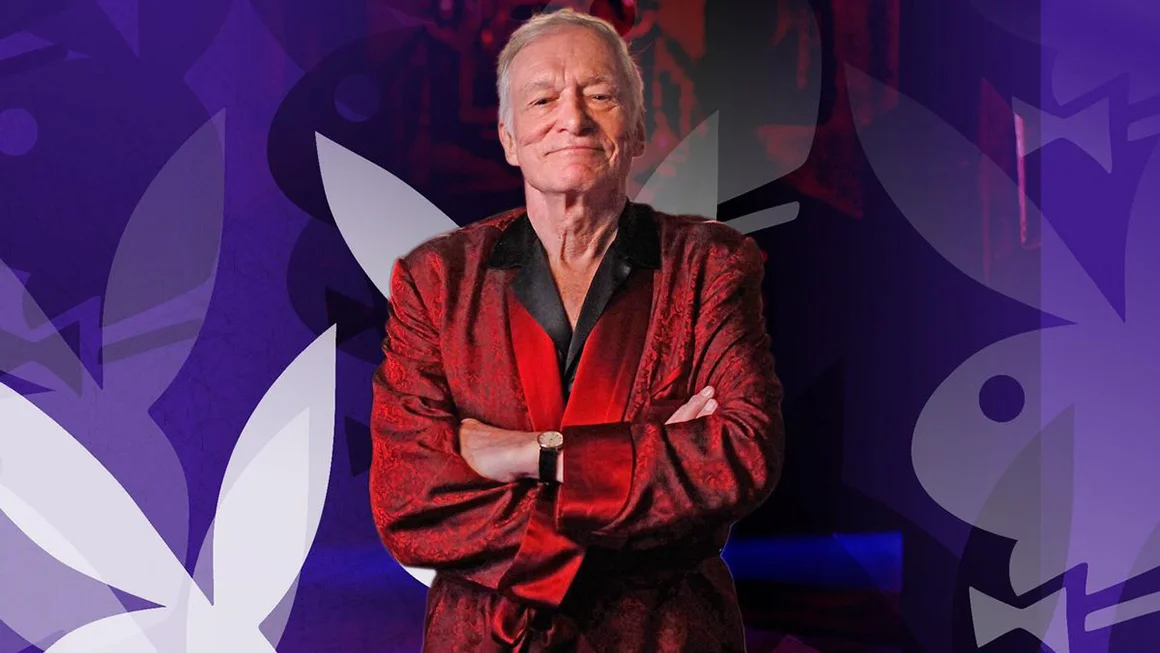
Hugh Marston Hefner, born April 9, 1926, did not simply publish Playboy. He staged it, edited it, lived inside it, and turned it into one of the most recognizable fantasies in American media. From the first issue in 1953 to the mythology of the Mansion, Hefner built a world where beauty, conversation, sex, style, and celebrity were arranged with the confidence of a man who understood that a magazine could be more than paper.
The Making of Hef
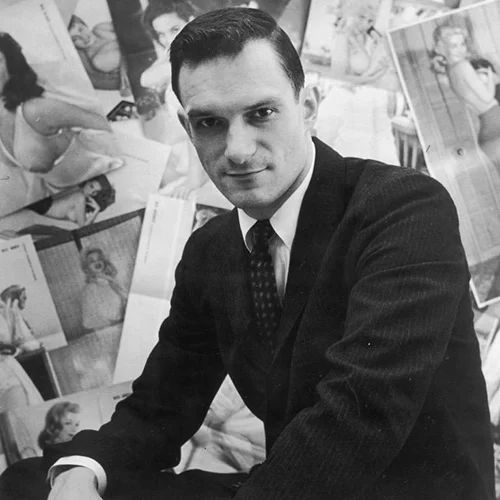
Before he became Hef, he was a Chicago kid with a sharp pencil, a private sense of drama, and a fascination with the rules polite society tried to enforce. He served in the U.S. Army during World War II, drew cartoons, studied psychology at the University of Illinois, and learned the magazine trade from the inside, including a stint writing copy for Esquire.
Those early years mattered. Hefner brought a cartoonist's eye, a copywriter's rhythm, and a psychologist's curiosity to Playboy. He understood desire as image, but also as atmosphere: the apartment, the record player, the cocktail, the interview, the joke, the woman on the page, and the man imagining himself sophisticated enough to belong there.
The Magazine as a World
Playboy arrived in December 1953 with Marilyn Monroe on the cover and a promise that felt perfectly timed for postwar America: pleasure could be modern, stylish, and intelligent. The magazine blended pictorial glamour with fiction, interviews, humor, criticism, and design. It was not only selling sex. It was selling a point of view.
Hefner's editorial instinct was to make the fantasy complete. The Playmate was central, but she lived inside a larger frame of taste and aspiration. Playboy taught its reader what to listen to, what to drink, what to read, how to dress, and how to imagine a private life with more polish and less apology.
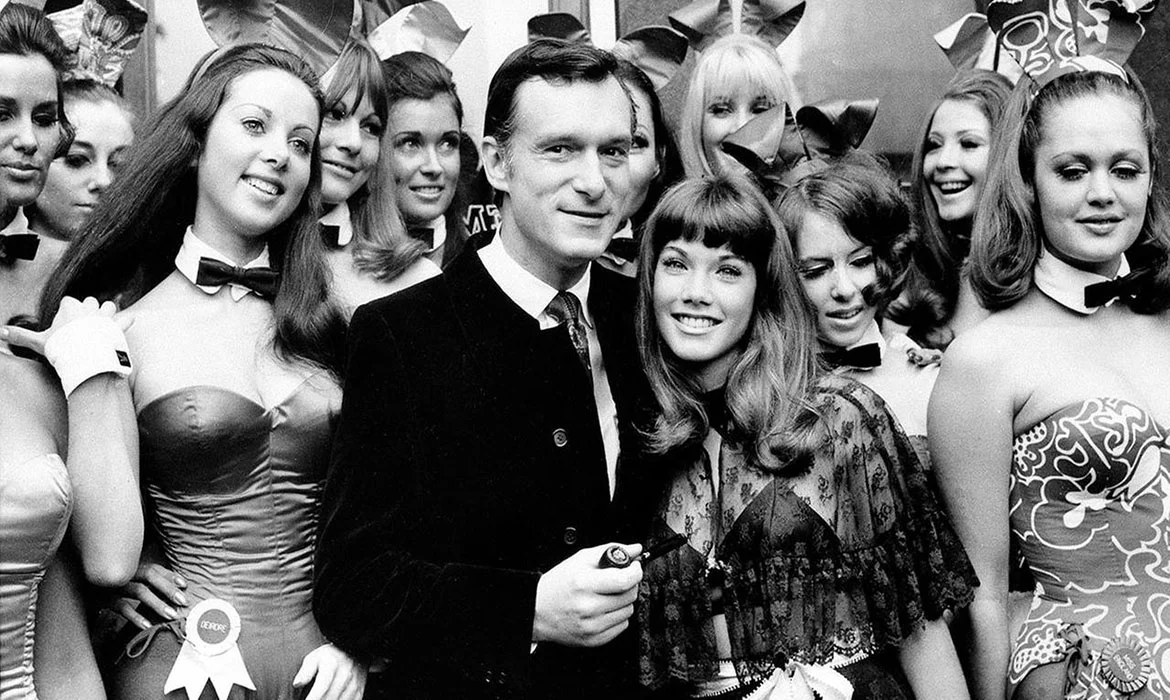
That was Hefner's real invention: Playboy as an editorial universe. The magazine had a voice, a visual language, a social code, and a founder who made himself part of the brand. In an era before personal branding became a business cliche, Hefner already knew the editor could become the emblem.
When I got the Playboy Mansion I didn't leave the property for months, to shop or to go anywhere.
The Clubs, the Mansion, the Myth
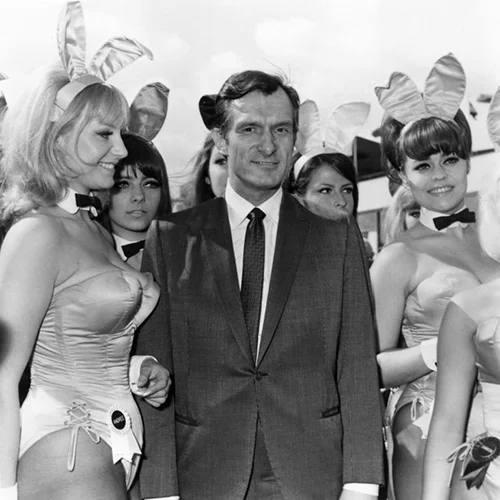
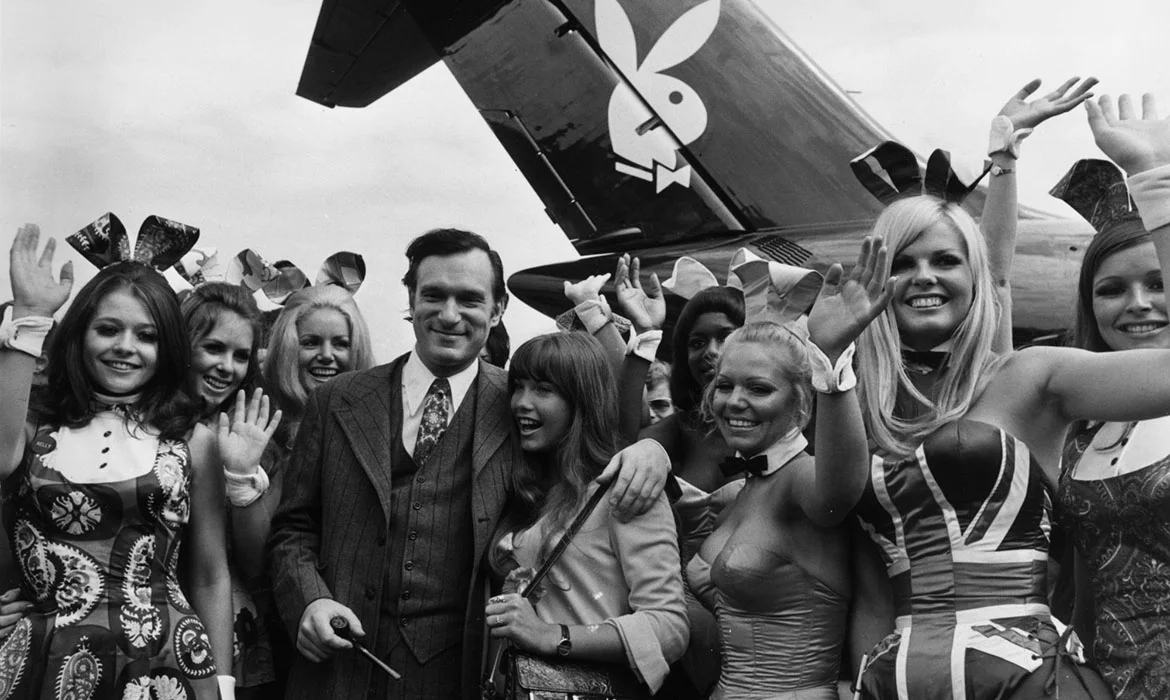
The Playboy Clubs took the fantasy off the page. Beginning in Chicago in 1960, they turned the Bunny costume into a pop-culture uniform and gave Playboy a nightlife address. Music, comedy, cocktails, celebrity, and performance all became part of the same glamorous architecture.
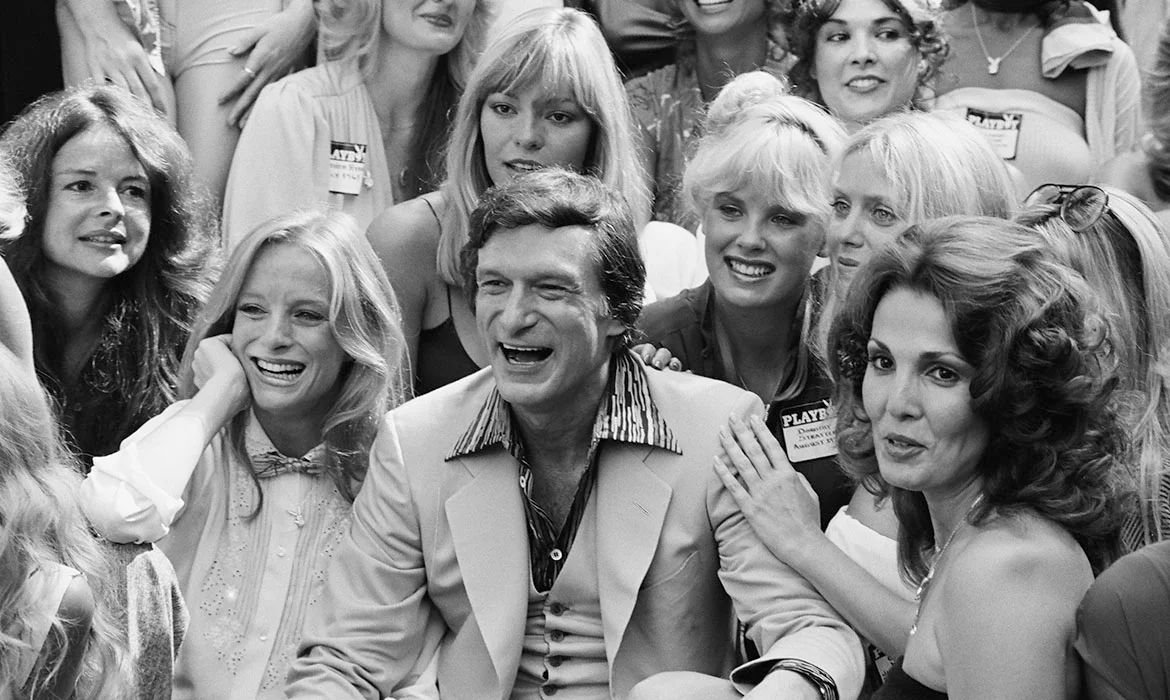
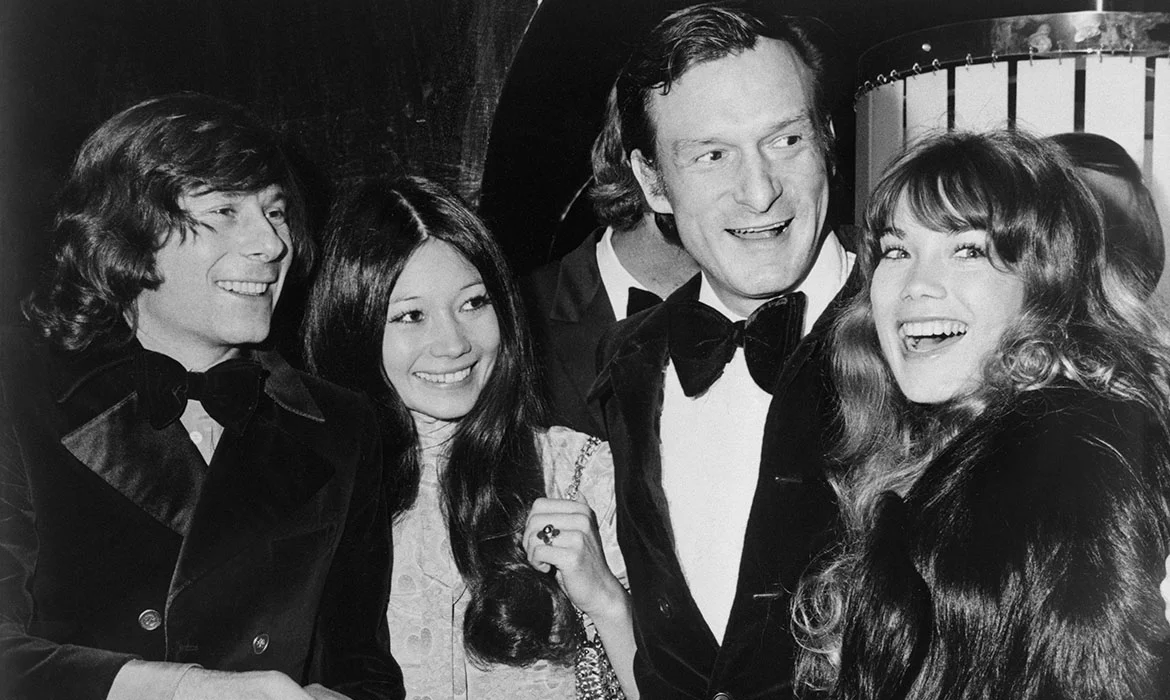
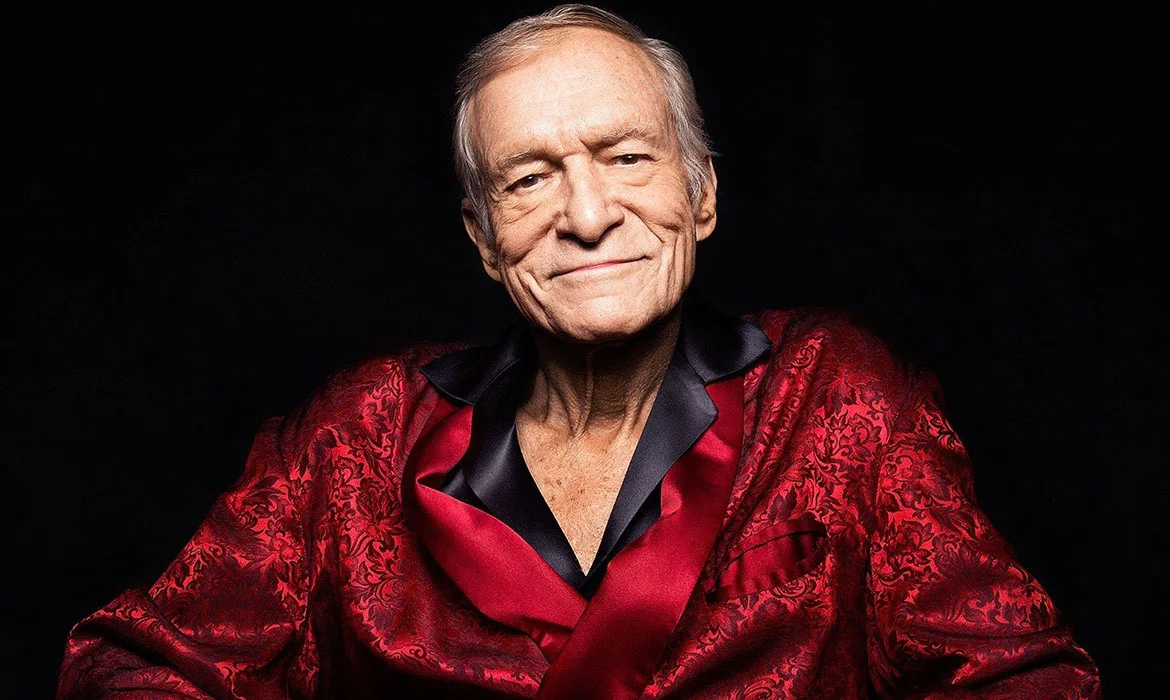
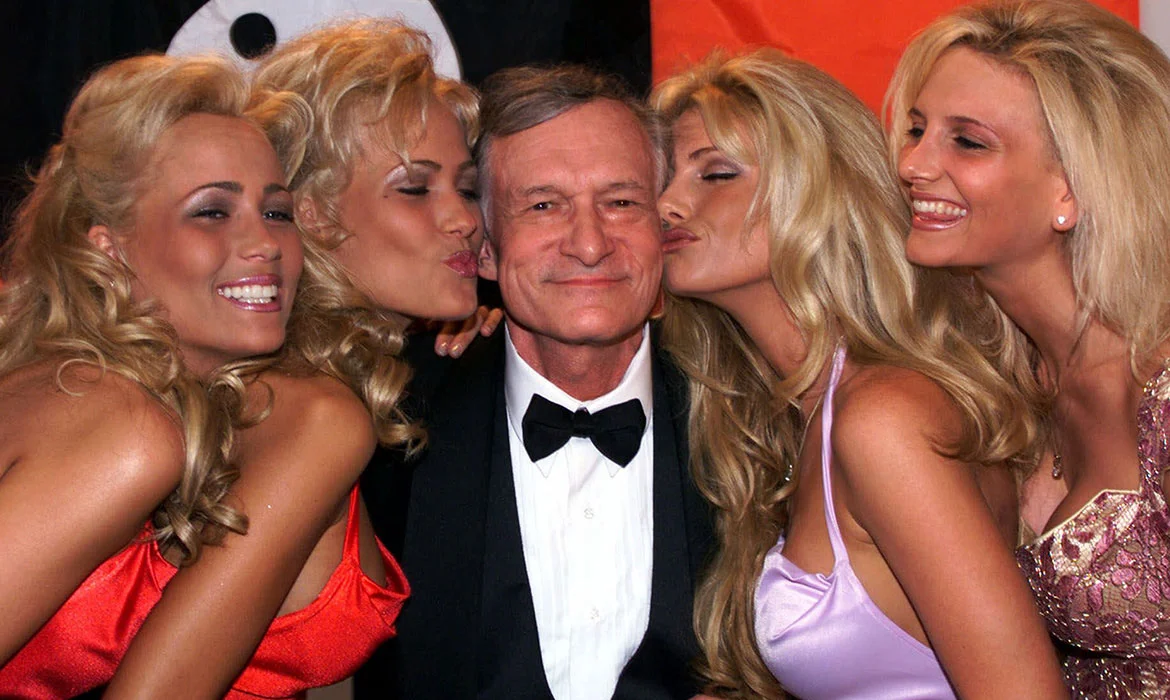
The Mansion became the more famous stage. It was residence, office, salon, playground, archive, and press image all at once. The smoking jacket, the late-night work schedule, the bedroom desk, the parties, the girlfriends, and the Playmates became inseparable from the magazine's public identity.
The Public Private Life
Hefner lived as if privacy itself could be edited. His romances, marriages, friendships, children, routines, and rituals were absorbed into the Playboy narrative. That made him a celebrity publisher on a scale few editors ever approached, admired by some as a champion of sexual freedom and criticized by others as the face of a complicated fantasy industry.
He rarely separated the man from the magazine. The silk pajamas were costume and convenience. The Mansion was home and set. The scrapbooks were memory and production archive. Hefner kept arranging the evidence of his life as if every photograph, invitation, clipping, and guest list might become part of the permanent issue.
I started wearing them all the time because I was working at night, and then I started wearing them when I entertained.
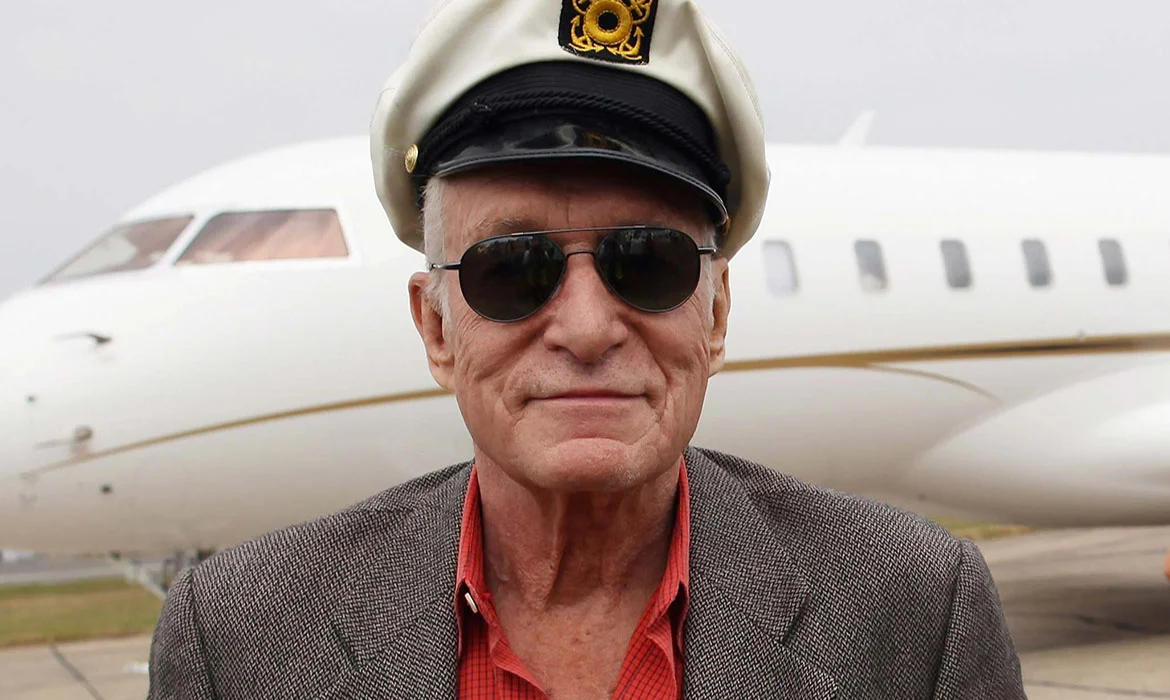
The look became iconic because it was so complete. Hefner understood performance as permanence. He made himself instantly legible: pipe, pajamas, Mansion, magazine. The image was theatrical, but it was also disciplined. It told the audience exactly what Playboy wanted to be.
The Archive and the Afterlife
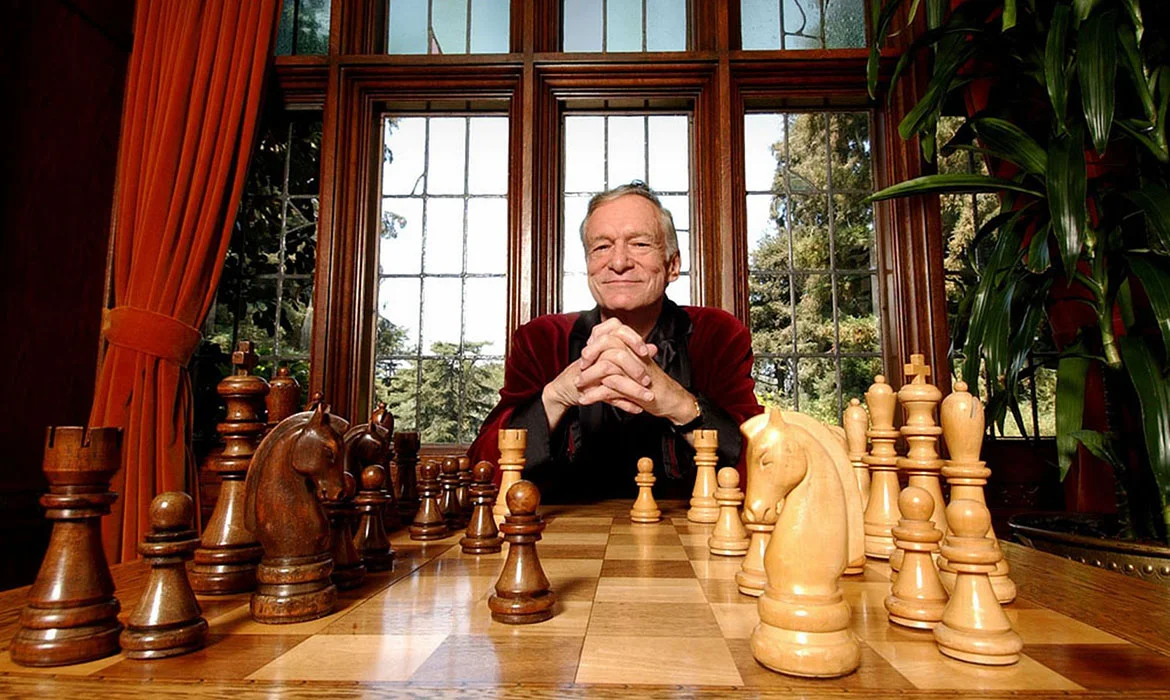
Hefner's obsessiveness showed most clearly in the archive. His scrapbooks were not casual nostalgia; they were a lifelong act of self-documentation. He preserved the evidence of the world he created, and in doing so revealed the editor's deepest impulse: to select, frame, keep, and give meaning.
It was probably just a way of creating a world of my own to share with my friends. And in retrospect, in thinking about it, it's not a whole lot different than creating the magazine.
When the Playboy Mansion was sold in 2016, Hefner remained there under a life-estate arrangement. It was a fitting final act for a founder whose address had become shorthand for glamour, controversy, celebrity, and the long echo of the Playboy dream.
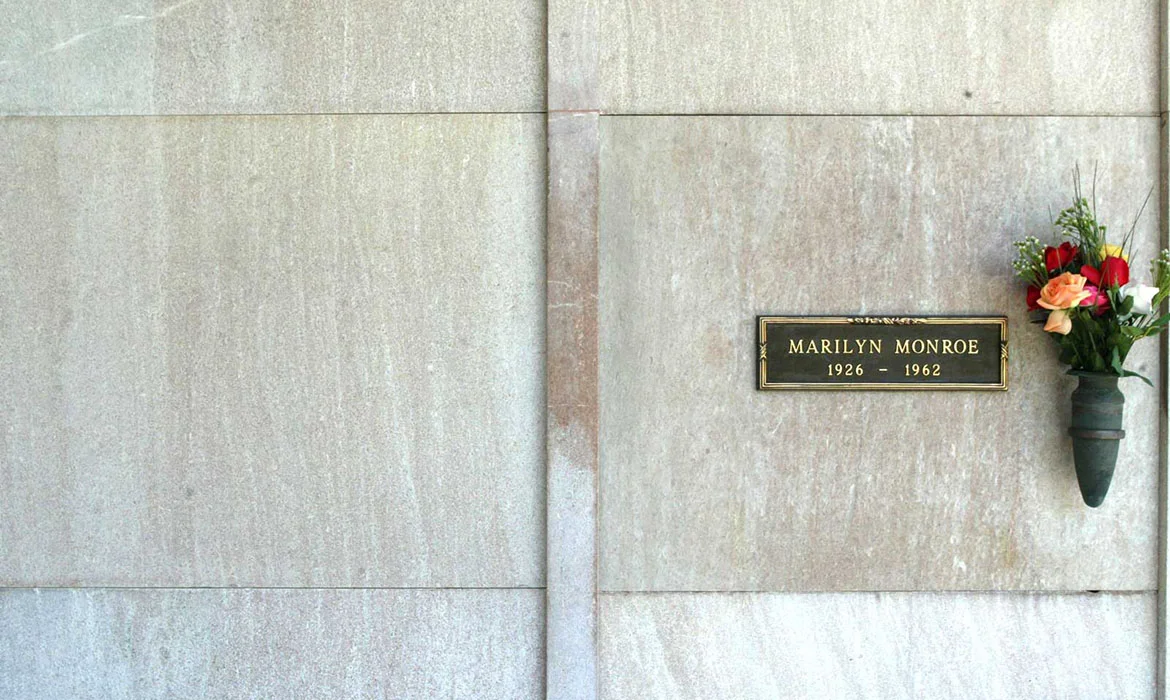
Hefner died on September 27, 2017, at 91. Years earlier, he had purchased the crypt beside Marilyn Monroe, whose image helped launch Playboy's first issue. It was sentimental, symbolic, and unmistakably editorial: the founder choosing his final placement beside the star who helped introduce his magazine to the world.
Hefner's legacy is not simple, and it should not be flattened into either celebration or dismissal. He changed publishing, nightlife, celebrity culture, sexual conversation, and the business of glamour. Playboy was his magazine, his mirror, his theater, and his argument with America. However the culture judges him, it still recognizes the silhouette.