Heidi Sorenson Bio
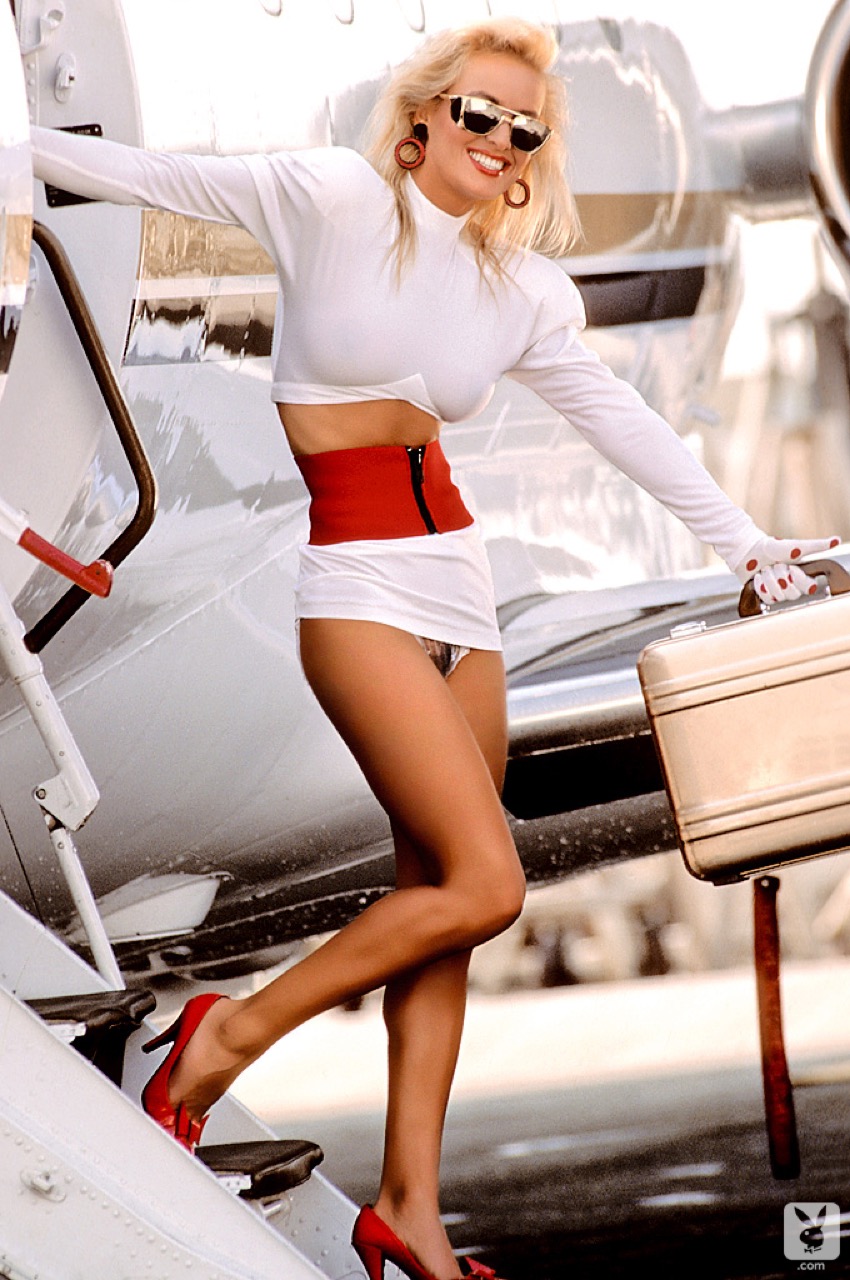
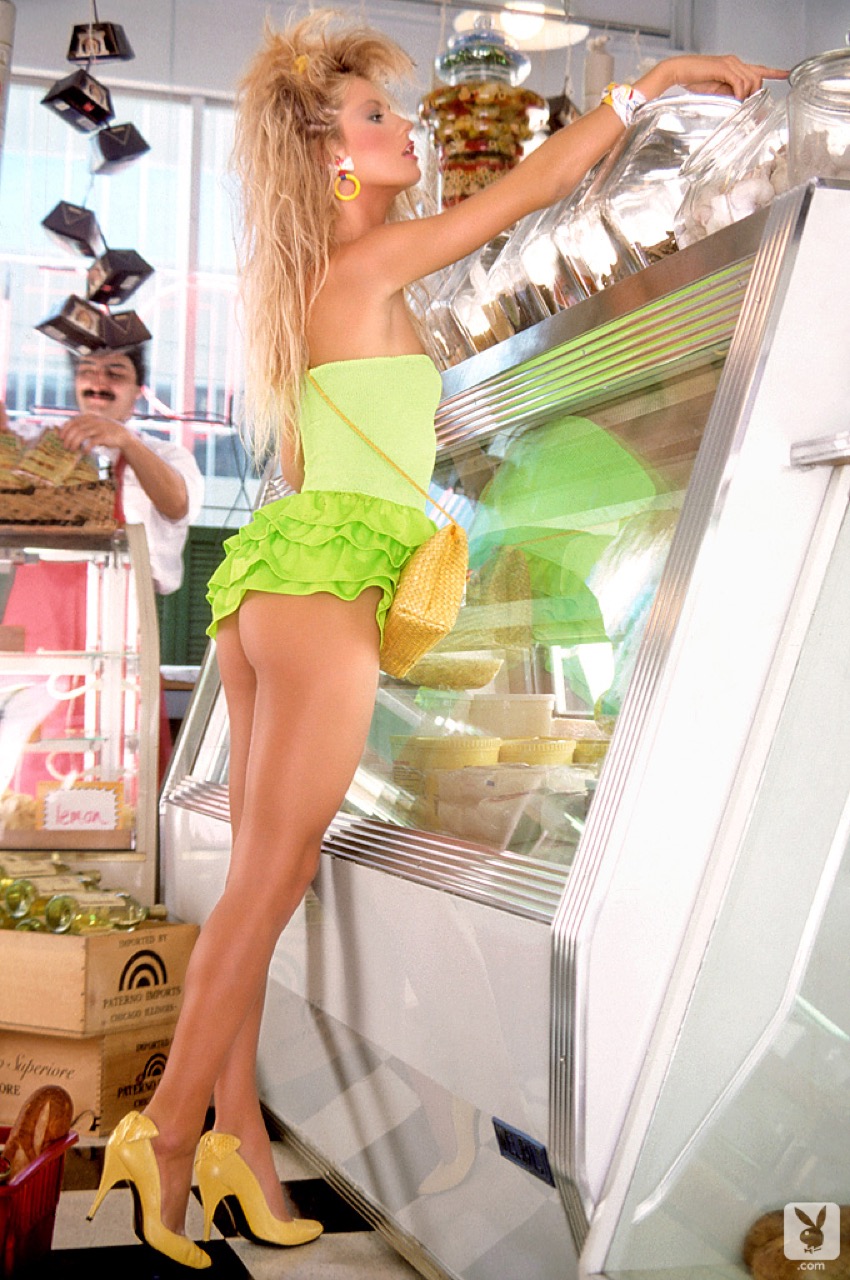
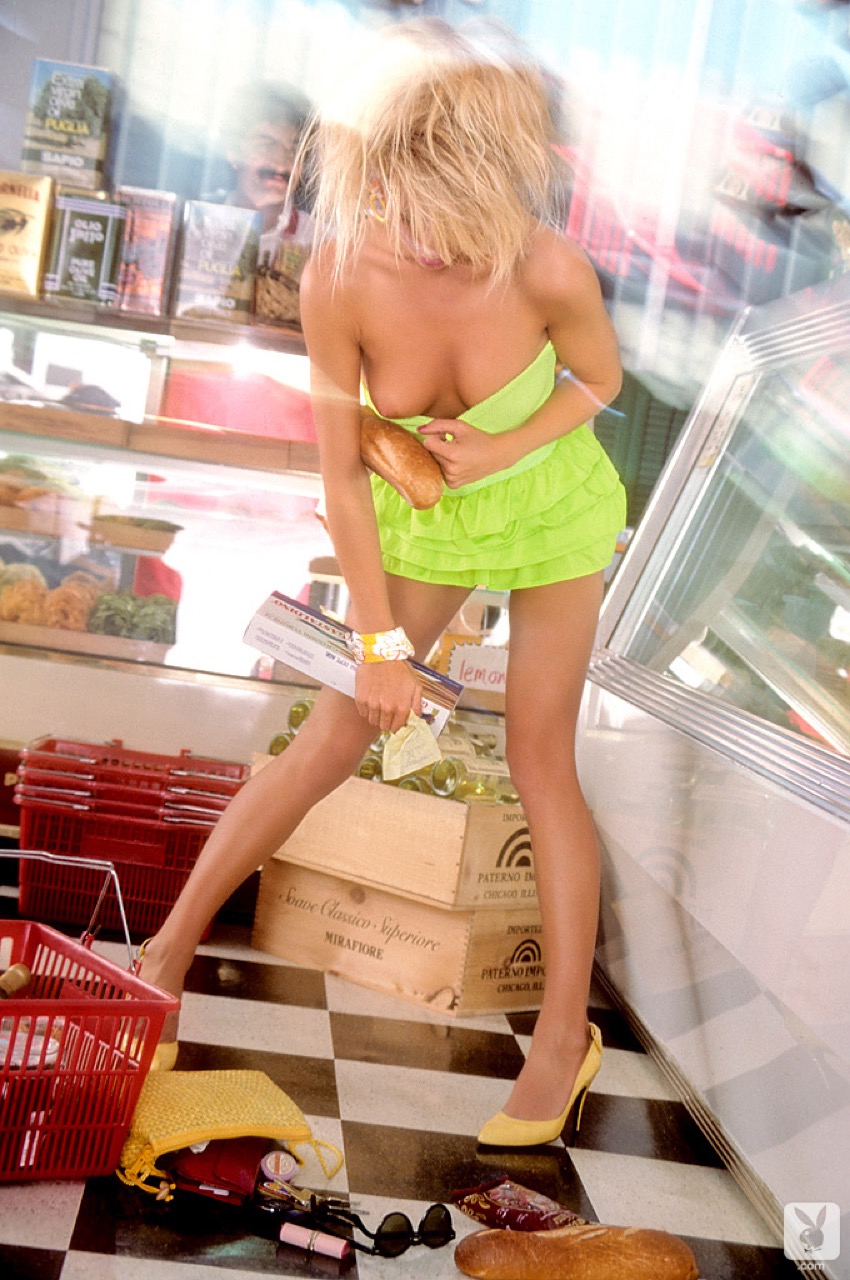
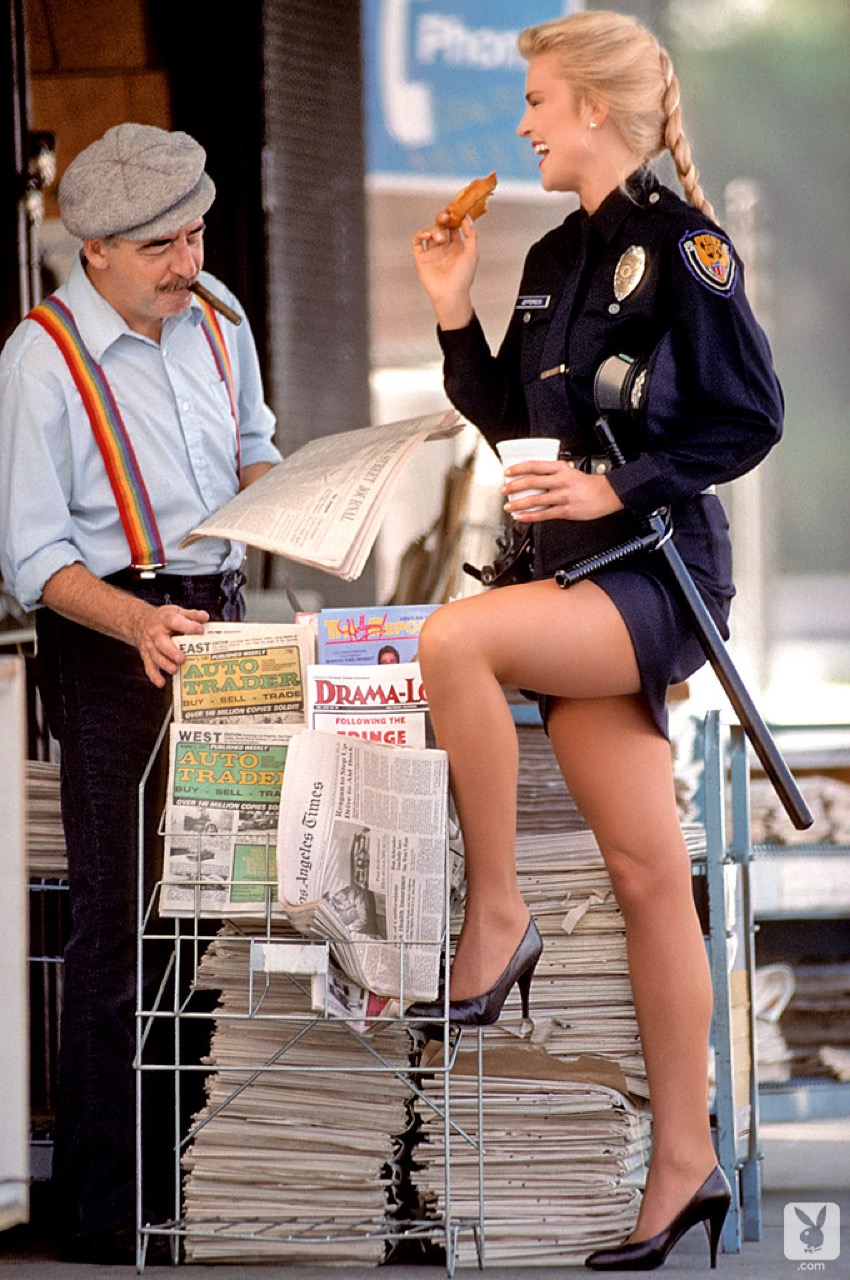
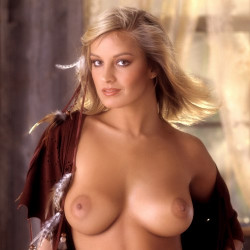
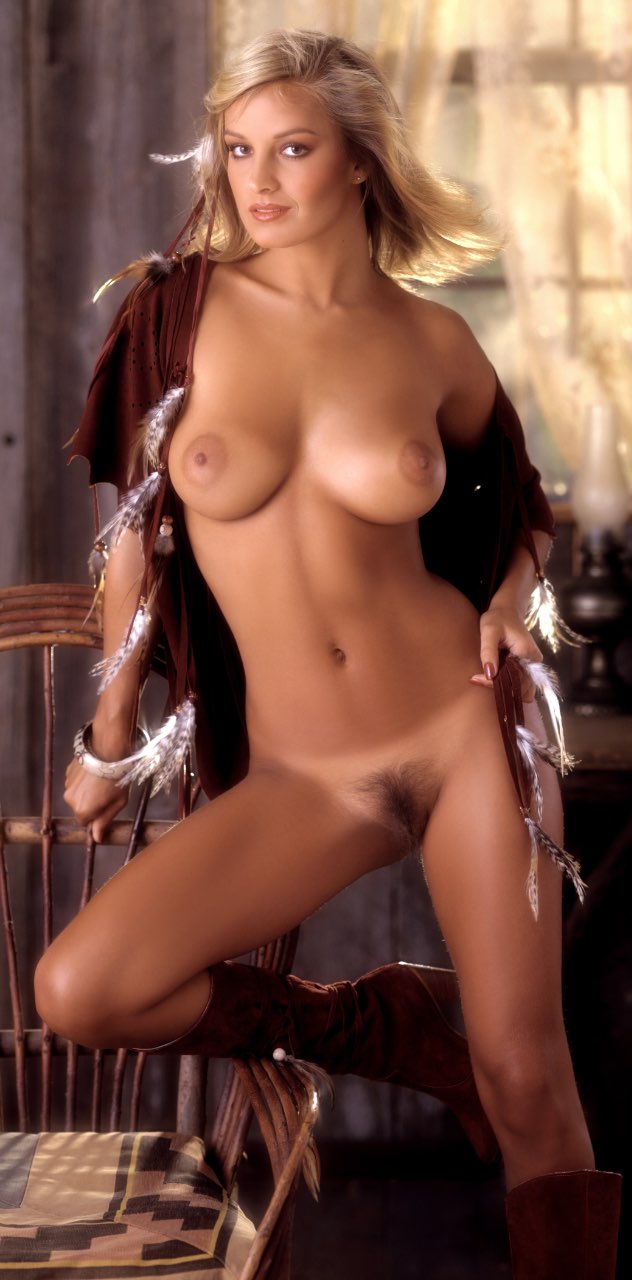
Heidi Sorenson is a Canadian glamour model, actress, and writer. She was born on August 5, 1960, in Vancouver, Canada. Playboy named her its July 1981 Playmate at 20. Her appearance came during Playboy's polished, high-production 1980s period.
Sorenson has natural breasts, blue eyes and blond hair. Her measurements are 36-24-34.
A teenager with an accountant’s ledger and a radio badge, Heidi Sorenson slipped into the public eye the way many 1980s centerfolds did: by accident and a little luck. After a childhood that included time in Denmark and a family move to British Columbia, she was working at a local radio station at 17 when a bikini contest changed the course of a young life—she won, a scout noticed, and a new path opened.
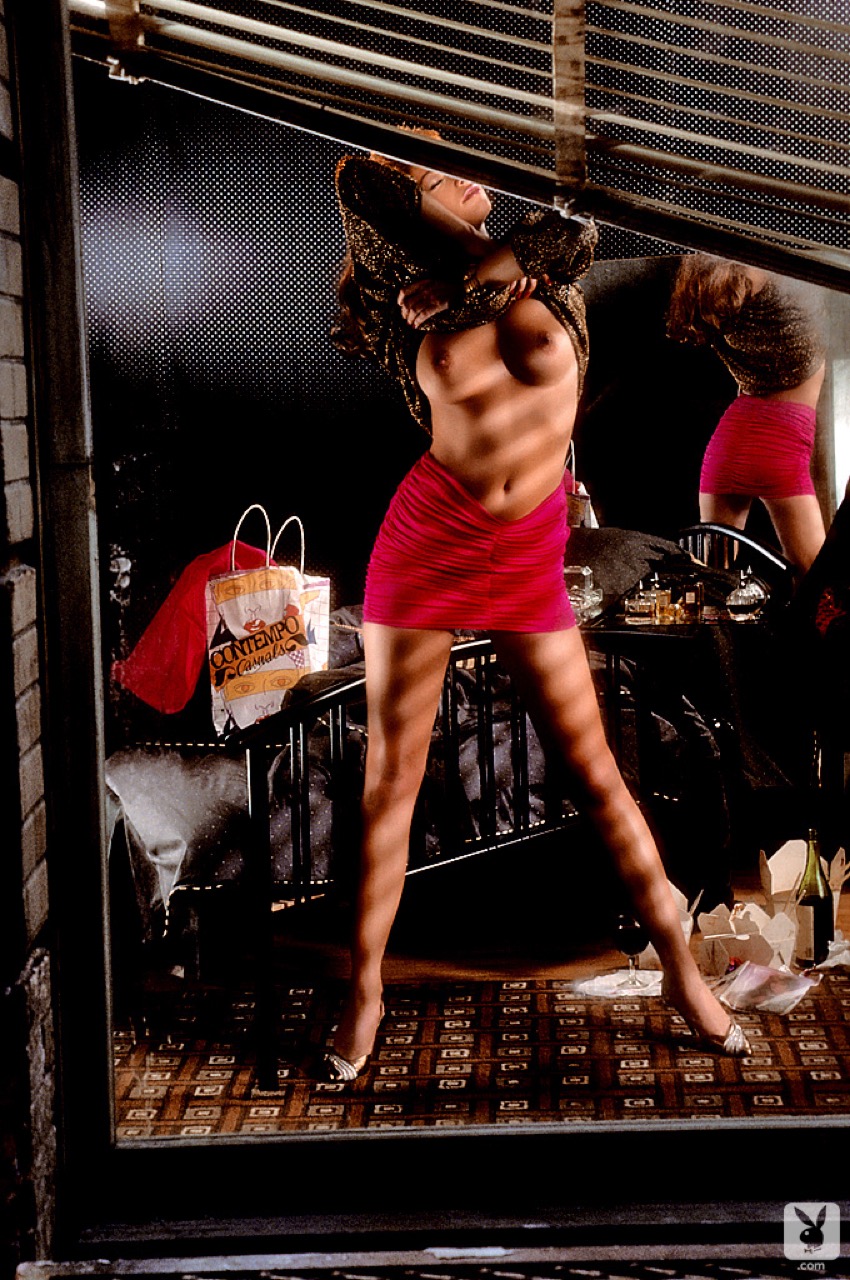
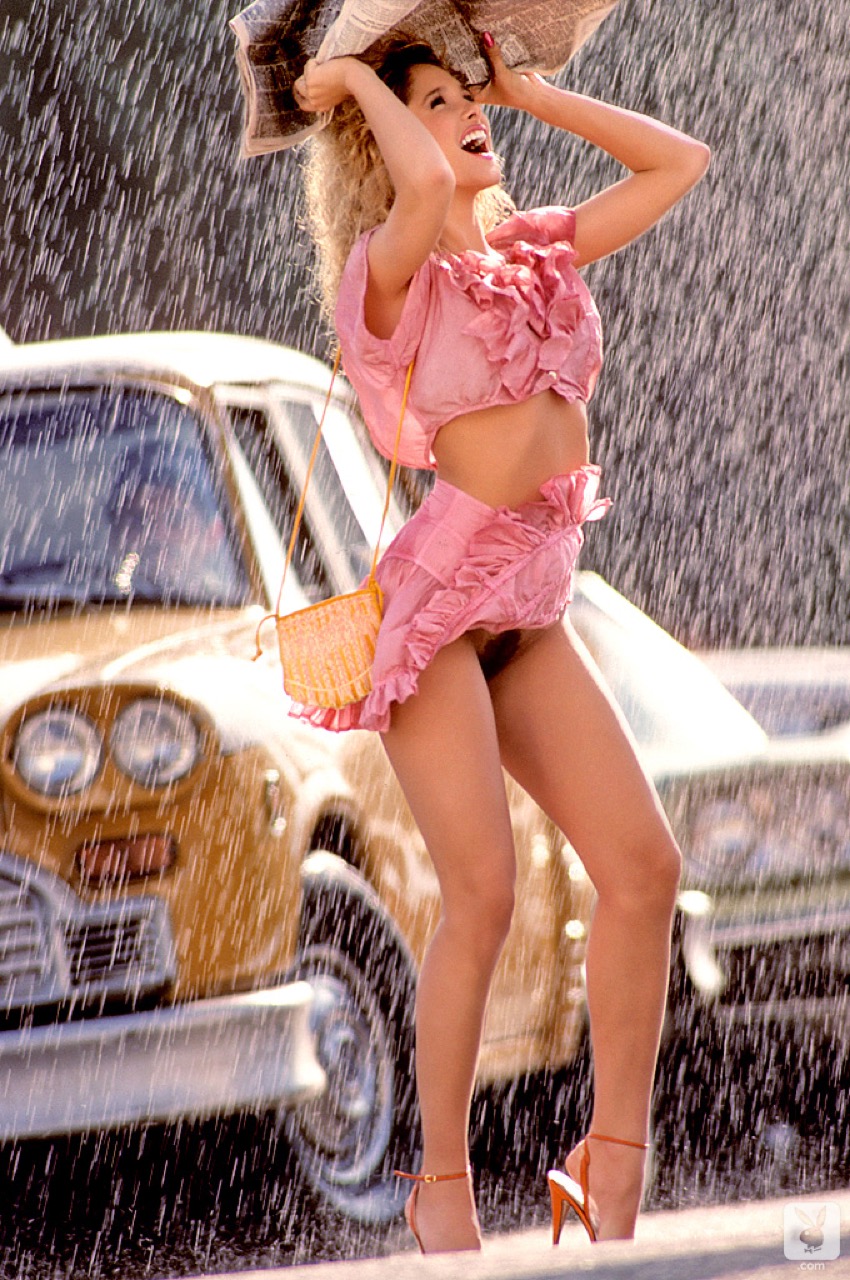
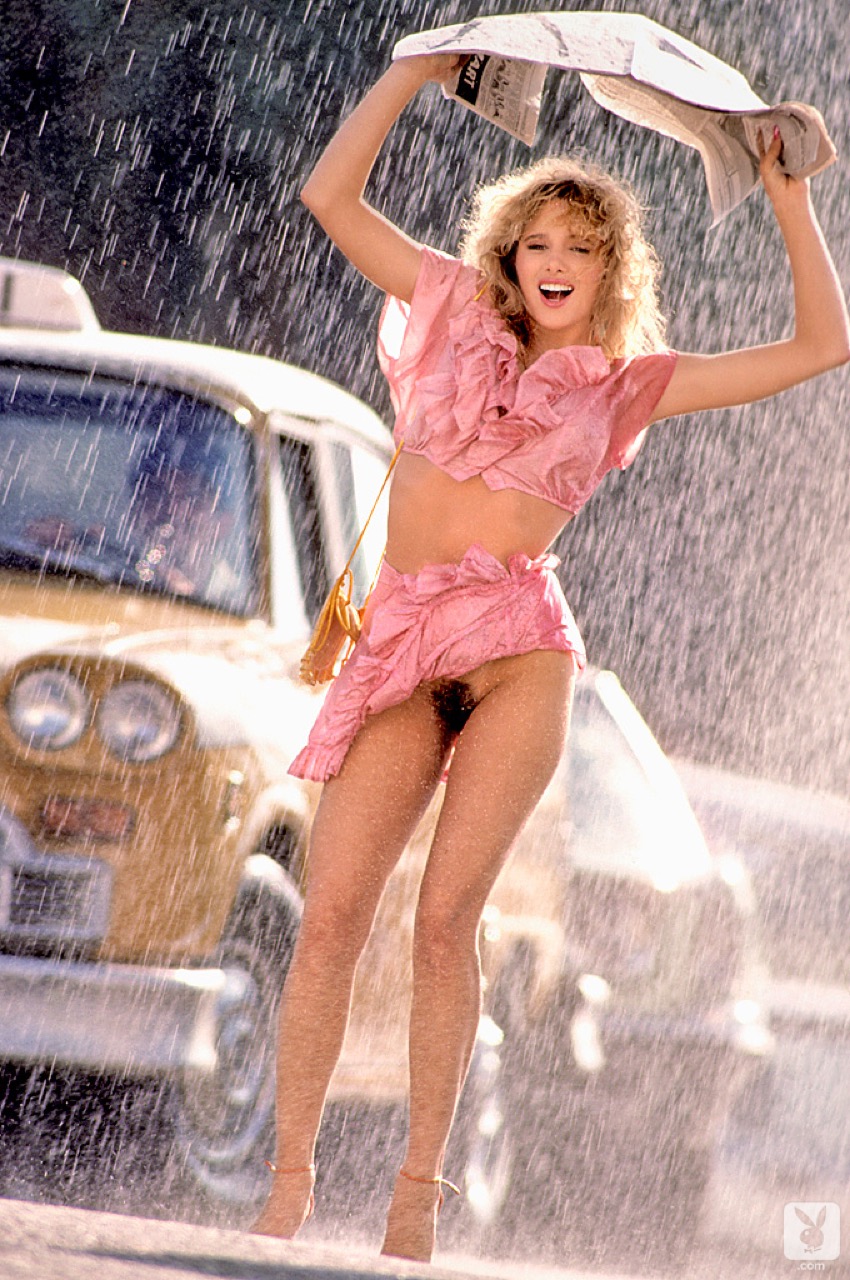
That early publicity culminated in a Playboy centerfold shot by Ken Marcus, a detail that helps explain the look of the spread: studio polish and a photographer’s eye for cinematic framing. The page introduced a performer who would treat the camera as one tool among many rather than a final destination.
Sorenson translated that visibility into steady screen work, accruing credits across more than two dozen films and television appearances. Her résumé, as recorded, ranges from genre pictures such as Fright Night to big‑screen comedies like Spies Like Us alongside Chevy Chase and Dan Aykroyd, and a brief, memorable turn as a vestal virgin in Mel Brooks’ History of the World: Part I. Television bookings ran the gamut from soap and procedural spots to sitcom and cable appearances, including listings on General Hospital, Cheers, T.J. Hooker, Dream On, The Young and the Restless and Weird Science; she also fronted a short‑lived series titled Shaping Up with Leslie Nielsen and Jennifer Tilly.
Beyond on‑camera roles she kept experimenting: a stint with the Singing Playmates, continued pictorial work into her thirties, and later voice assignments connected to projects that include mainstream studio releases and the Howard Stern biopic Private Parts. In recent years Sorenson moved toward authorship and advocacy—publishing You Can Date Me, drafting a memoir about breast cancer, and creating The Enlightened Breast Foundation to raise funds for women in need. The arc that begins with a seaside contest and a single frame of film now reads as a career that redirects the camera’s attention into writing and public work.