Donna Michelle Bio 
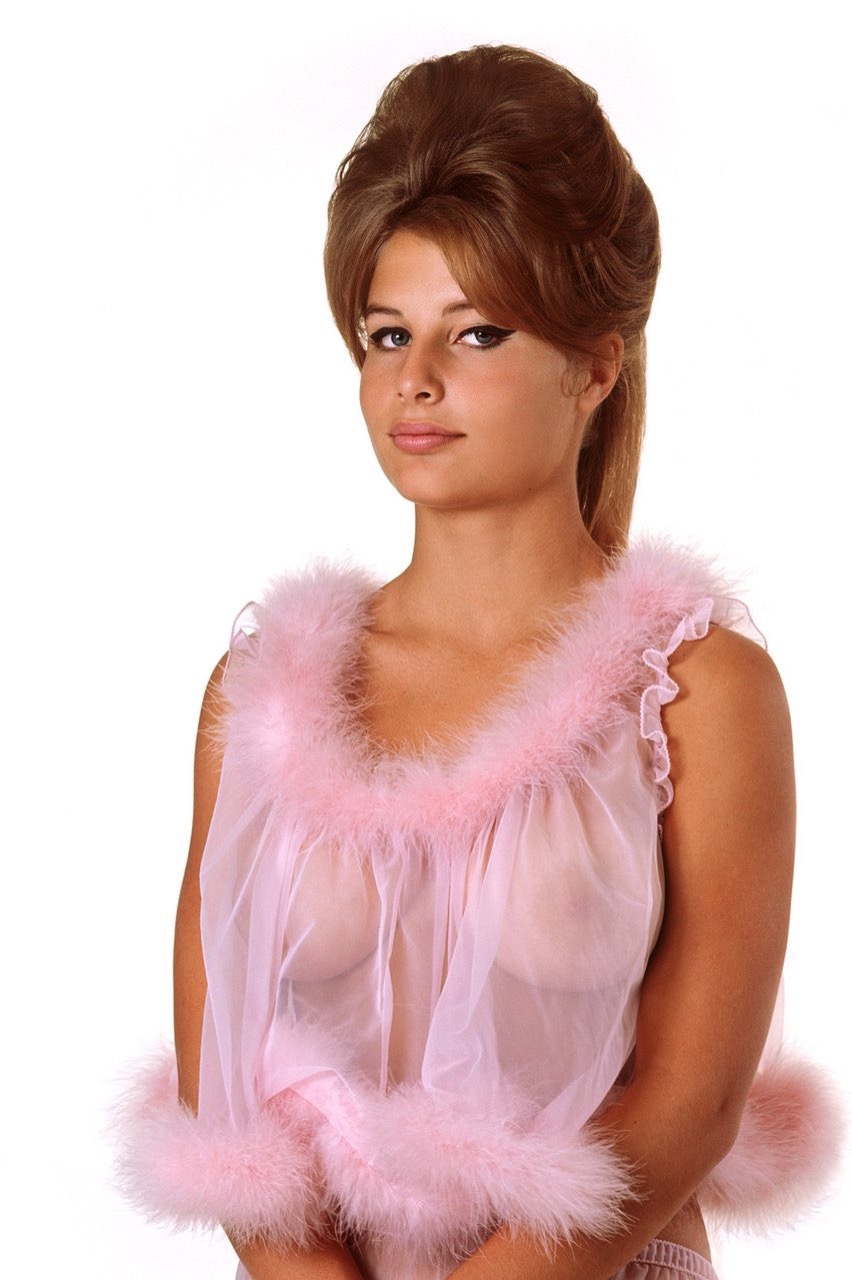
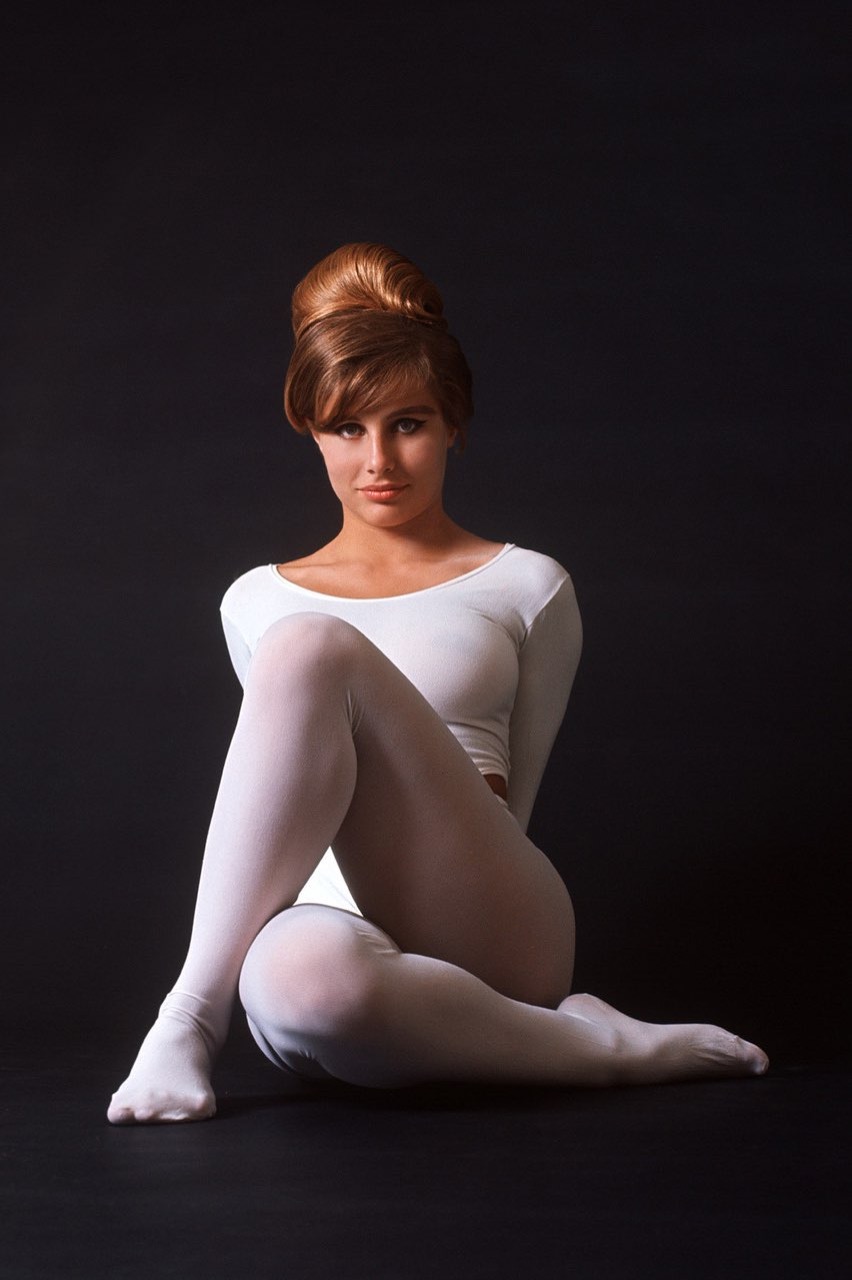
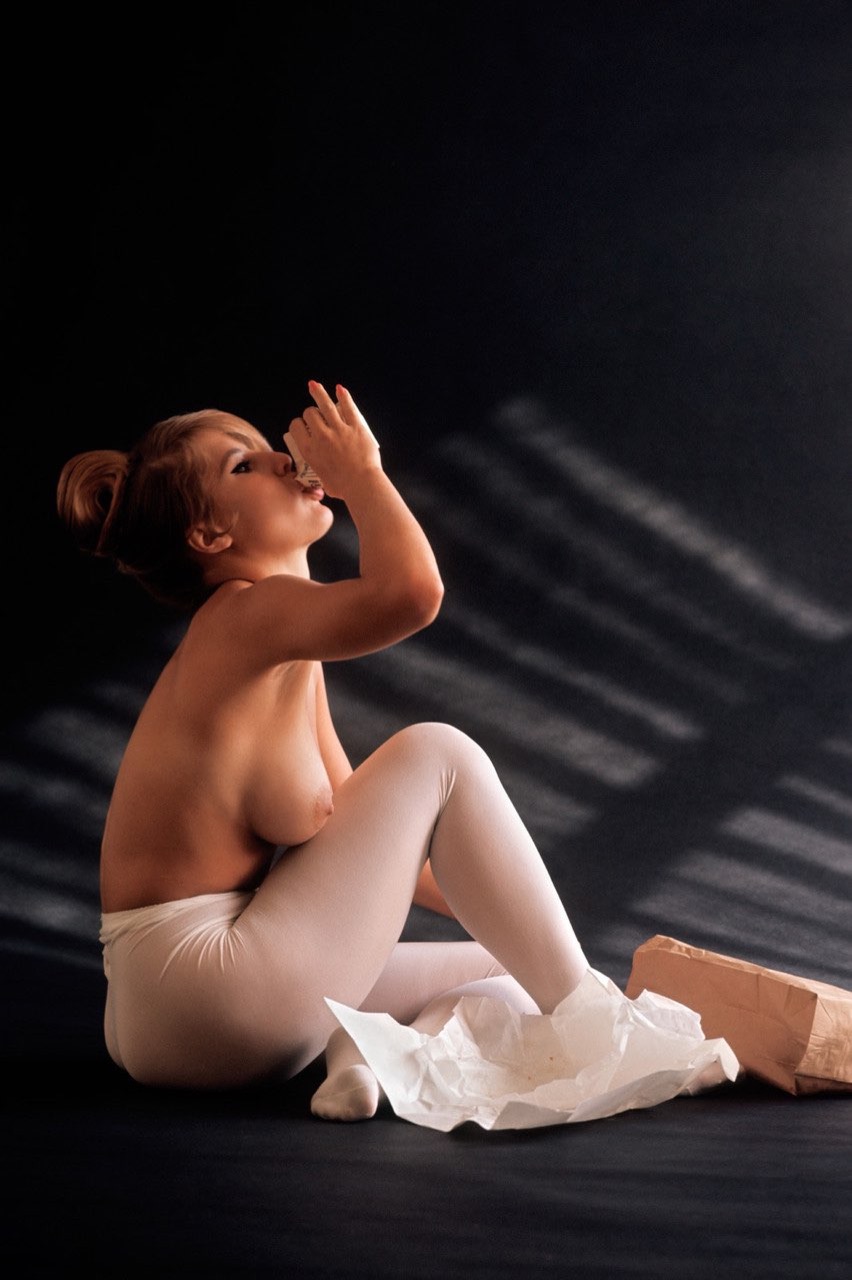
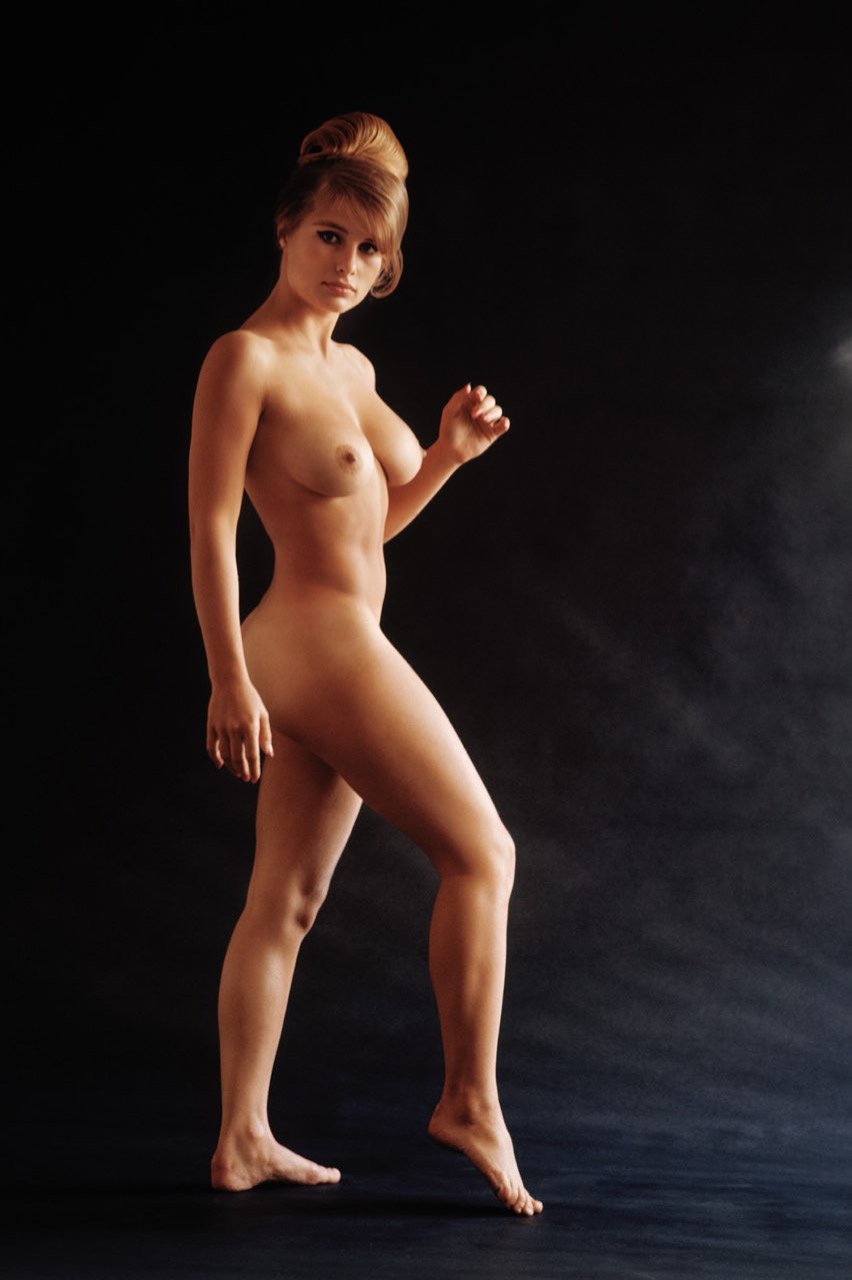
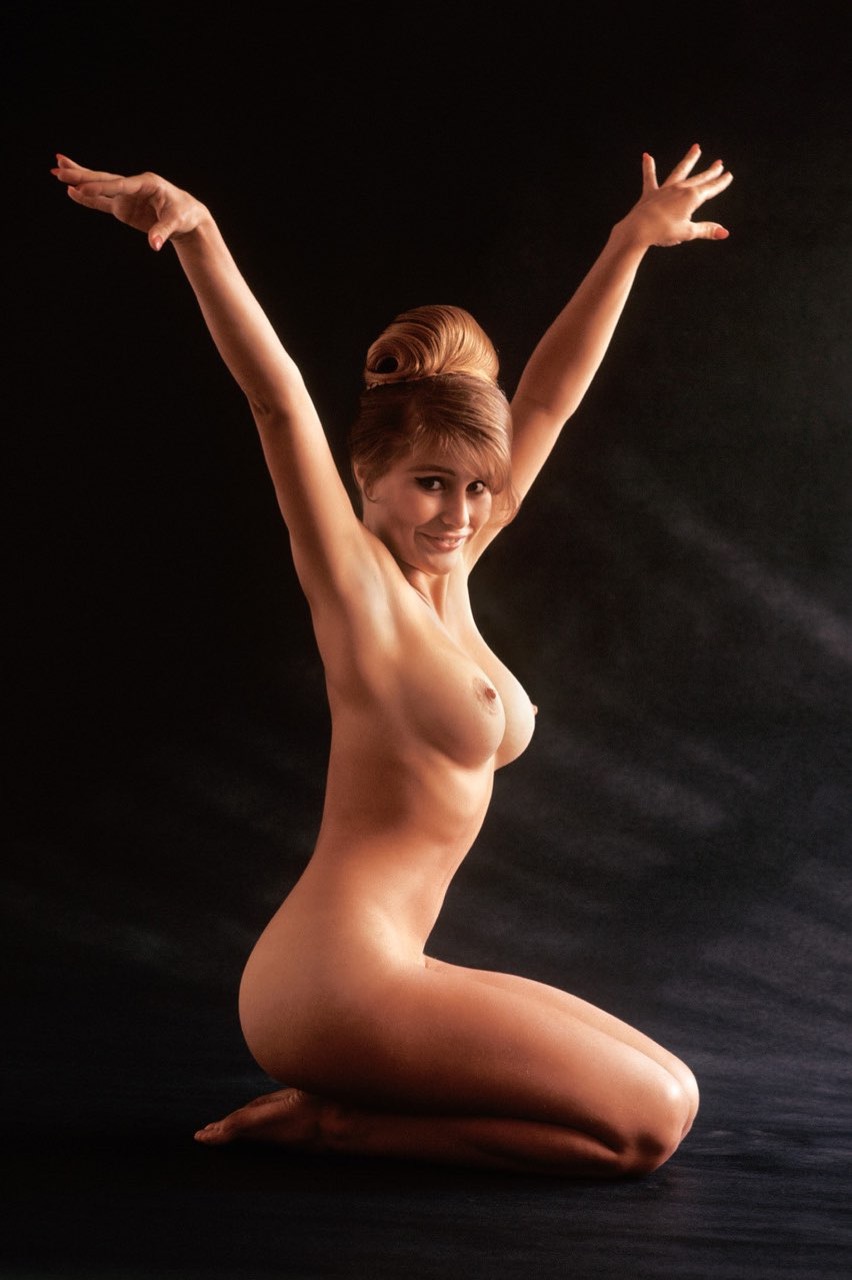
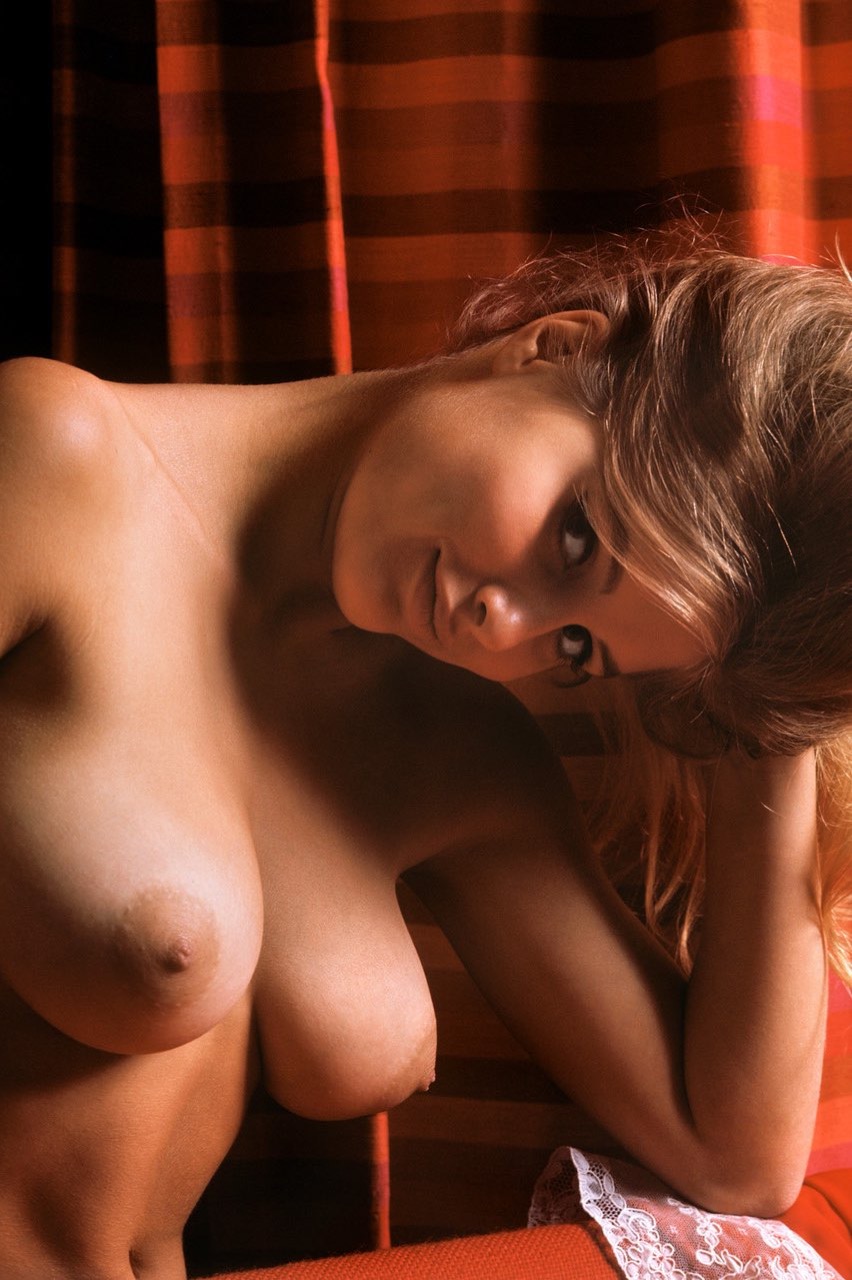
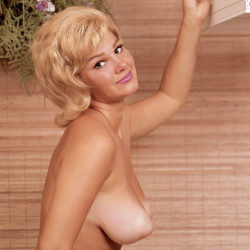
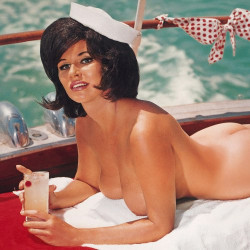
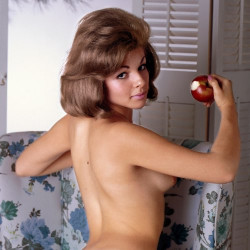
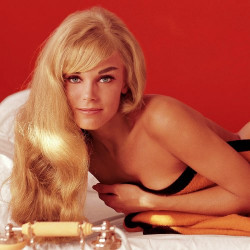
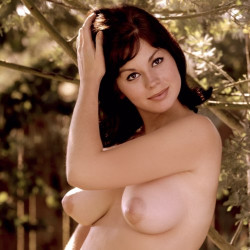
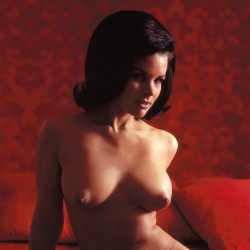
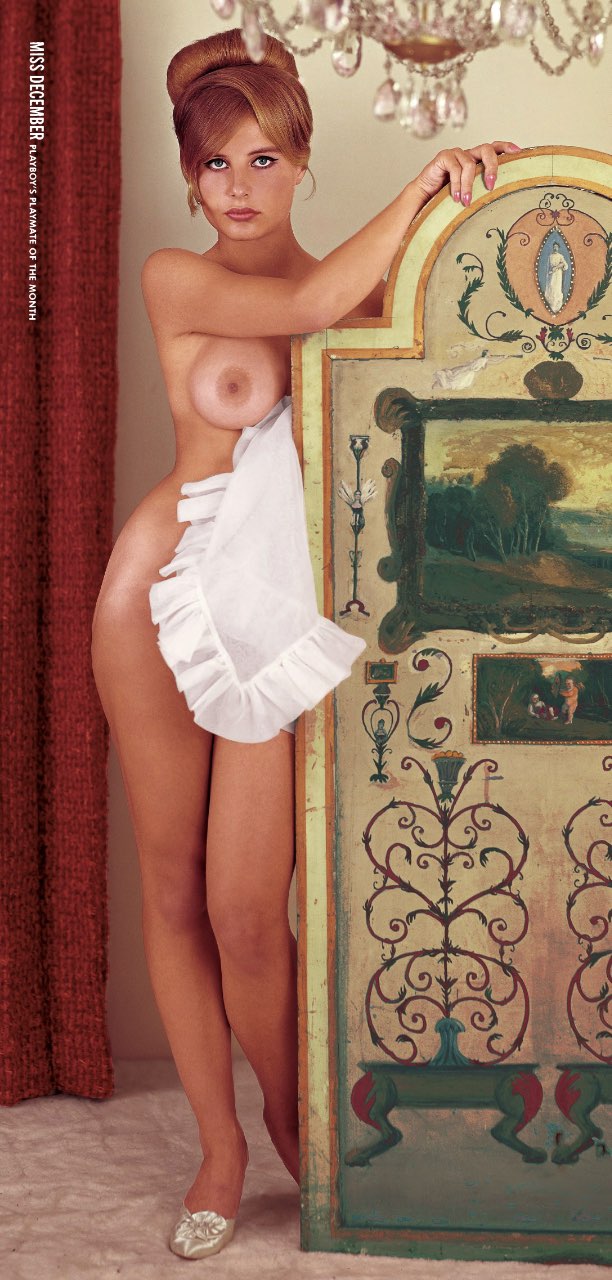
Donna Michelle was an American glamour model, actress, and photographer. Born Donna Michelle Fick on December 8, 1945, in Los Angeles, California, she has also been credited as Donna Michelle Ronne. Playboy named her its December 1963 Playmate. She was later named Playmate of the Year 1964. Her appearance came during the 1960s, as Playboy grew into a major force in American magazine publishing.
Michelle had natural breasts, hazel eyes and brown hair. Her measurements are 38-22-37.
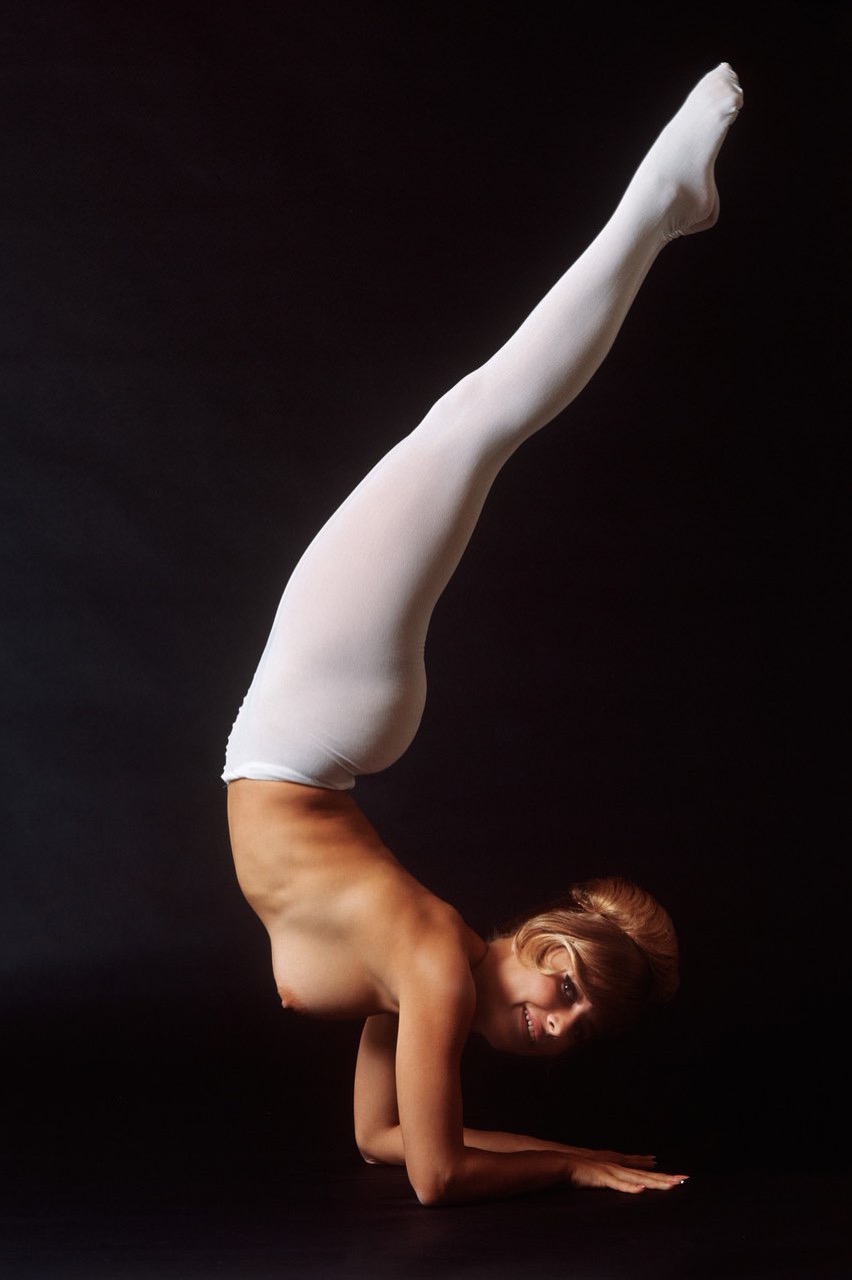
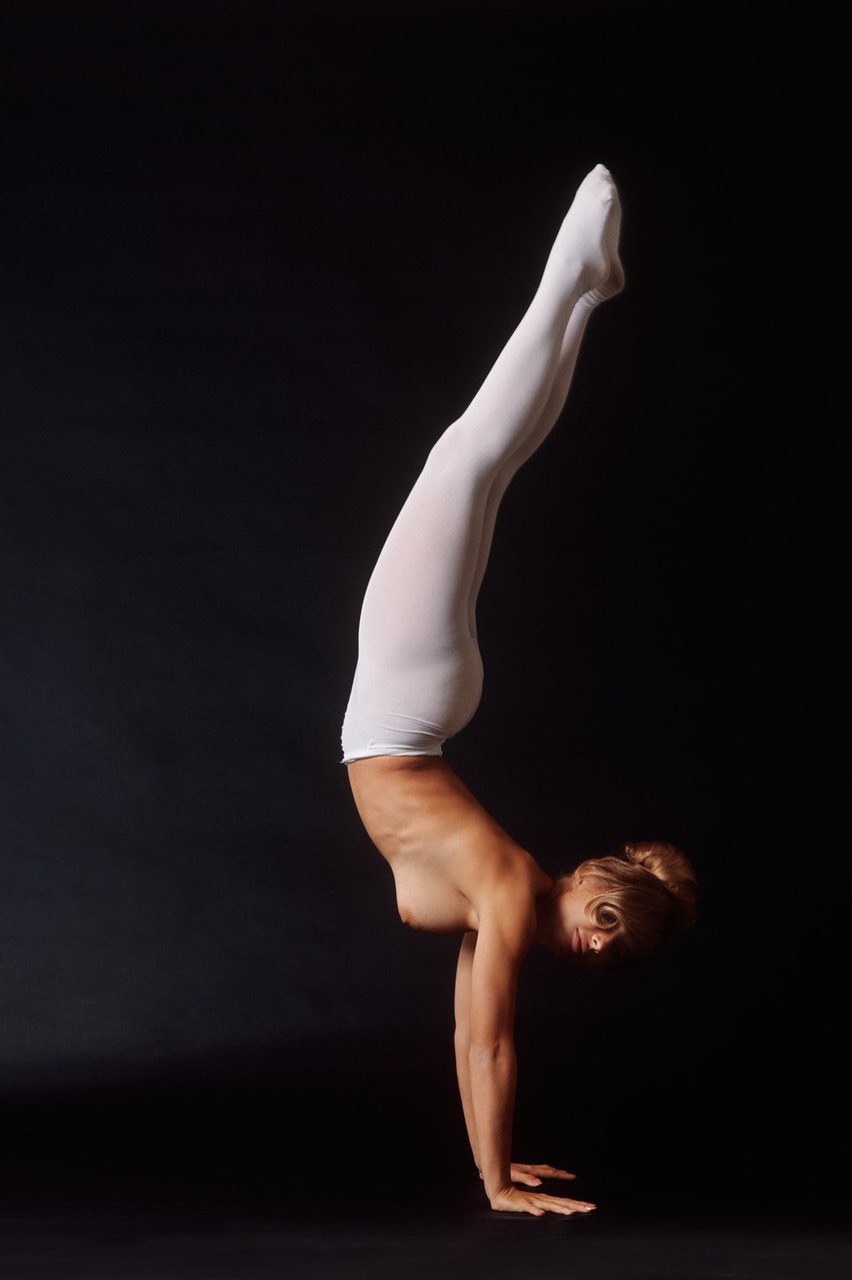
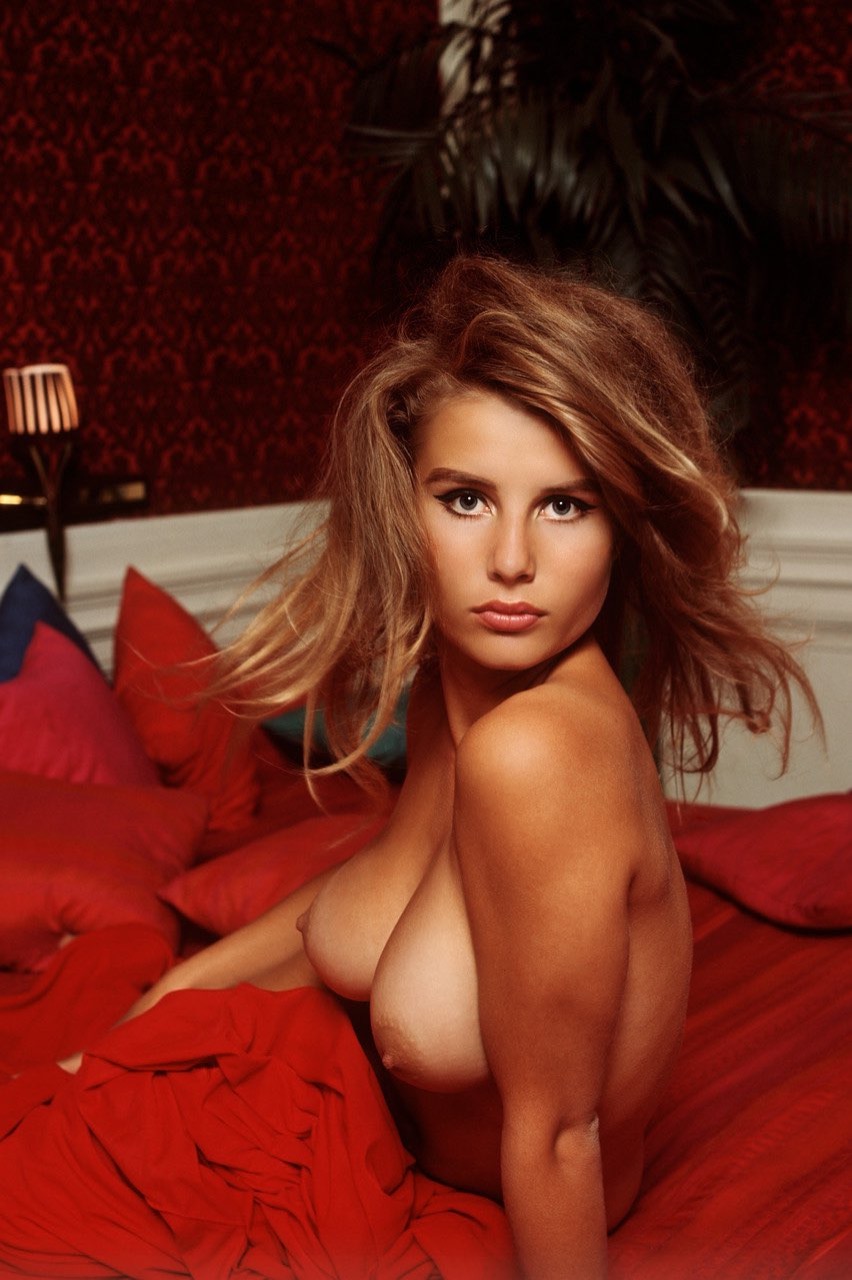
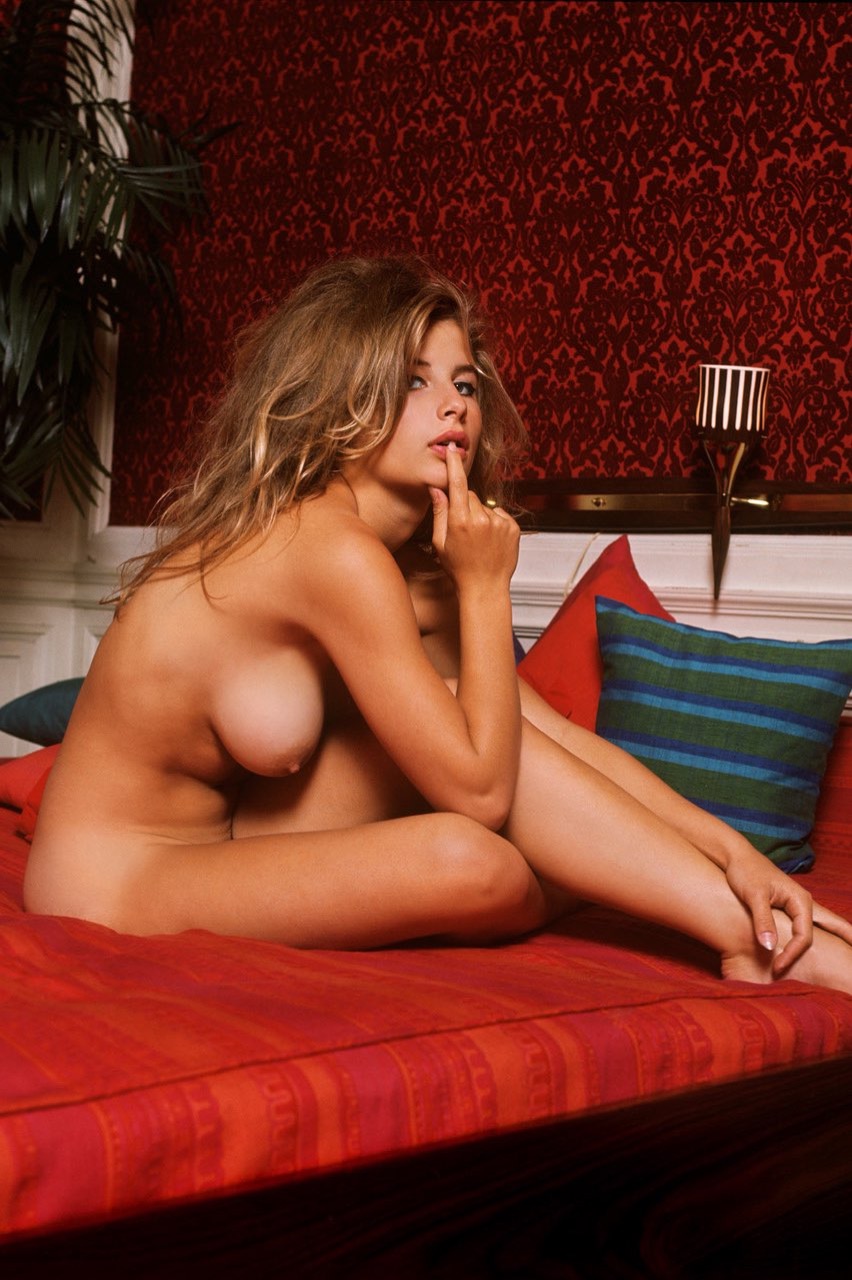
Ballet lessons left their mark long before the camera caught up: Donna Michelle’s early training contributed a poised line and a stage-ready calm that translated easily to glossy portraiture. Photographers took notice, and her centerfold—caught with the sure-handed studio light of Pompeo Posar—folded that discipline into an image that read as classical and quietly modern at once.
She kept a public profile beyond the pages, appearing in short Playboy films and at magazine events that stretched a centerfold into a small, sustained persona for fans and editors alike. Those appearances let her navigate the new medium of promotional work with the same composure she showed in front of the still camera.
A taste for performance carried naturally into screen work. During the 1960s she moved into film and television, taking parts in productions such as Lollipops and Roses and Blood and Lace, where she traded poses for lines and learned the different demands of a moving camera. These credits underscored a willingness to try different professional textures rather than remain fixed to any single label.
Later years found her behind the lens. Turning to photography, she brought a model’s hard-won sense of framing, light and gesture to her own images, treating composition as a continuation rather than a departure. Her personal life intersected quietly with the creative world—she was married to sound engineer and artist David M. Ronne—and, by every account, preferred to let work and images speak in place of publicity. That steady arc—from ballet barre to centerfold, from screen to the photographer’s darkroom—left her with a practiced eye that informed both how she was seen and how she chose to see.