Naomi Campbell Bio
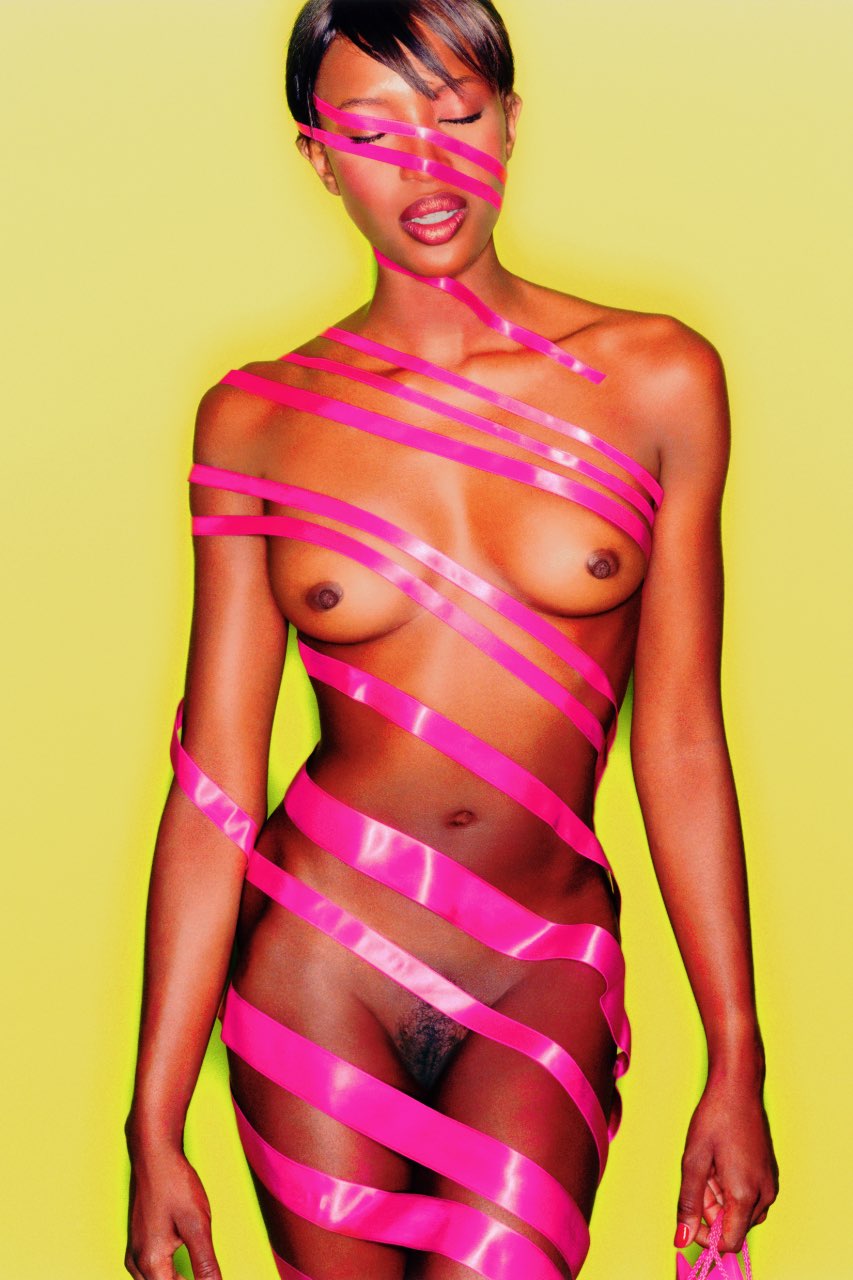
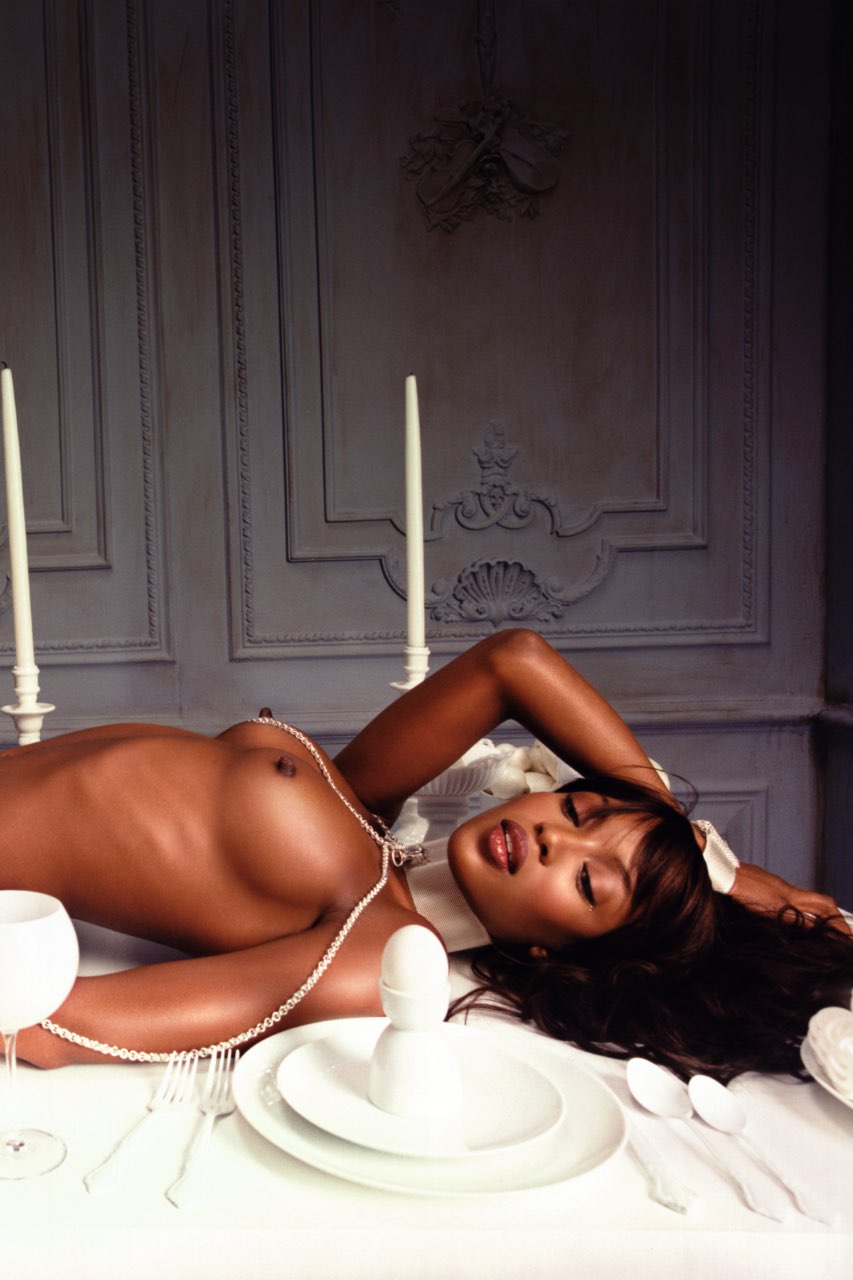
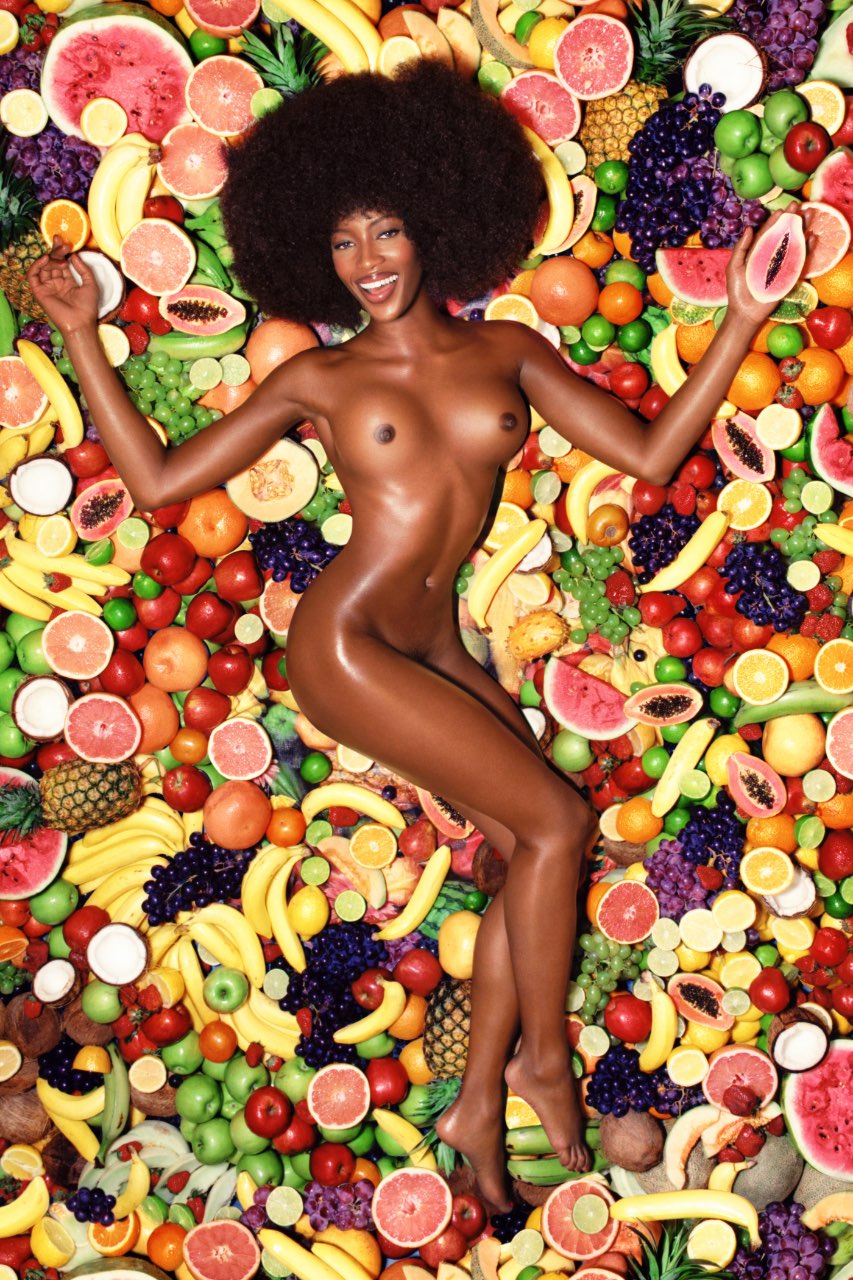
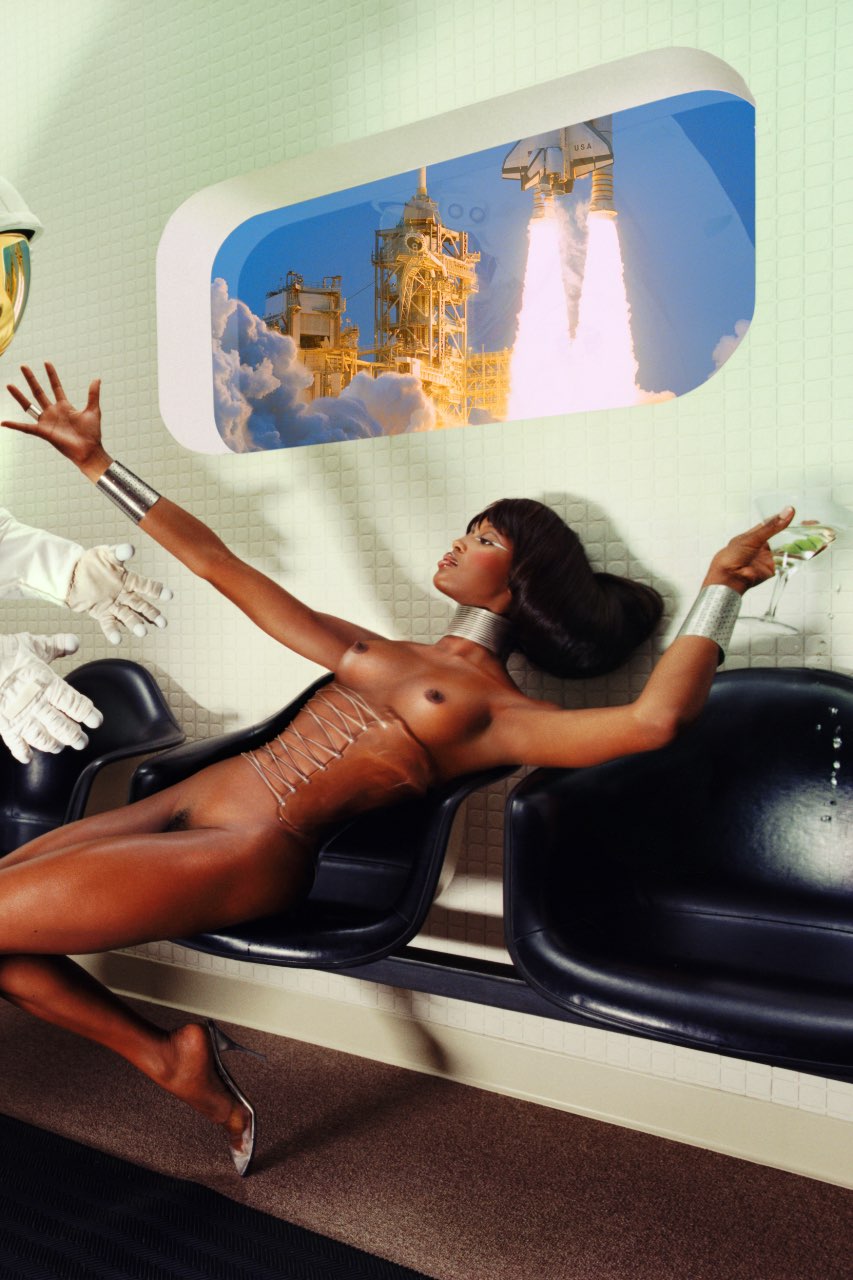
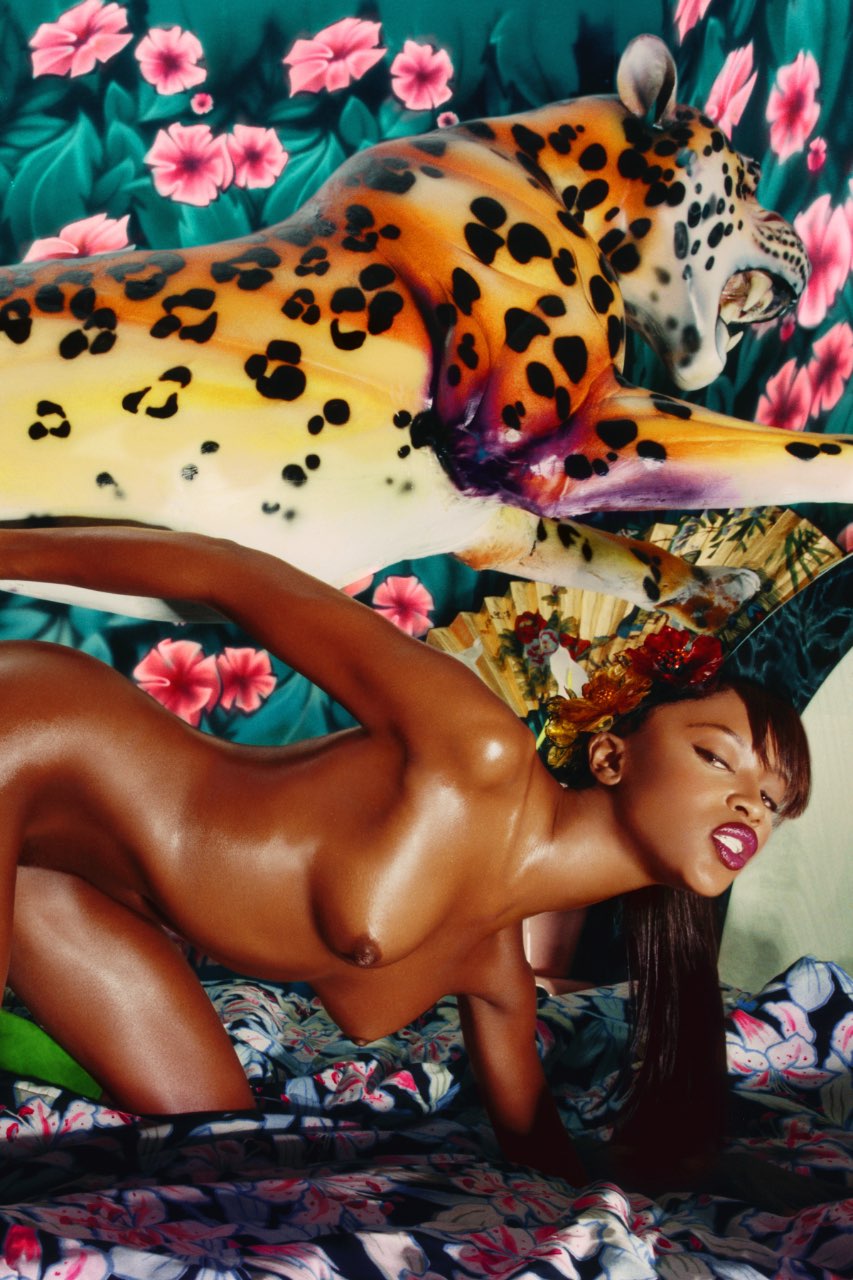
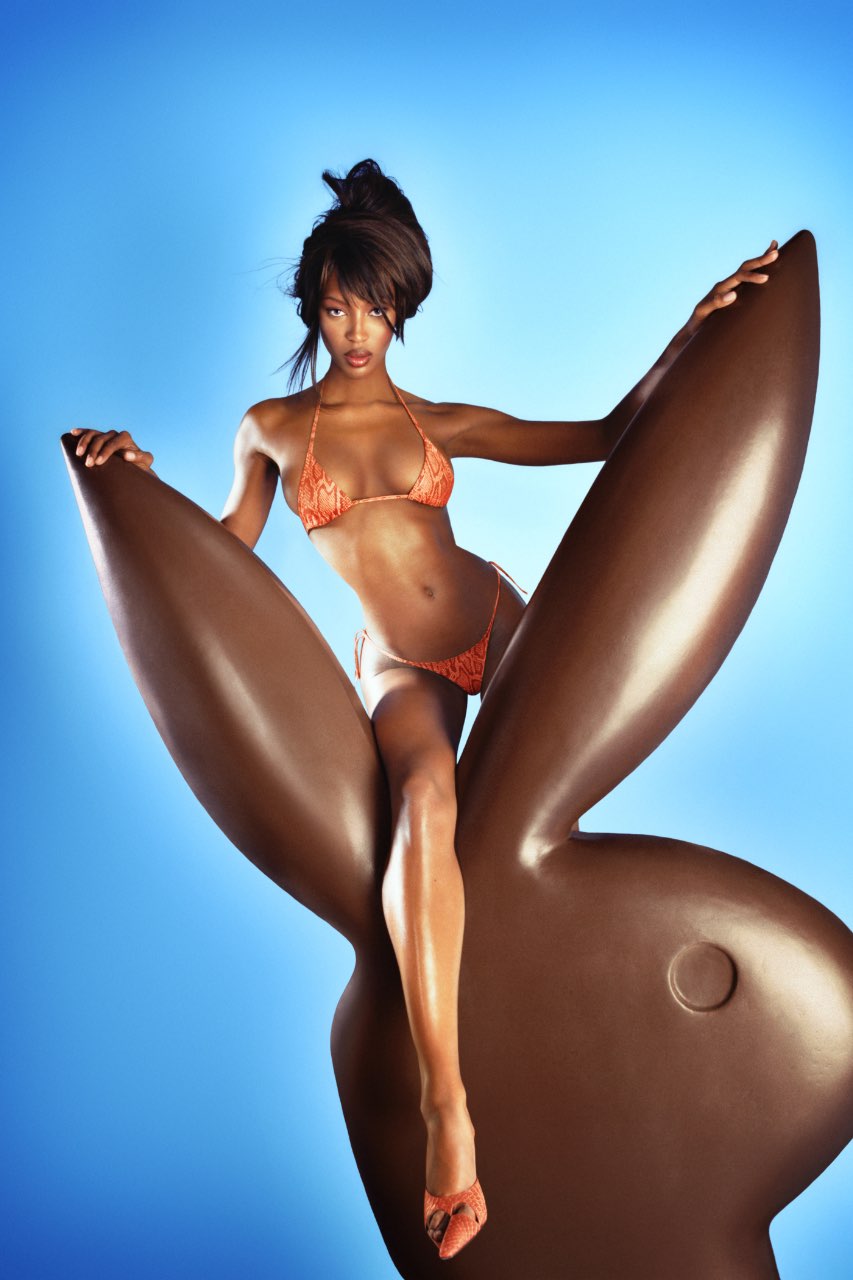
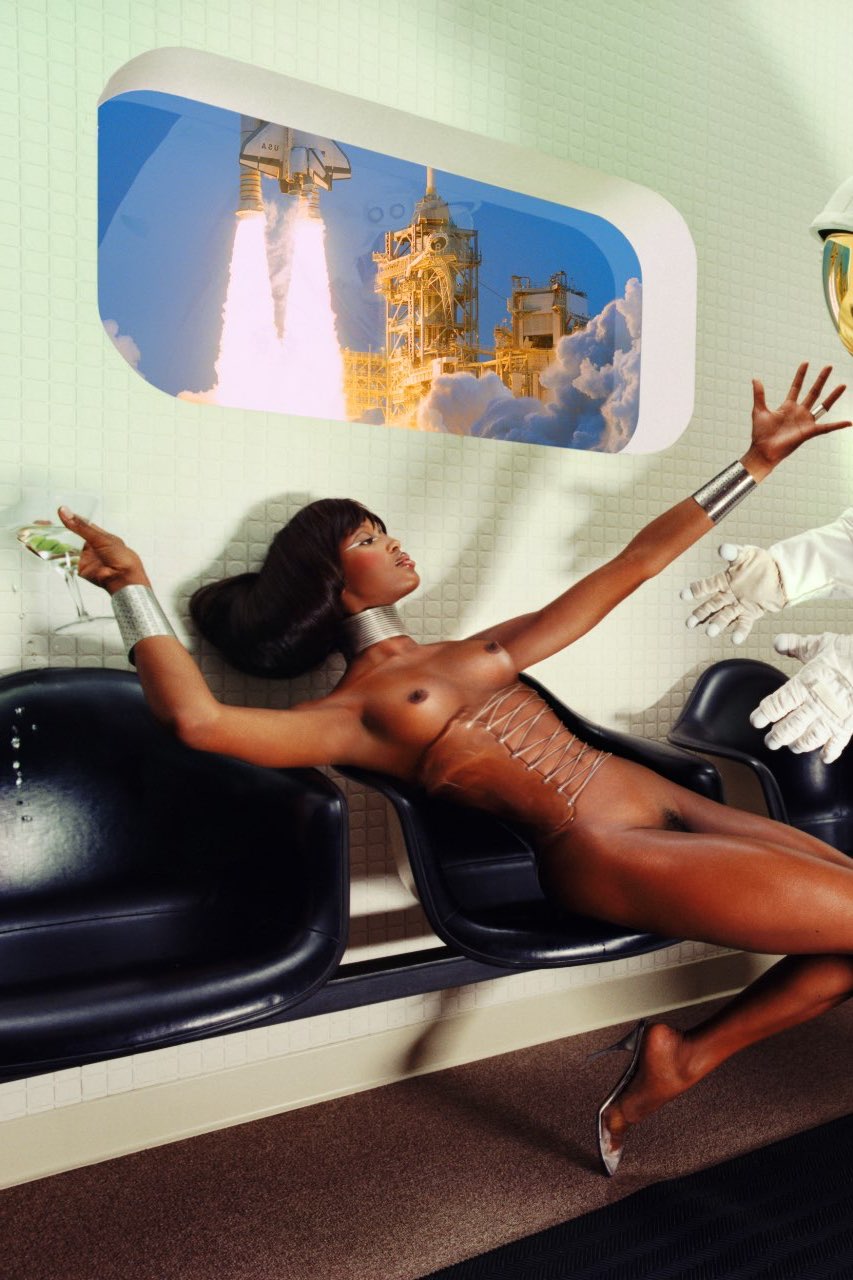
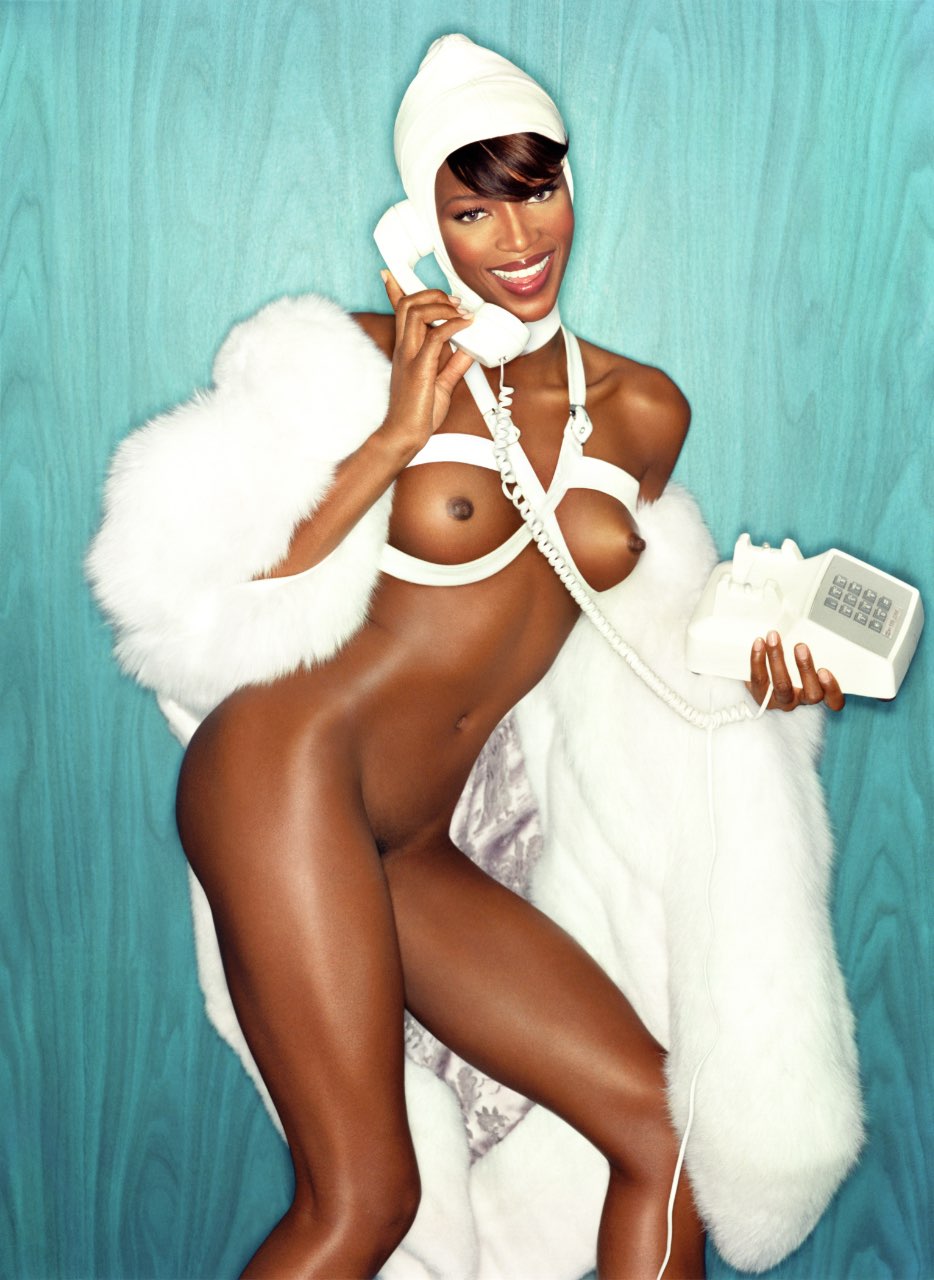
Naomi Campbell is a British Supermodel, actress, singer, and businesswoman. Born Naomi Elaine Campbell on May 22, 1970, in London, United Kingdom, she has also been credited as Black Panther. She appeared in Playboy in December 1999 at 29, adding the feature to her public career. Her appearance came during Playboy's 1990s print era, a period increasingly shaped by entertainment and celebrity culture.
Campbell has natural breasts, brown eyes and brown hair. Her measurements are 34-24-34.
Naomi Campbell brings a lethal, runway-cut glamour to the frame — tall, controlled, and charged with the kind of presence that made fashion history feel like theater. She was never simply a model in beautiful clothes. She was movement, attitude, architecture, and fire; a woman who could turn a walk into a declaration and a photograph into an event. Her beauty had polish, but her real power was command.
Born in London, Campbell began her modeling career at 15 and quickly rose into the rarest rank of fashion celebrity. By the late 1980s and 1990s, she had become one of the defining supermodels of her generation, part of the small circle of women whose names carried beyond magazines and runways into global pop culture. Alongside figures like Cindy Crawford, Christy Turlington, Linda Evangelista, Claudia Schiffer, and Kate Moss, Naomi helped turn modeling itself into stardom.
Her career has stretched across more than four decades, with major runway work, countless editorial appearances, and collaborations with the world’s leading designers and photographers. She became one of the first Black models to reach that level of international fashion dominance, breaking barriers while also exposing the industry’s long-running problems with race, access, and representation. Naomi’s glamour was never passive; it came with politics, pressure, and the hard authority of a woman who knew she had earned her place.
Beyond modeling, Naomi Campbell moved into music, television, film, publishing, and business. In 1994, she released the R&B-influenced studio album Babywoman, and she later appeared in film and television projects while also becoming a mentor and judge on The Face and its international versions. Her image was always too large to stay in one category. She belonged to fashion, but she also belonged to celebrity culture, music-video culture, red carpets, and the mythology of the supermodel era.
What makes Naomi especially powerful is that she changed the temperature of every room she entered. On the runway, she brought rhythm and danger. In photographs, she brought sculptural stillness. In public life, she brought glamour with an edge sharp enough to cut through politeness. She was not the soft fantasy of fashion; she was its high-voltage center, the woman designers wanted because she could make fabric look like destiny.
Naomi Campbell remains one of the few models whose name became a brand before branding became the whole game. Her allure is not only in her face, body, or walk, but in the force behind them — the discipline, the defiance, the survival, and the refusal to be made small. She is a supermodel in the original, dangerous sense of the word: not just photographed, but remembered.