Eva Ionesco Bio
Eva Ionesco is a French Actress, filmmaker, and model. She was born on July 18, 1965, in Paris, France. She appeared in Playboy in October 1976, adding the feature to her public career. Her appearance came during Playboy's 1970s print era, when the magazine reached the height of its mass-market influence.
Ionesco has natural breasts, green eyes and brown hair. Her measurements are 33-26-35.
Eva Ionesco occupies one of the most troubling and complicated chapters in the history of European glamour photography. The daughter of photographer Irina Ionesco, she became internationally visible while still a child, appearing in highly stylised images created and circulated by adults around her. What was once presented by sections of the 1970s art and publishing worlds as provocation or avant-garde expression is now more appropriately examined through questions of childhood autonomy, parental responsibility and the lasting consequences of commercial exposure.
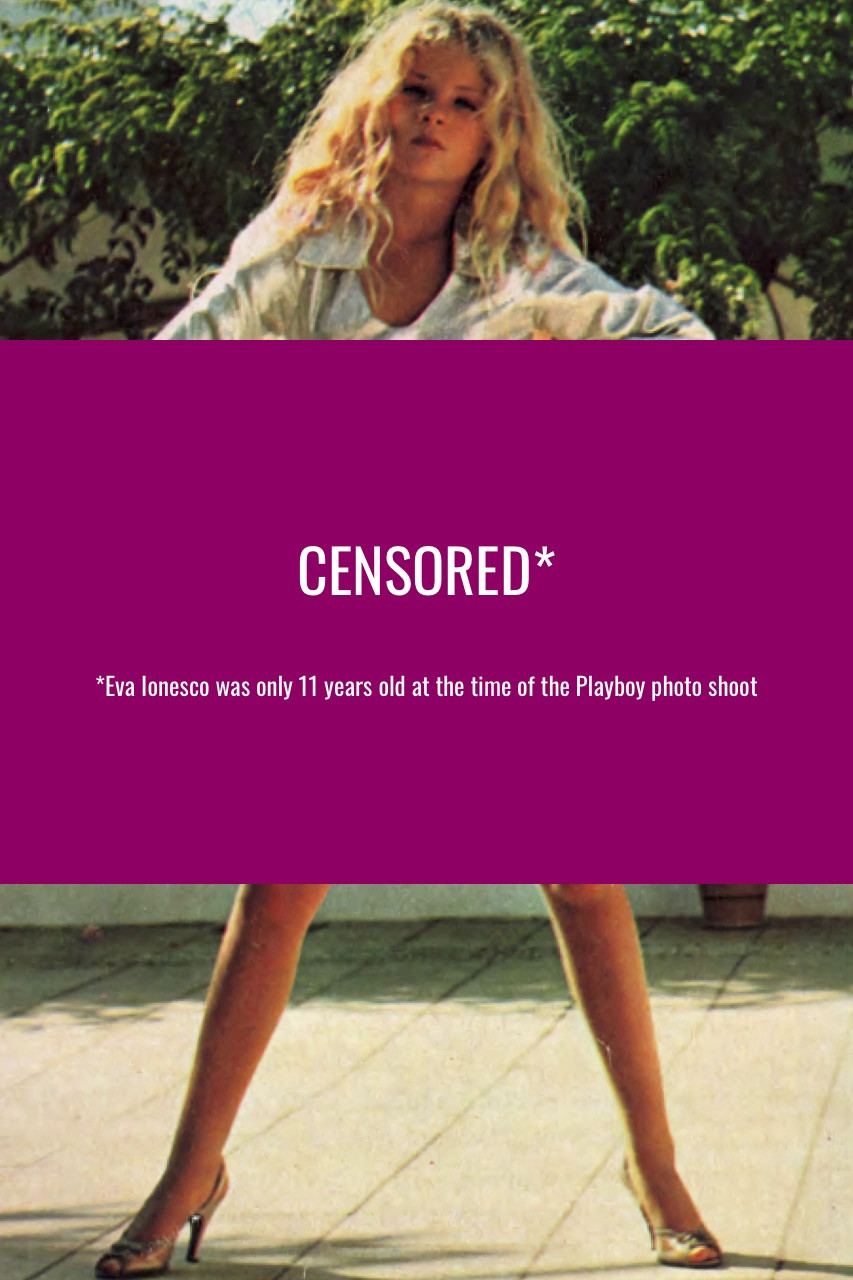
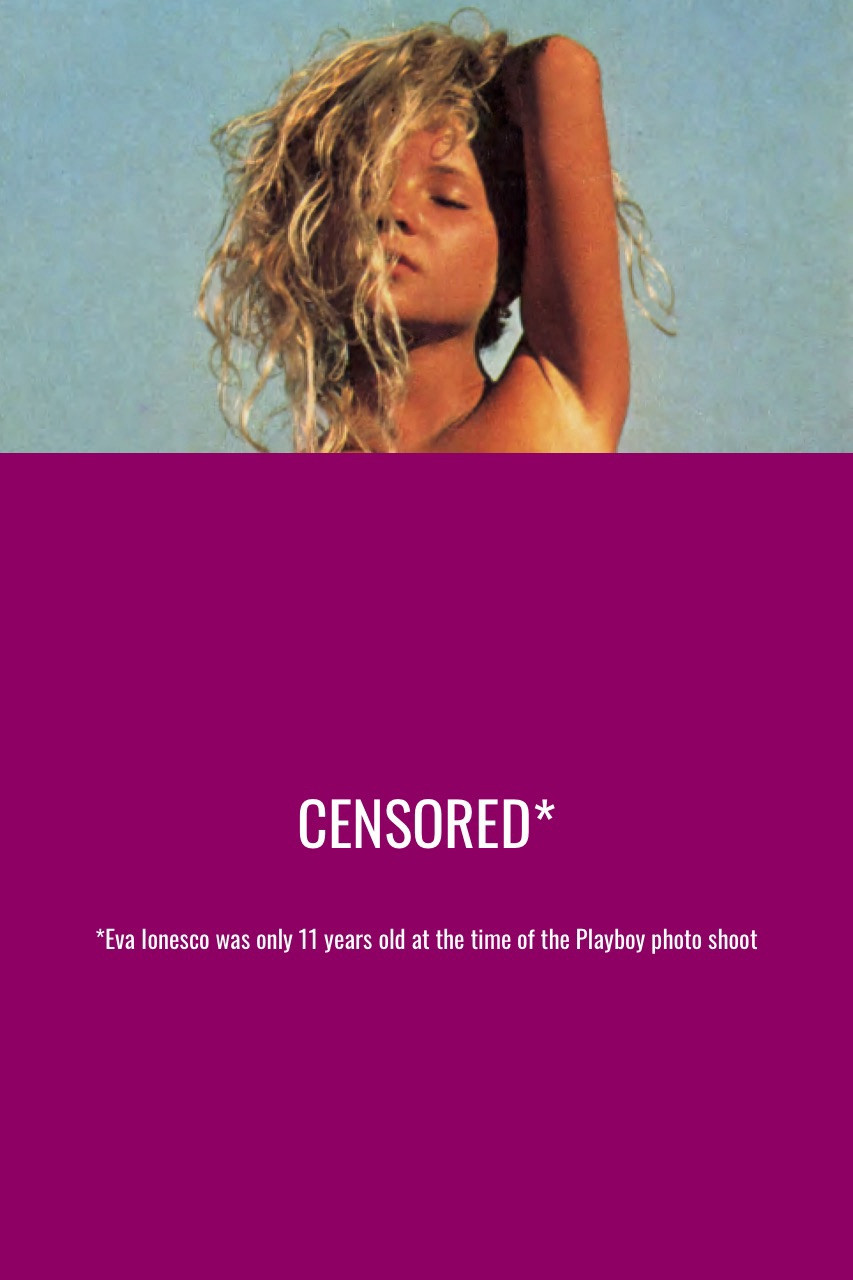
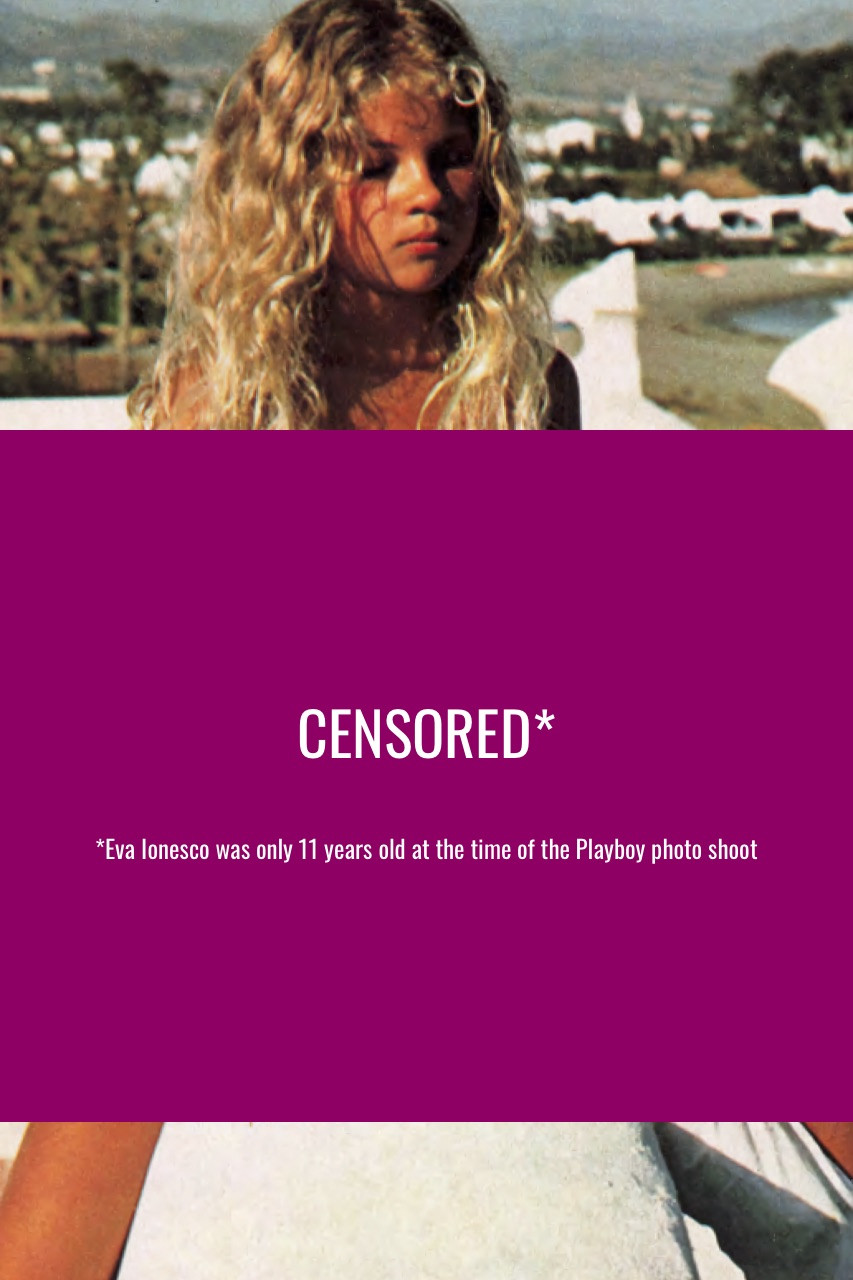
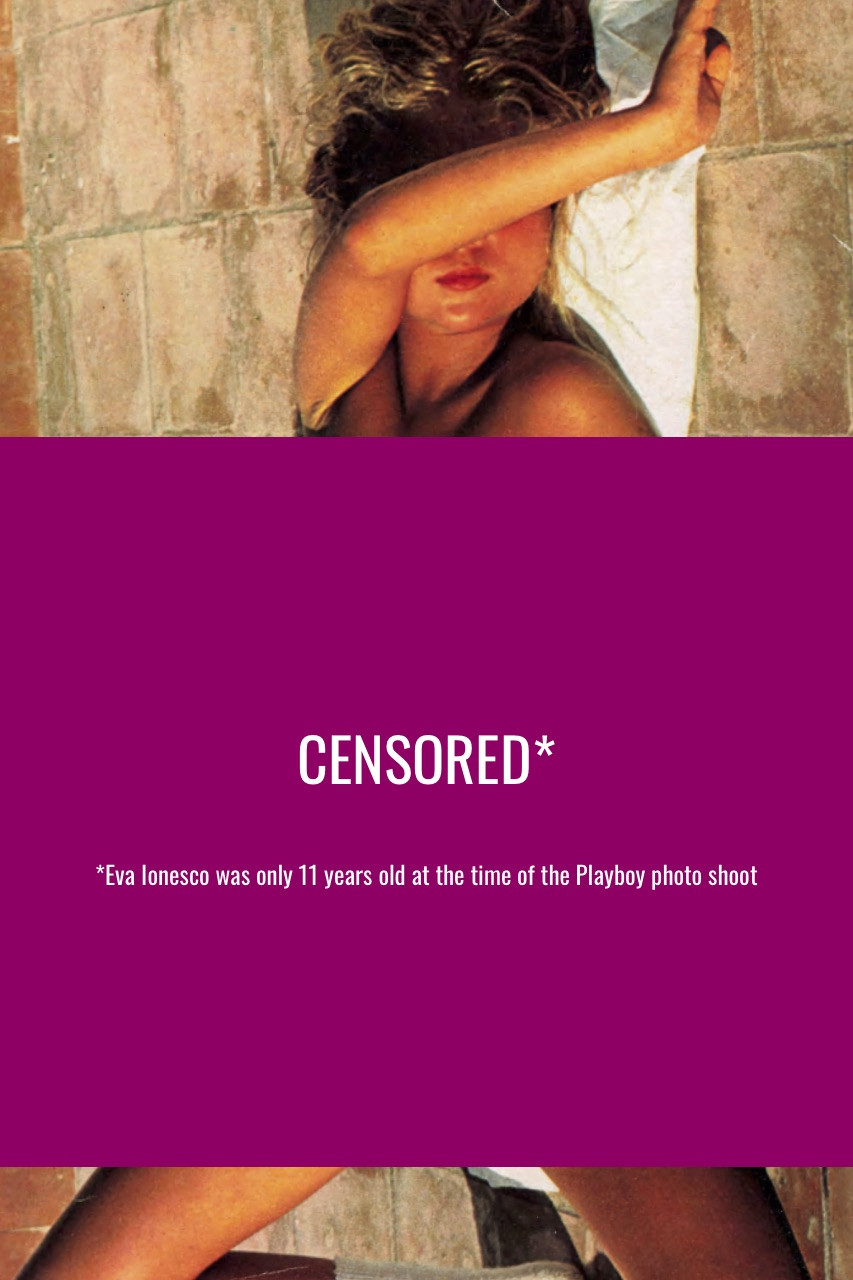
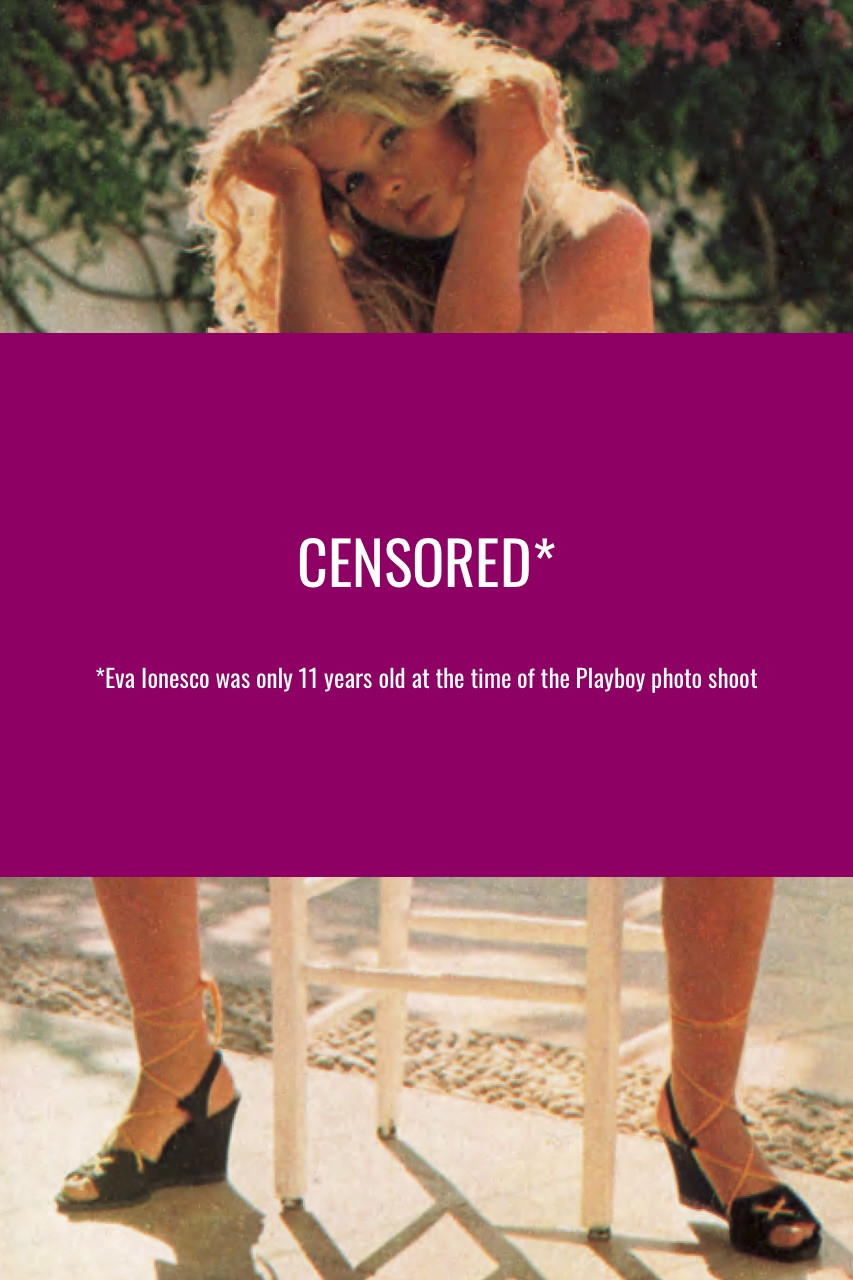
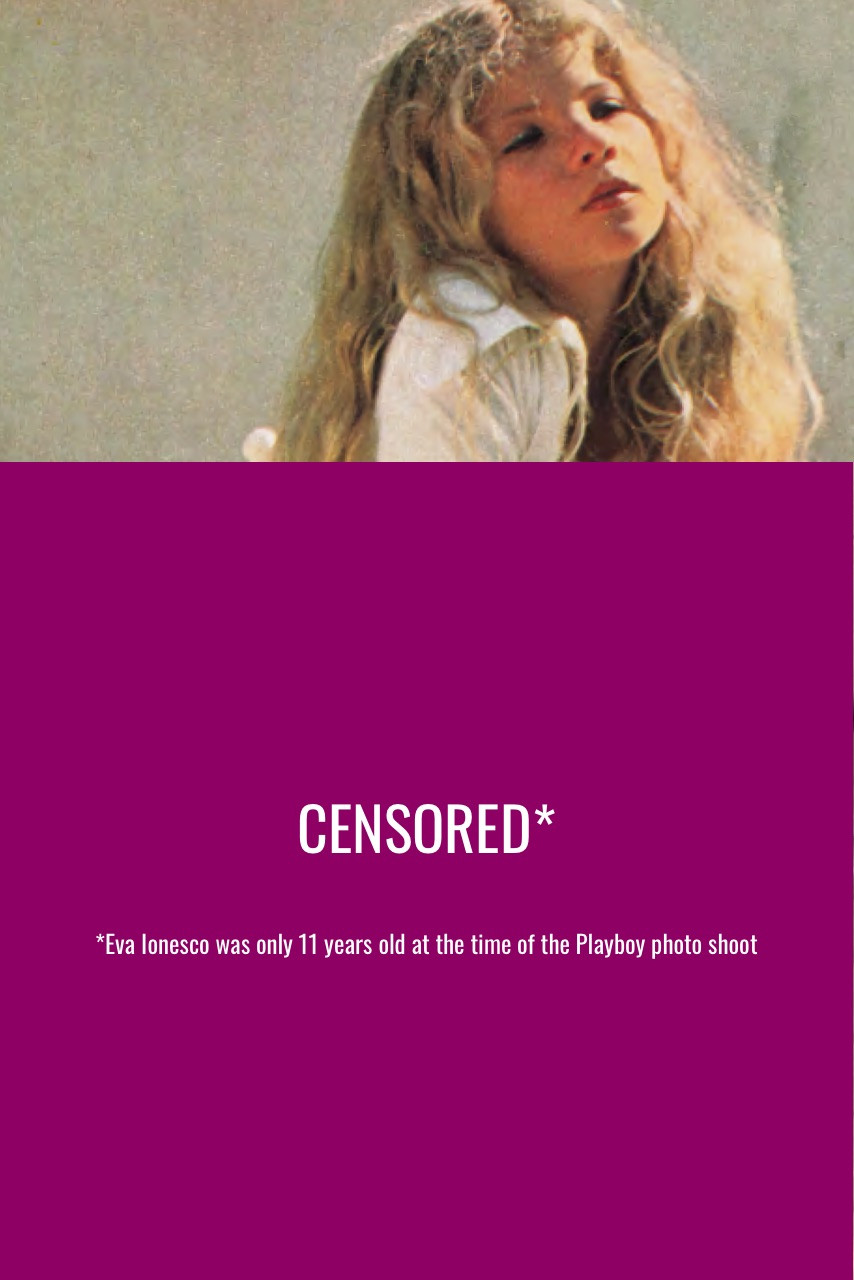
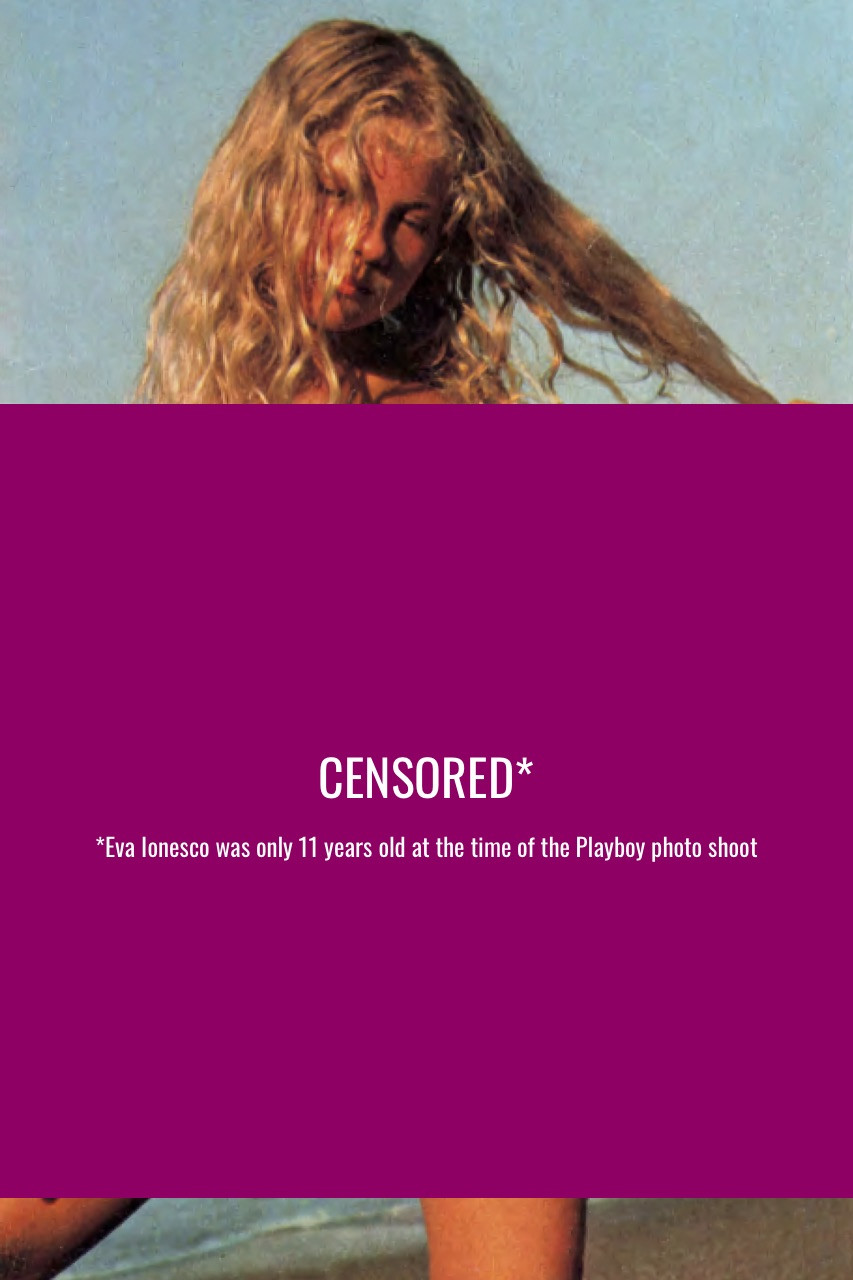
Her connection to Playboy began in October 1976, when the Italian edition published photographs of the eleven-year-old Ionesco taken by Jacques Bourboulon. The beach-set feature made her the youngest person known to have appeared in such a pictorial in a Playboy-branded publication. That distinction should not be treated as an achievement. It remains a disturbing example of how the era’s appetite for transgression could override the boundaries that should protect a child from sexualised presentation and permanent public scrutiny.
Further photographs appeared in the Spanish edition of Penthouse in November 1978, selected from work produced by her mother. Her childhood image also reached mainstream European media, including a controversial Der Spiegel cover. These appearances transformed Ionesco into an unwilling symbol of an artistic culture that often confused provocation with freedom. The decisions were made by adults, publishers and photographers, while the consequences remained attached to her name long after the original magazines had left newsstands.
Ionesco later built an adult career as an actress and filmmaker, gradually reclaiming the right to interpret her own history. Rather than allowing the childhood photographs to remain an unexplained visual archive, she spoke publicly about their emotional cost and the complicated relationship with her mother that surrounded them. She also stated that elements of her early life influenced the world depicted in Louis Malle’s Pretty Baby, although that claim remains part of her personal account rather than an uncontested production history.
Eva Ionesco’s story demands a different editorial lens from the celebratory glamour profiles usually associated with Playboy. It is not primarily a tale of precocious fame, but of control: who possessed it, who lacked it and how a woman later attempted to recover authorship over an identity created before she could meaningfully consent. Her place in magazine history is undeniable, but its value lies in confronting the failures of that history honestly—not in preserving the fantasy that produced them.