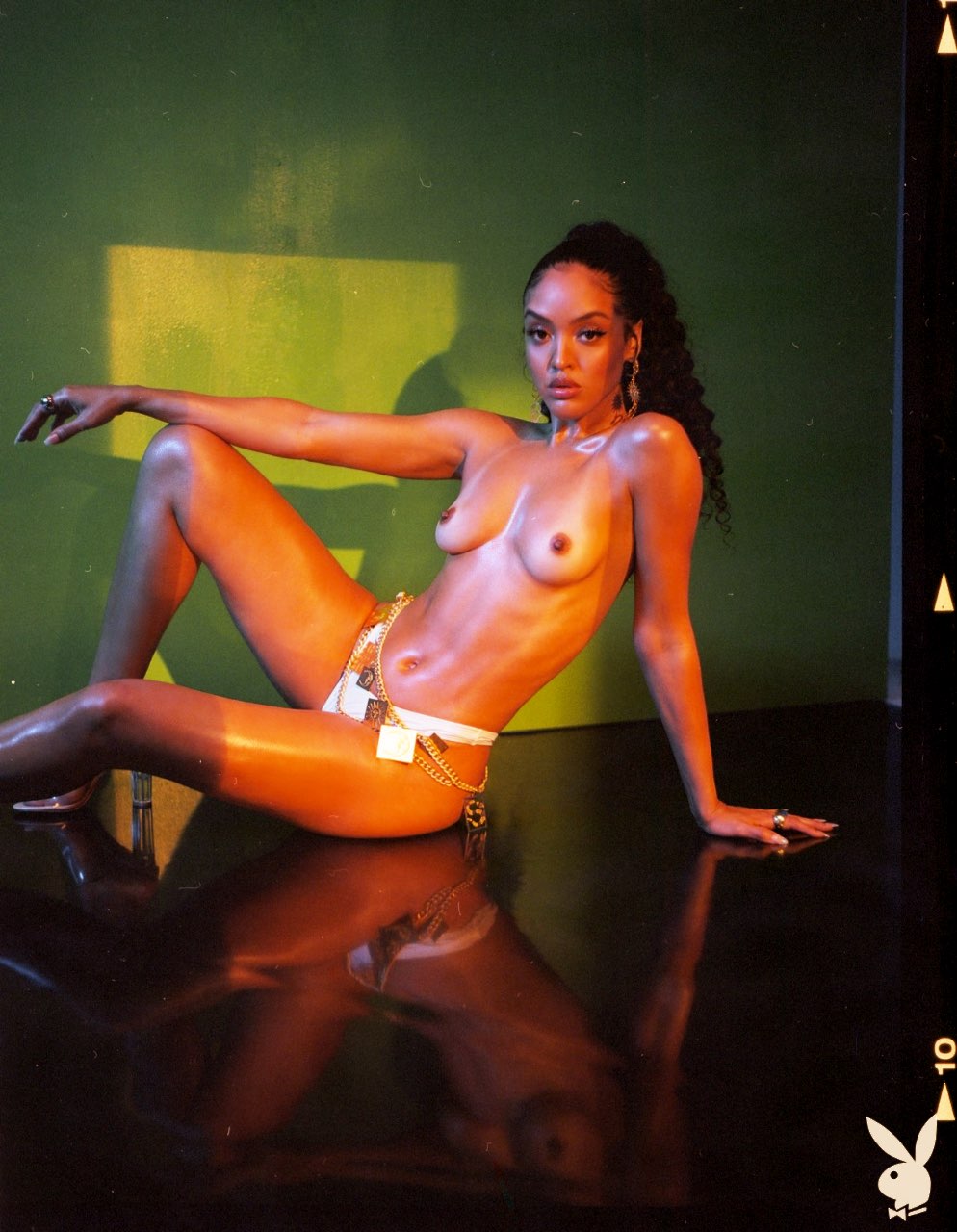
Izabela Guedes Bio 
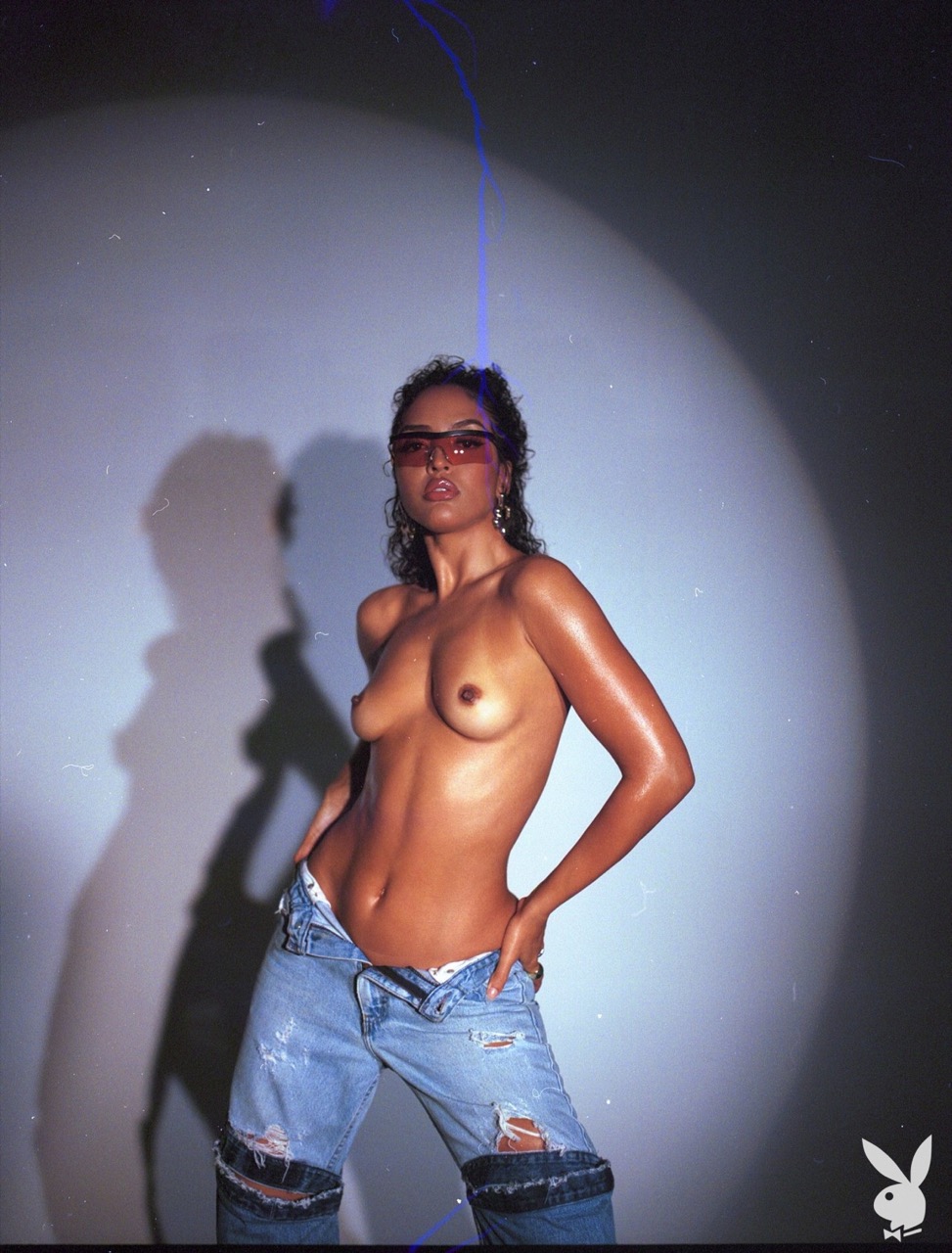
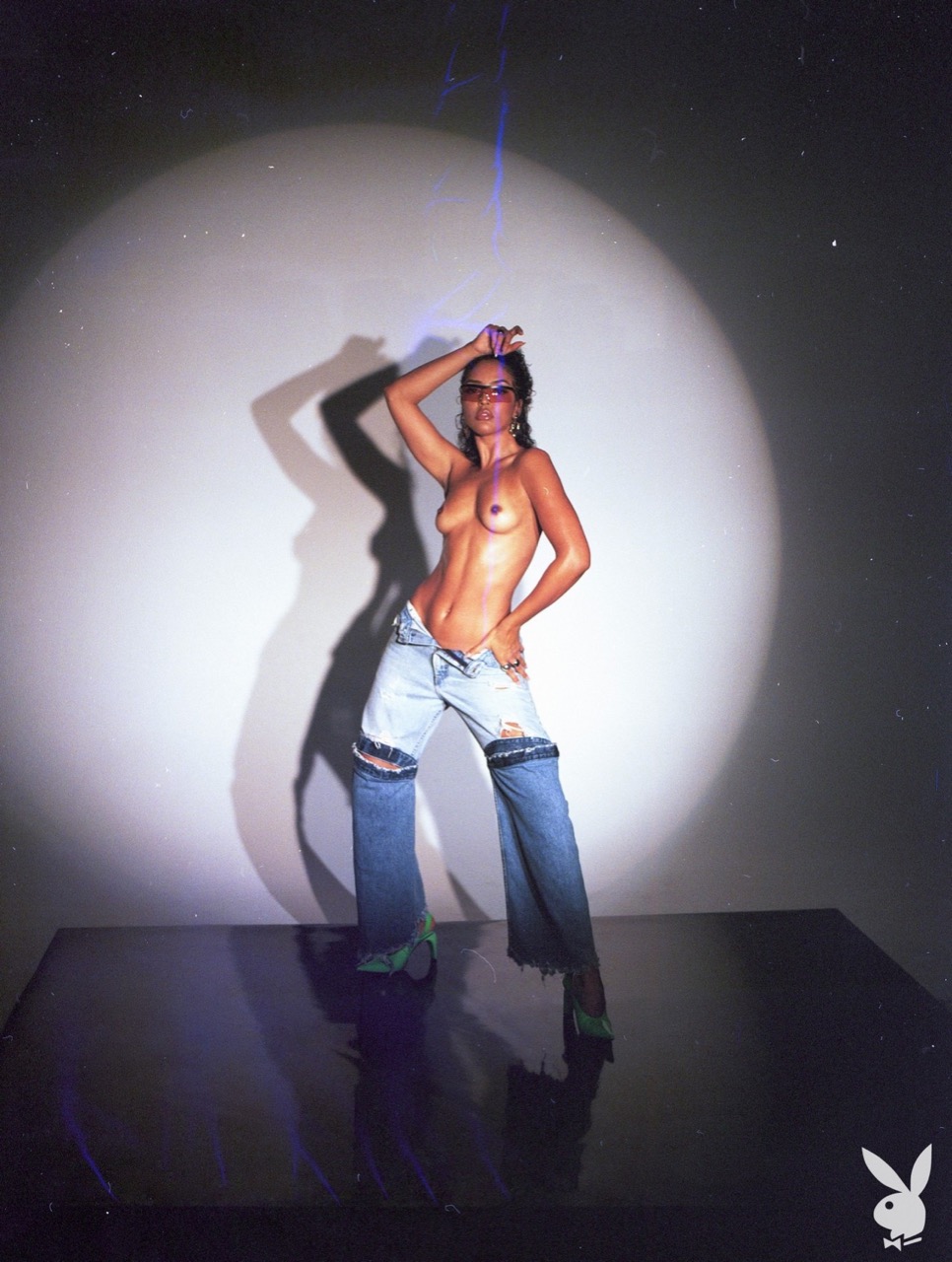
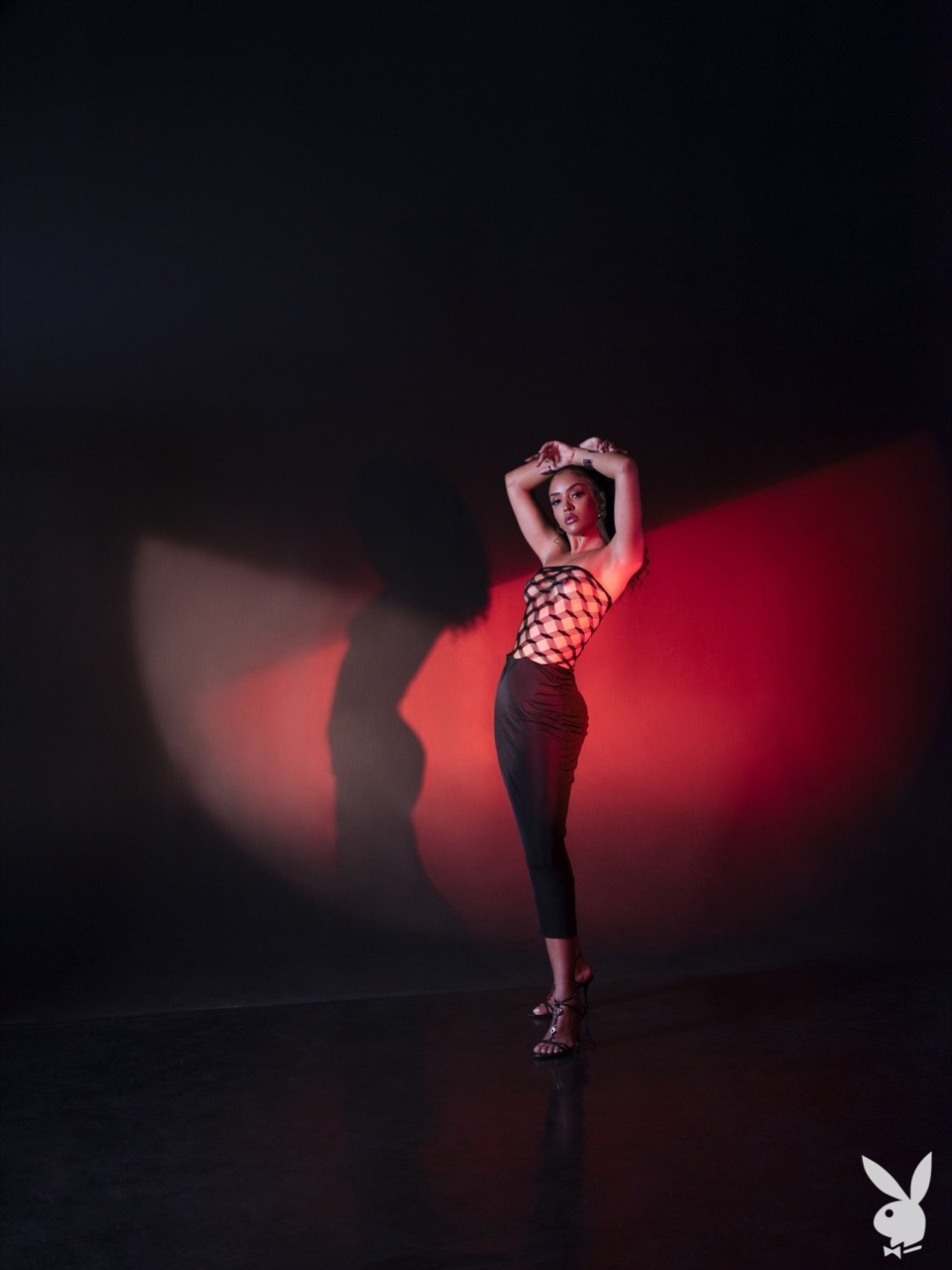
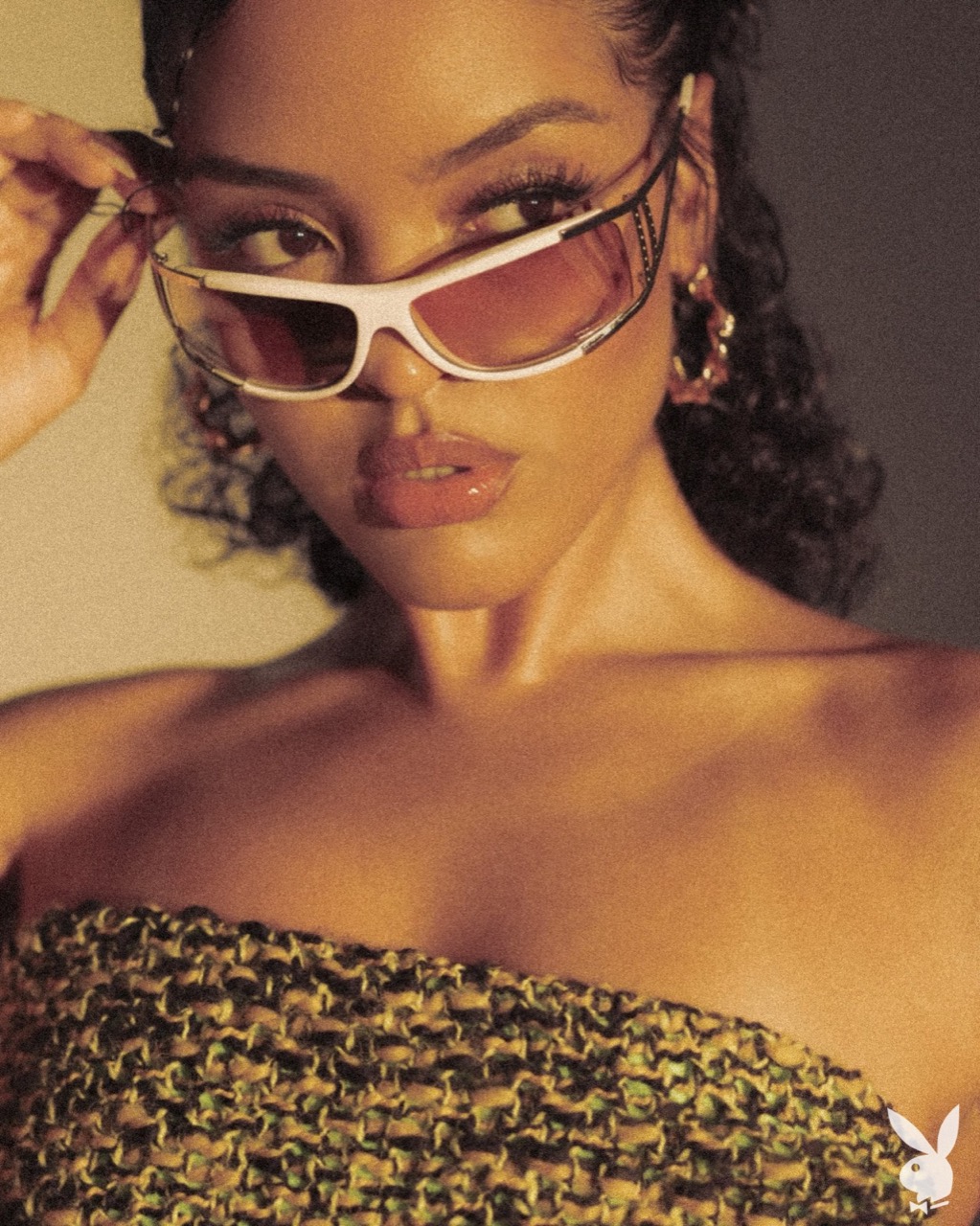
Izabela Guedes is a Brazilian glamour model, actress, social media influencer, and makeup artist. She was born on December 4, 1989, in Fortaleza, Brazil. Playboy named her its January 2021 Playmate at 31. Her appearance came during Playboy's contemporary era of international and digital publishing.
Guedes has natural breasts, brown eyes and black hair. Her measurements are 33-25-39.
Izabela Guedes arrived at Playboy with considerably more going on than a modeling career. Her screen credits include Tommy Brilho and Areia Negra, while her other pursuits have ranged across DJing, writing, business and swimwear design. She has resisted the idea that one profession should define her, describing an appetite for trying different things and giving each of them serious attention. At the time of her Playboy feature, she was continuing to model while developing her swimwear line, practicing as a DJ and working on writing and producing a television show.
That breadth makes more sense against the background she shared with Playboy. Guedes described herself as Afro-Brazilian and recalled growing up in the Brazilian countryside, where her mother raised her as a single parent while working as a teacher. She has spoken openly about ambition, saying that when she commits to a hobby or professional project, she wants to excel at it. Her outlook is expansive rather than narrowly specialized: where others might advise concentrating on one path, she prefers to explore the possibilities available to her.
Her comments about character are equally revealing. Guedes has expressed admiration for open-minded people, good hearts and creative ambition, connecting desire with the willingness to work for what one wants. Family also occupies an important place in her idea of happiness. Alongside career plans and creative projects, she has spoken warmly about the people closest to her and even singled out coxinha, the familiar Brazilian favorite, among the simpler pleasures she enjoys.
Playboy itself was not an unfamiliar institution to her. Guedes said the brand had long carried considerable cultural weight in Brazil, and she had followed it for years before becoming part of its pages. She was also conscious of the history behind nude modeling, looking back to the women who posed for Playboy in the 1950s and recognizing how unusual—and socially daring—that decision could be. Her own feature added another distinction: Playboy introduced her as its first-ever quarterly Playmate.
Guedes’ Playboy appearance therefore sits comfortably inside a life already divided among several creative and professional interests. Acting connects her to Brazilian entertainment; DJing and television development point toward other forms of expression; her swimwear work brings design and business into the picture. Playboy supplied an international platform, but it did not have to invent a persona for her. The more interesting portrait was already there in the variety of things she was trying to build.