Debbie Harry Bio
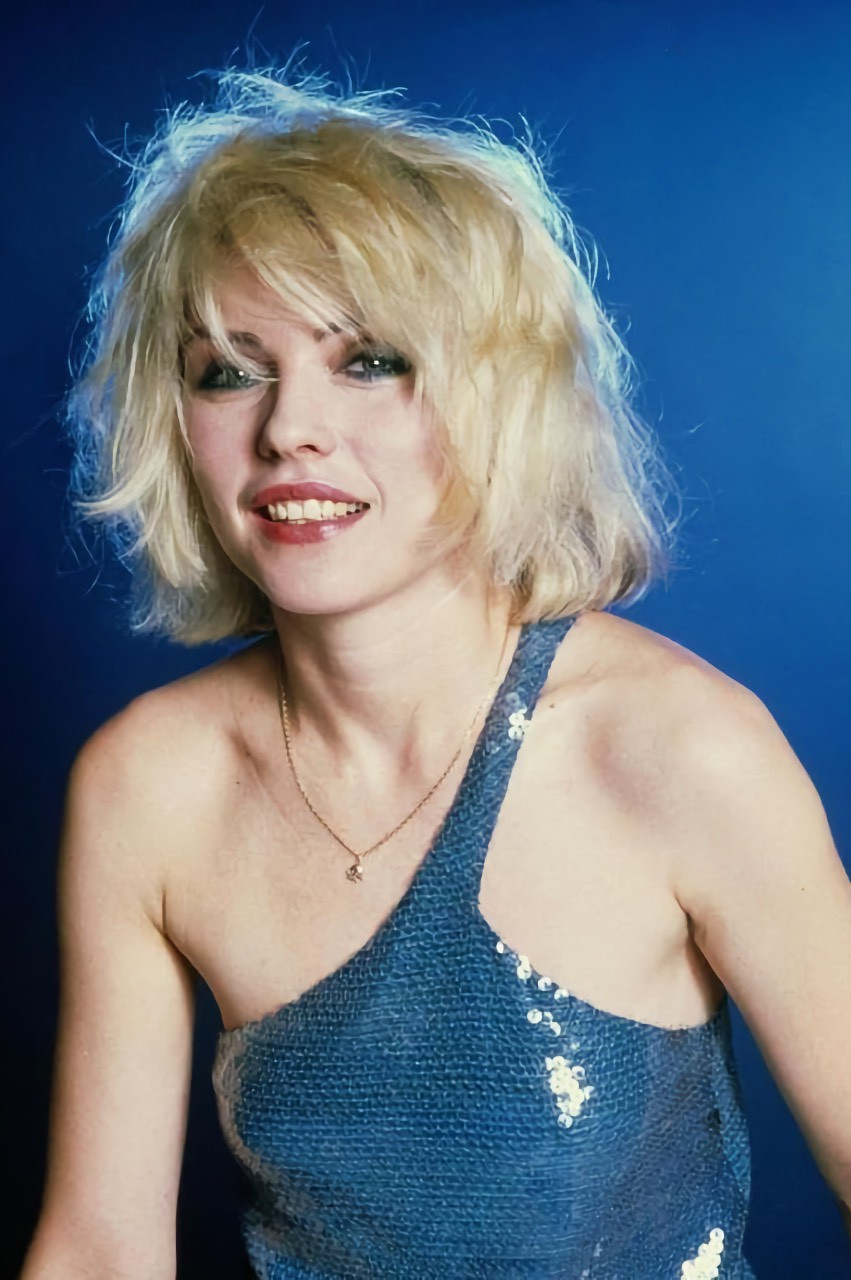
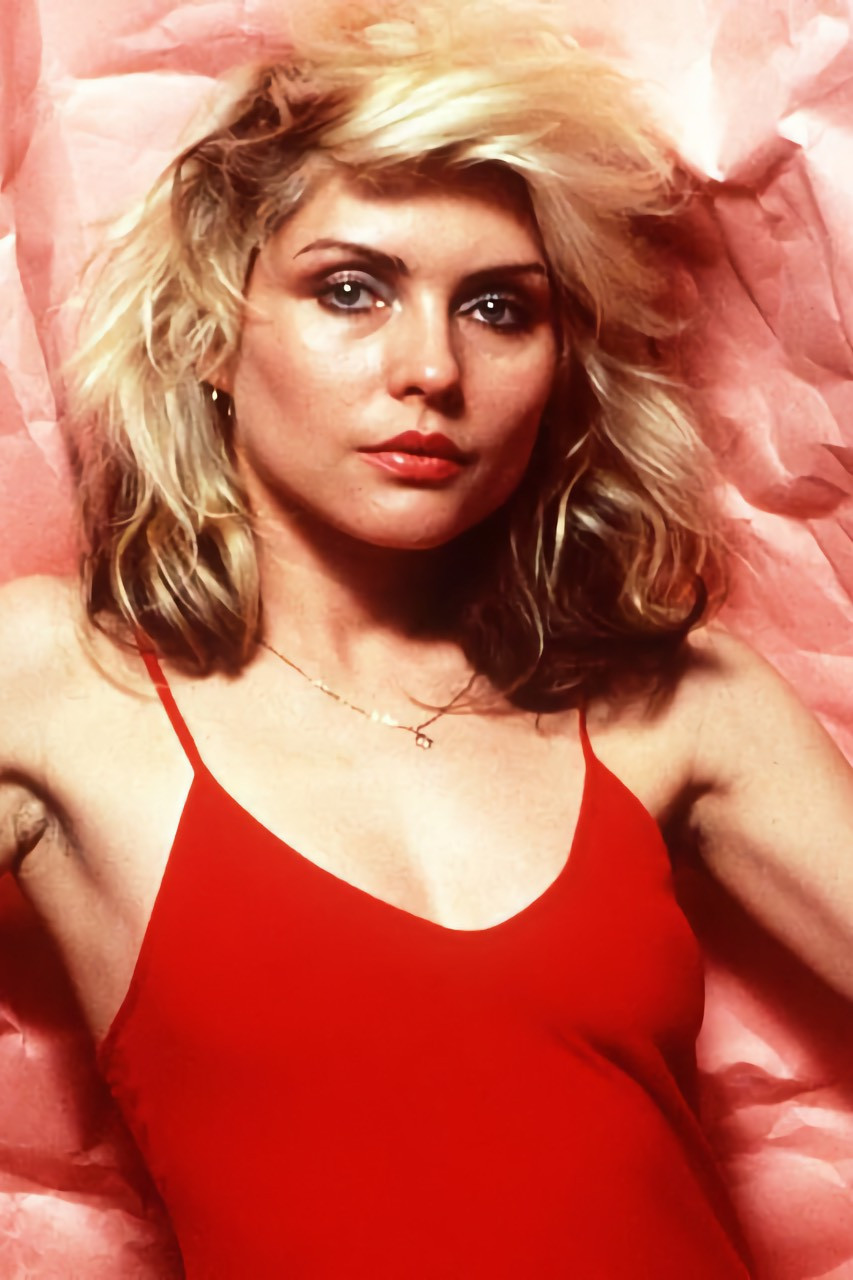
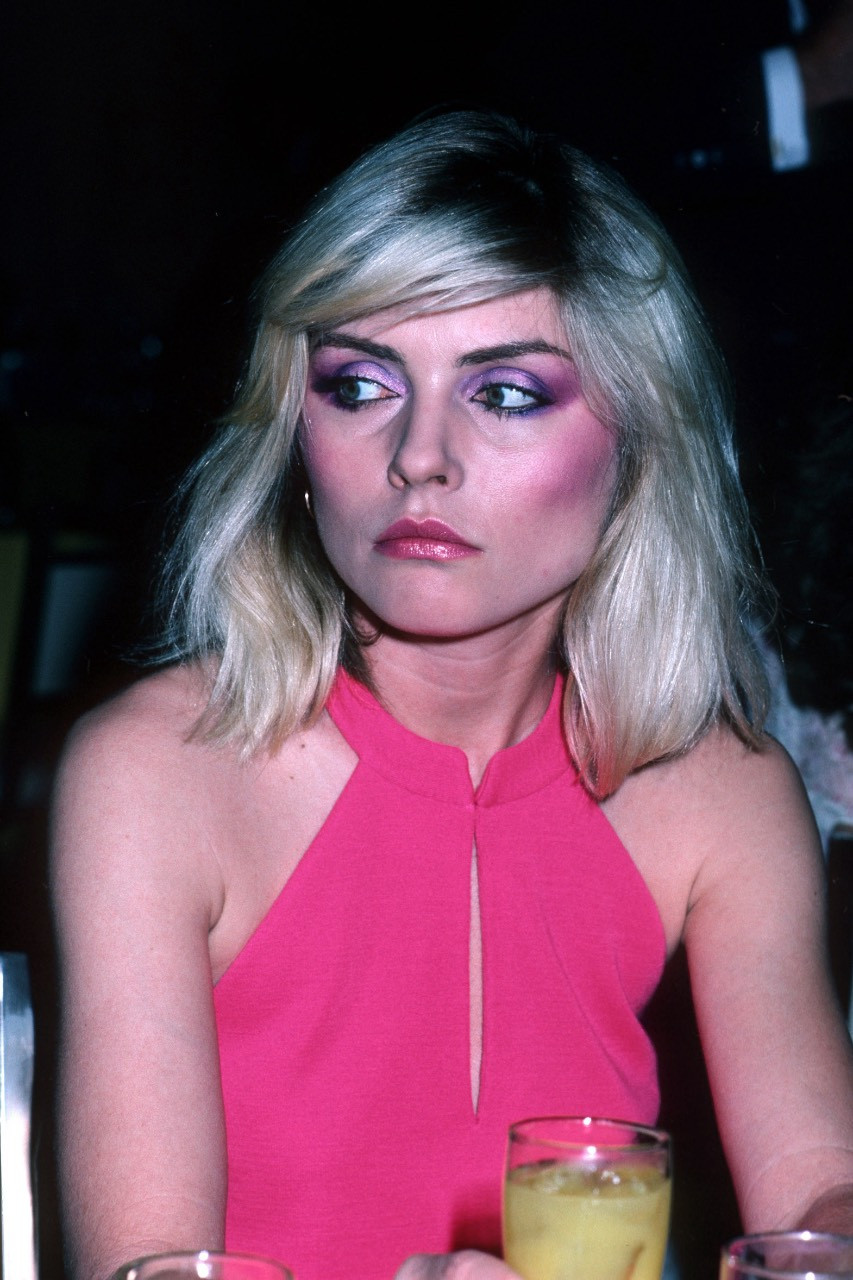
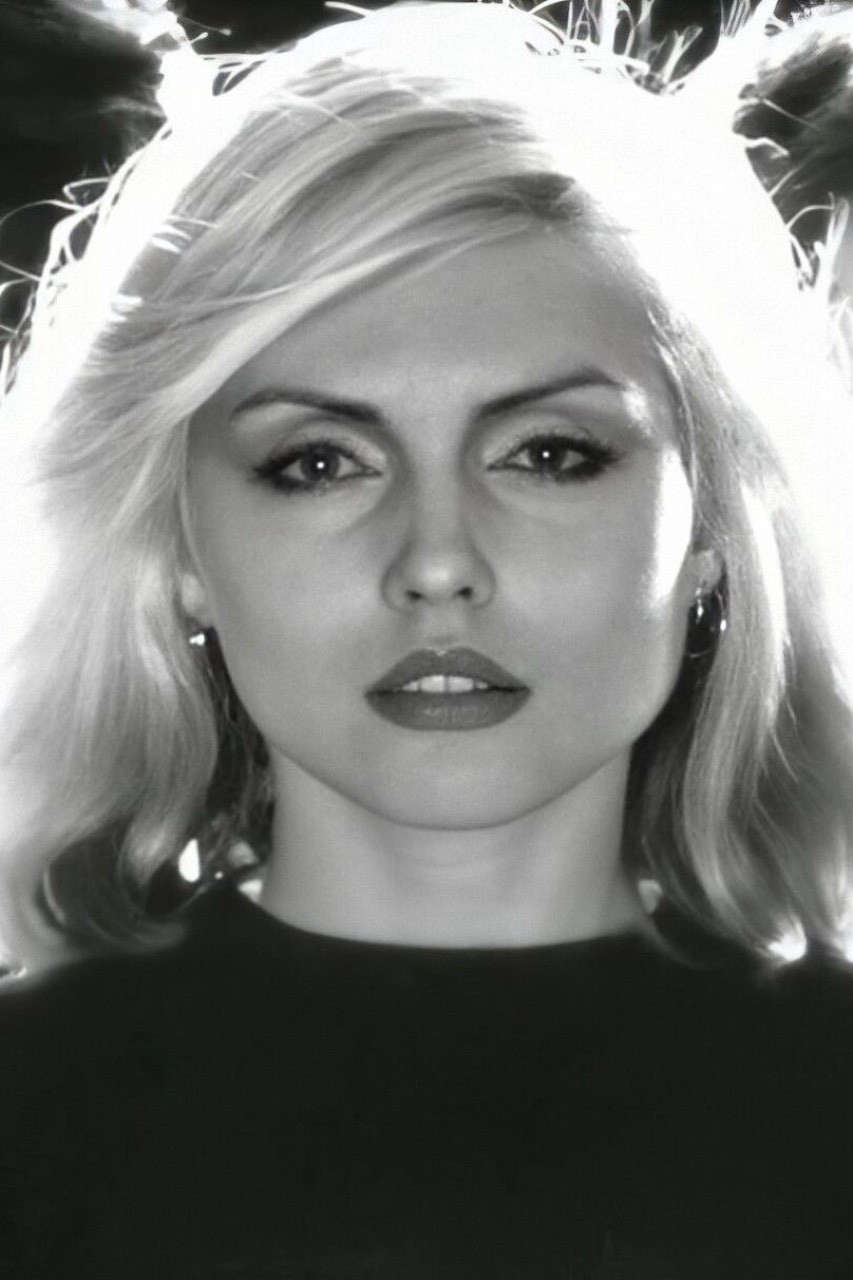
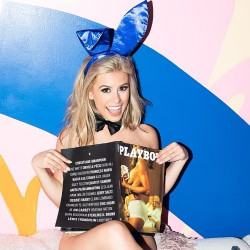
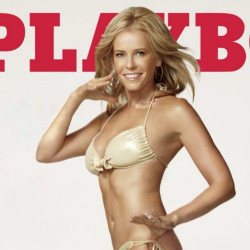
Debbie Harry is an American Playboy Bunny, model, actress, and musician. Born Angela Trimble on July 1, 1945, in Miami, Florida, she has also been credited as Deborah Ann Harry and Deborah Harry. She appeared in Playboy in December 1980 at 35, adding the feature to her public career. Her appearance came during Playboy's polished, high-production 1980s period.
Harry has natural breasts, green eyes and brown hair. Her measurements are 34-24-35.
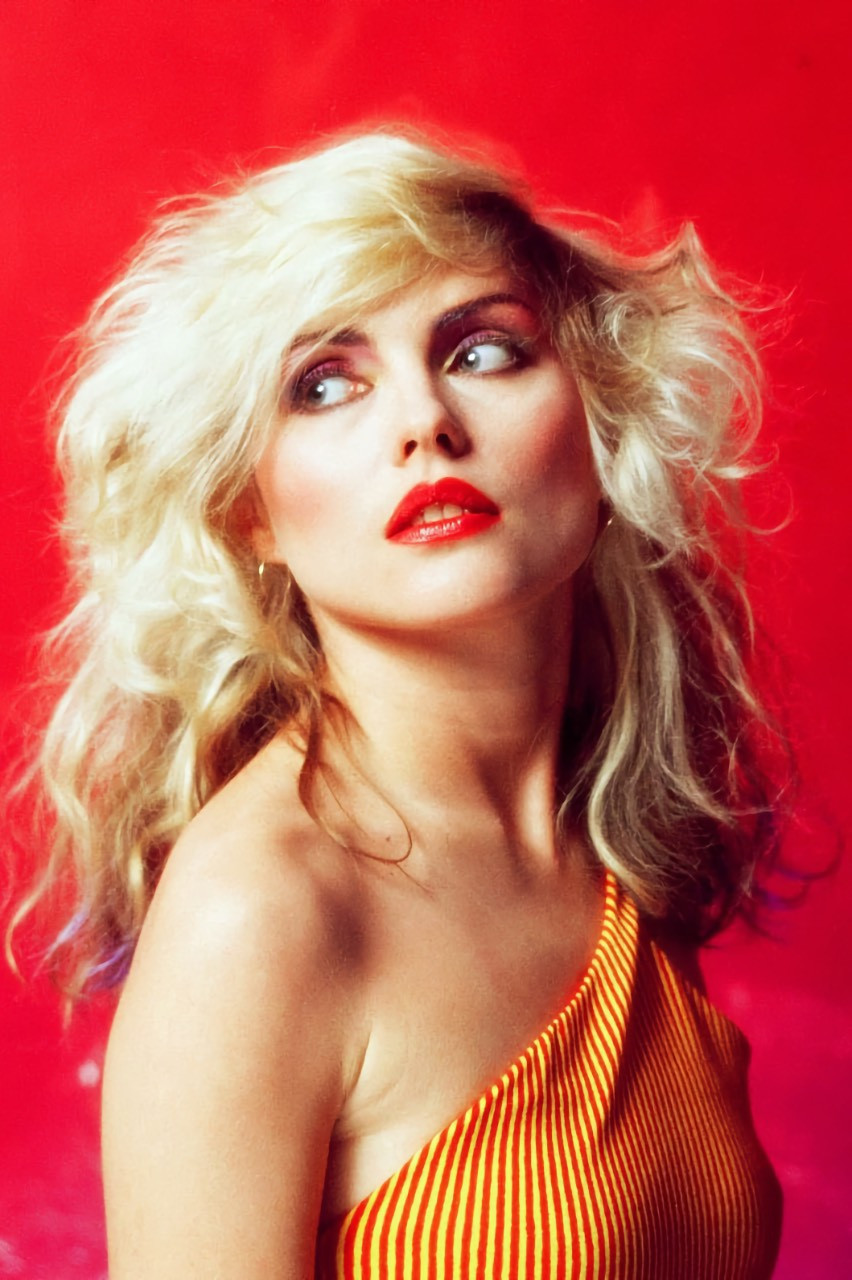
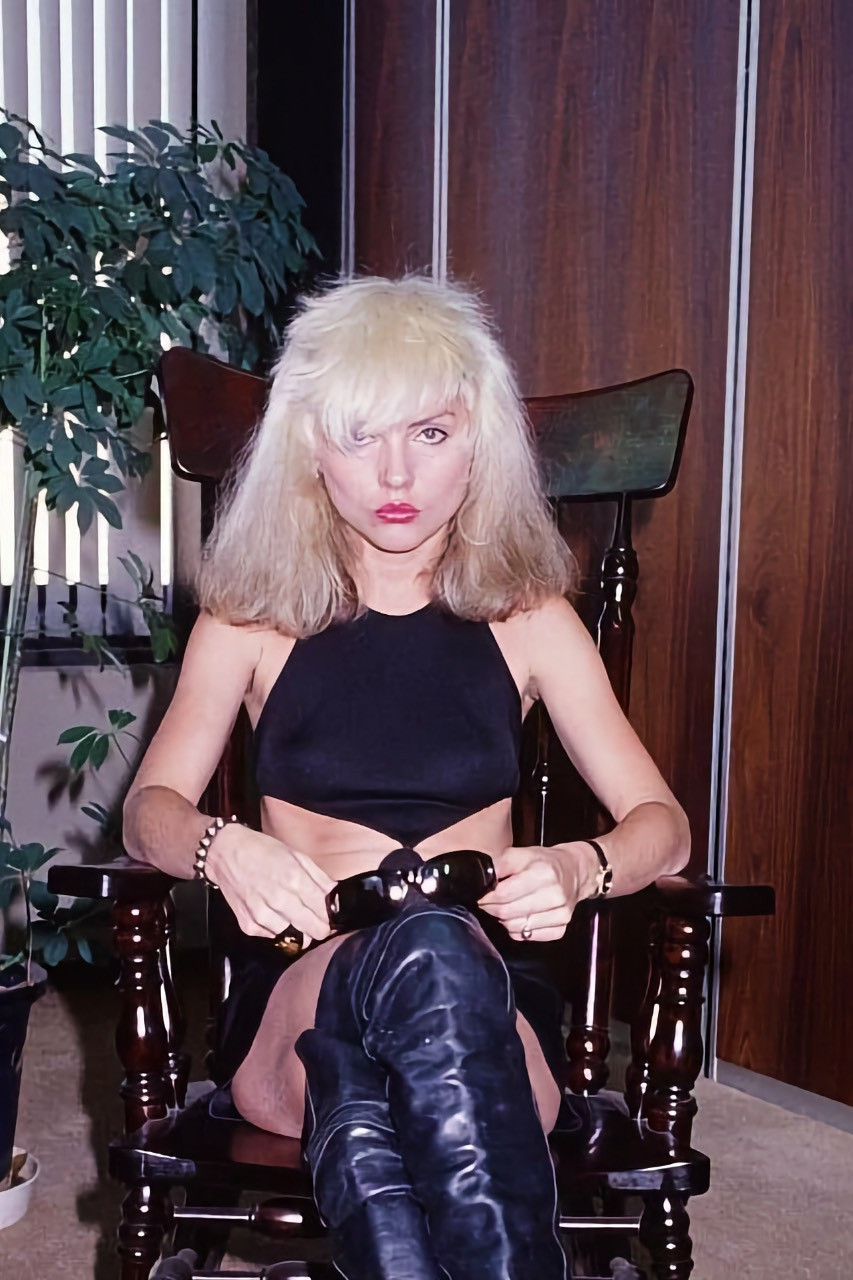
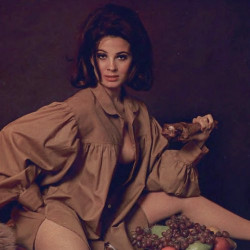
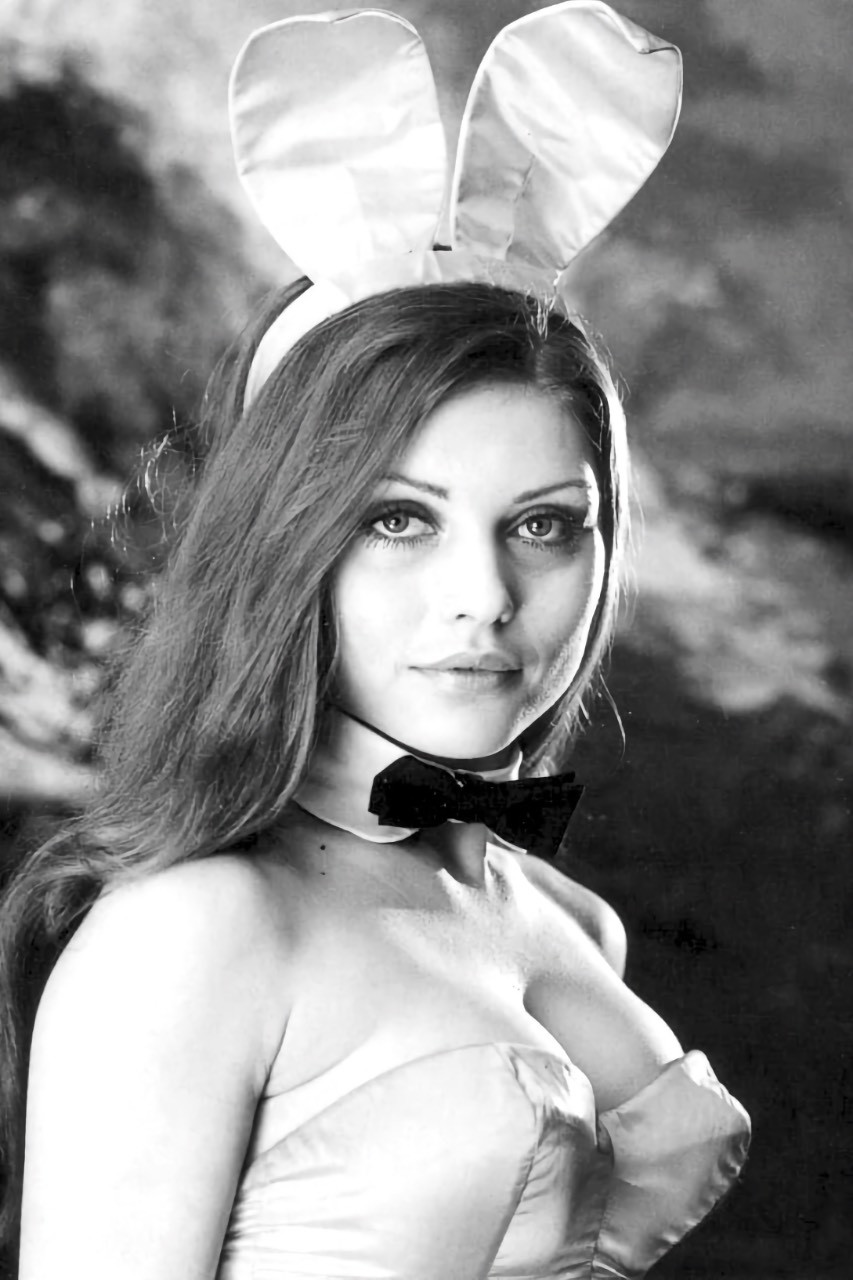
Debbie Harry returned to Playboy’s world in December 1980, appearing in “Bunny Birthday,” the magazine’s pictorial celebration of twenty years of Playboy Clubs. The feature looked back at her brief employment as a Bunny at the New York Playboy Club before fame, rather than presenting a newly photographed nude celebrity pictorial. By publication, Harry had travelled an extraordinary distance from serving cocktails in the famous costume: as Blondie’s frontwoman, she had become the platinum-blonde face of punk, new wave and international pop.
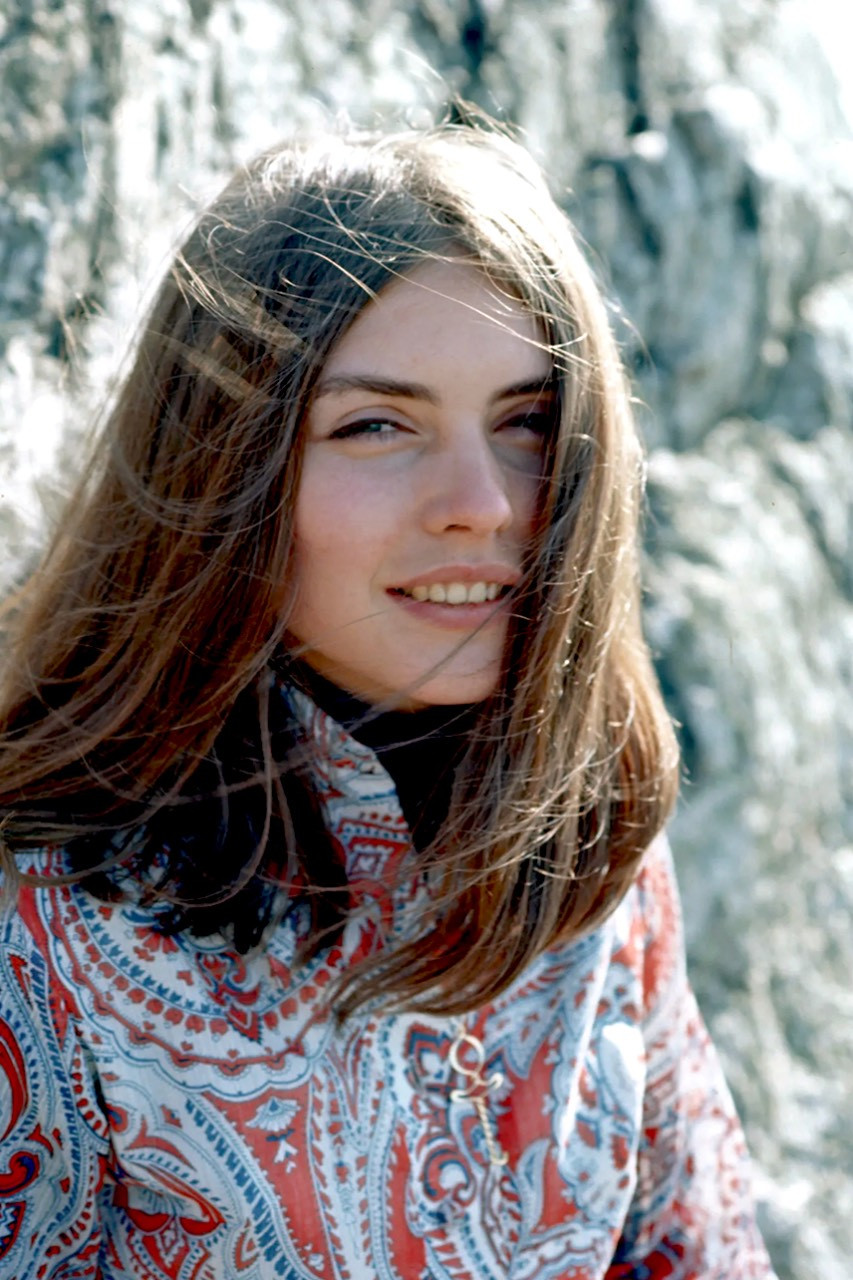
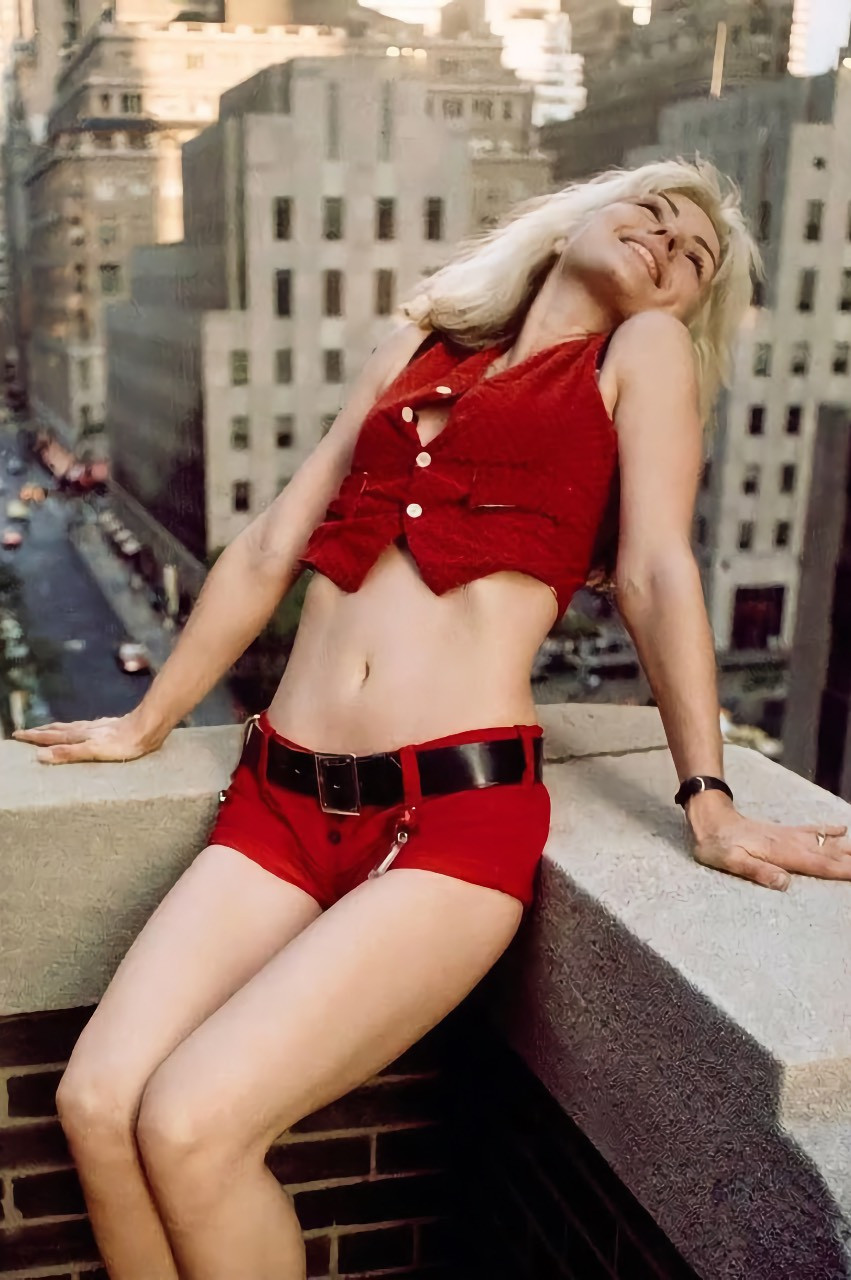
Before Blondie, Harry moved through the shifting worlds of late-1960s and early-1970s New York. She worked as a BBC secretary, a waitress at Max’s Kansas City, a dancer and a Playboy Bunny, jobs that placed her close to the city’s art, nightlife and music scenes. She also sang backing vocals with the folk-rock group The Wind in the Willows before joining the theatrical Stilettos, where she met guitarist Chris Stein. Together they formed Blondie in 1974 and became regulars at CBGB and other downtown venues.
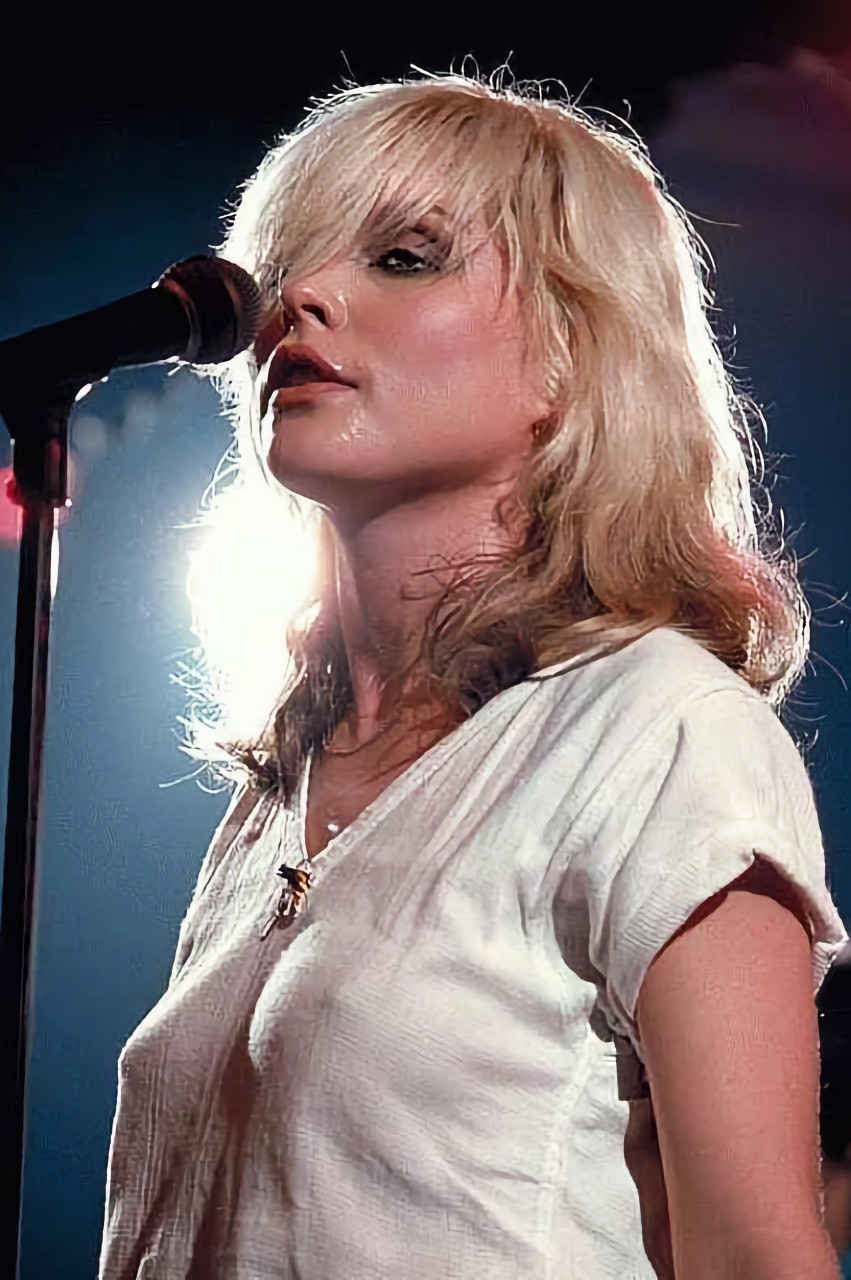
Harry’s cool delivery and sharply constructed image helped Blondie stand apart from its contemporaries, but the band’s success rested on an equally adventurous sound. Parallel Lines transformed them into global stars through “Heart of Glass,” a sleek collision of downtown rock and disco. “Call Me,” “Atomic” and “The Tide Is High” followed, moving effortlessly through electronic pop, reggae and dance music. In 1981, “Rapture” carried rap vocals to the top of the American singles chart, demonstrating how comfortably Blondie could absorb new influences without losing its identity.
The December 1980 Playboy appearance carried a satisfying sense of return. A job once taken before she had a public name was revisited after Harry had become one of the most photographed women in music. The contrast suited her perfectly: the brunette Bunny from an earlier life and the platinum new-wave star appeared almost like separate characters. Yet both belonged to the same New York story—a performer learning how glamour worked, then reshaping it into something cooler, tougher and entirely her own.
Harry later pursued solo recording and acting, giving memorable performances in Videodrome and Hairspray before reuniting with Blondie for further albums and tours. Her influence reaches beyond music into fashion, photography and the modern idea of the female rock frontwoman. Playboy’s anniversary feature preserves an intriguing footnote to that legacy: before Debbie Harry became a symbol of downtown rebellion, she had already worn the Bunny ears—and by 1980, she had decisively rewritten what glamour could look and sound like.