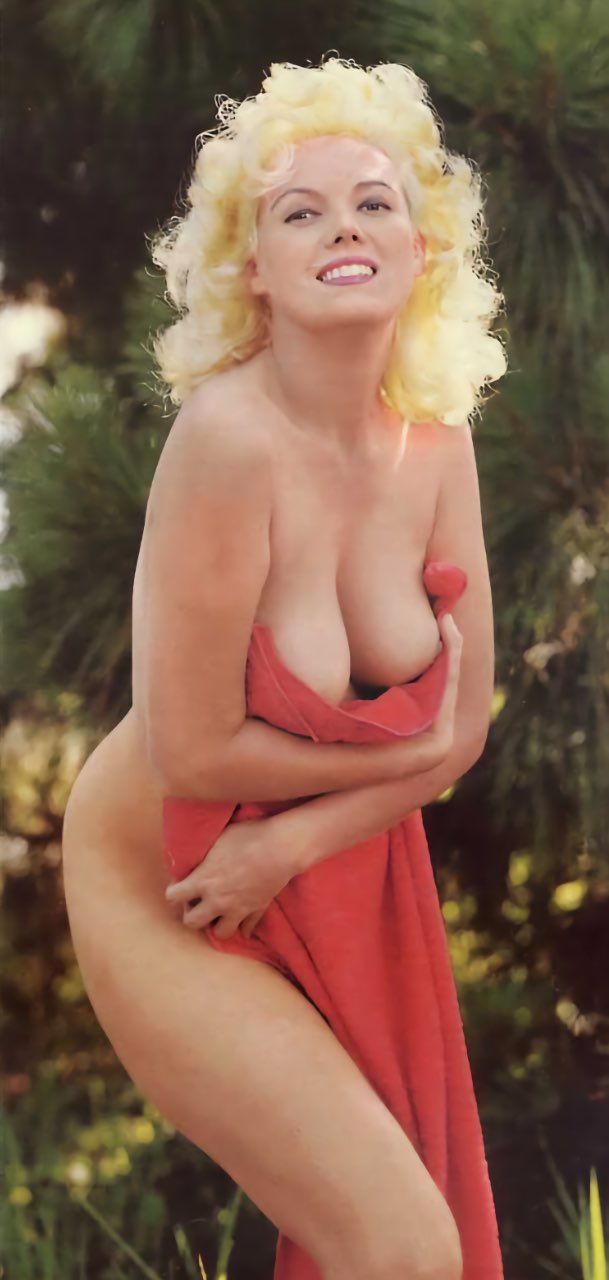
Bunny Yeager Bio
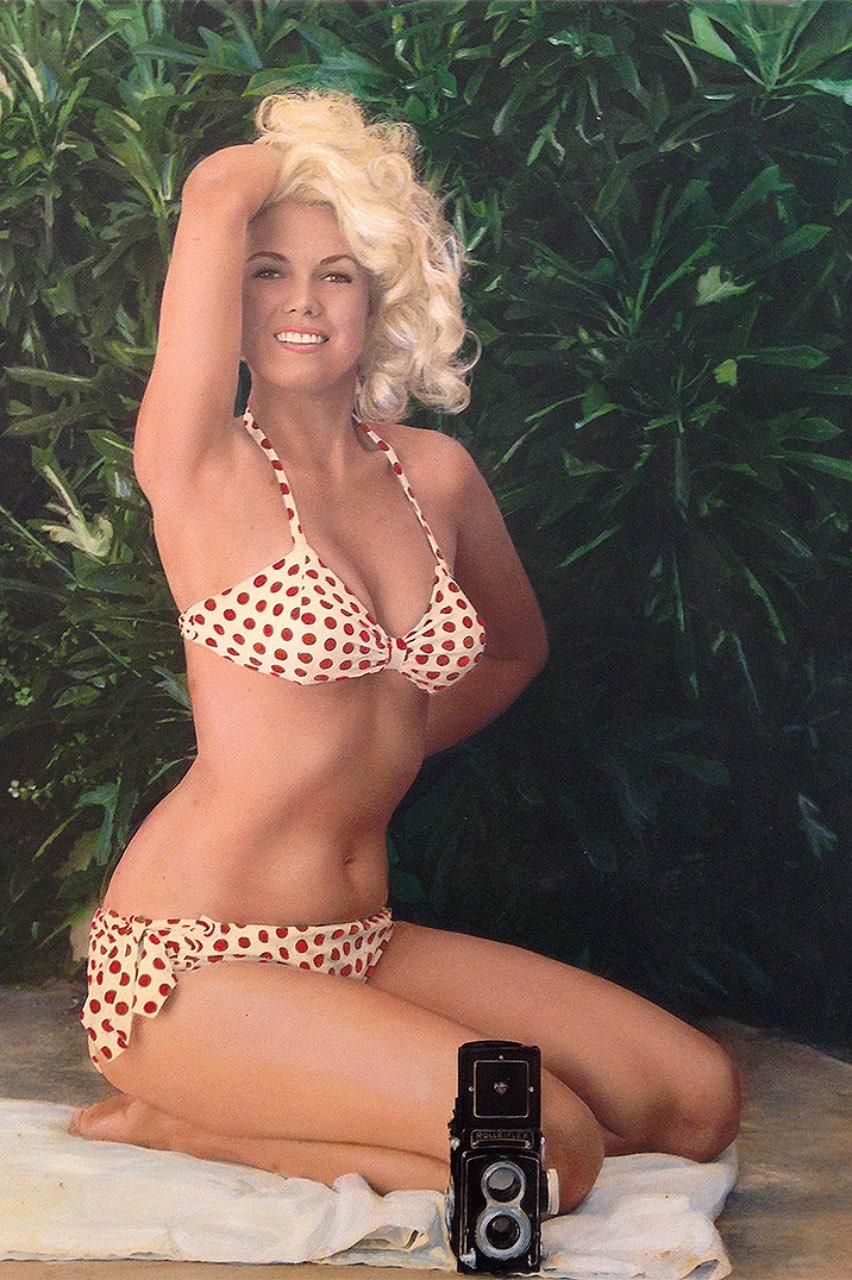
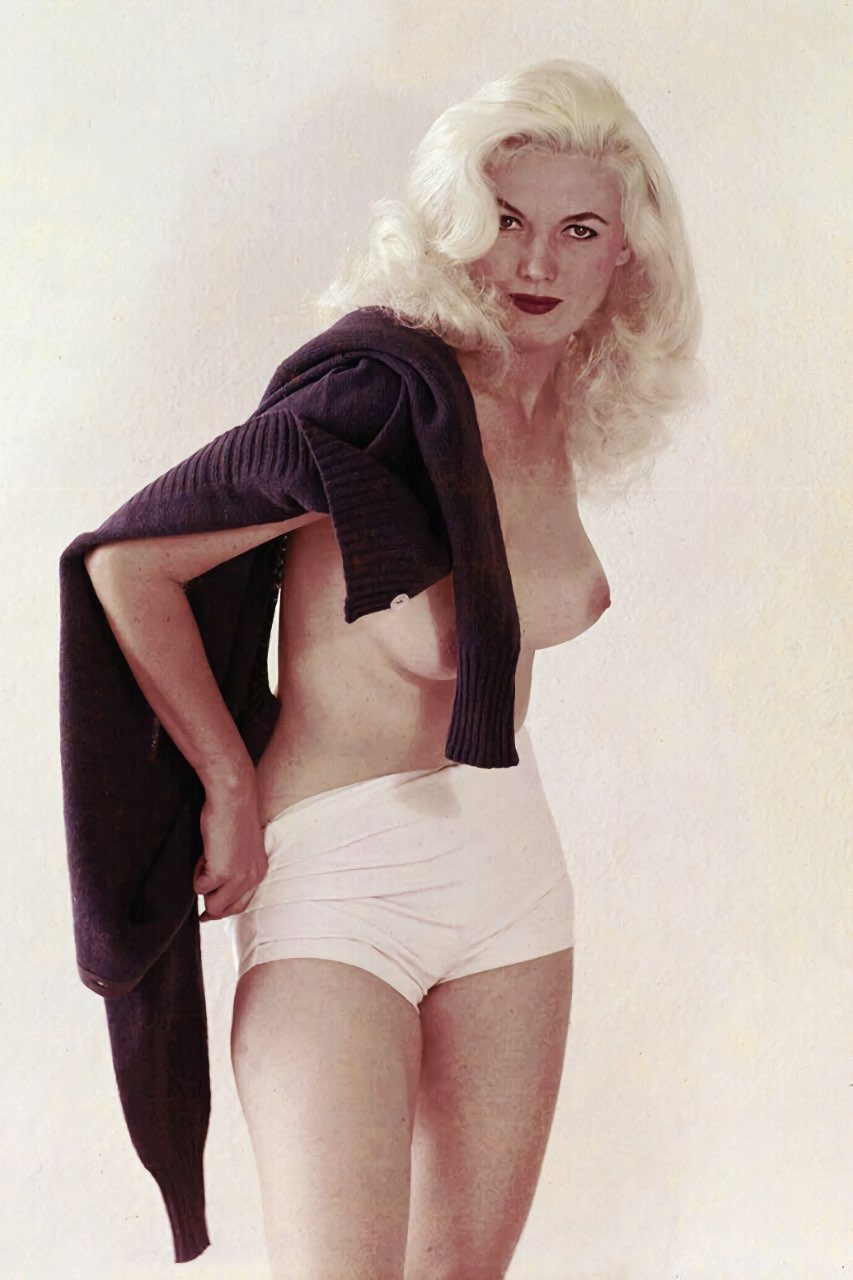
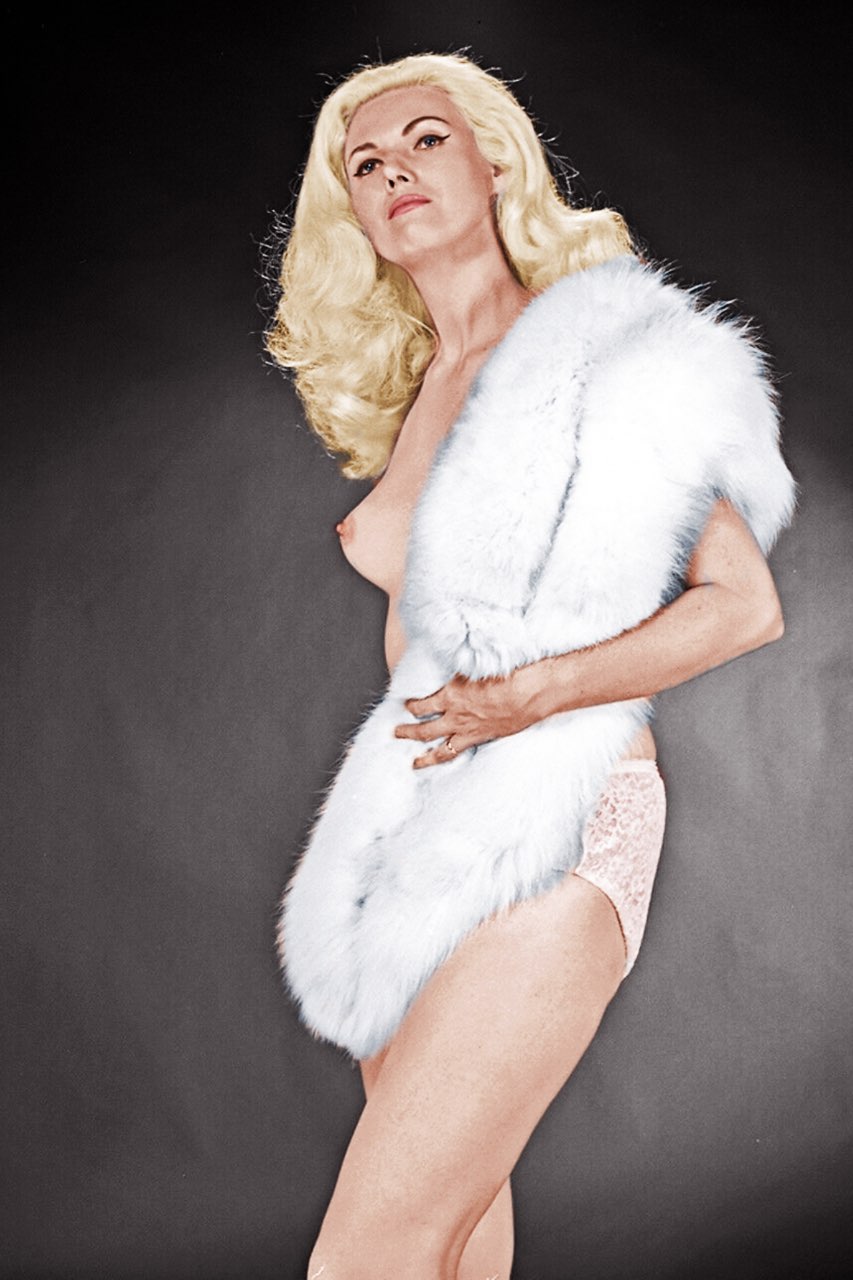
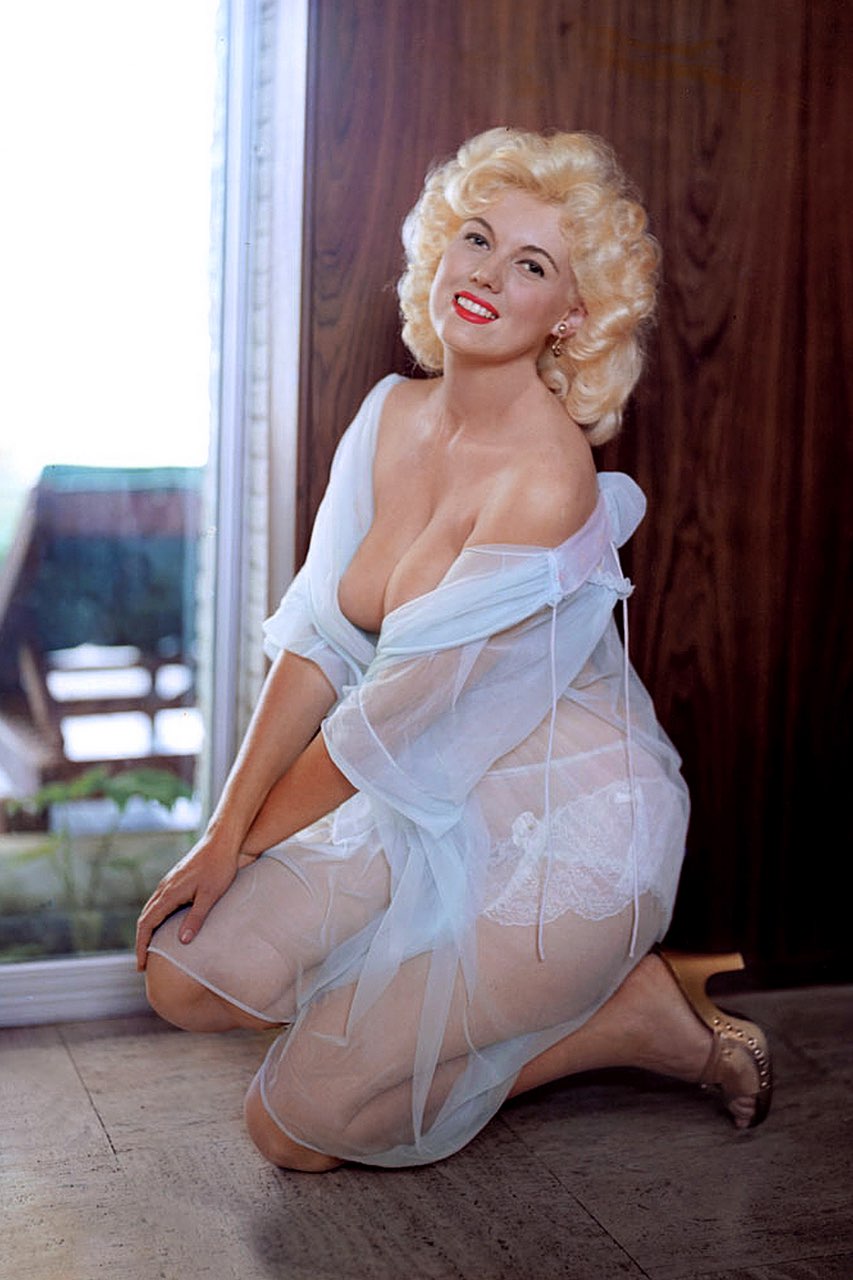
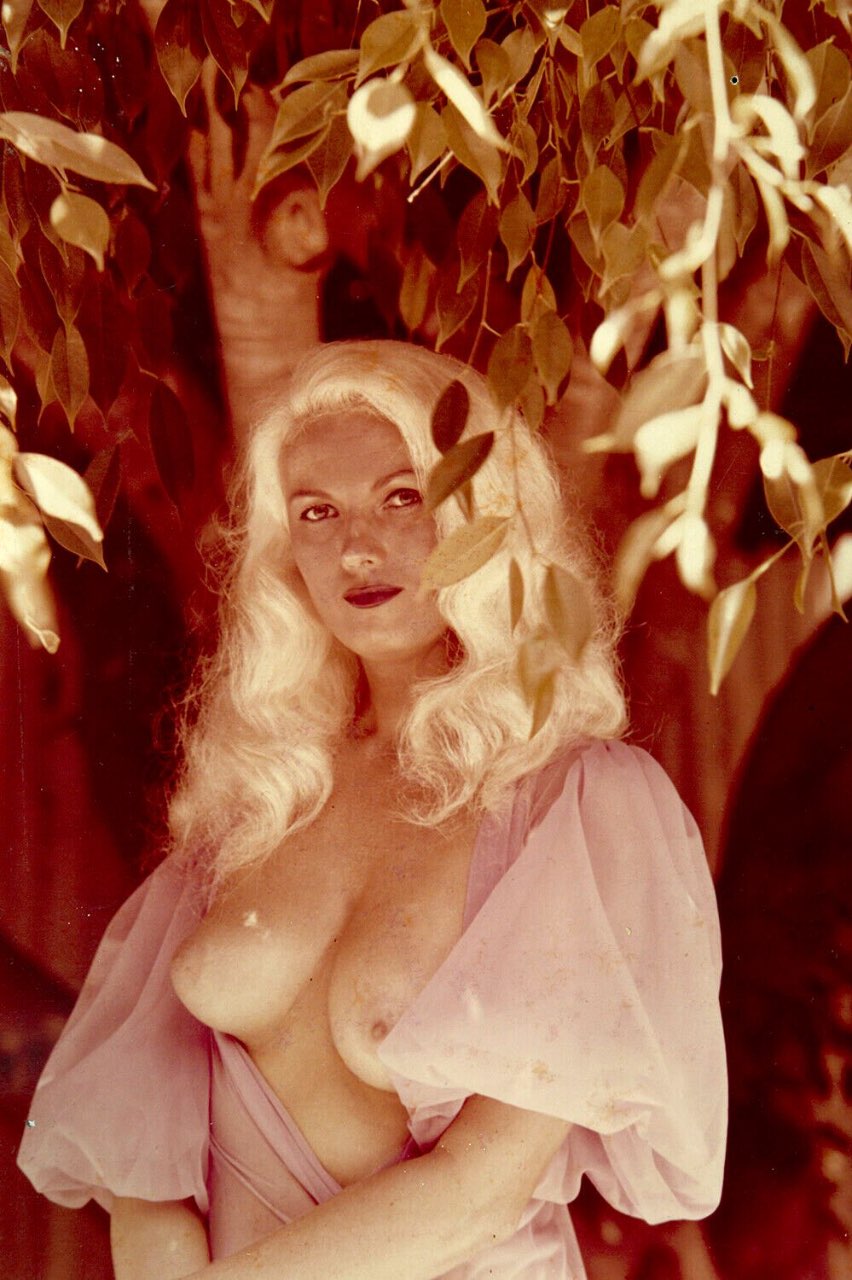
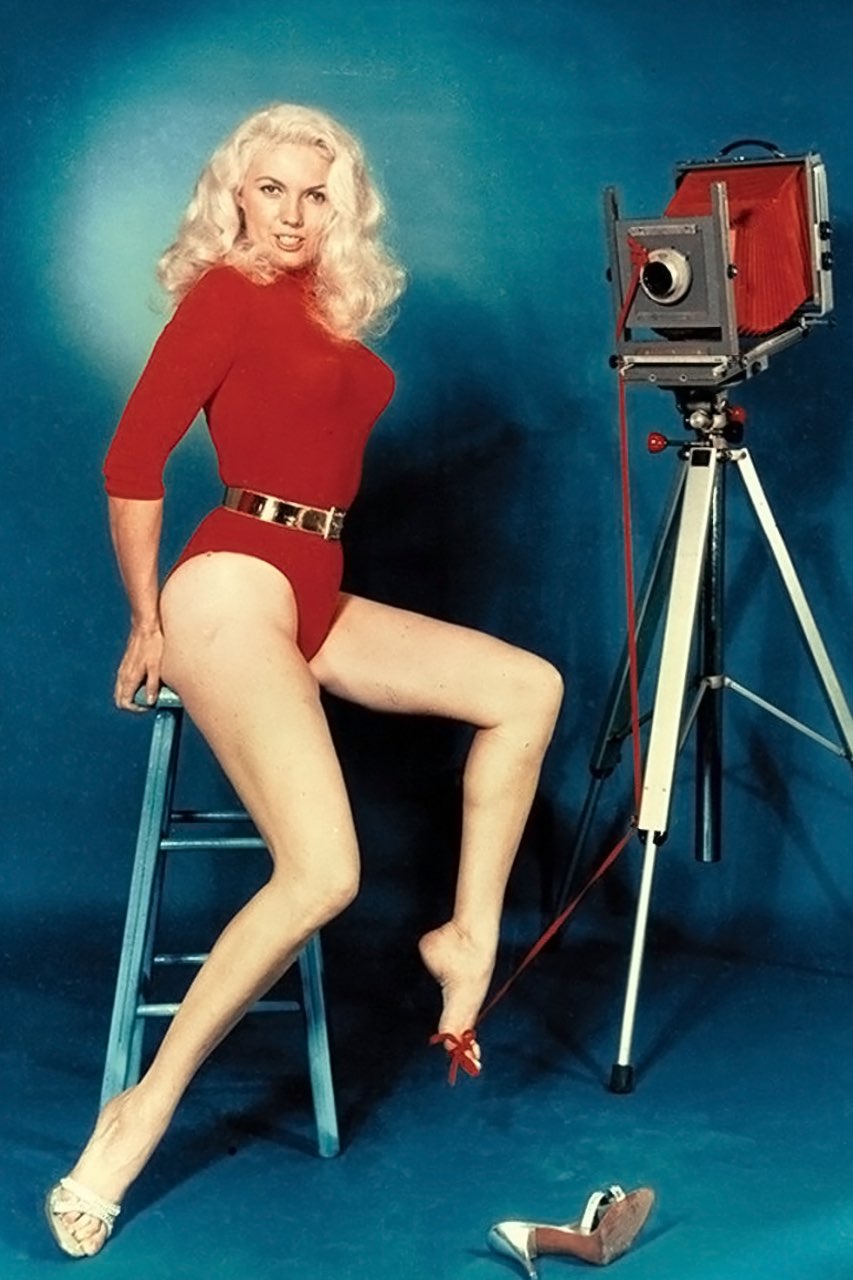
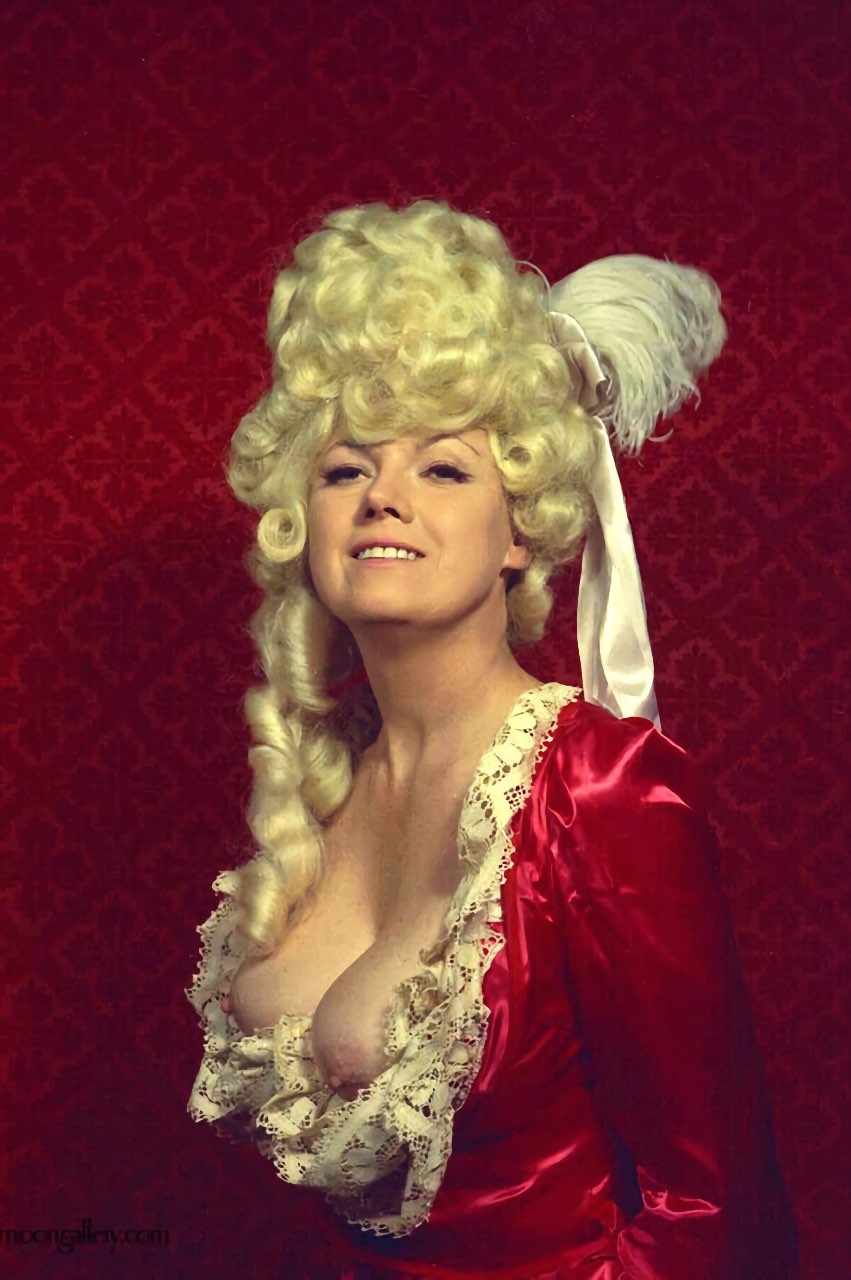
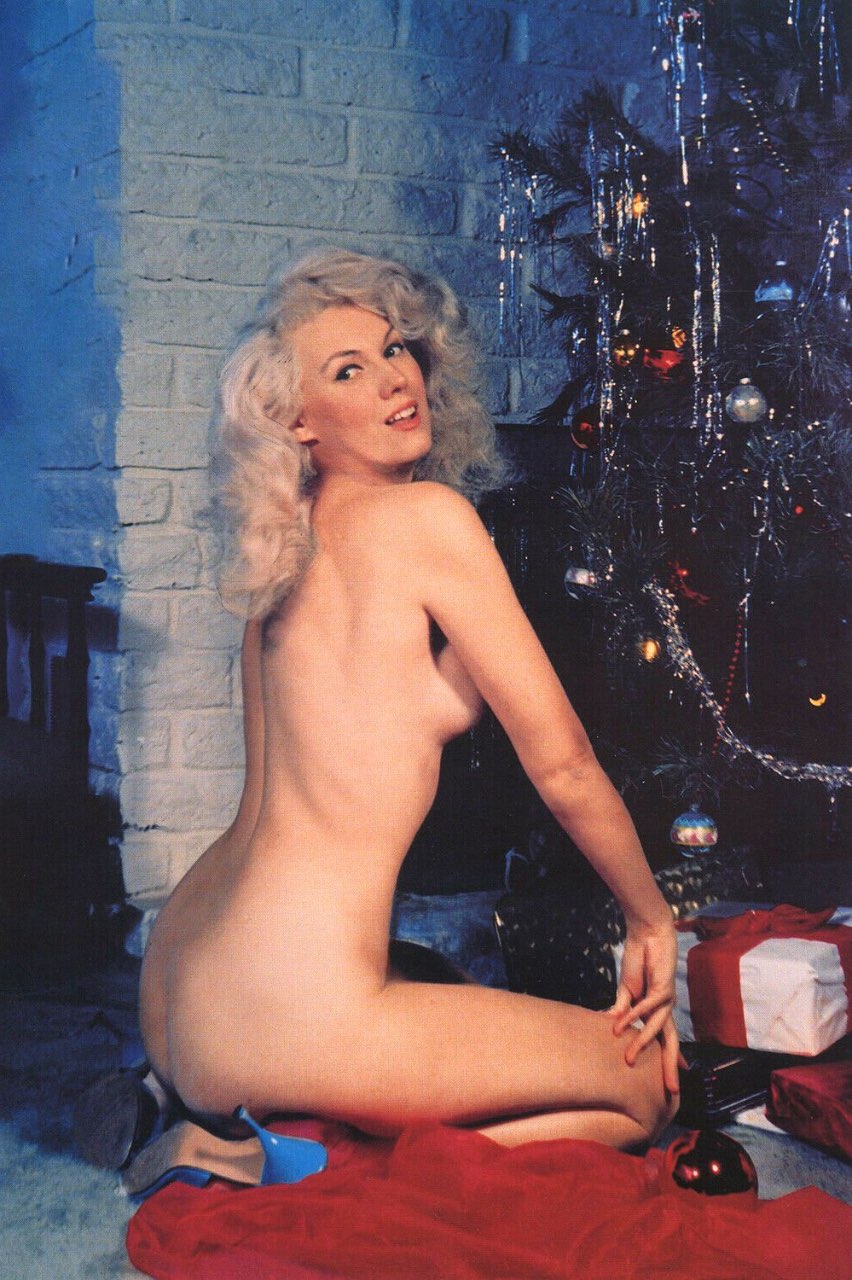
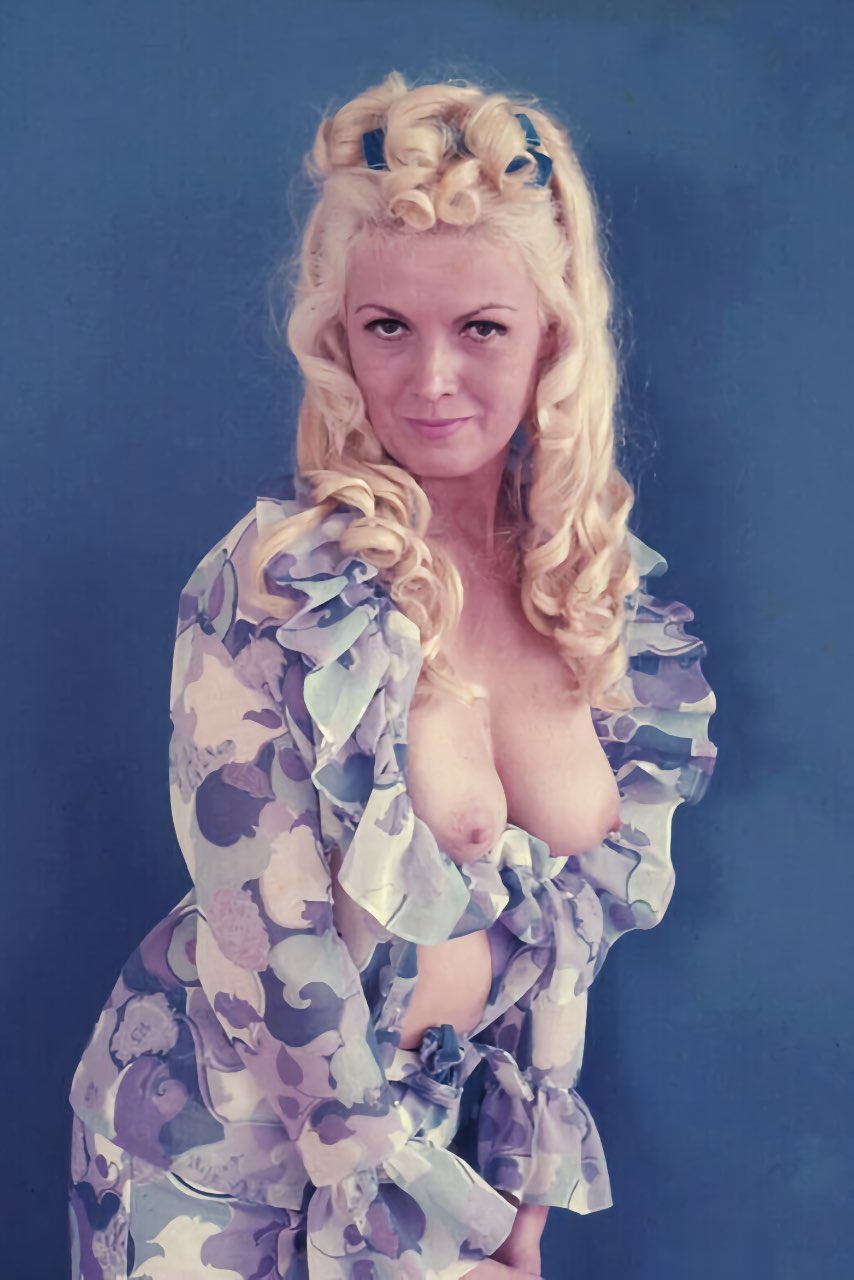
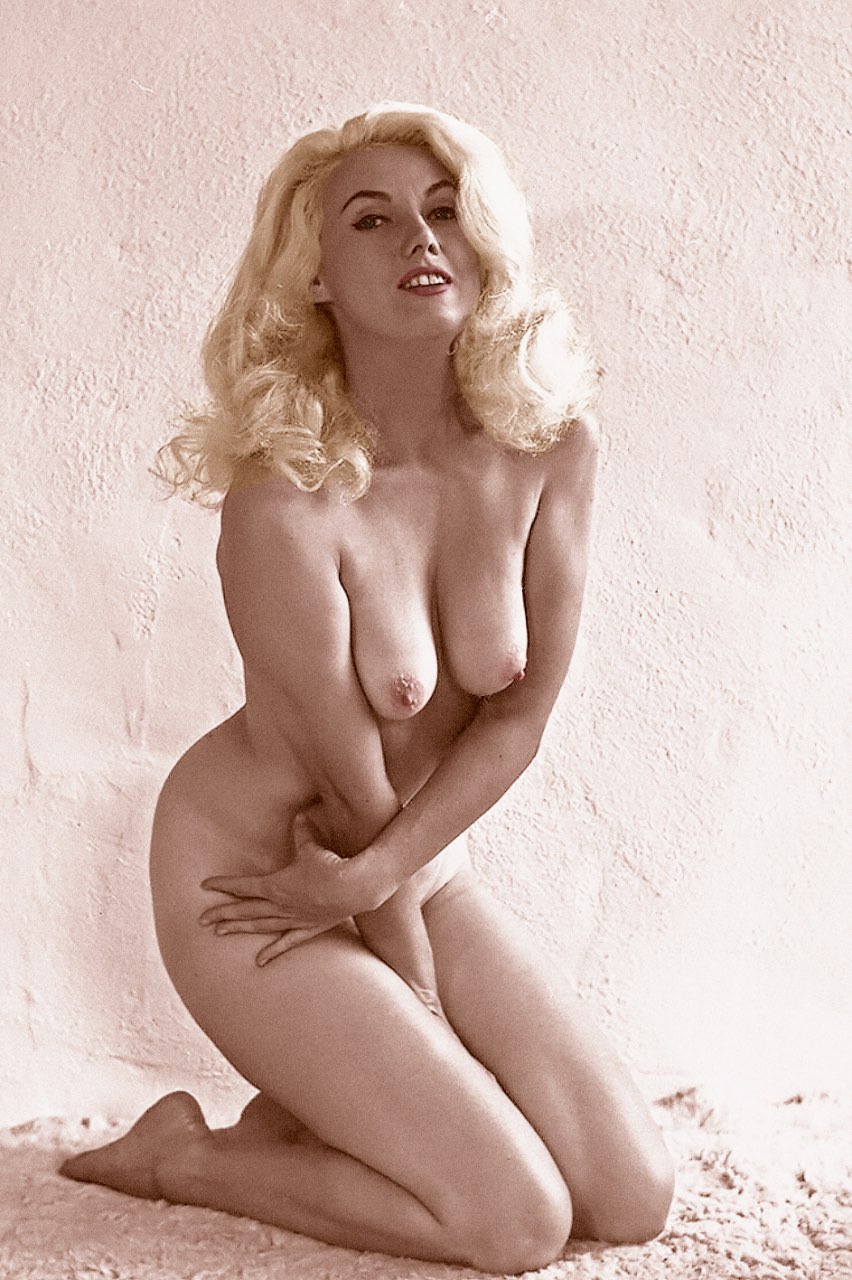
Bunny Yeager was an American Photographer, glamour and pin-up model. She was born Linnea Eleanor Yeager on February 13, 1929, in Wilkinsburg, Pennsylvania. She appeared in Playboy in September 1959 at 30, adding the feature to her public career. Her appearance dates from the magazine's formative 1950s, when the Playmate format was still taking shape.
Yeager had natural breasts, brown eyes and blond hair. Her measurements are 36-25-37.
Bunny Yeager understood glamour from both sides of the camera. Born Linnea Eleanor Yeager, she adopted the nickname “Bunny” after hearing Lana Turner’s character Bunny Smith in the 1945 film Week-End at the Waldorf. After moving to Florida, she became one of Miami’s most frequently photographed models, appearing in hundreds of newspapers and magazines. She designed and sewed many of her own outfits, mastered posing and lighting, and developed an instinctive understanding of how a woman could appear sensual without surrendering her personality to the photographer.
Her transition behind the camera began after she enrolled in a photography course in 1953. A portrait of model Maria Stinger, originally produced for a class assignment, was sold to Eye magazine and used for its March 1954 cover. The success demonstrated that Yeager’s knowledge of modelling could become a considerable advantage as a photographer. She knew how to relax her subjects, arrange their bodies naturally, and use Miami’s brilliant sunlight to replace the shadowy atmosphere often associated with pin-up photography. Her women appeared playful, healthy, and confidently involved in creating their own images.
Yeager’s most celebrated collaboration began when she met Bettie Page in 1954. During their relatively brief period together, she produced an extraordinary collection of photographs that included Page posing on beaches, wearing homemade costumes, and appearing beside live cheetahs. Their most famous image showed Page kneeling beside a Christmas tree in a Santa hat, smiling and holding an ornament. Playboy selected it as the January 1955 centerfold, helping transform Page into the defining pin-up of her generation while establishing Yeager as one of America’s leading glamour photographers.
Her relationship with Playboy extended far beyond that single historic photograph. Yeager shot a succession of Playmate centerfolds, covers, and pictorial features, while also appearing in the magazine herself on several occasions. She discovered Lisa Winters, who became Playboy’s first Playmate of the Year, and her unusual position as both photographer and model made her one of the magazine’s most distinctive early contributors. Hugh Hefner even photographed Yeager for a feature presenting her as the “Queen of the Playboy Centerfolds,” an appropriate title for a woman who had helped define their sunlit, mischievous style.
Yeager eventually withdrew from men’s magazines as their photography became more explicit, preferring suggestion, humour, and beauty to anatomical display. Her wider achievements included influential self-portraits and the famous photographs of Ursula Andress emerging from the sea during the production of Dr. No. Long dismissed as commercial pin-up work, her photography was later embraced by museums and recognised for its influence on subsequent generations of artists. Bunny Yeager did more than photograph beautiful women: she gave them energy, agency, and an unmistakable sense of fun.