Yvette Vickers Bio
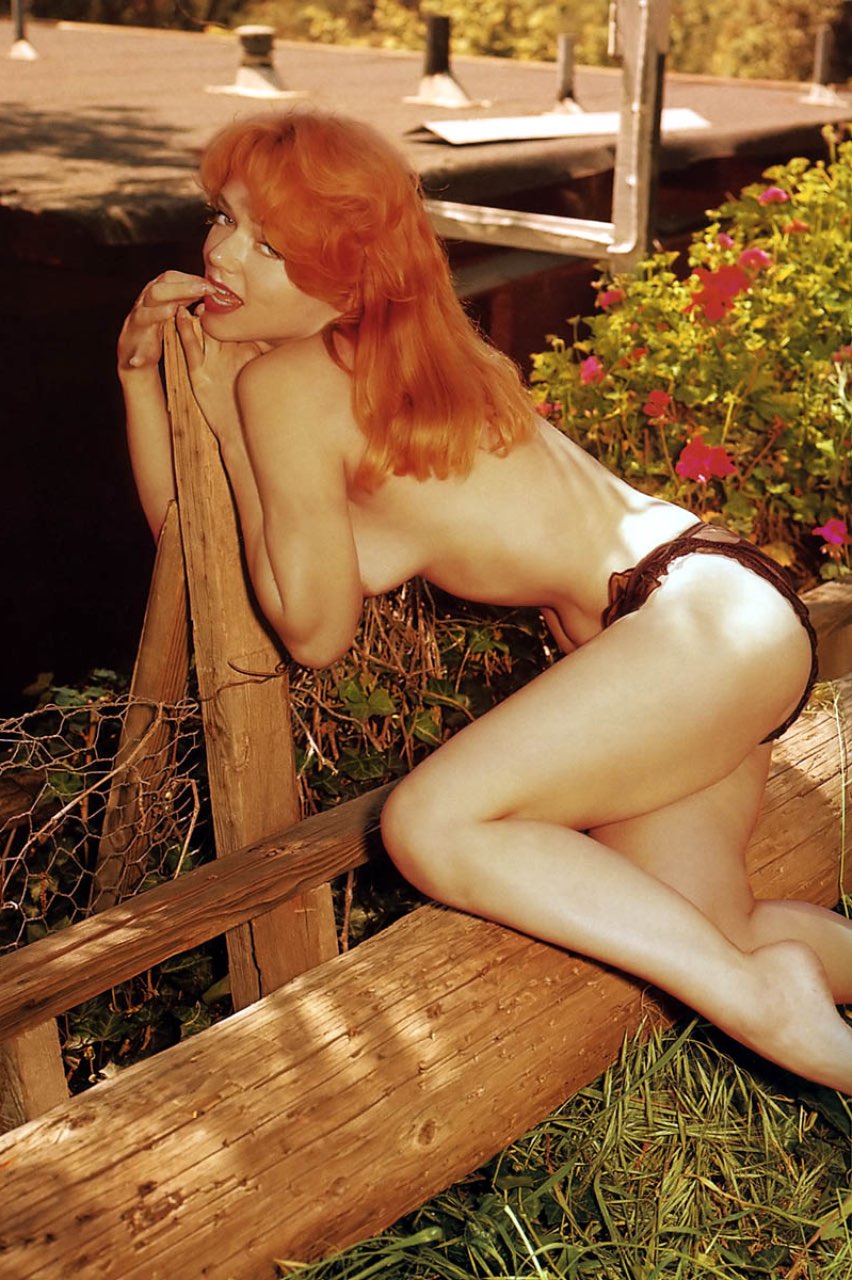
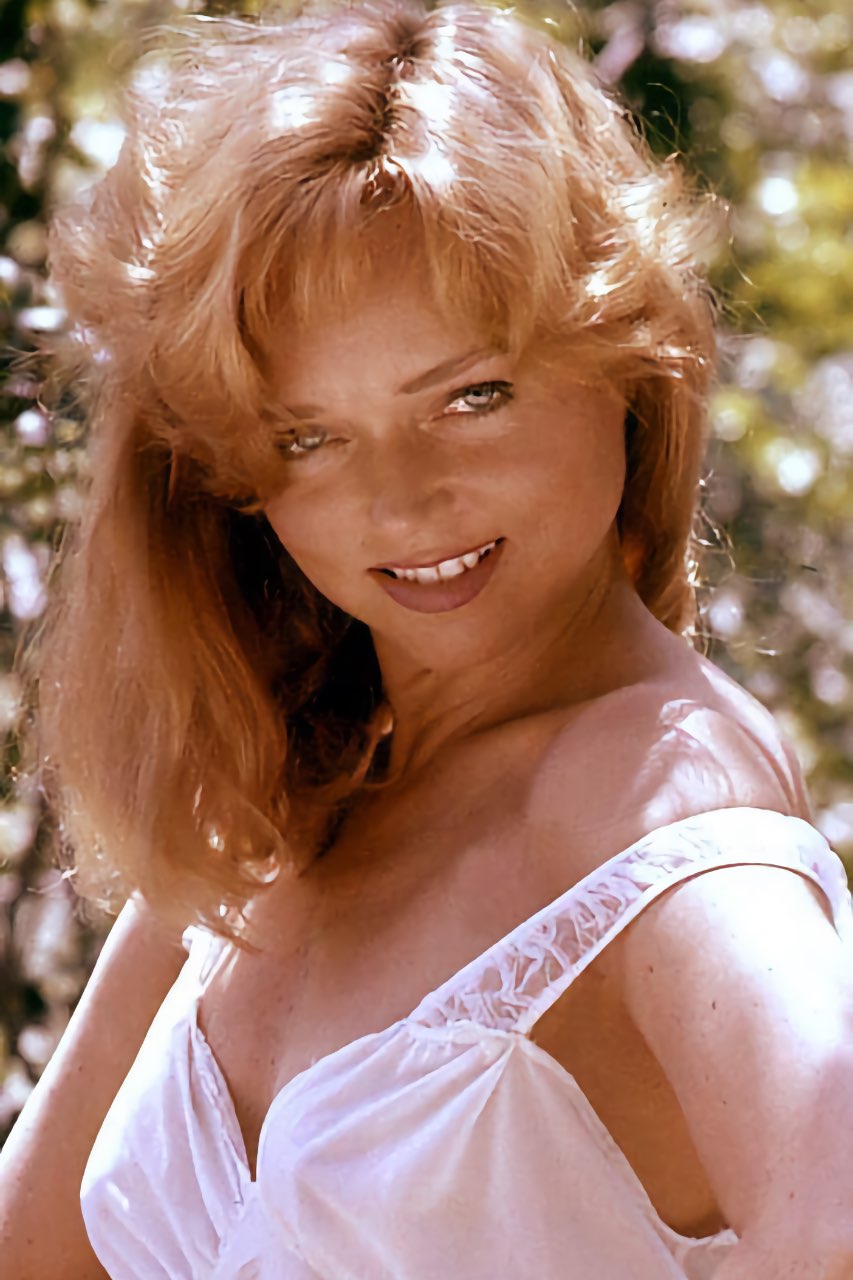
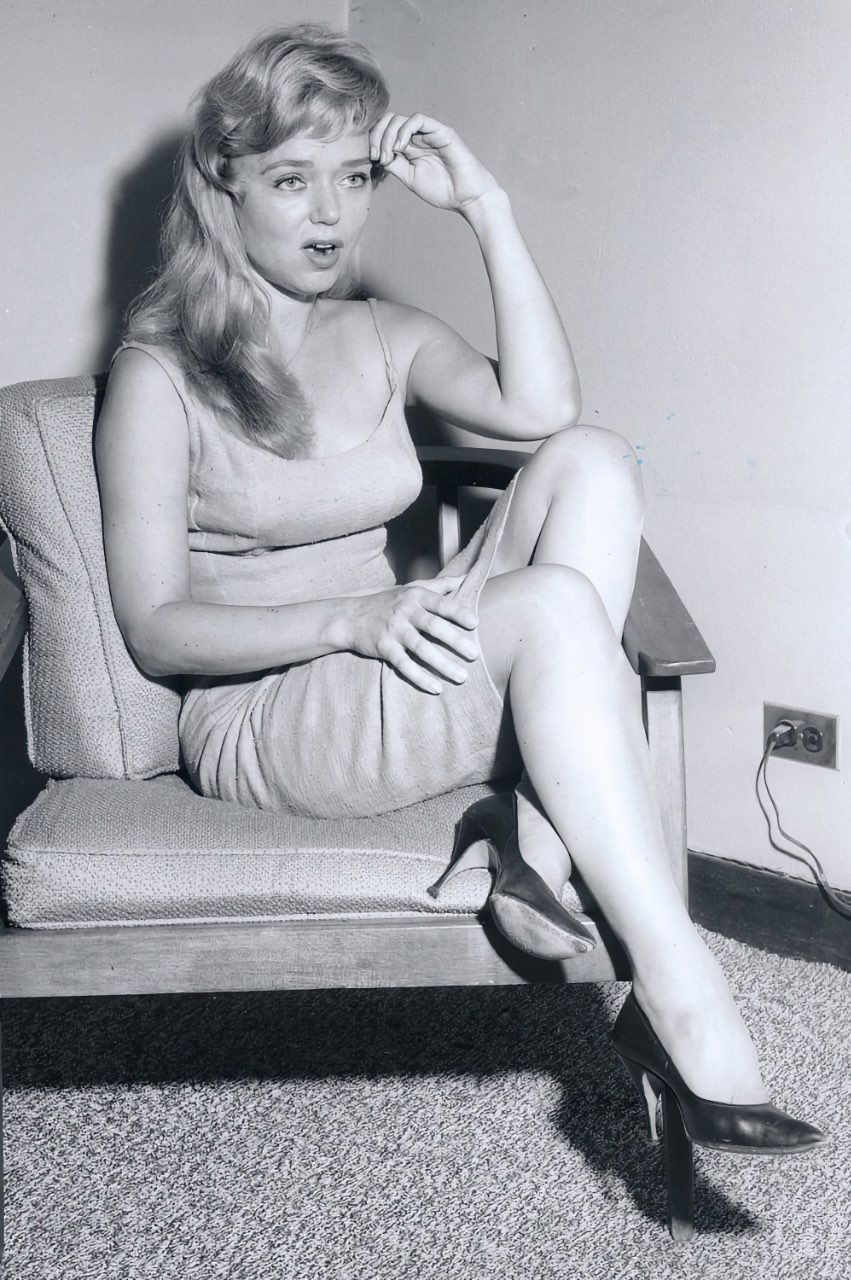
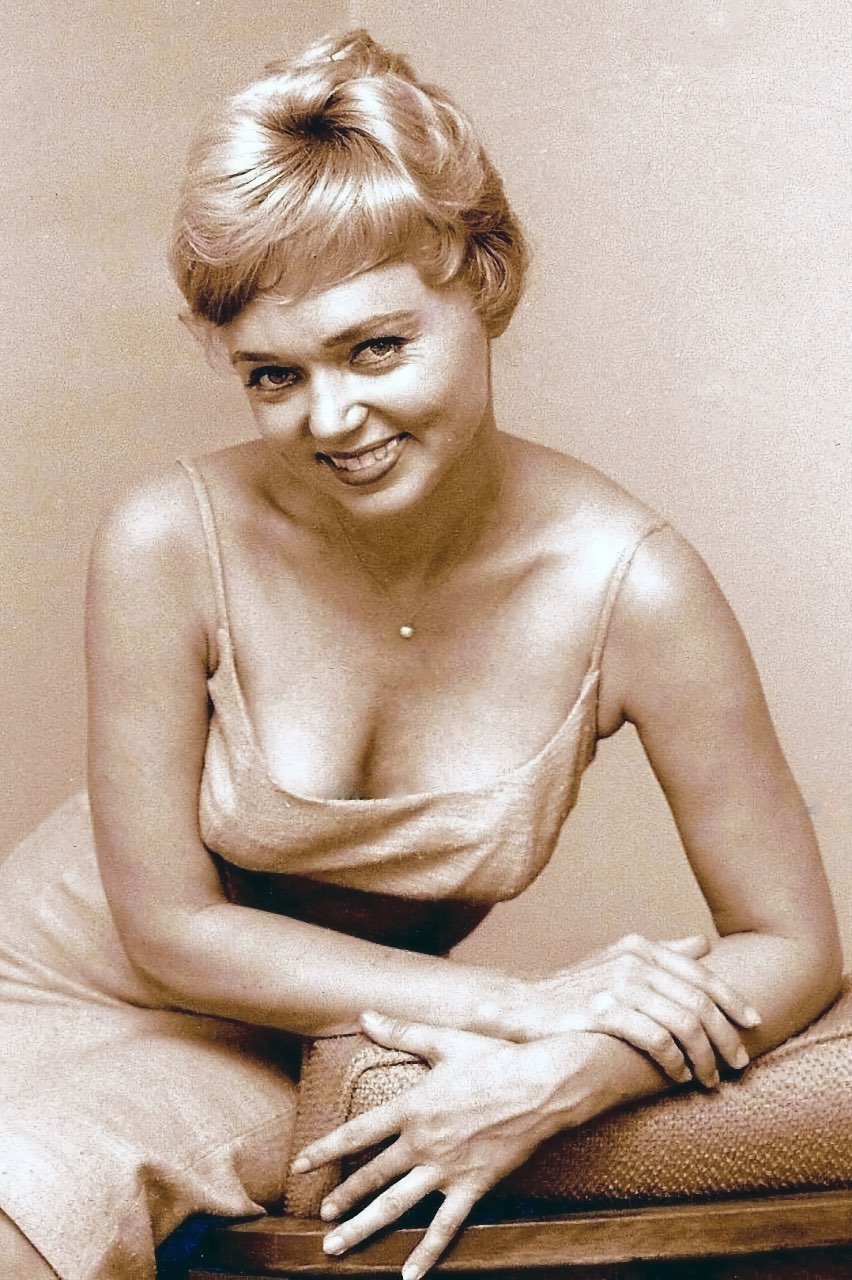
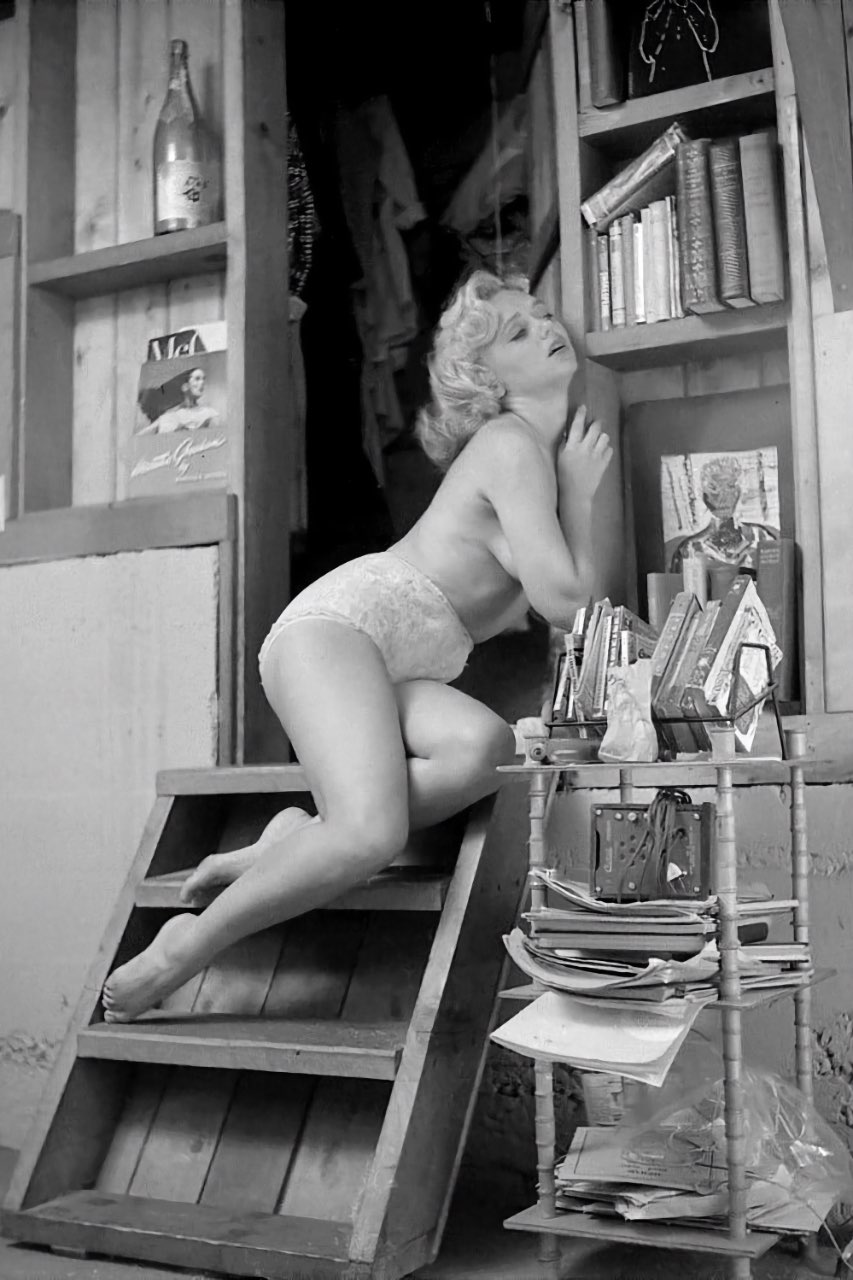
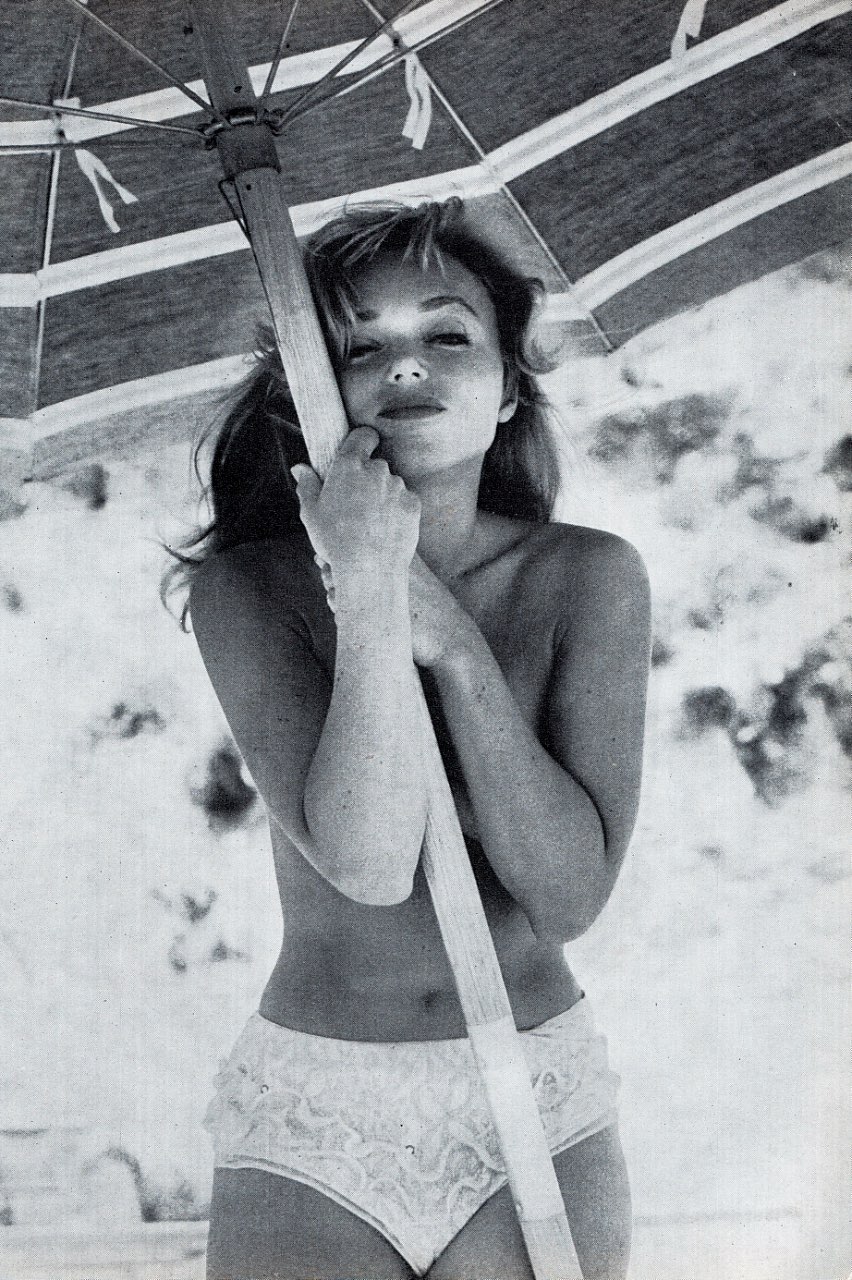
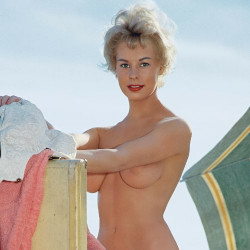
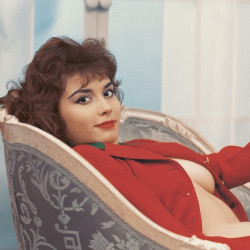
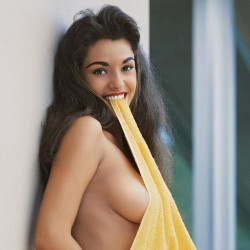
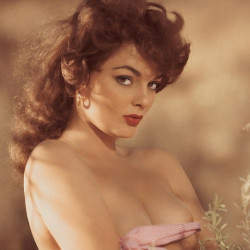
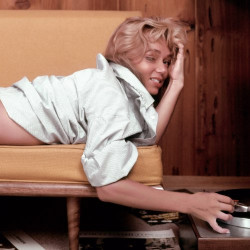
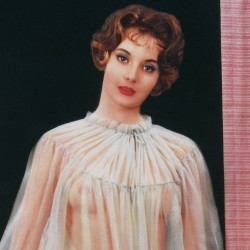
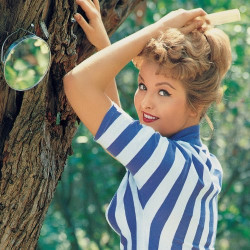
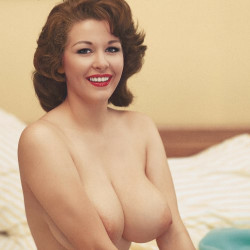
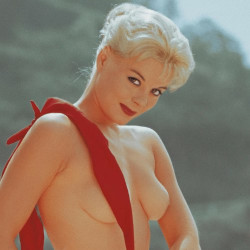
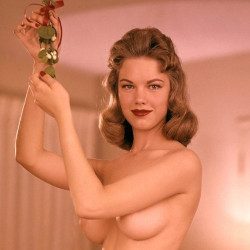
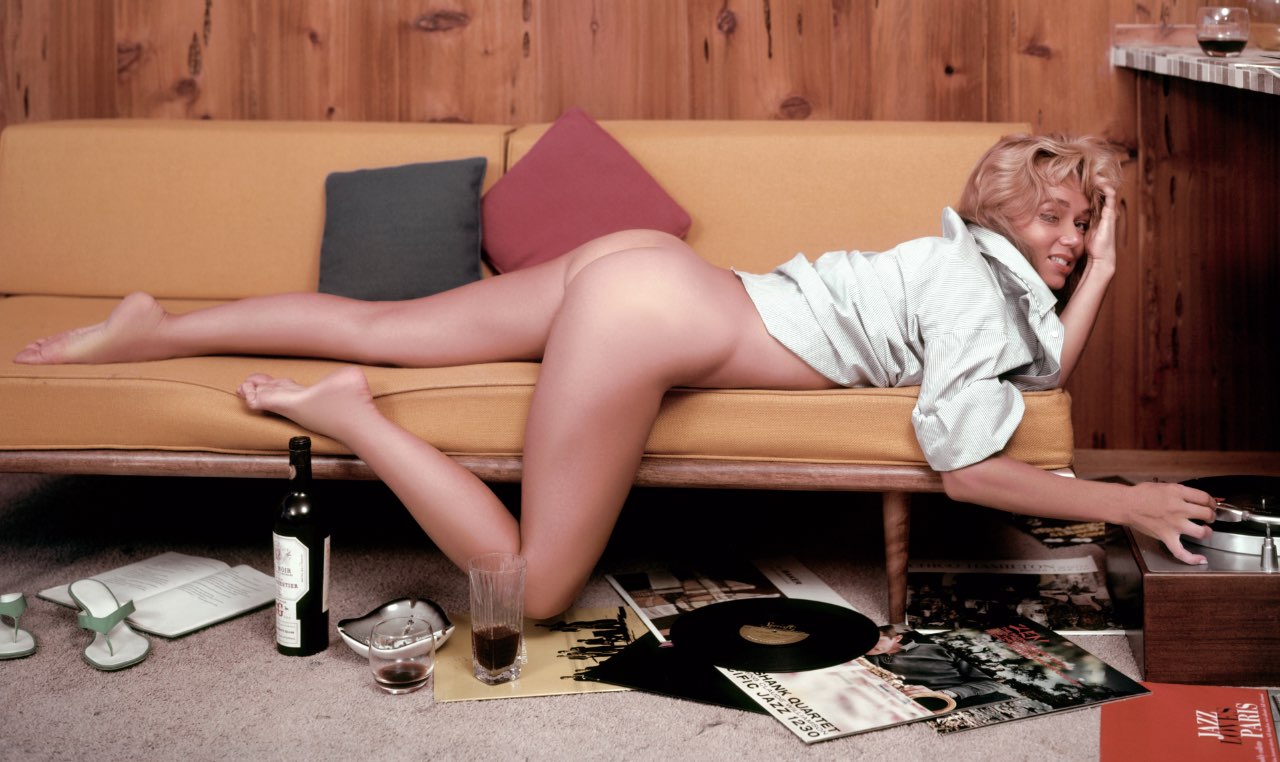
Yvette Vickers was an American glamour model, singer, and actress. Born Yvette Iola Vedder on August 26, 1928, in Kansas City, Missouri, she has also been credited as Yvette Howland. Playboy named her its July 1959 Playmate at 30. Her appearance dates from the magazine's formative 1950s, when the Playmate format was still taking shape.
Vickers had natural breasts, brown eyes and blond hair. Her measurements are 36-24-36.
Traveling with her parents to vaudeville and touring shows left an early mark on Vickers; at UCLA she began in journalism before an acting class persuaded her to switch to drama. She cut her teeth in television commercials, decamped to New York to model for White Rain shampoo, then returned to California intent on a screen career—a pragmatic route that moved her from advertising plates to movie sets.
Her earliest film work slips between bit parts and first billing: an uncredited appearance in Sunset Boulevard preceded her 1957 credited turn in Short Cut to Hell, directed by James Cagney, and that same year she was featured in Reform School Girl, its theatrical poster becoming a collectible image. The rest of the decade found her in the company of genre pictures and pulpy publicity—Honey Parker in Attack of the 50 Foot Woman and a role in Attack of the Giant Leeches—while television guest spots on One Step Beyond and Bat Masterson kept her visible on the small screen.
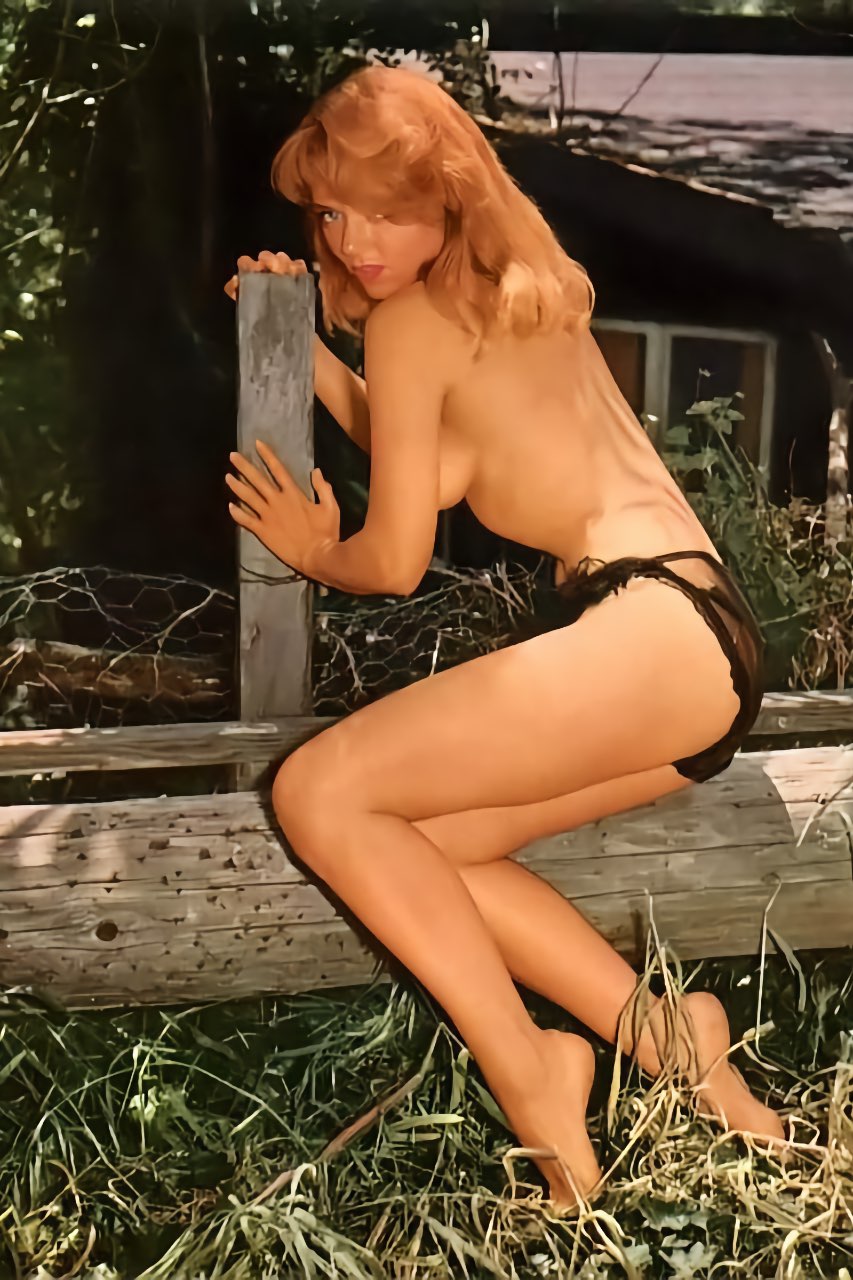
The centerfold that helped define Vickers’s late‑1950s profile was shot by Russ Meyer, and she appeared elsewhere in the men’s‑magazine circuit before film work thinned. She kept taking small parts—briefly in Hud and, much later, in the 1991 horror picture Evil Spirits—while also turning to music: a jazz tribute CD, A Tribute to Charlie and Maria, appeared in the 1990s. Festival programmers and home‑video producers found her a willing contributor; she surfaced at the Toronto Classic Movie Festival in 2005 and took part in the audio commentary for a later DVD release of Attack of the 50 Foot Woman.
Her personal life moved through a series of marriages—Don Prell, Leonard Burns, and Tom Howland—and long relationships with actors including Jim Hutton and, intermittently, Cary Grant in the late 1950s and early 1960s. She had no children and, after withdrawing from steady public life, was working on an autobiography before she died. Those later festival appearances and commentary tracks ensured that her name lived on among cult‑film aficionados even as she quietly stepped back from the spotlight.