Uma Thurman Bio
Uma Thurman is an American Actress. She was born Uma Karuna Thurman on April 29, 1970, in Boston, Massachusetts. She appeared in Playboy in September 1996 at 26, adding the feature to her public career. Her appearance came during Playboy's 1990s print era, a period increasingly shaped by entertainment and celebrity culture.
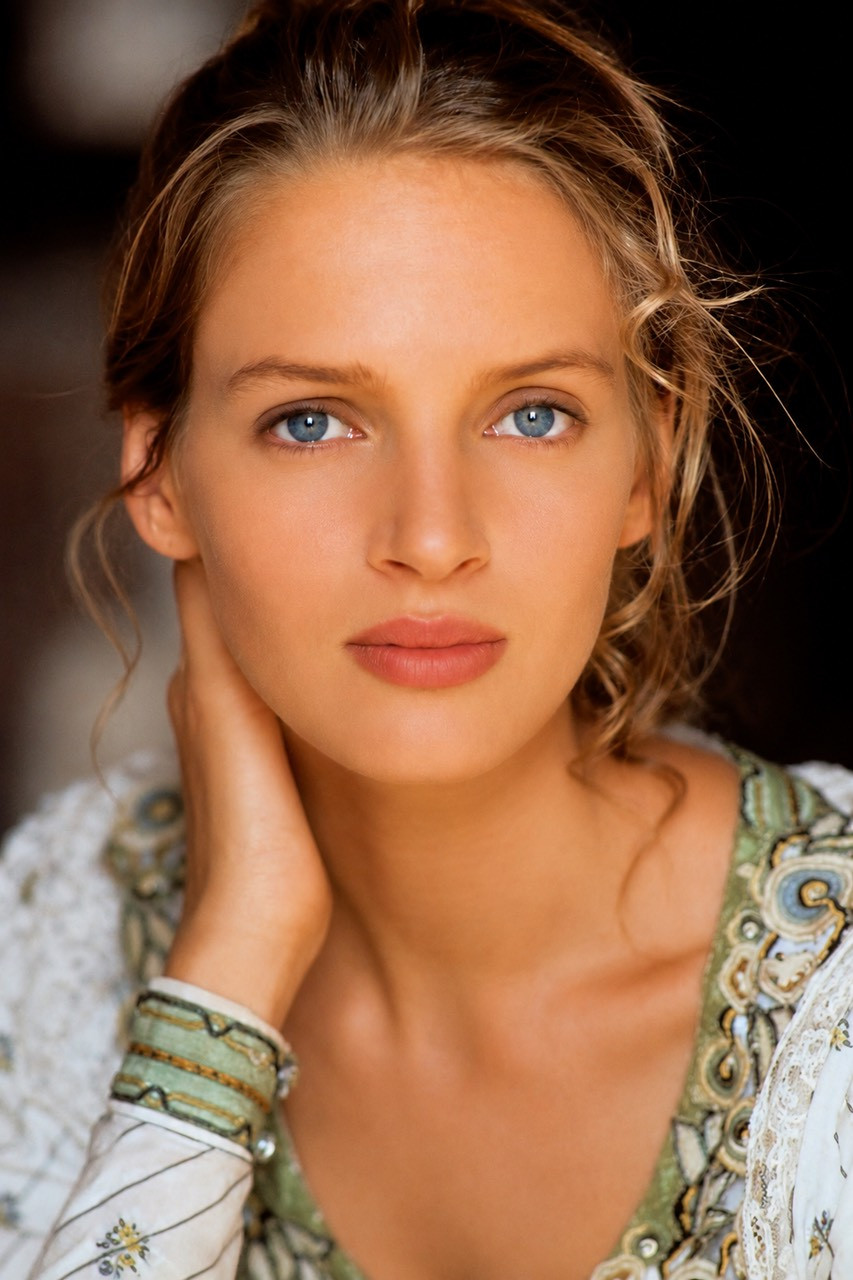
Thurman has natural breasts, blue eyes and blond hair. Her measurements are 36-26-36.
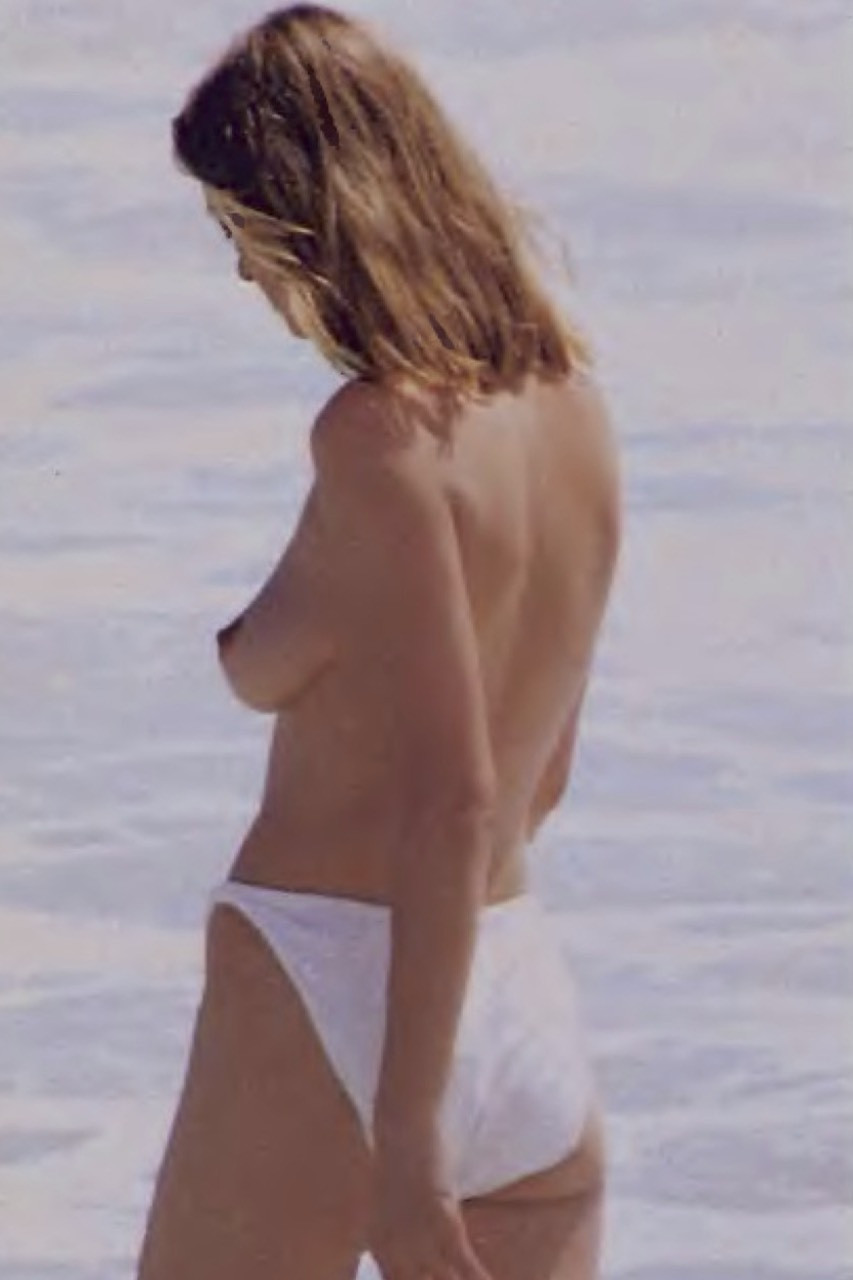
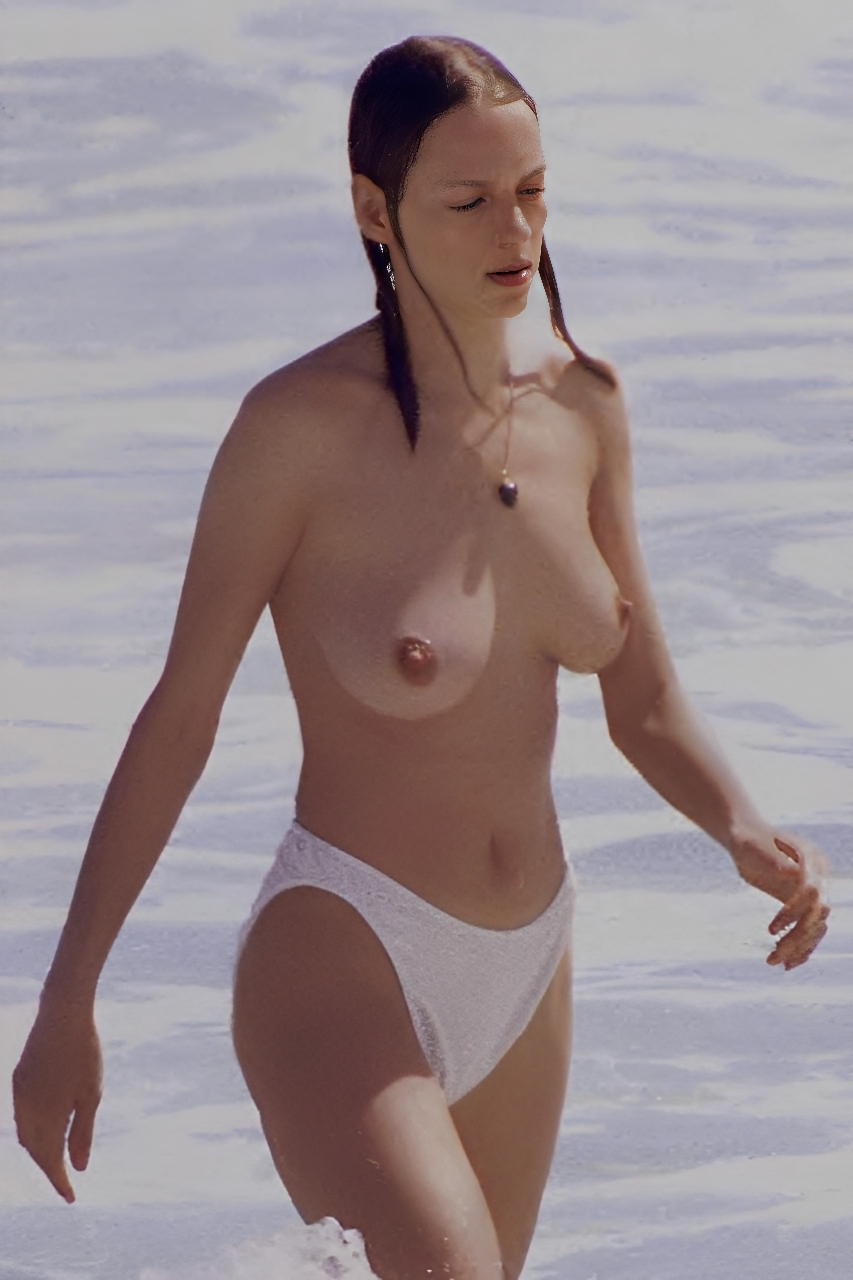
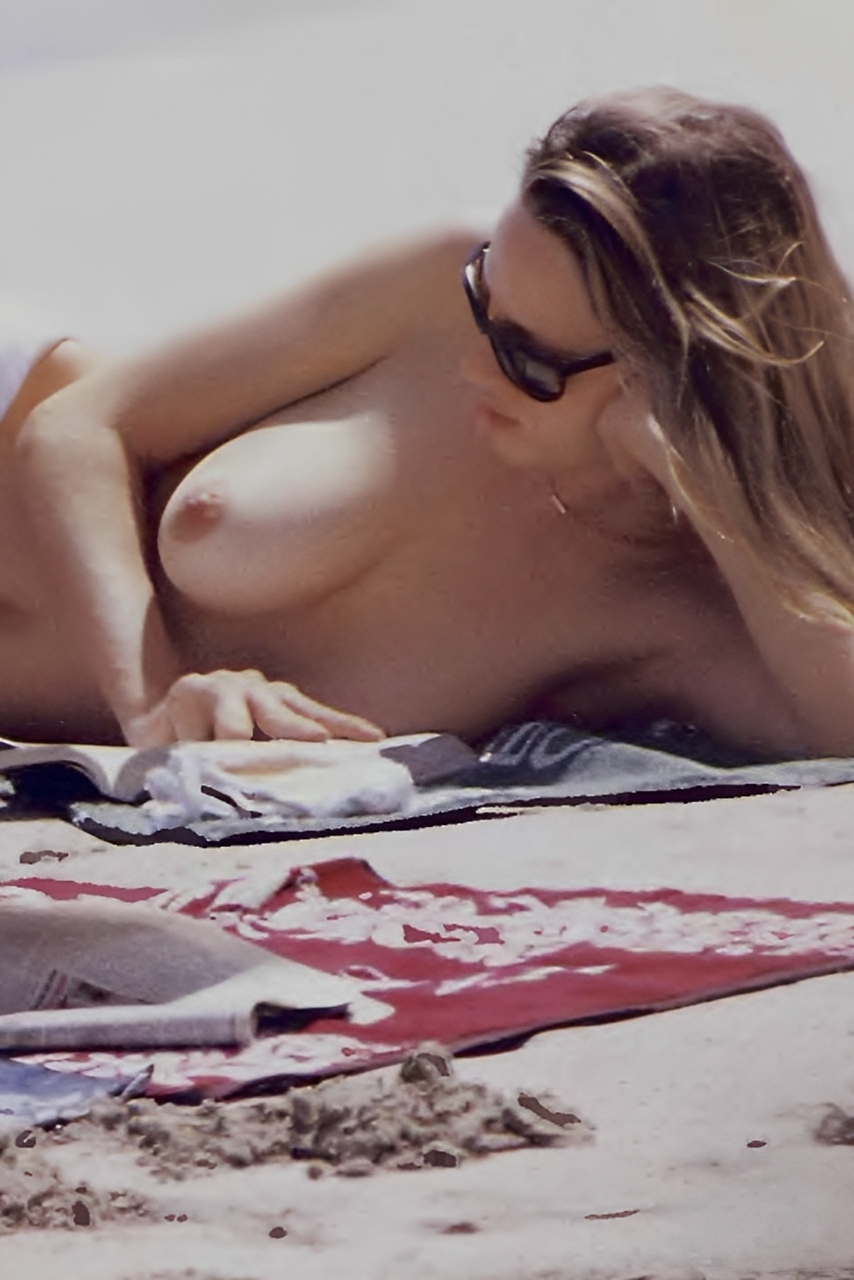
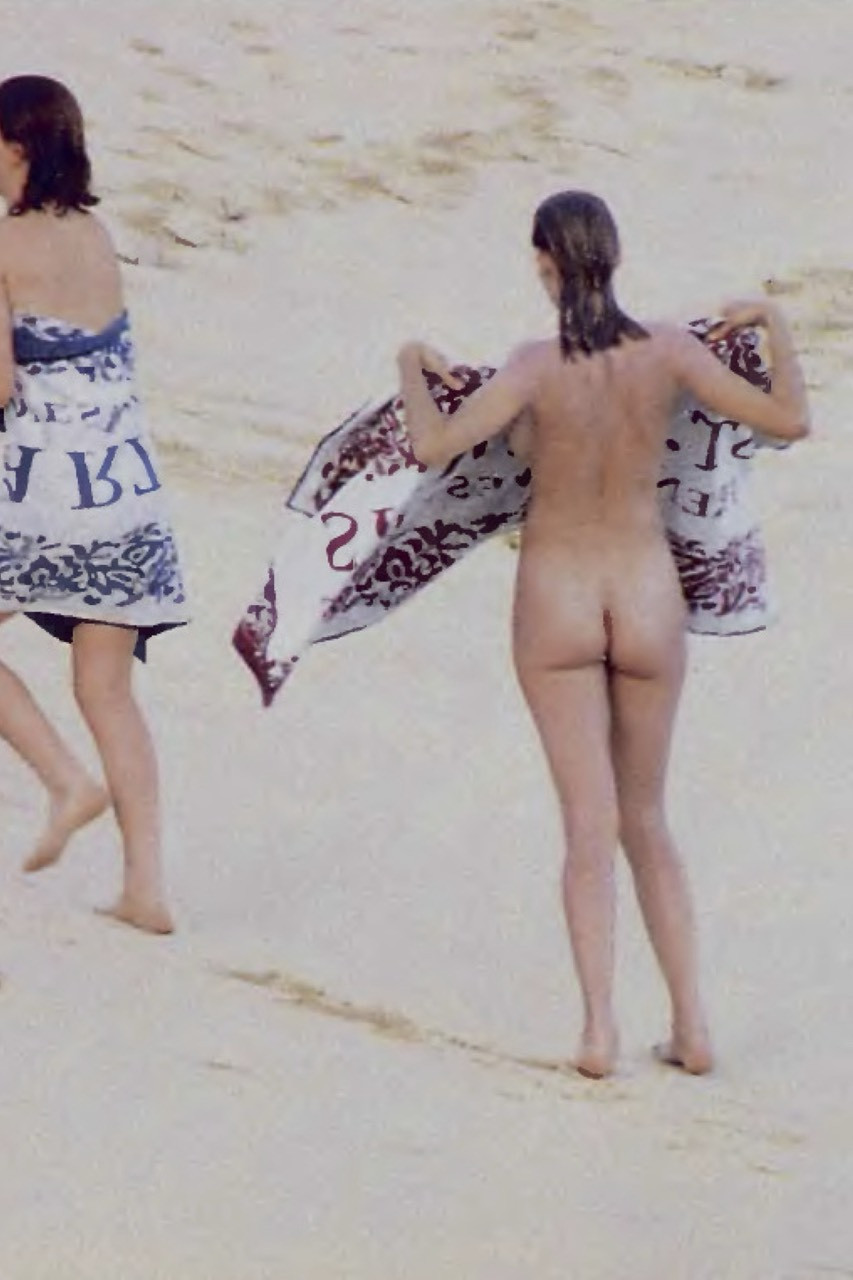
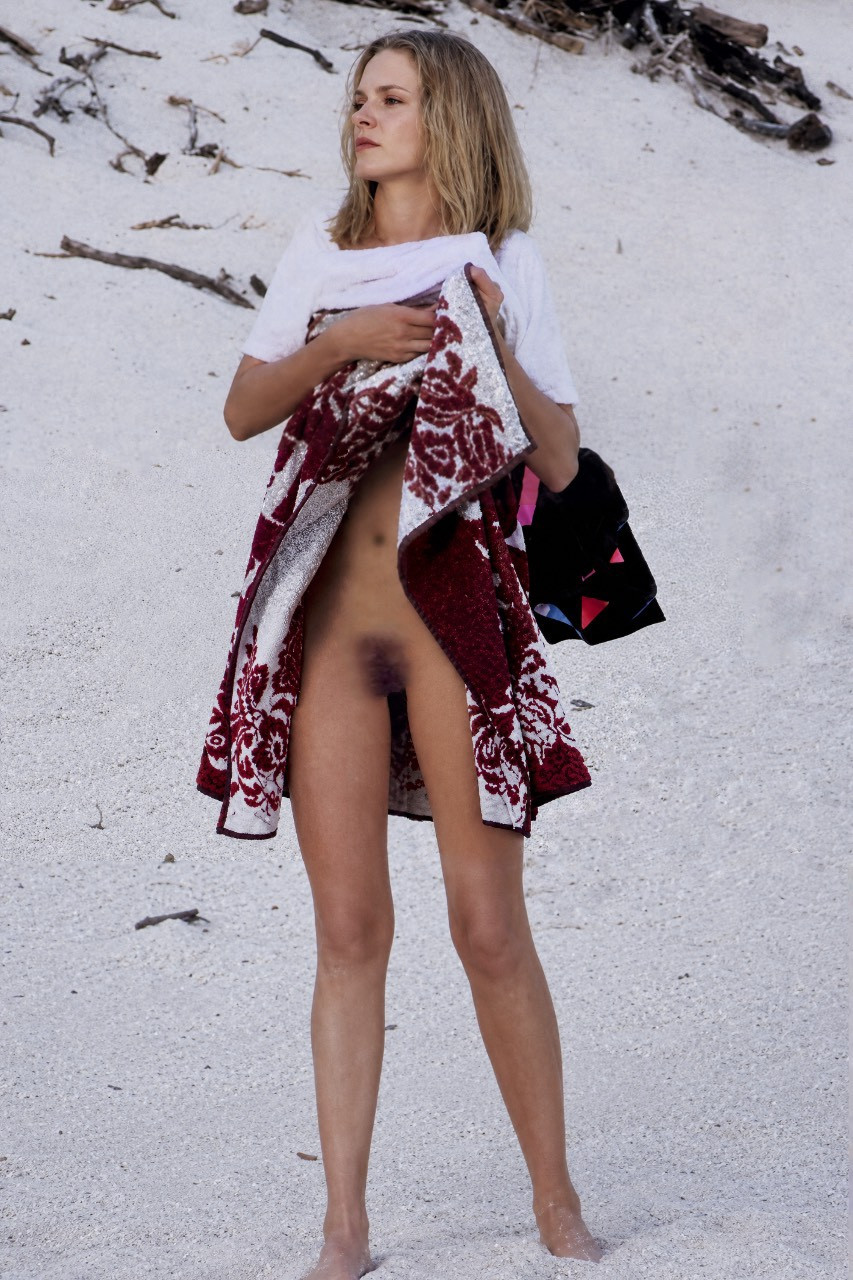
Uma Thurman brings a rare kind of screen glamour to the Playboy archive — cool, intelligent, statuesque, and touched with the kind of danger that belongs more to cinema than to simple celebrity. When she appeared in Playboy’s September 1996 issue, it was not through a traditional studio pictorial, but through a paparazzi-style beach feature from St. Barts, framed by the magazine with a mixture of admiration, cheek, and old-school fascination. By then, Thurman was already more than a beautiful actress. She was one of the defining faces of 1990s film.
She came from a family unlike almost any other in Hollywood. Her mother, Nena von Schlebrügge, was a Swedish-born model; her father, Robert Thurman, became a noted Buddhist scholar and was described in Playboy’s own text as one of the first Americans ordained as a Buddhist monk. Even her name carried poetry: the magazine noted that Uma means “bestower of blessings” in Hindi, while joking that in English it meant “Wow.” For once, Playboy’s wordplay was not far off.
Before she became a star, Thurman briefly tried modeling as a teenager, but the profession did not hold her for long. Acting gave her a richer language. She emerged in the late 1980s with films including Dangerous Liaisons and The Adventures of Baron Munchausen, then pushed further into bold, adult territory with Henry & June. But it was Quentin Tarantino’s Pulp Fiction in 1994 that transformed her into an icon. As Mia Wallace, with the black bob, white shirt, cigarette cool, and unforgettable dance-floor poise, she became a symbol of dangerous modern femininity.
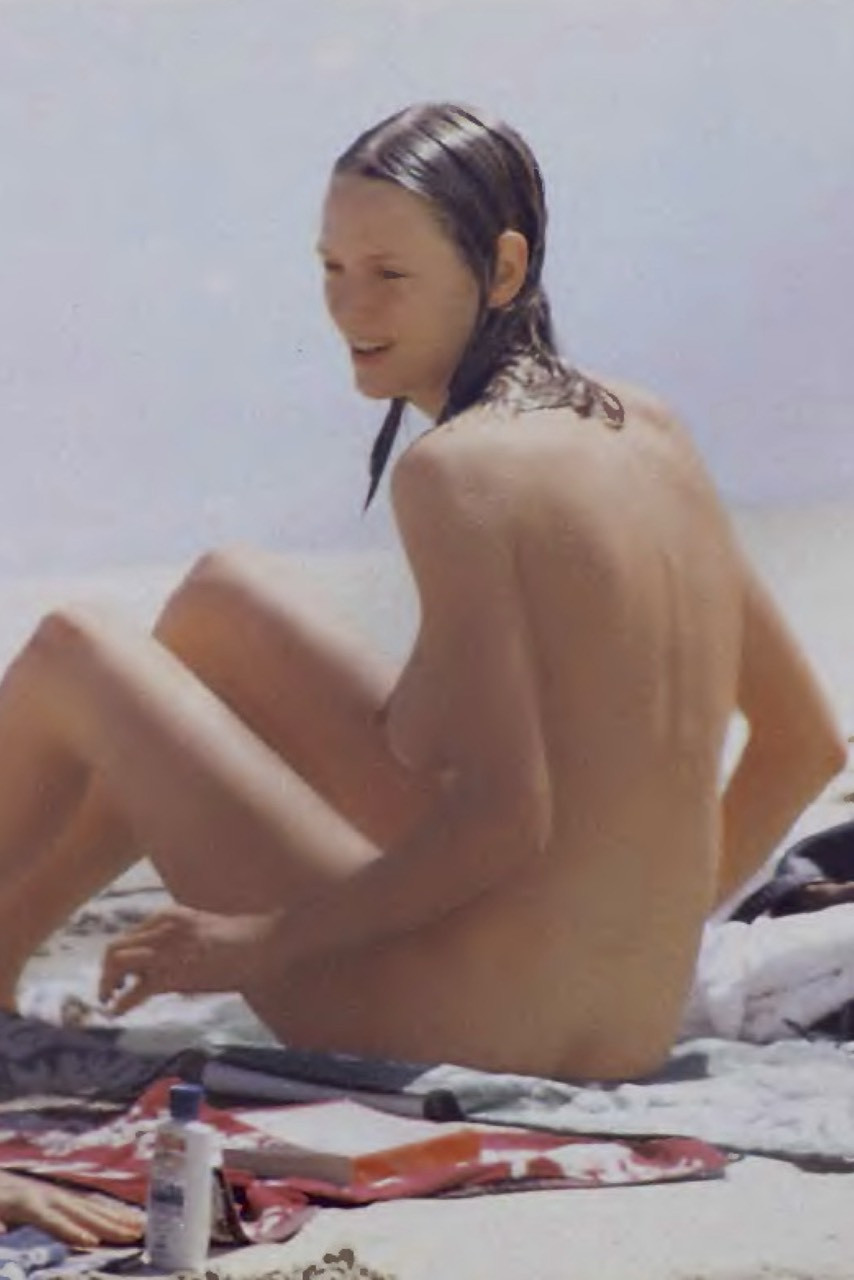
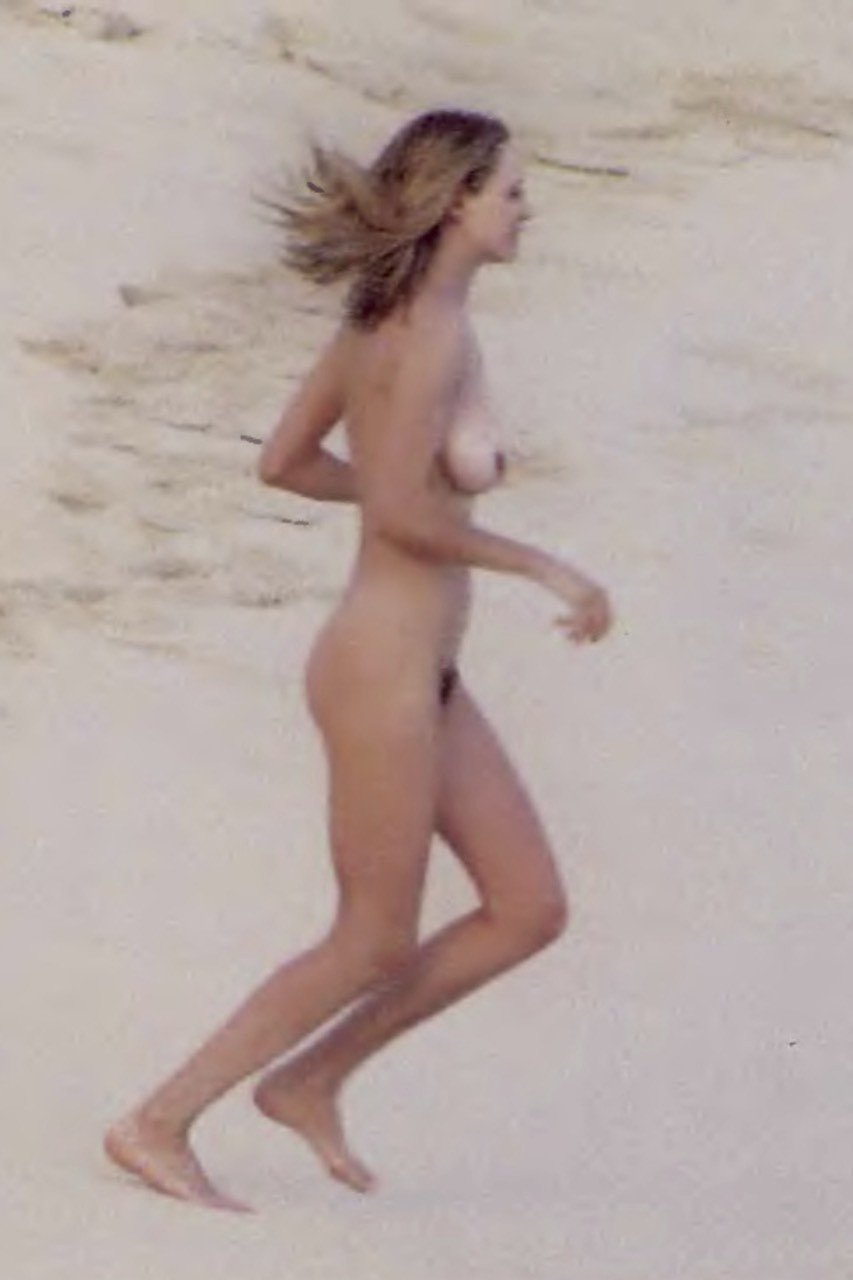
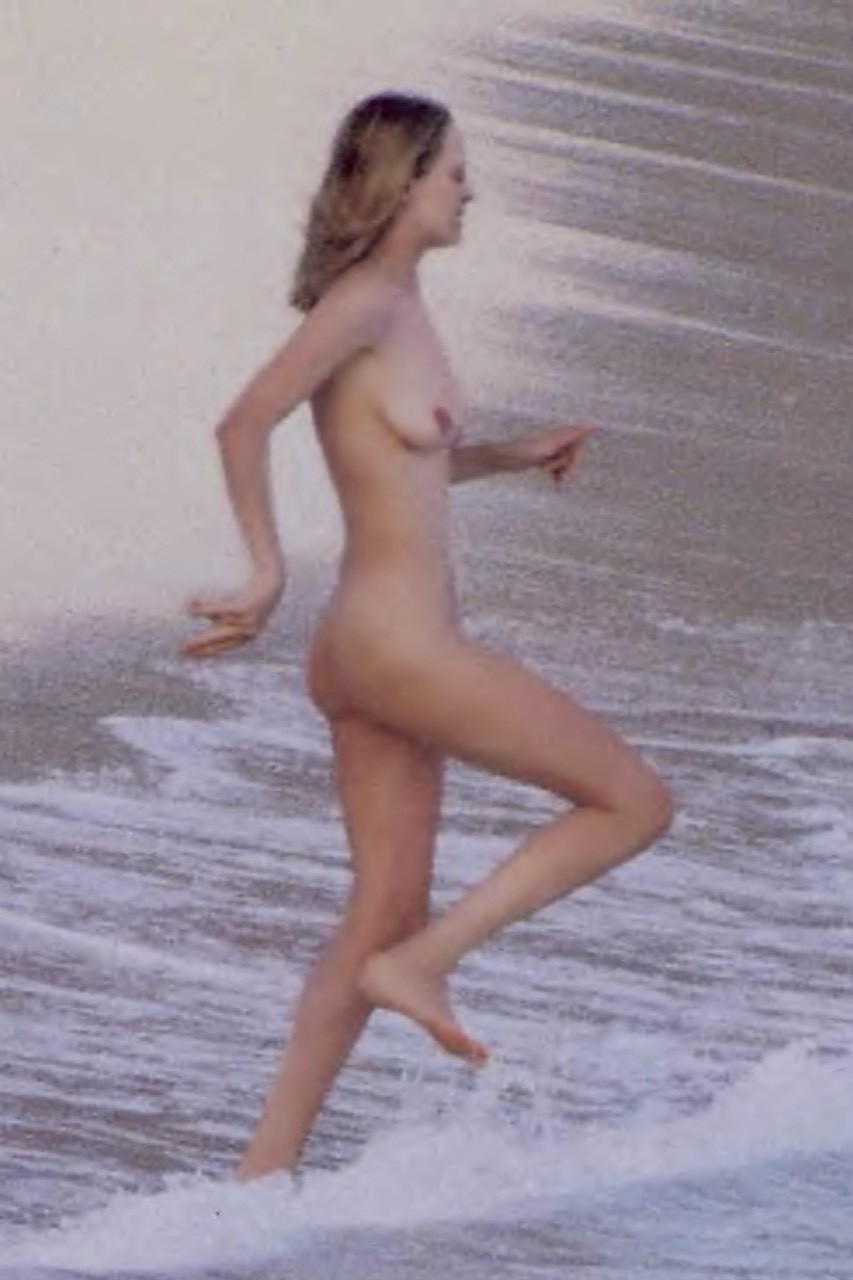
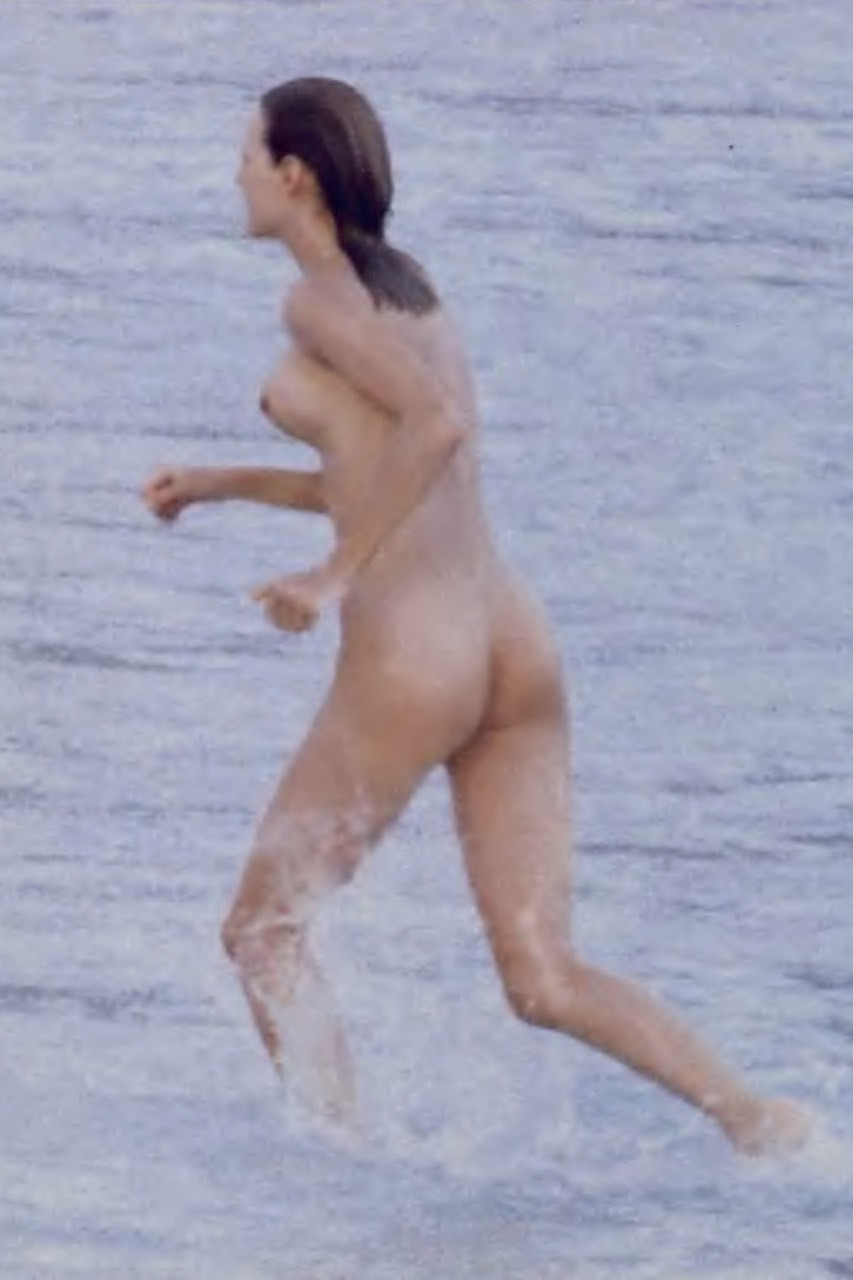
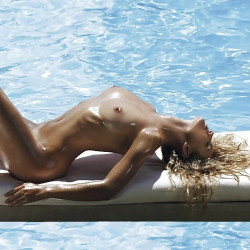
Playboy’s September 1996 feature captured Thurman in a very different mood: casual, sunlit, and unguarded on a public beach in St. Barts. The magazine’s copy leaned into the contradiction, describing her as an “ingenue turned sex star” and noting that the photographs revealed the body only hinted at in Dangerous Liaisons, Pulp Fiction, and The Truth About Cats & Dogs. A smaller image from Cats & Dogs with Ben Chaplin reminded readers that she could play approachable romantic comedy as easily as she could embody noir cool.
At the time, Thurman’s personal life and coming roles added to the magazine’s sense of intrigue. Playboy noted her divorce from Gary Oldman, her relationship with Timothy Hutton after Beautiful Girls, and her upcoming role as Poison Ivy in Batman & Robin. The feature belonged unmistakably to the mid-nineties: playful, slightly invasive, fascinated by celebrity bodies, and eager to place Thurman between art-house credibility, mainstream beauty, and comic-book fantasy.
Her later career only enlarged the myth. Thurman returned to Tarantino’s world as The Bride in Kill Bill: Volume 1 and Kill Bill: Volume 2, turning vengeance, grace, violence, and heartbreak into one of modern cinema’s most memorable heroines. The role gave her a second immortal screen identity — different from Mia Wallace, but just as powerful. If Pulp Fiction made her cool, Kill Bill made her mythic.
That is the secret of Uma Thurman’s allure: she never felt like a simple Hollywood bombshell. She was too strange, too elegant, too cerebral, too untouchable for that. Playboy’s September 1996 appearance caught her in a moment when the public was hungry to see more of her, but the real fascination was never only physical. It was the tension she carried — aristocratic and rebellious, serene and dangerous, vulnerable and remote. Uma Thurman did not just enter the Playboy archive as a celebrity caught at the beach. She entered it as a woman already turning into legend.