Nancy Sinatra Bio
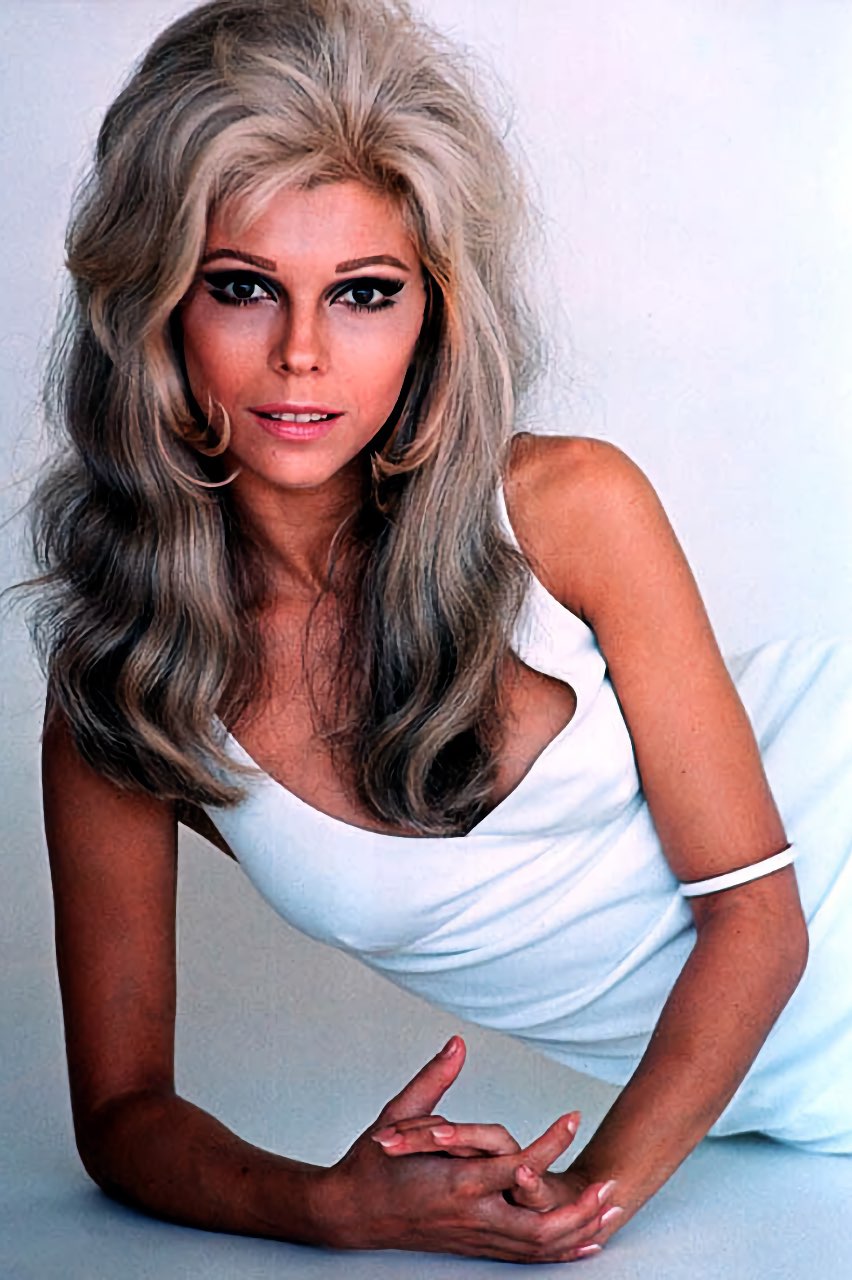
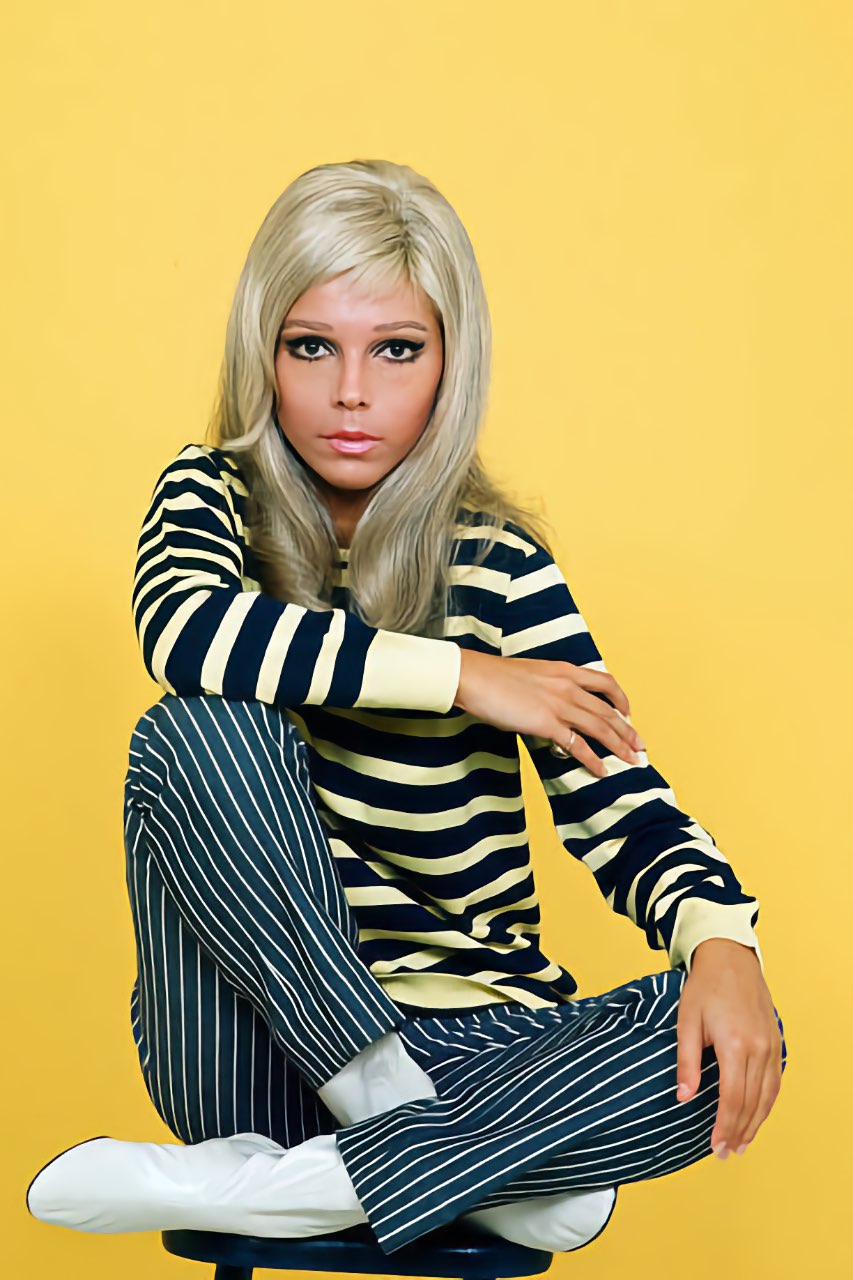
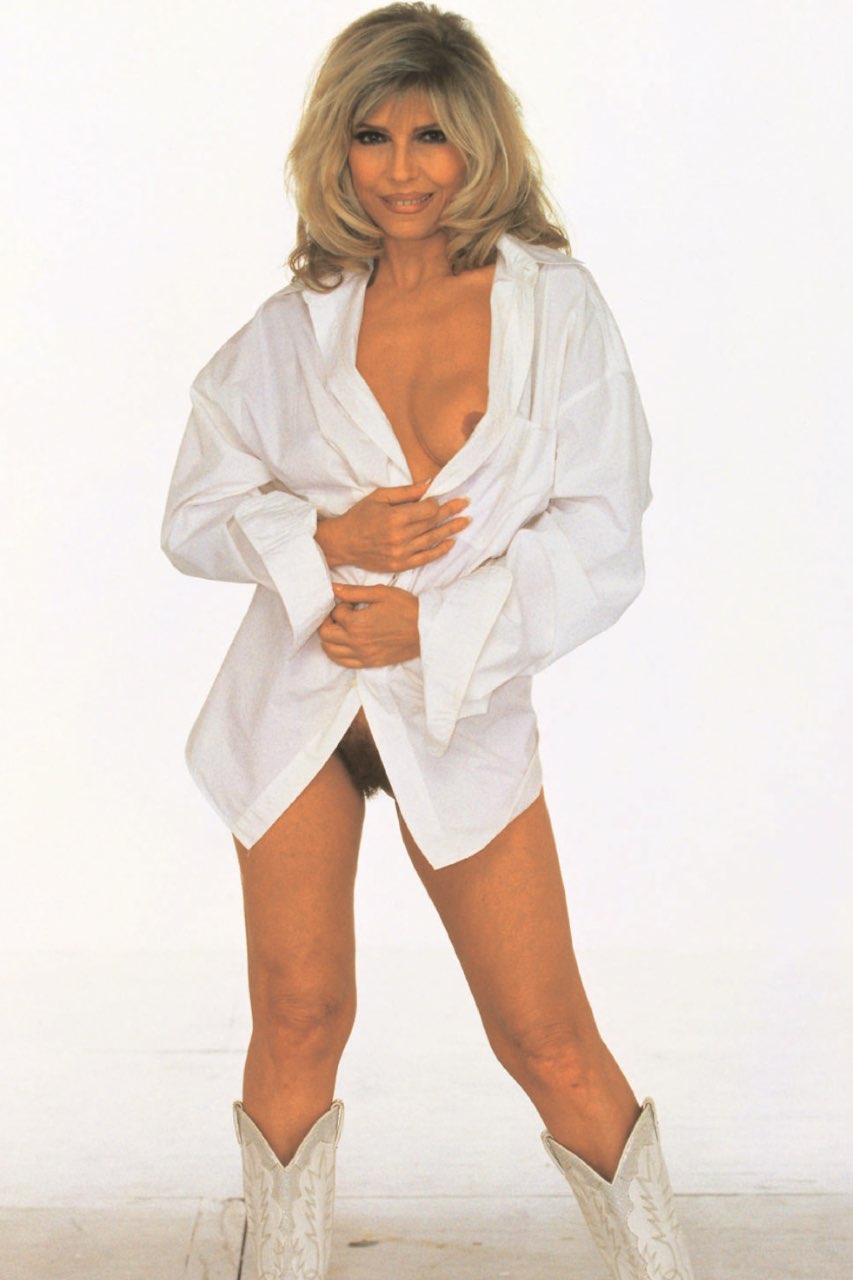
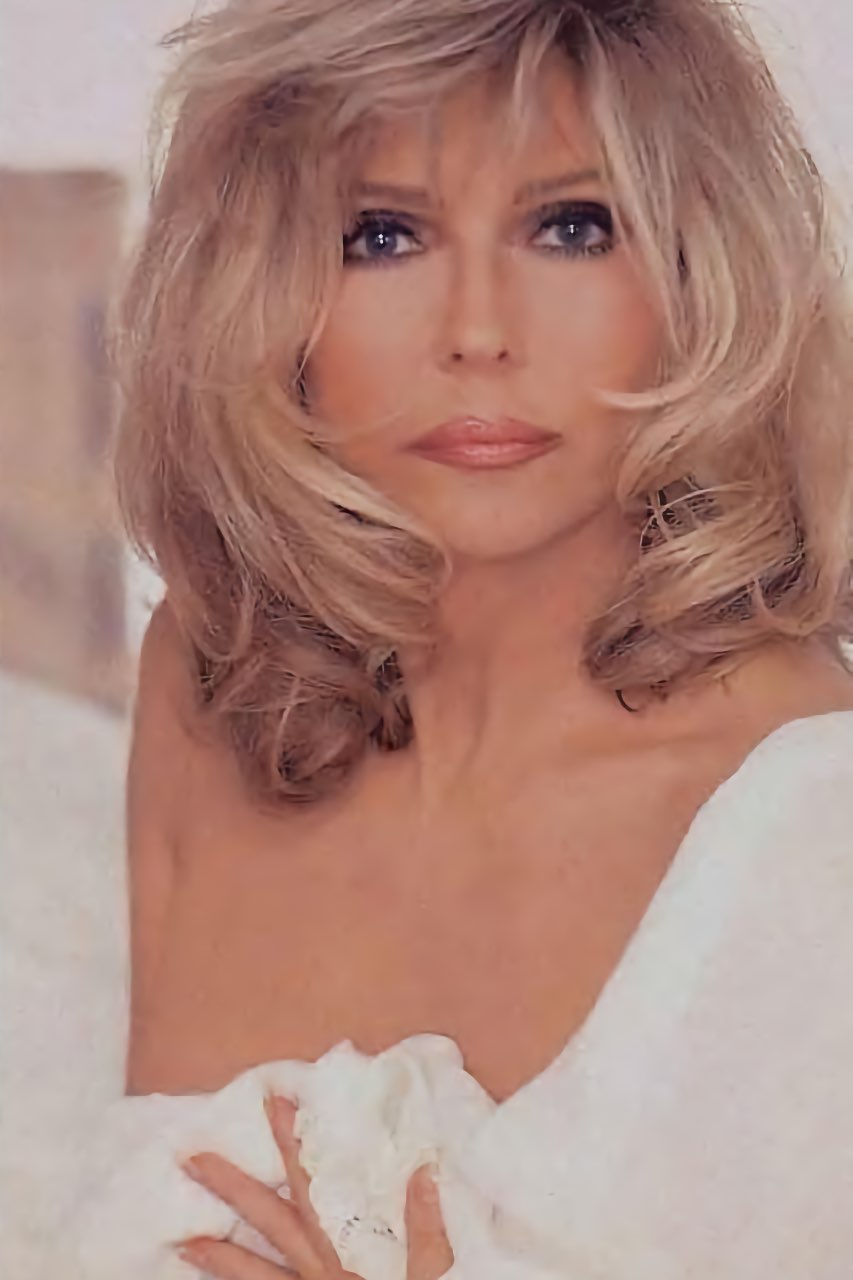
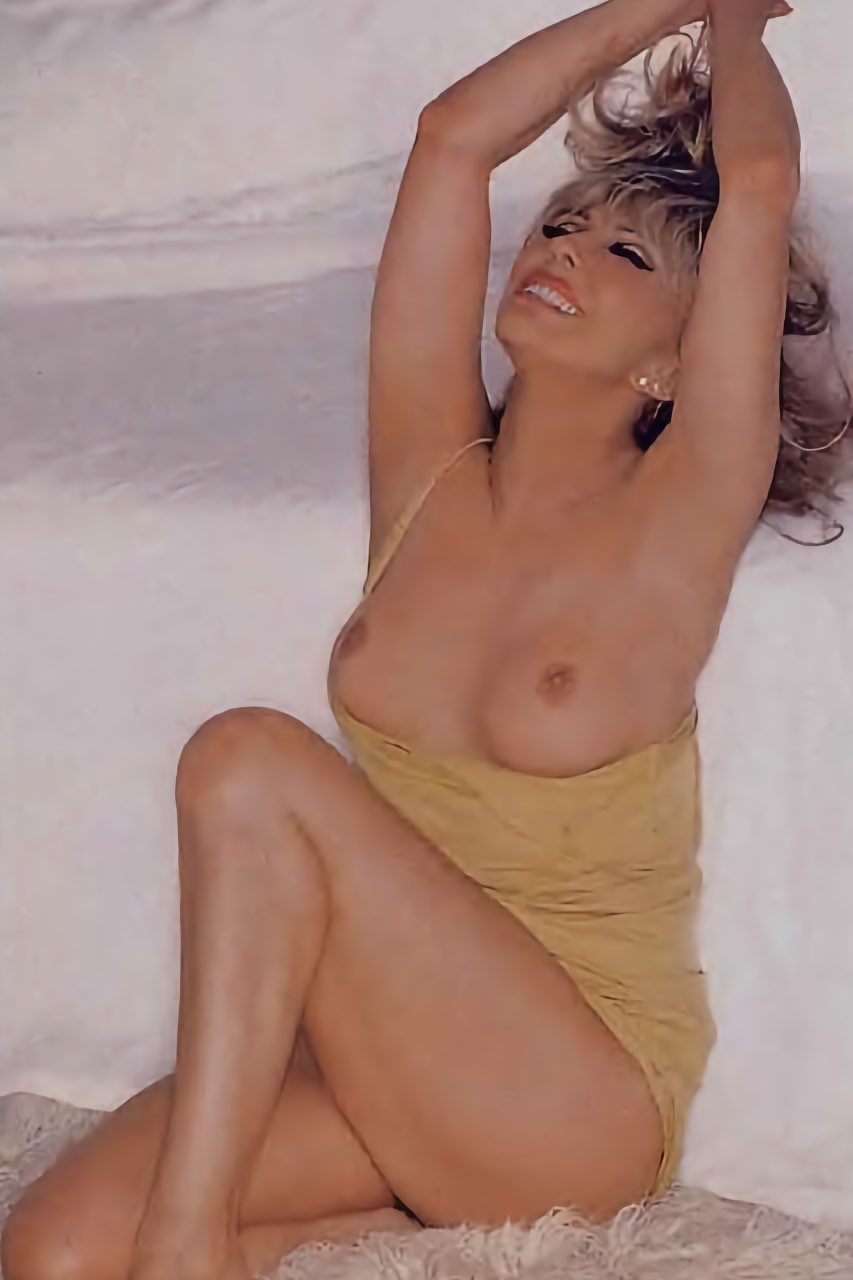
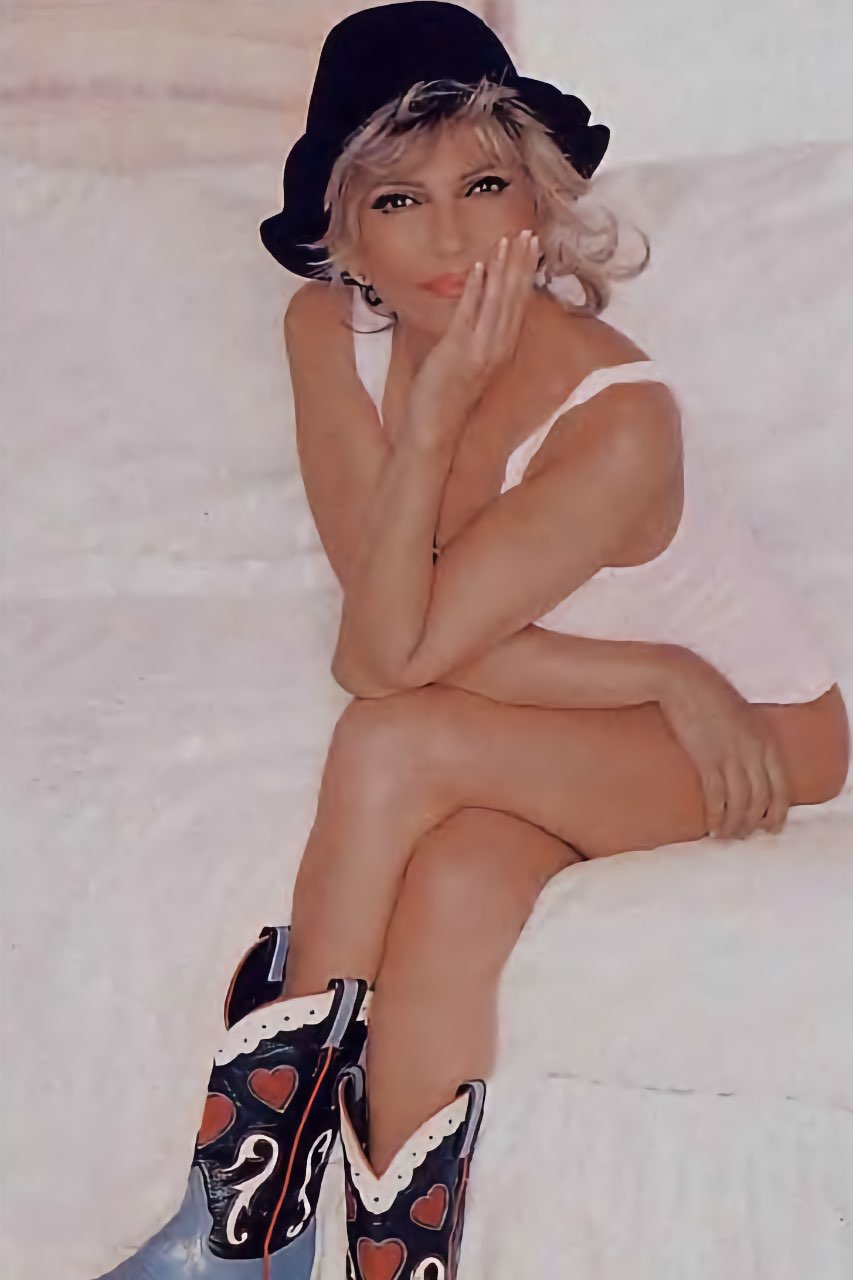
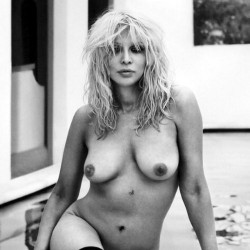
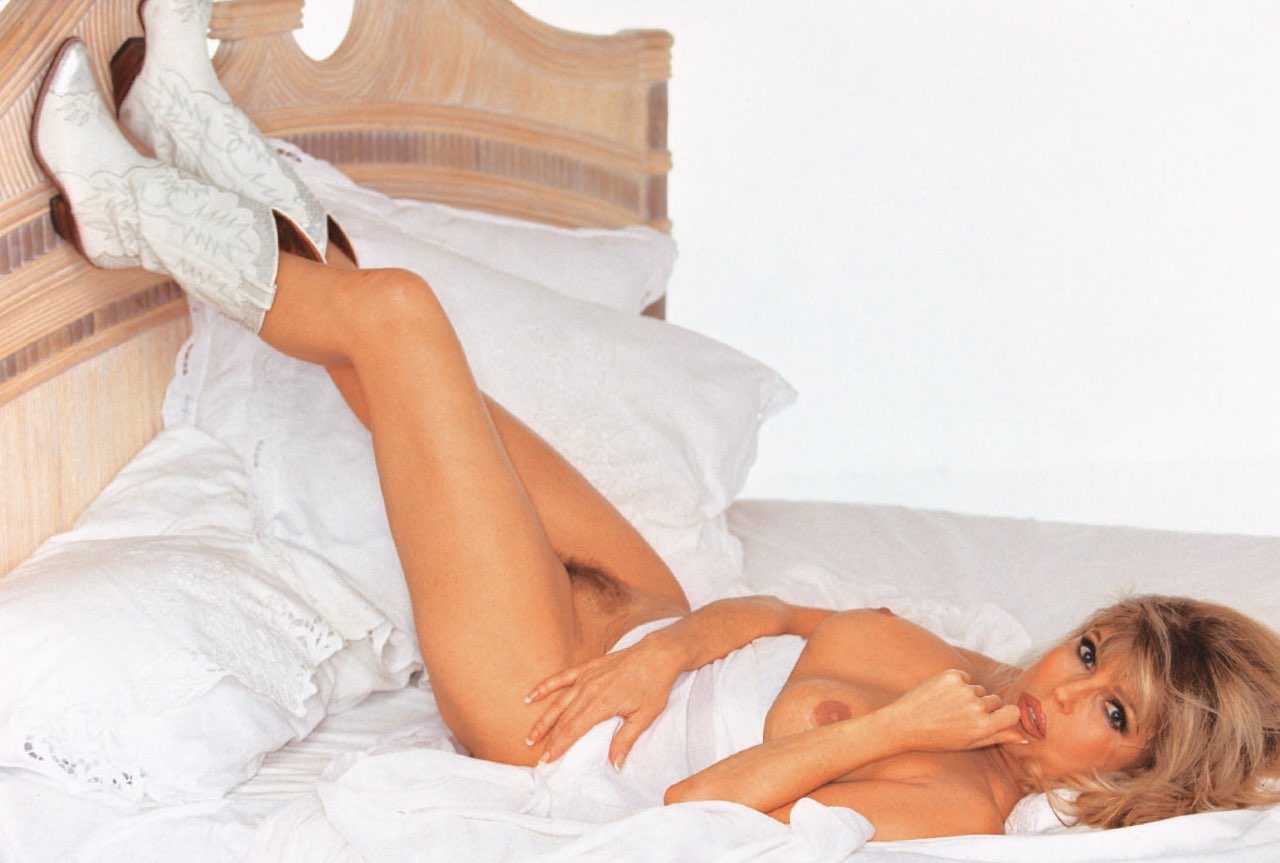
Nancy Sinatra is an American Singer and actress. Born Nancy Sandra Sinatra on June 8, 1940, in Jersey City, New Jersey, she has also been credited as The Icon of Cool and The First Lady of Rock. She appeared in Playboy in May 1995 at 54, adding the feature to her public career. Her appearance came during Playboy's 1990s print era, a period increasingly shaped by entertainment and celebrity culture.
Sinatra has natural breasts, brown eyes and blond hair. Her measurements are 33-23-35.
Nancy Sinatra spent the early 1960s searching for a musical identity distinct from the formidable reputation of her father, Frank Sinatra. Her breakthrough came after she began working with producer and songwriter Lee Hazlewood, who encouraged her to abandon the demure style of her first recordings in favour of a deeper voice, sharper attitude and fashion-forward image. Released in 1966, “These Boots Are Made for Walkin’” reached number one in both the United States and Britain, earned three Grammy nominations and turned Sinatra into one of the decade’s most recognisable pop performers.
Her collaboration with Hazlewood produced a distinctive catalogue that moved between pop, country, psychedelia and cinematic melancholy. Sinatra followed “Boots” with hits including “Sugar Town” and “How Does That Grab You, Darlin’?” and recorded memorable duets such as “Summer Wine,” “Jackson” and “Some Velvet Morning.” She also sang the title theme for the 1967 James Bond film You Only Live Twice and reached number one alongside her father with “Somethin’ Stupid,” establishing a musical identity that was connected to the Sinatra name without being overshadowed by it.
Cinema gave her another stage for the cool, independent persona that defined her records. She appeared opposite Peter Fonda in Roger Corman’s biker drama The Wild Angels and later starred with Elvis Presley in the 1968 musical comedy Speedway. Her screen career was relatively brief, but the films placed her squarely inside the colourful popular culture of the late 1960s, where go-go fashion, rock music and rebellious youth imagery were increasingly shaping Hollywood.
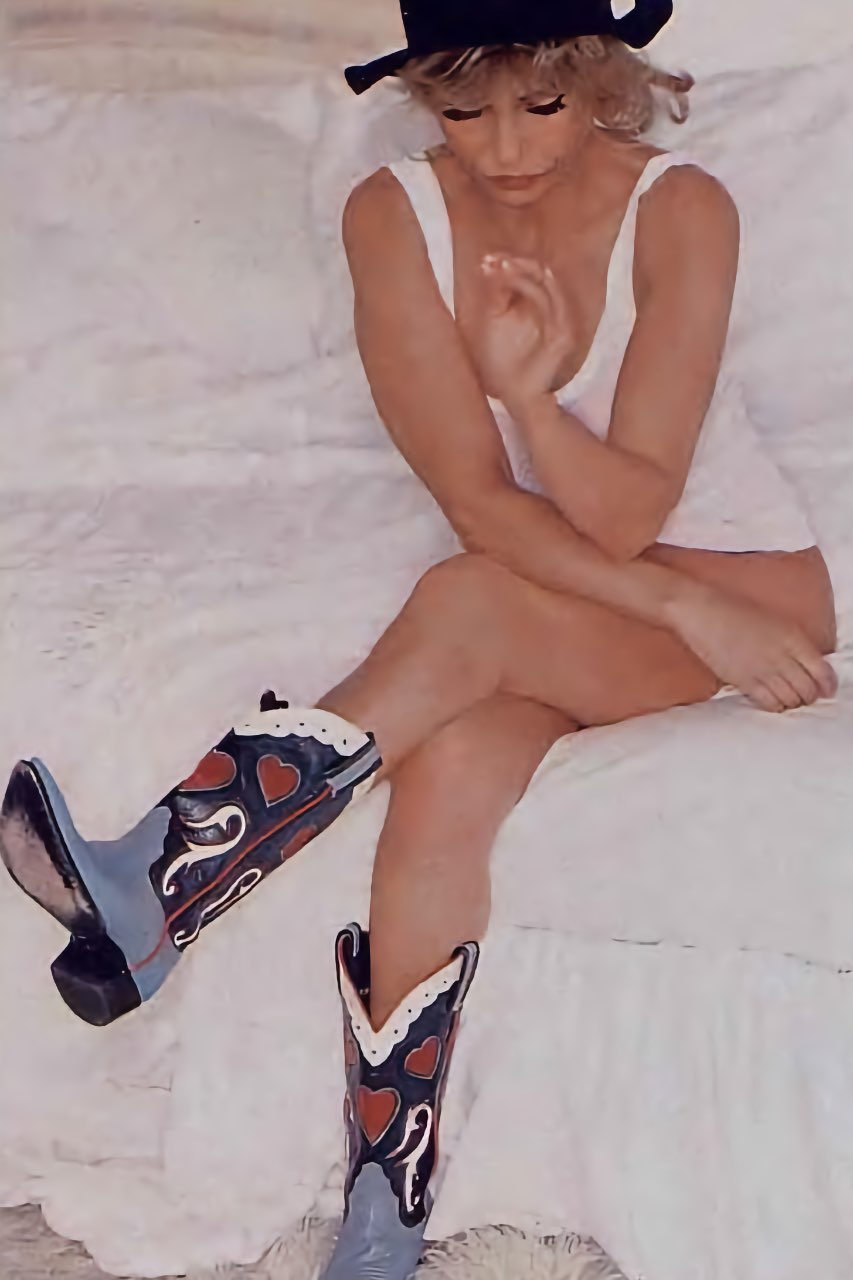
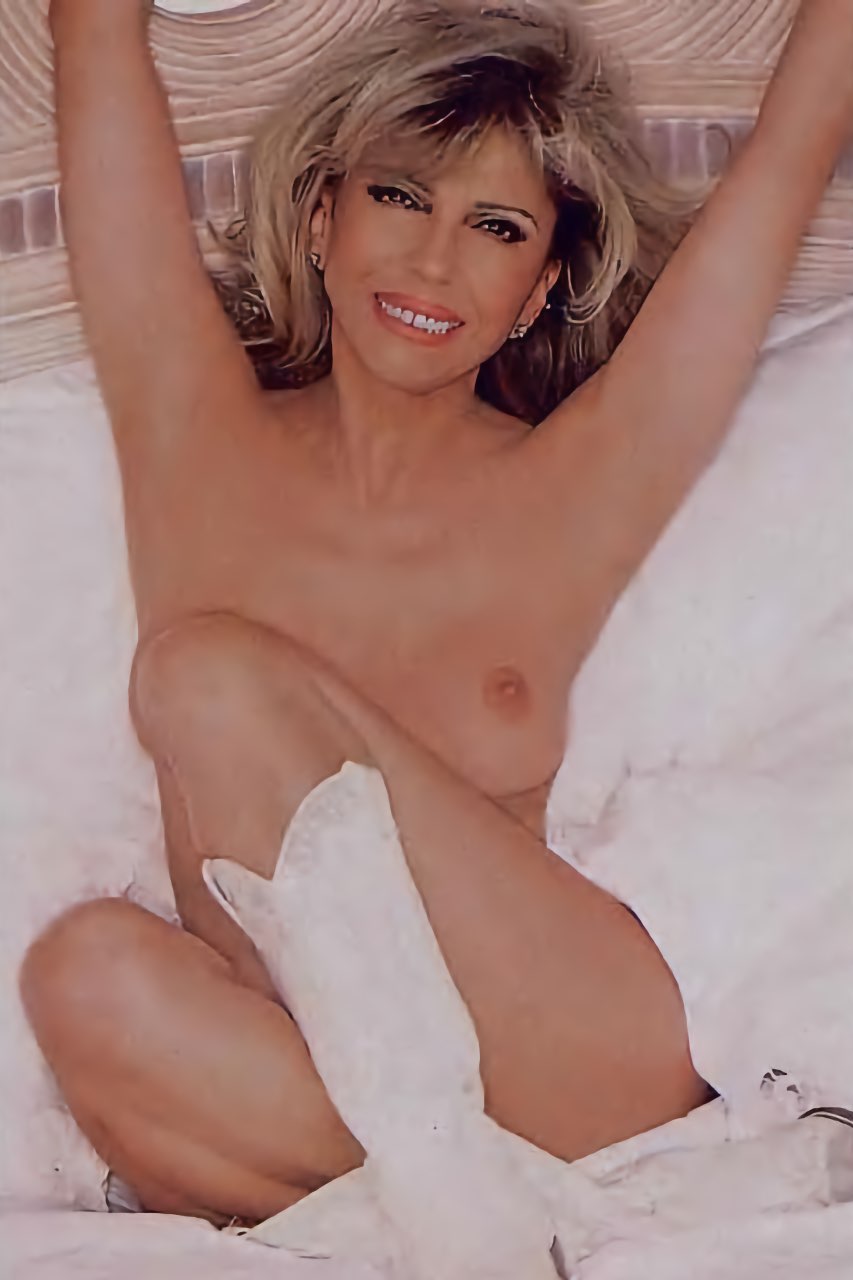
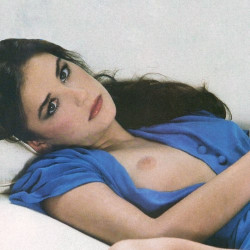
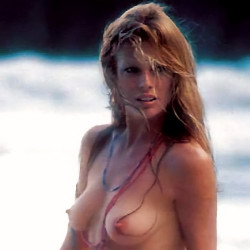
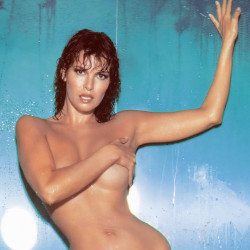
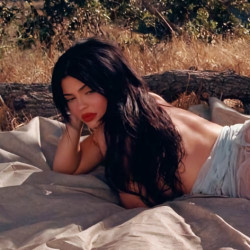
At 54, Sinatra appeared on the cover and in an eight-page celebrity pictorial for Playboy’s May 1995 issue. The feature coincided with the release of her comeback album One More Time and presented a mature performer reclaiming the sensual image associated with her famous boots. Sinatra said her daughters supported the decision, while her mother suggested that she consult her father. When Nancy told him what Playboy had offered, Frank reportedly advised her to ask for twice as much—a request the magazine accepted.
Writing and archival work later became important parts of Sinatra’s career. In 1985, she published Frank Sinatra, My Father, an affectionate account of her father’s life, and she continued helping preserve and manage the family’s musical legacy. Her own recordings have also enjoyed renewed attention from later generations of artists and listeners, confirming that her appeal extended far beyond one signature hit. The Playboy pictorial captured Nancy Sinatra at a confident moment of return: still playful, still stylish and fully aware that glamour, like a great song, need not belong only to the young.