Demi Moore Bio
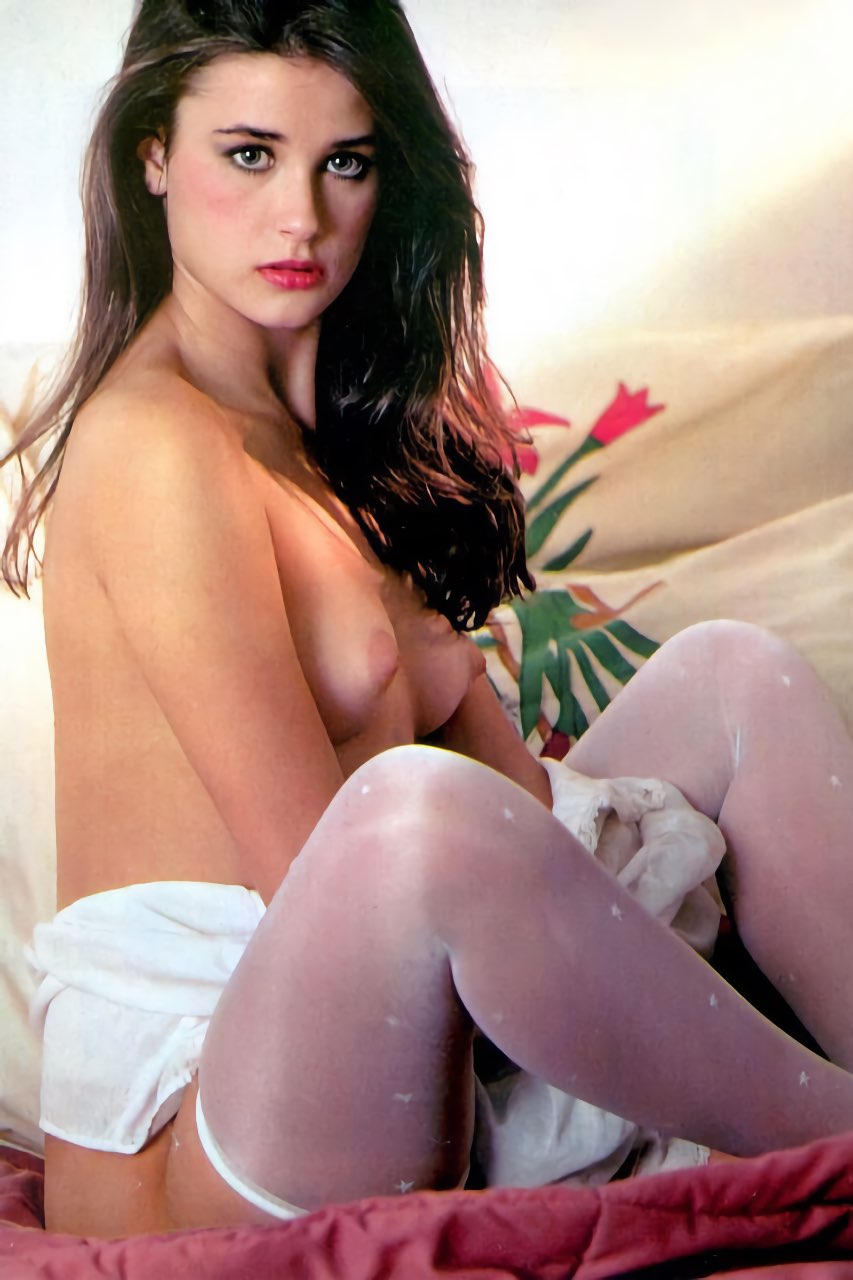
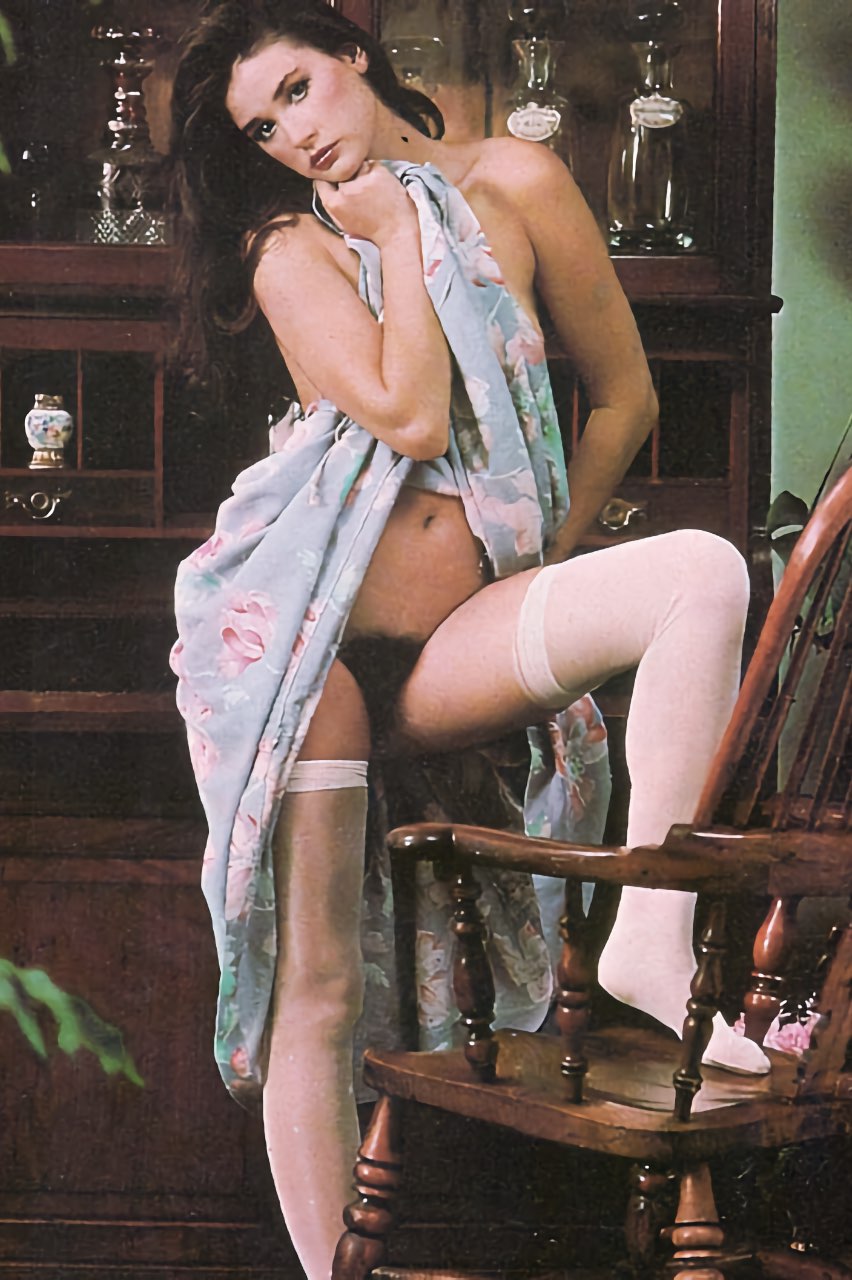
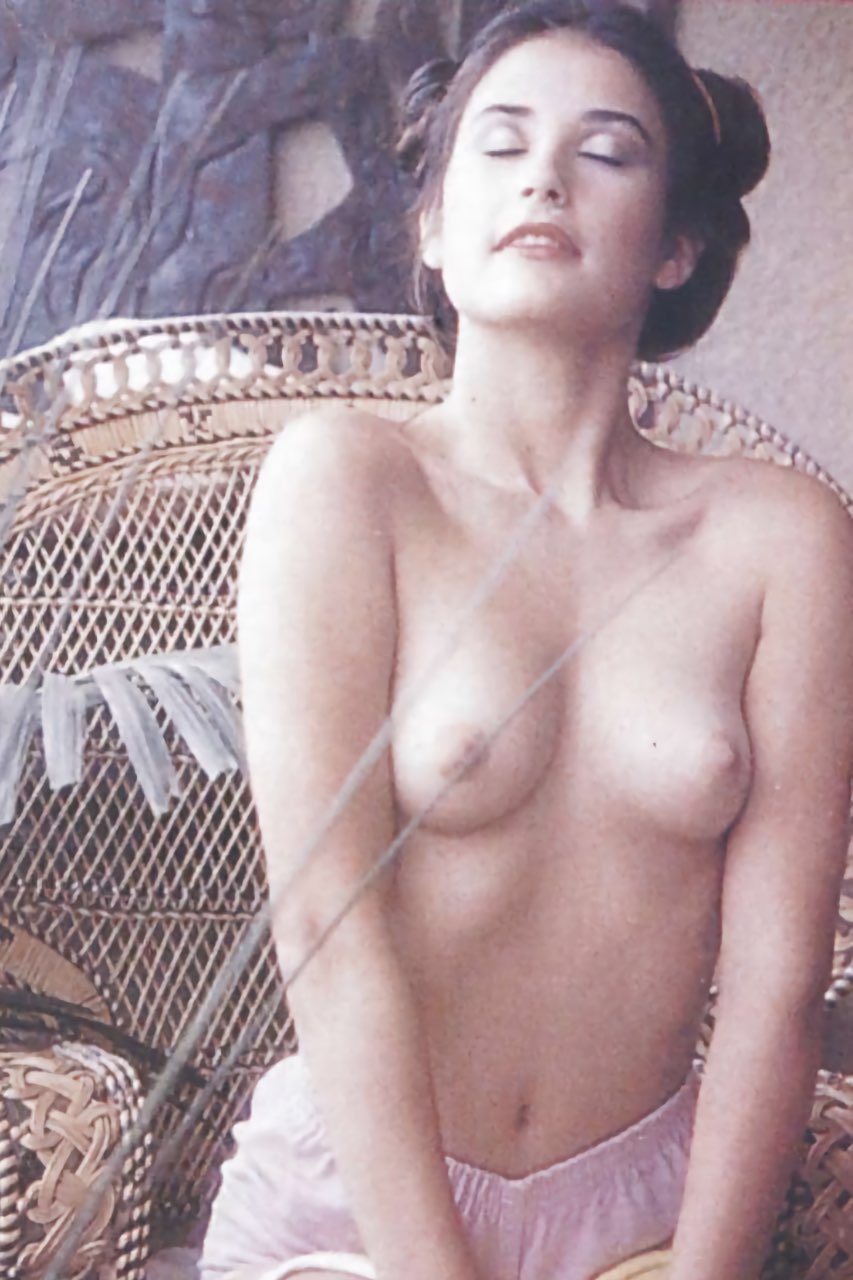
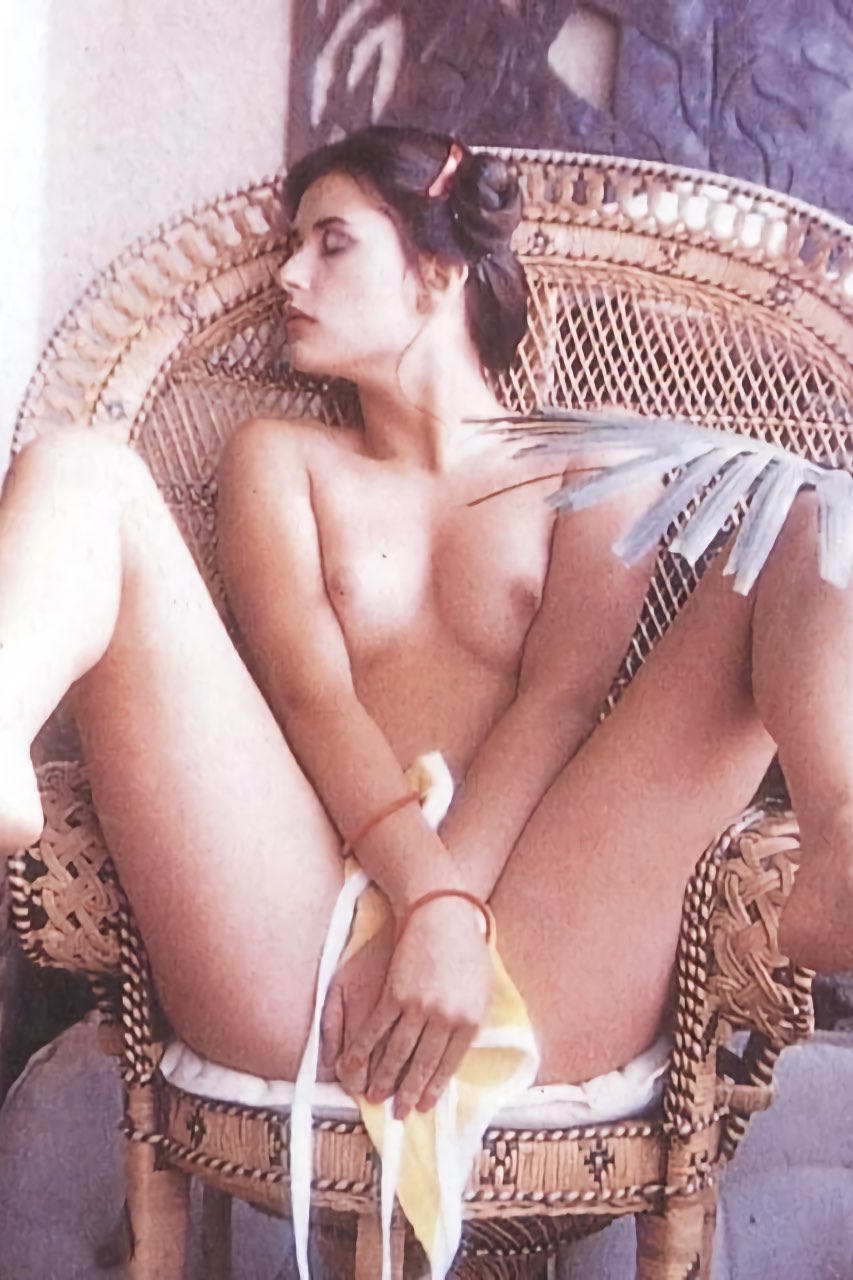
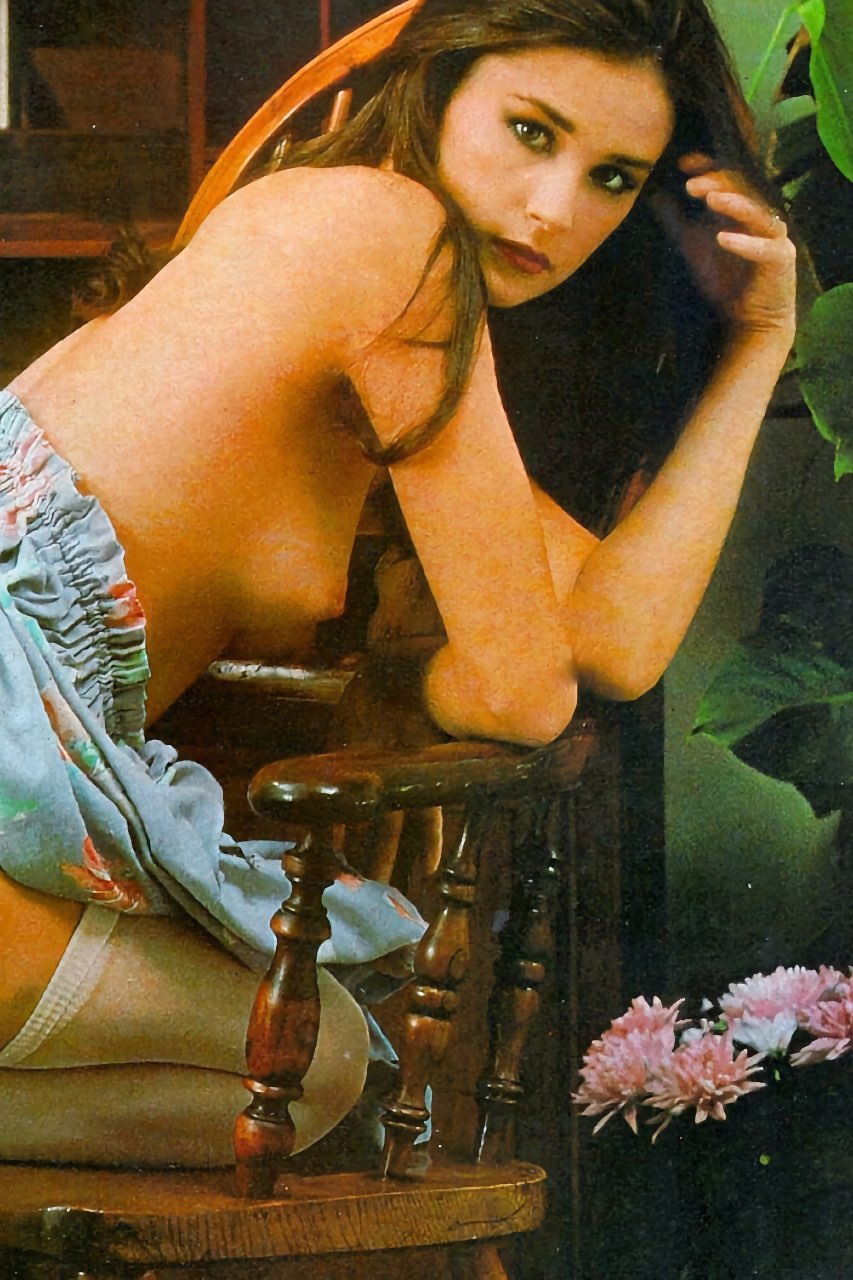
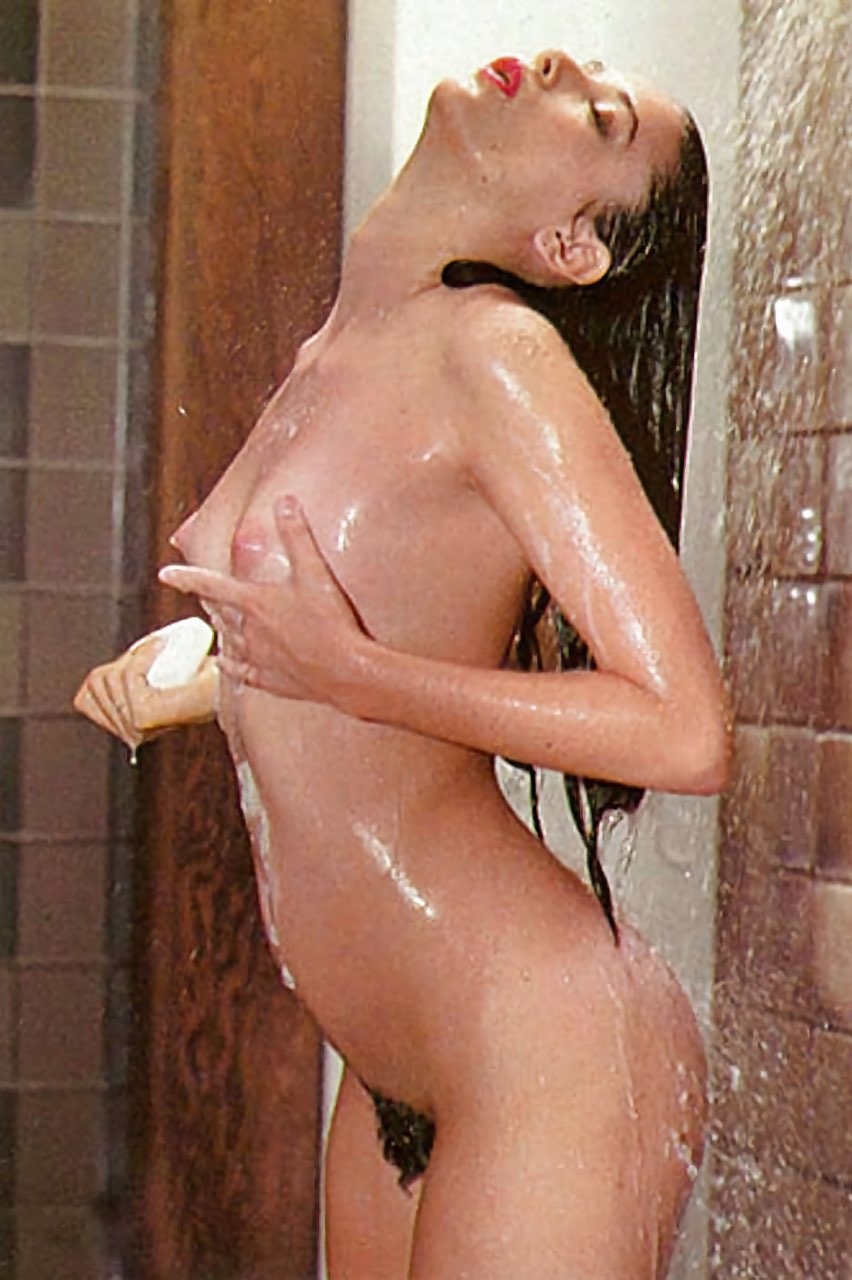
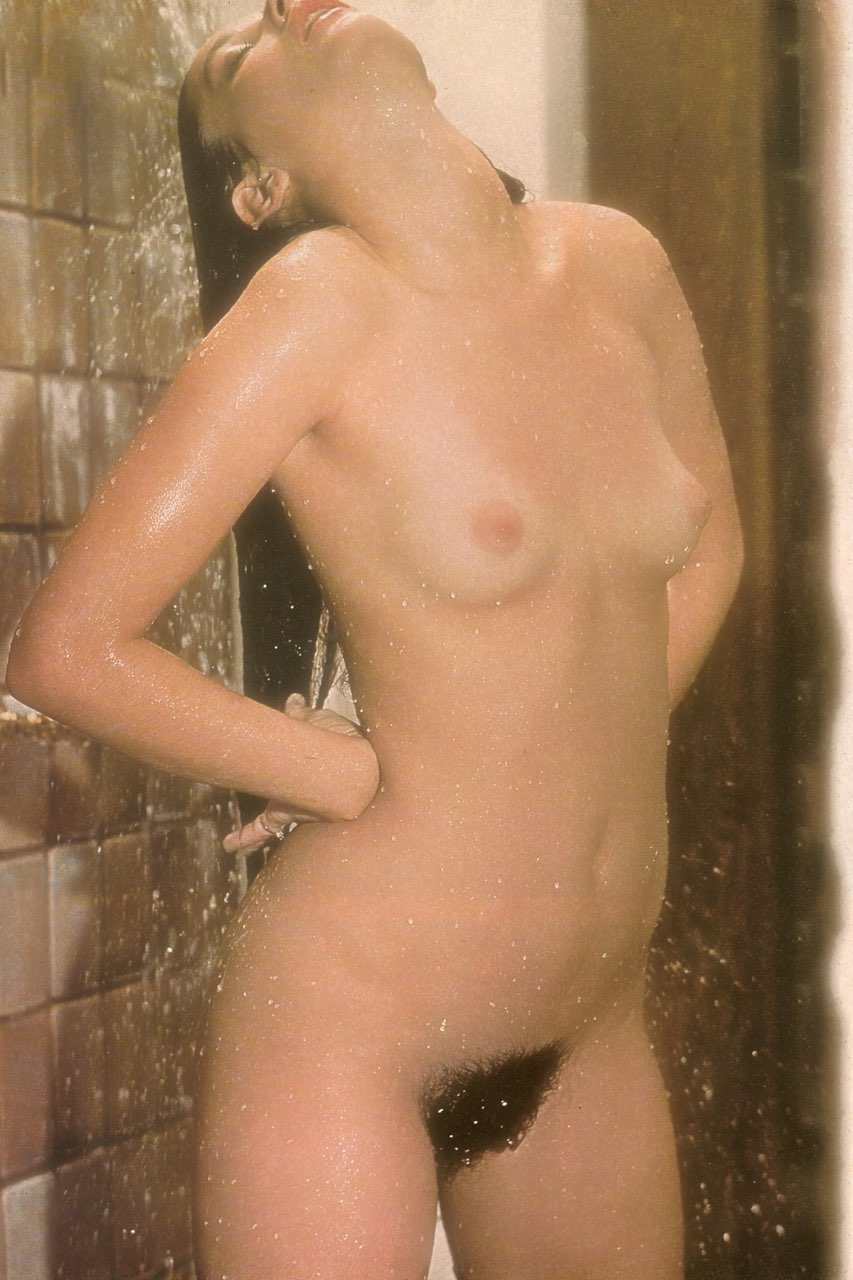
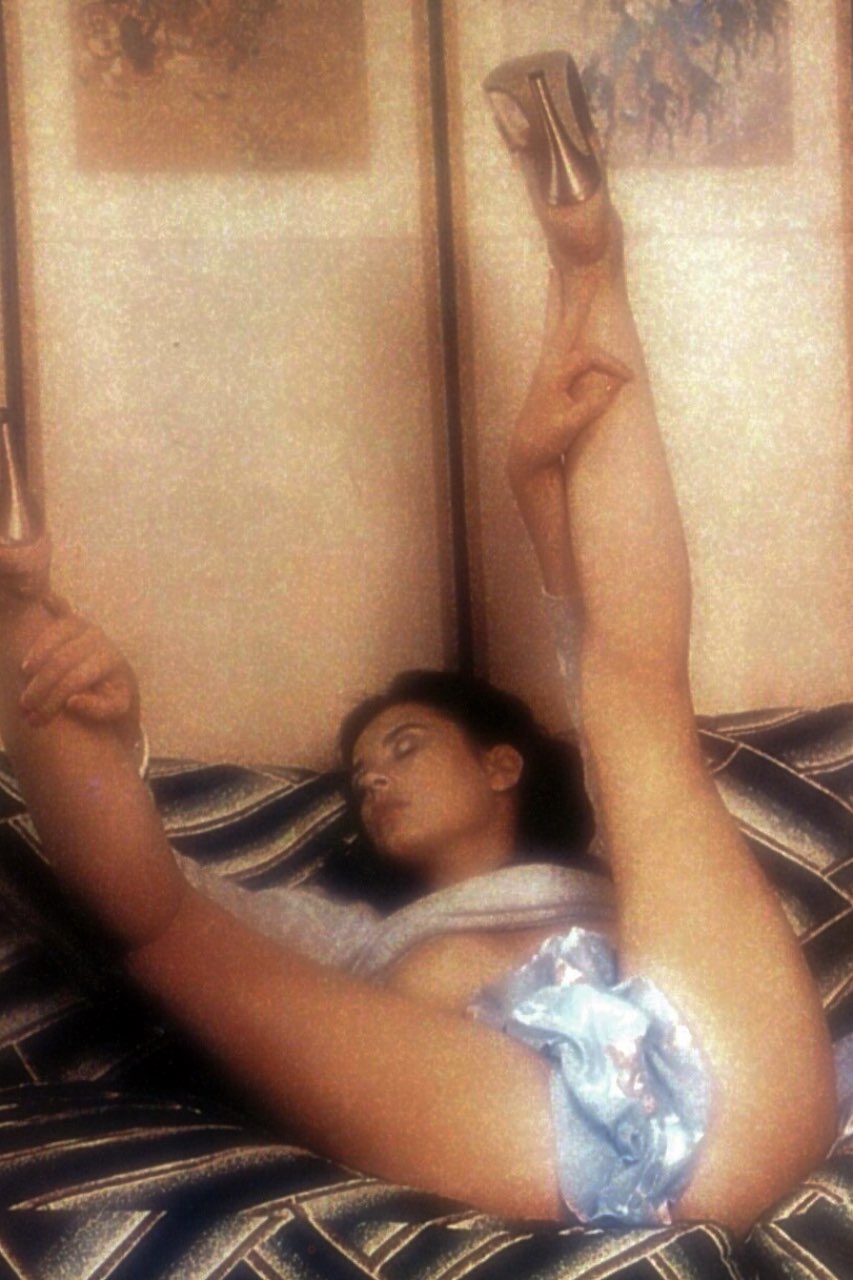
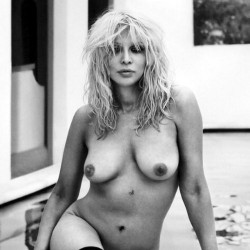
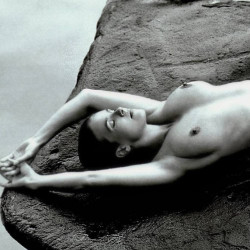
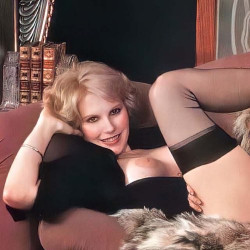
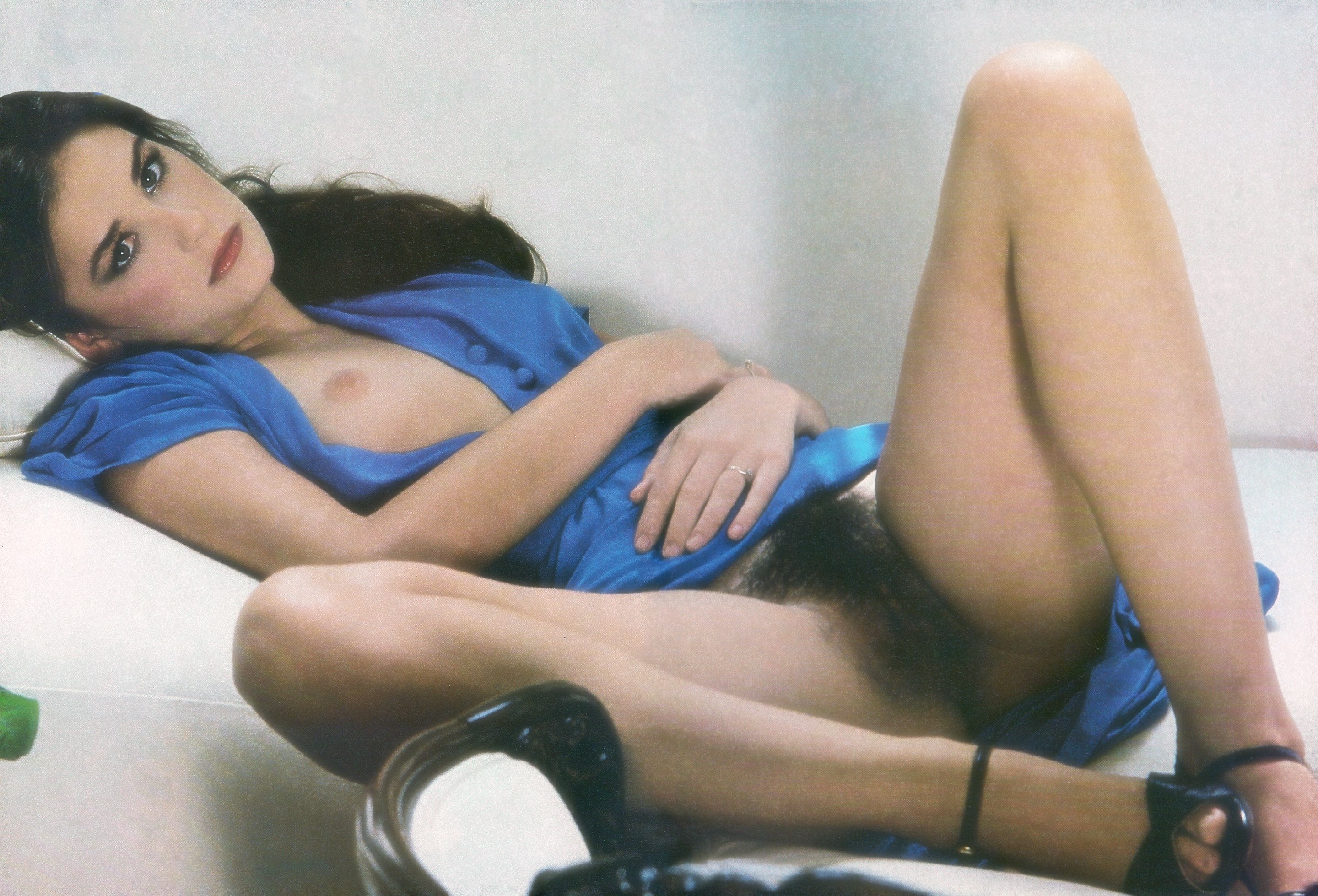
Demi Moore is an American Actress and producer. Born Demetria Gene Guynes on November 11, 1962, in Roswell, New Mexico, she has also been credited as Demi Gene Moore and Demi Kutcher. She appeared in Playboy in September 1983 at 20, adding the feature to her public career. Her appearance came during Playboy's polished, high-production 1980s period.
Moore has natural breasts, green eyes and black hair. Her measurements are 35-26-36.
By the time she entered the Playboy’s pages, Moore had already spent more than two decades building a career defined by bold choices, emotional intensity and an instinctive understanding of celebrity. Her image combined polished red-carpet glamour with a tougher, more self-directed quality that distinguished her from many of the leading actresses of her generation.
Her rise began through television and early film roles before St. Elmo’s Fire placed her among the most visible young performers of the 1980s. About Last Night allowed her to move beyond the fashionable ensemble image, while Ghost transformed her into an international star and gave her one of the era’s most recognisable romantic performances. She followed that success with prominent roles in A Few Good Men, Indecent Proposal, Disclosure and The Scarlet Letter, becoming one of the most commercially important actresses of the 1990s.
Moore’s August 2010 Playboy feature, “Letter to Demi,” was written by Will Blythe and approached her celebrity from an unusually personal angle. Accompanied by photographs recalling different stages of her public life, the article reflected on aging, desire, mortality and Hollywood’s relentless search for younger women. It also considered the attention surrounding her marriage to Ashton Kutcher and the cultural double standard that treated an older woman with a younger partner as something far more remarkable than the reverse.
Her public identity had long extended beyond individual film roles. Moore’s much-discussed Vanity Fair covers, photographed by Annie Leibovitz, challenged established ideas about pregnancy, motherhood and the female body in mainstream media. On screen, she repeatedly chose characters who confronted power, ambition and social expectation, whether entering the male-dominated world of G.I. Jane, embracing provocative material in Striptease or returning to glossy action glamour in Charlie’s Angels: Full Throttle. Her marriages to Bruce Willis and Kutcher attracted enormous press attention, yet she retained a professional identity that never depended entirely on either relationship.
Playboy captured Moore at a point when experience had become part of her appeal. The feature did not ask her to imitate the ingénue she had once been or to compete with Hollywood’s newest arrivals. Instead, it recognised a woman who understood fame, reinvention and the complicated pleasure of remaining visible. Her appearance belonged to a more reflective style of Playboy celebrity profile—sleek, intimate and confidently aware that glamour does not disappear with age; it simply becomes more deliberate.