Alexandra Hay Bio
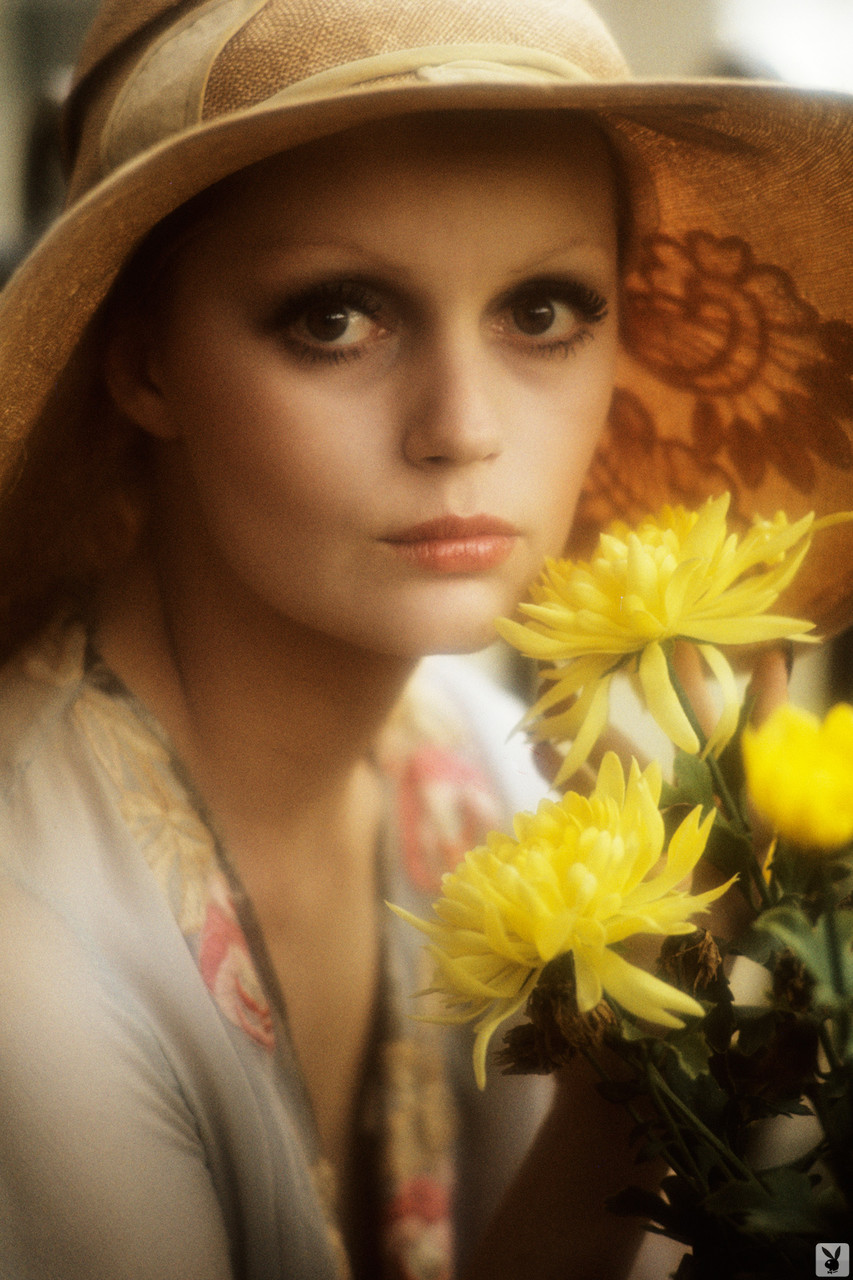
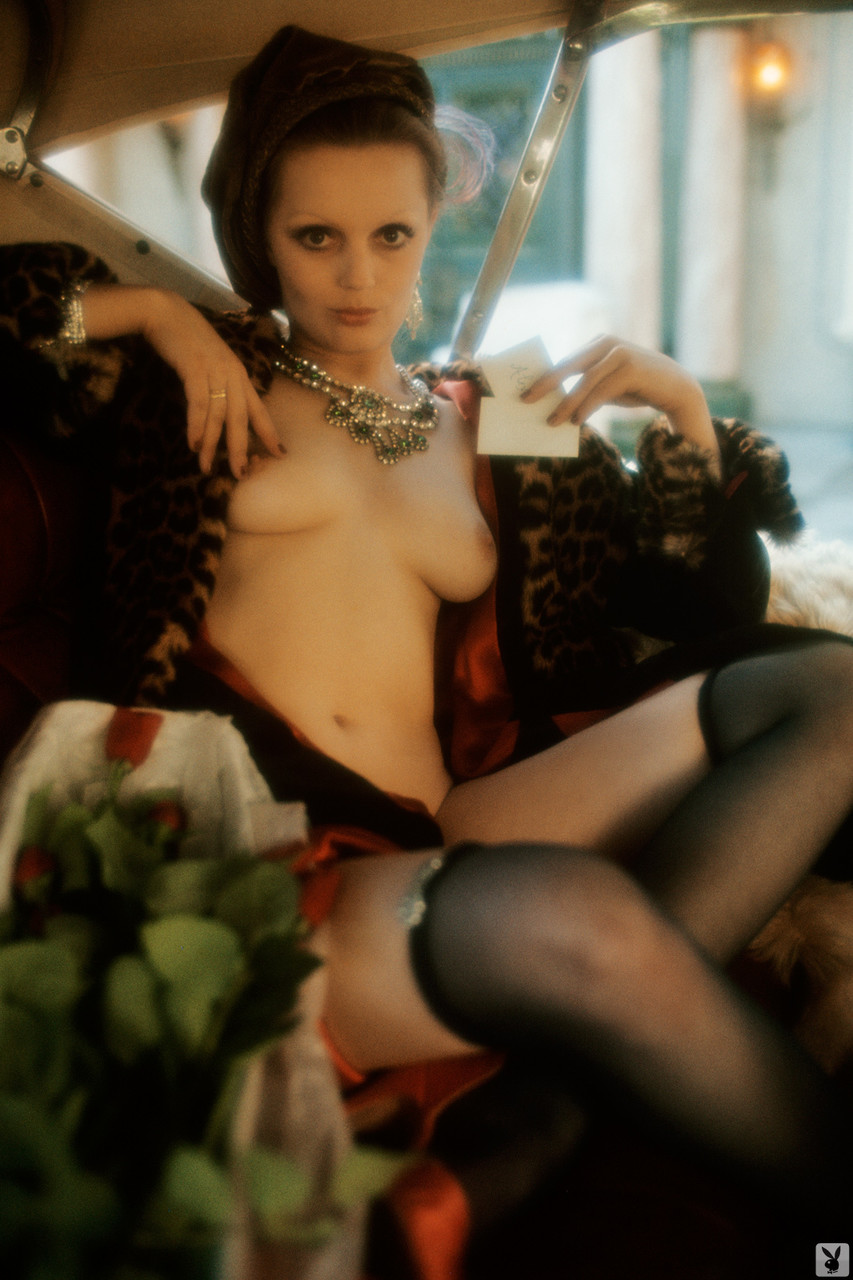
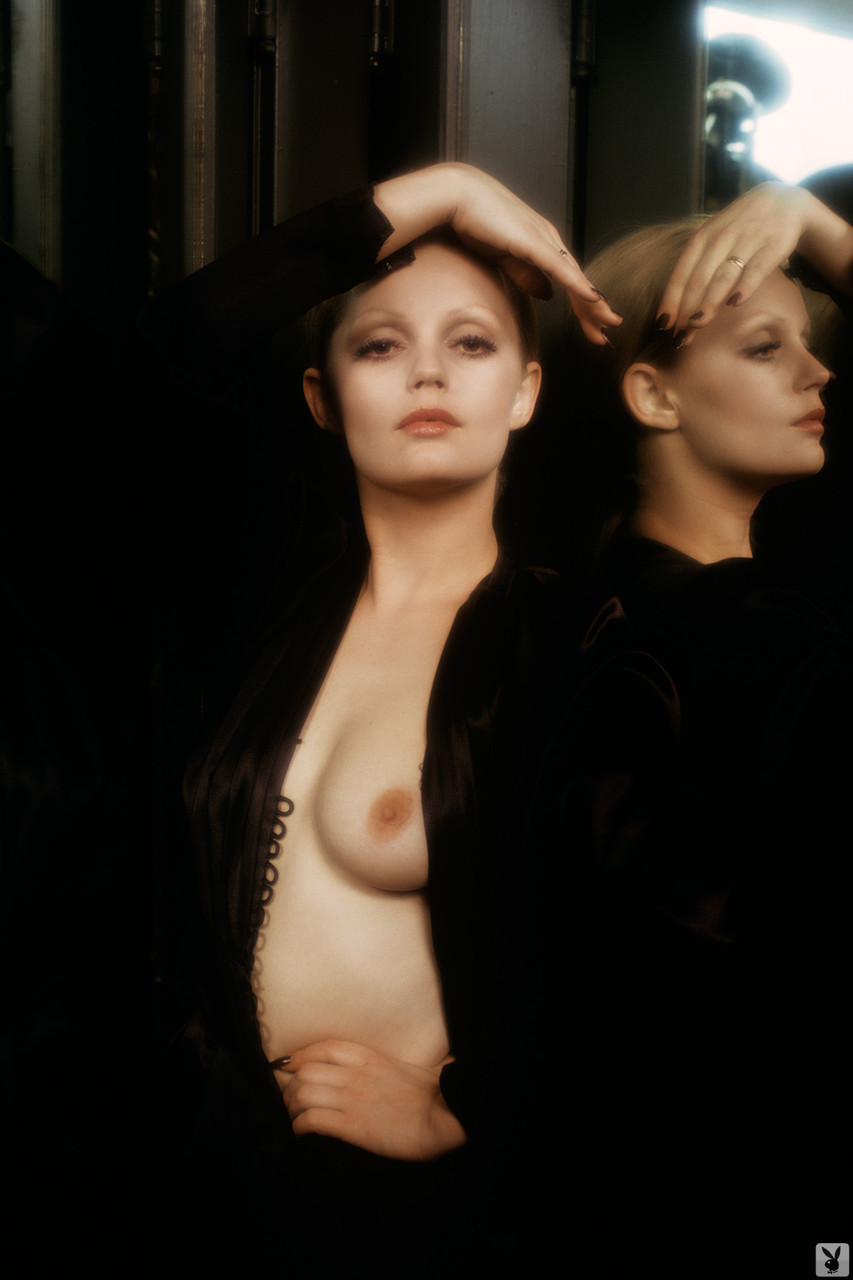
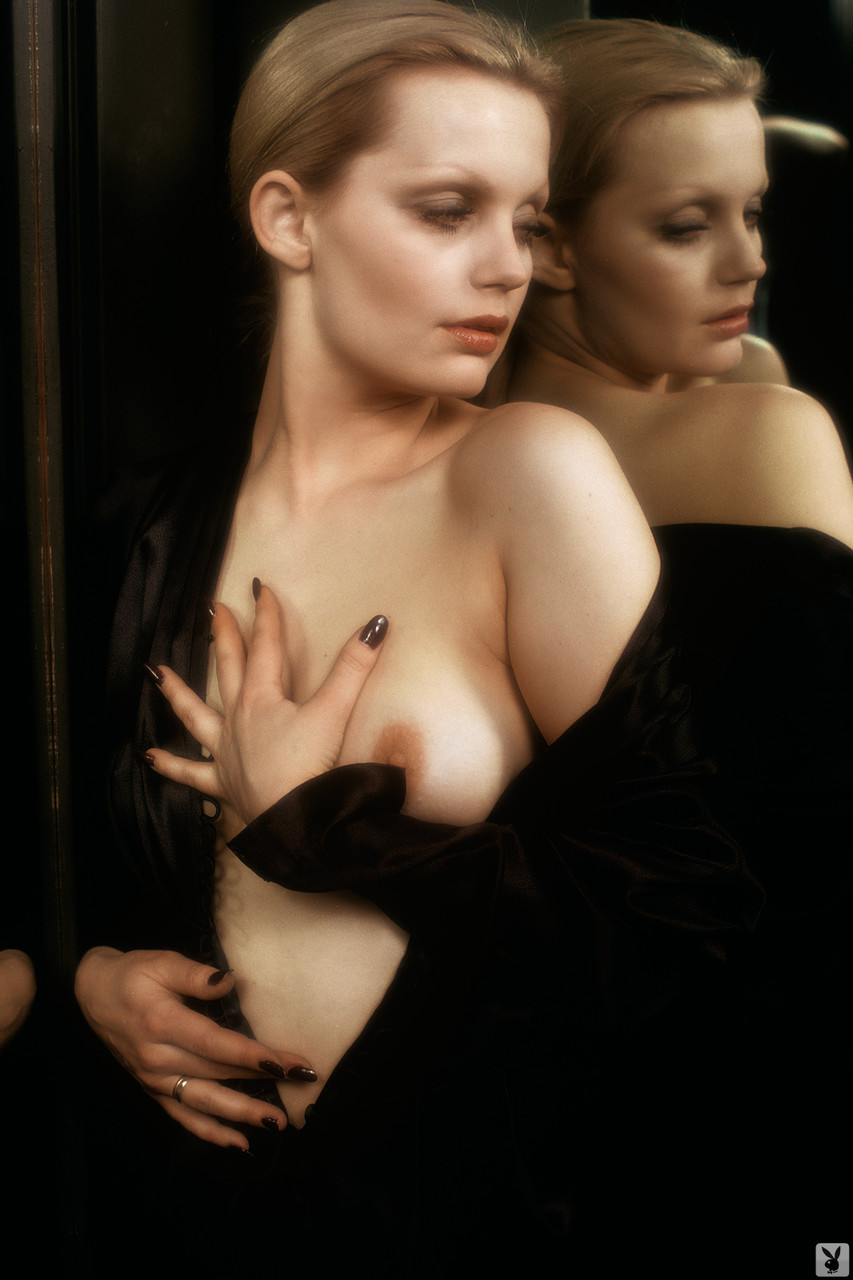
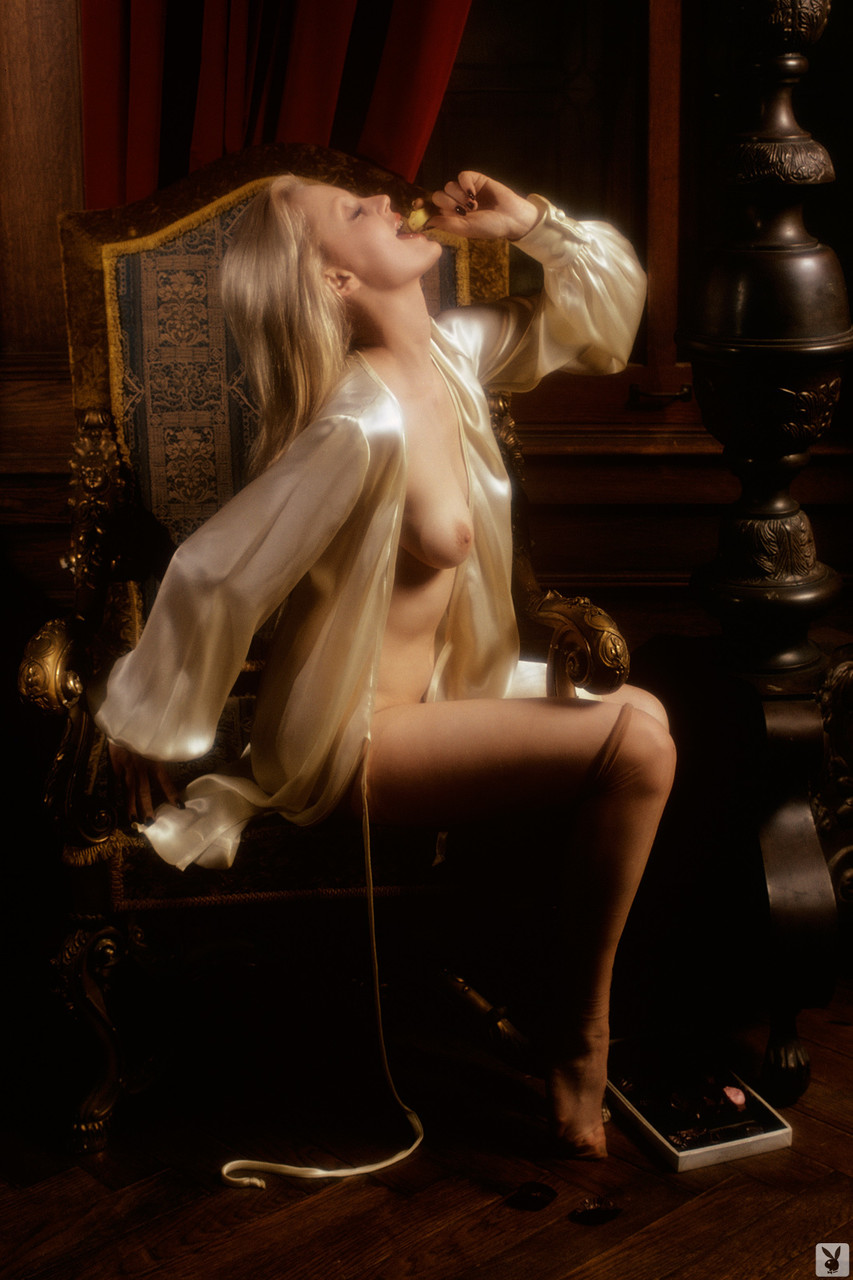
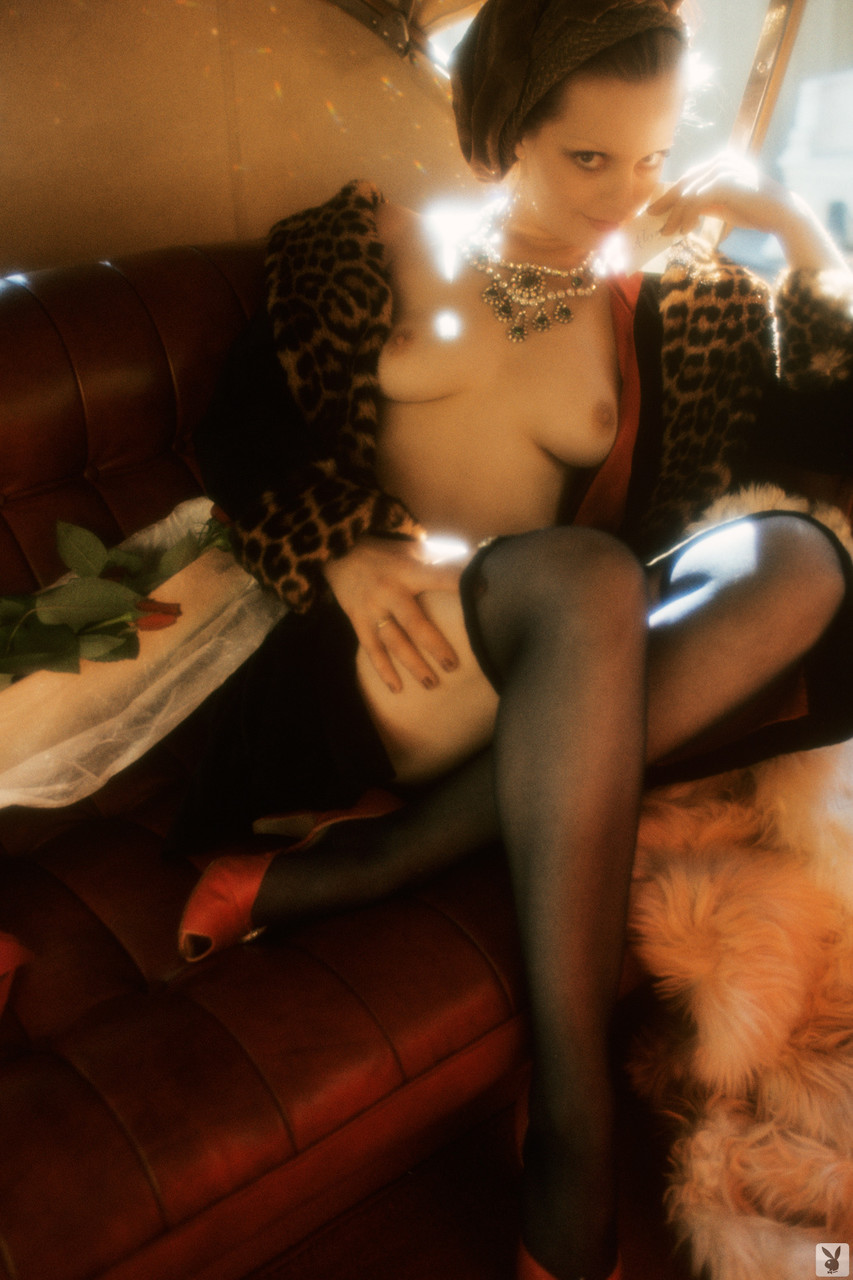
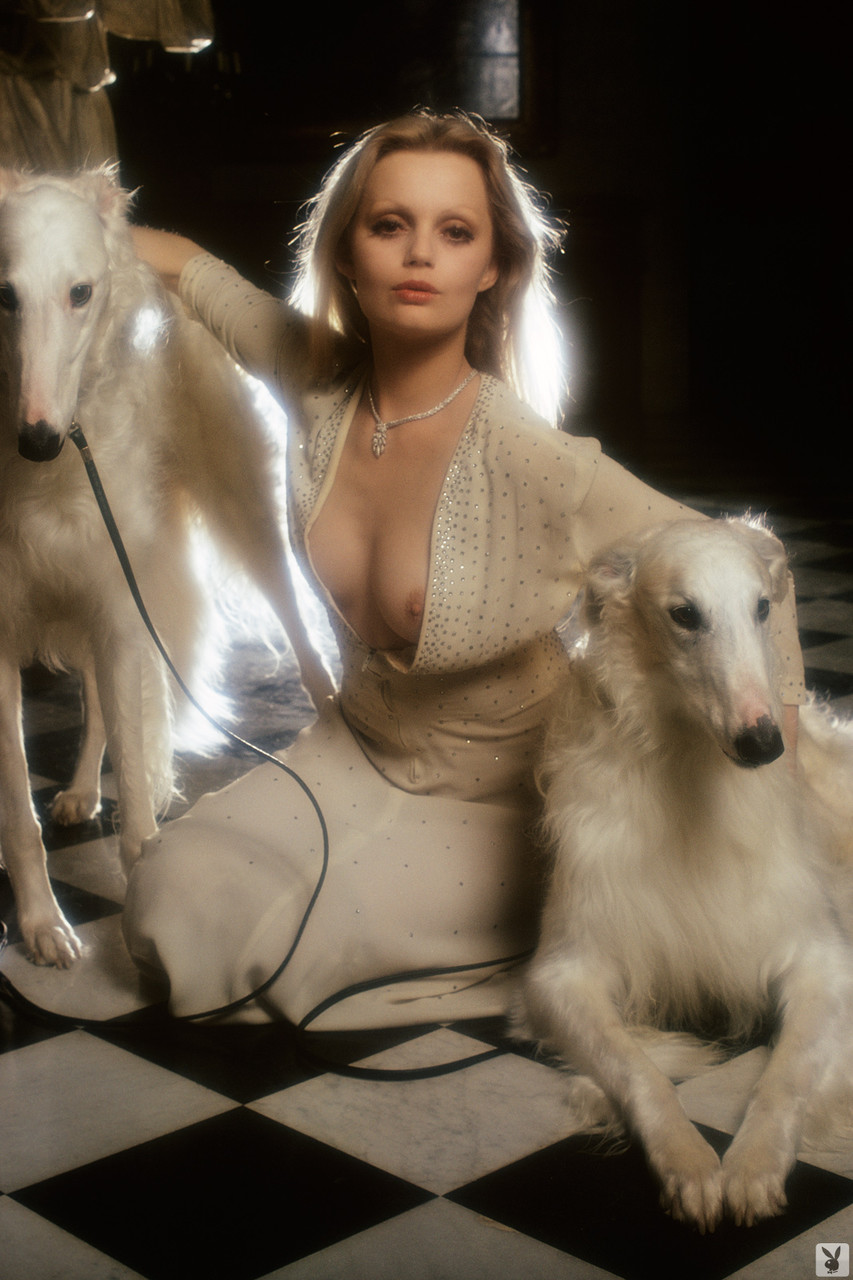
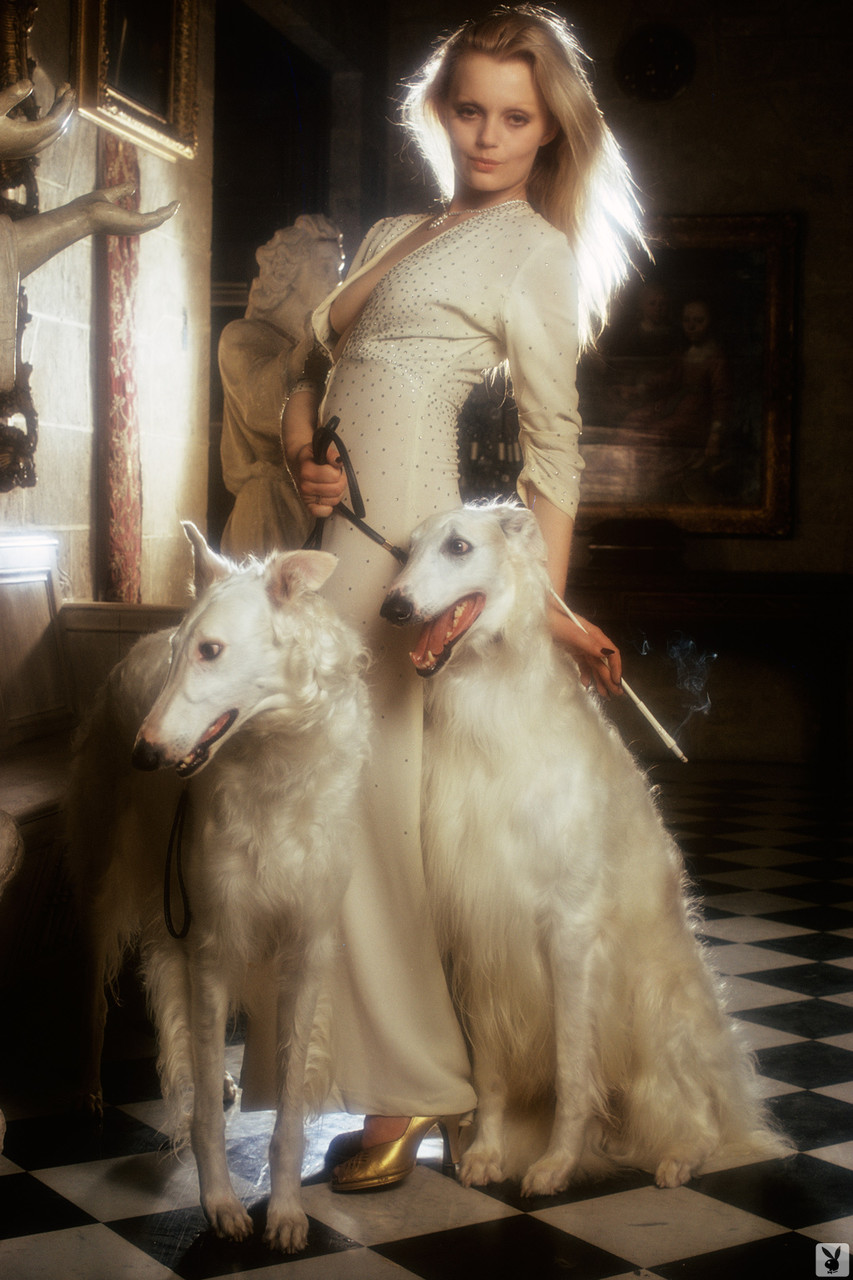
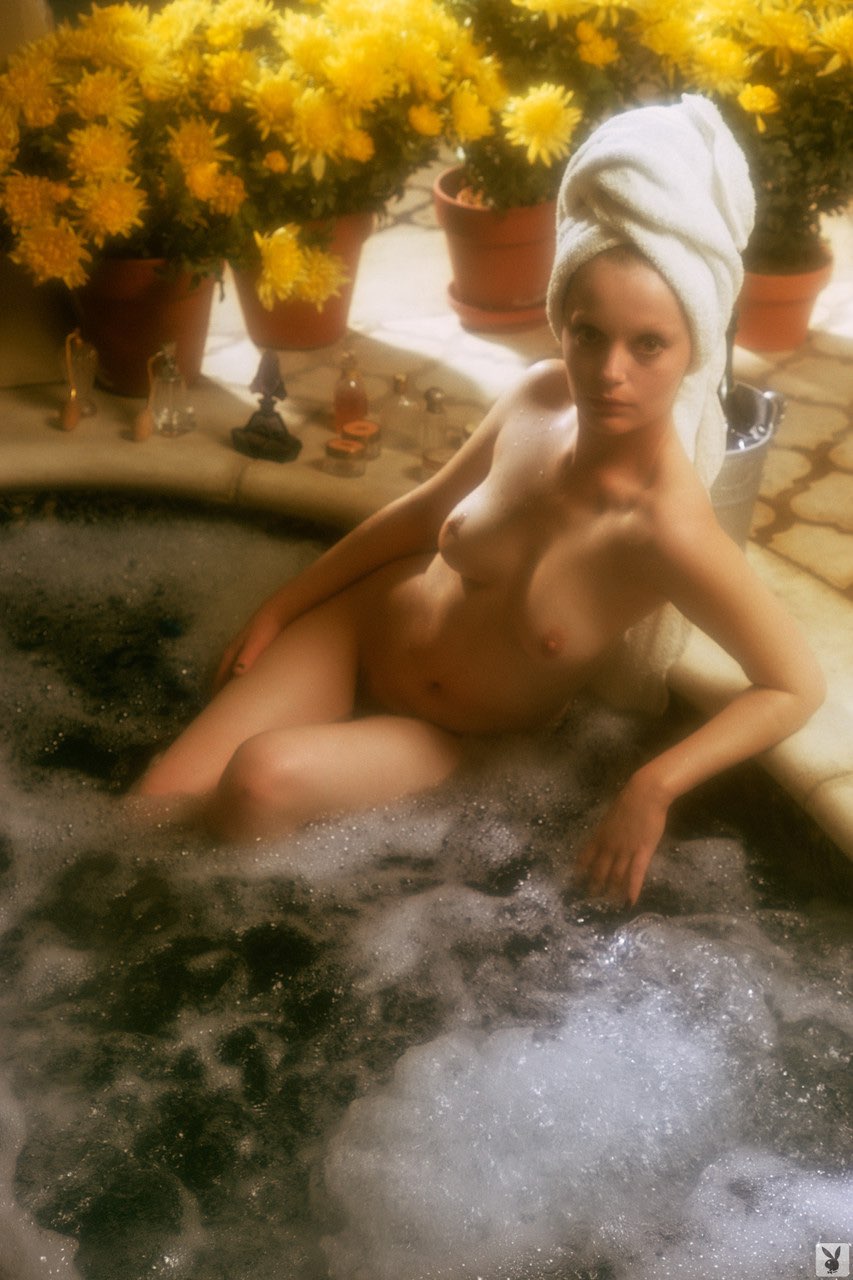
Alexandra Hay was an American Actress and model. She was born Alexandra Lynn Hay on July 24, 1947, in Los Angeles, California. She appeared in Playboy in February 1974 at 26, adding the feature to her public career. Her appearance came during Playboy's 1970s print era, when the magazine reached the height of its mass-market influence.
Hay had natural breasts, gray eyes and blond hair. Her measurements are 33-23-34.
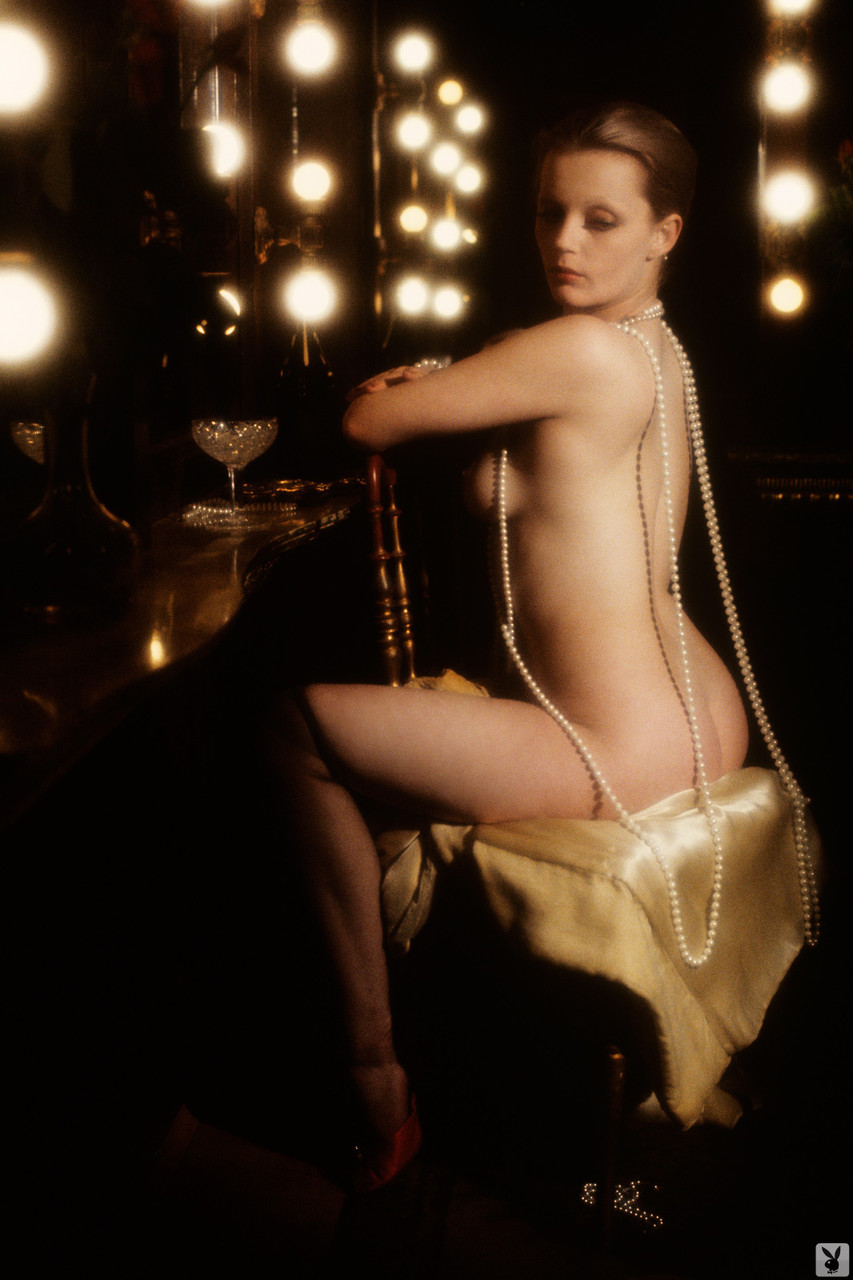
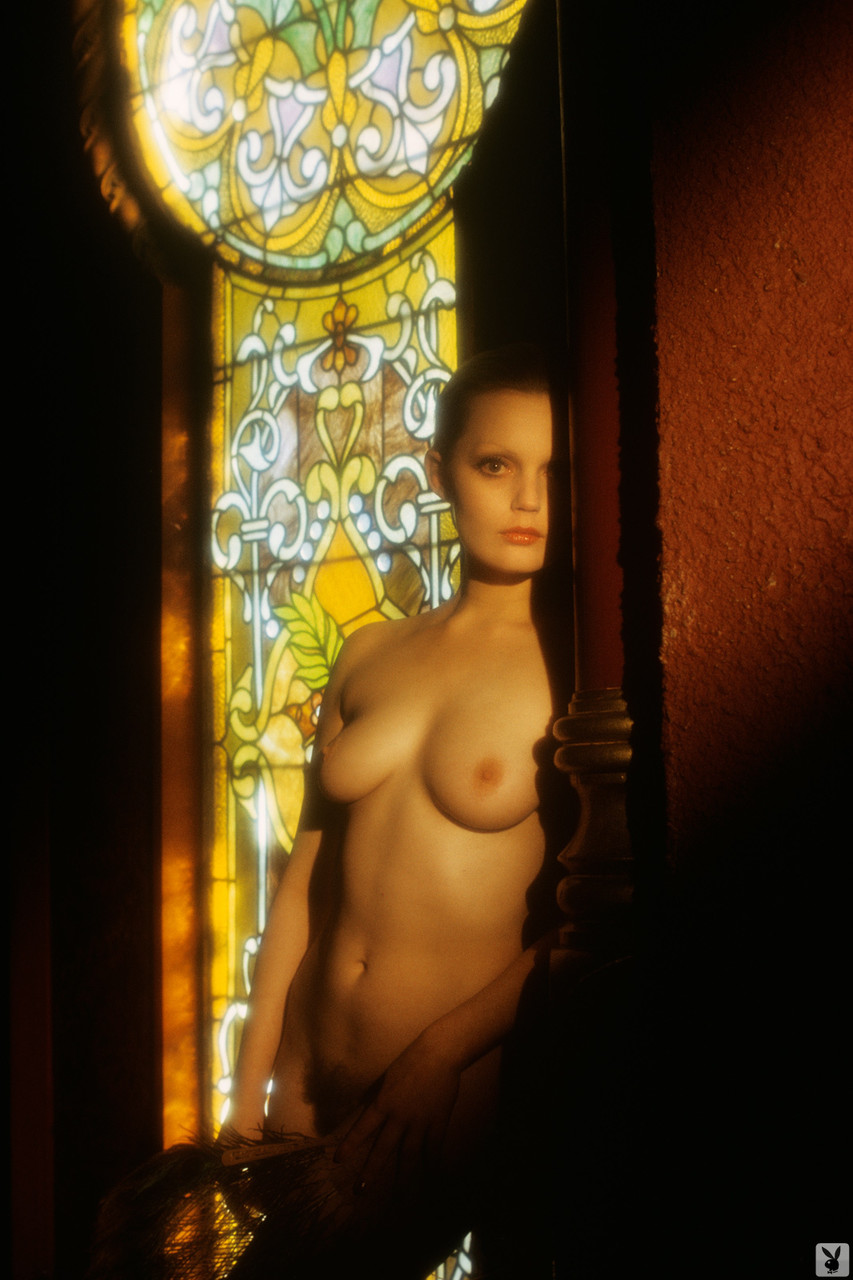
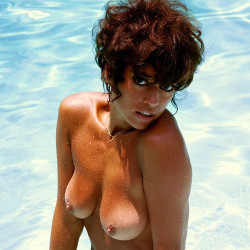
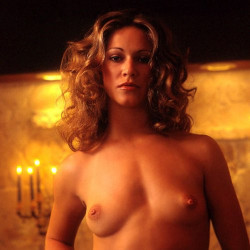
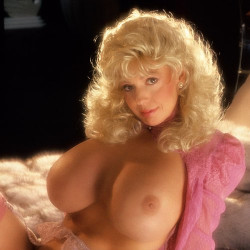
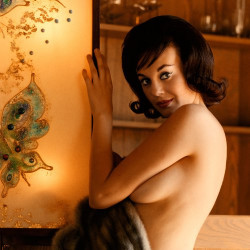
Alexandra Hay appeared in Playboy’s February 1974 issue in “Alexandra the Great,” a celebrity pictorial photographed by Mario Casilli. The feature captured a performer already associated with the adventurous edge of late-1960s Hollywood: a former teenage model who had moved through studio pictures, experimental theatre and European-flavoured cinema without settling into the conventional ingénue mould. Playboy presented her with the warm, uninhibited polish of the early 1970s, emphasising the playful boldness that had long distinguished her public image.
Hay began modelling in her teens through agent William Adrian and was introduced as an “American Beauty” in the May–June 1963 issue of DIG. Hollywood soon followed. Columbia Pictures signed her to a long-term contract, and she made an early television appearance in The Monkees before attracting attention as the deadpan carhop who serves Spencer Tracy and Katharine Hepburn in Guess Who’s Coming to Dinner. It was a small role, but her cool delivery made it memorable.
Her screen career expanded through Otto Preminger’s psychedelic comedy Skidoo and Jacques Demy’s Los Angeles drama Model Shop. Hay possessed an intriguingly modern quality: blonde and camera-friendly, yet more elusive than the cheerful starlets usually promoted by the studios. She also appeared in How Sweet It Is!, The Love Machine, 1,000 Convicts and a Woman and How to Seduce a Woman, the latter released around the time of her Playboy feature. In 1968, she was selected as Miss Golden Globe, placing her among Hollywood’s most visible young personalities.
Hay’s willingness to challenge convention was especially clear onstage. She portrayed Jean Harlow in Michael McClure’s controversial play The Beard, whose confrontational dialogue and staging repeatedly brought police into the theatre. Hay and her fellow performer were arrested on numerous nights, but the resulting legal battle ultimately strengthened constitutional protections for theatrical expression in California. That episode made her more than a decorative studio discovery; she became part of a genuine conflict between performance, censorship and the changing cultural standards of the era.
Her acting career continued through television dramas and crime series before gradually receding in the late 1970s. Hay died in 1993, leaving behind a compact but unusually varied body of work. Her February 1974 Playboy appearance remains an ideal reflection of her appeal: bright, rebellious and touched with mystery. Alexandra Hay never became a predictable Hollywood fixture, but for a fascinating stretch of American cinema, she brought an unmistakable spark to every frame she entered.