Anne Randall Bio
Anne Randall is an American actress, glamour and nude model. Born Barbara Ann Burrus on September 23, 1944, in Alameda, California, she has also been credited as Anne Randall Stewart. Playboy named her its May 1967 Playmate at 22. Her appearance came during the 1960s, as Playboy grew into a major force in American magazine publishing.
Randall has natural breasts, blue eyes and blond hair. Her measurements are 35-23-35.
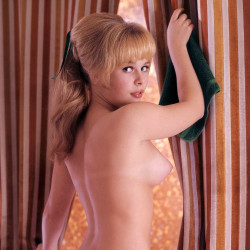
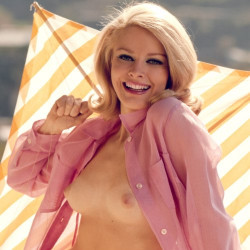
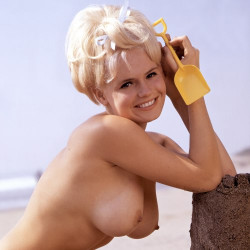
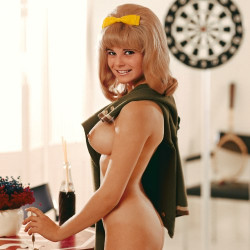
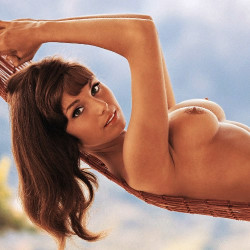
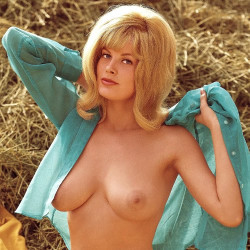
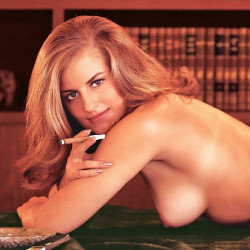
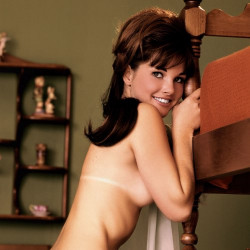
Her centerfold, photographed by Mario Casilli, played to a relaxed, luminous smile more than to high drama—an image that folded photographic polish into the easy glamour of late‑1960s studio work. The shoot’s clean lighting and Casilli’s touch left the pictures looking ready for both newsstand racks and network camera lenses, and they helped introduce a model who would spend the next decade in front of television’s eye as often as a still camera’s.
Randall moved into television work through the late 1960s and into the 1970s, accumulating guest turns across the era’s dependable procedural and action series. Her name appears on episodes of Cannon, Barnaby Jones and The Rockford Files, credits that kept her working in the kind of weekday‑night dramas that required quick character work and a reliable screen presence. An earlier television appearance came on The Monkees in 1965, a reminder that she was familiar with the sets and routines of TV before the centerfold circulated.
Variety programming and occasional film work broadened that profile. She spent two seasons as one of the “beauties” on Hee Haw, bringing a practiced camera ease to a show built on sight gags and country‑comedy pacing. On the big screen she turned up in genre pictures, among them Stacey and the science‑fiction western Westworld, roles that placed her squarely in the commercial film circuits of the time.
Off camera, she married Richard E. Stewart in 1967. The combination of steady television bookings, variety work and selective film appearances leaves a compact, varied screen record: a working performer whose credits trace the practical routes available to models who crossed into television and movies during that transitional decade.