Merle Pertile Bio
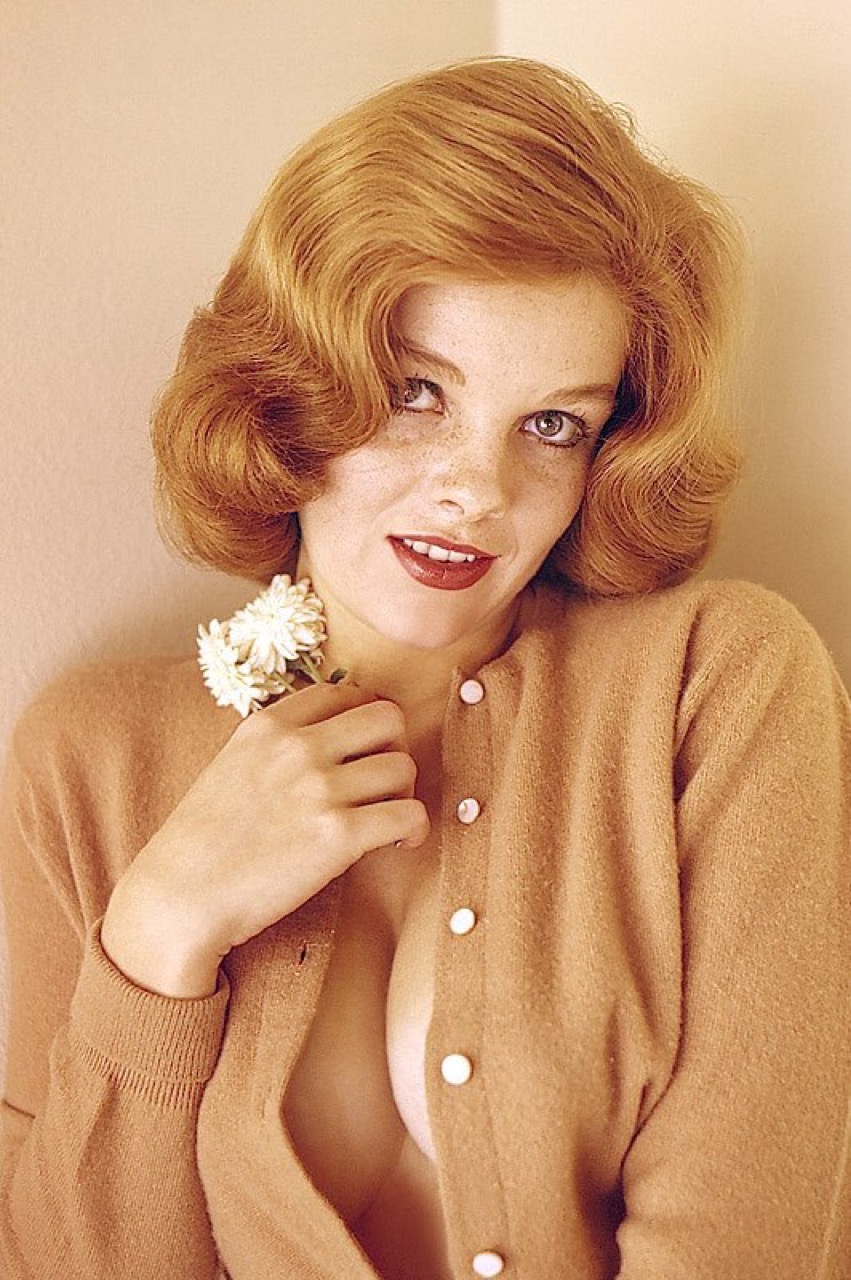
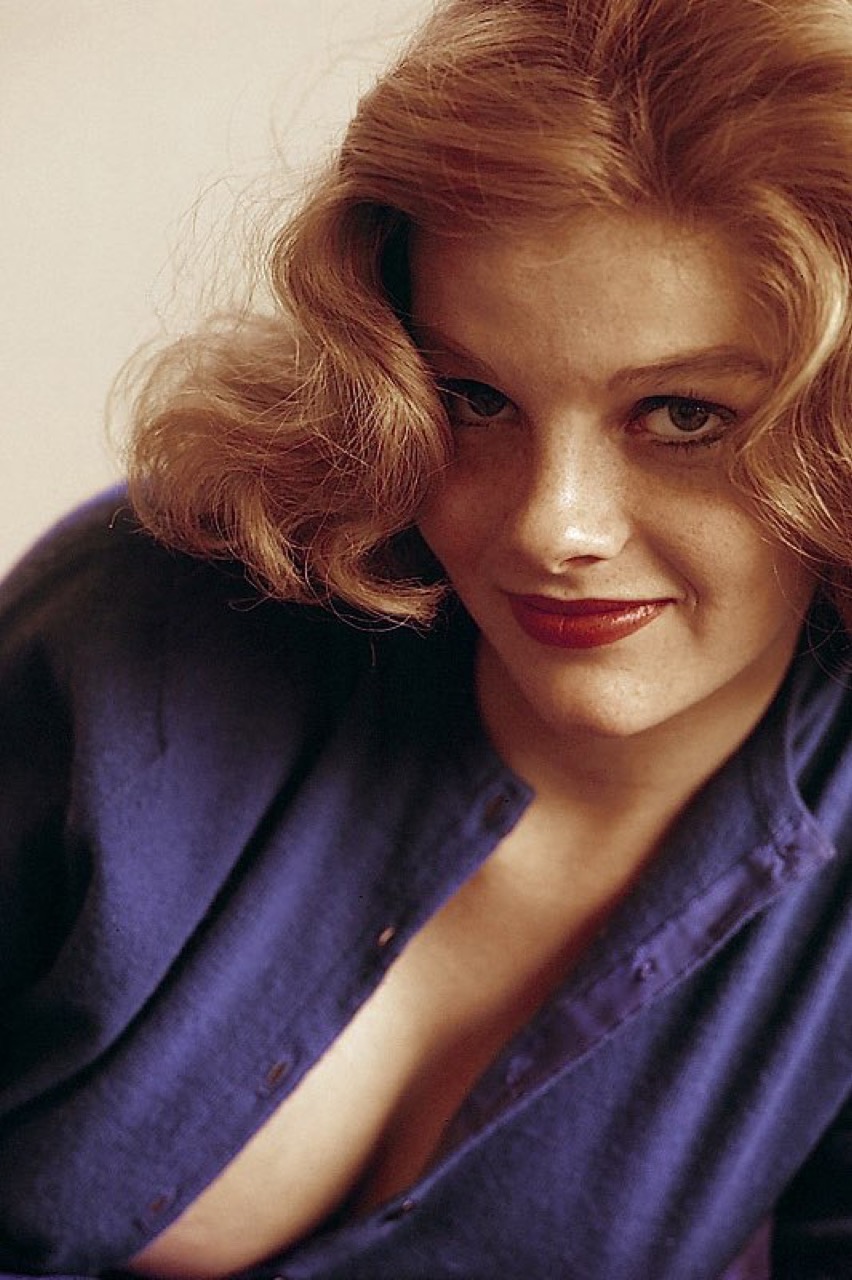
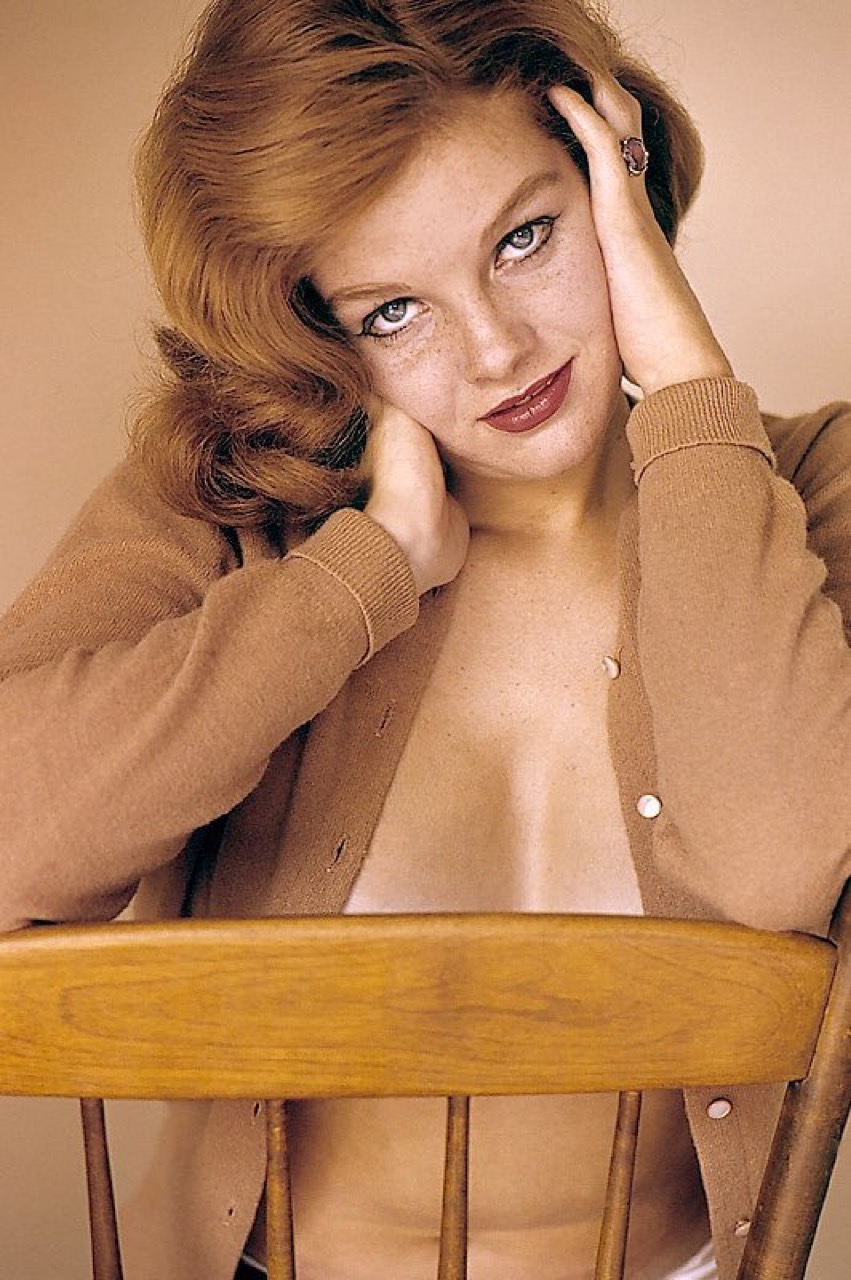
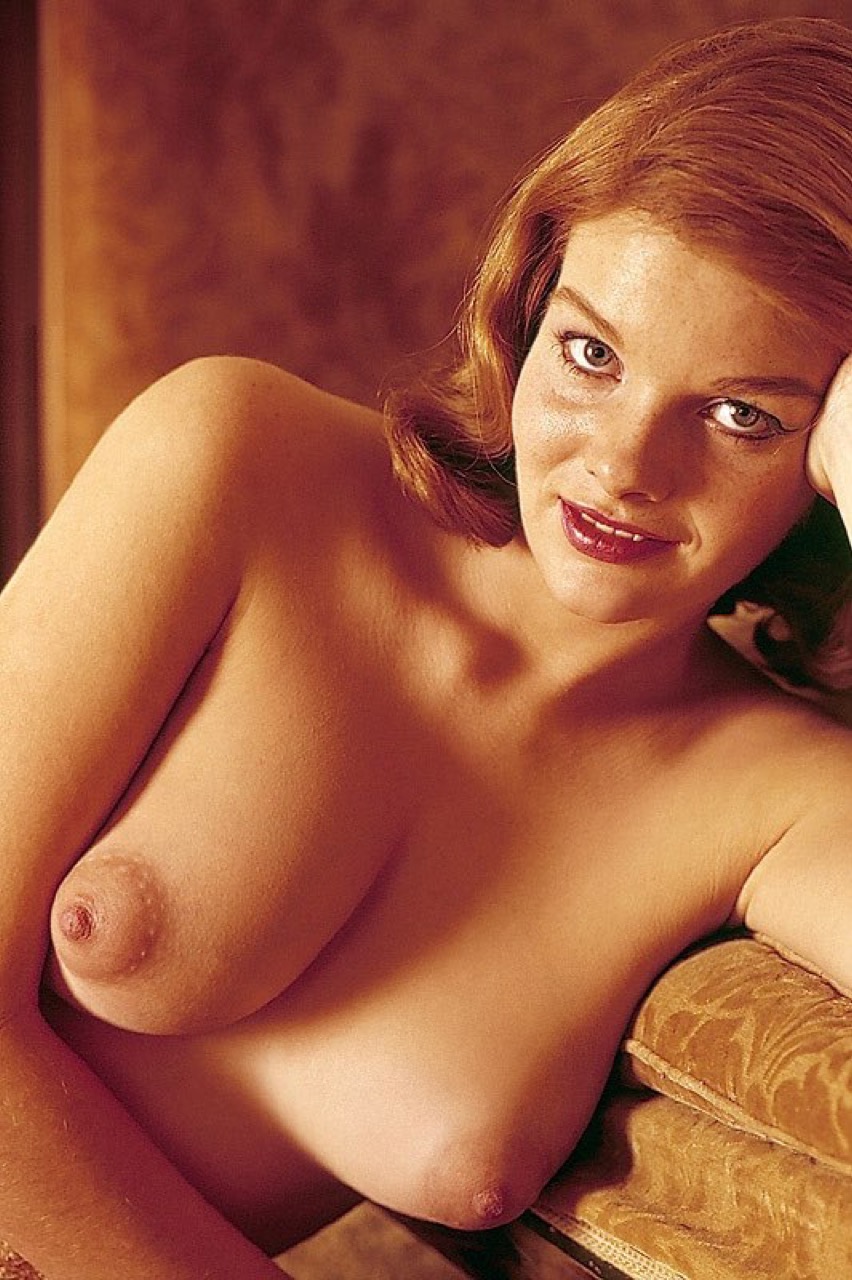
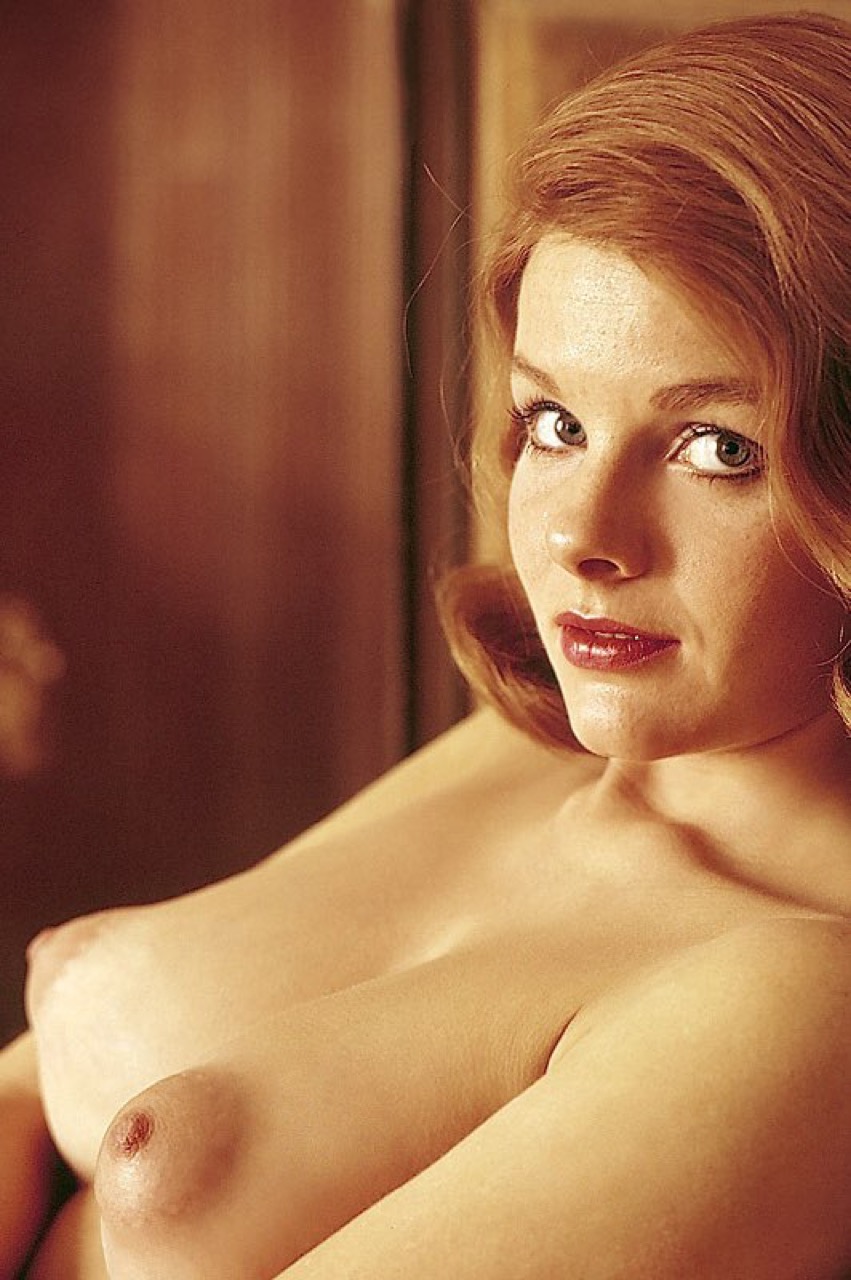
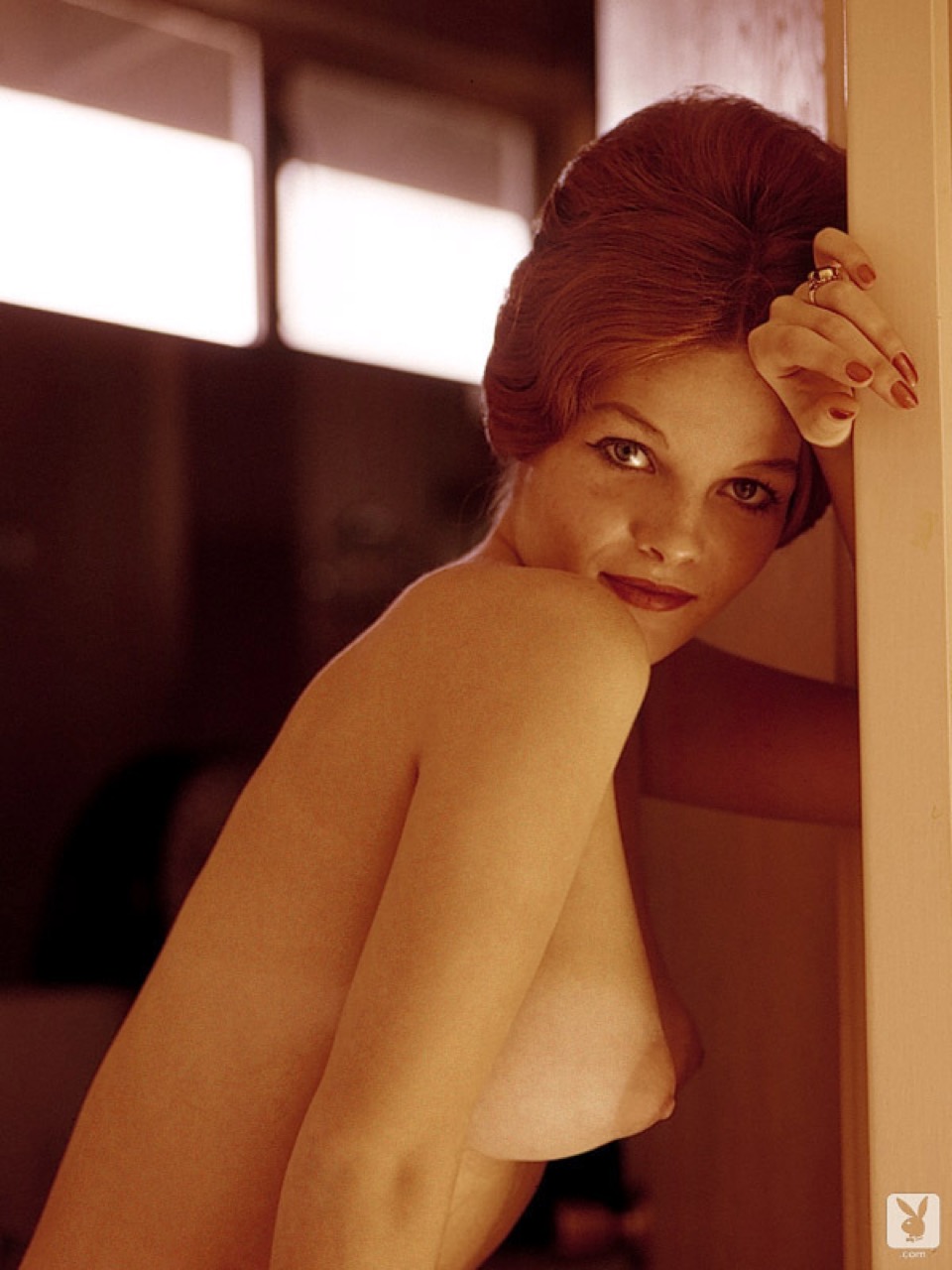
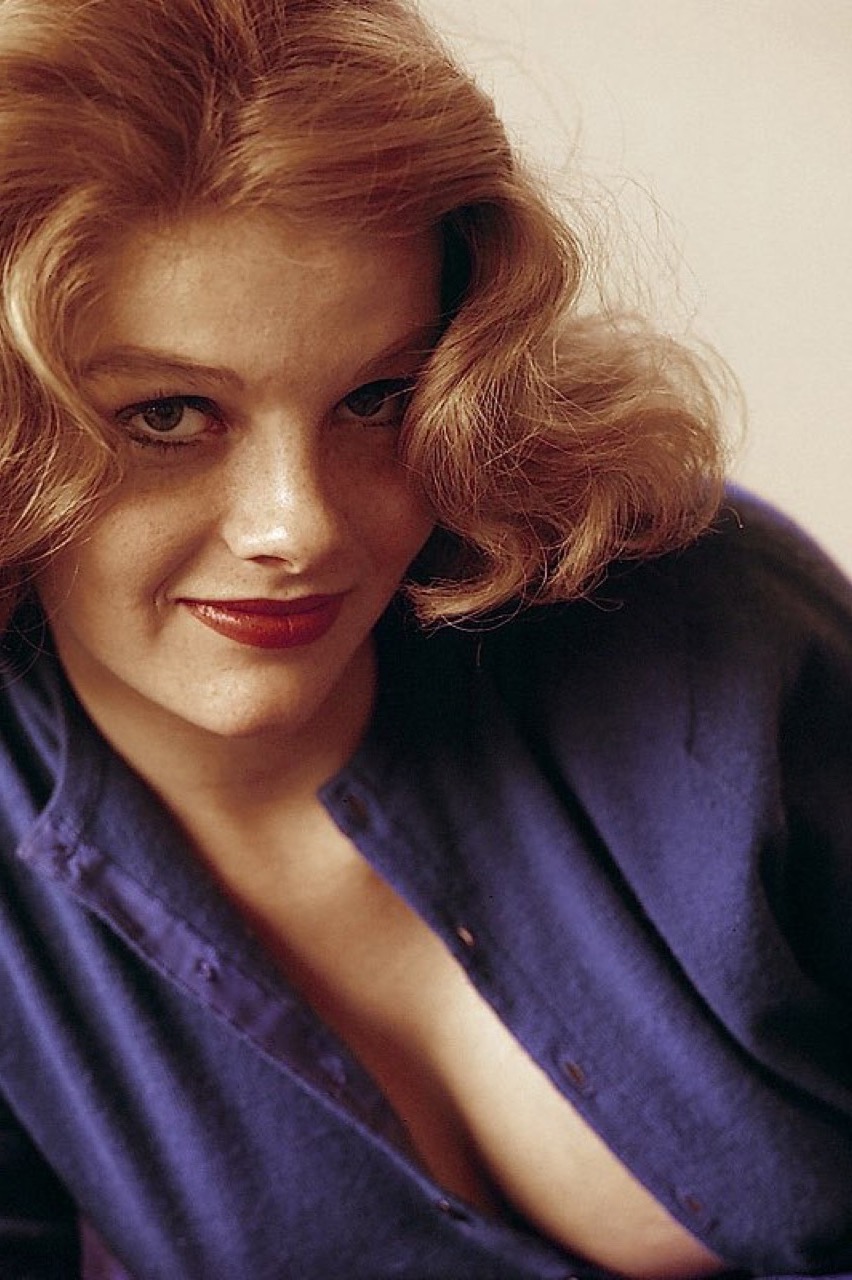
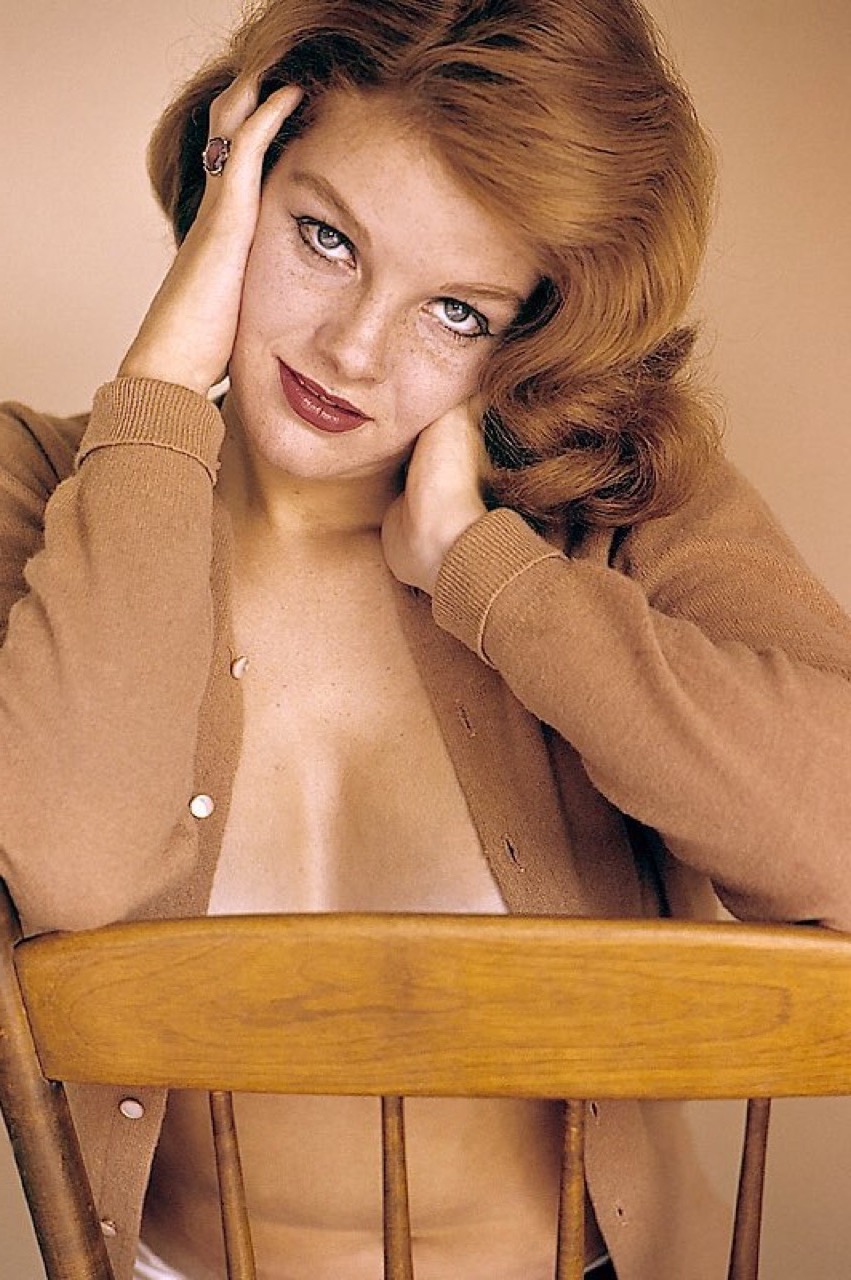
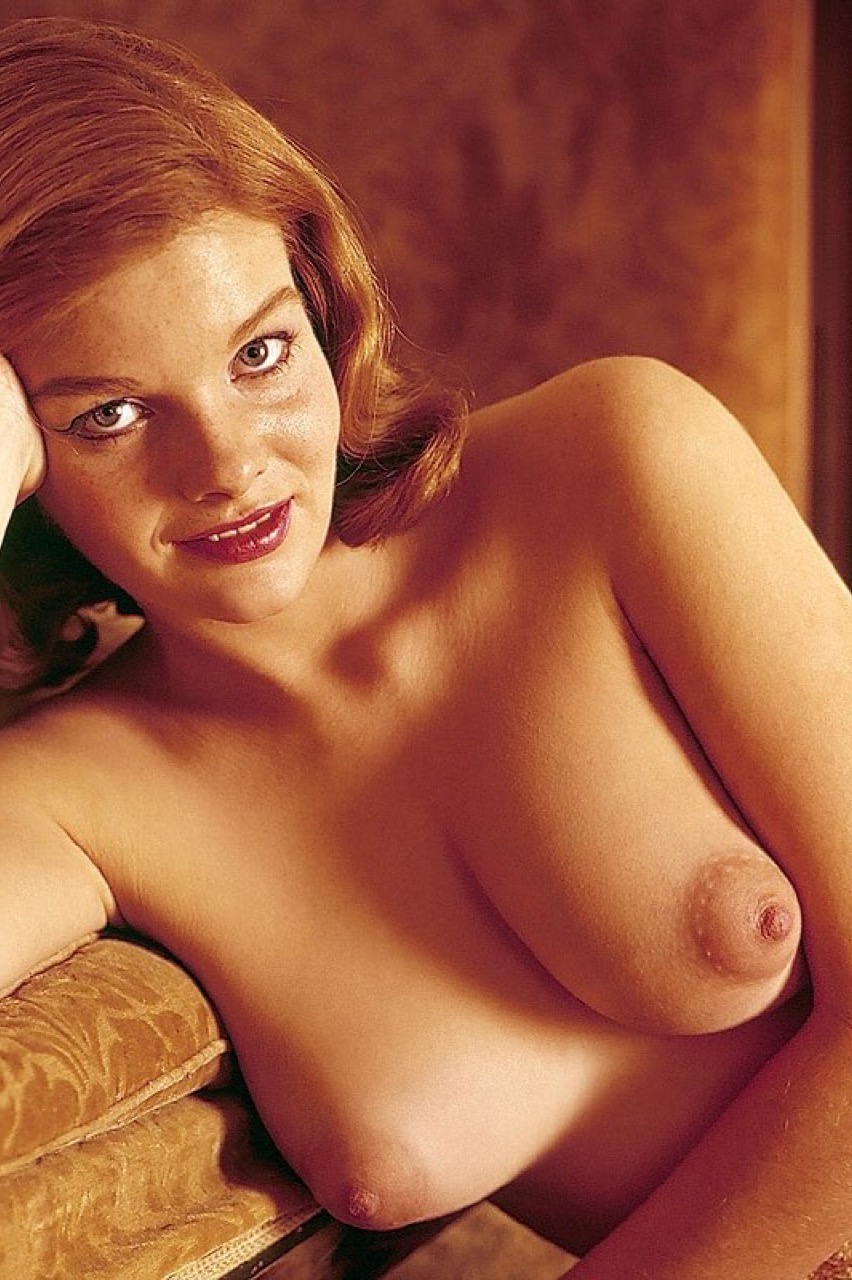
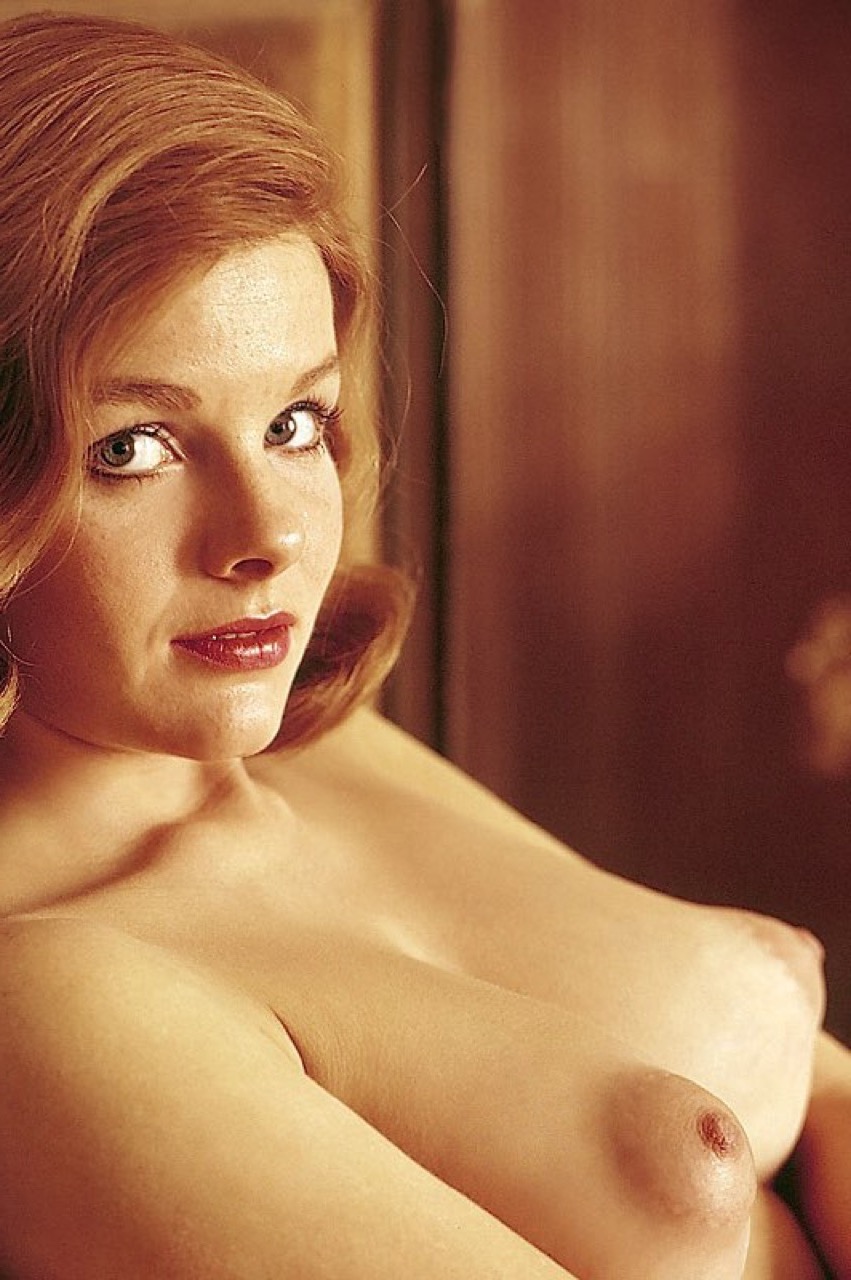
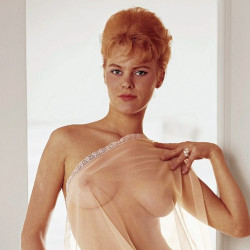
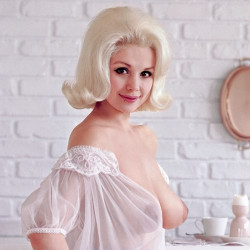
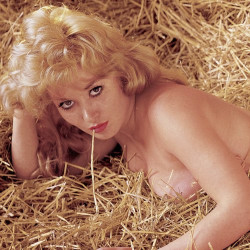
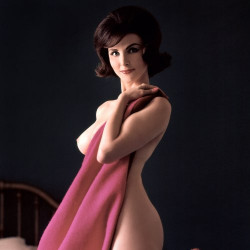
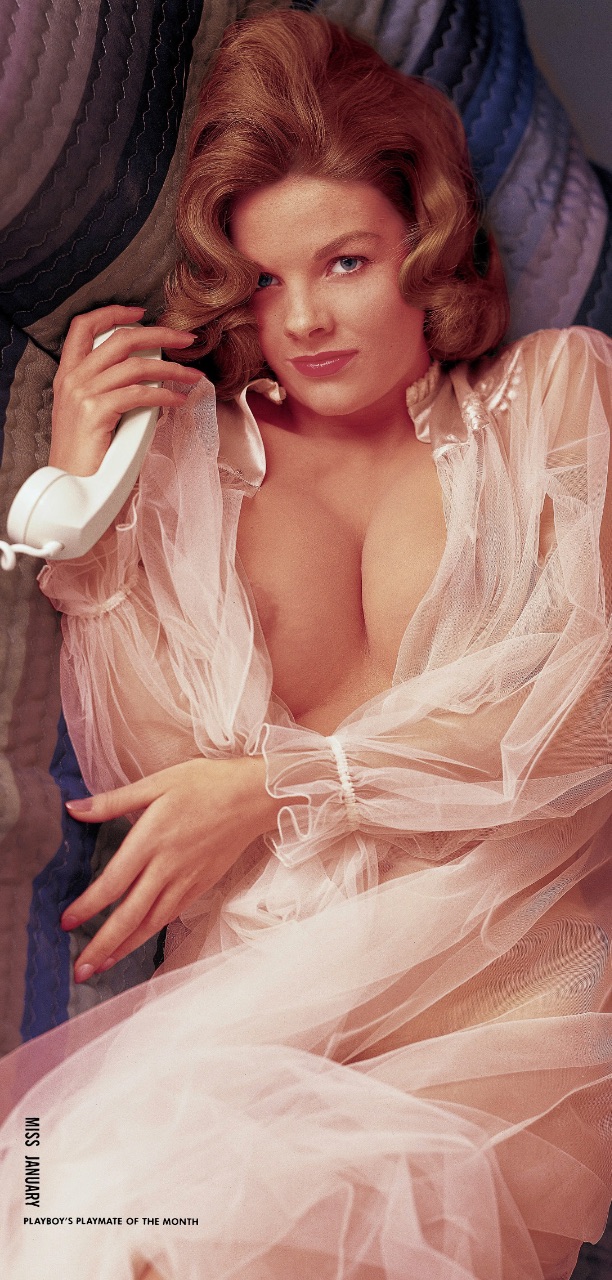
Merle Pertile was an American glamour model, television personality, and actress. She was born Merle Elizabeth Pertile on November 23, 1941, in Whittier, California. Playboy named her its January 1962 Playmate at 20. Her appearance came during the 1960s, as Playboy grew into a major force in American magazine publishing.
Pertile had natural breasts, green eyes and red hair. Her measurements are 38-22-35.
Merle Pertile’s Hollywood ambitions began in the Midwest. After graduating from Hammond High School in Indiana in 1959, she headed west with acting firmly in mind and soon found herself working in television and under contract to Universal Pictures. Early appearances included 77 Sunset Strip, but one of the most important assignments came through Playboy itself: during the second season of Playboy’s Penthouse, Pertile became a regular on Hugh Hefner’s late-night television series.
The show placed her inside Playboy’s world before her centerfold appeared. Playboy’s Penthouse mixed jazz, conversation, comedy and glamour in a staged apartment-party setting, and Pertile became one of the familiar faces moving through that atmosphere. It was there that she met Hefner and developed a connection with the brand that naturally extended into the magazine.
Acting remained the larger ambition. Pertile continued taking television work and later appeared in the naval sitcom Ensign O’Toole. Her path was typical of a young contract player in early-1960s Hollywood in one respect—small television assignments, studio work and constant auditions—but the Playboy connection gave her an unusually visible platform alongside that conventional acting grind.
Away from the cameras, Pertile spoke about wanting a life that combined acting with marriage and motherhood. She was equally clear about what she did not want from a partner: possessiveness, poor manners and superficiality held little appeal, while intelligence, sincerity and a man willing to take her to the theater ranked much higher.
Pertile later married Jed S. Levitt and had children, building the family life she had once described as one of her central ambitions. She died in 1997 from complications following heart surgery. Her Playboy story remains closely tied to the medium that first brought Hefner’s brand into American living rooms: television, where she was already part of the Playboy universe before becoming part of its centerfold history.