Sylvia Kristel Bio
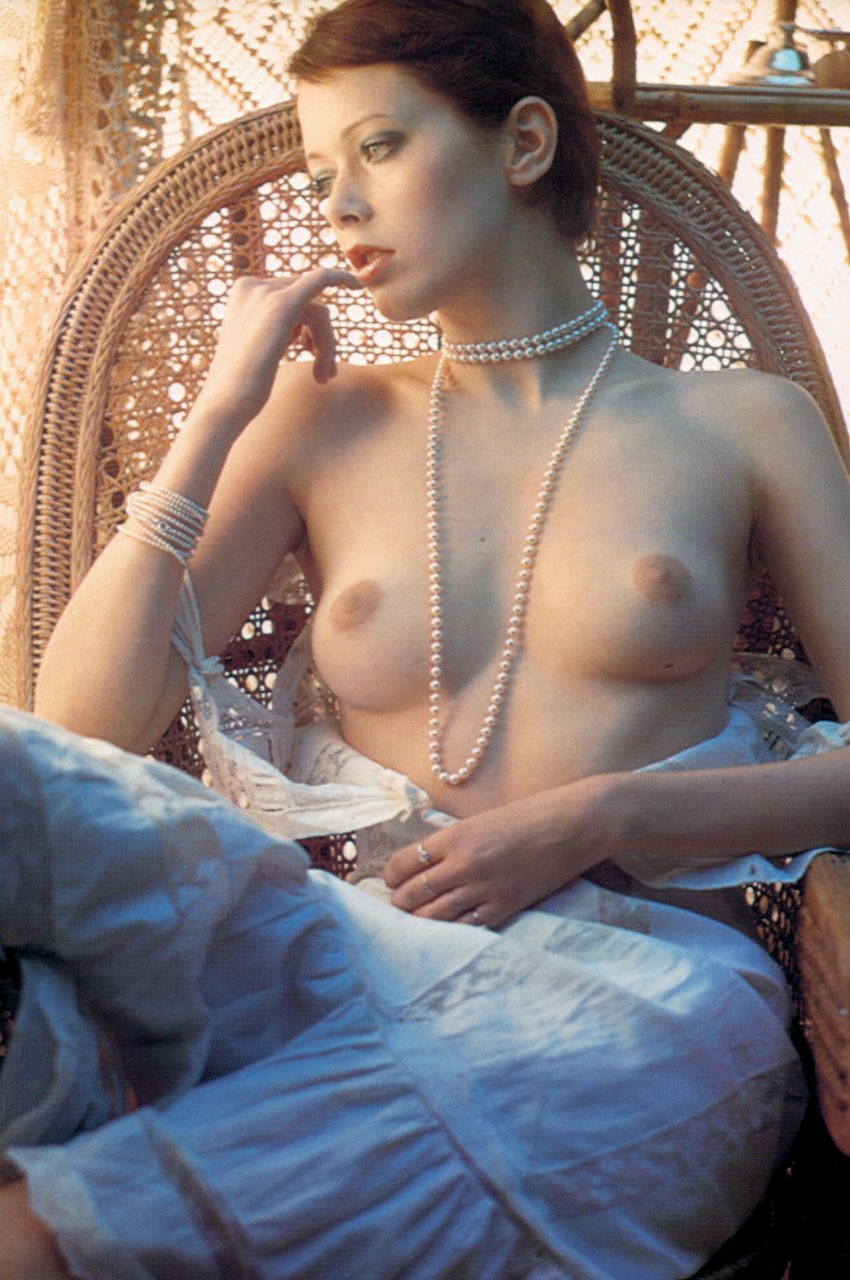
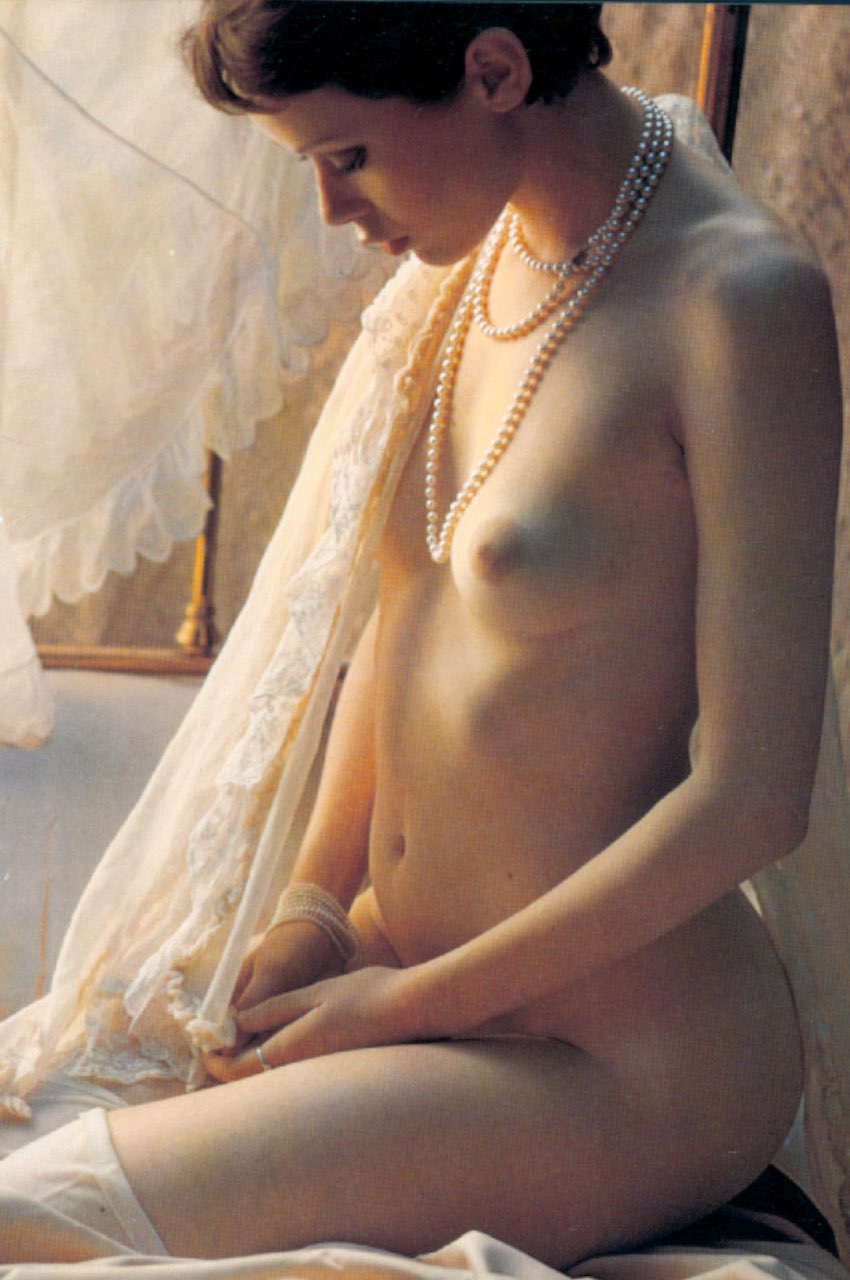
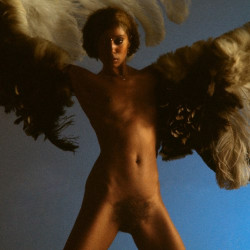
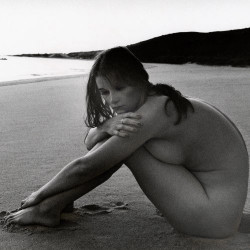
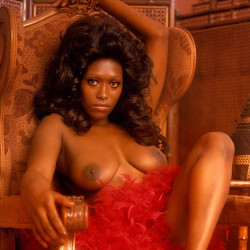
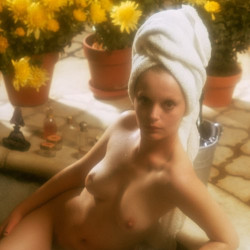
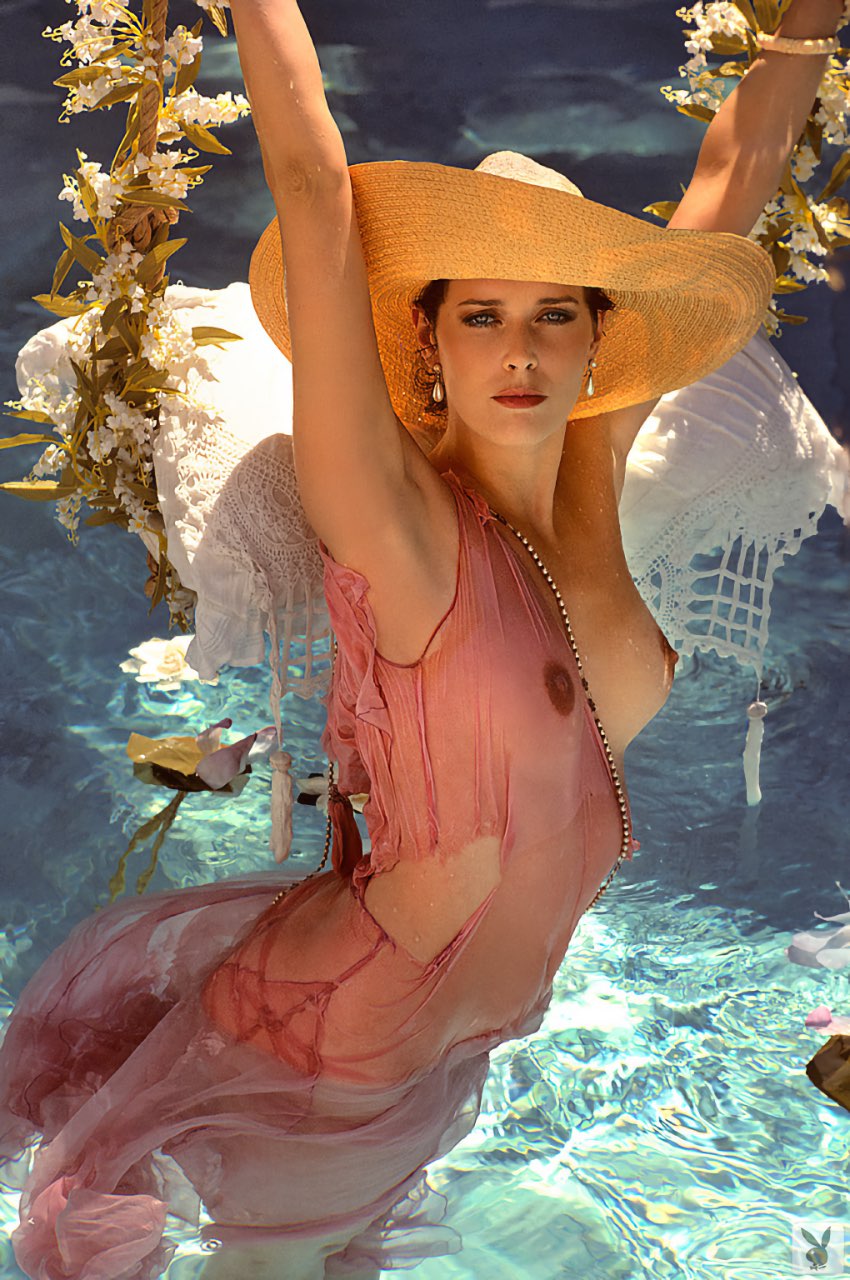
Sylvia Kristel was a Dutch Actress and model. She was born Sylvia Maria Kristel on September 28, 1952, in Utrecht, Netherlands. She appeared in Playboy in February 1982 at 29, adding the feature to her public career. Her appearance came during Playboy's polished, high-production 1980s period.
Kristel had natural breasts, blue eyes and brown hair. Her measurements are 35-24-34.
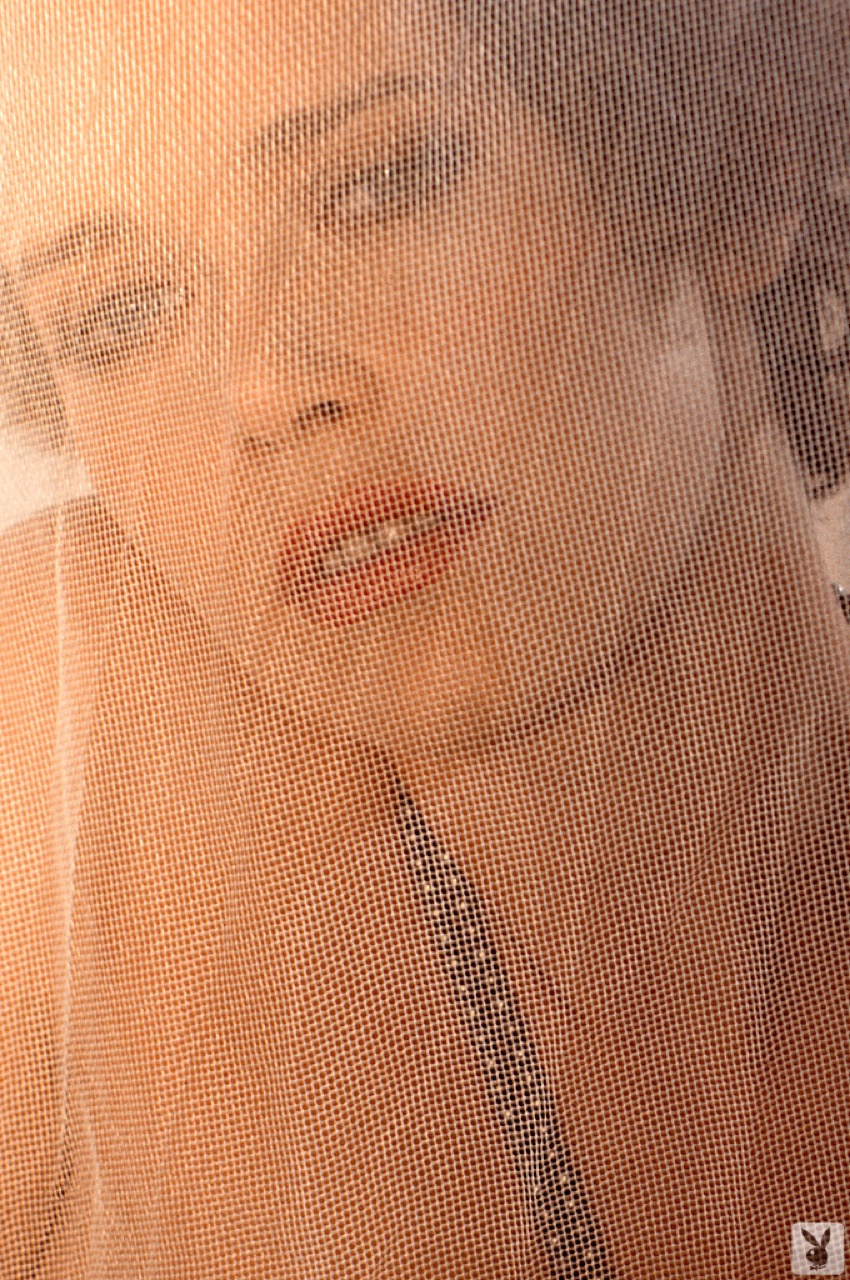
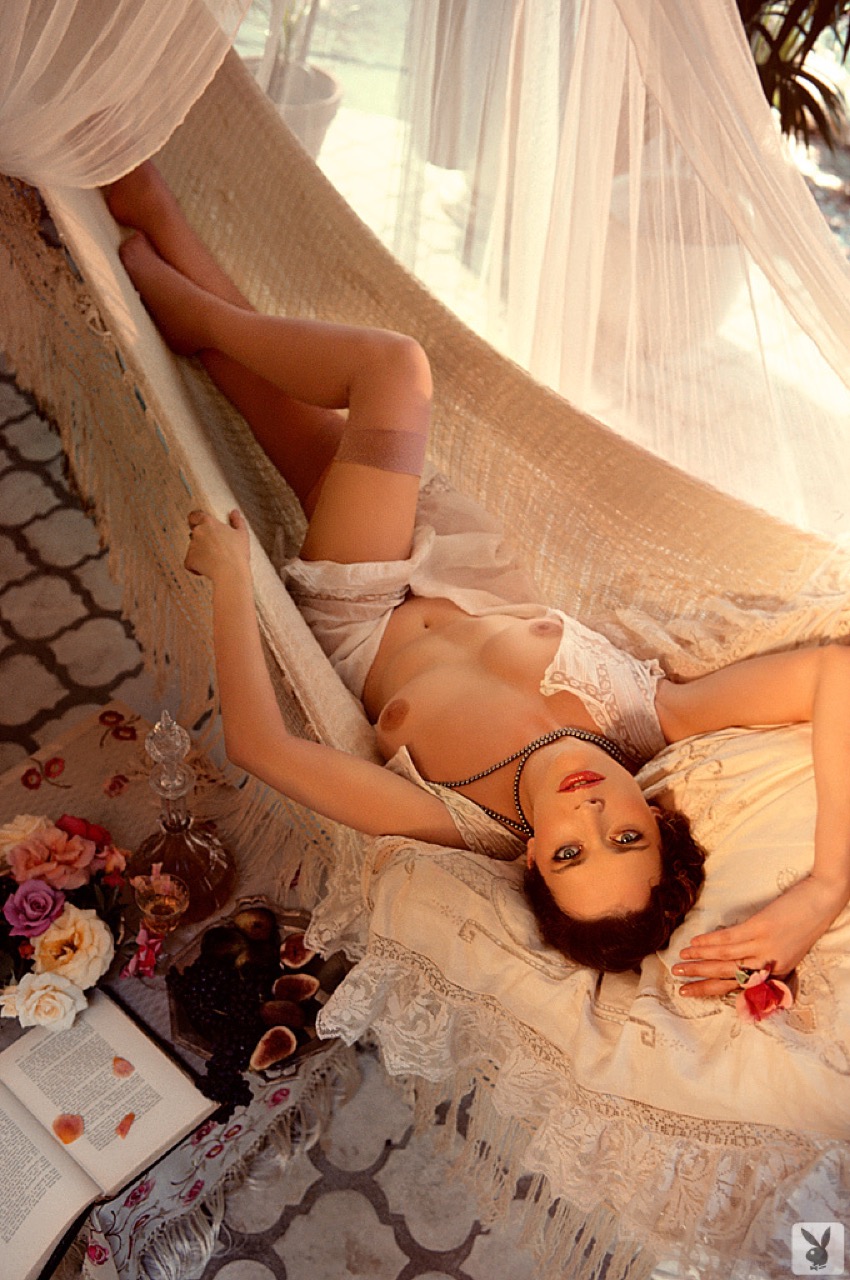
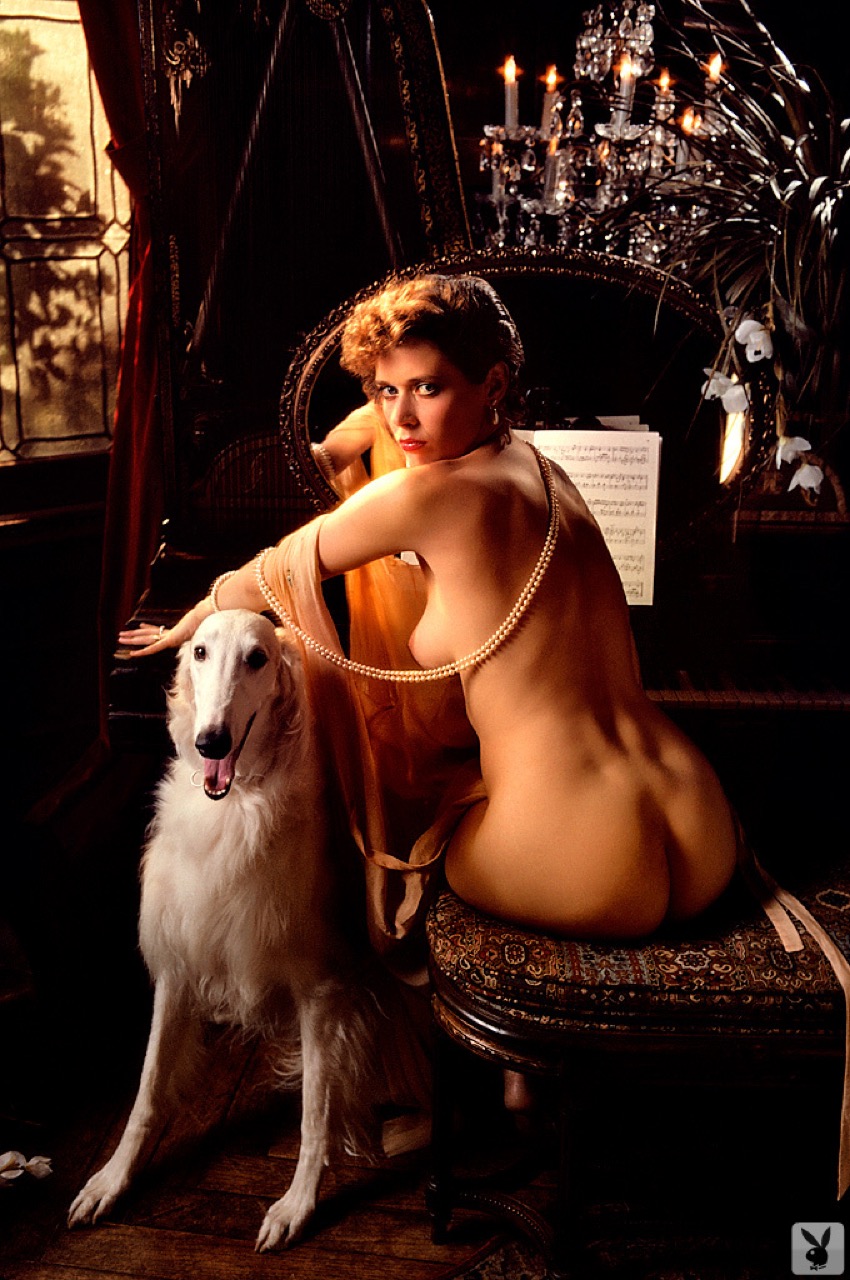
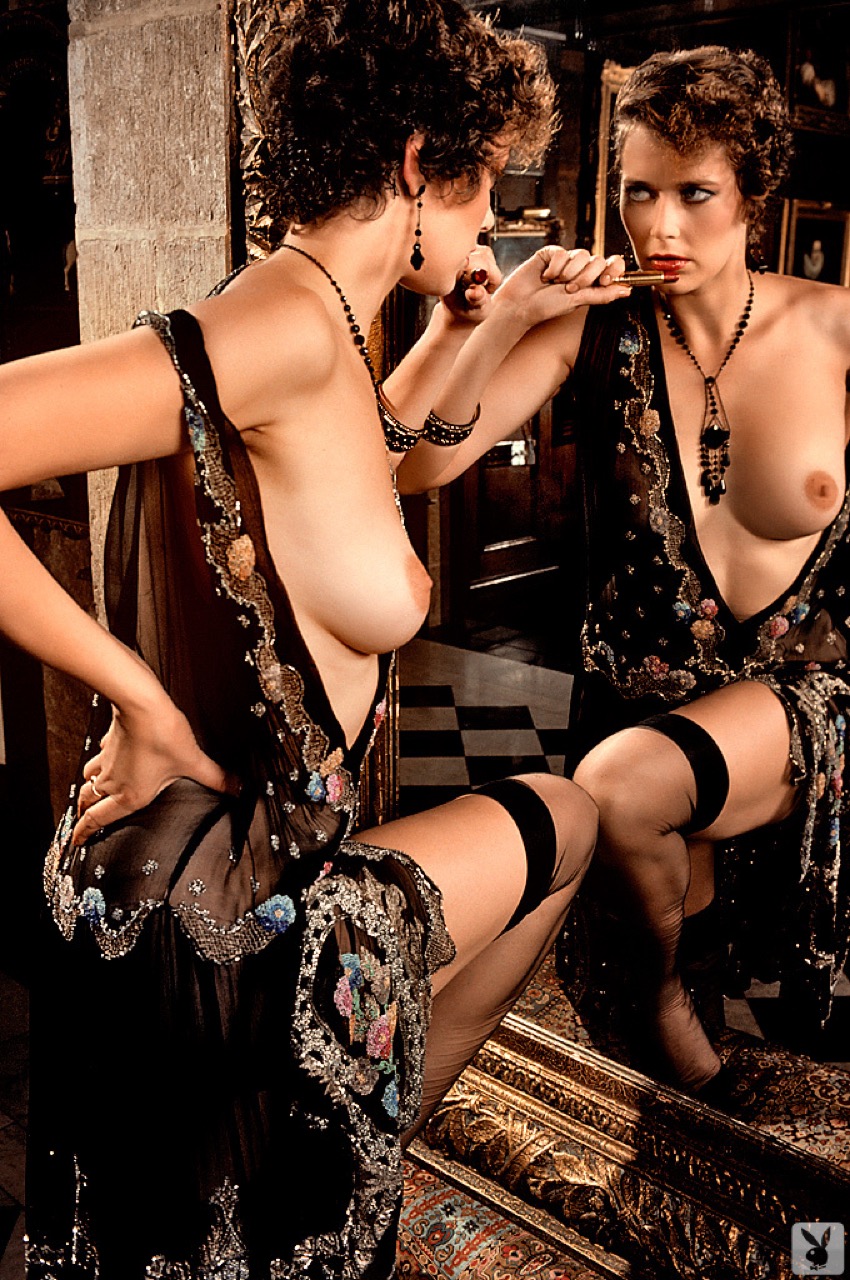
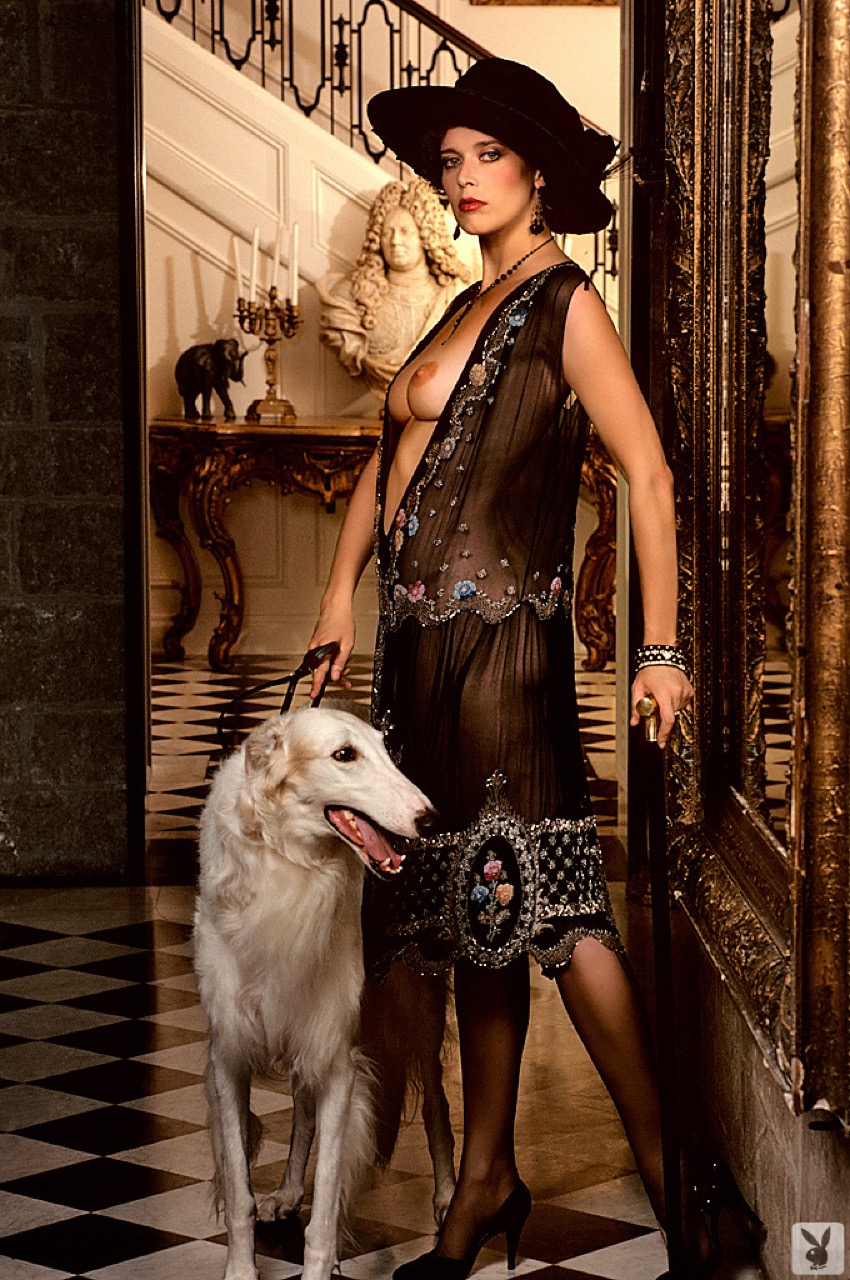
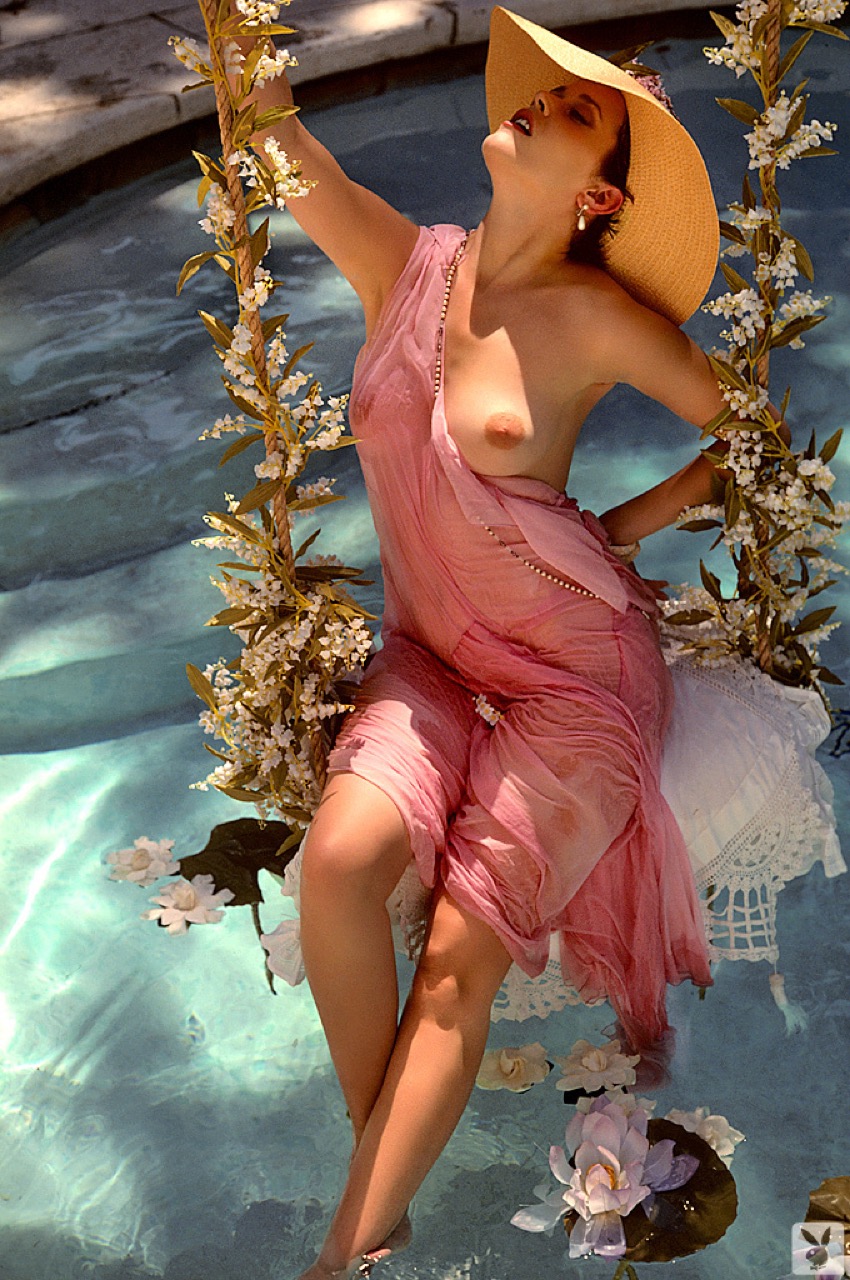
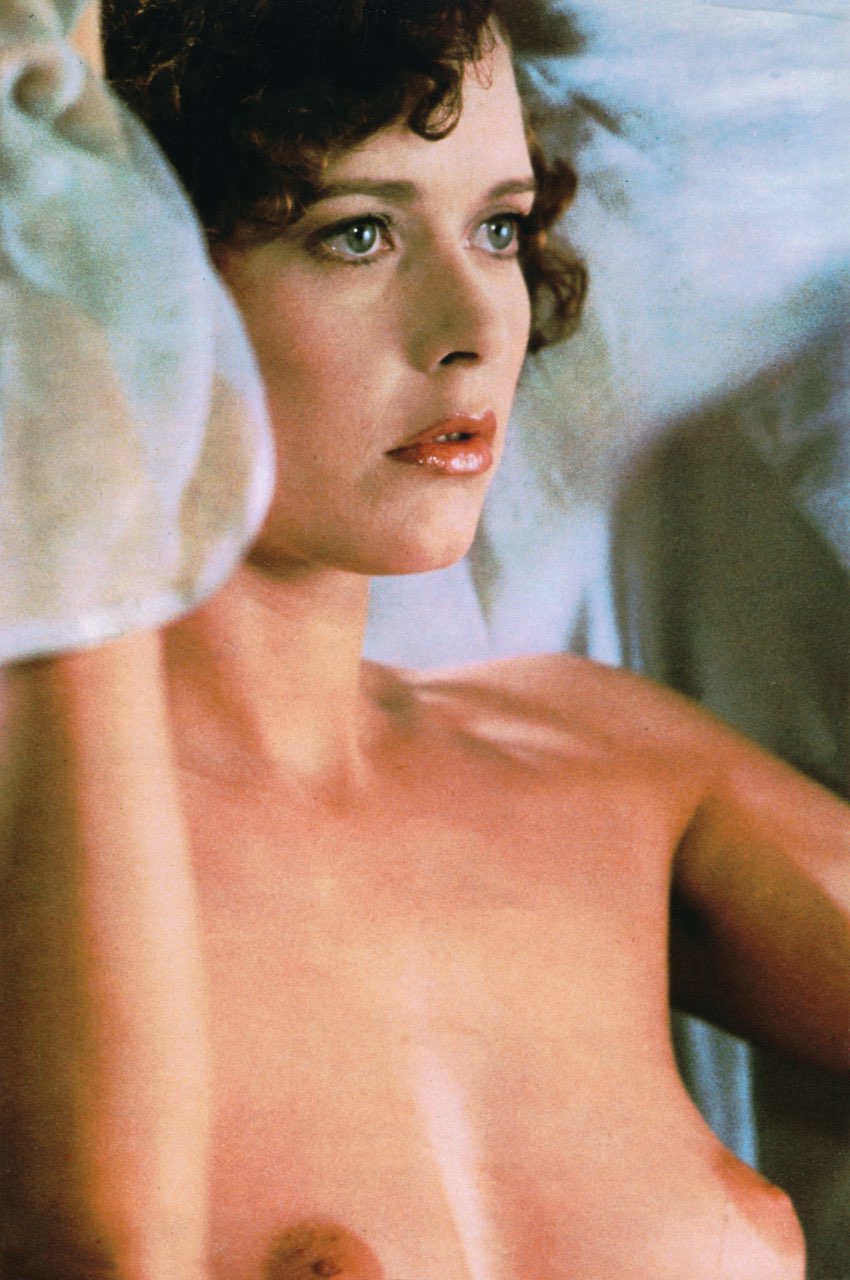
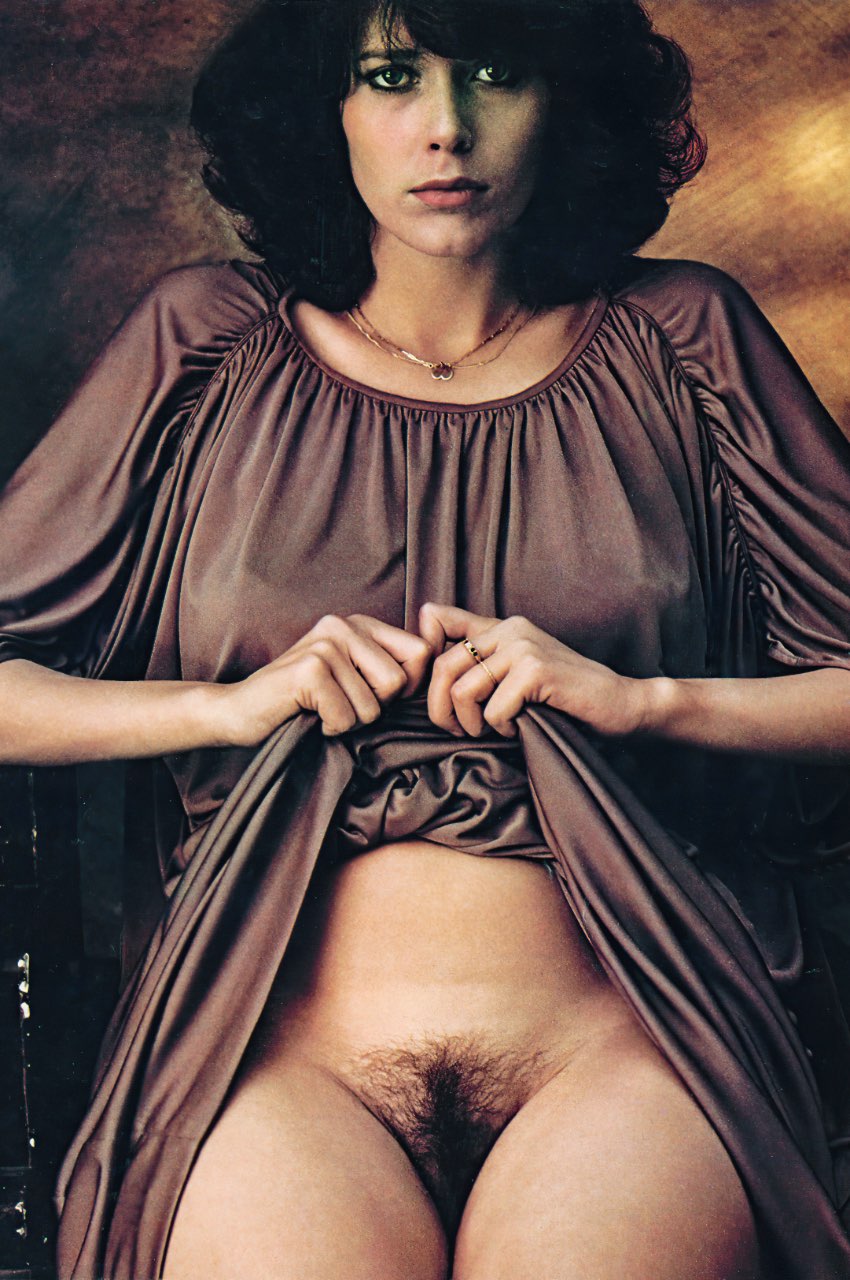
Sylvia Kristel appeared in the February 1982 issue of Playboy in the celebrity pictorial “At Long Last, Lover,” bringing to the magazine one of European cinema’s most recognisable faces. By then, the Dutch actress had become inseparable from Emmanuelle, the sophisticated erotic drama that turned her into an international star. Playboy was not introducing an unfamiliar newcomer; it was presenting the woman who had helped transform sensual European filmmaking into a worldwide cultural phenomenon.
Kristel began modelling as a teenager and won the Miss TV Europe competition in 1973, shortly before her film career accelerated. She had previously auditioned for the female lead in Last Tango in Paris, losing the role to Maria Schneider, but a different international breakthrough soon arrived. Director Just Jaeckin cast her in Emmanuelle, where her slender elegance, short hair and quietly detached manner created a new kind of screen heroine—less an obvious bombshell than a curious, enigmatic woman discovering the boundaries of desire.
The enormous success of Emmanuelle shaped the rest of Kristel’s career. She returned for several official sequels and became the actress most closely identified with the character, even as that association restricted the range of roles offered to her. Yet her filmography extended far beyond one franchise. She worked with Claude Chabrol in Alice or the Last Escapade, appeared in the aviation drama The Concorde… Airport ’79 and starred in adaptations of Lady Chatterley’s Lover and Mata Hari. Her American comedy Private Lessons also became a substantial commercial success.
Playboy’s 1982 feature arrived during Kristel’s attempt to establish herself more firmly in English-language cinema. Rather than reinventing her image, the pictorial embraced the qualities audiences already associated with her: European refinement, emotional distance and a sensuality that appeared dreamlike rather than aggressive. The title “At Long Last, Lover” acknowledged the anticipation surrounding her appearance while placing her naturally within Playboy’s polished early-eighties world. She seemed both familiar and elusive—the celebrated Emmanuelle, yet never entirely reducible to the fantasy created around her.
Kristel ultimately appeared in more than fifty films and later reflected candidly on the opportunities, typecasting and personal difficulties that followed sudden fame. She also explored painting, writing and directing, creating work that allowed her to reconsider the image that had defined her youth. Her Playboy pictorial preserves her at a pivotal moment: internationally famous, newly visible in America and still carrying the cool, melancholy sophistication that made Sylvia Kristel far more intriguing than the erotic heroine whose name followed her everywhere.