Margot Kidder Bio
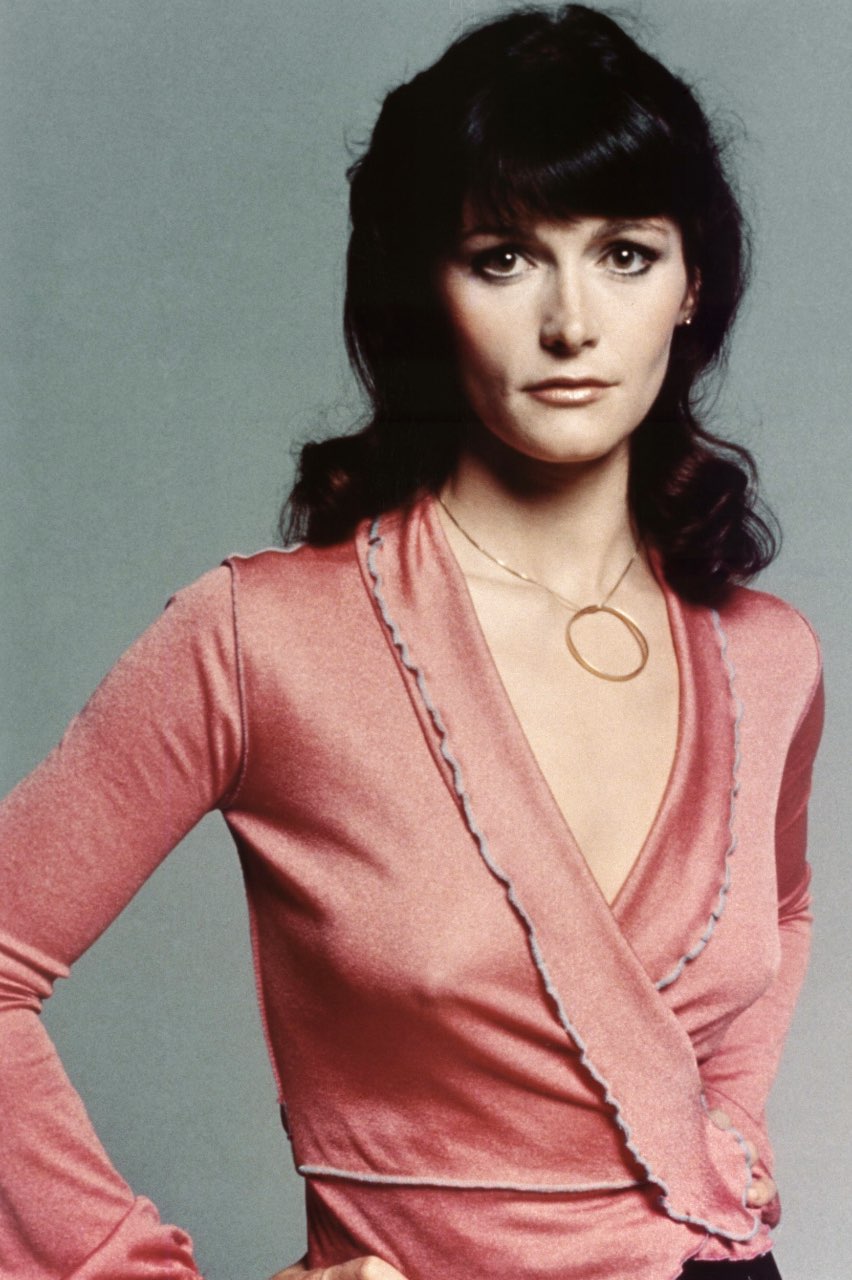
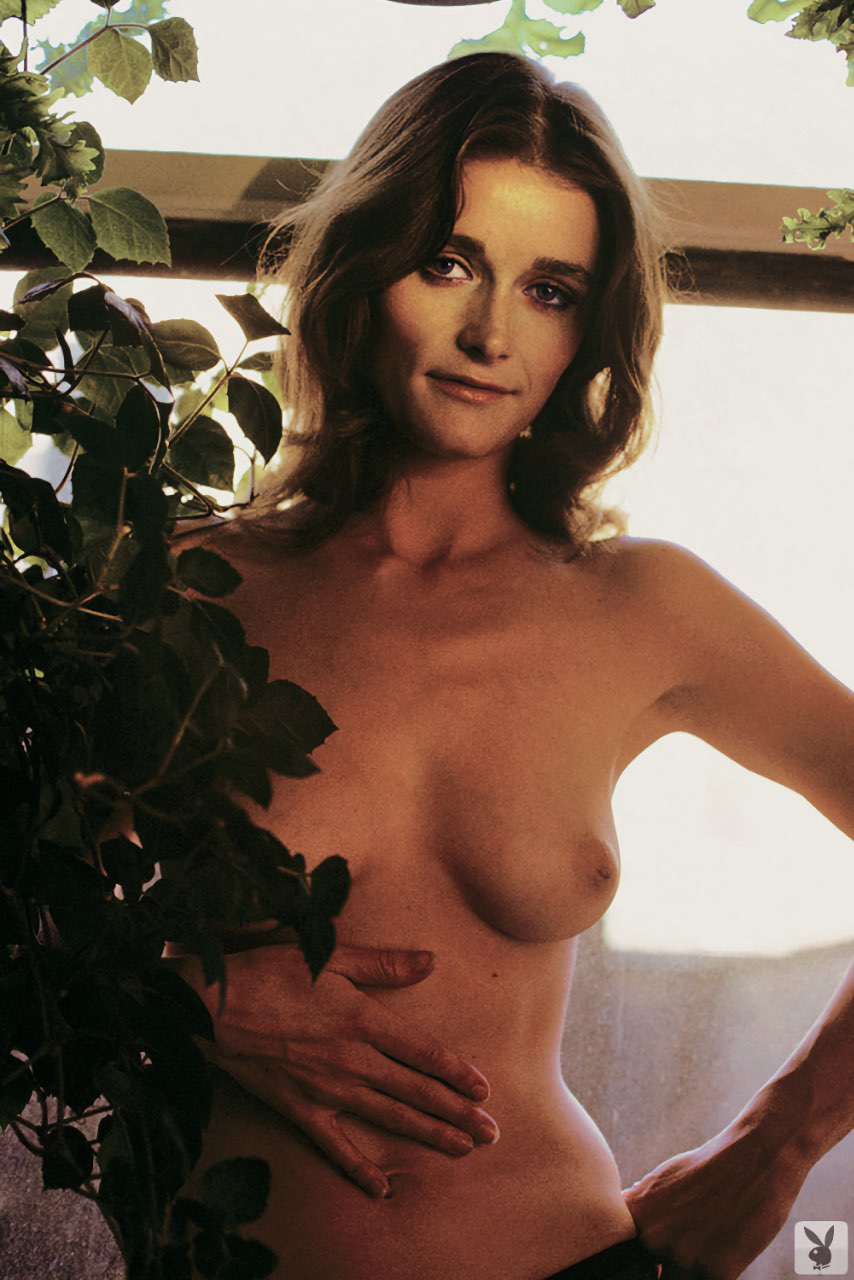
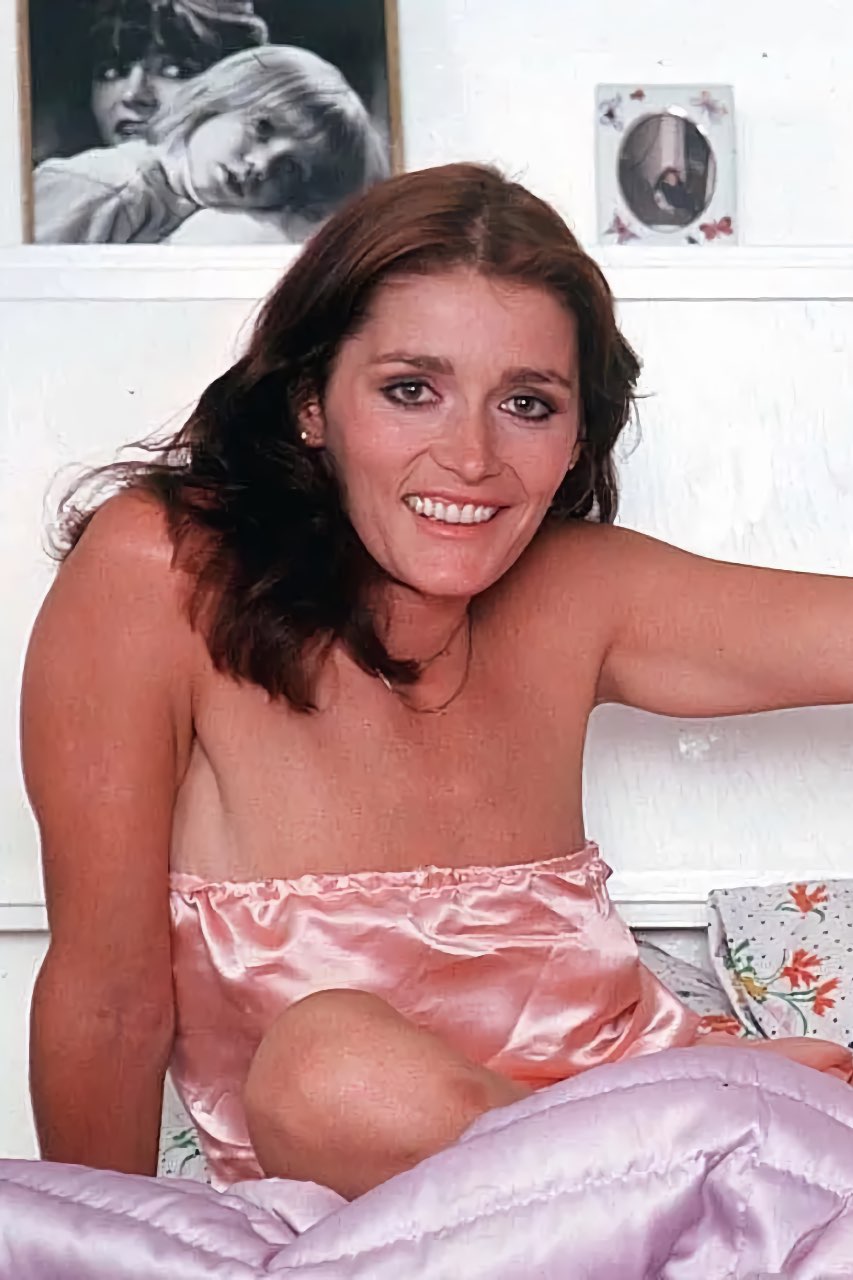
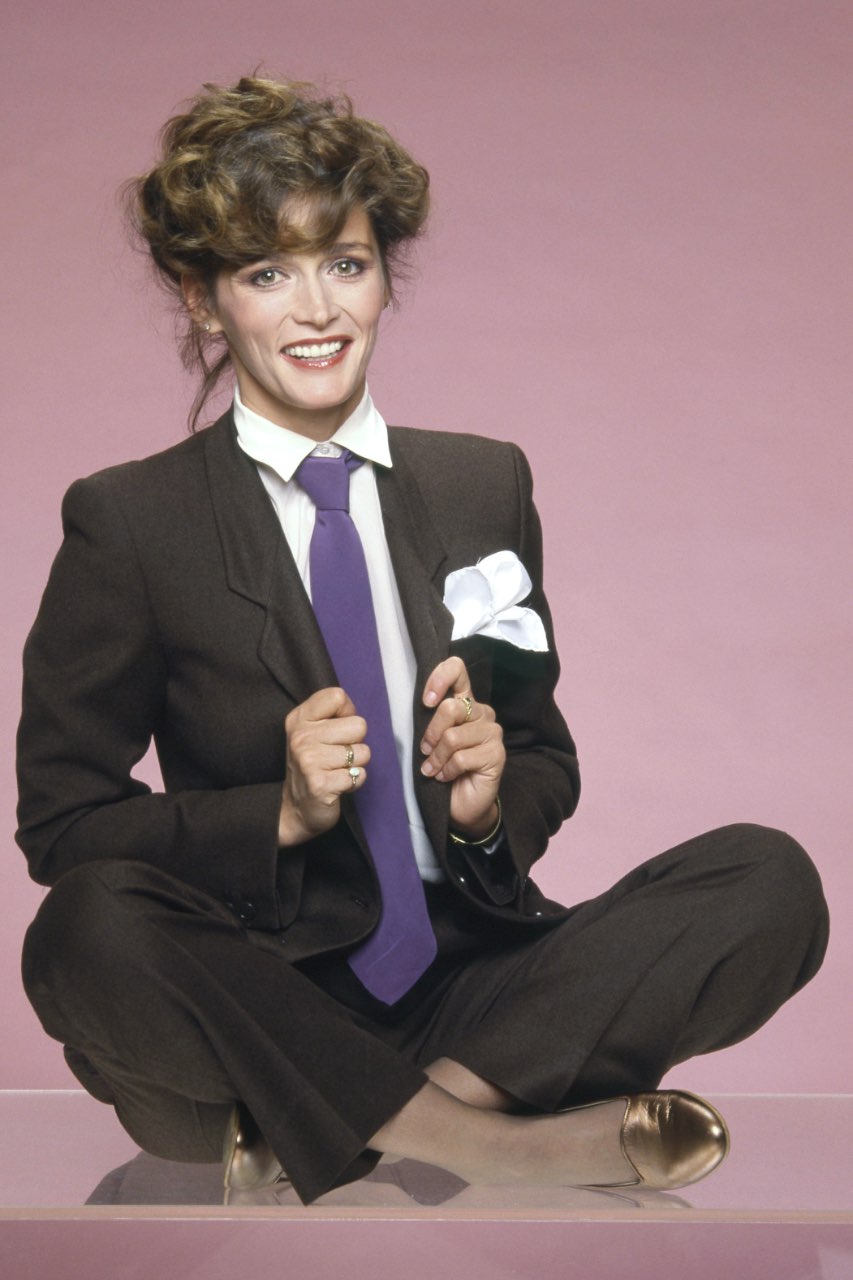
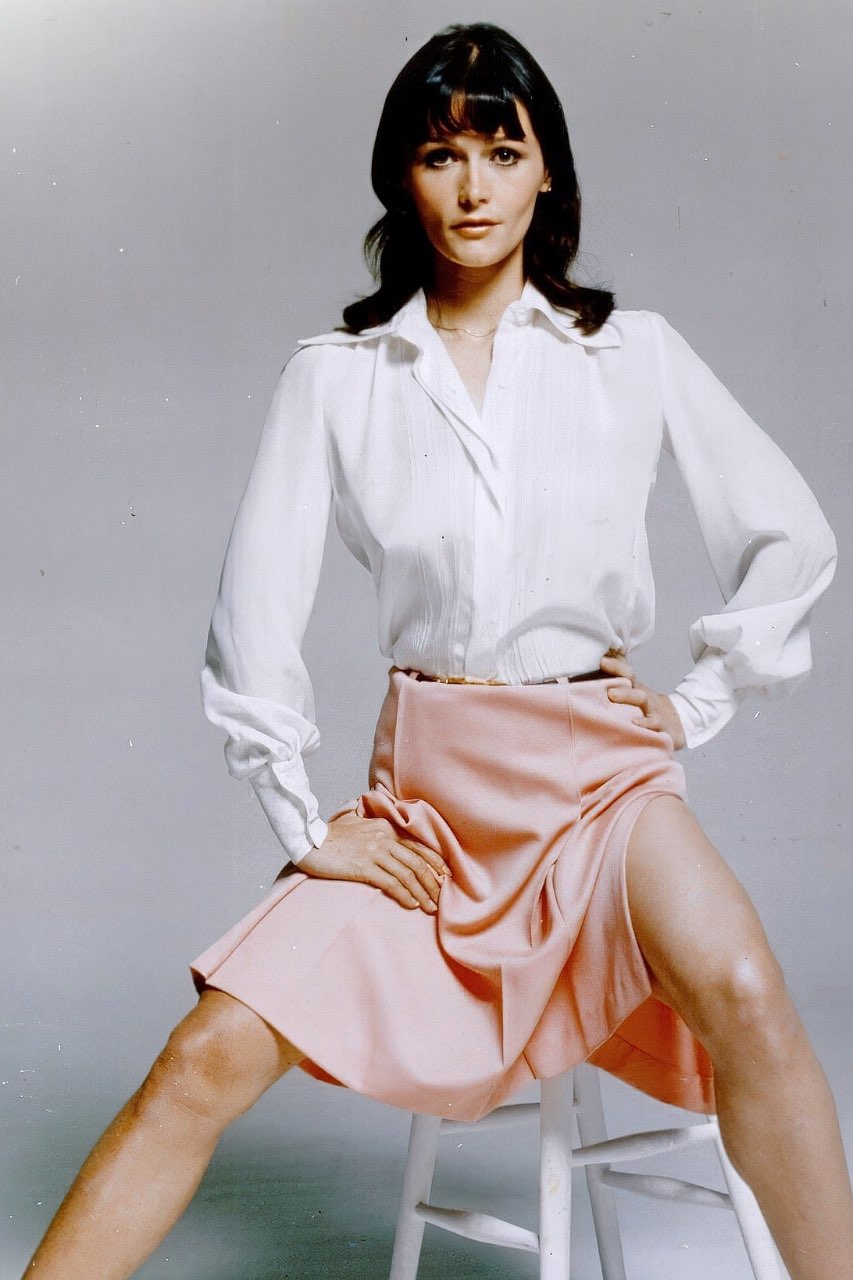
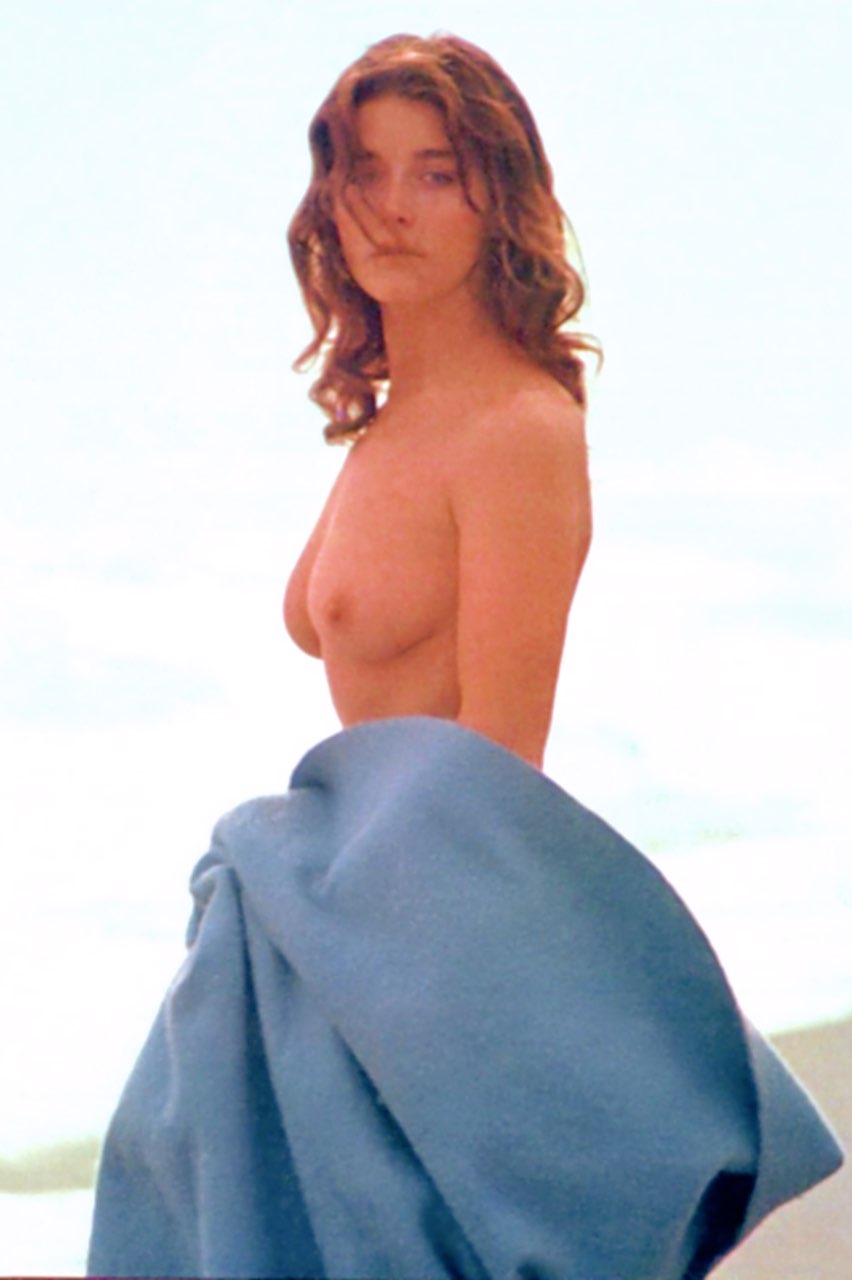
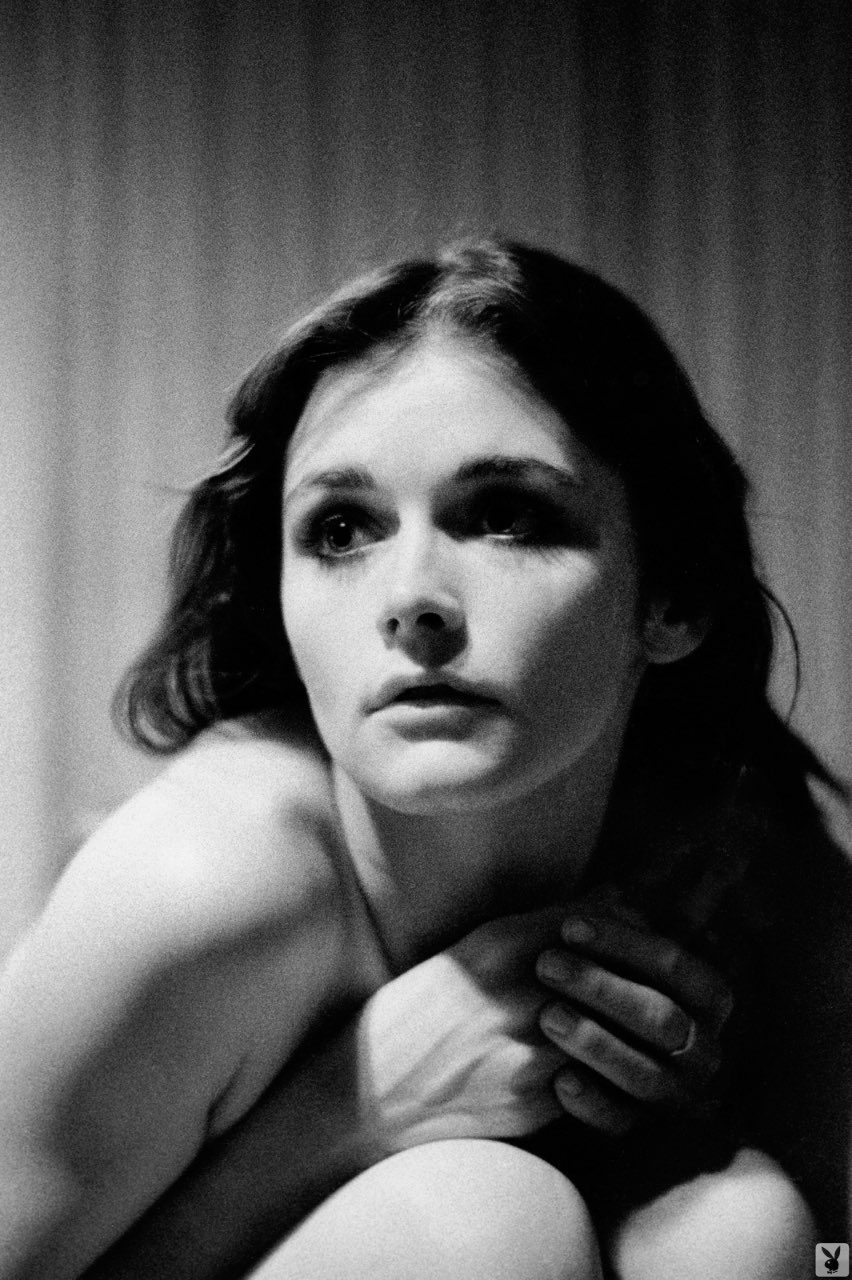
Margot Kidder was a Canadian Actress and activist. She was born Margaret Ruth Kidder on October 17, 1948, in Yellowknife, Canada. She appeared in Playboy in March 1975 at 26, adding the feature to her public career. Her appearance came during Playboy's 1970s print era, when the magazine reached the height of its mass-market influence.
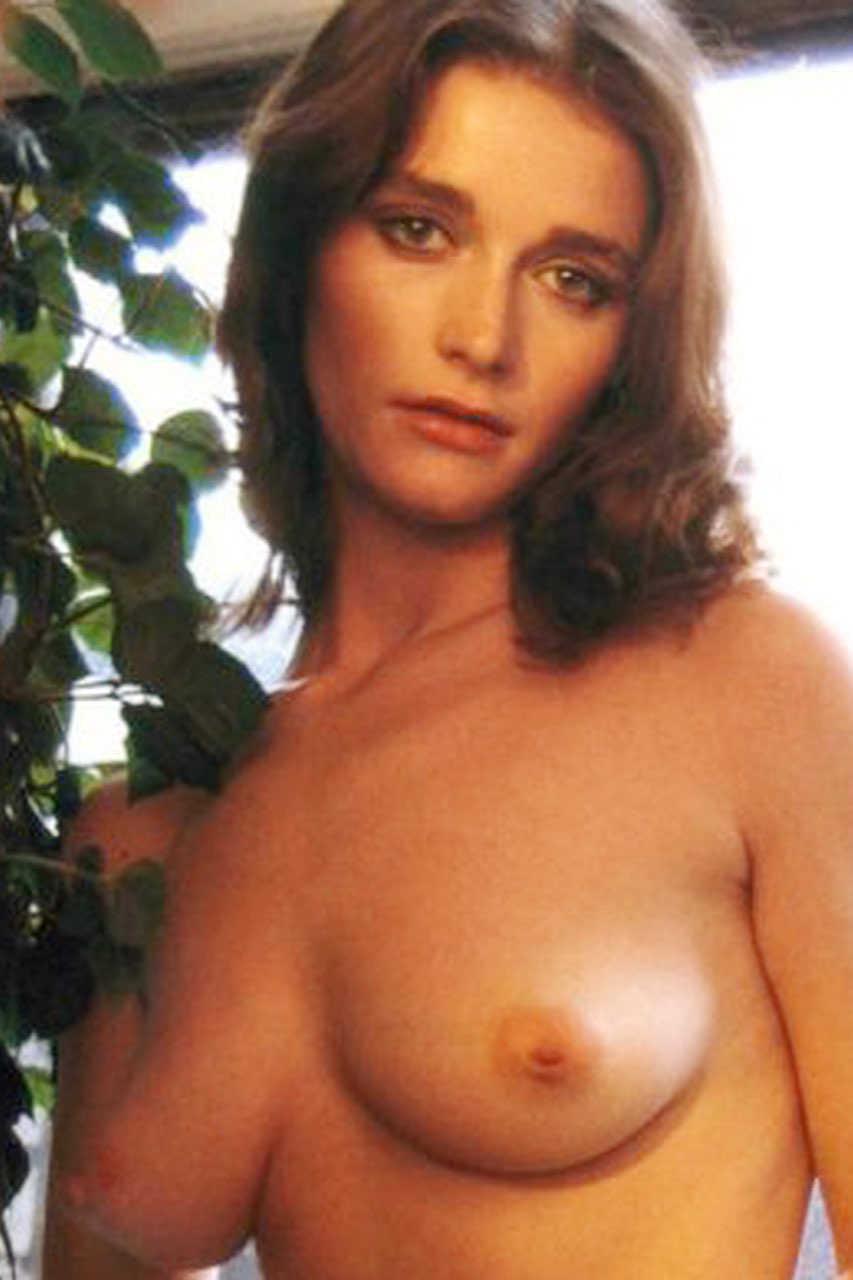
Kidder had natural breasts, brown eyes and brown hair. Her measurements are 32-24-33.
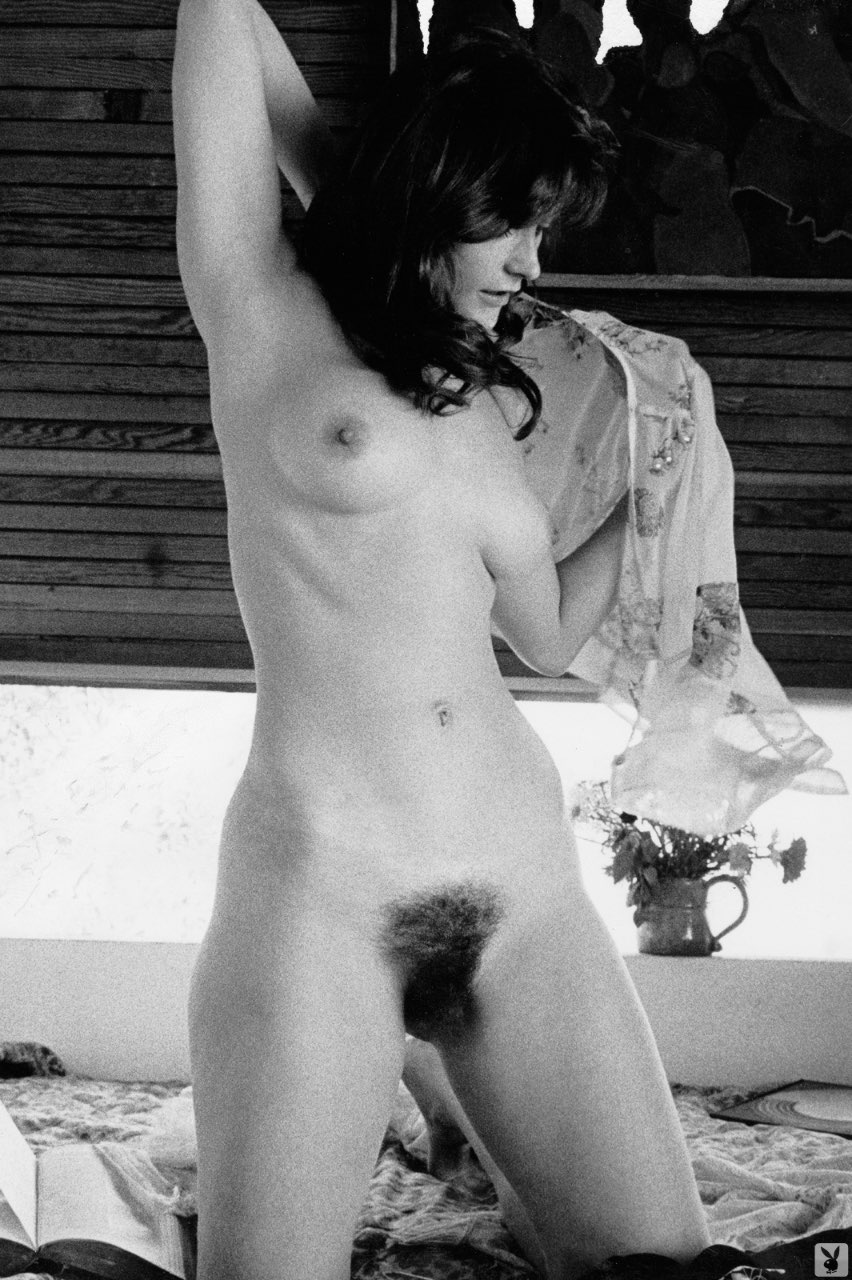
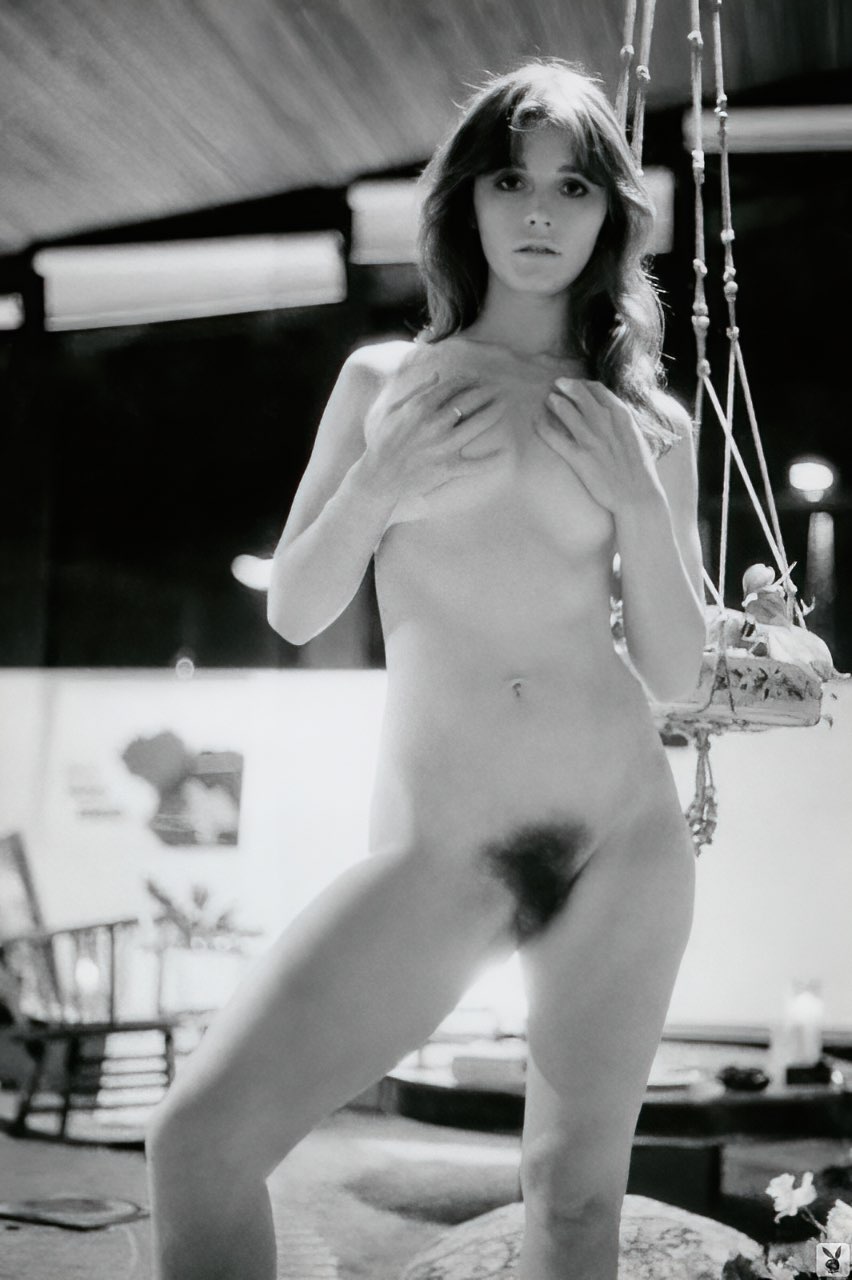
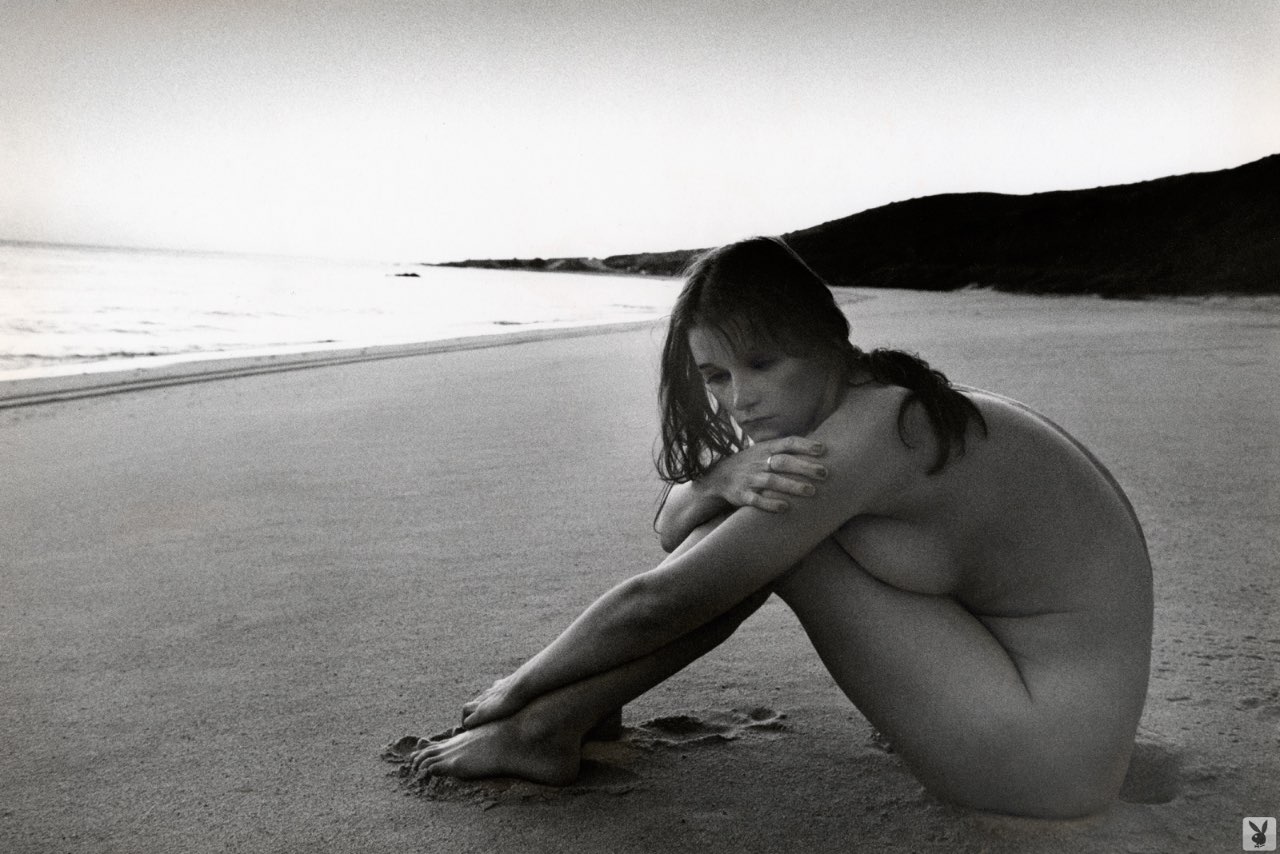
Margot Kidder appeared in Playboy’s March 1975 issue in a semi-nude pictorial photographed in black and white by Douglas Kirkland. She accepted the assignment on the condition that she could write the accompanying article herself, turning the feature into something more personal than a standard celebrity layout. The arrangement suited Kidder’s independent temperament: candid, intellectually curious and unwilling to let a photographer or editor provide the only interpretation of the woman in the pictures.
By then, Kidder had already become one of Canada’s most adventurous young actresses. Her early work included Quackser Fortune Has a Cousin in the Bronx, followed by a striking dual performance in Brian De Palma’s psychological thriller Sisters. She brought comparable intensity to Black Christmas and A Quiet Day in Belfast, while The Great Waldo Pepper placed her opposite Robert Redford in a larger Hollywood production. These roles established a performer whose quick intelligence and slightly unpredictable energy distinguished her from more conventional screen ingénues.
International fame arrived when Kidder was cast as Lois Lane opposite Christopher Reeve in Superman. Her Lois was ambitious, untidy, funny and professionally fearless—a working reporter who could be dazzled by Superman without surrendering her scepticism or independence. Kidder reprised the role in three sequels, creating a screen partnership with Reeve that became central to the emotional appeal of the series. Her version of Lois set a lasting standard because she felt less like a superhero accessory than a complete woman with deadlines, desires and a mind moving faster than everyone around her.
Kidder continued moving between mainstream films, independent productions, horror and television. The Amityville Horror became another major commercial success, while Heartaches earned her a Genie Award. Decades later, she won a Daytime Emmy for her guest performance in R.L. Stine’s The Haunting Hour. Beyond acting, she became an outspoken environmental, anti-war and political activist, applying the same directness seen in her performances to causes she believed deserved public attention.
Her death in Livingston, Montana, in 2018 was later ruled a suicide caused by a self-inflicted drug and alcohol overdose. It was a painful conclusion to a life marked by artistic achievement, public struggle and unusual resilience. Kidder’s March 1975 Playboy appearance preserves her before Lois Lane made her internationally famous: intelligent, daring and already determined to author her own image. The photographs offered beauty, but the accompanying words revealed the more enduring attraction—a woman who always insisted on speaking for herself.