La Toya Jackson Bio
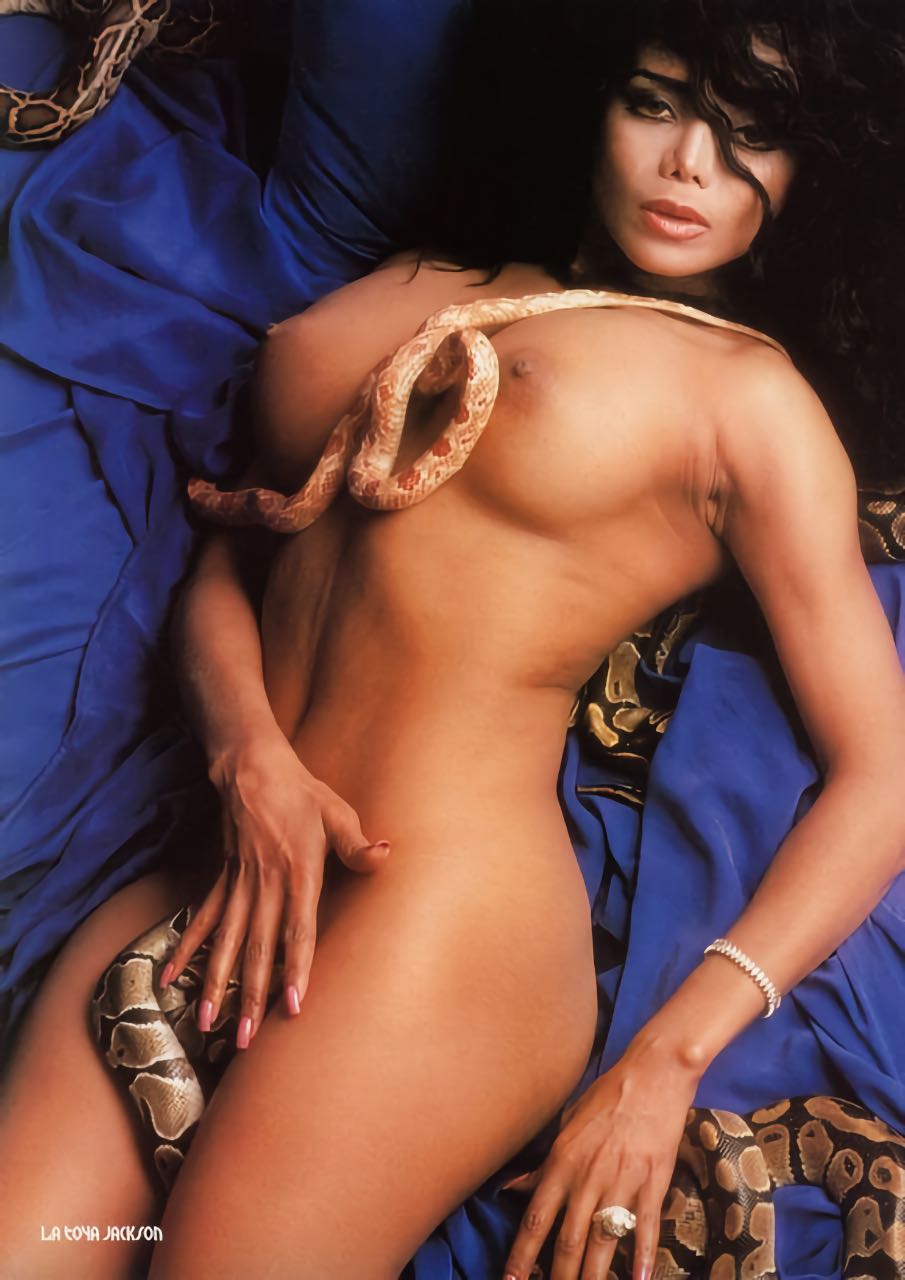
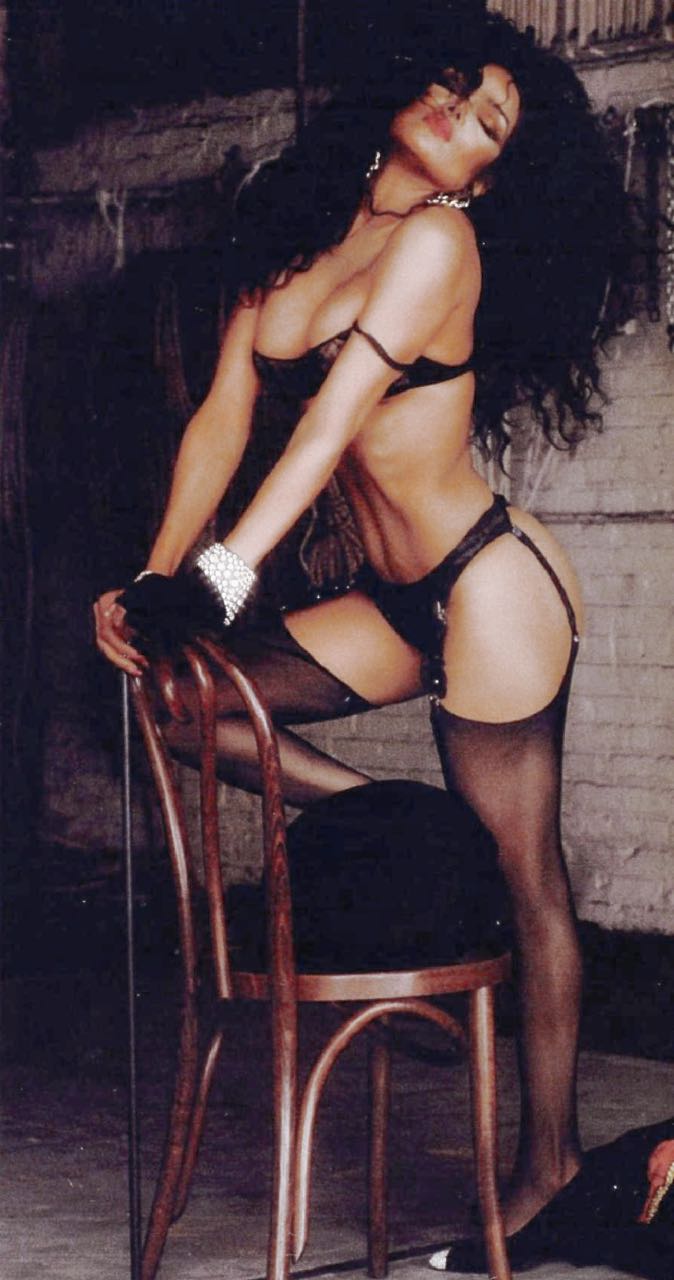
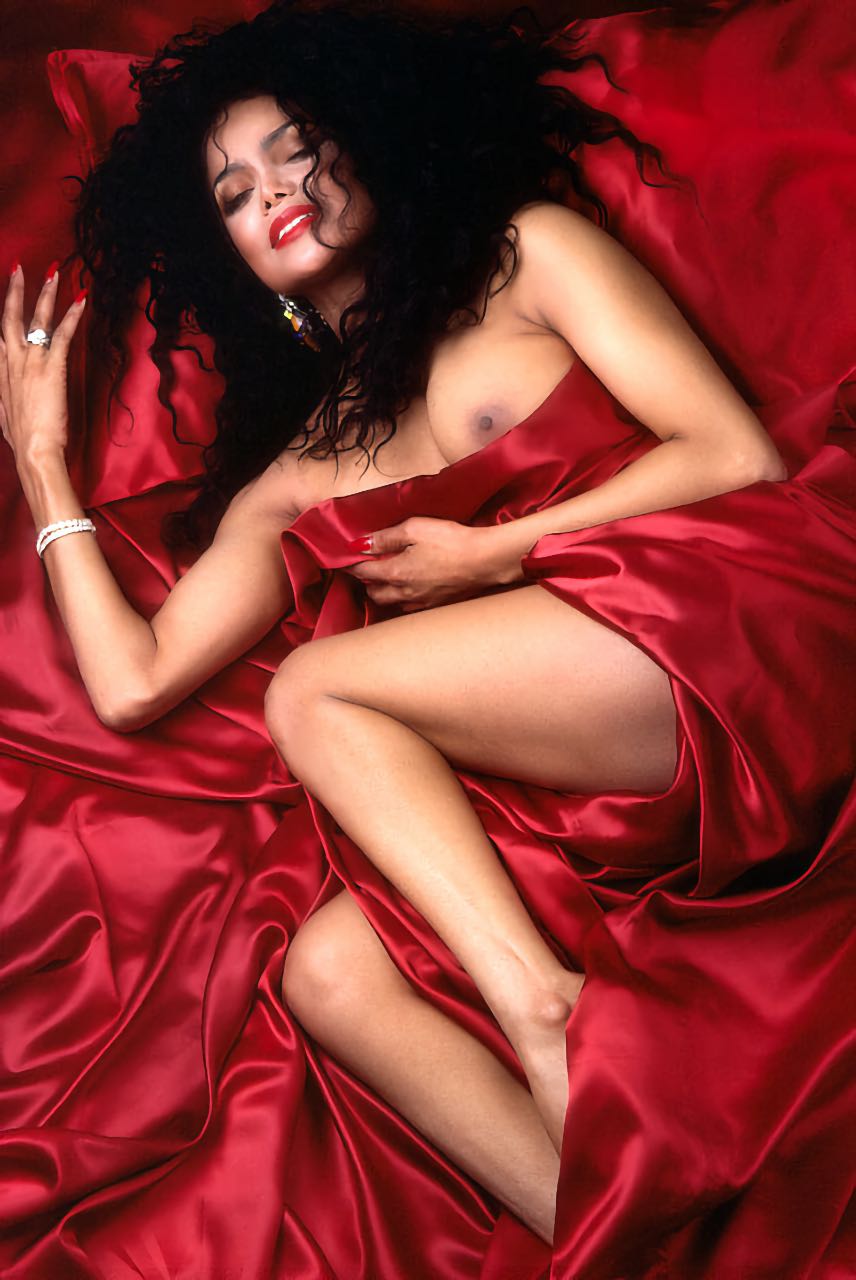
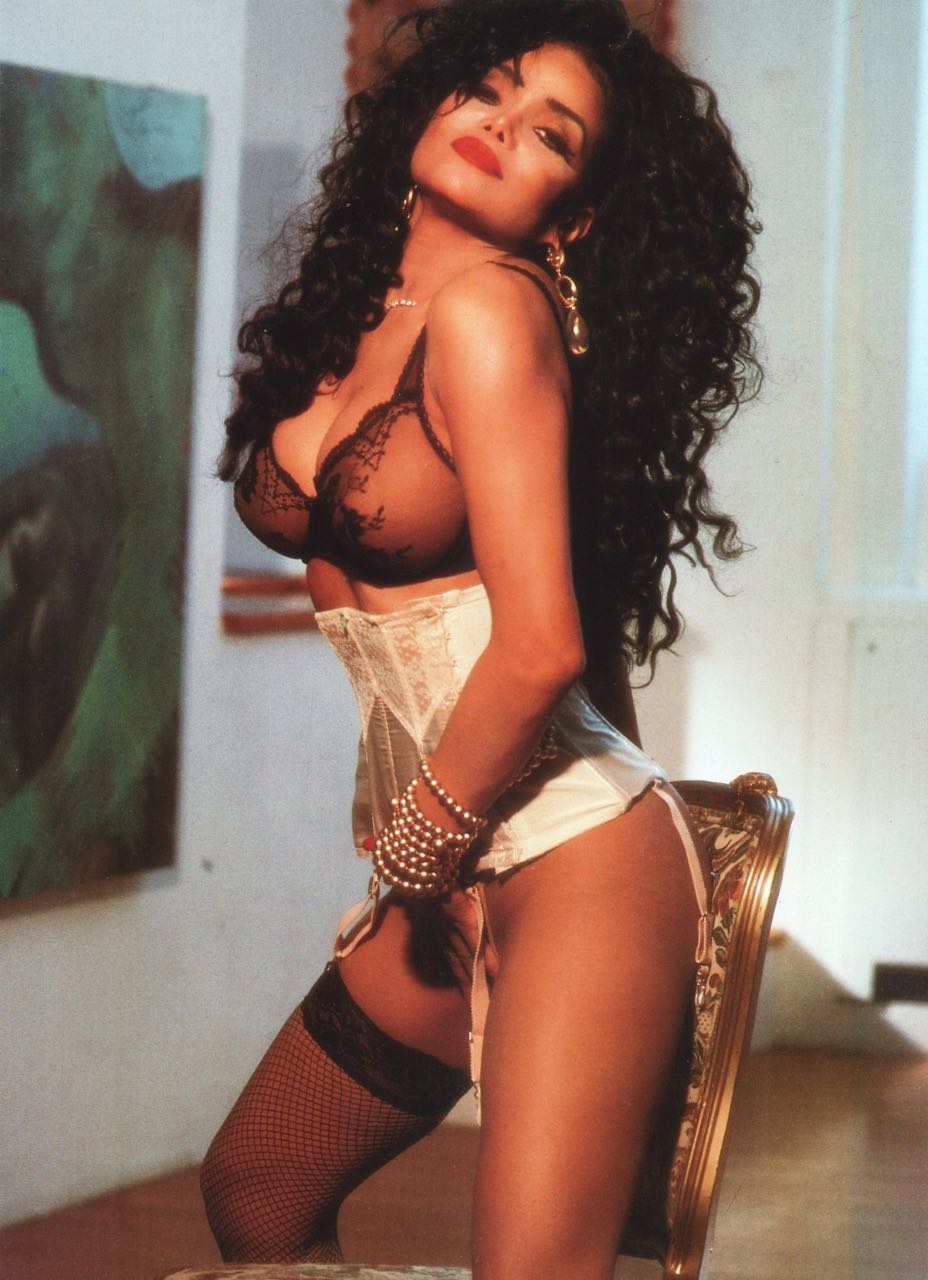
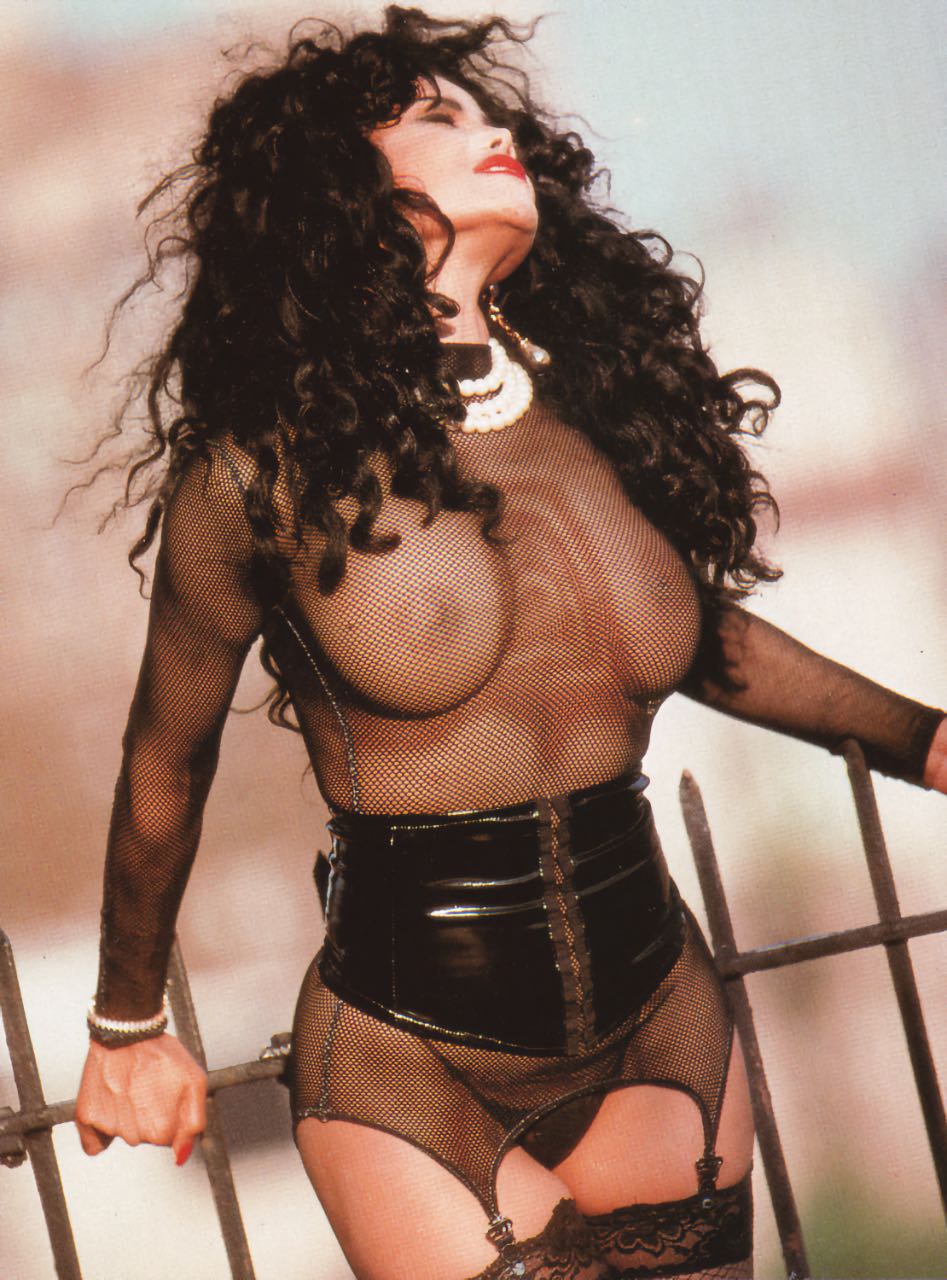
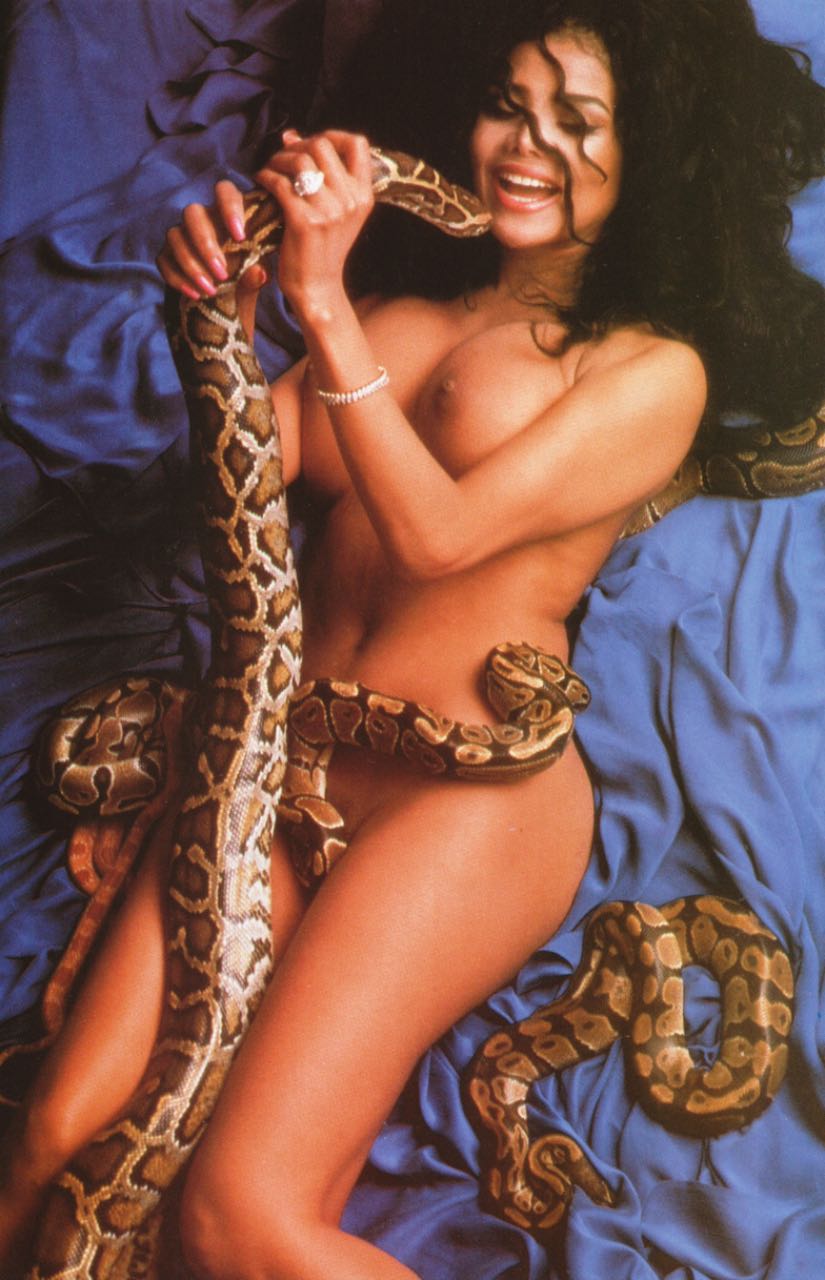
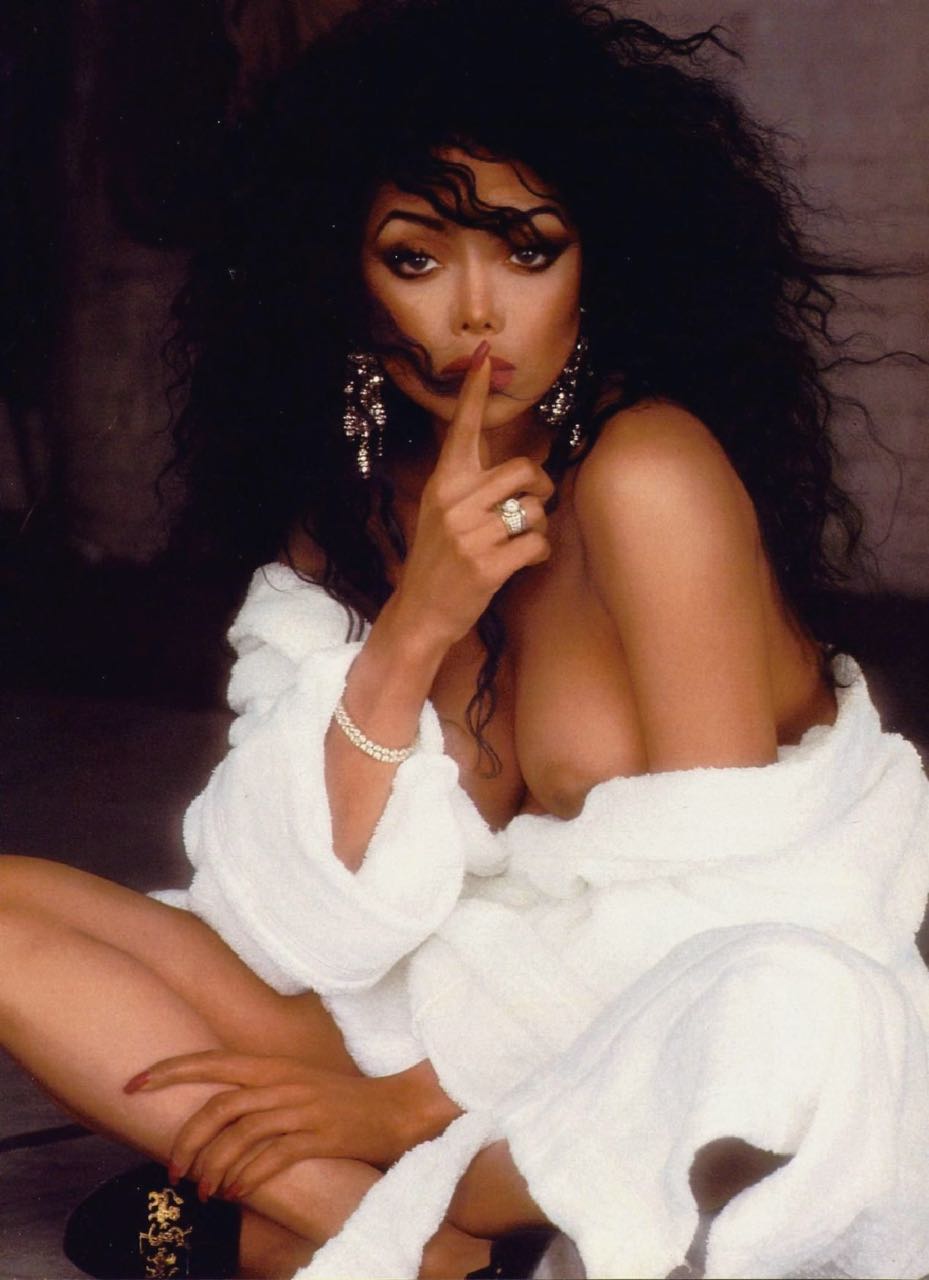
La Toya Jackson is an American Singer, songwriter, musician, author, television personality, actress, activist, and model. Born La Toya Yvonne Jackson on May 29, 1956, in Gary, Indiana, she has also been credited as Latoya Jackson and Toy-Toy. She appeared in Playboy in March 1989 at 32, adding the feature to her public career. Her appearance came during Playboy's polished, high-production 1980s period.
Jackson has enhanced breasts, brown eyes and brown hair. Her measurements are 34-24-35.
Jackson began building an identity outside the family ensemble with her self-titled 1980 debut album. Her early recordings blended disco, pop and R&B, producing singles such as “If You Feel the Funk,” “Bet’cha Gonna Need My Lovin’” and “Heart Don’t Lie.” Later releases moved toward a sharper dance-pop sound, particularly “You’re Gonna Get Rocked!” and the album No Relations. Although comparisons with Michael and Janet were unavoidable, La Toya cultivated a more theatrical public persona, combining music, fashion and television appearances with a willingness to court controversy.
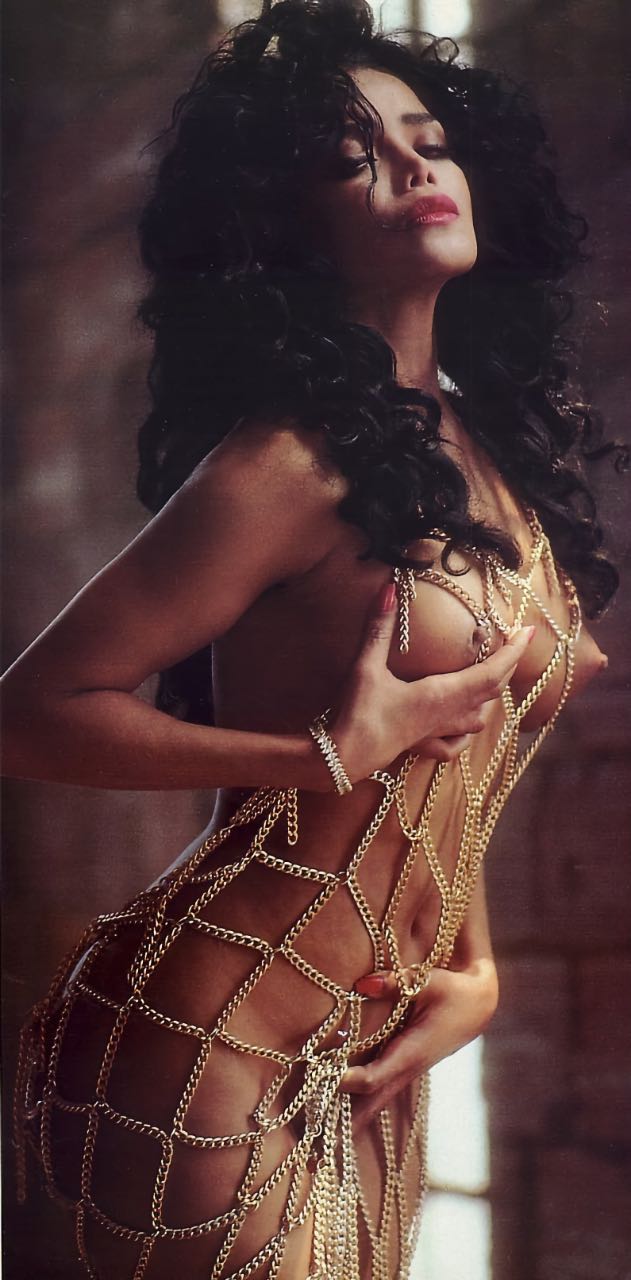
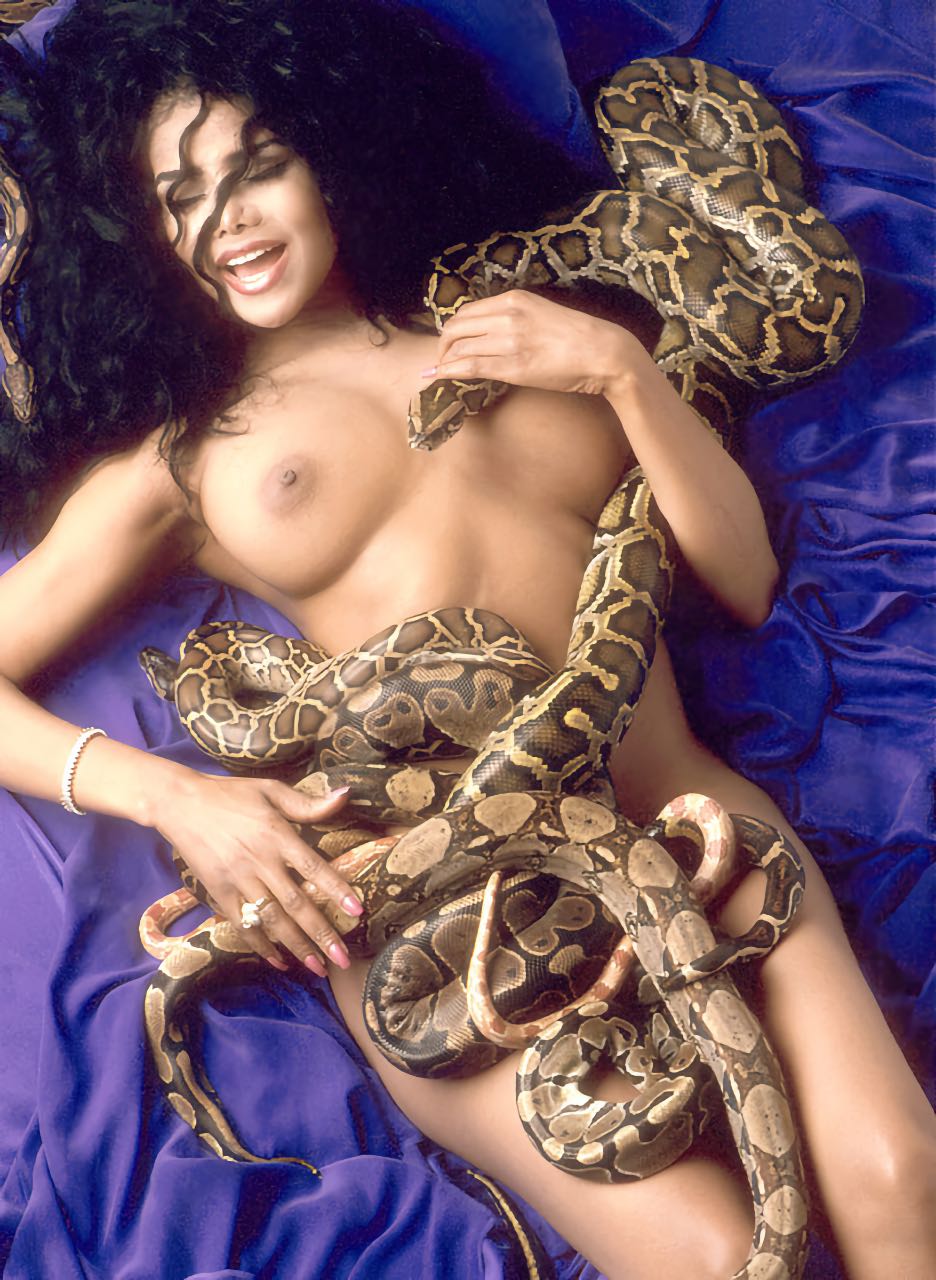
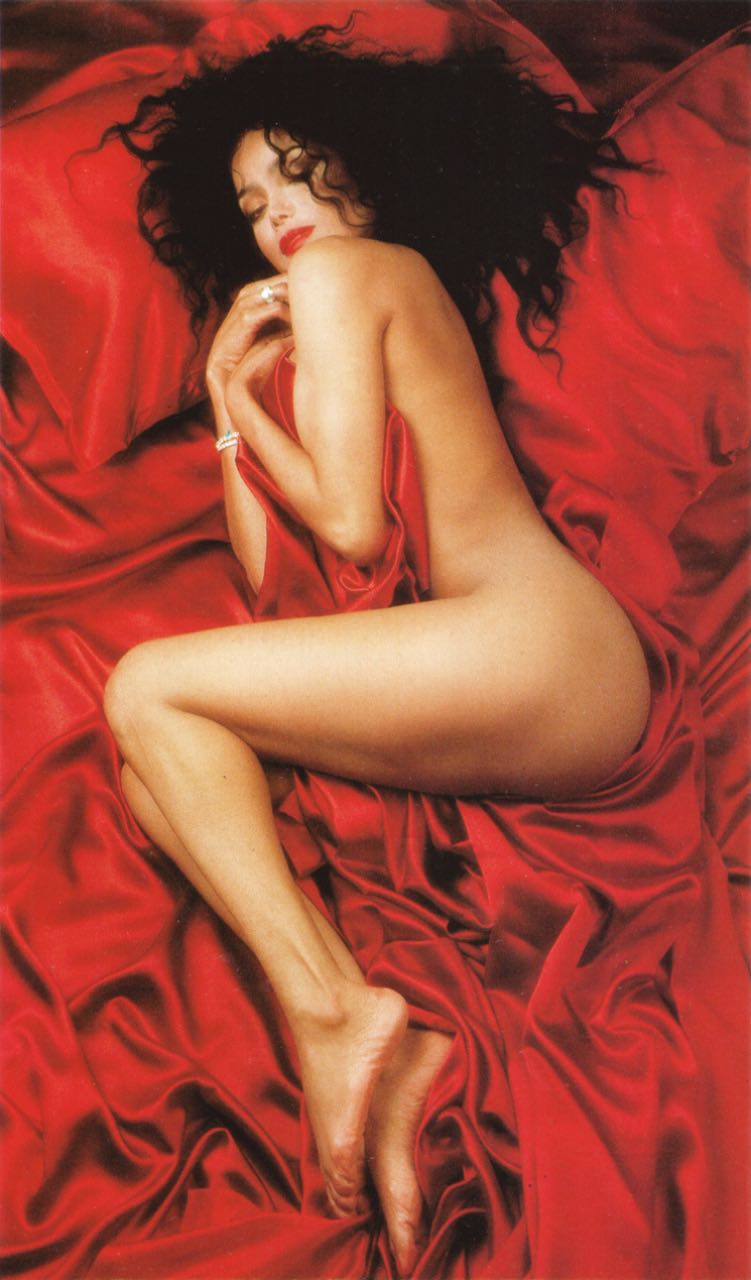
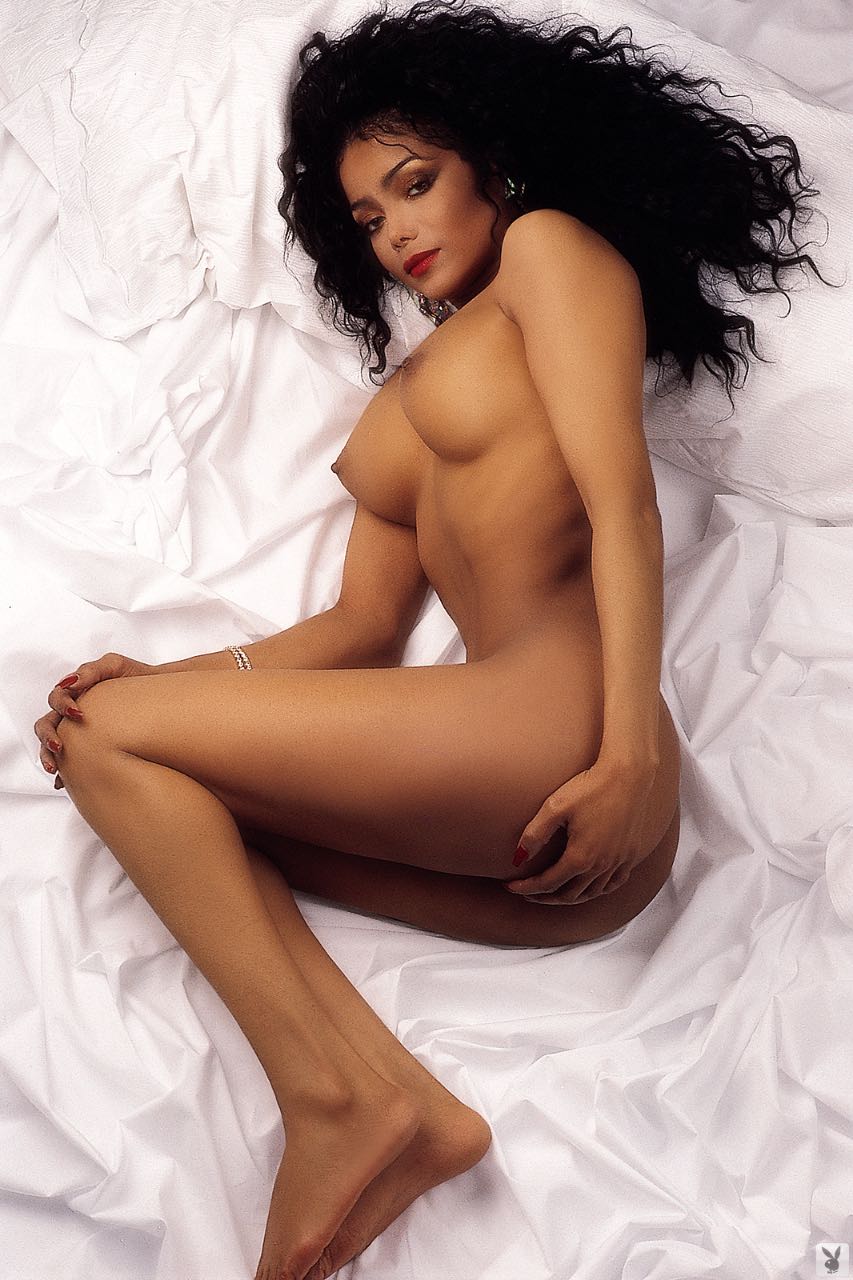
Playboy placed Jackson on the cover of its March 1989 American issue, presenting her as a celebrity model rather than as a Playmate of the Month. At the time, the pictorial was promoted as a dramatic declaration of independence from the conservative expectations surrounding the Jackson family. Its carefully styled photographs transformed the usually reserved singer into an immediate glamour celebrity and became one of the most discussed Playboy features of the late 1980s. The session’s cultural impact came from the contrast between La Toya’s sheltered public image and the unmistakable confidence of the finished portfolio.
She returned to Playboy for the November 1991 issue, during the publicity campaign for her autobiography La Toya: Growing Up in the Jackson Family. A dedicated home-video feature, Playboy Celebrity Centerfold: La Toya Jackson, followed in 1994. Jackson later described this period very differently from the language of liberation used at the time. After separating from her manager and husband, Jack Gordon, she alleged that he had controlled her career through threats and violence and had compelled her to participate in both Playboy shoots and the video. Her later account gives the photographs a more complicated meaning, mixing public self-expression with private coercion.
Following her break from Gordon in 1996, Jackson withdrew from public life for several years and gradually reconciled with members of her family. She later returned through music, television and reality programming, appearing in projects including Celebrity Big Brother, Armed & Famous and her own series Life with La Toya. In 2011, she published a second memoir, Starting Over, recounting her alleged abuse, escape and effort to rebuild her identity away from the sensational headlines that had dominated the previous decade.
La Toya Jackson’s Playboy history cannot be reduced to a simple tale of rebellion. The first pictorial made her an unexpected sex symbol, while her later testimony revealed how little control she believed she possessed during much of that era. Singer, author and television personality, she ultimately reclaimed her narrative by speaking openly about manipulation and survival. Her Playboy covers remain striking records of late-1980s and early-1990s celebrity culture, but the woman behind them proved more complex than the provocative image presented on the newsstand.