Kim Novak Bio
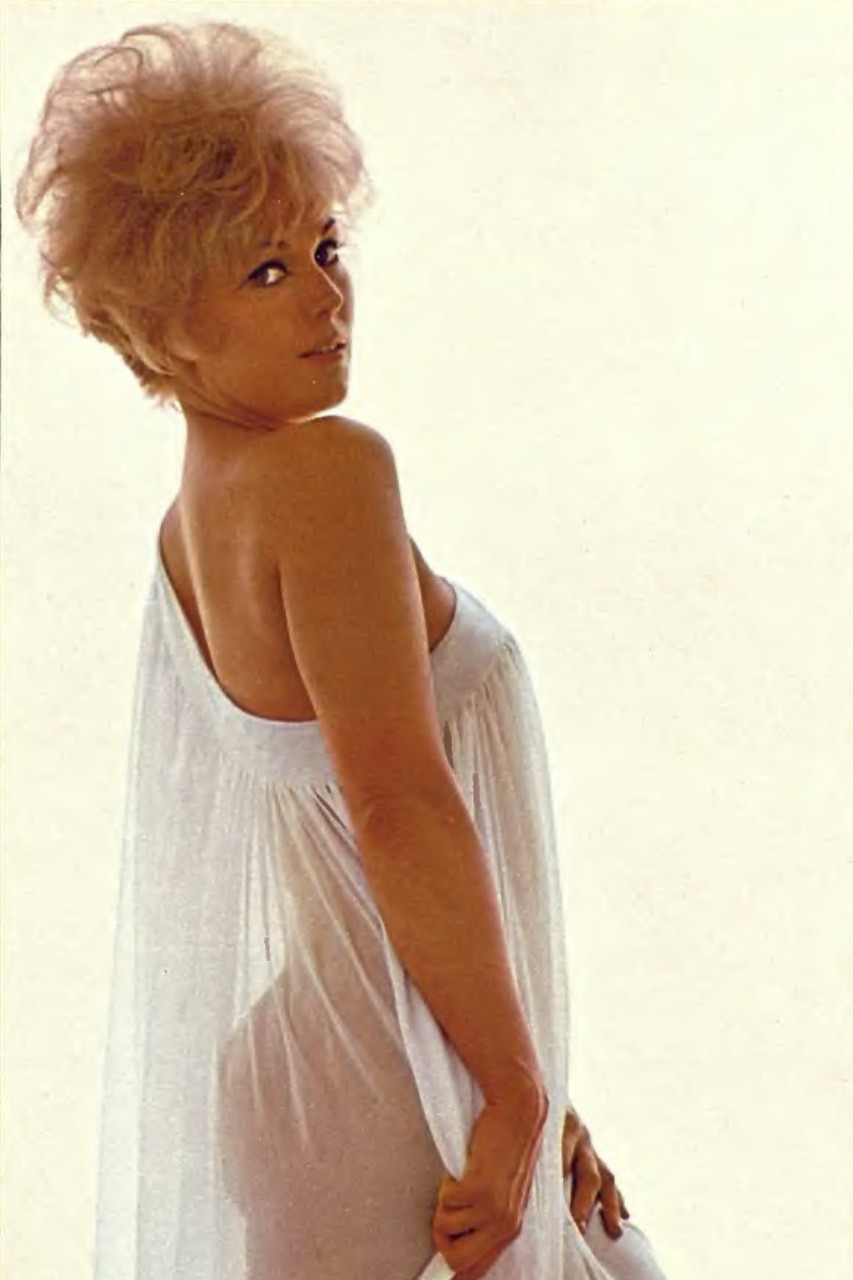
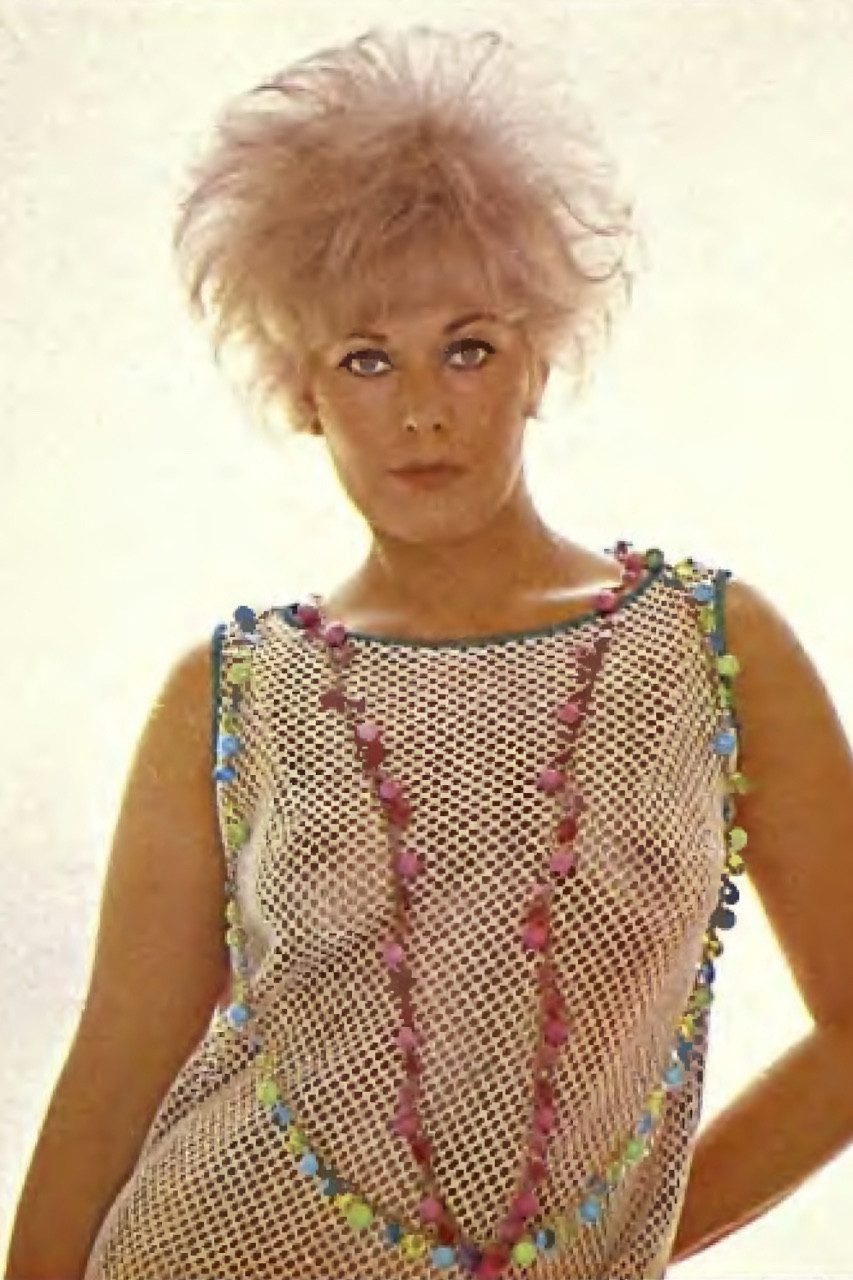
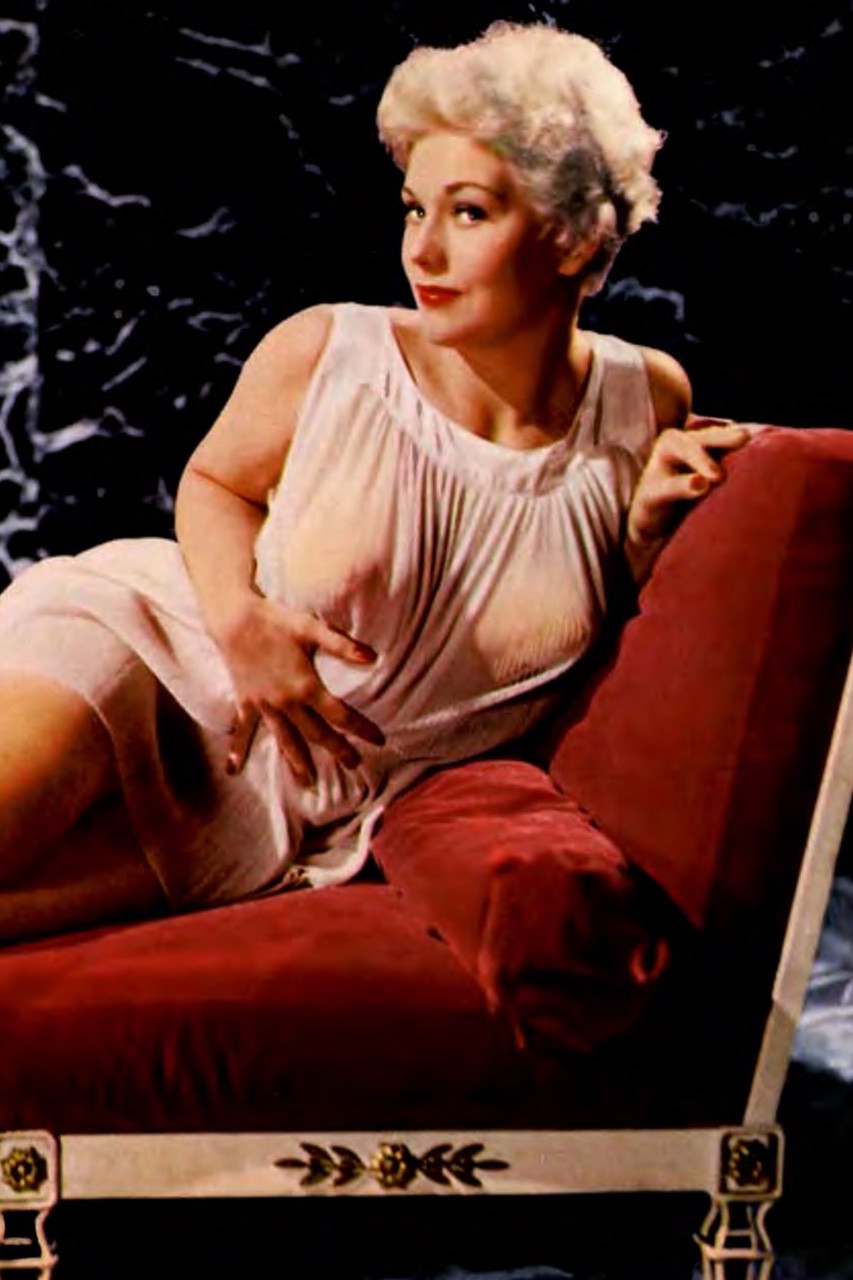
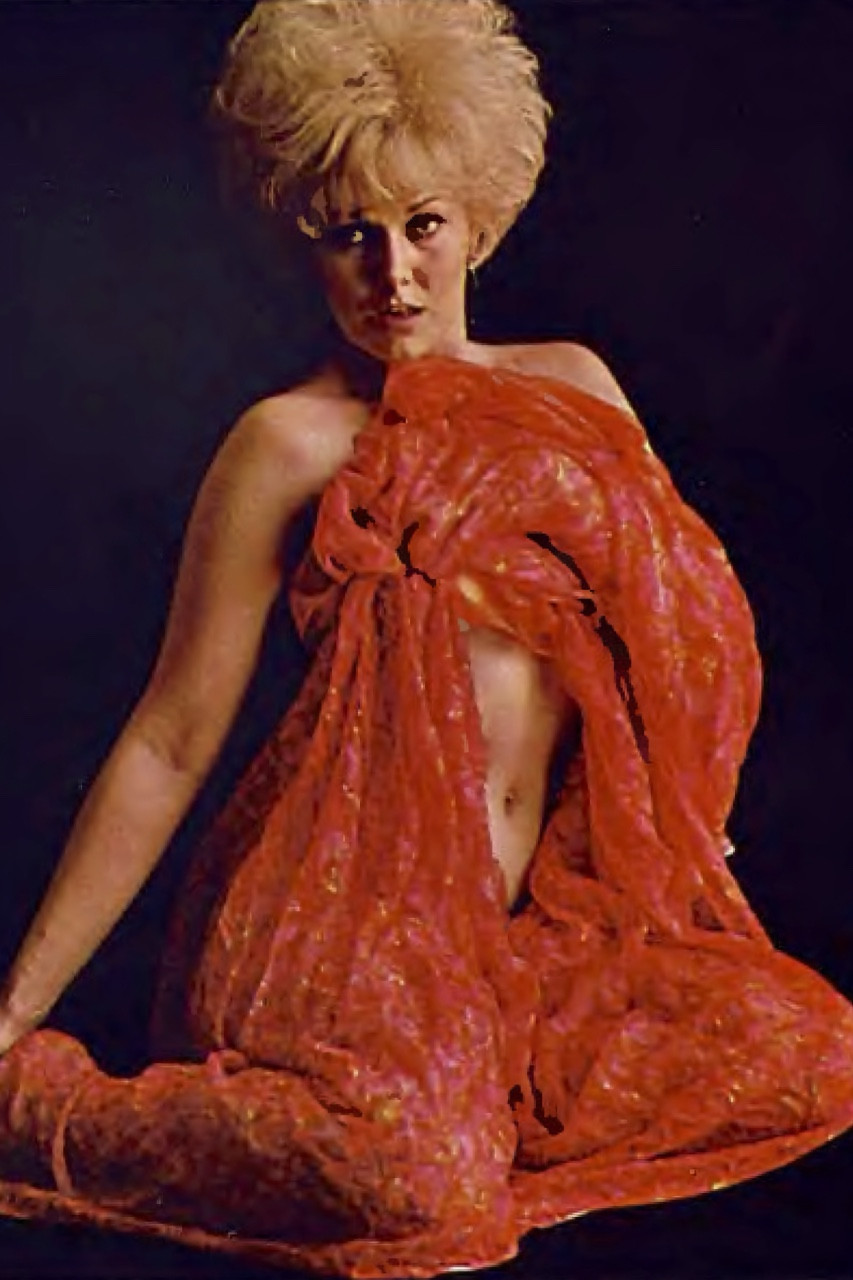
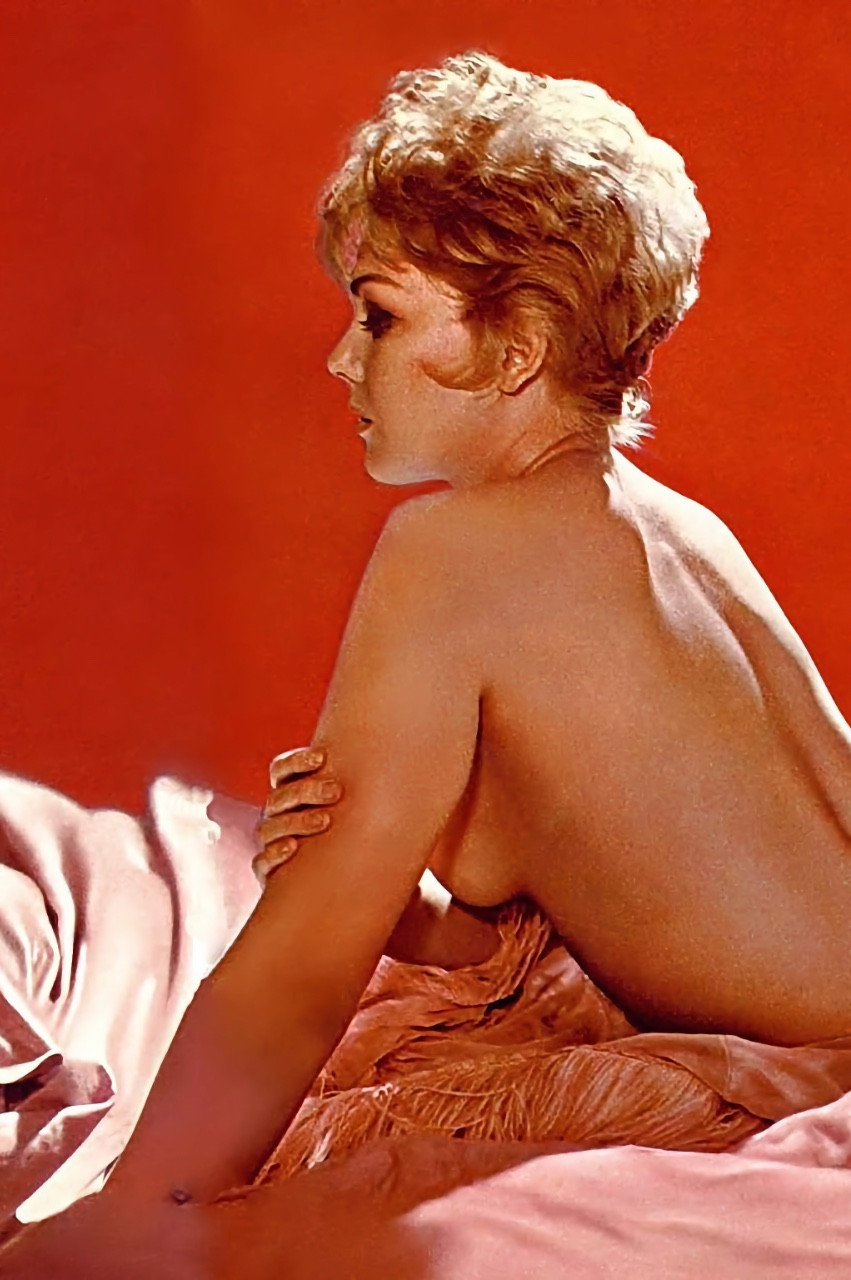
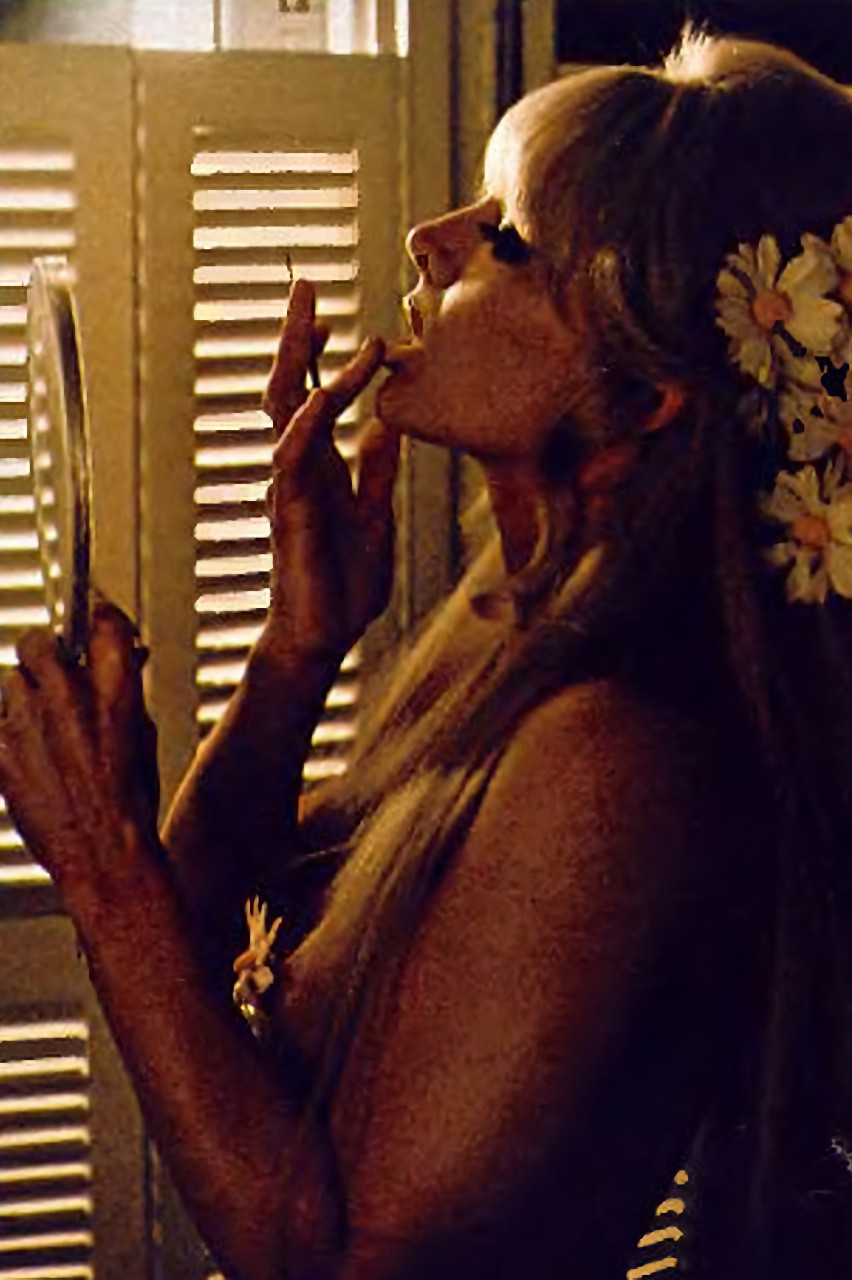
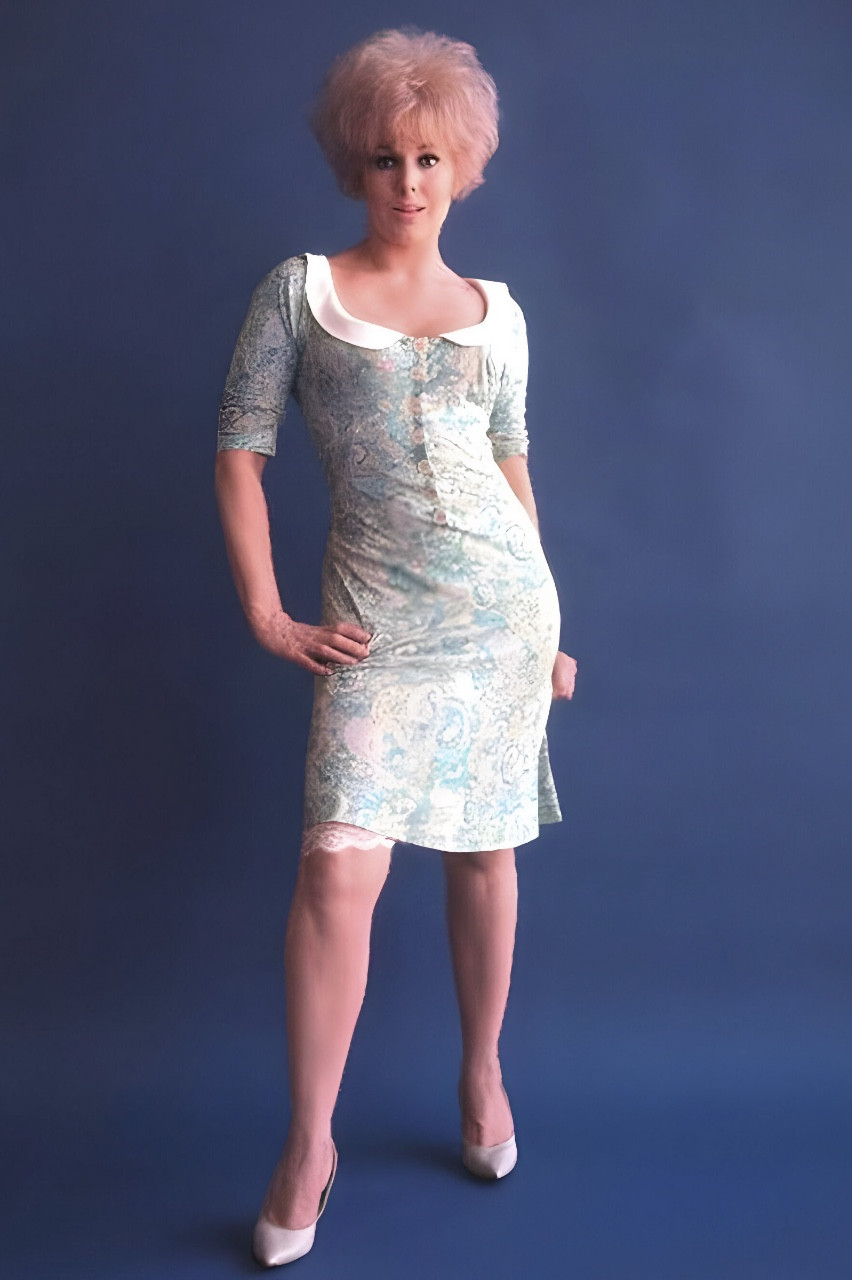
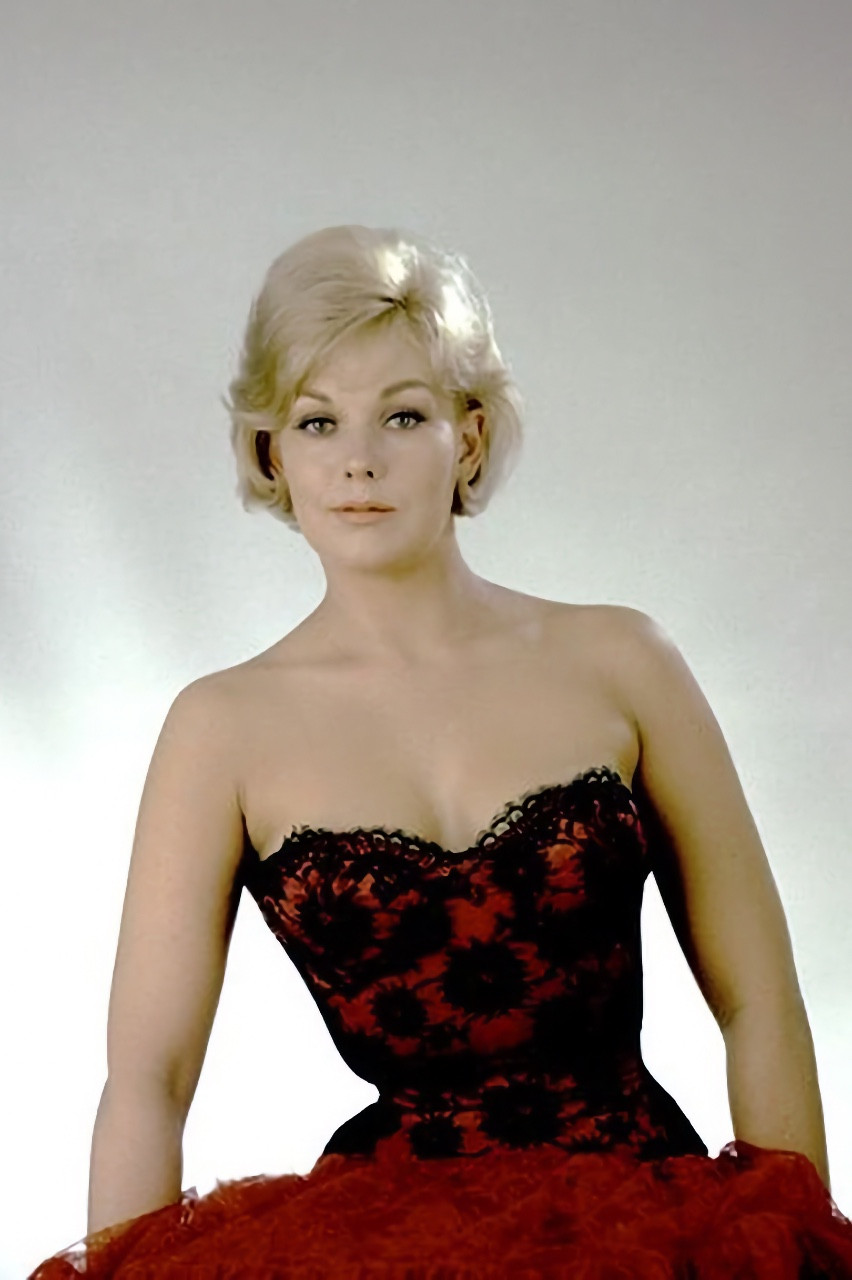
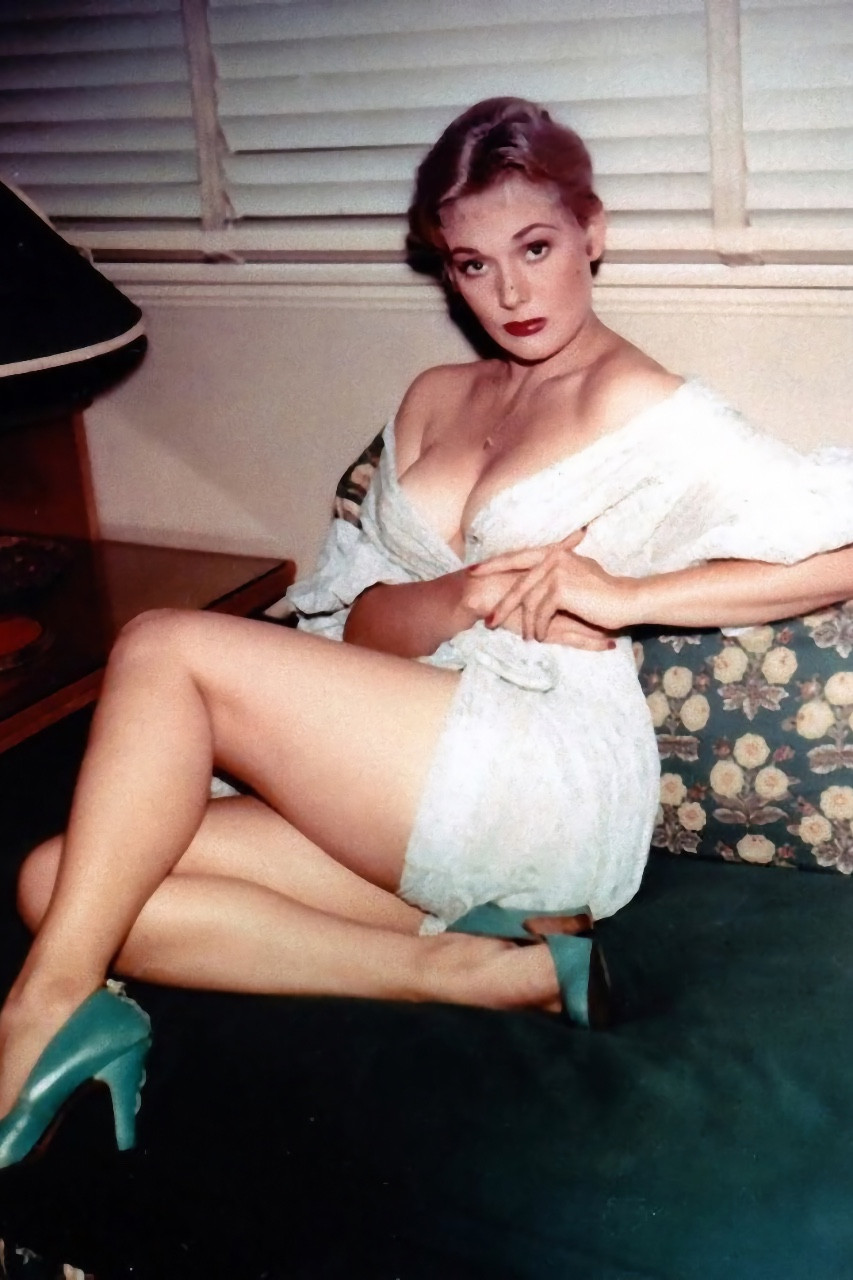
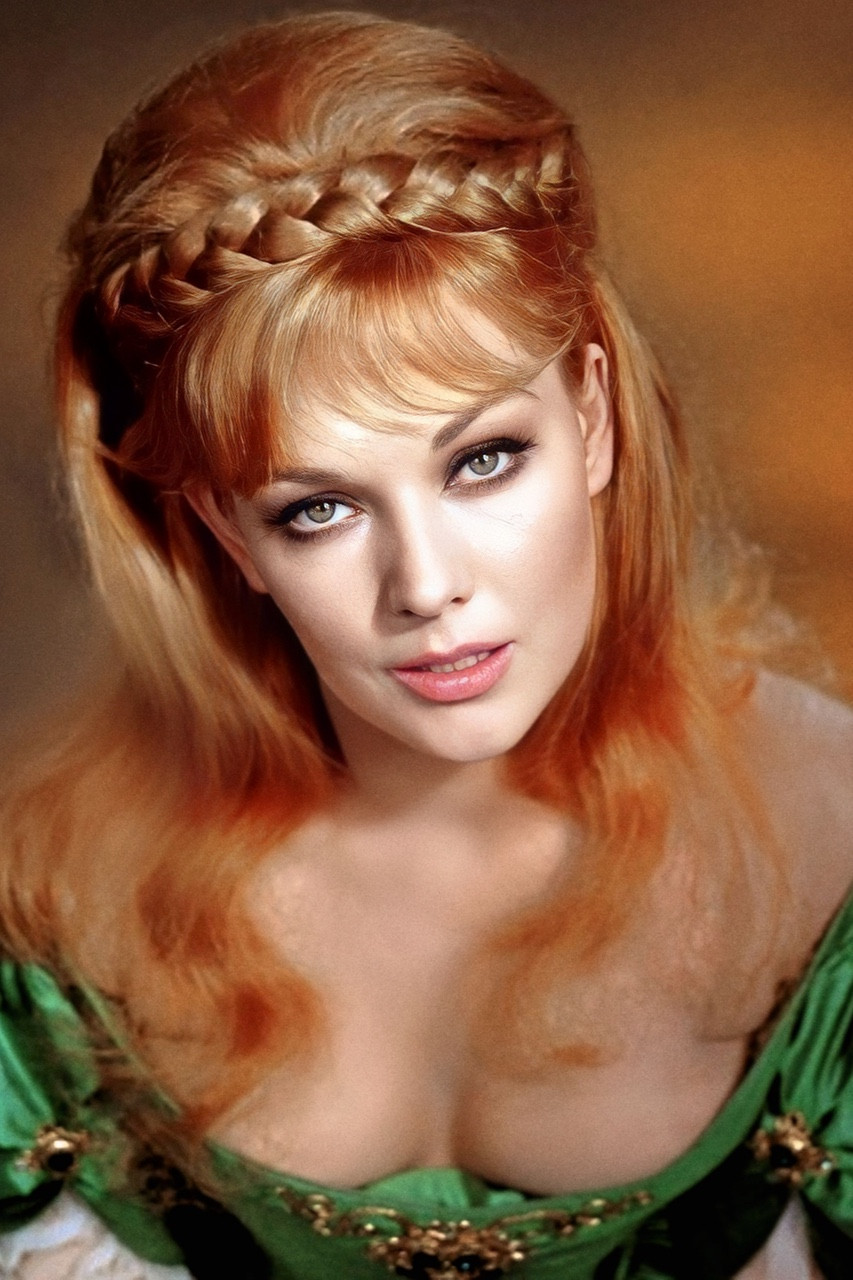
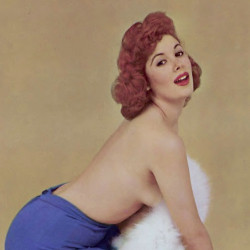
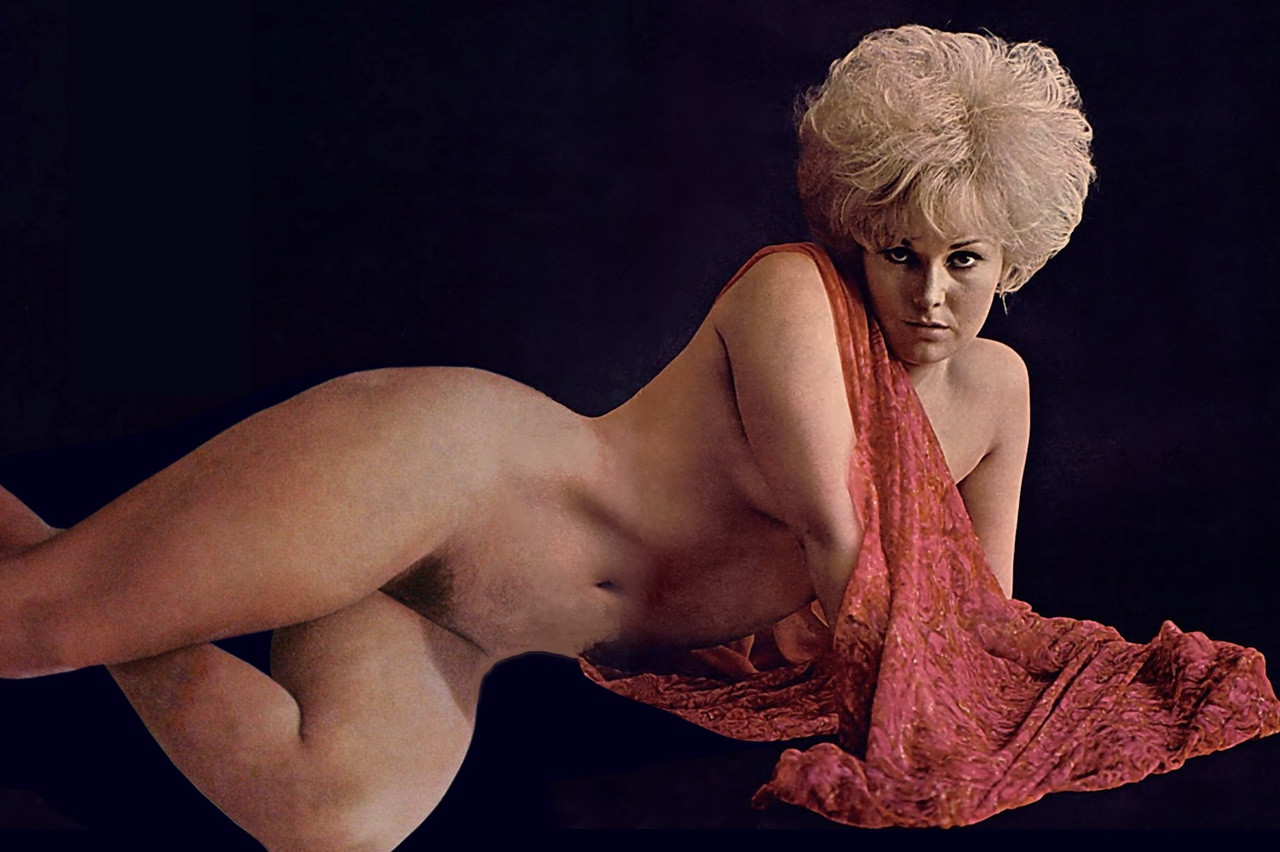
Kim Novak is an American Two-time Golden Globe Award-winning American actress. Born Marilyn Pauline Novak on February 13, 1933, in Chicago, Illinois, she has also been credited as Marilyn Pauline. She appeared in Playboy in October 1959 at 26, adding the feature to her public career. Her appearance dates from the magazine's formative 1950s, when the Playmate format was still taking shape.
Novak has natural breasts, blue eyes and blond hair. Her measurements are 36-25-37.
Kim Novak was already one of Hollywood’s most magnetic stars when Playboy featured her in its October 1959 issue. She possessed the cool blonde beauty expected of a studio-era screen goddess, yet there was always something more elusive beneath the surface: shyness, quiet defiance, and a sense that the woman herself remained beyond the reach of the image created around her. At a moment when celebrity glamour was becoming central to Playboy’s identity, Novak represented an ideal muse—sensual without obvious display, mysterious without appearing remote.
Born Marilyn Pauline Novak, she studied art and poetry before modelling work brought her to Los Angeles and the attention of Columbia Pictures. Studio chief Harry Cohn attempted to remake her according to Hollywood convention, beginning with a proposed new name, Kit Marlowe. Novak refused, accepting “Kim” while keeping her surname—a small but revealing victory for a young actress entering an industry built on obedience. Her resistance continued as her fame grew; in 1957, she staged a contract dispute over her comparatively low salary, demonstrating that the apparent passivity of her screen image concealed considerable determination.
Her rise was remarkably swift. After making her leading-role debut opposite Fred MacMurray in Pushover, Novak achieved major stardom through Picnic, in which her beauty seemed less like a privilege than an emotional burden. She followed it with performances in The Man with the Golden Arm, Pal Joey, and Bell, Book and Candle, frequently playing women whose composure concealed loneliness or forbidden desire. Directors recognised that her stillness could be more expressive than theatrical display, while audiences responded to a presence that was at once soft, guarded, and intensely sensual.
That quality reached its fullest expression in Alfred Hitchcock’s Vertigo. Playing both the spectral Madeleine Elster and the vulnerable Judy Barton, Novak delivered a performance built around identity, transformation, and the destructive power of being remade for another person’s pleasure. The role echoed her own experience within the studio system, where executives had attempted to manufacture her appearance and personality for public consumption. What might have been merely another mysterious-blonde role became, through Novak’s emotional restraint, one of cinema’s most haunting portraits of a woman struggling to be loved as herself.
Novak eventually stepped away from the pressures of Hollywood and redirected her creative life toward painting, poetry, animals, and the natural landscape. She settled in Oregon, where horses and art offered the independence she had sought throughout her career. Her Playboy appearance therefore captures more than a celebrated beauty at the height of her fame. It preserves an actress who fascinated precisely because she could never be reduced to a conventional sex symbol—an intelligent, private, and fiercely individual woman whose mystery remained her own.