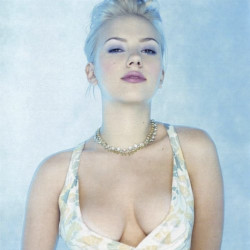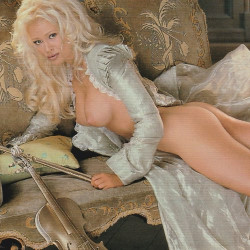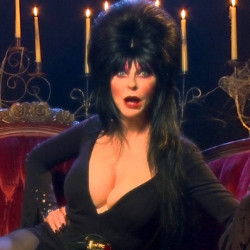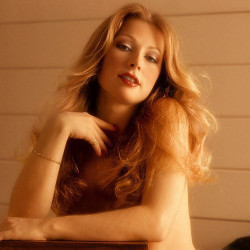
Morgan Fairchild Bio
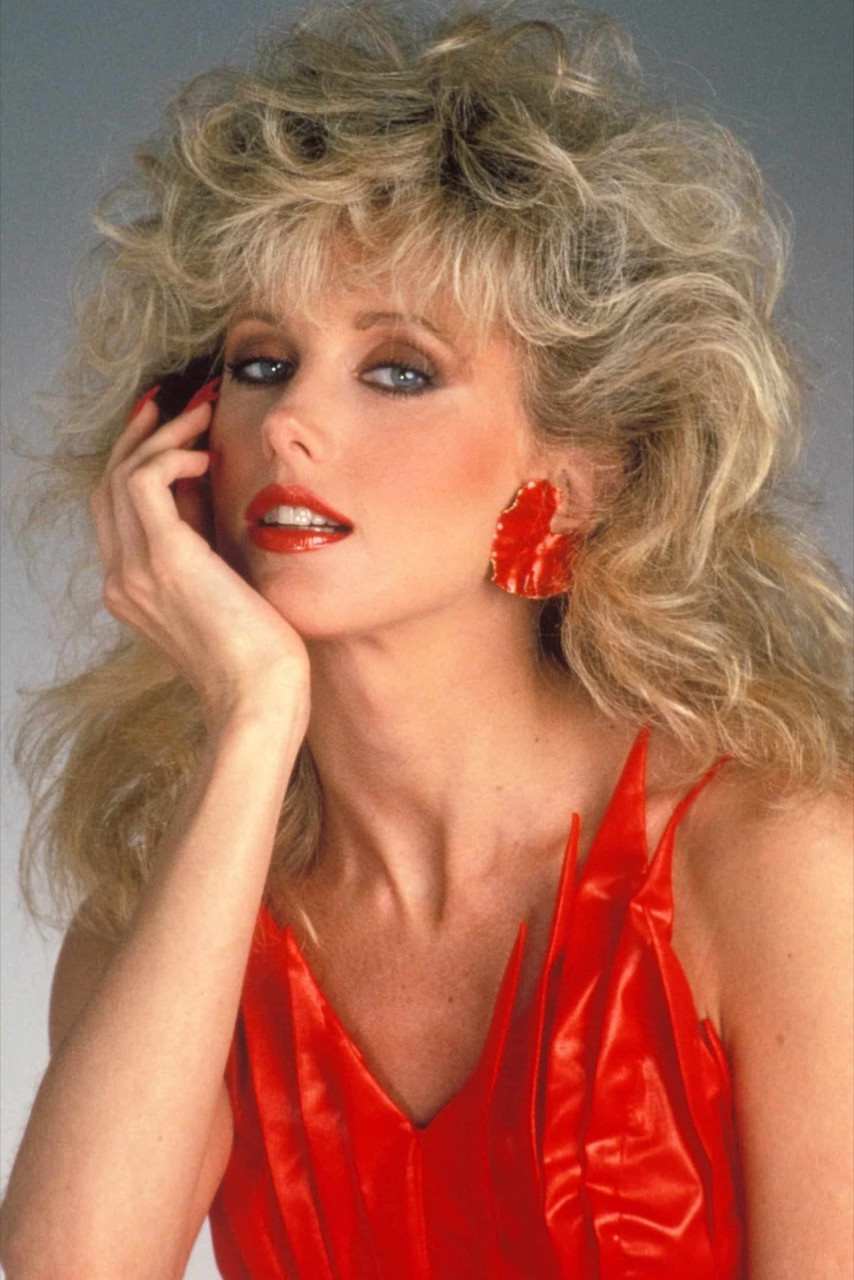
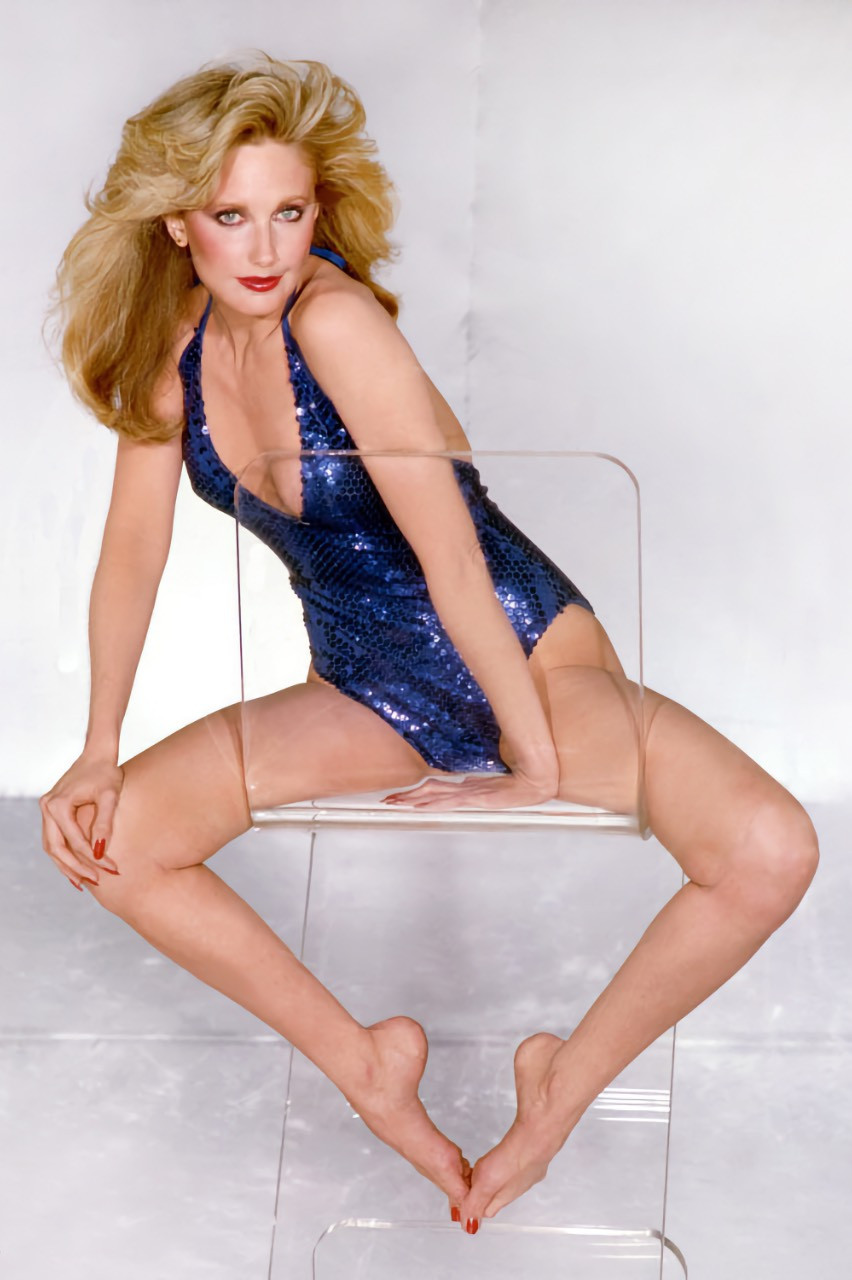
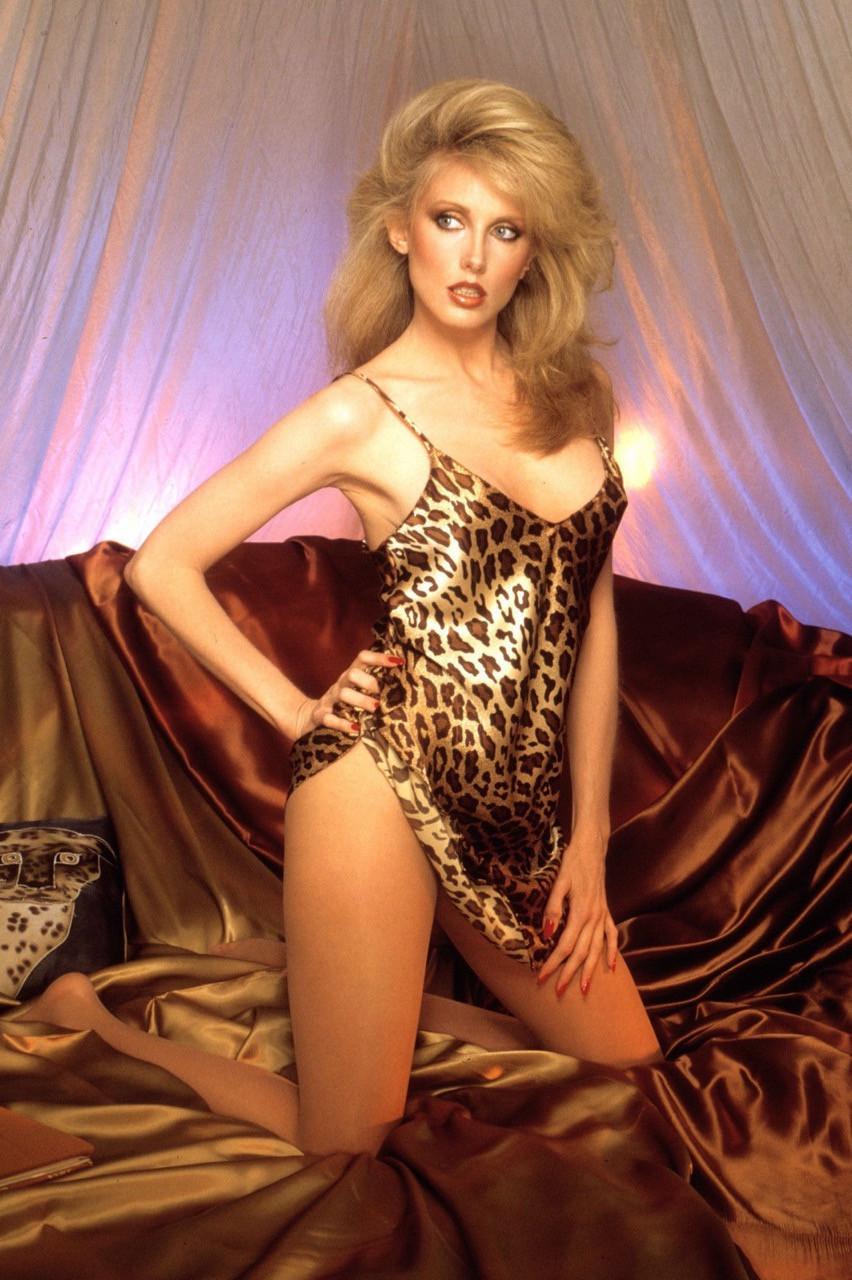
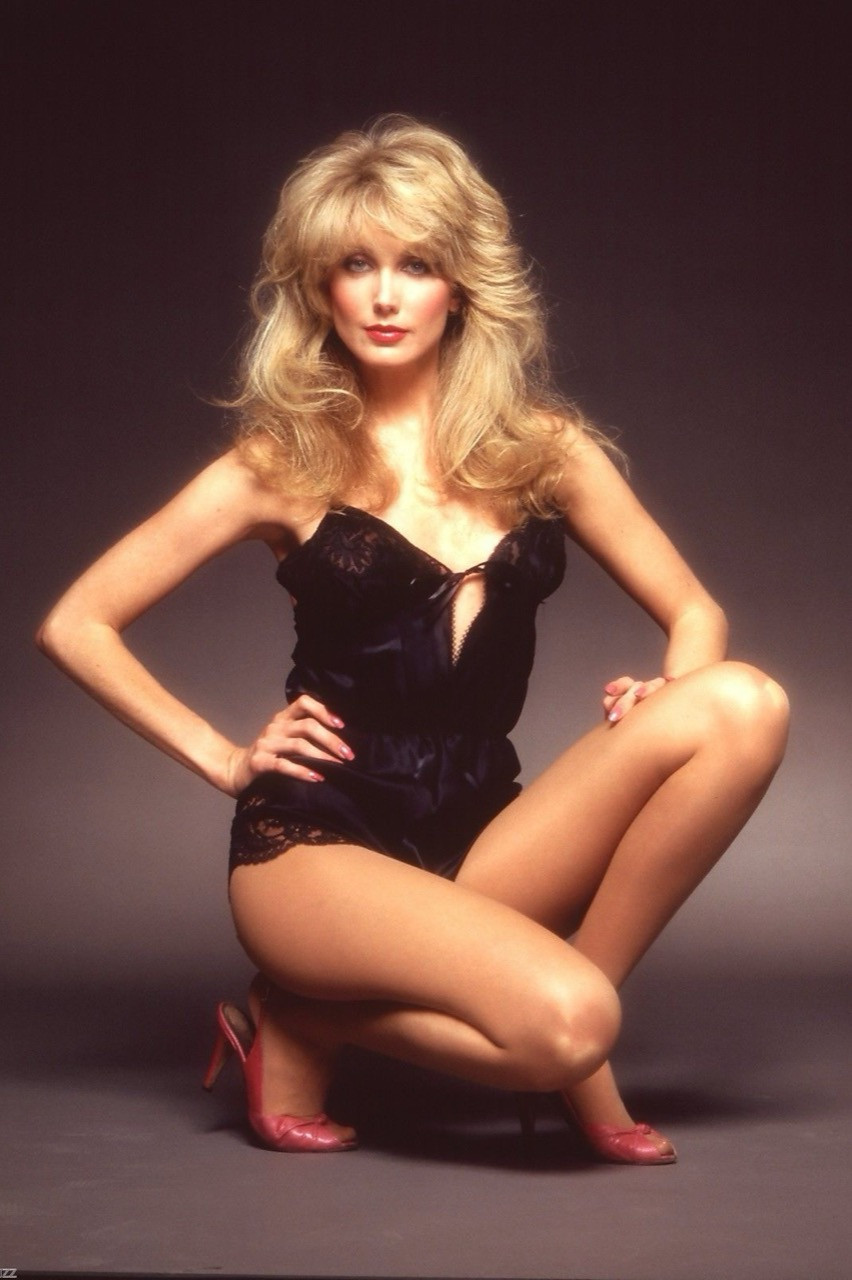
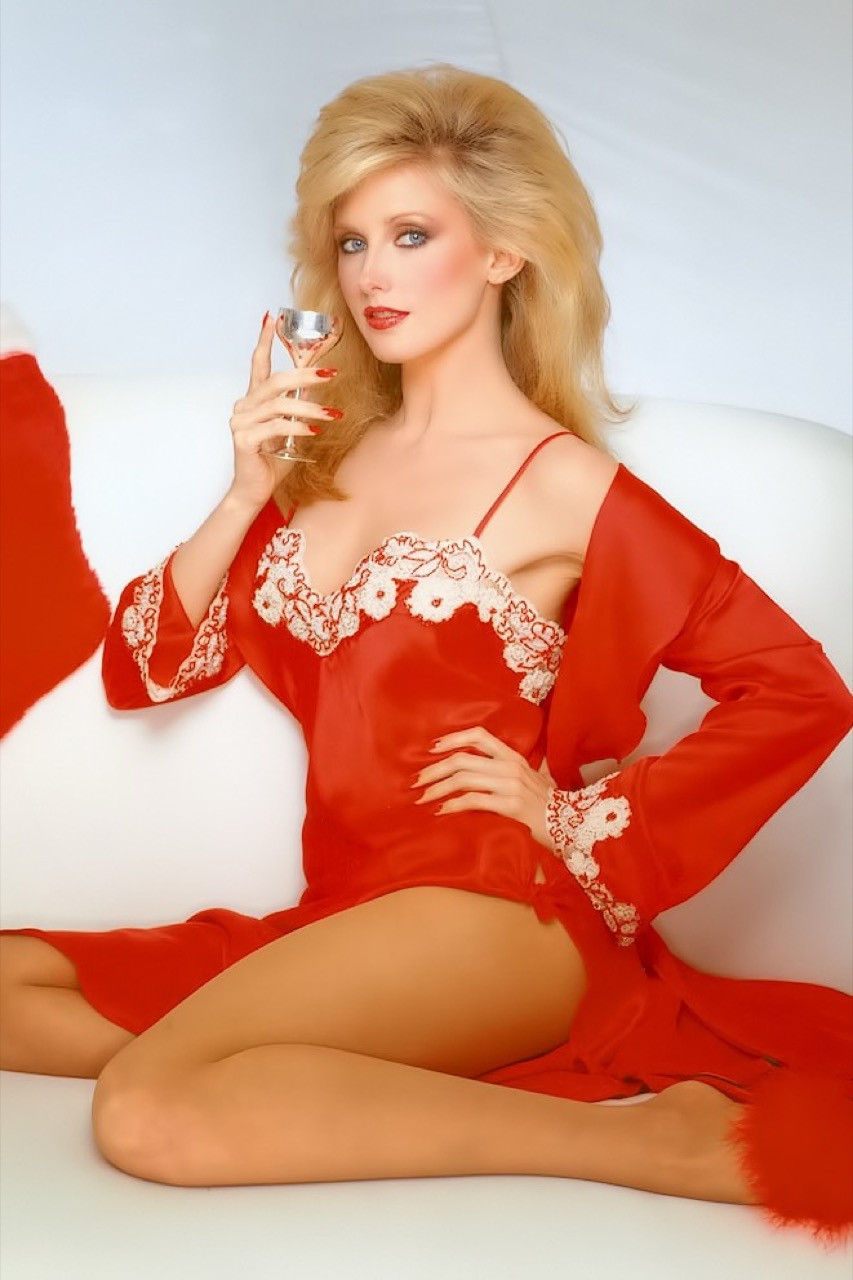
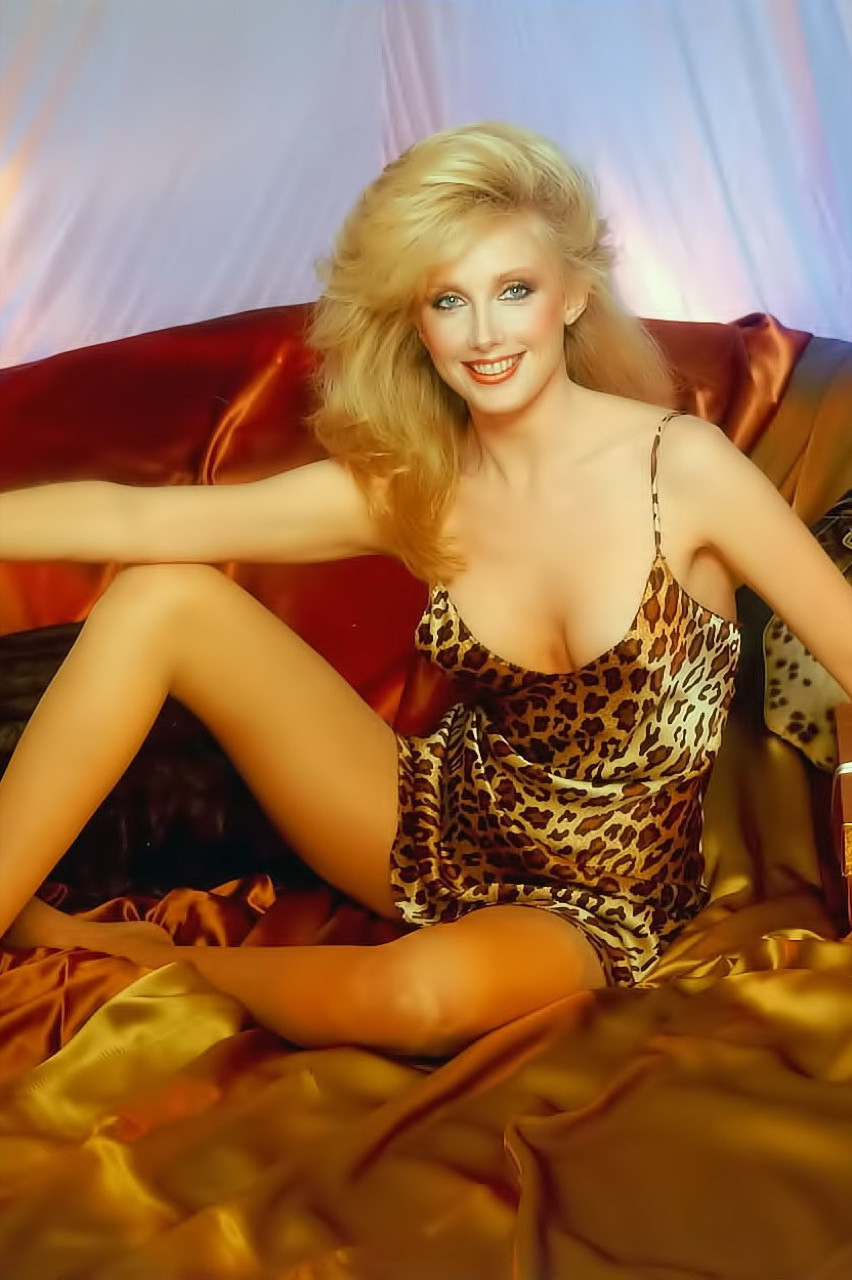
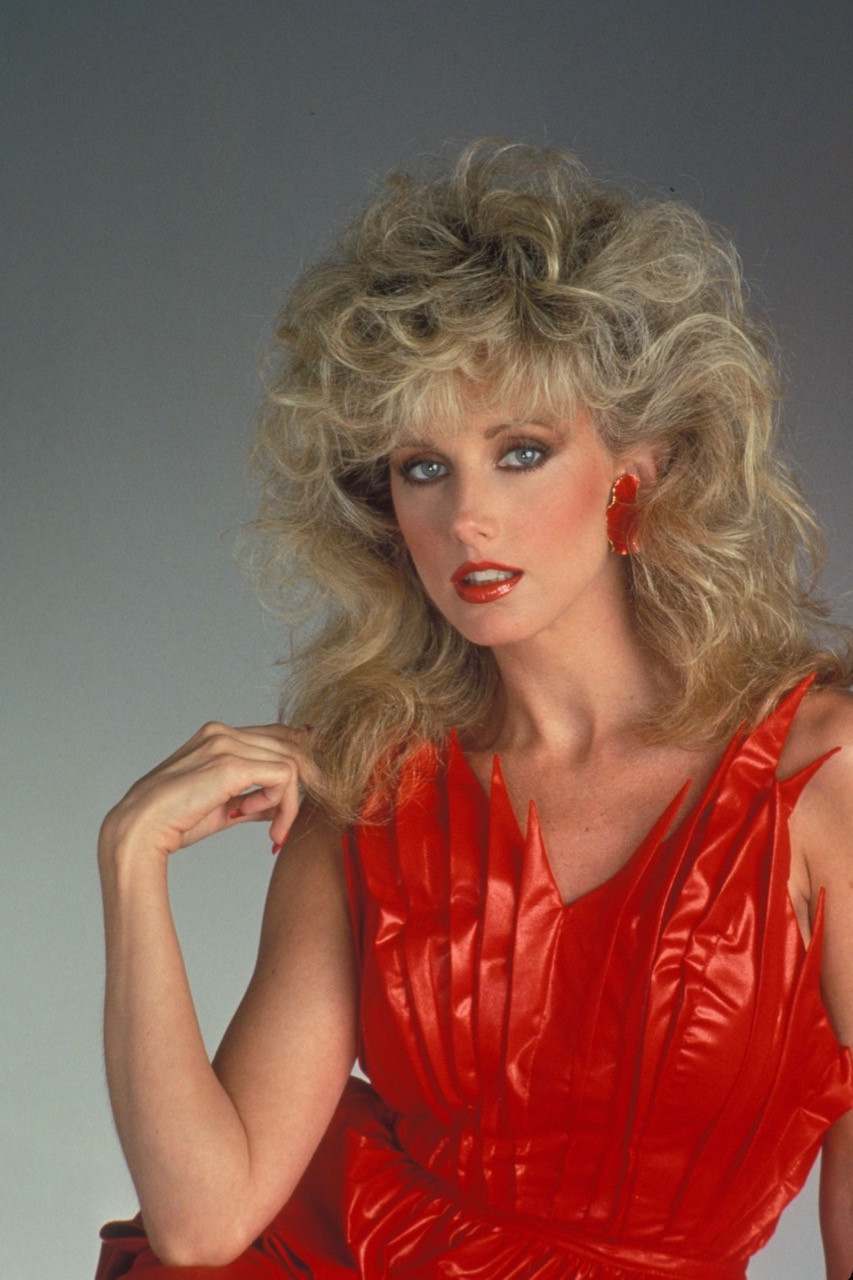
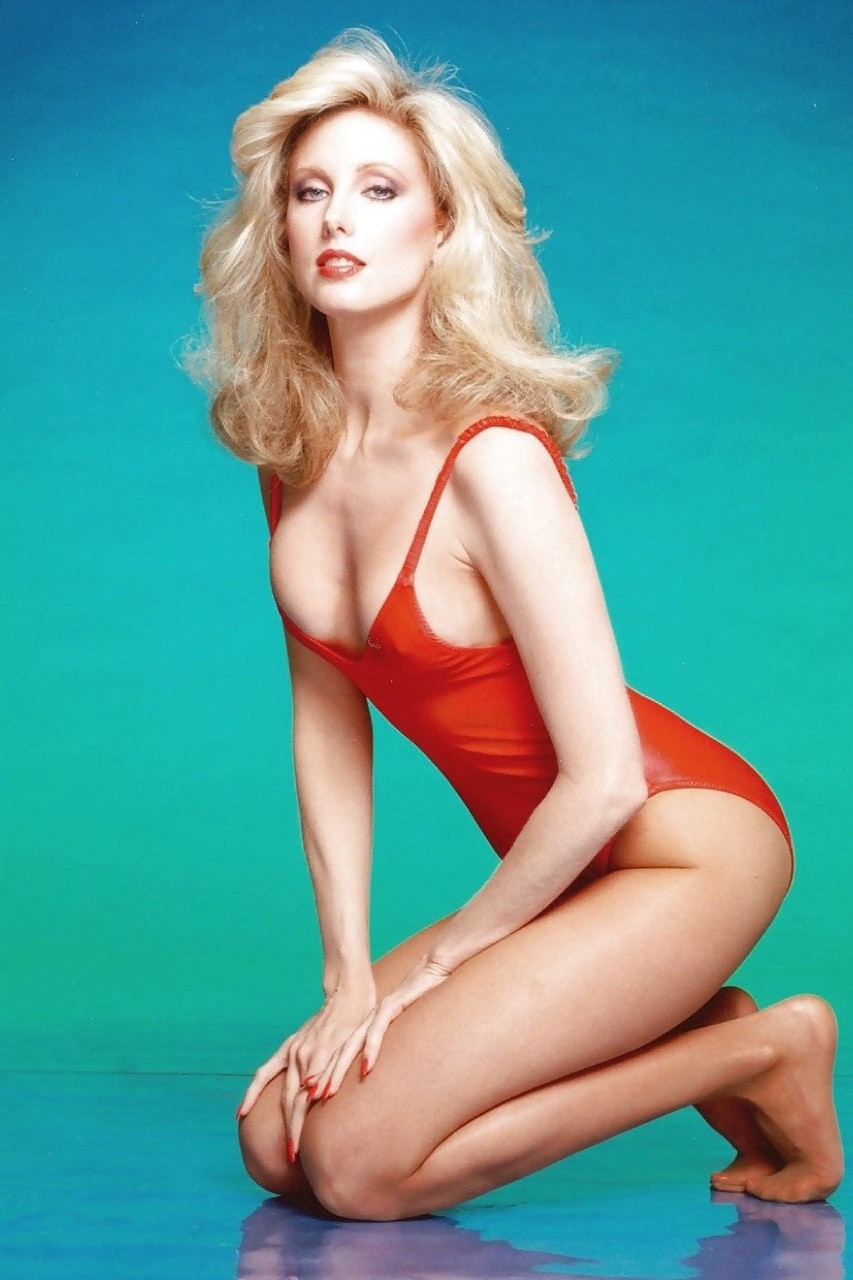
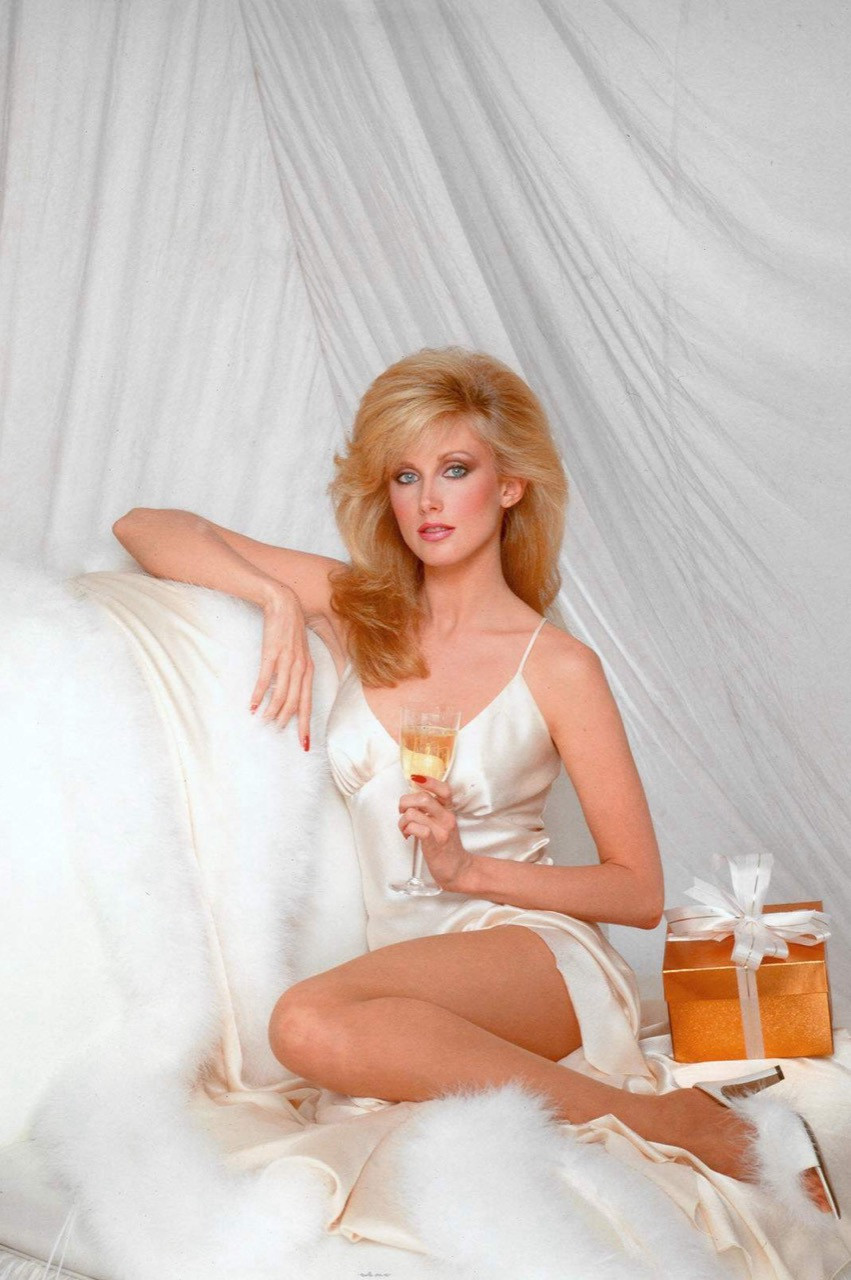
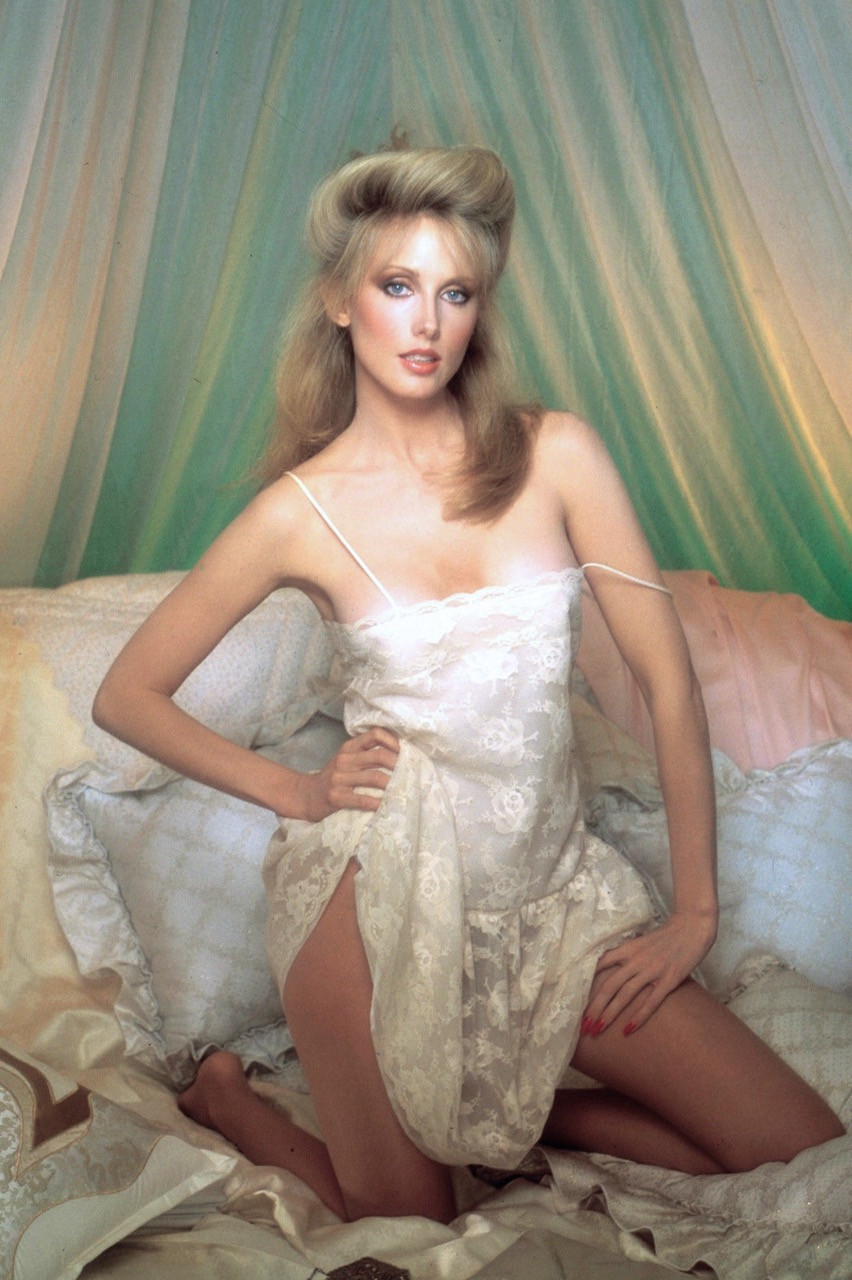
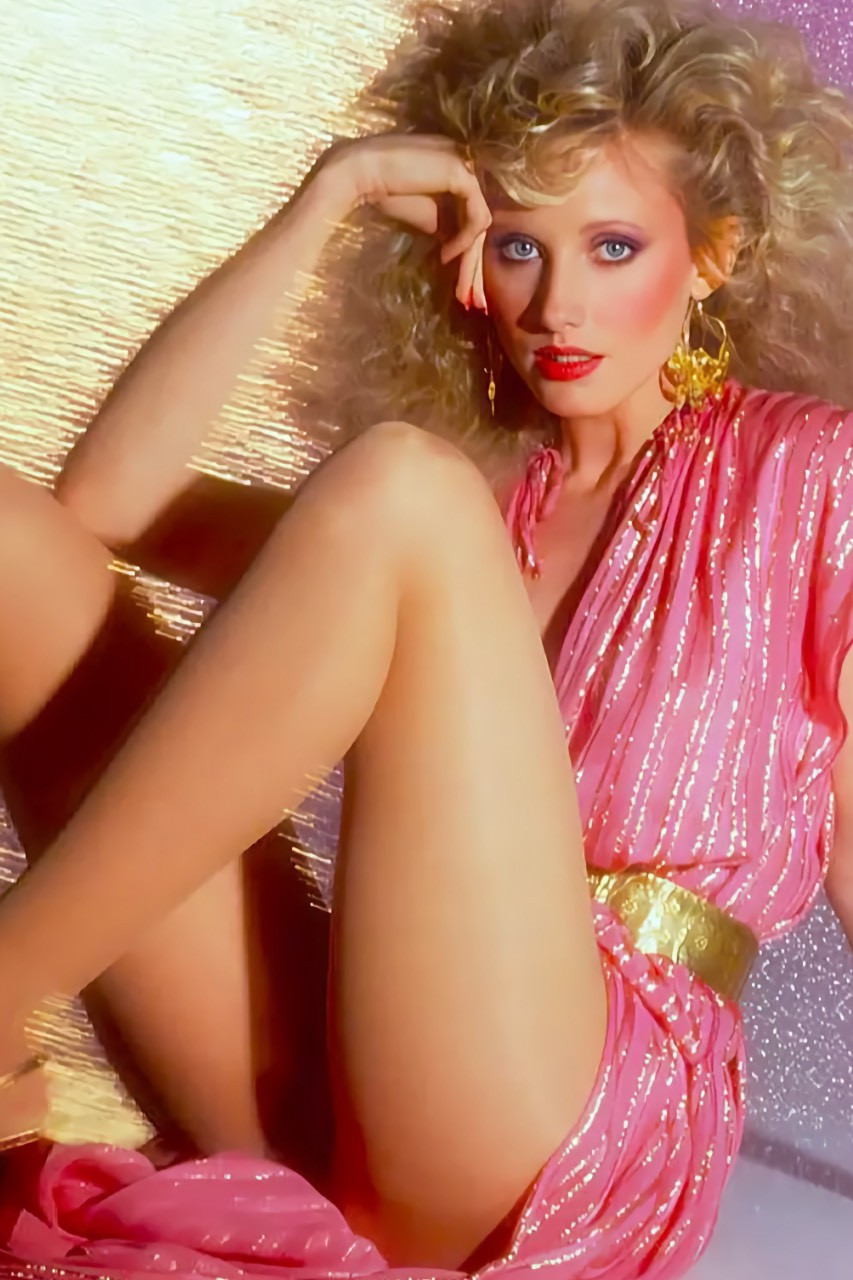
Morgan Fairchild is an American Actress, glamour and nude model. Born Patsy Ann McClenny on February 3, 1950, in Dall, Texas, she has also been credited as Little Bird. She appeared in Playboy in August 1986 at 36, adding the feature to her public career. Her appearance came during Playboy's polished, high-production 1980s period.
Fairchild has natural breasts, blue eyes and blond hair. Her measurements are 34-25-33.
Morgan Fairchild’s August 1986 Playboy appearance arrived at a moment when she had become television’s preferred image of polished ambition. By then, she was closely associated with women who entered a room impeccably dressed, fully composed and several moves ahead of everyone else. Playboy recognised that persona and framed her not simply as a glamorous actress, but as a celebrity whose appeal rested on intelligence, control and a distinctly modern understanding of power.
Her television career began in 1973 with Search for Tomorrow, secured only weeks after she moved to New York. Fairchild spent four years playing Jennifer Pace, gaining the discipline and camera instinct that daytime drama demands. After relocating to Los Angeles, she became the first actress to portray Jenna Wade on Dallas. Although the role was later recast, her early appearances helped establish the cool, beautifully guarded style that would become her professional signature.
The decisive breakthrough came with Flamingo Road, where she played the calculating Constance Carlyle. The role earned Fairchild a Golden Globe nomination and confirmed her as one of television’s most persuasive high-society antagonists. She had a gift for making elegance feel dangerous: a measured glance, a perfectly controlled smile and a voice that suggested every conversation had already been considered in advance. Later parts in Paper Dolls and Falcon Crest expanded that image, placing her among the defining faces of glossy prime-time drama.
Her Playboy feature translated that television persona into the magazine’s bold visual language of the mid-1980s. The presentation celebrated her sophistication without softening the authority that made her memorable on screen. Rather than separating glamour from ambition, the feature treated them as complementary qualities. Fairchild appeared comfortable with the image she had built and fully aware that sensuality could be expressed through poise, wit and self-command as effectively as through conventional pin-up sweetness.
Beyond the femme-fatale roles that made her famous, Fairchild developed a long and varied career across television, film and public life. She continued to work steadily while also lending her visibility to social and humanitarian causes, revealing a seriousness often overlooked by audiences familiar only with her glamorous characters. Her place in Playboy belongs to that broader story: an actress who understood the machinery of celebrity, used it intelligently and made sophistication feel neither passive nor decorative. In an era of extravagant television style, Morgan Fairchild gave glamour its sharpest edge.