Cheryl Ladd Bio
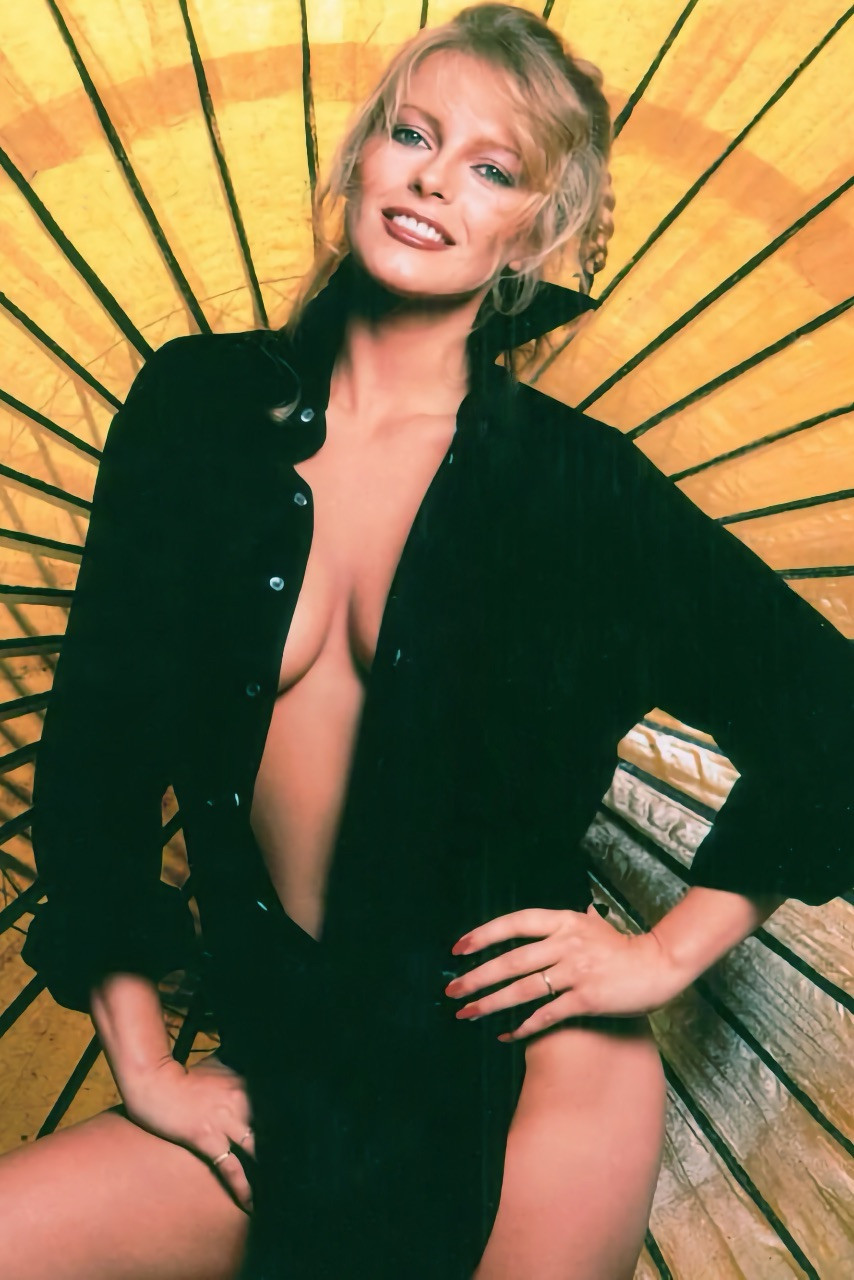
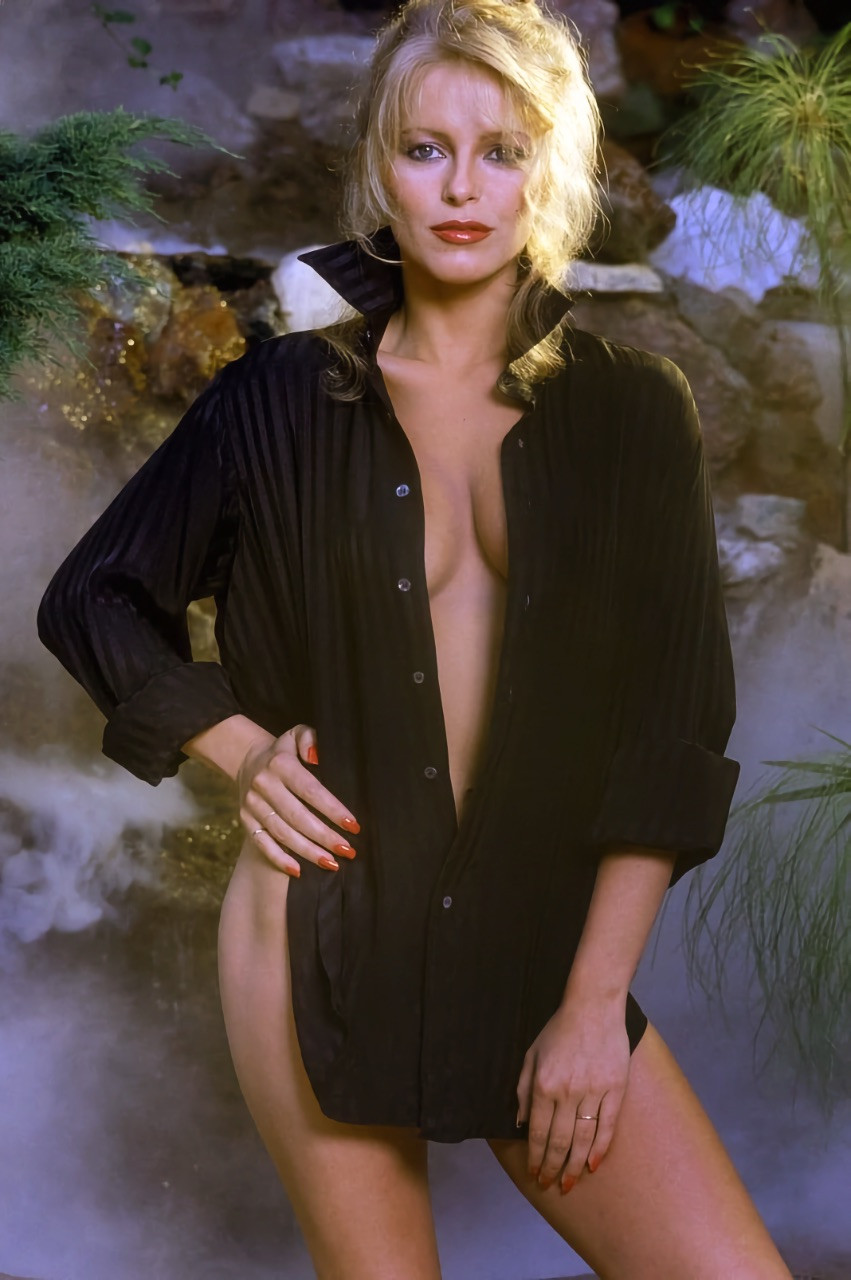
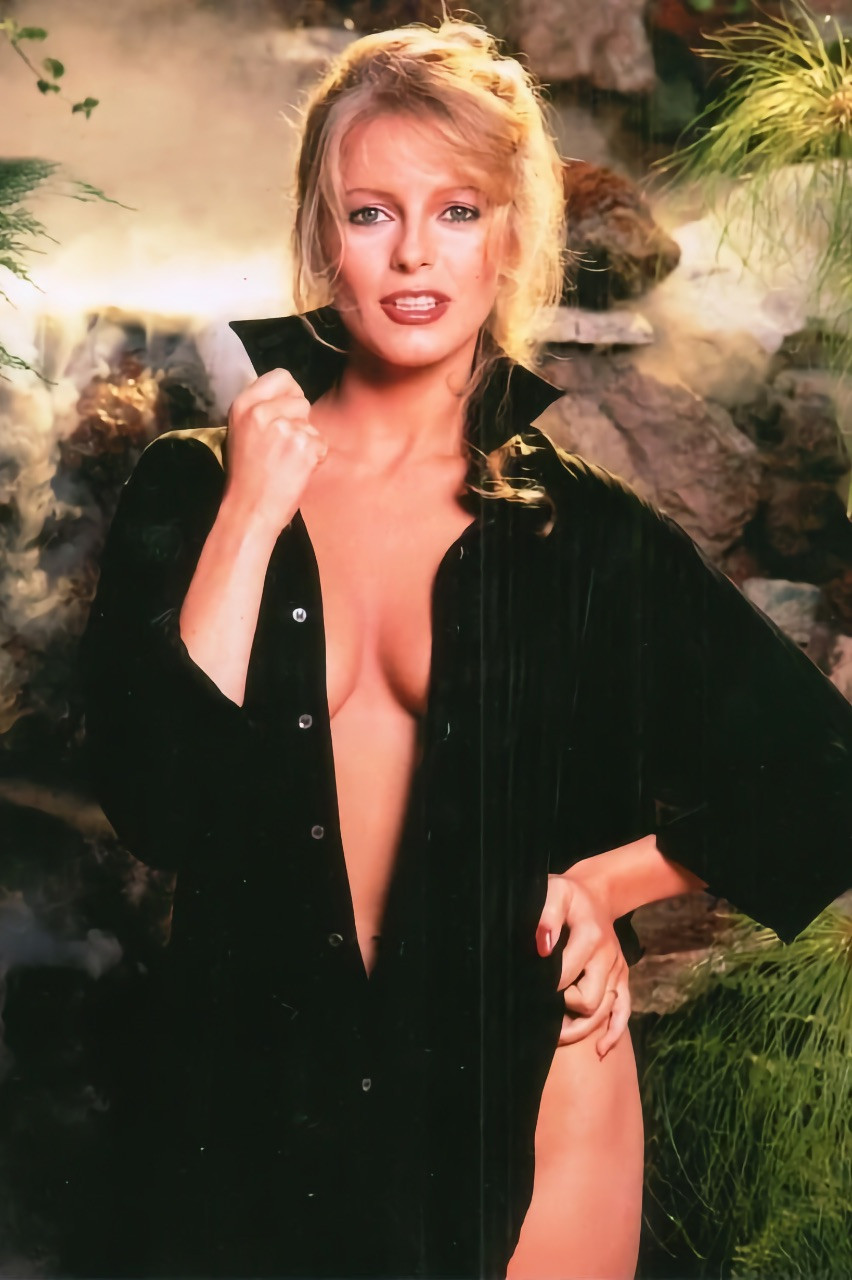
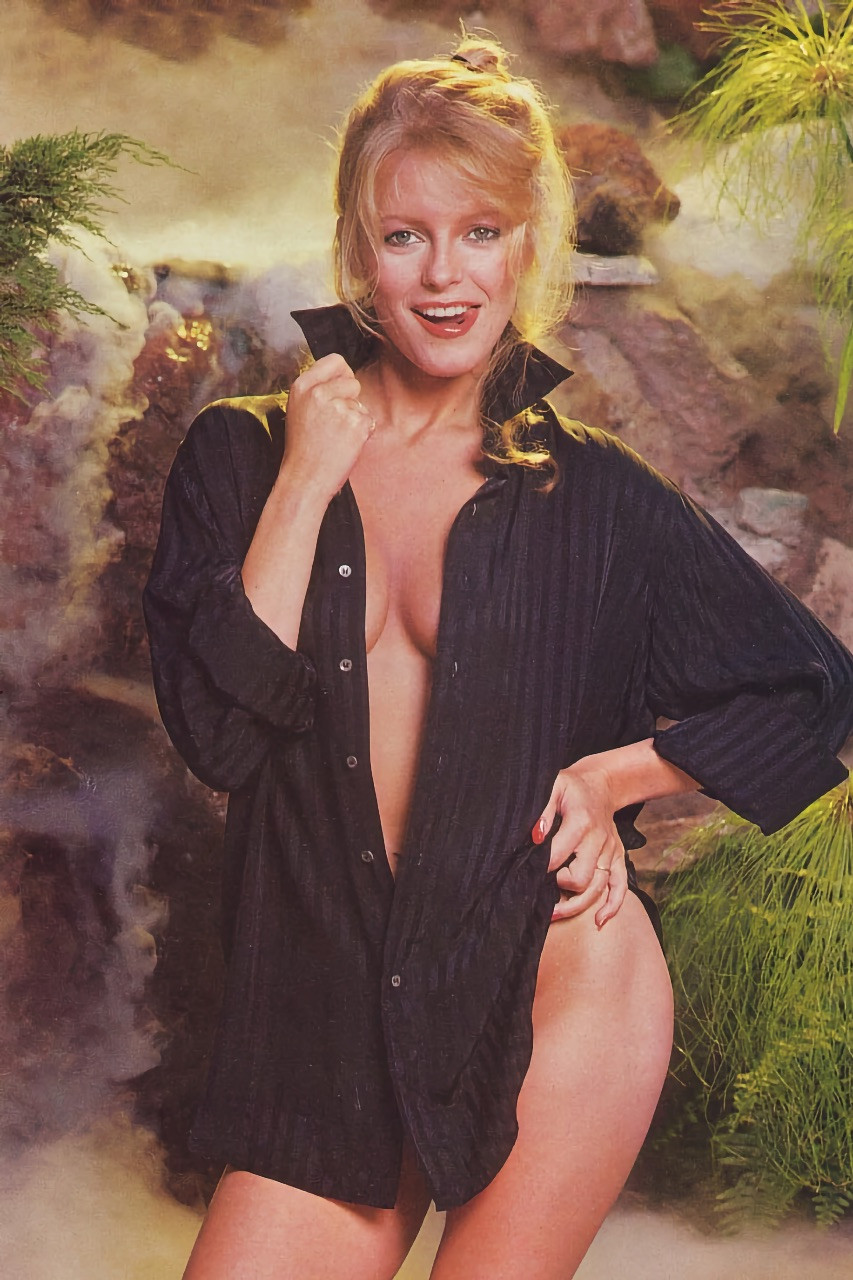
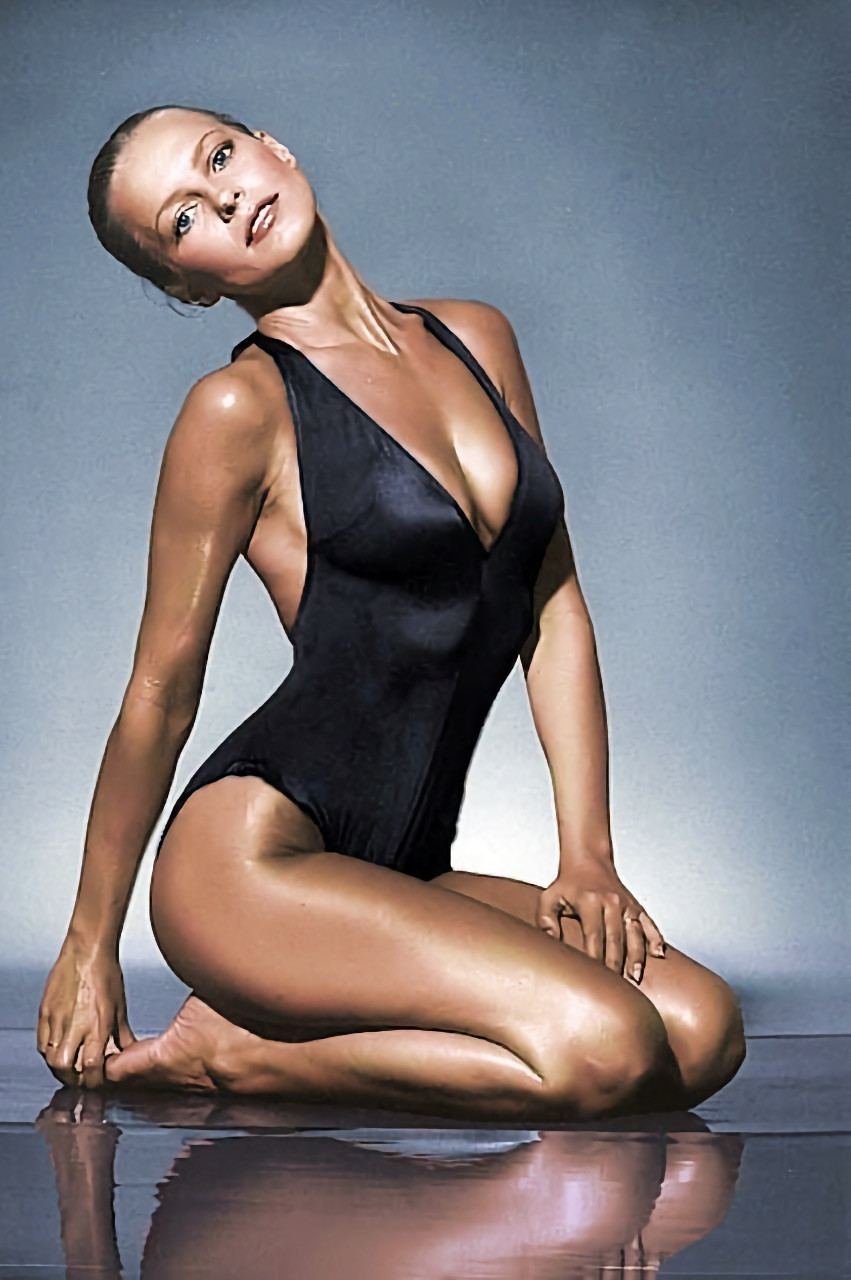
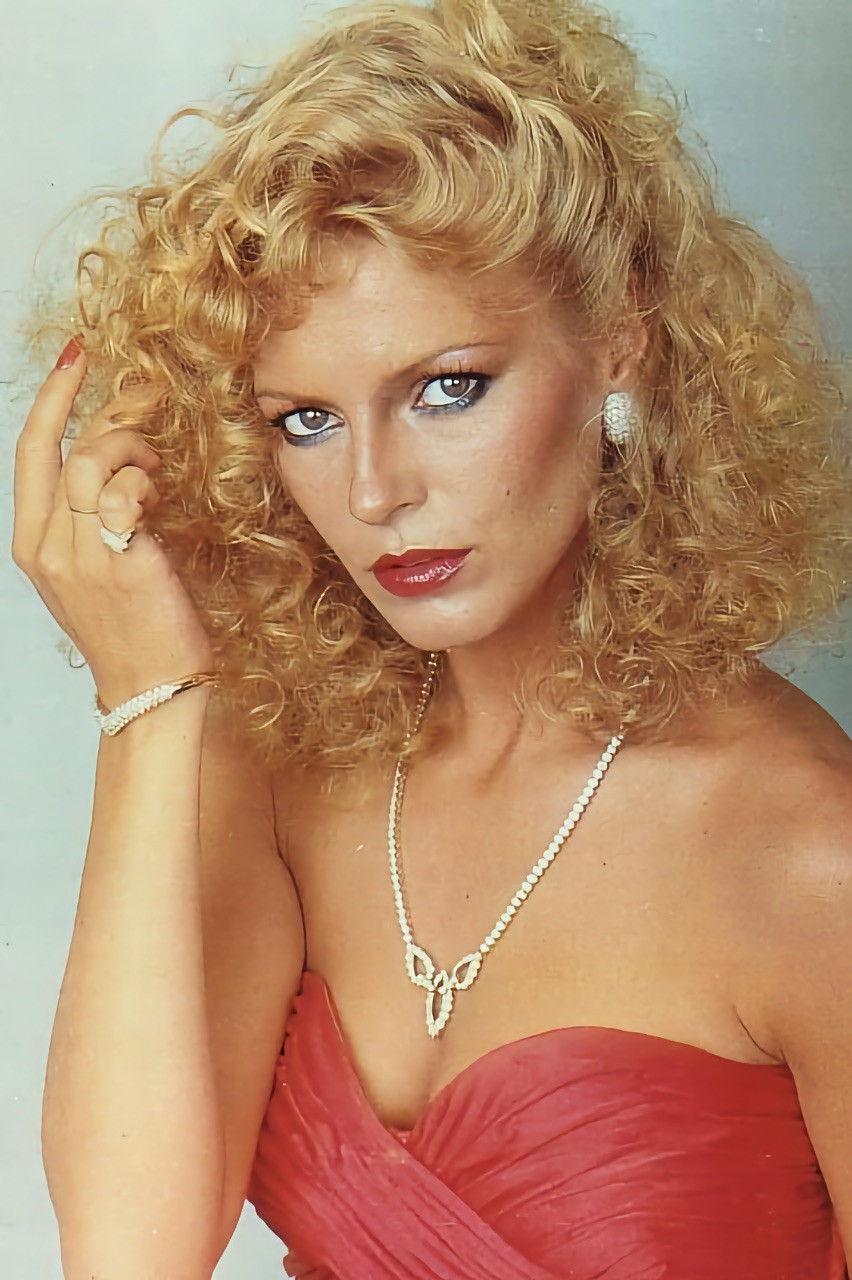
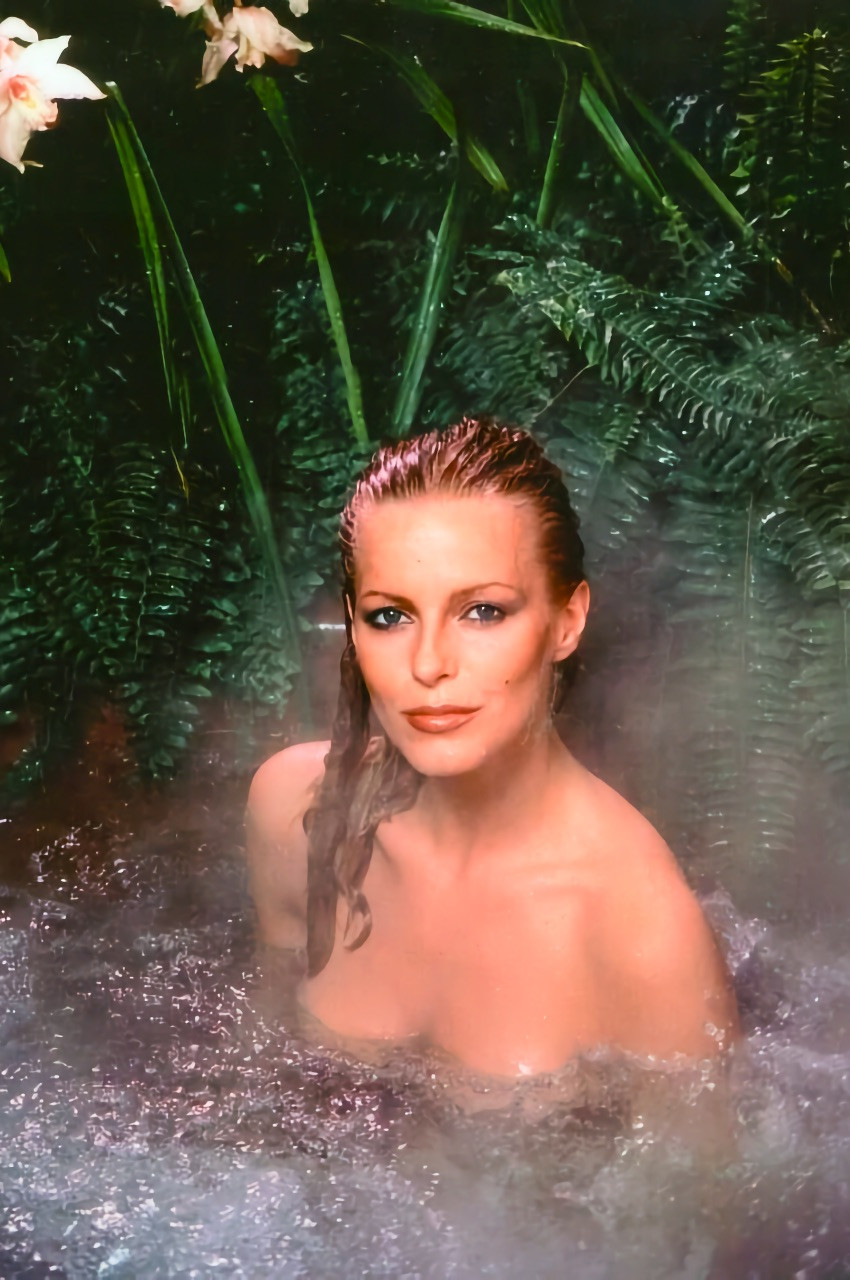
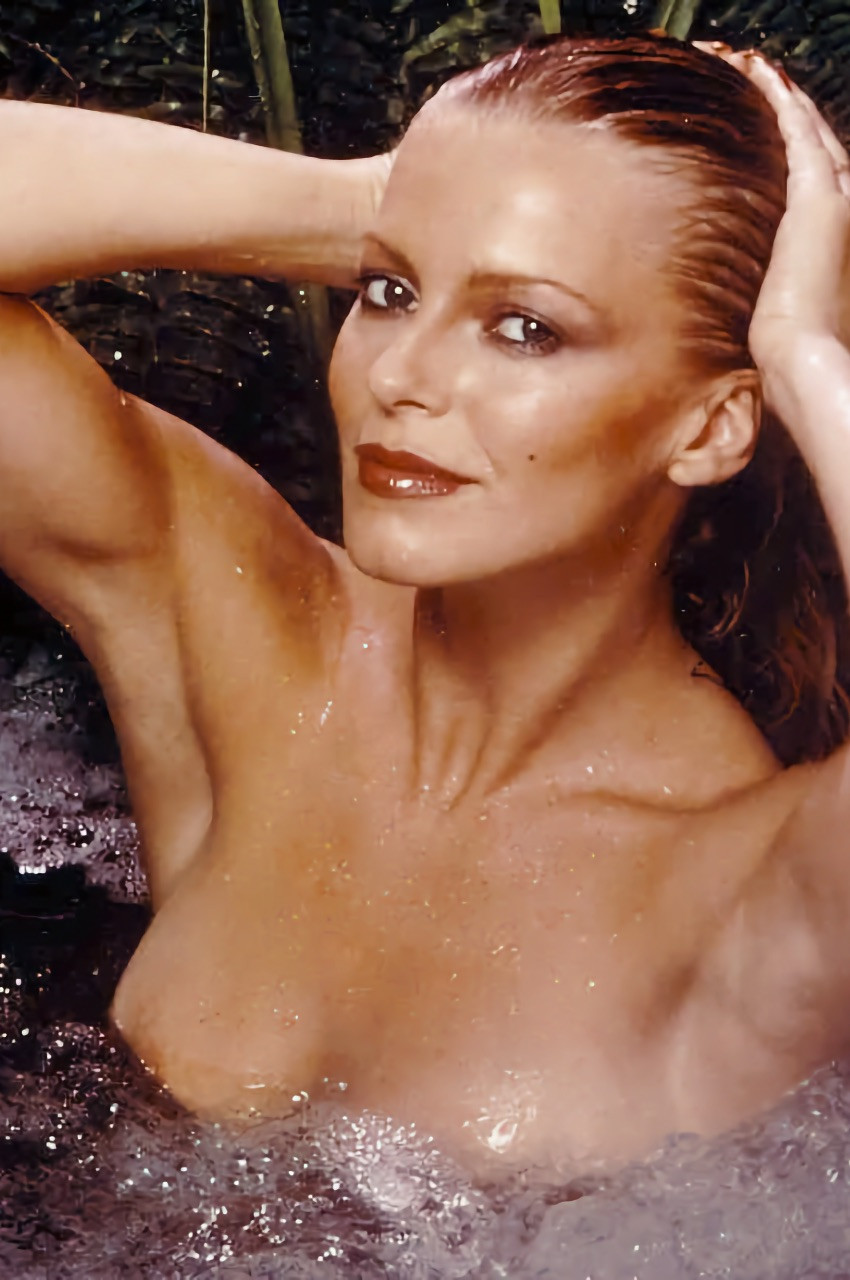
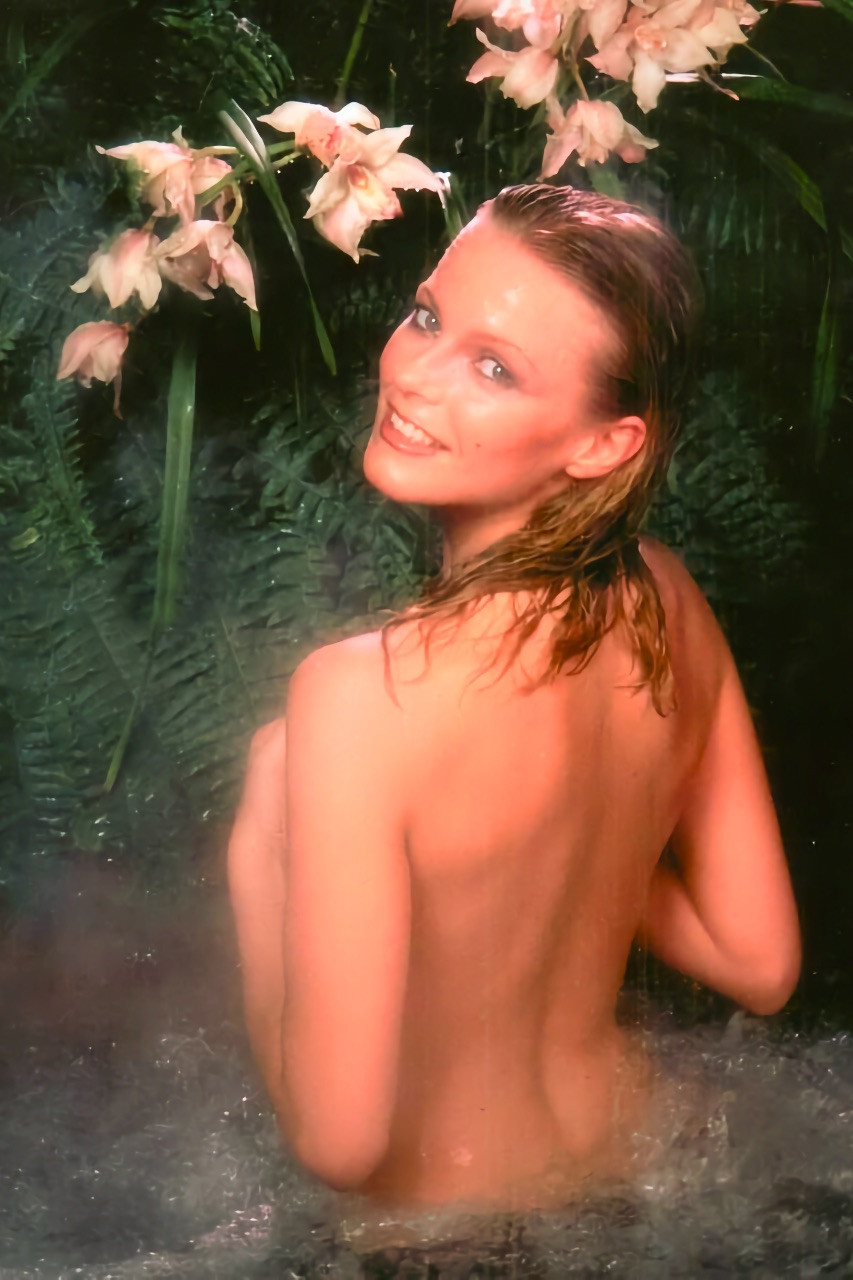
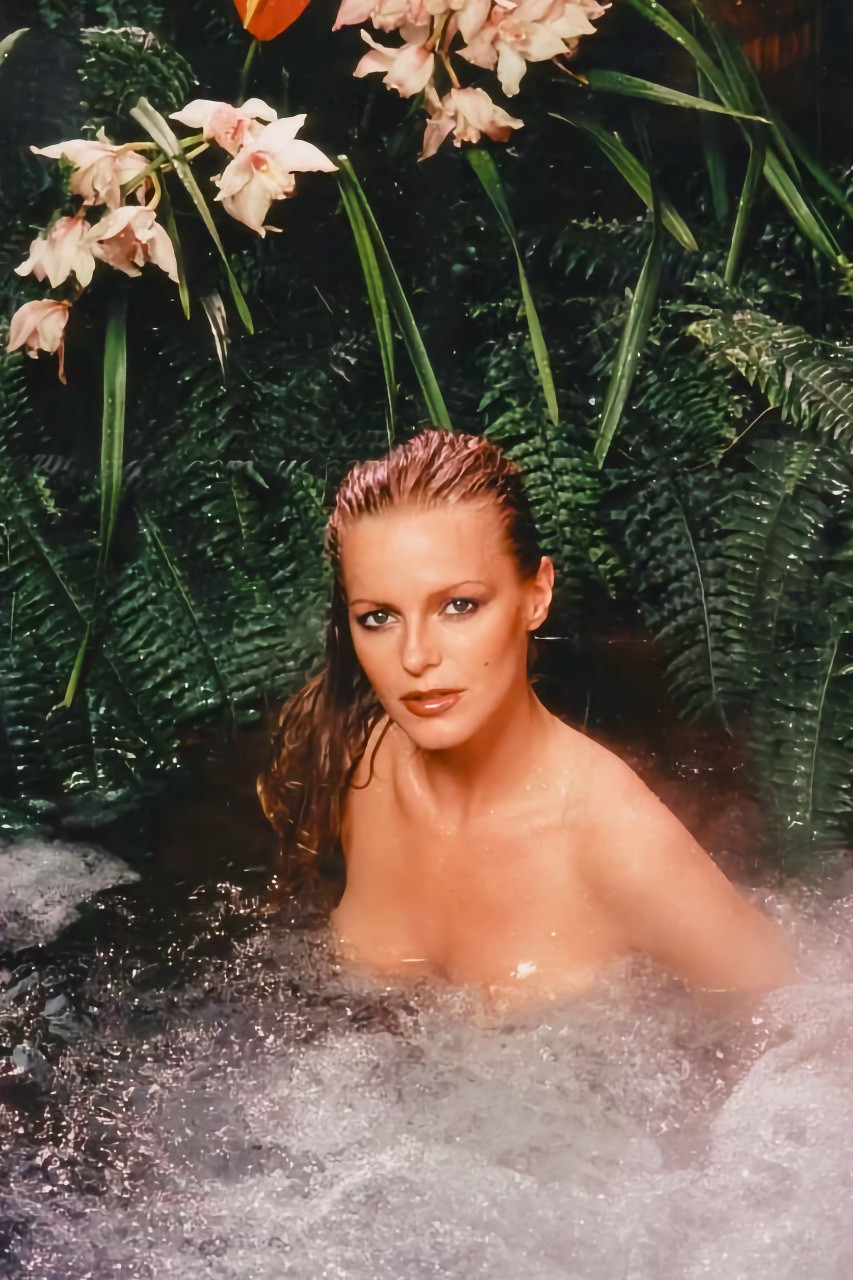
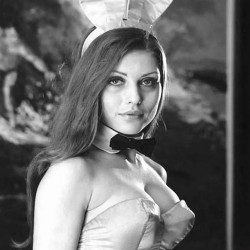
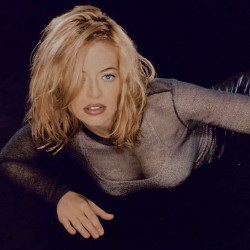
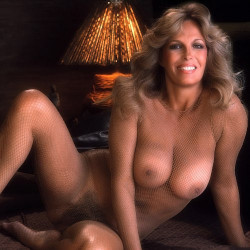
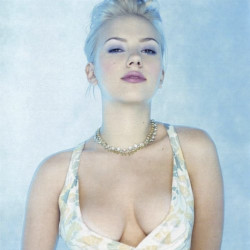
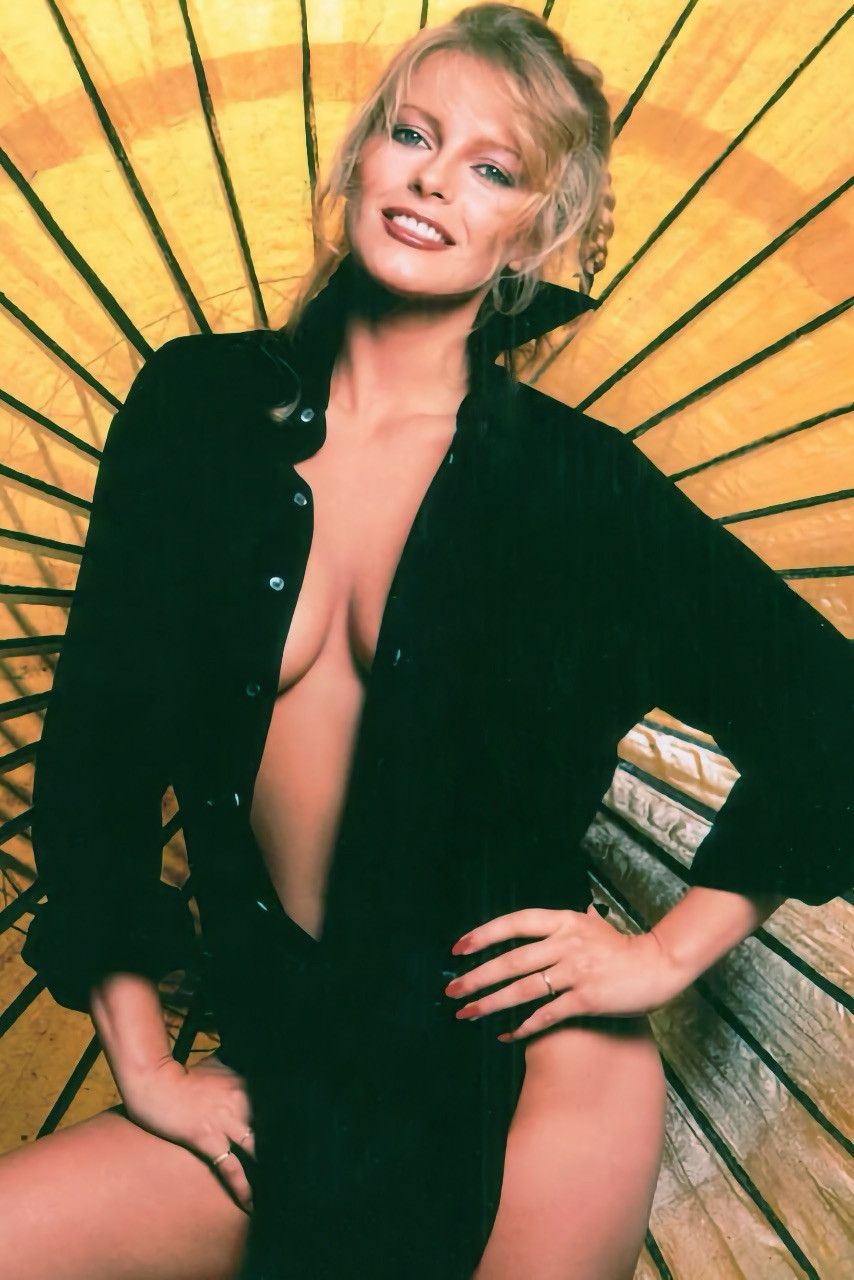
Cheryl Ladd is an American Actress, singer, and author. Born Cheryl Jean Stoppelmoor on July 12, 1951, in Huron, South Dakota, she has also been credited as Cheryl Ladd Russell and Cheryl Stoppelmoor Ladd. She appeared in Playboy in December 1975 at 24, adding the feature to her public career. Her appearance came during Playboy's 1970s print era, when the magazine reached the height of its mass-market influence.
Ladd has natural breasts, blue eyes and blond hair. Her measurements are 35-22-33.
Cheryl Ladd appeared in Playboy’s May 1985 issue in an article titled “Back Talk: The Secret Life of Cheryl Ladd.” It was an editorial feature rather than a nude pictorial, a distinction consistent with the careful control she maintained over her public image. By then, Ladd had moved beyond the immediate phenomenon of Charlie’s Angels and was establishing herself as a dramatic television actress, recording artist and enduring Hollywood leading lady.
Her route to stardom began with music. After arriving in Los Angeles, she performed under the name Cherie Moor and supplied the singing voice of Melody in the animated series Josie and the Pussycats. Guest appearances on television followed, but her decisive opportunity came in 1977 when she joined Charlie’s Angels as Kris Munroe, the younger sister of Farrah Fawcett’s Jill. Replacing the programme’s most celebrated star was an intimidating assignment, yet Ladd’s warmth, humour and lively independence quickly made Kris an essential member of the team. She remained through the series finale in 1981.
While playing an Angel, Ladd continued pursuing music rather than treating it as an abandoned first ambition. She released several albums, reached the American Top 40 with “Think It Over” and performed the national anthem at Super Bowl XIV. That combination of detective-series glamour and recording success made her a particularly versatile television personality: she could handle action, comedy and musical performance without losing the approachable quality that had won over viewers.
Playboy’s 1985 feature arrived during an important period of transition. Ladd had portrayed Grace Kelly in a television biopic and expanded into more mature dramatic work through Purple Hearts, Kentucky Woman, A Death in California and Romance on the Orient Express. The magazine’s decision to feature her through an article rather than a revealing photo session shifted attention toward the woman behind the familiar blonde image. It acknowledged her glamour while recognising that her career had developed well beyond the fashionable costumes and undercover adventures of Charlie’s Angels.
Ladd continued working across film, television and theatre, later starring in One West Waikiki, joining the cast of Las Vegas and taking the title role in the Broadway revival of Annie Get Your Gun. She also wrote books, including a light-hearted guide inspired by her enthusiasm for golf. Her Playboy appearance preserves her at a revealing crossroads: no longer simply television’s newest Angel, but a poised performer deliberately building a longer and more varied career. Cheryl Ladd’s appeal was always bright and inviting, yet beneath that famous smile was an artist with enough resolve to decide how—and how much—the public would see.