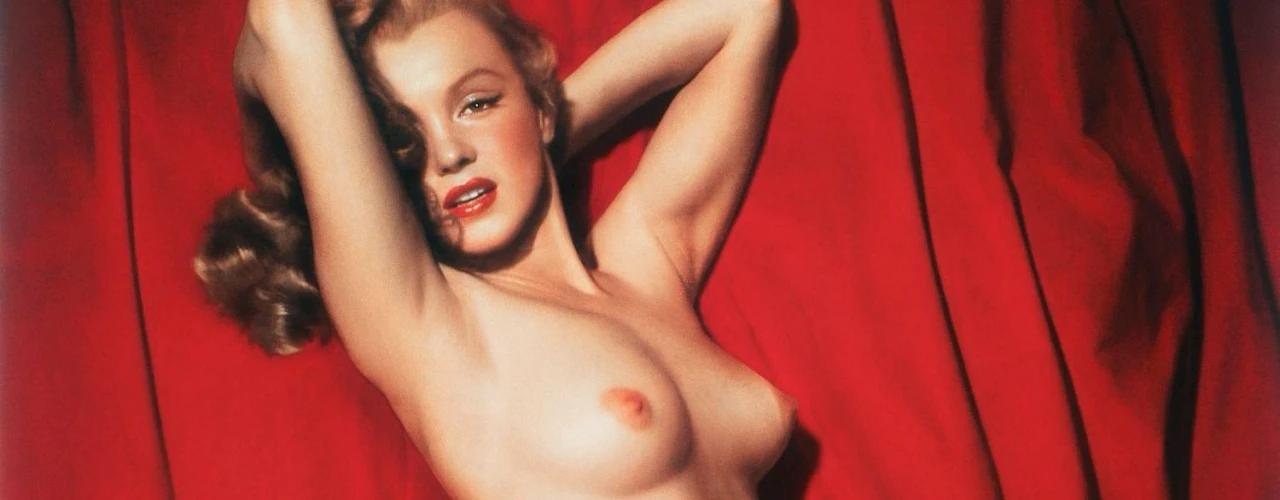
In December 1953, a young Chicago editor named Hugh Hefner changed the way America looked at women—and perhaps the way women looked at themselves. The first issue of Playboy featured Marilyn Monroe as the radiant symbol of a new era: confident, luminous, unapologetically sensual. The photo wasn’t just beautiful—it was revolutionary. What Hefner created wasn’t simply a men’s magazine; it was a gallery of modern desire, with photography as its heart.
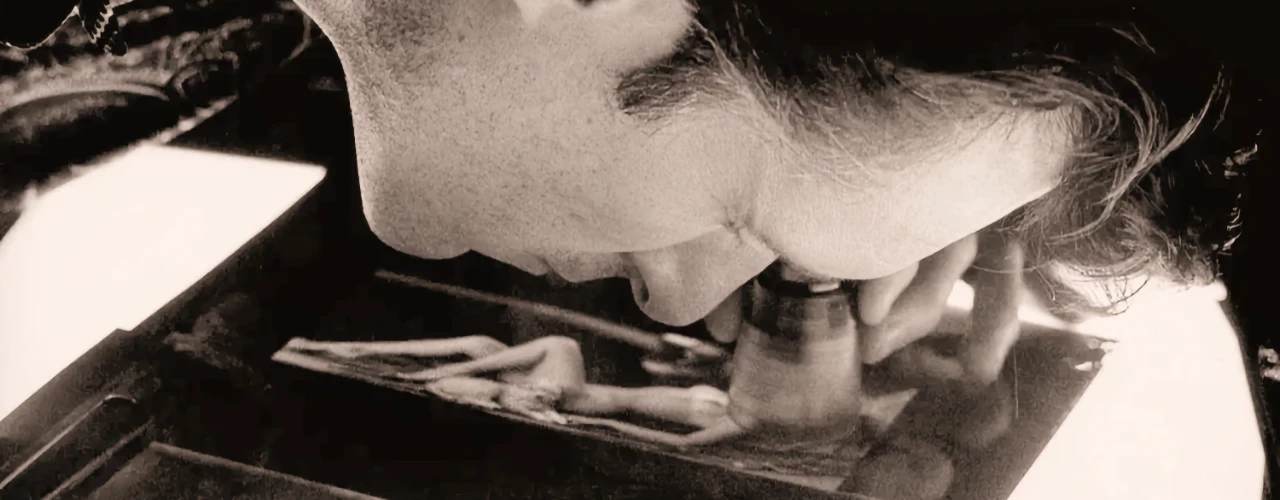
In those early years, Playboy’s photographers worked magic in darkrooms, armed with film, light meters, and instinct. There were no filters, no Photoshop—just light, skin, and chemistry. Every Playmate was photographed like a movie star, every frame a promise of intimacy and sophistication. The likes of Arny Freytag, Pompeo Posar, and Ken Marcus turned photography into a kind of romantic engineering—meticulous, deliberate, but always electric with human warmth.
The Golden Glow of the 1960s and ’70s
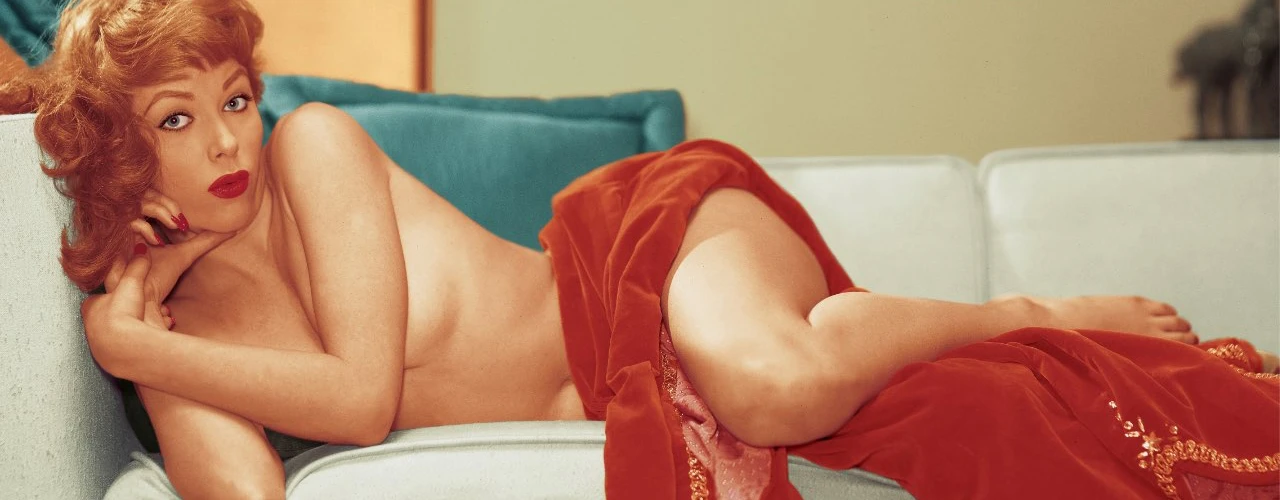
By the mid-1960s, Playboy had perfected its look: that unmistakable glow that made every page feel like it was bathed in late-afternoon sunlight. The imagery was lush, cinematic—soft-focus lenses, silk sheets, and the faint glimmer of champagne glasses catching the light. These weren’t just nudes. They were portraits of personality—of women who smiled, who flirted with the camera, who seemed to whisper: “You’ve seen a thousand women before—but not me.”
Everything about the shoots was tangible. Photographers worked with rolls of film that cost a fortune, Polaroids taped to studio walls for reference, and hours spent perfecting shadows. When the negatives came out of the developer, everyone held their breath. There was magic in imperfection, and when it worked—it really worked.
The 1980s: Glamour with an Edge
In the 1980s, Playboy became bolder, glossier, and more sculpted. The decade of decadence brought high-contrast lighting, lavish sets, and unapologetic confidence. Playmates posed like superstars, hair high, skin glowing under studio strobes. The cameras got sharper, the lighting more theatrical—but the essence stayed the same: fantasy, framed in elegance.
Film stock like Kodachrome and Ektachrome gave skin tones a kind of creamy richness digital cameras still struggle to match. The best photographers treated every shot like a love letter to beauty itself. The result wasn’t pornography—it was portraiture for the modern romantic.
The Digital Dawn
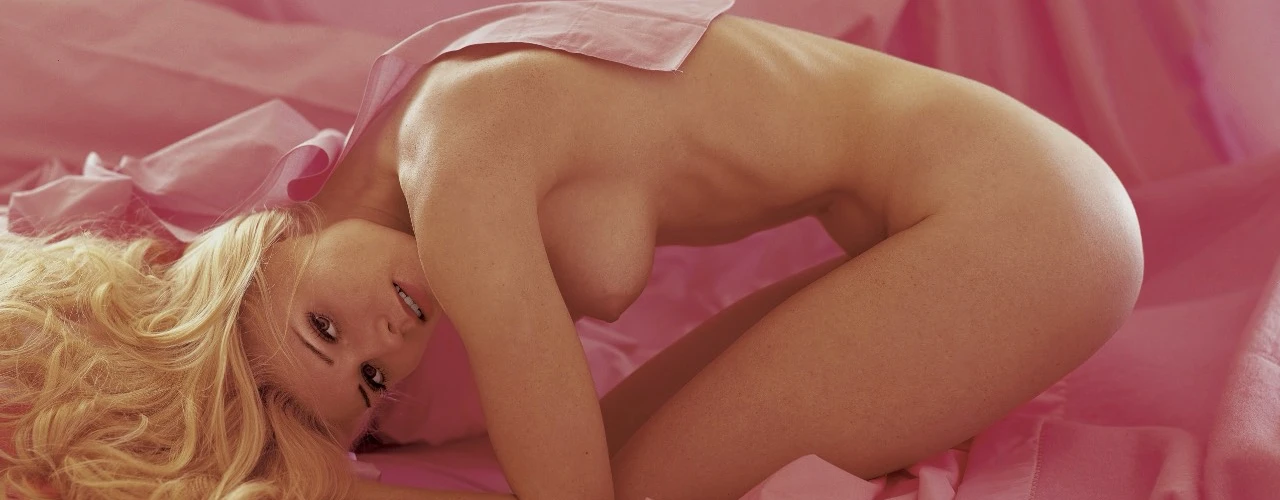
Then came the turn of the millennium, and with it, the hum of digital cameras and the soft glow of monitor screens. Some of the old masters resisted—how could pixels replace grain, or instant playback replace the thrill of waiting for film to develop? But evolution has a way of seducing even the skeptics.
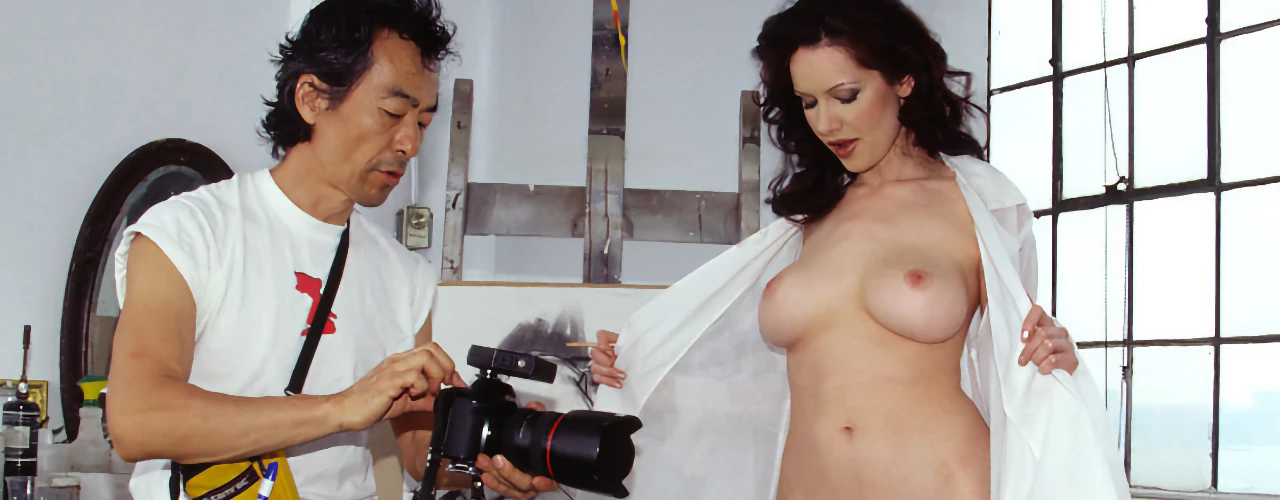
Digital photography brought a new kind of freedom. Photographers could experiment, collaborate, and capture hundreds of moments instead of dozens. Playmates could review their own images on the spot, shaping how they were portrayed. The shoots became more collaborative, more spontaneous—still sensual, but now playful and self-aware.
And while retouching became easier, Playboy’s best photographers knew the secret: real allure doesn’t need perfection. It needs personality. The digital era allowed for intimacy—a return to the natural light and emotional warmth of the early days, but through a sharper, modern lens.
The Modern Muse
Today, the spirit of Playboy photography has come full circle. Whether it’s shot on a vintage Hasselblad or a mirrorless Sony, the goal is the same: to reveal the woman, not just her image. Modern Playmates are collaborators, storytellers, and often creators of their own shoots. Their beauty is still breathtaking—but it’s also real, imperfect, human.
Social media might have changed how we consume beauty, but it hasn’t diminished the allure of a Playboy image. The centerfold remains what it’s always been—a celebration of confidence, individuality, and desire.
From Film to Forever
More than seven decades later, Playboy photography still stands as one of the great visual love affairs of modern culture. From the whisper of film winding through a camera to the click of a digital shutter, it has evolved without losing its heart.
Every era of Playboy has had its signature light—the golden hue of the ’70s, the high-gloss gleam of the ’80s, the digital sheen of the 2000s. But through it all, one thing never changed: the understanding that beauty is more than what we see—it’s what we feel.
And that, perhaps, is the real legacy of Playboy’s photographers. They didn’t just capture women. They captured a moment—one where fantasy met reality, and both looked beautiful together.