Rosanna Arquette Bio
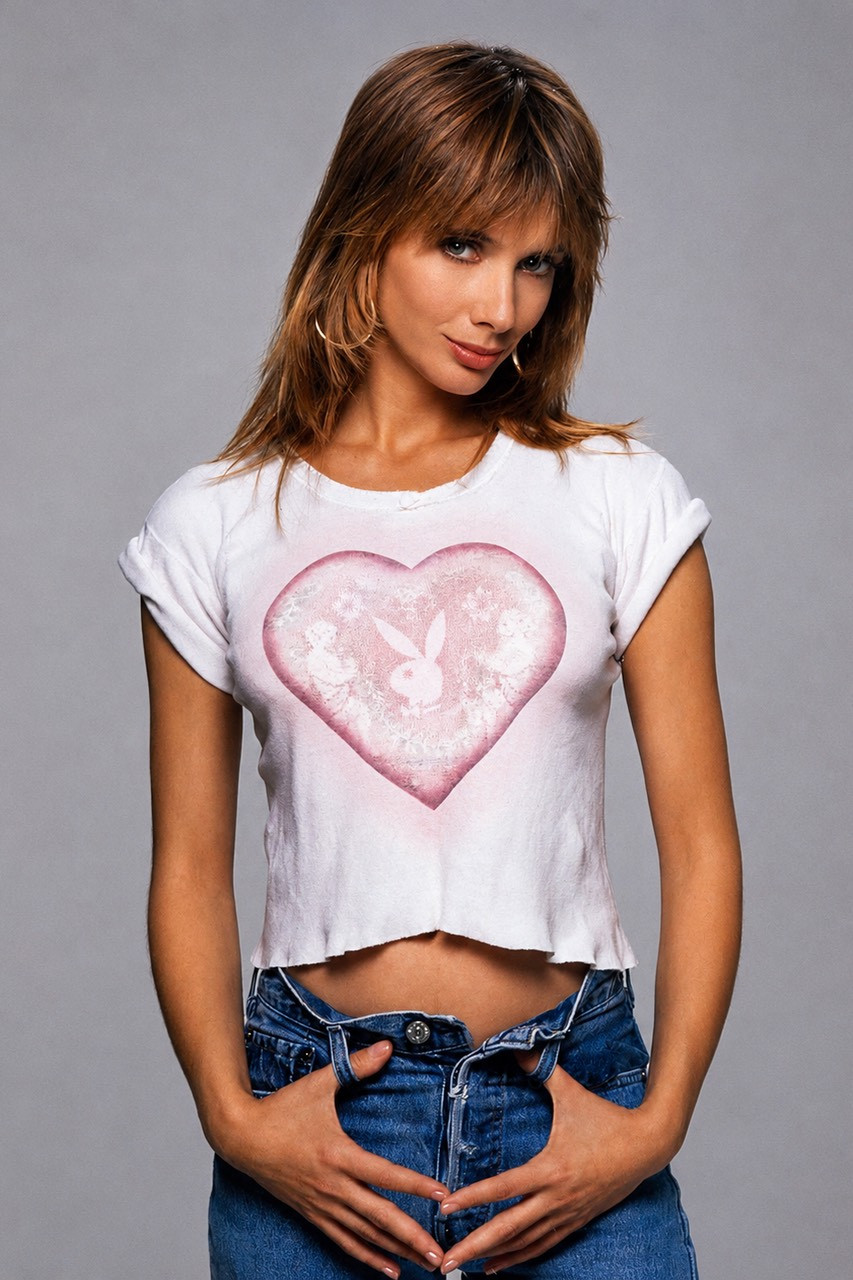
Rosanna Arquette is an American Actress. Born Lisa Michelle Arquette on August 10, 1959, in New York City, New York, she has also been credited as Rosanna Lisa Denaut. She appeared in Playboy in September 1990 at 31, adding the feature to her public career. Her appearance came during Playboy's 1990s print era, a period increasingly shaped by entertainment and celebrity culture.
Arquette has natural breasts, blue eyes and brown hair. Her measurements are 35-24-36.
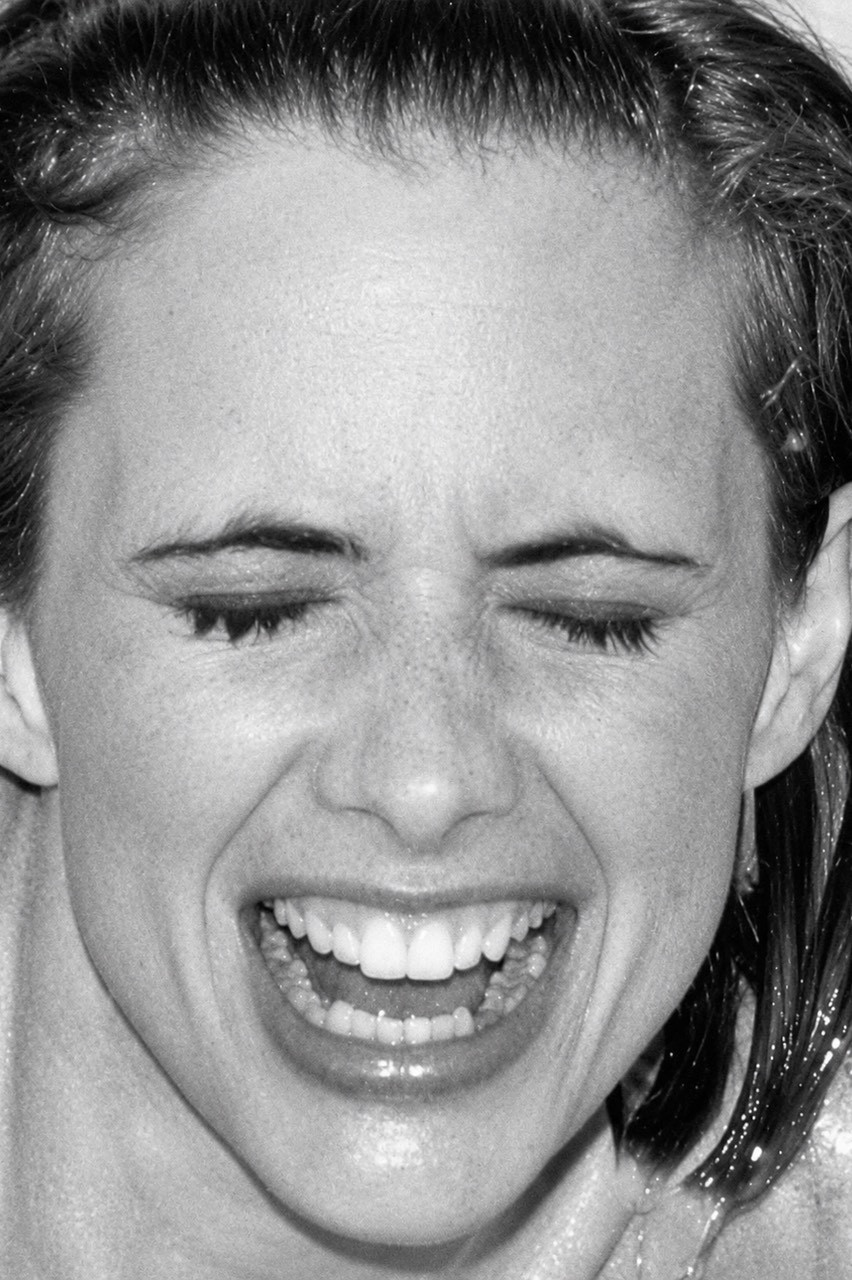
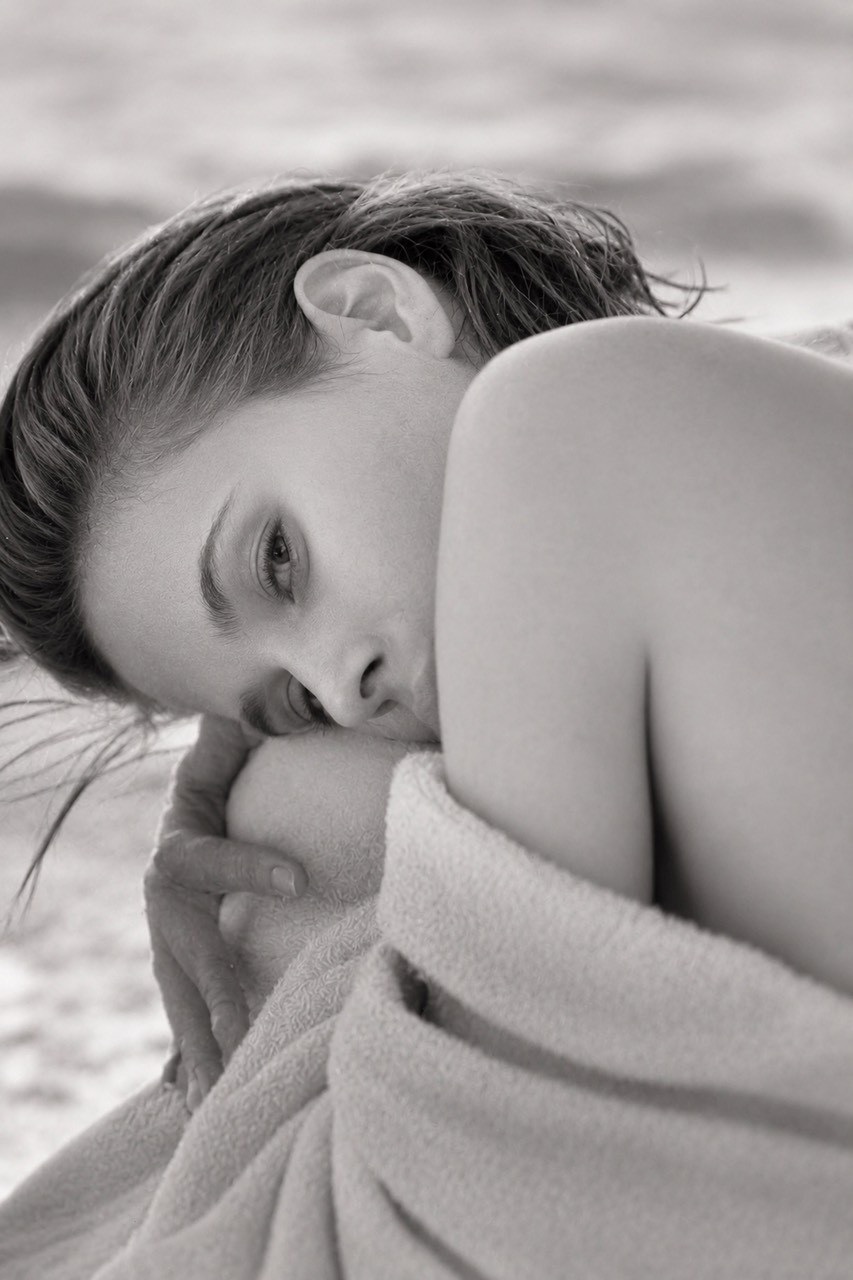
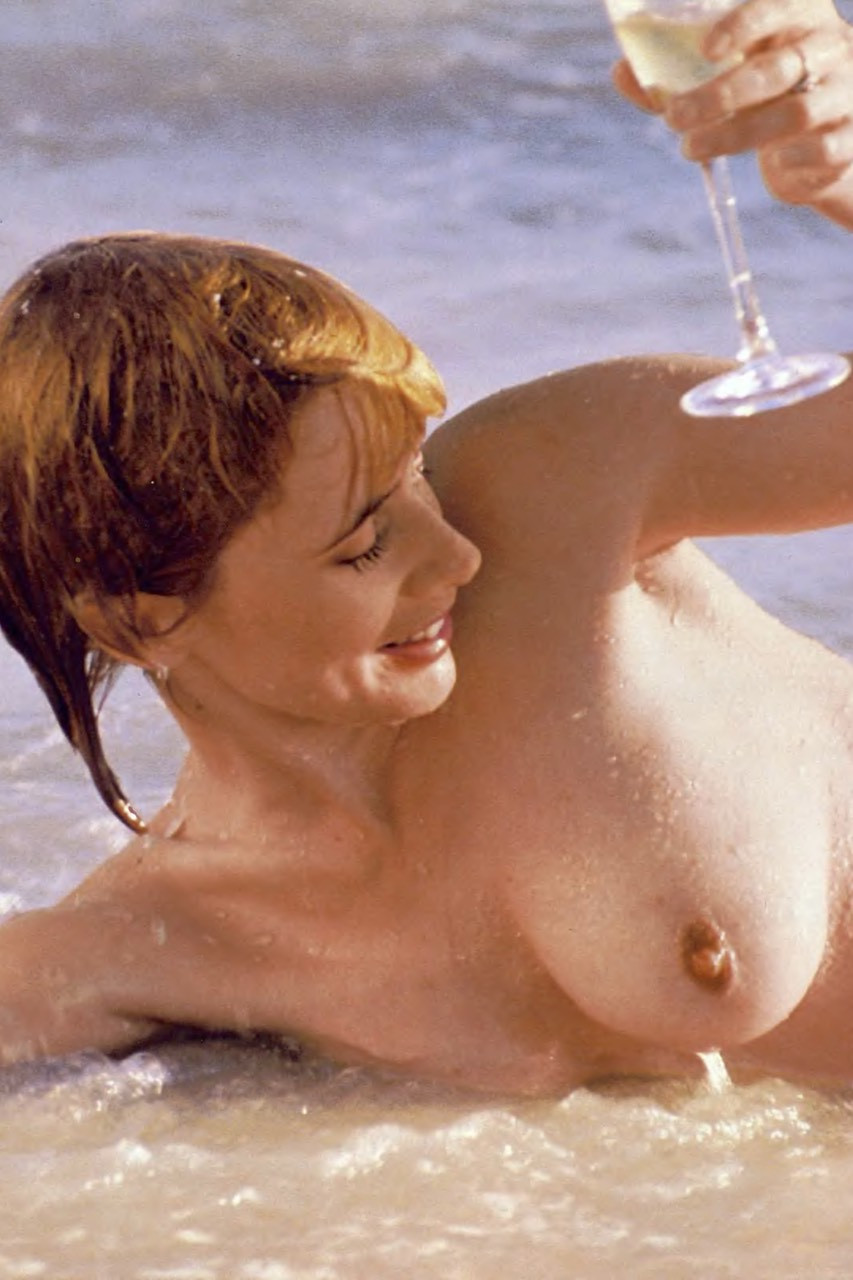
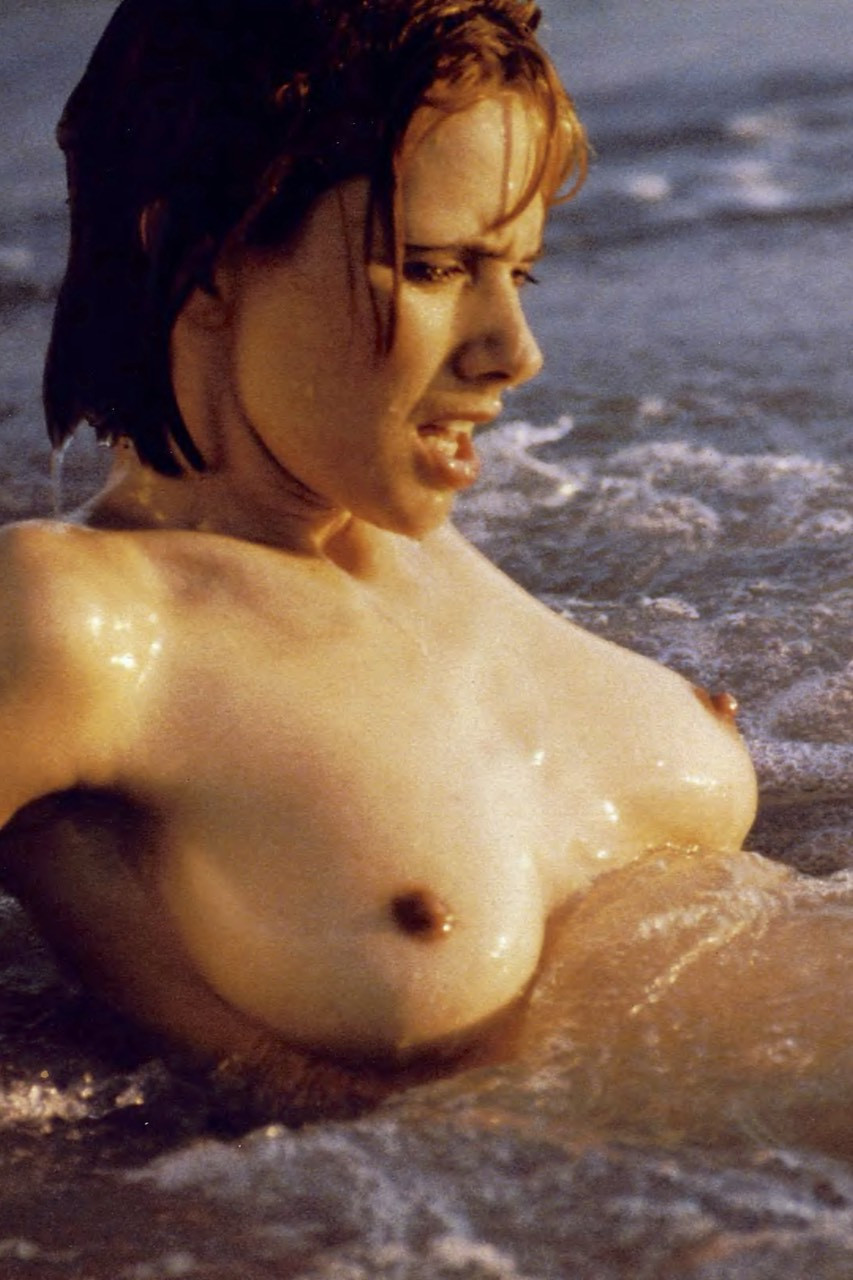
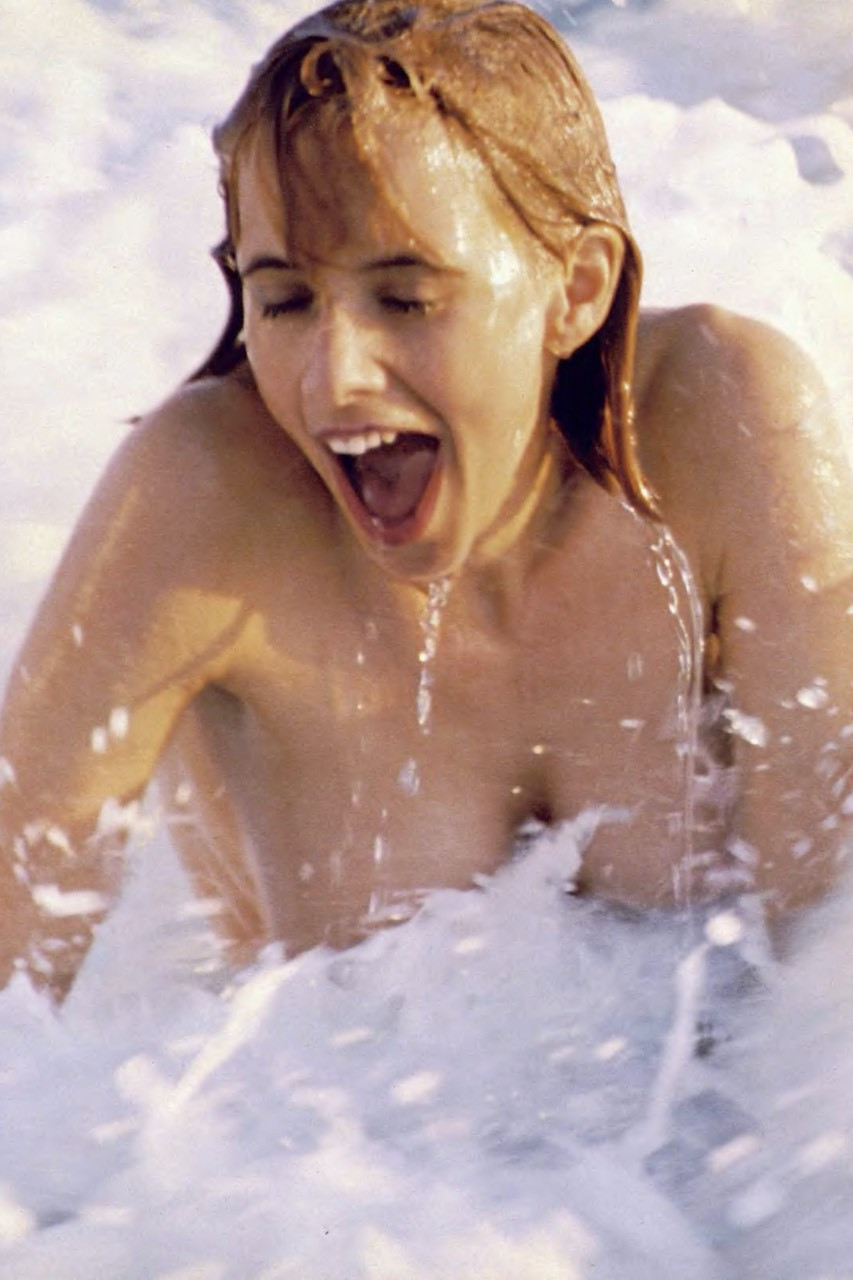
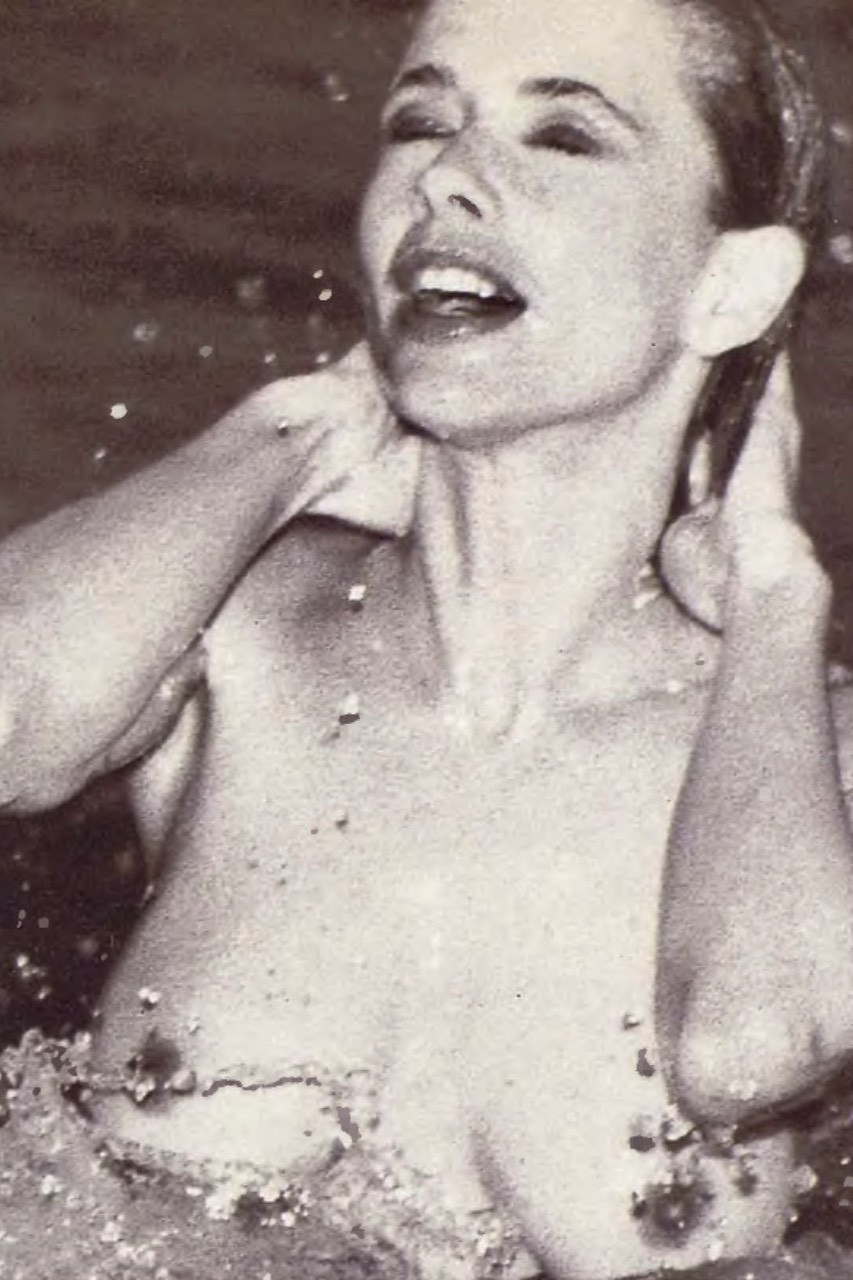
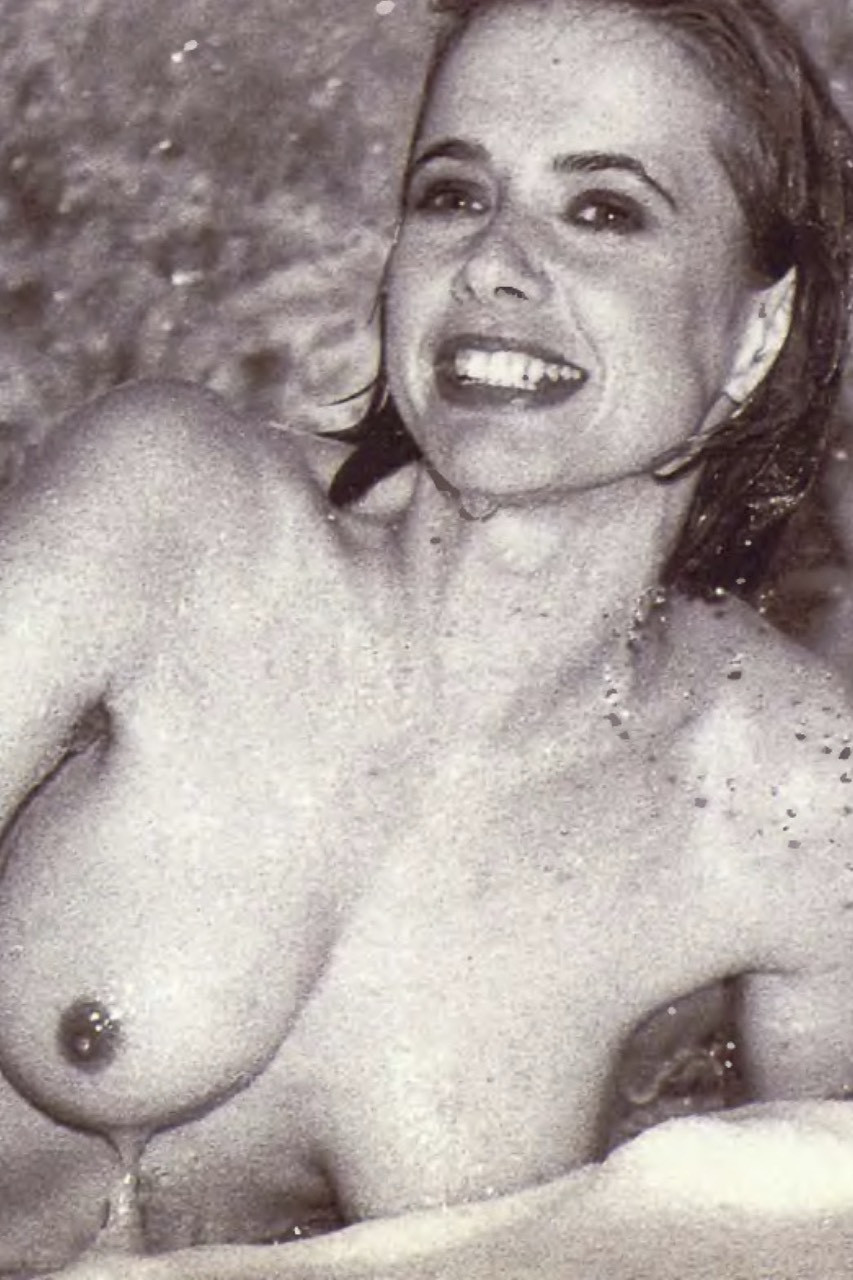
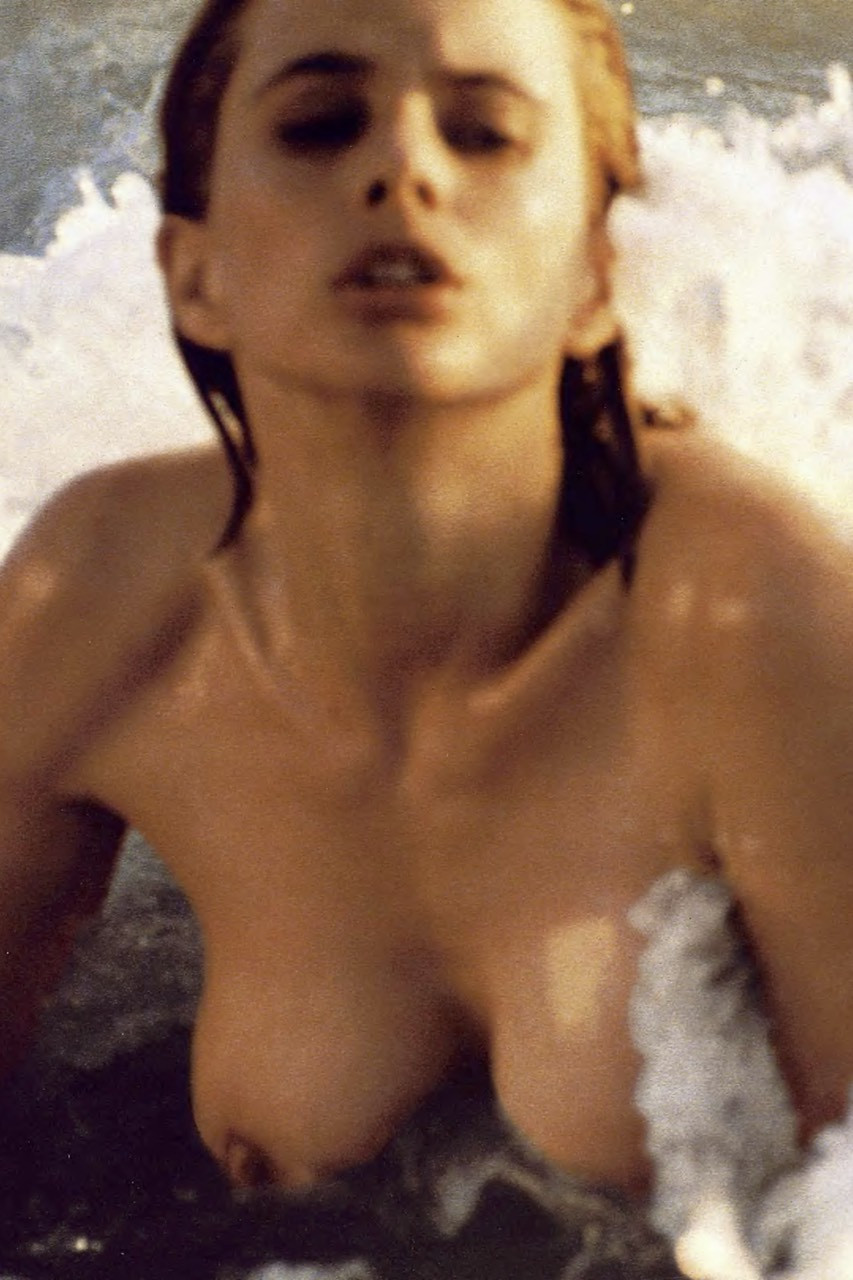
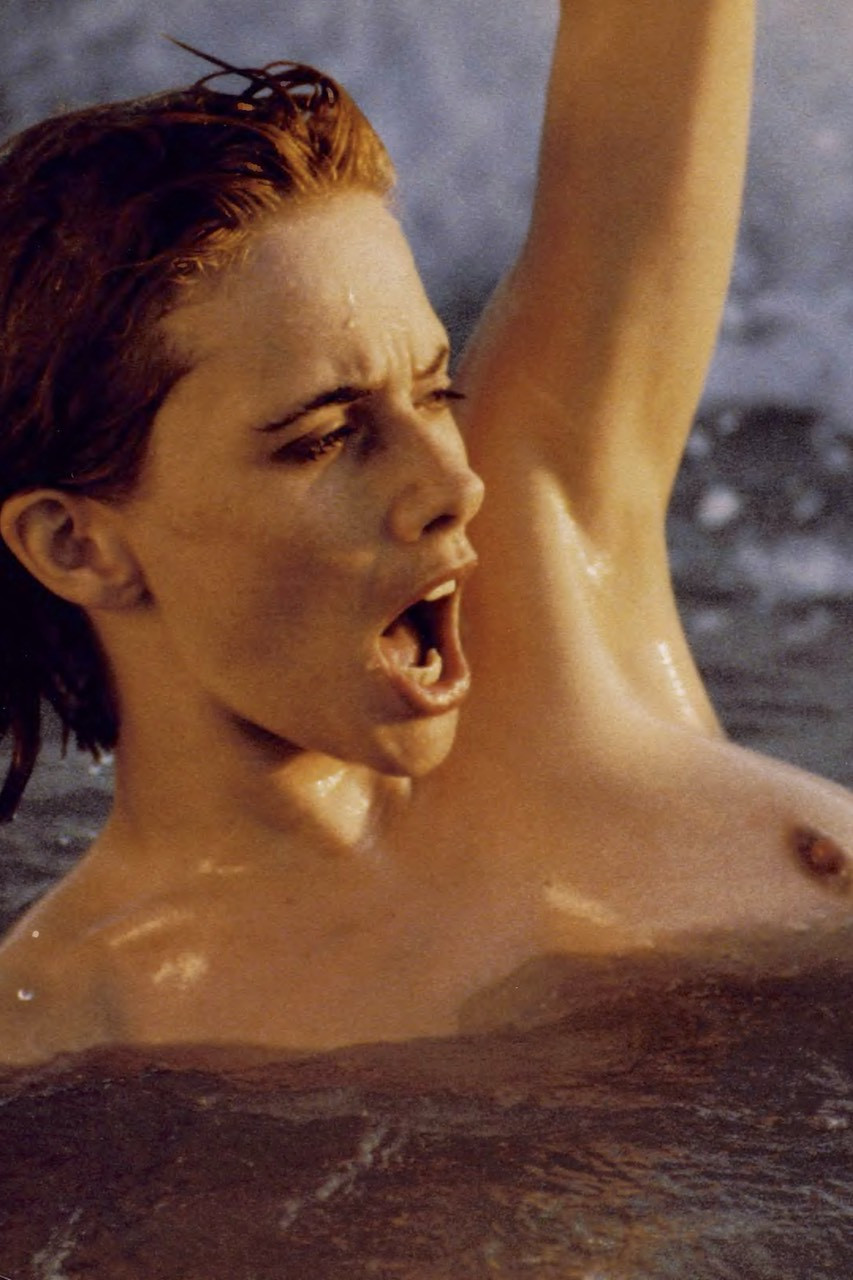
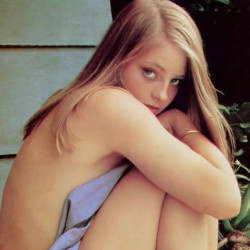
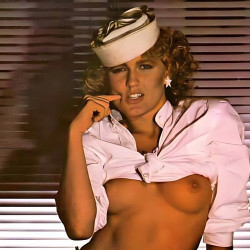
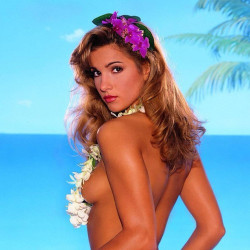
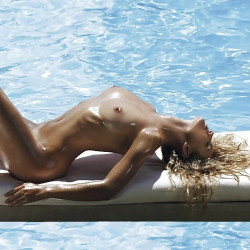
Rosanna Arquette appeared on the cover and in a twelve-page nude pictorial in Playboy’s September 1990 issue. She was not a Playmate, and the feature was not the result of a conventional Playboy commission. The photographs had been taken by Bert Stern during a swimsuit assignment for Condé Nast Traveler in Naples, Florida. Arquette later said she had not known that Stern would sell the images to Playboy and expressed anger when she learned of their planned publication.
By then, Arquette had already established herself as one of the most distinctive actresses of her generation. Early television and film work led to an Emmy-nominated performance in The Executioner’s Song, followed by her first major leading role in John Sayles’s Baby It’s You. She resisted the polished sameness often expected of young Hollywood actresses, bringing an offbeat intelligence and emotional restlessness to characters who rarely fitted comfortably inside conventional romantic stories.
Her breakthrough came with Desperately Seeking Susan, in which she played Roberta Glass, a suburban woman drawn into the freer and more dangerous life represented by Madonna’s elusive Susan. Arquette’s performance won a BAFTA Award and made her an international star. She followed it with sharply contrasting roles in Silverado, Martin Scorsese’s After Hours, 8 Million Ways to Die and Luc Besson’s The Big Blue, repeatedly choosing filmmakers and characters that allowed her to remain unpredictable rather than settle into a single marketable image.
That history makes the circumstances of her Playboy appearance especially significant. The magazine presented the photographs as a glamorous celebrity revelation, but Arquette’s reaction exposed the difference between being photographed and consenting to a particular publication. Playboy said she had signed a release with Stern that restricted distribution only in the United Kingdom, where Peter Gabriel was living, but the actress maintained that she had not expected the images to appear in the magazine. The pictorial therefore belongs to her story less as a chosen reinvention than as an example of how control over an actress’s image could pass between photographer, publisher and public.
Arquette continued building an adventurous career through Pulp Fiction, David Cronenberg’s Crash and numerous independent films. She later directed Searching for Debra Winger, examining the limited opportunities available to actresses as they aged, and became a prominent advocate for women confronting abuse and inequality within the entertainment industry. Her September 1990 Playboy feature captured her at the height of her screen fame, but its complicated origin also anticipated the issue that would define much of her later public work: a woman’s right to determine how her body, career and experience are presented.