Claudia Cardinale Bio
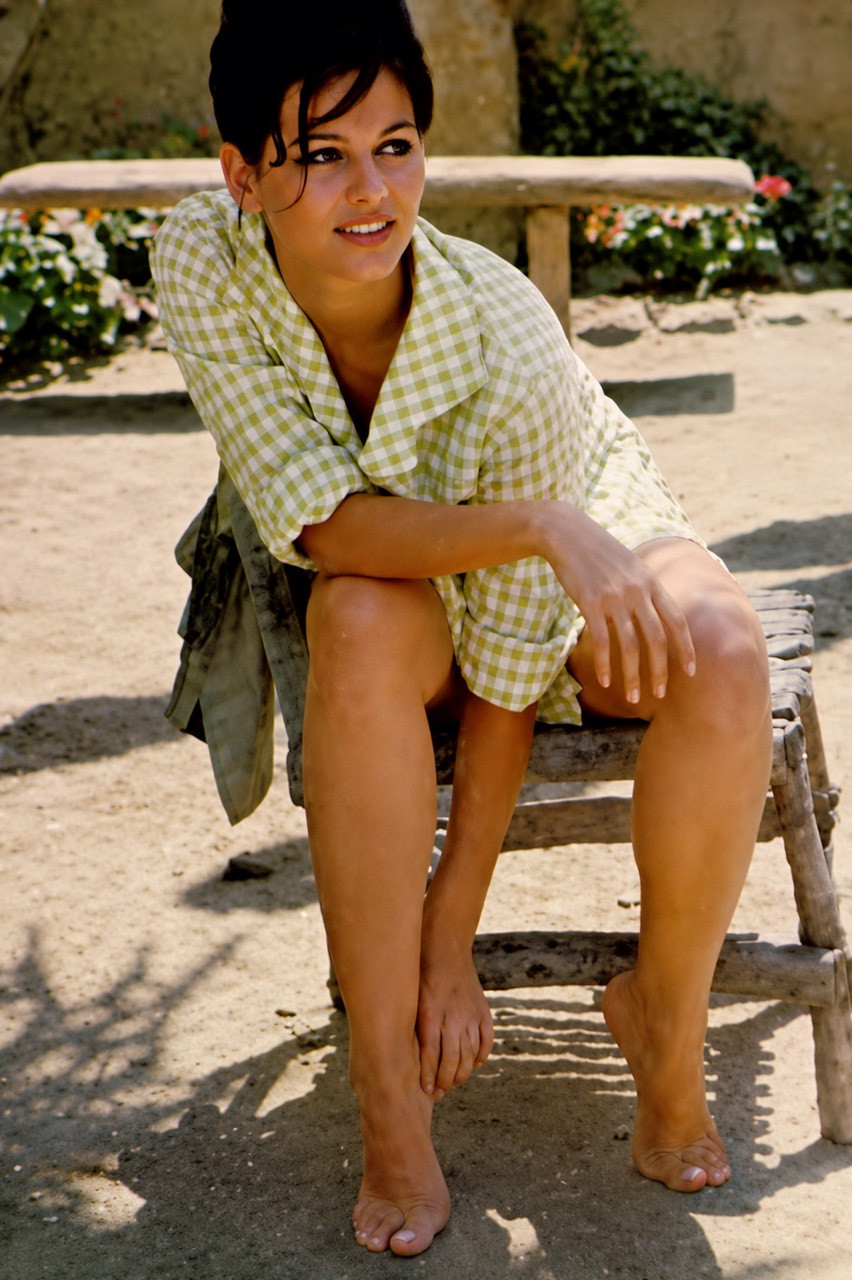
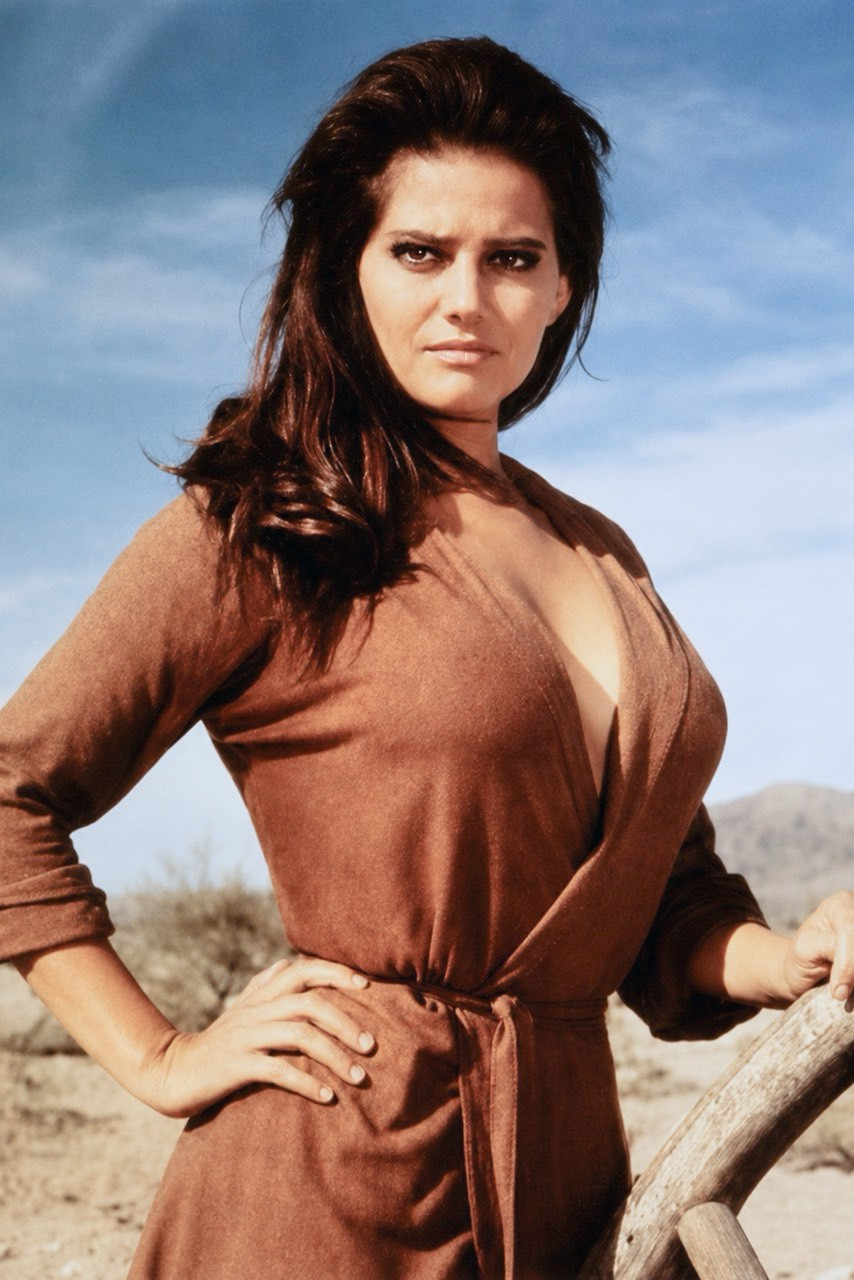
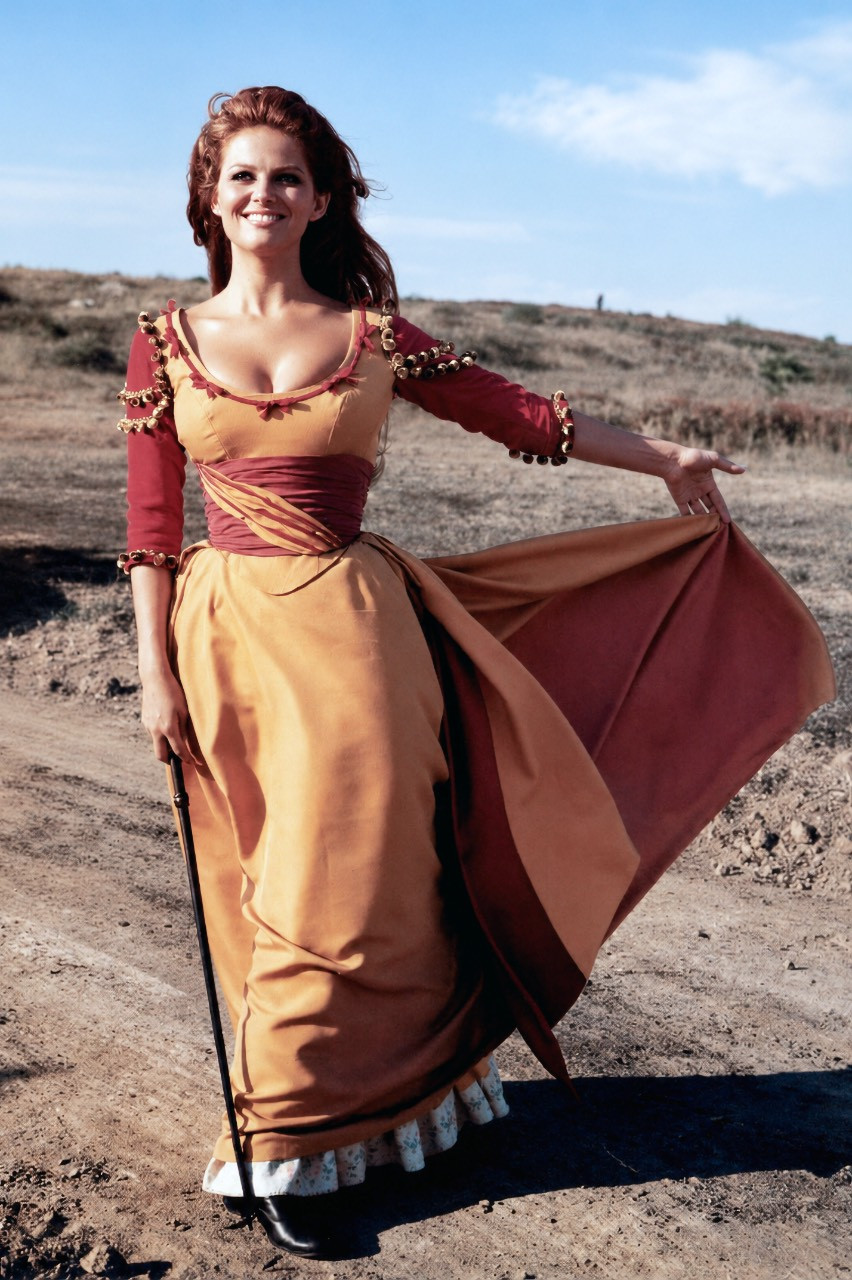
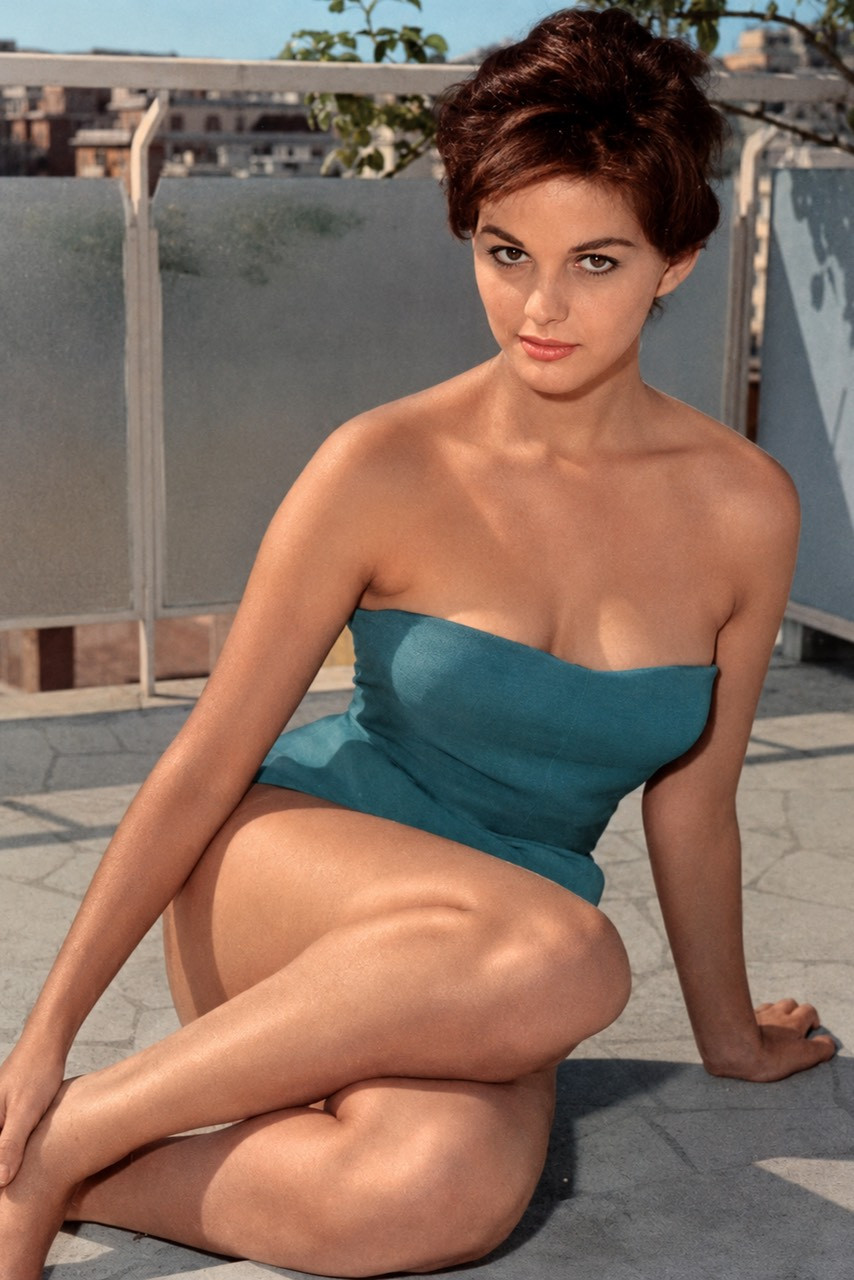
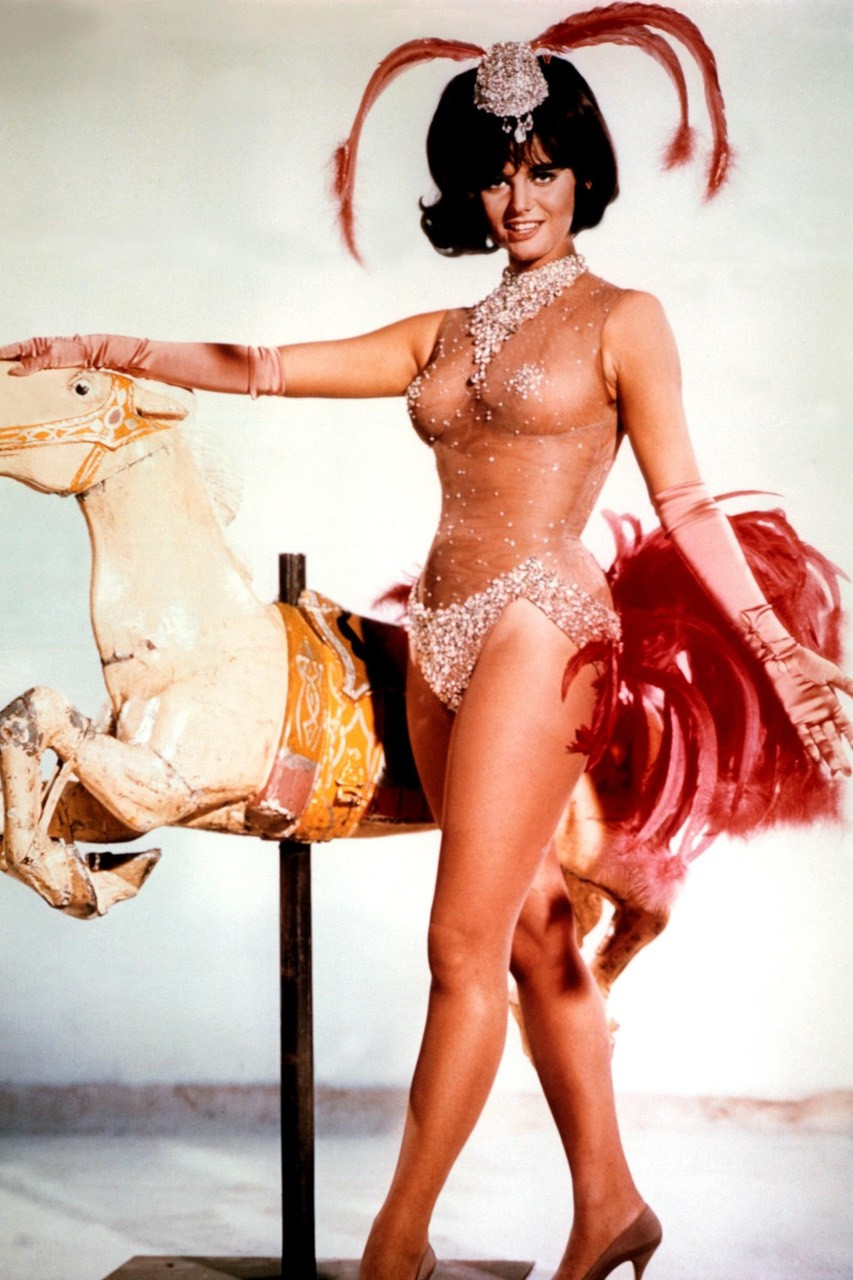
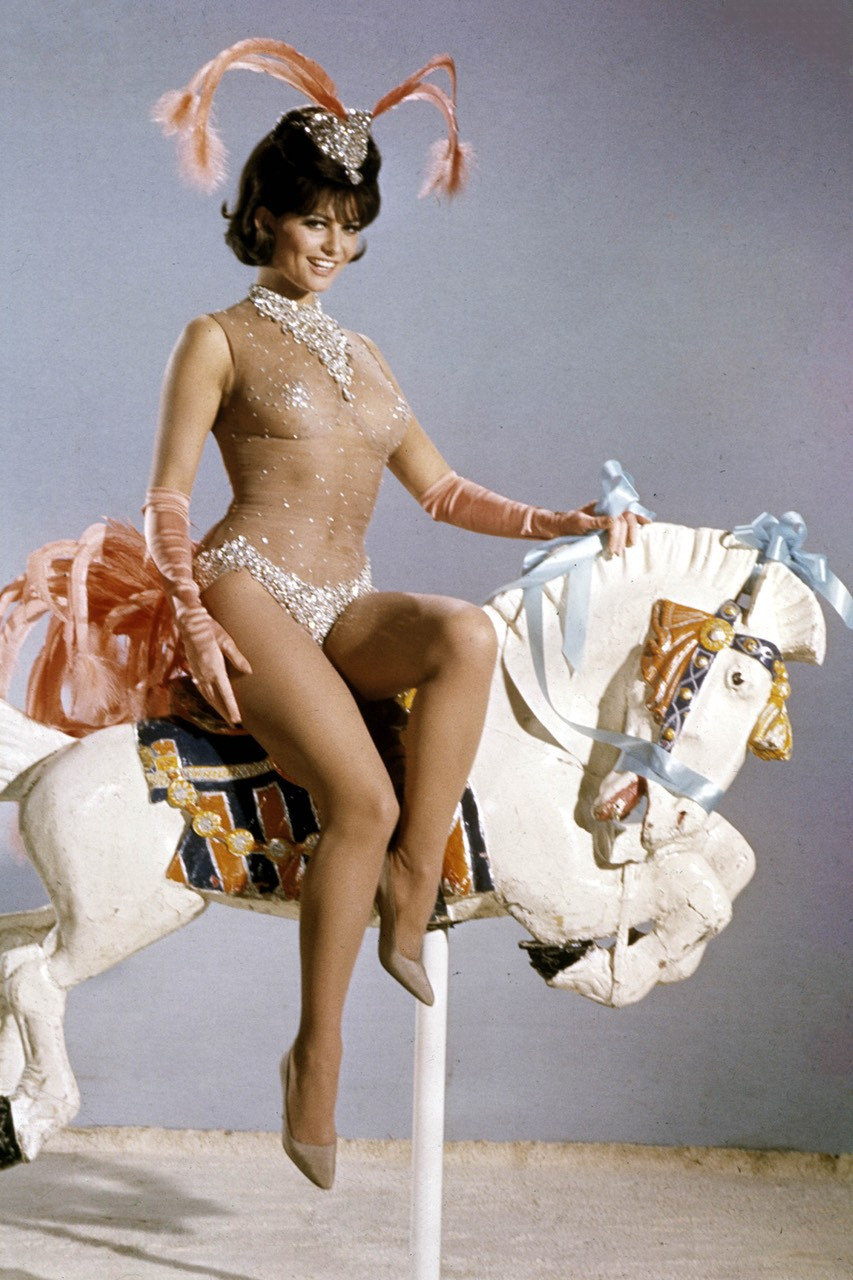
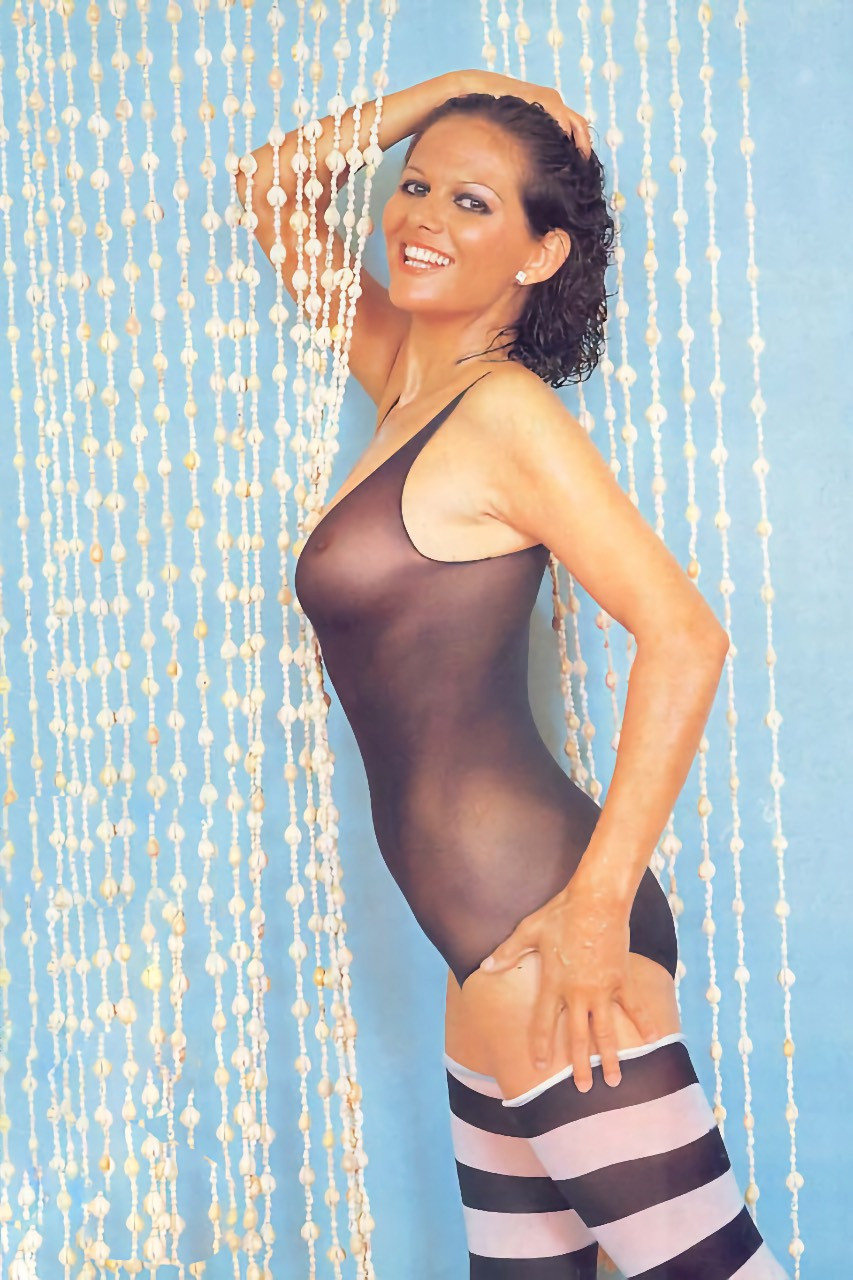
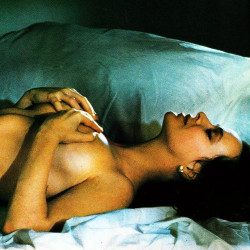
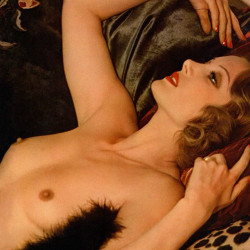
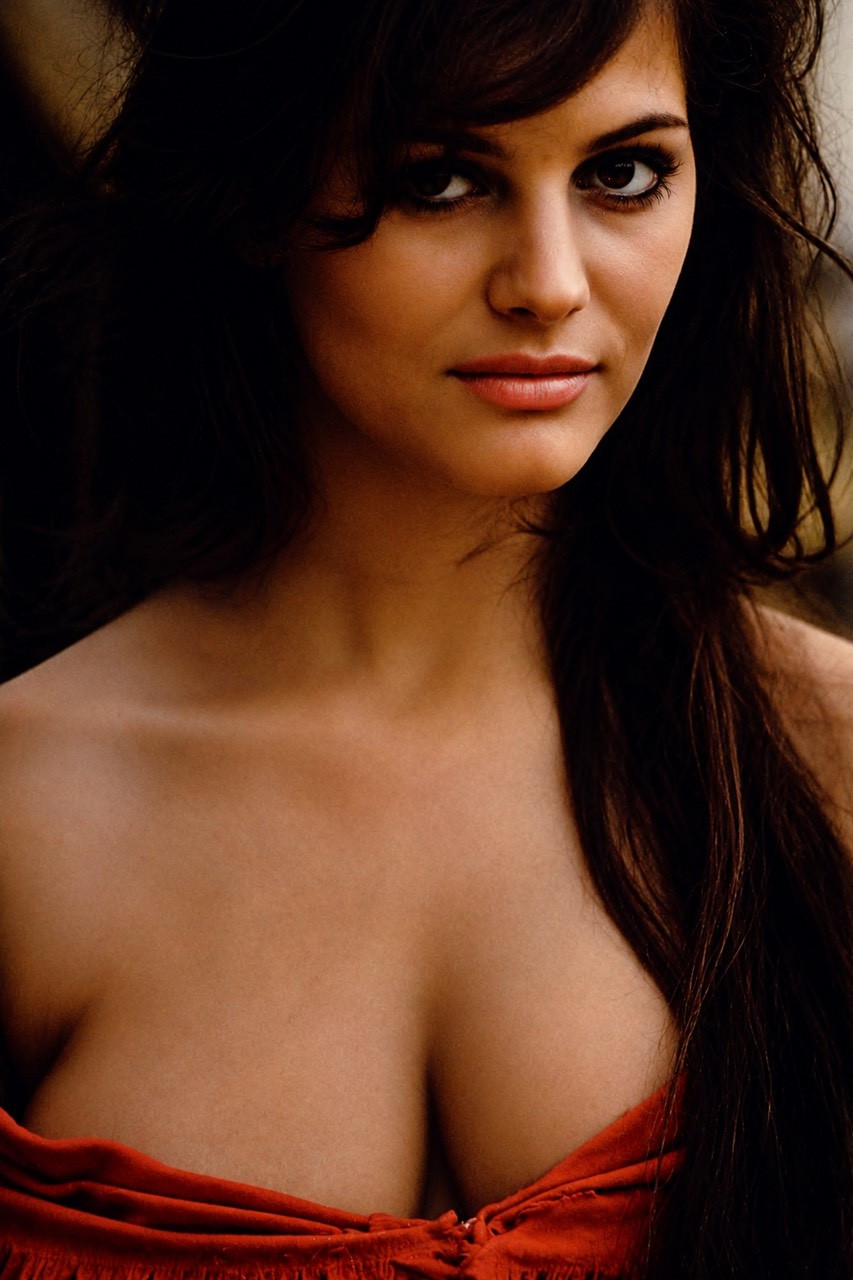
Claudia Cardinale was a Tunisian Actress. Born Claude Joséphine Rose Cardinale on April 15, 1938, in La Goulette, Tunisia, she has also been credited as CC. She appeared in Playboy in September 1963 at 25, adding the feature to her public career. Her appearance came during the 1960s, as Playboy grew into a major force in American magazine publishing.
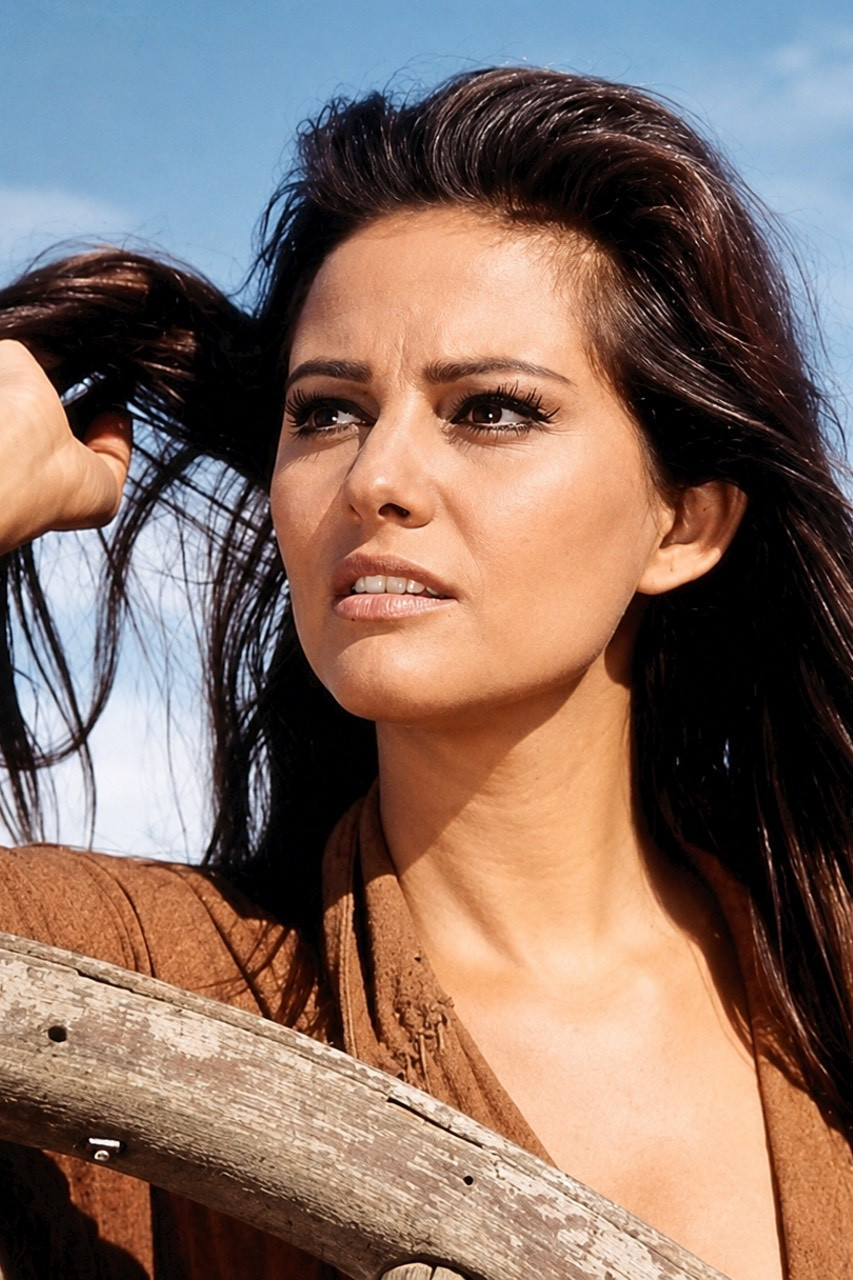
Cardinale had natural breasts, brown eyes and brown hair. Her measurements are 36-23-37.
Claudia Cardinale brings a lush, Mediterranean glamour to the Playboy archive — Italian cinema’s dark-eyed enchantress, a woman whose beauty seemed both earthy and aristocratic, innocent and dangerous, sunlit and impossible to tame. When Playboy featured her in September 1963 in “Europe’s New Sex Sirens,” she was already being framed as one of the great international symbols of screen sensuality, worthy of comparison with the era’s most famous initials: BB, MM, and now CC.
The Playboy caption captured her at a dazzling moment of ascent. It described the young Cardinale as “the ripest fruit in Italian-film vineyards,” noting her appearance with Jean-Paul Belmondo in La Viaccia, her presence in Federico Fellini’s 8½, and her next role as Angelica in The Leopard opposite Burt Lancaster. The language was pure early-1960s magazine heat — playful, extravagant, and fully aware that Claudia Cardinale was becoming one of European cinema’s most photographed faces.
Born in Tunisia, to a family of Sicilian heritage, she entered cinema after winning a beauty contest that brought her to the Venice Film Festival. Like many great European actresses of her era, she did not arrive through a carefully engineered Hollywood machine; she arrived almost by accident, with a look, a voice, and a presence that filmmakers immediately understood as cinematic. IMDb notes that her rise followed the familiar beauty-pageant path of several Italian stars, but her impact quickly moved beyond glamour into serious screen mythology.
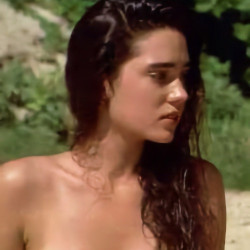
By the early 1960s, Cardinale had become one of the defining faces of Italian film. In La Viaccia, she appeared opposite Jean-Paul Belmondo, bringing sensual force to a period drama steeped in desire and ruin. Then came 1963, the year that made her immortal: Fellini cast her in 8½ as an idealized vision of feminine grace, while Luchino Visconti gave her Angelica Sedara in The Leopard, the radiant village beauty who enters aristocratic society and lights up the ballroom like a new century arriving in silk.
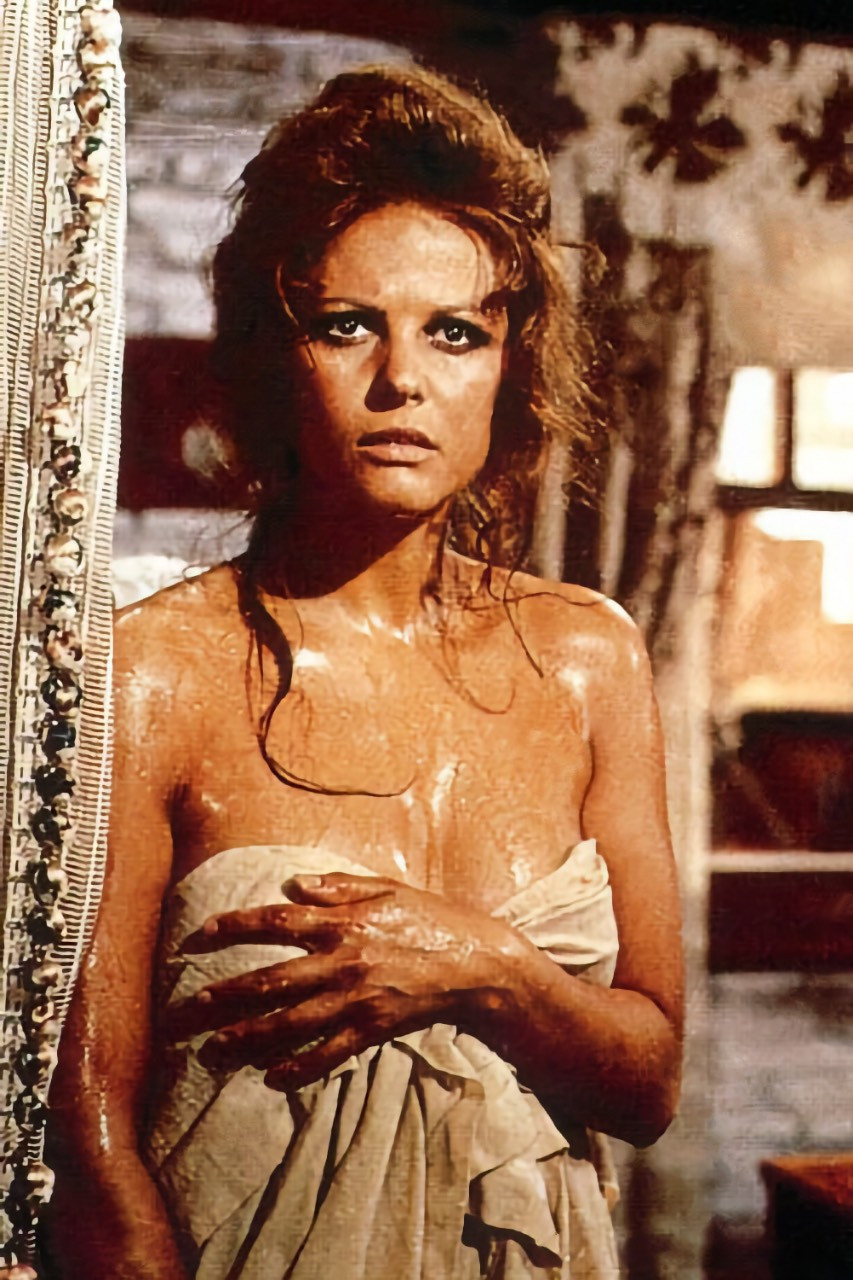
Her international fame widened almost immediately. In Blake Edwards’s The Pink Panther, she played Princess Dala opposite David Niven and Peter Sellers, adding polished Hollywood sparkle to her European allure. Later, Sergio Leone cast her in Once Upon a Time in the West, where she became Jill McBain — not merely an object of desire, but the emotional center of one of cinema’s greatest Westerns. Cardinale had the rare gift of looking mythic without becoming distant. She could be regal, wounded, amused, stubborn, and sensual in the same glance.
What made Claudia Cardinale different from many of the era’s imported sex symbols was the strength beneath the beauty. She was glamorous, certainly, but never fragile in the decorative sense. Her screen presence had warmth, resistance, and intelligence; she seemed less like a fantasy invented by men than a woman aware of the fantasy and quietly refusing to be contained by it. That is why she worked so well for directors as different as Fellini, Visconti, Edwards, and Leone.
In the Playboy archive, Claudia Cardinale stands as one of Europe’s great sirens at the exact moment she crossed from national star to international legend. The September 1963 feature caught her before the myth had fully settled, when she was still being introduced as the next devastating beauty of world cinema. History proved the magazine right. Claudia was not just another glamorous face from the Italian-film vineyards — she became one of the enduring icons of 1960s cinema, a woman whose initials still carry the perfume of Rome, Sicily, velvet gowns, and the golden age of European desire.