Elke Sommer Bio
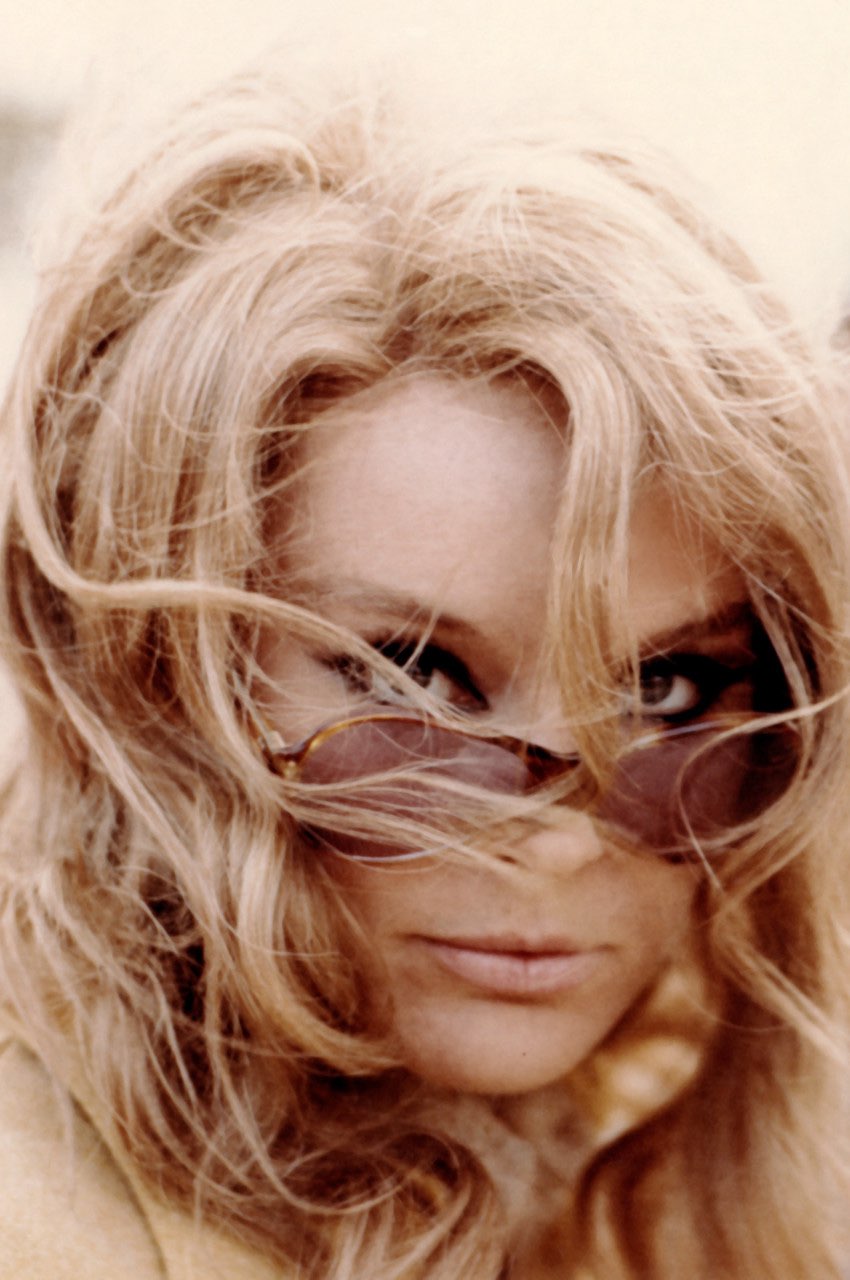
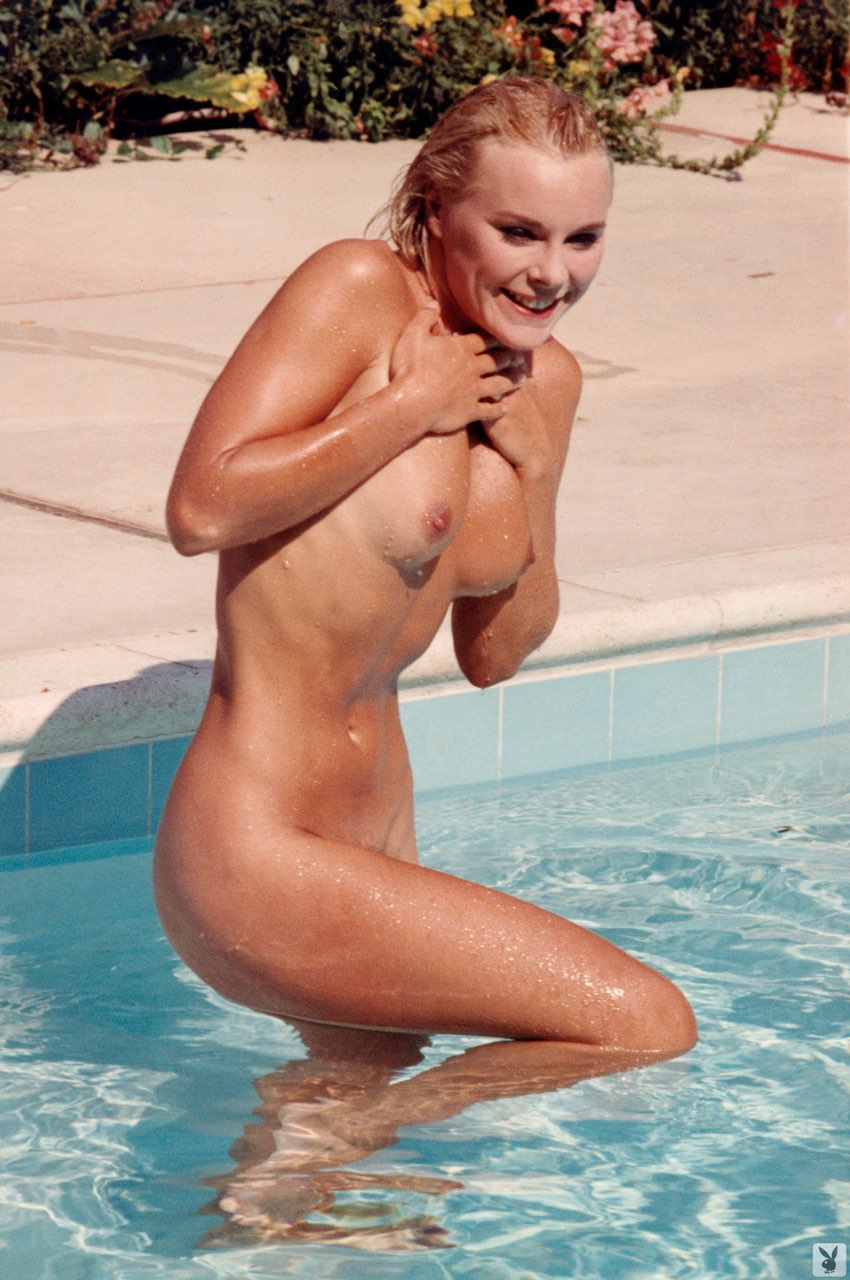
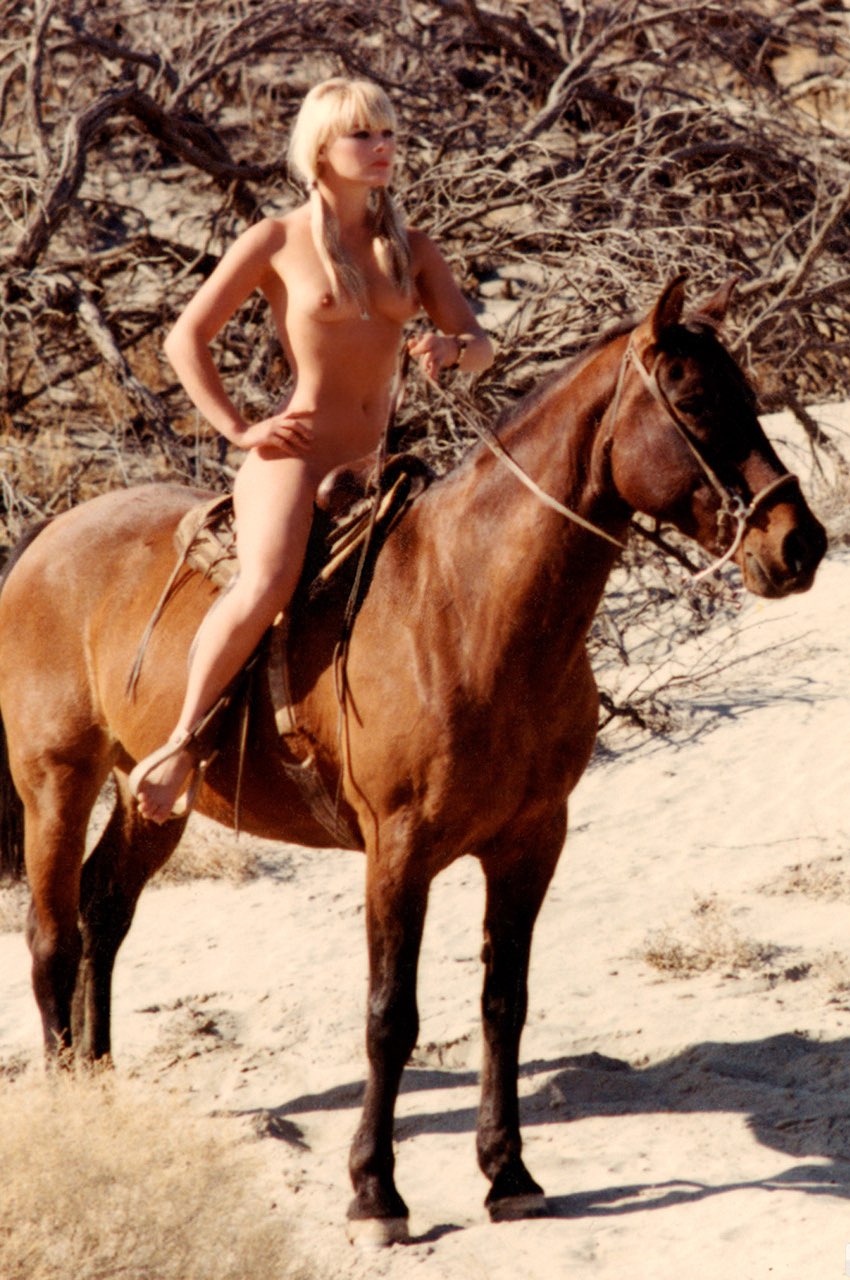
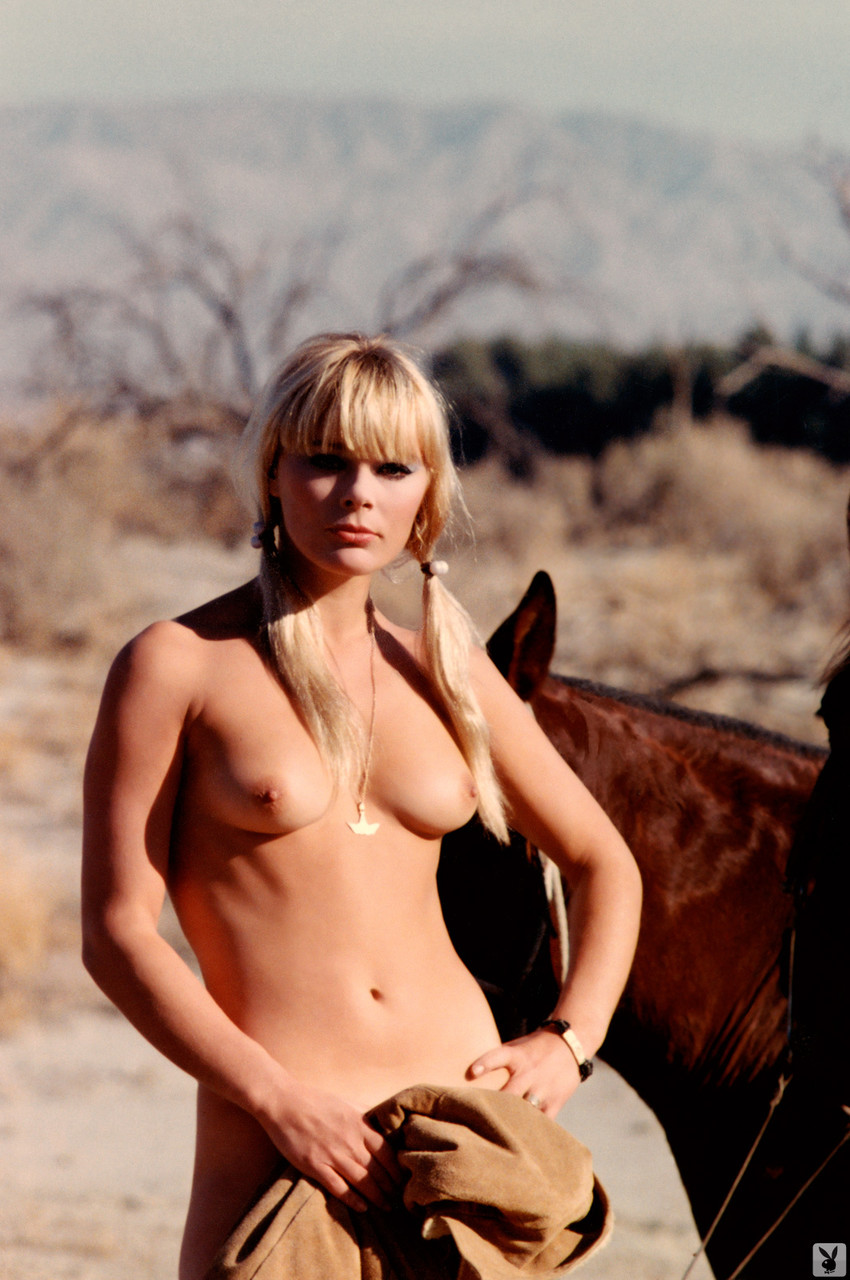
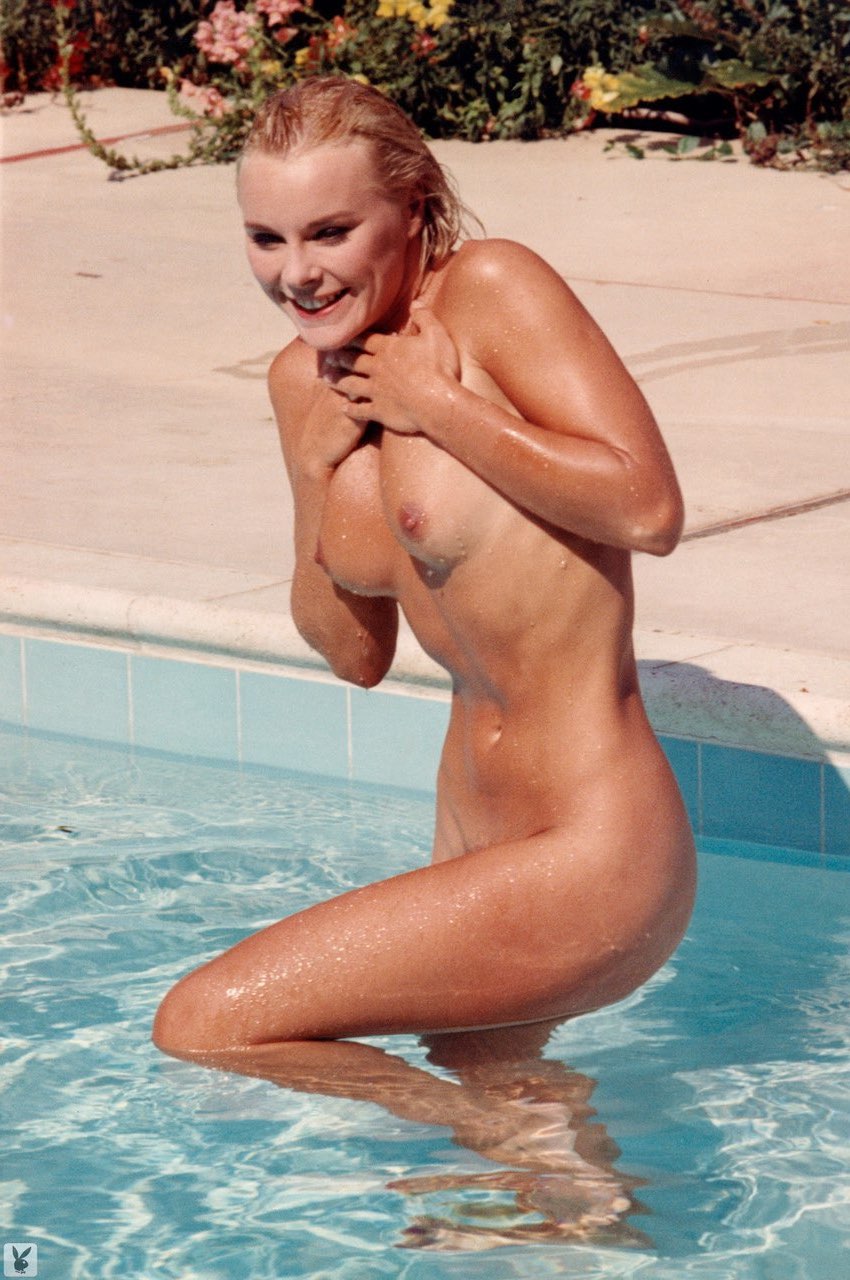
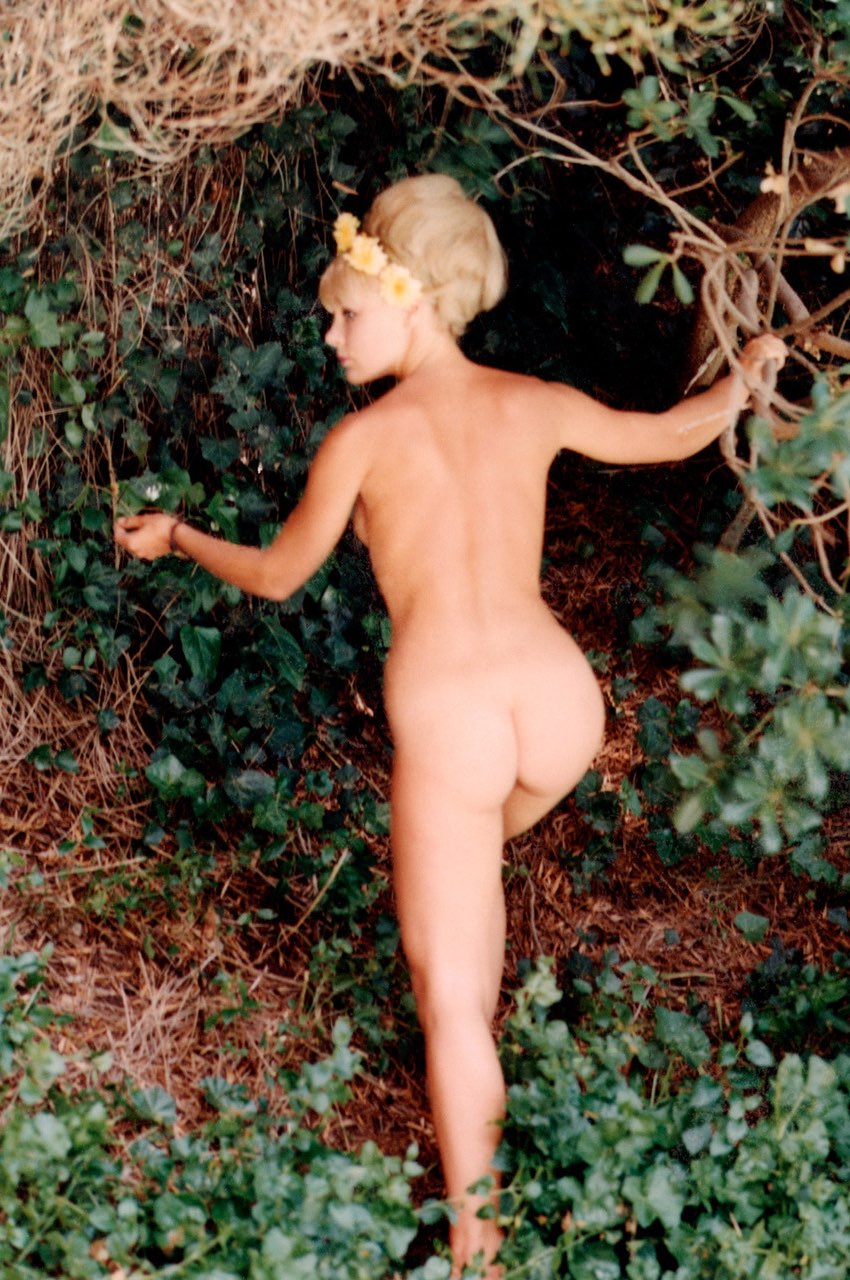
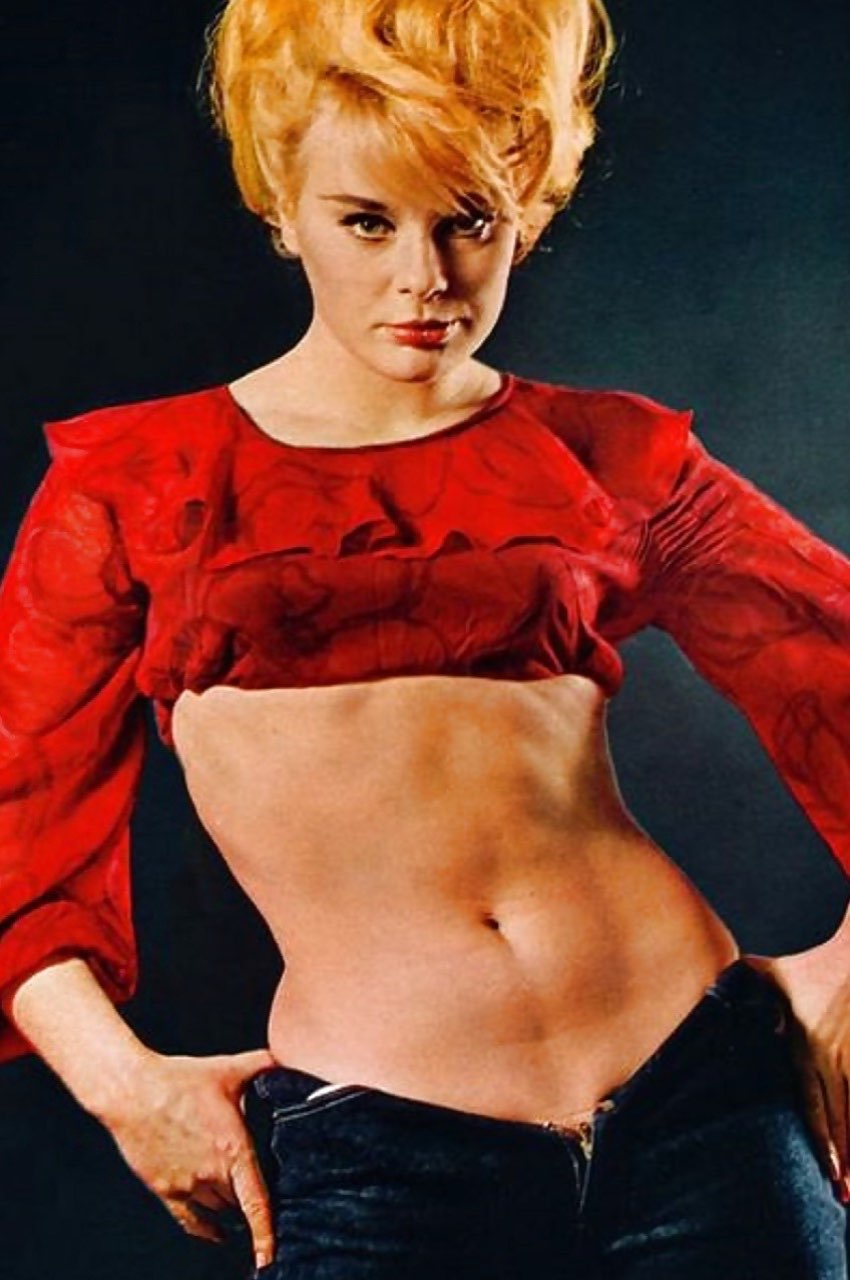
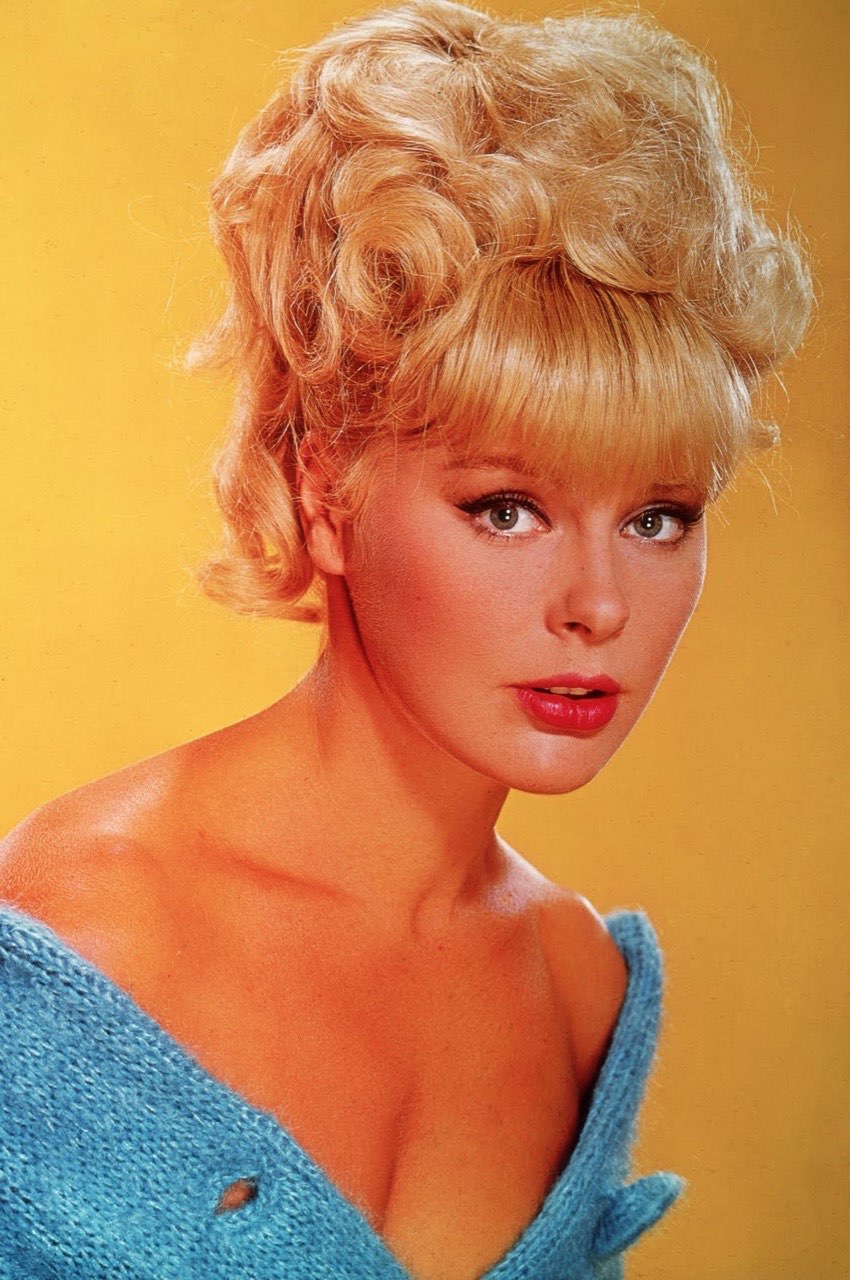
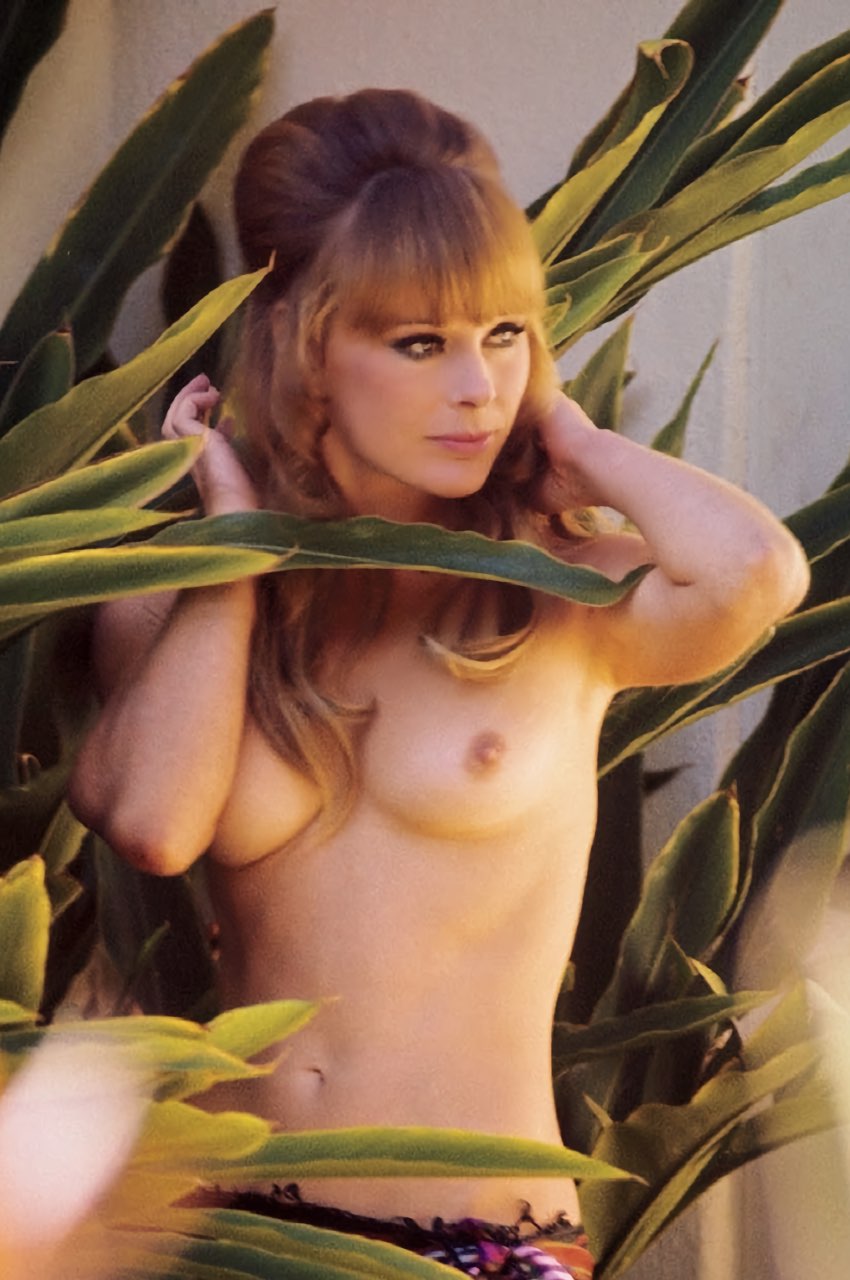
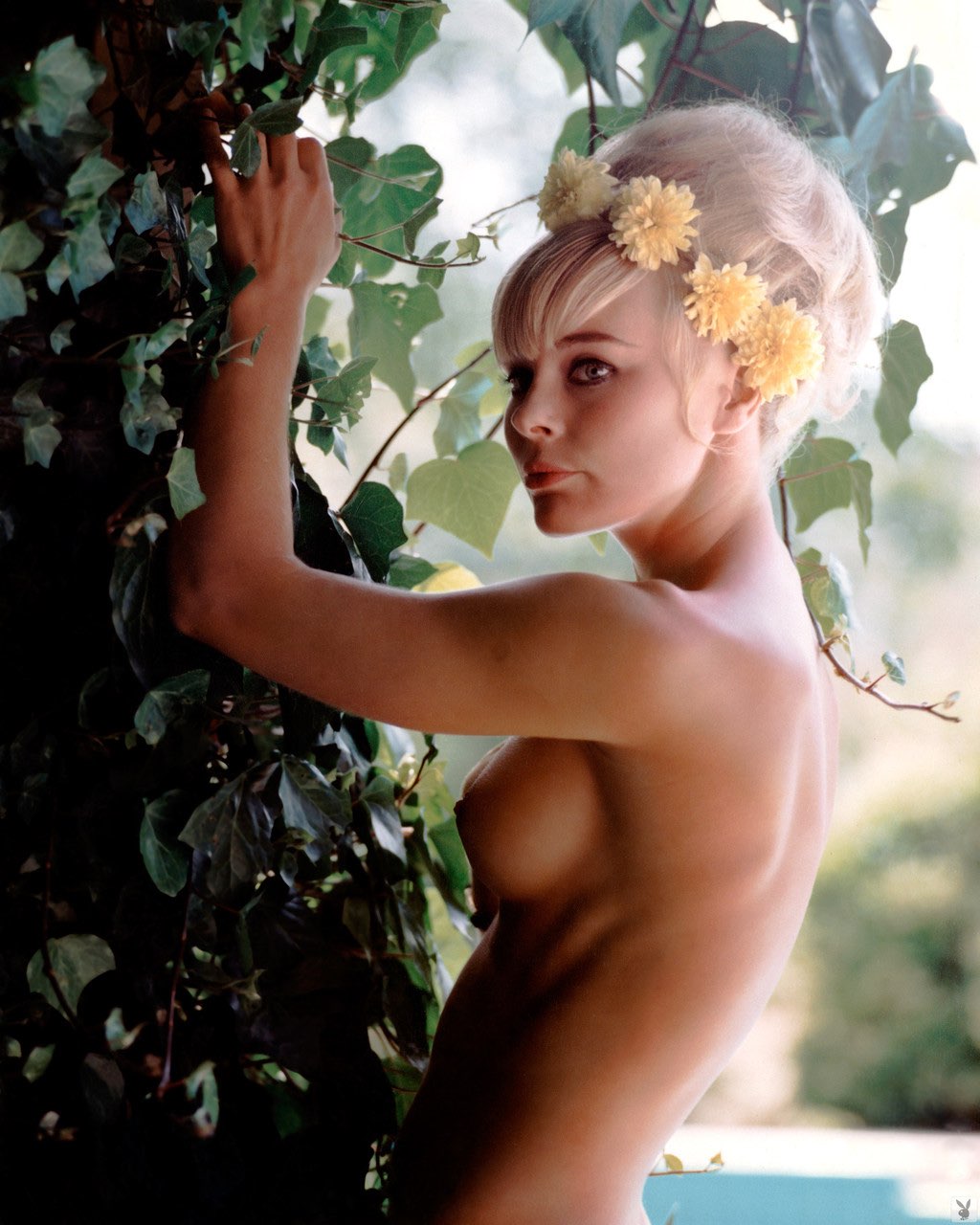
Elke Sommer is a German Actress. She was born Elke Schletz on November 5, 1940, in Berlin, Germany. She appeared in Playboy in September 1970 at 29, adding the feature to her public career. Her appearance came during Playboy's 1970s print era, when the magazine reached the height of its mass-market influence.
Sommer has natural breasts, blue eyes and blond hair. Her measurements are 35-22-36.
Elke Sommer appeared in Playboy during the decade that established her as one of Hollywood’s most captivating European imports. Her first feature arrived in September 1964, when photographs and film stills accompanied the success of A Shot in the Dark. She returned for pictorials in December 1967 and September 1970, allowing the magazine to follow her evolution from a newly celebrated actress into an established international star. She was never a Playmate; Playboy presented her as a glamorous screen personality whose fame already extended across Europe and America.
Sommer entered cinema almost by accident. While visiting Viareggio, Italy, she won the local Miss Viareggio Turistica title, and the resulting photographs attracted the attention of Vittorio De Sica. Italian film appearances followed, before German producer Artur Brauner offered her a contract and helped establish her in European productions. Her combination of sophistication, humour and unmistakable camera presence soon carried her to Hollywood, where she became part of a new generation of multilingual actresses who gave 1960s cinema a distinctly international flavour.
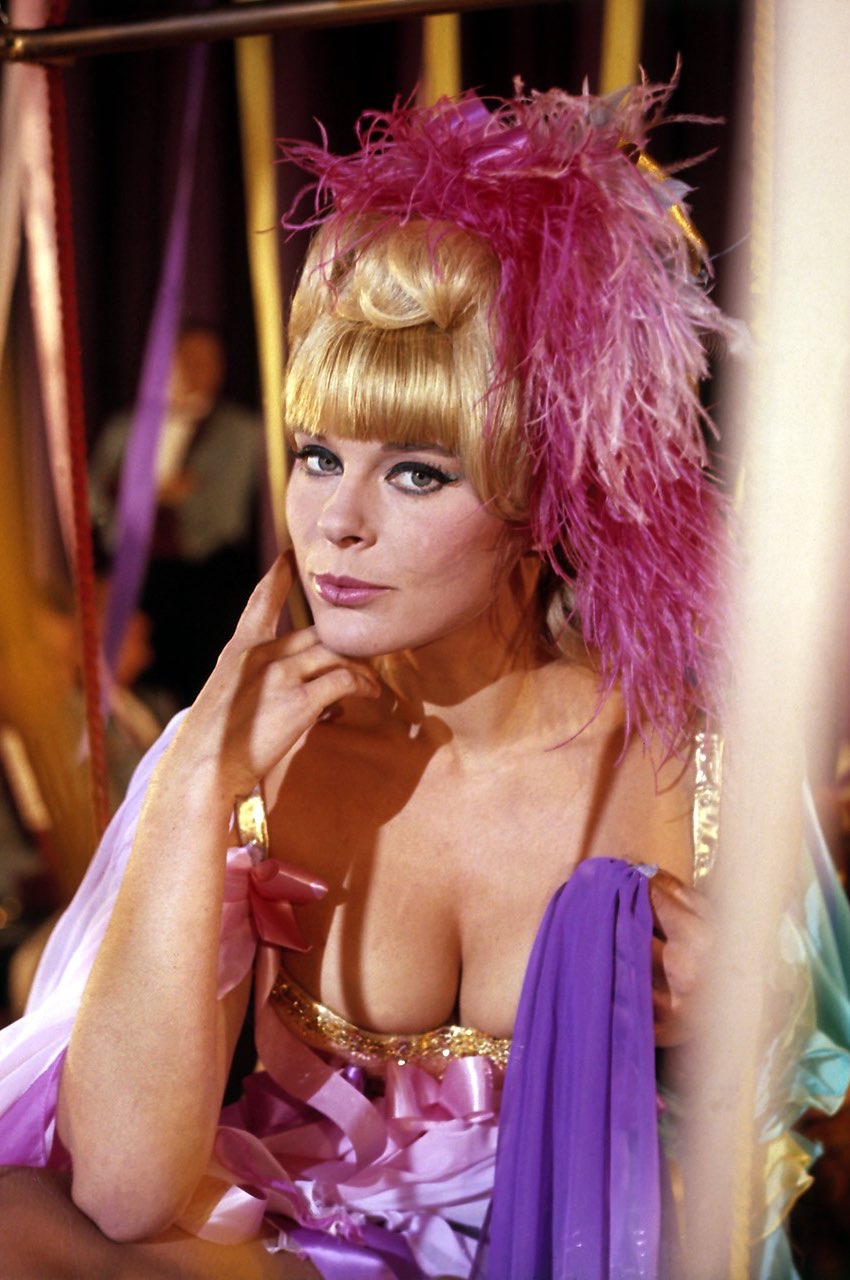
Her American breakthrough came opposite Paul Newman and Edward G. Robinson in The Prize, earning her a Golden Globe as Most Promising Newcomer. She then displayed her gift for sophisticated comedy as Maria Gambrelli in A Shot in the Dark, matching Peter Sellers’s inspired chaos with elegance and playful intelligence. Leading roles followed in The Art of Love, The Money Trap, The Oscar, Boy, Did I Get a Wrong Number!, Deadlier Than the Male and The Wrecking Crew. Playboy’s appearances reflected this screen image: poised and sensual, but always touched by wit and self-awareness.
Sommer’s career continued across thrillers, spy adventures, horror films and broad comedy. She starred in Zeppelin, Baron Blood, Lisa and the Devil, Ten Little Indians and Carry On Behind, before reuniting with Sellers in The Prisoner of Zenda. She was also a frequent television guest, appearing on The Dean Martin Show, Bob Hope specials, The Tonight Show and Hollywood Squares. Her command of several languages allowed her to move easily between American, British, German and Italian productions rather than depending on a single national industry.
Away from acting, Sommer developed a substantial career as a painter, exhibiting work under the name E. Schwartz and gradually making art the centre of her professional life. Her Playboy features preserve the period when her combination of European elegance and Hollywood glamour was at its most visible. Yet her longevity came from more than beauty. Elke Sommer possessed comic timing, cultural adaptability and the independence to move between cinema, television, music and painting while remaining unmistakably herself.