From the pages of Playboy to the lights of Hollywood, countless women have turned the fantasy of the centerfold into a springboard for fame. For many Playmates, posing for Playboy wasn’t the end of a dream—it was the beginning of one. The magazine that once promised “entertainment for men” became an unexpected gateway for women to step into the broader world of entertainment, film, and television.
When Hugh Hefner founded Playboy, he didn’t just create a men’s magazine; he built a cultural phenomenon that shaped modern media and beauty standards. Hefner had an eye for women who weren’t just beautiful but charismatic—women who had the sparkle, confidence, and camera presence that made them unforgettable. Some of those women became legends far beyond the Mansion gates.
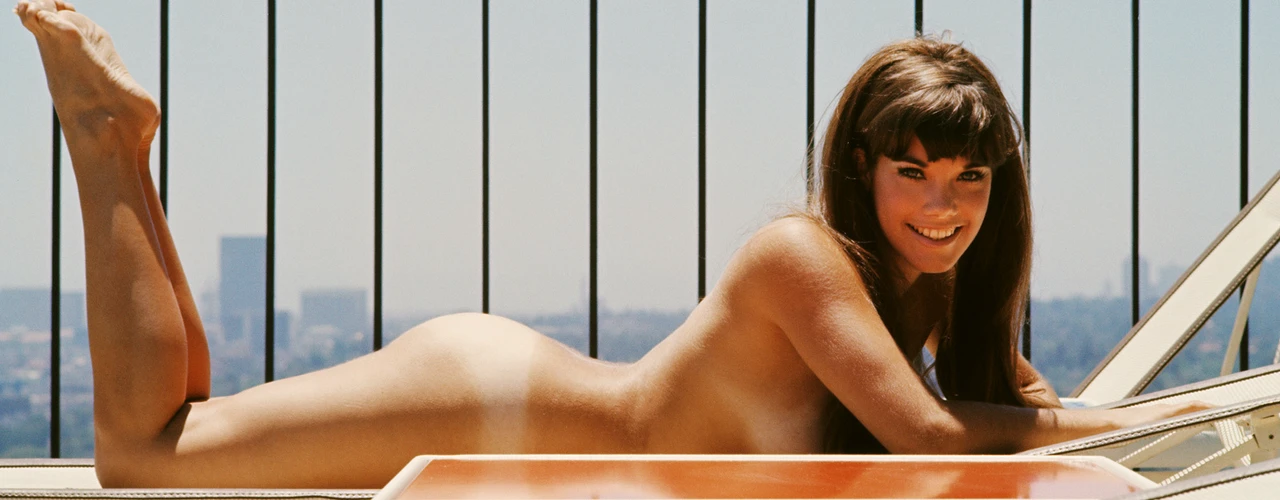
The Golden Era of Glamour
The 1960s and 1970s were Playboy’s golden years—and for many Playmates, it was the perfect launchpad to Hollywood. At a time when Hollywood was obsessed with fresh faces and bold personalities, Playboy offered the world both. The magazine’s pages became an unofficial talent catalog, featuring women who could model, act, sing, and steal scenes with their mere presence.
Actresses like Pamela Bryant, Barbi Benton, and Lynda Wiesmeier began their journeys in Playboy, bringing the same charm that graced the pages of the magazine to screens big and small. Benton, in particular, became one of Playboy’s most famous alumni—not only a cover girl and Playmate but also Hefner’s muse and co-star in the TV series Hee Haw and several Playboy specials. Her career symbolized the crossover between the glossy glamour of the magazine and the mainstream spotlight of show business.
The 1980s: Playboy Meets Pop Culture
By the 1980s, Playboy had fully entered the entertainment mainstream. It was no longer taboo to be associated with the brand—it was a sign of allure and ambition. Playmates appeared in blockbuster films, sitcoms, and music videos, becoming symbols of a new, unapologetic confidence.
The era’s stars—Shannon Tweed, Erika Eleniak, and Pamela Anderson—perfectly embodied this transition. Tweed, crowned Playmate of the Year in 1982, went on to a long and successful film and television career, including her iconic role in Gene Simmons Family Jewels. Eleniak and Anderson made the leap to Baywatch, one of the most-watched TV shows in history, transforming from Playmates into international icons.
They weren’t just models—they were actresses, businesswomen, and cultural touchstones. Their journeys mirrored Playboy’s evolution—from a men’s magazine to a lifestyle empire that celebrated beauty, confidence, and success on every level.

The Legacy Continues
Even in the digital age, Playboy continues to be a launchpad for new talent. Many models use their Playmate recognition as a creative springboard—acting, producing, or building media empires of their own. With the rise of social media, today’s Playmates are their own brand ambassadors, commanding millions of followers and redefining the boundaries between modeling, entertainment, and entrepreneurship.
For Hefner, this was always part of the vision. He once said, “Playboy was never just about pictures of beautiful women. It was about the idea that life should be lived fully—and that women should be celebrated for who they are, not just how they look.”
From the silver screen to streaming platforms, the spirit of the Playmate lives on—confident, daring, and timeless. Whether captured on glossy centerfolds or in Hollywood close-ups, these women remain a testament to the lasting power of beauty mixed with ambition.
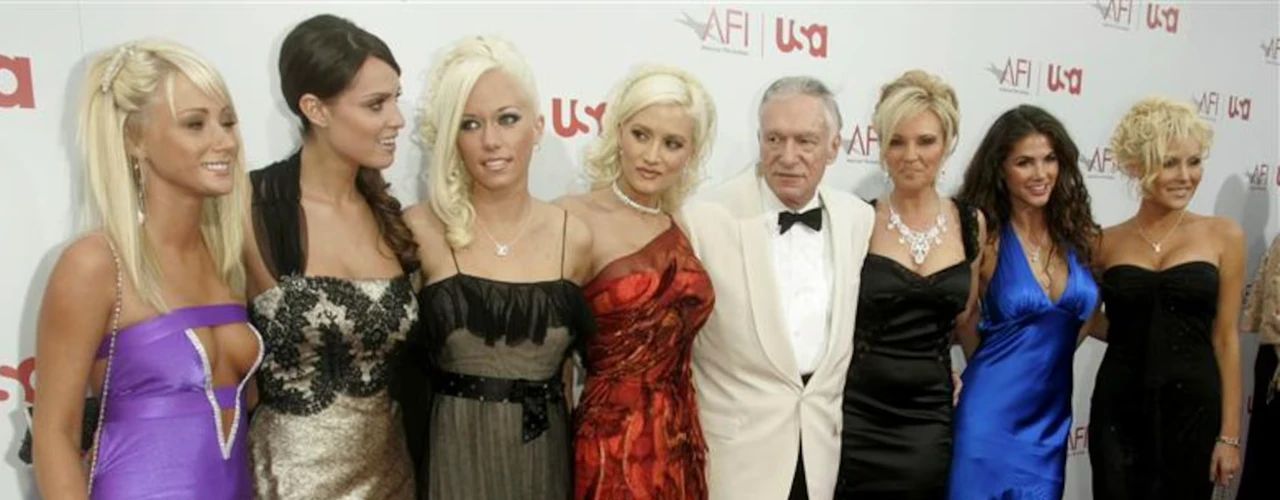
From Centerfold to Stardom
The story of Playboy and Hollywood is more than a tale of glamour—it’s a story of transformation. The Playmates who stepped off the pages and into the spotlight carried with them a message that was both bold and inspiring: confidence is the real currency of stardom.
And that’s why, decades later, the allure of the Playmate still shines just as brightly under Hollywood lights.