From the very moment Playboy hit newsstands in 1953, it challenged America’s imagination. Hugh Hefner didn’t just publish a magazine—he introduced an entirely new vision of beauty, sexuality, and sophistication. Women were not presented as abstract ideals or unreachable fantasies; they were smart, captivating, and full of personality.
The Playboy woman became a cultural symbol: confident but not untouchable, glamorous yet relatable, sensual but never vulgar. The magazine helped shape modern beauty standards by celebrating women in a way that blended elegance with eroticism, intelligence with allure.
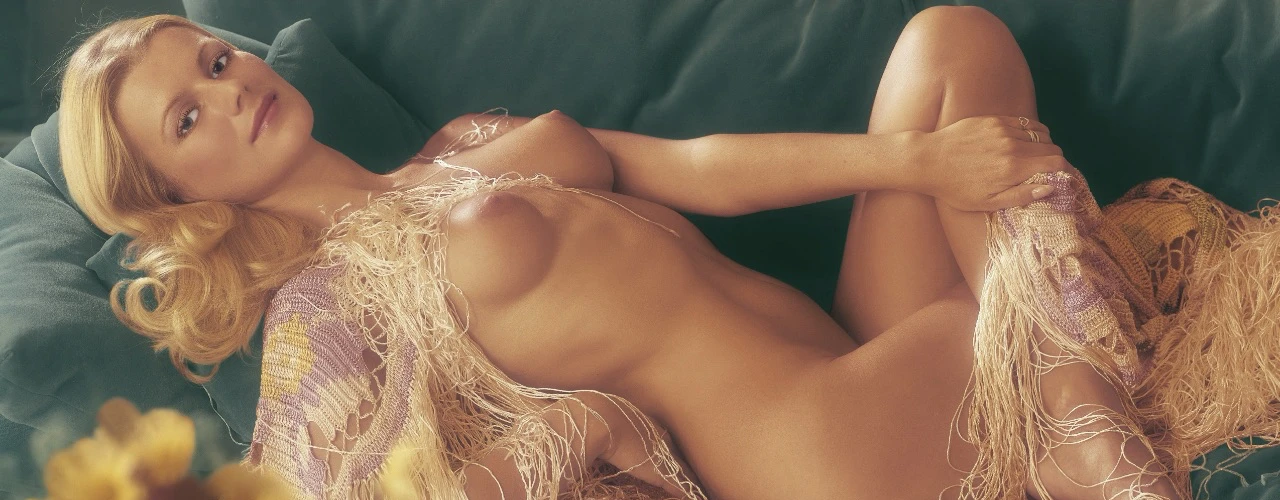
Defining the Playboy Aesthetic
The “Playboy look” evolved into a cultural marker of its own—an aesthetic so iconic that it still reverberates in pop culture today.
The signature elements?
- Soft, glowing lighting
- Natural curves emphasized through flattering angles
- Minimal retouching in the early days
- Women portrayed as both glamorous and approachable
Playmates had personalities. They had stories. They had ambitions. Hefner insisted that every pictorial capture the woman, not just her body.
This approach stood in stark contrast to earlier, stiffer forms of pin-up beauty. Suddenly, femininity wasn’t something frozen behind glass—it was alive, playful, charismatic.
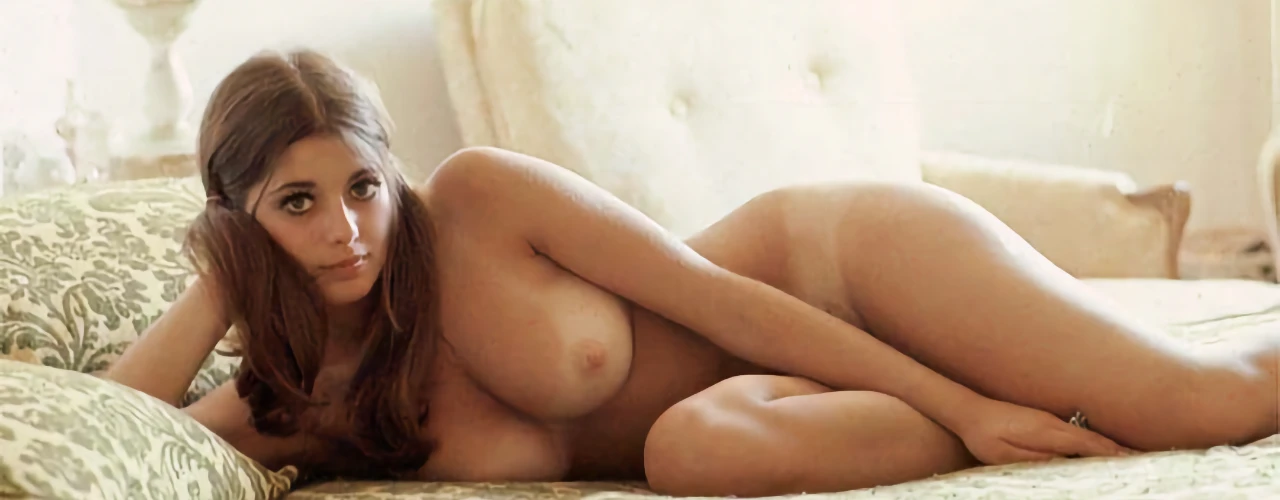
How Playboy Shaped Pop Culture
Throughout the 1960s, ’70s, and ’80s, Playboy became more than a men’s magazine—it became a cultural institution. The bunnies, the centerfolds, the interviews, the clubs: everything about the brand seeped into the fabric of America.
1. Hollywood’s Fascination with Playmates
Actresses, musicians, and celebrities celebrated the magazine because it meant glamour, prestige, and visibility. Many Playmates became icons—Pamela Anderson, Jenny McCarthy, Barbi Benton—shaping what Hollywood considered beautiful.
2. Fashion Takes Notice
From the bunny suit to the iconic lingerie looks, Playboy influenced everything from makeup trends to bedroom fashion. Designers borrowed its silhouettes; photographers mimicked its lighting; models emulated its poses.
3. Music, TV, and Film
Rockstars referenced Playboy in lyrics, sitcoms parodied the Mansion, and films used the centerfold as a symbol of fame and fantasy. The magazine didn’t follow culture—culture followed it.
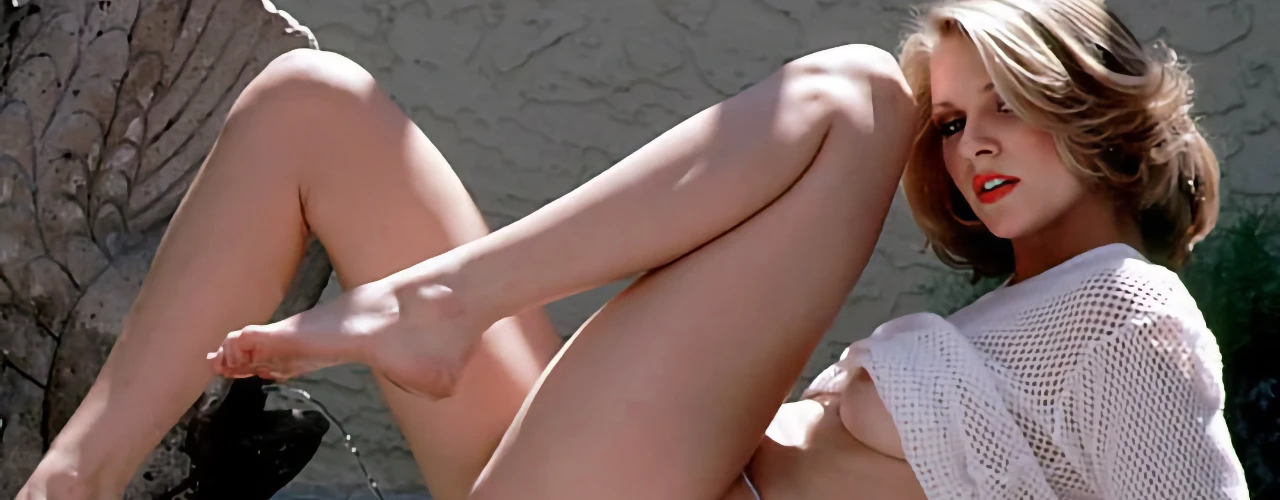
A New Definition of Beauty
Playboy didn’t create the idea of a glamorous woman—but it reshaped her. By the 1970s, curvier figures, natural beauty, and expressive femininity became widely embraced. The centerfold’s approachable allure resonated with readers because she felt real, human, and full of personality.
Hefner insisted that beauty could be many things:
- Blonde bombshell
- Brunette intellectual
- Small-town girl
- College student
- Future actress
The diversity of looks—within the magazine’s aesthetic—helped broaden what the American public viewed as desirable.
The Legacy in the Modern Era
The world may have moved into digital screens and social platforms, but Playboy’s influence still lingers everywhere—on Instagram photography styles, fashion styling, glamour shoots, and even OnlyFans aesthetics.
Today’s influencers mirror the Playboy combination of glamour + personal storytelling. Modern beauty standards—celebrating confidence, sensuality, and personality—owe a quiet but unmistakable debt to Hefner’s philosophy.
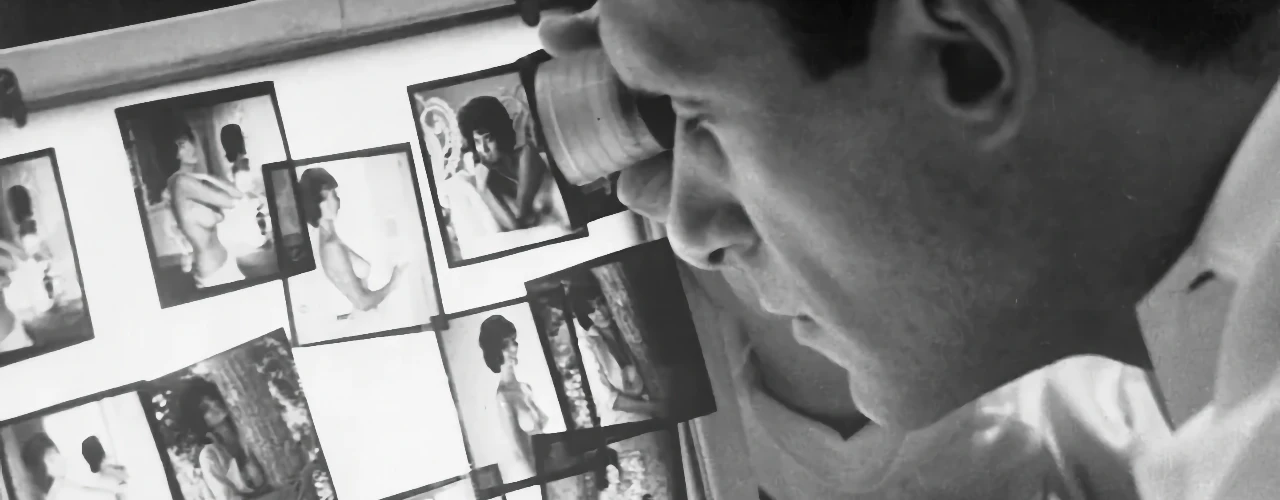
Playboy’s Lasting Impact
More than a magazine, Playboy was a cultural mirror—reflecting and reshaping ideas about beauty, sexuality, and femininity. Its legacy lives on in every glowing photoshoot, every confident pose, every celebration of sensual individuality.
Playboy didn't just influence beauty.
It liberated it.