Simonetta Stefanelli Bio
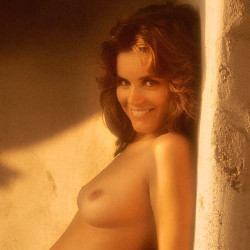
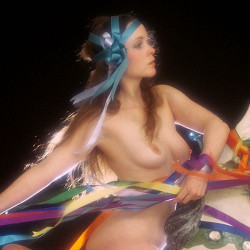
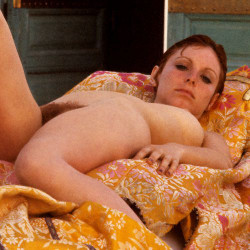
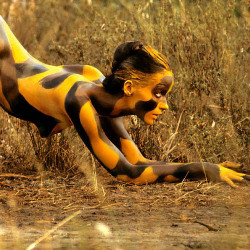
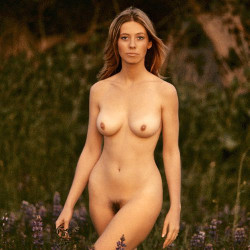
Simonetta Stefanelli is an Italian Entrepreneur, fashion designer and actress. She was born on November 30, 1954, in Rome, Italy. She appeared as a Playboy Muse in March 1974 at 19. Her appearance came during Playboy's 1970s print era, when the magazine reached the height of its mass-market influence.
Stefanelli has natural breasts, brown eyes and black hair. Her measurements are 33-25-36.
Simonetta Stefanelli came to Playboy already carrying one of the most memorable screen identities of the early 1970s. International audiences knew her as Apollonia Vitelli-Corleone, Michael Corleone’s young Sicilian bride in Francis Ford Coppola’s The Godfather. Her brief appearance in the 1972 film proved remarkably durable, and Playboy’s March 1974 feature played directly on that recognition, introducing its photographs with the teasing promise that Al Pacino’s “unlucky bride” had come back to life.
The Godfather became the role most closely associated with Stefanelli, but it was only one chapter of her acting career. She continued working in European film and television, with credits including Moses the Lawgiver, Scandal in the Family and Three Brothers. Her work moved between popular entertainment and more serious dramatic material, allowing her to build a screen career that extended well beyond the fame of a single Coppola scene.
Stefanelli eventually stepped away from acting. Her final film appearance came in 1992 with Le amiche del cuore, also known as Close Friends, directed by her then-husband Michele Placido. Rather than pursuing further screen roles, she redirected her creative instincts toward fashion and established Simo Bloom, a boutique in Rome where she designed accessories including handbags and shoes.
Her retreat from acting did little to diminish the enduring fascination surrounding her. In 2006 and again in 2008, false reports circulated online claiming that Stefanelli had died—rumors that spread widely enough to require correction. The episodes were an odd reminder of how firmly her image remained embedded in popular memory decades after she had left the screen.
For Playboy, Stefanelli represented a particularly elegant kind of crossover: an actress whose fame rested on one of cinema’s defining films, appearing in the magazine at a moment when that performance was still fresh in the public imagination. What followed was a much broader life than the Apollonia role suggested—European film work, a deliberate departure from acting, and a second creative career in fashion.