Sharon Tate Bio
Sharon Tate was an American Actress and model. Born Sharon Marie Tate on January 24, 1943, in Dallas, Texas, she has also been credited as Sharon Marie Tate Polanski. She appeared in Playboy in March 1967 at 24, adding the feature to her public career. Her appearance came during the 1960s, as Playboy grew into a major force in American magazine publishing.
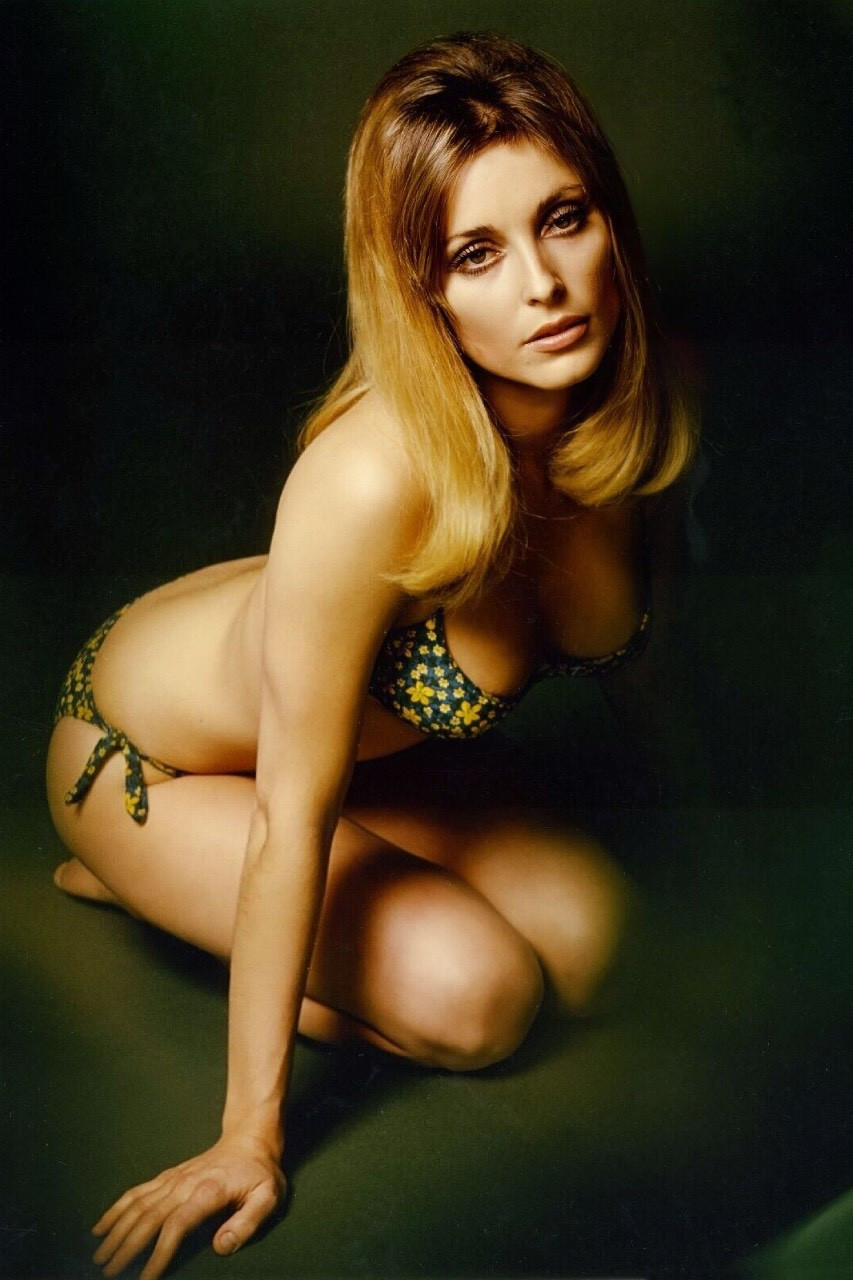
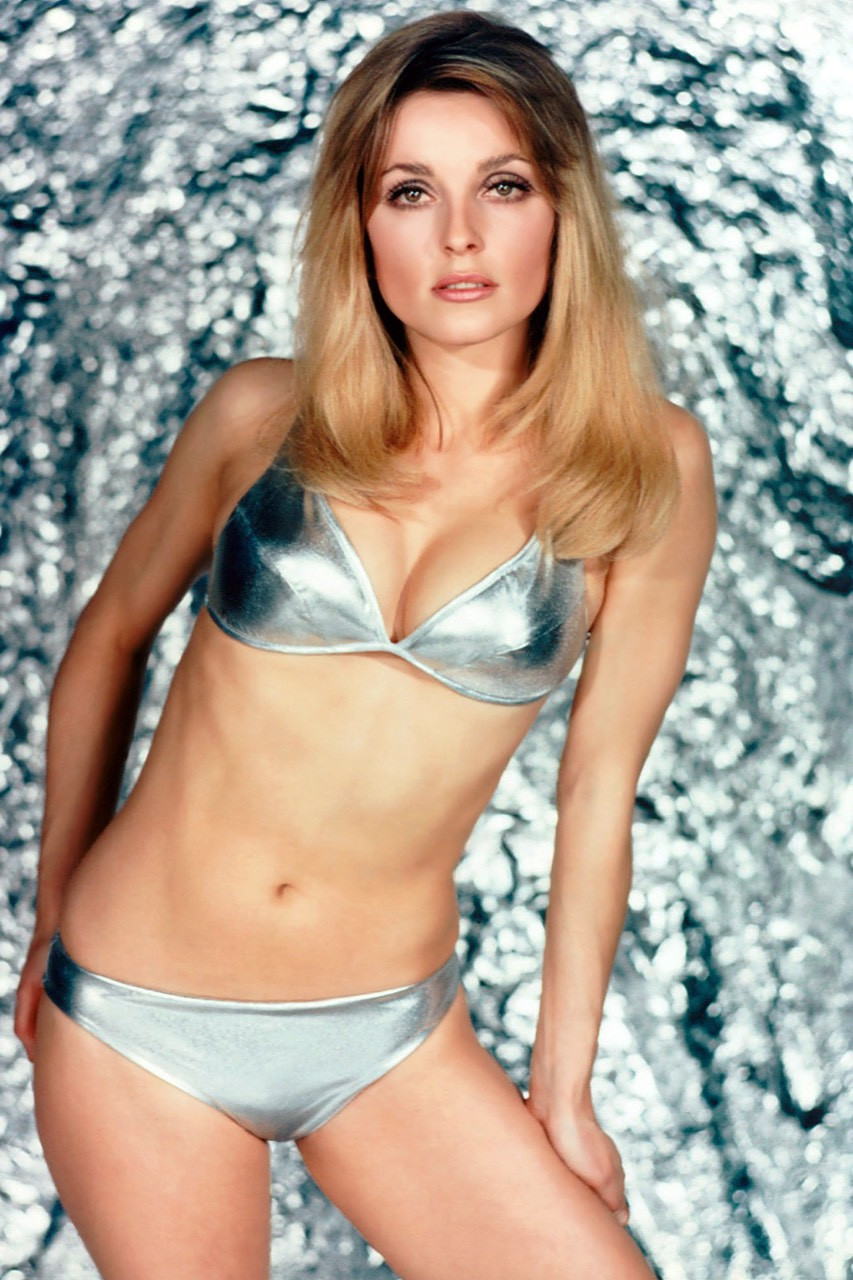
Tate had natural breasts, brown eyes and blond hair. Her measurements are 34-23-35.
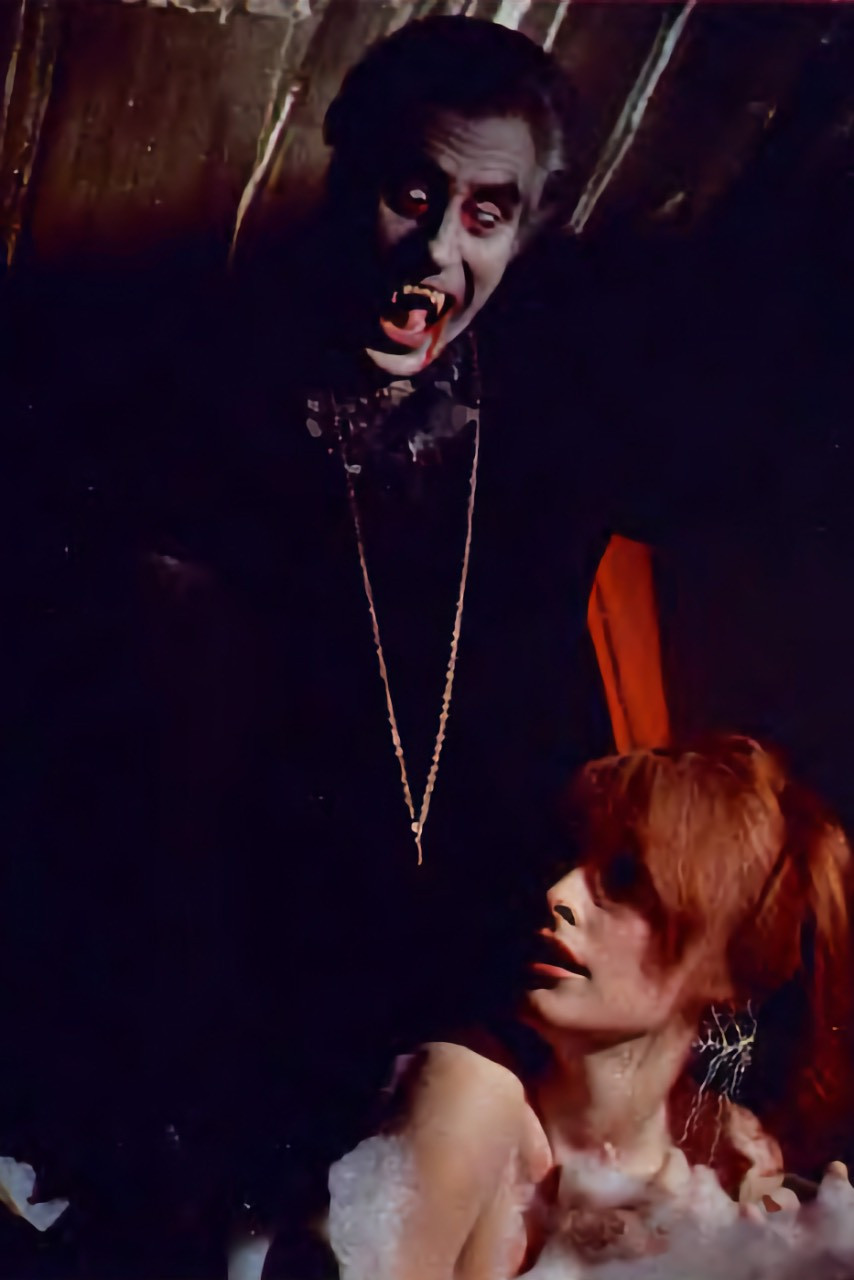
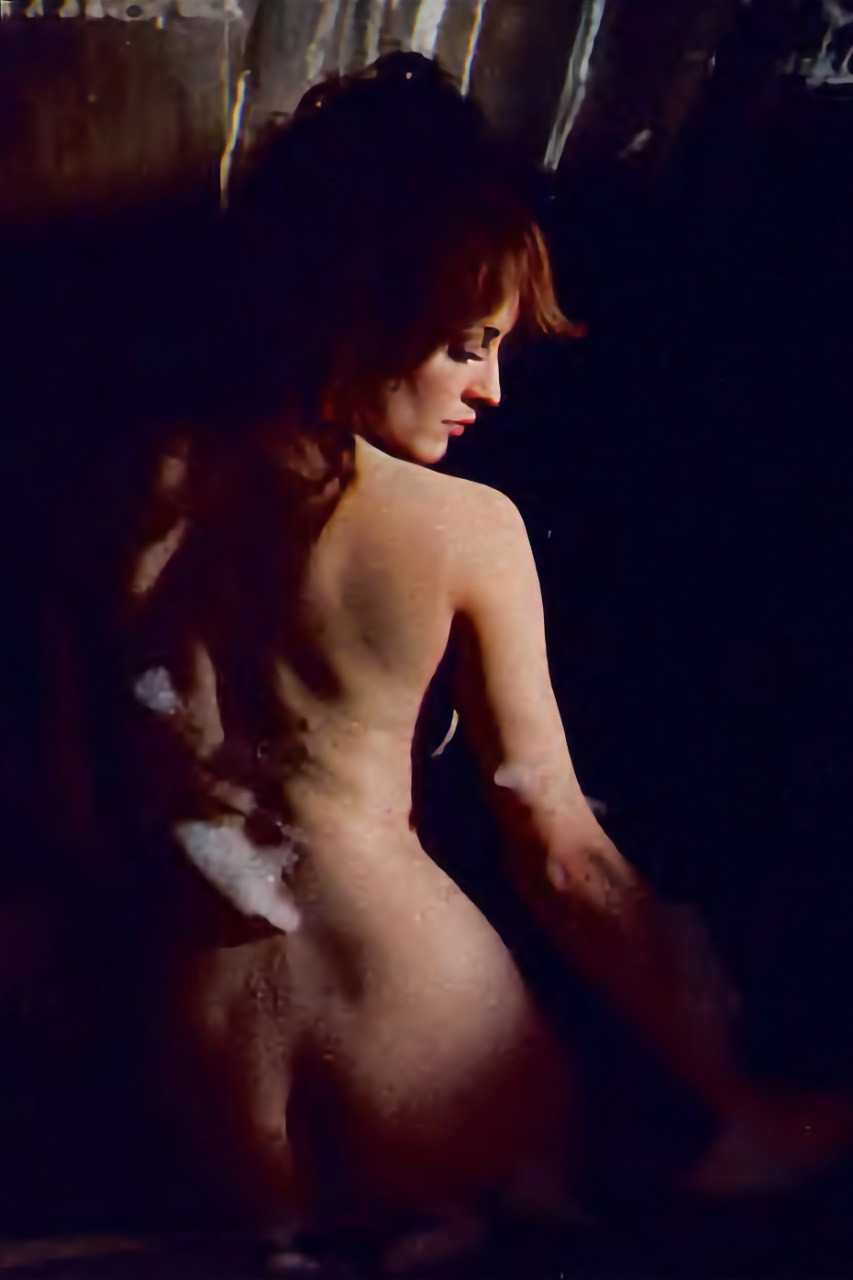
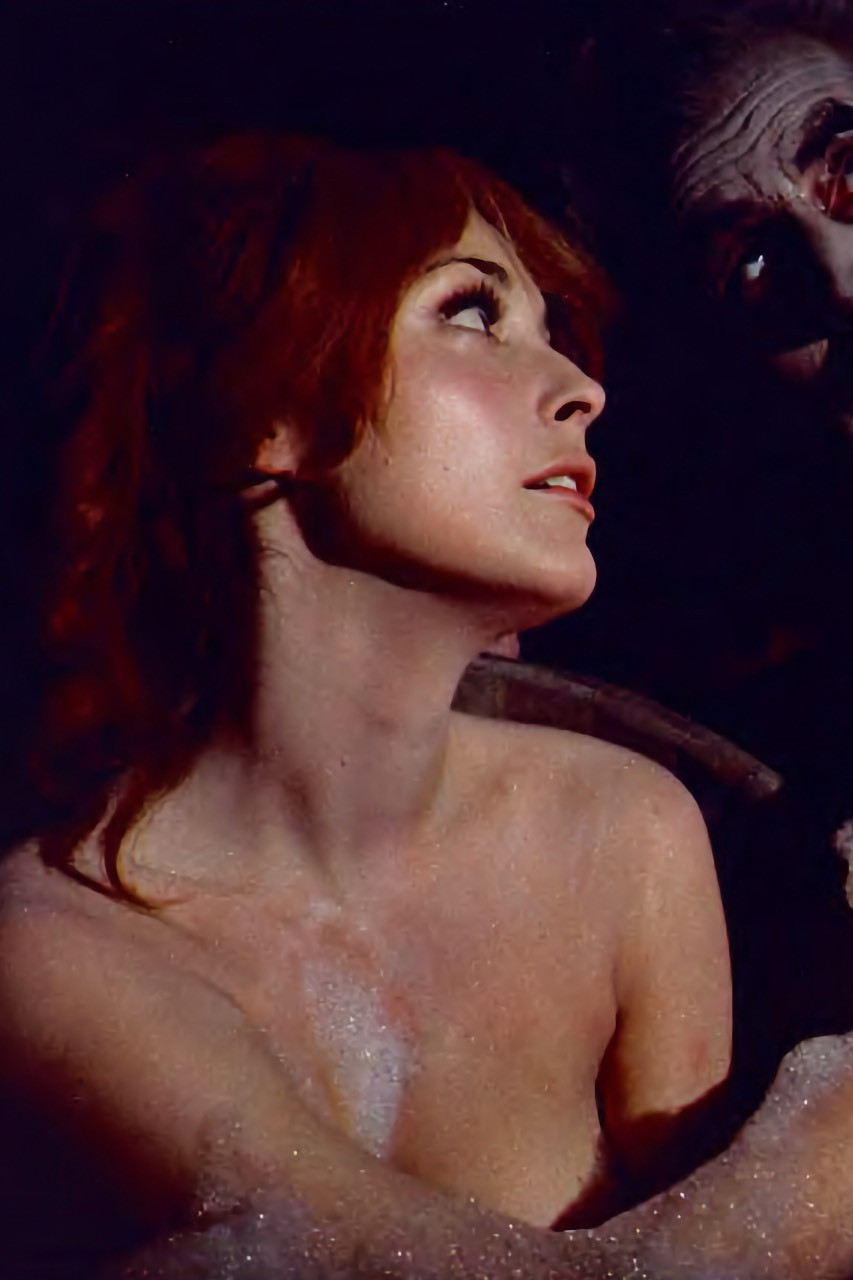
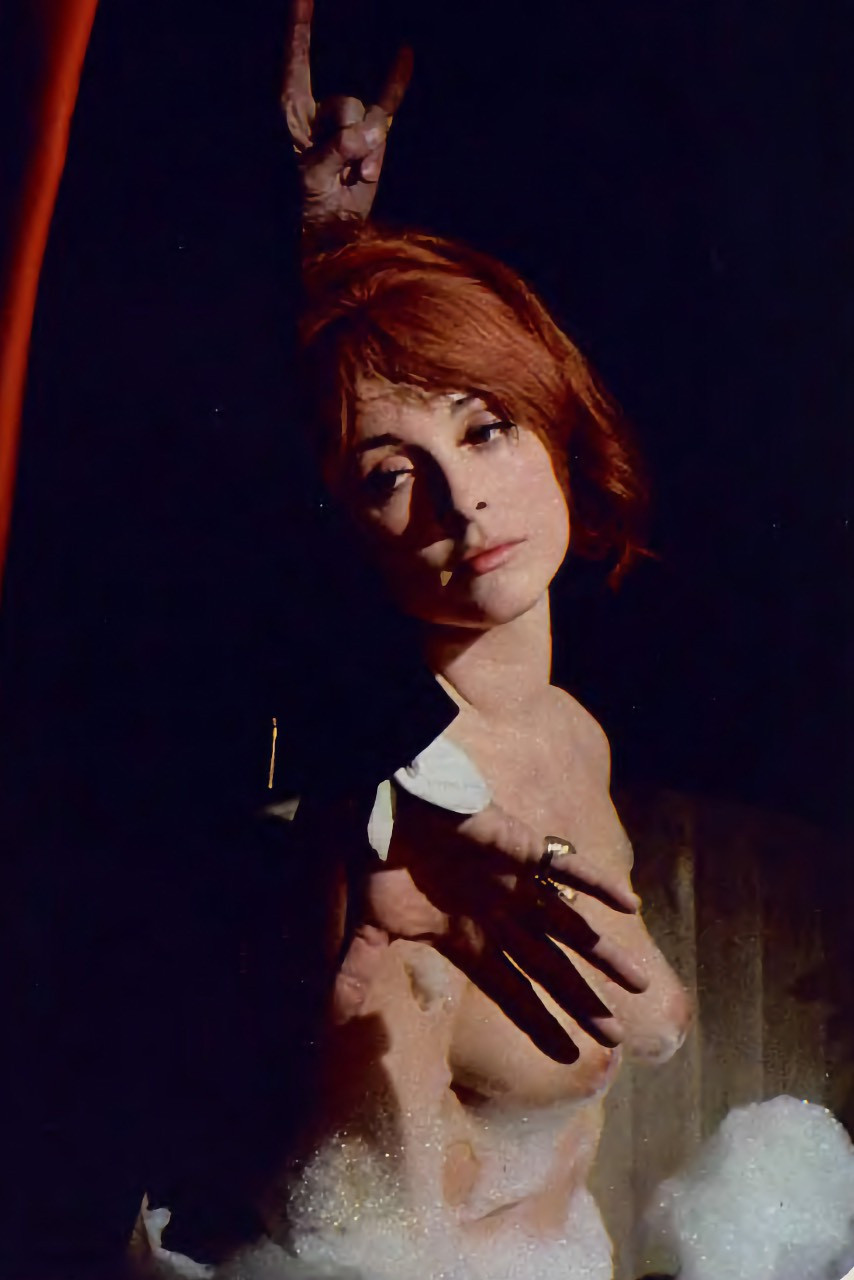
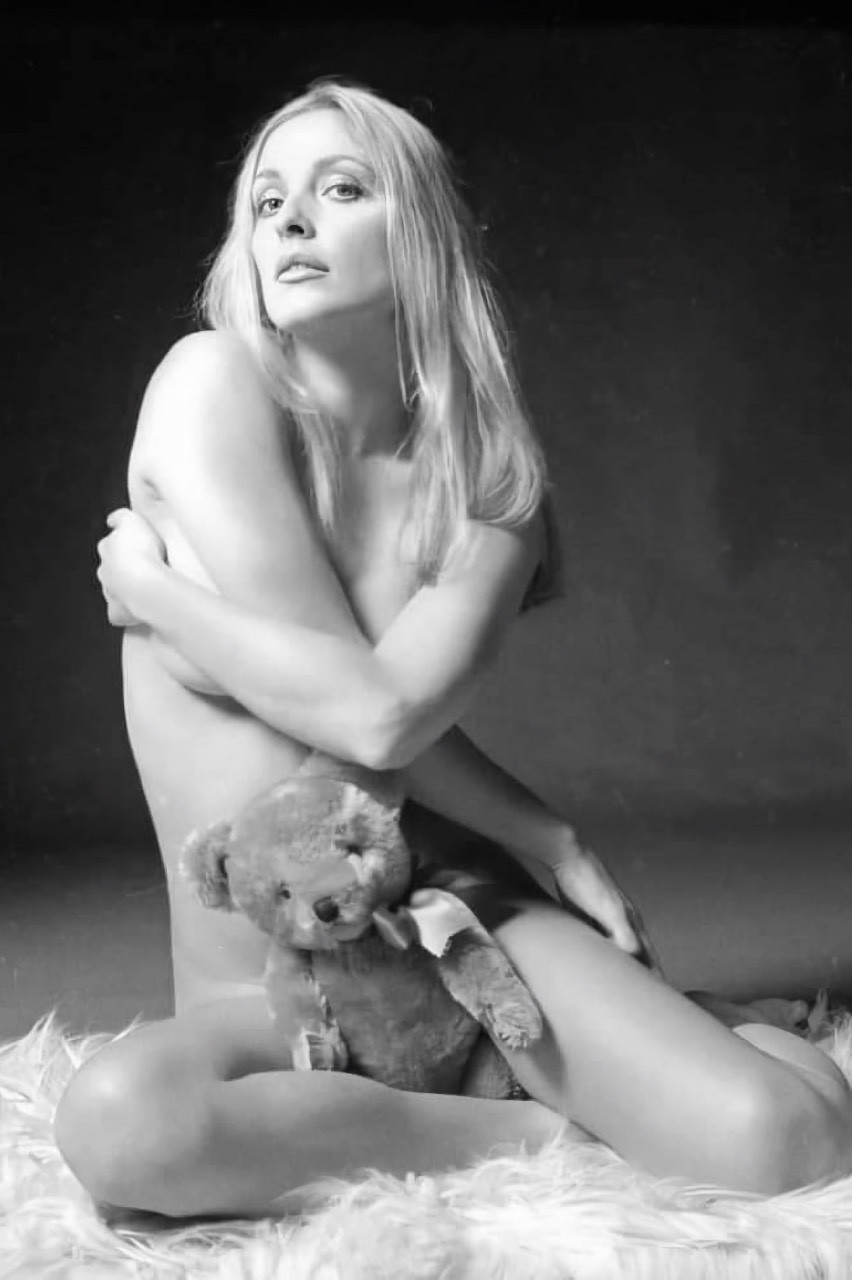
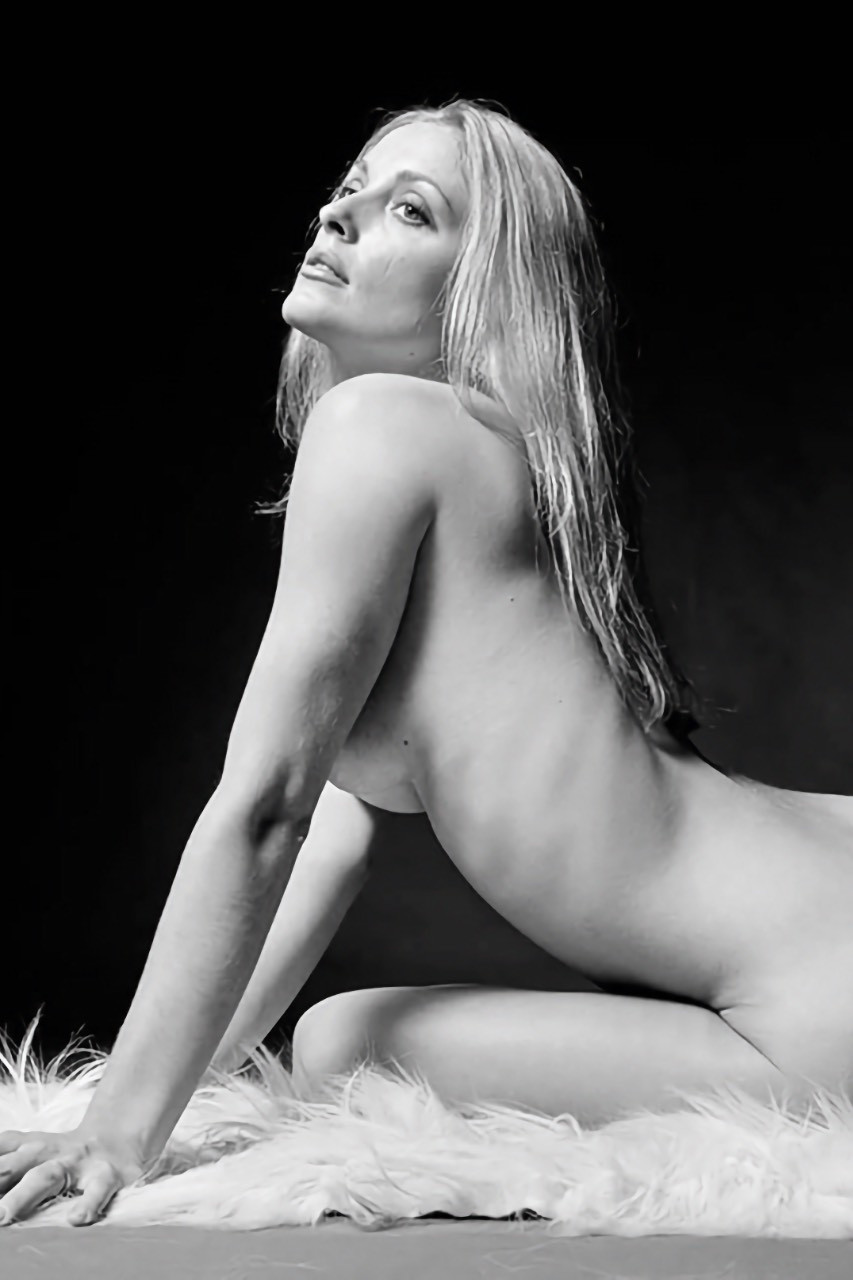
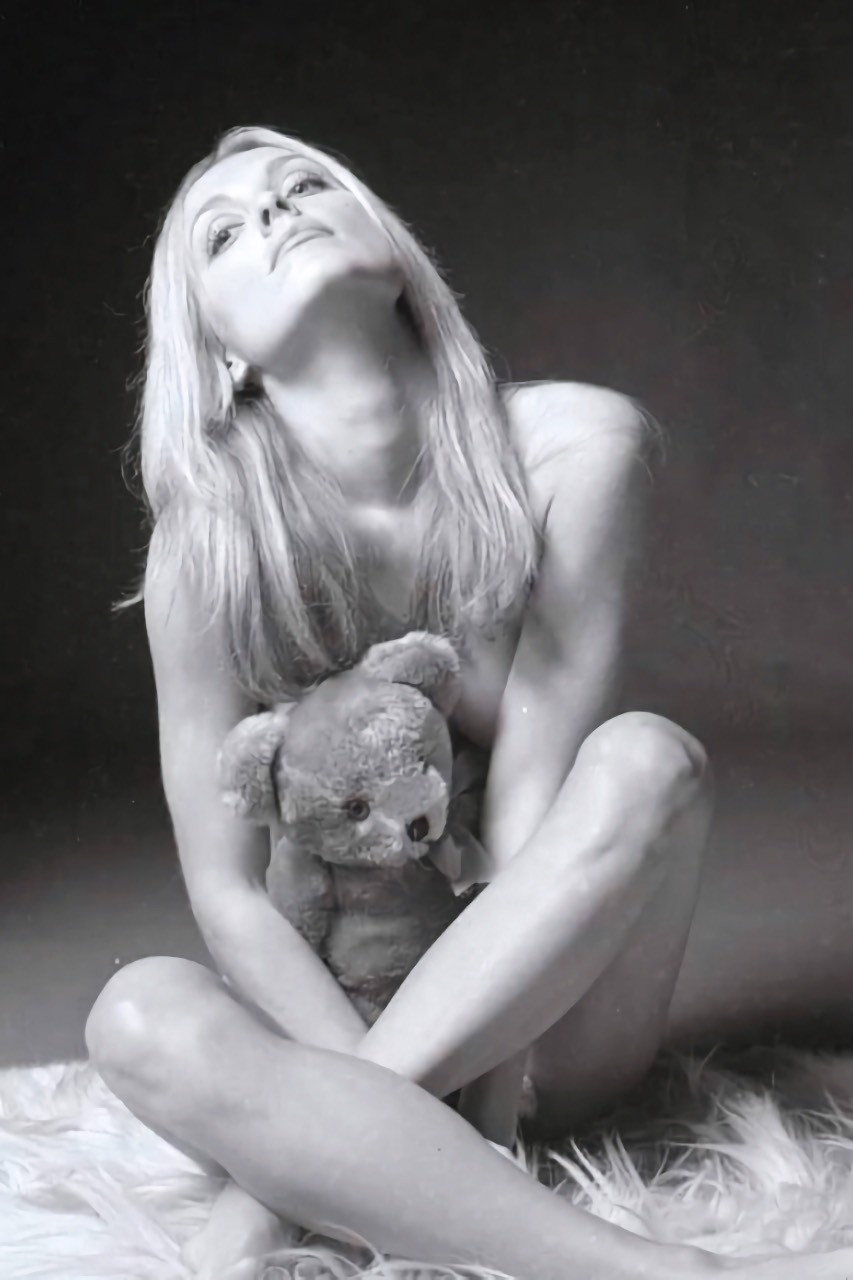
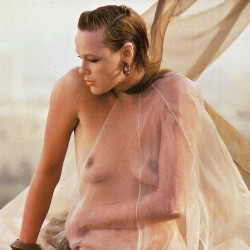
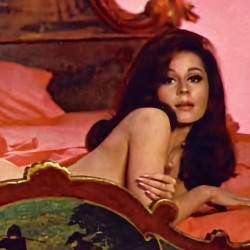
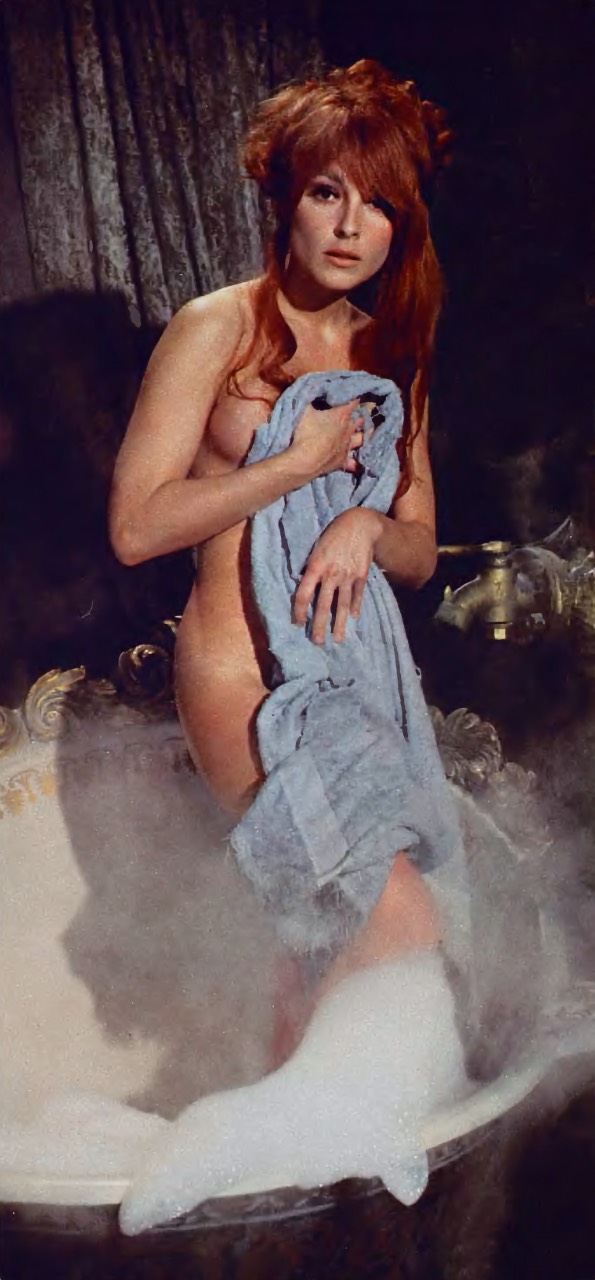
Sharon Tate appeared in Playboy’s March 1967 issue in “The Tate Gallery,” a four-page celebrity pictorial photographed by Roman Polanski during the production of The Fearless Vampire Killers. The session blended playful gothic atmosphere with the fresh, natural glamour that defined Tate’s public image. She was not a Playmate, but an emerging actress presented as one of Hollywood’s most promising discoveries. Published before she and Polanski married, the feature captured their developing creative relationship as well as a pivotal year in her rapid ascent.
Tate had entered the film world through uncredited appearances, including a brief part in Barabbas, before producer Martin Ransohoff placed her under contract. She developed her experience through advertisements and television roles on programmes such as Mister Ed and The Beverly Hillbillies. Rather than rushing her into a major production, Ransohoff allowed her to become comfortable before the camera, gradually preparing her for the transition from decorative television appearances to substantial dramatic work.
Her first important film role came in Eye of the Devil, opposite Deborah Kerr and David Niven. Tate’s mysterious, almost otherworldly presence made her particularly effective in the supernatural thriller. She then revealed a lighter and more mischievous side in The Fearless Vampire Killers, playing the innkeeper’s daughter pursued through a snowy landscape by Polanski’s nervous young hero. Playboy’s photographs grew directly from that production, preserving the combination of innocence, humour and sensuality that made her screen personality distinctive.
Valley of the Dolls transformed Tate into a major public figure. As Jennifer North, the beautiful performer painfully aware that the entertainment industry values her appearance above her humanity, she brought vulnerability to a role that carried uncomfortable parallels with the pressures surrounding her own career. Although the film received harsh reviews, it became a commercial success and later a cult classic. Tate’s performance earned her a Golden Globe nomination for New Star of the Year, confirming the industry’s belief in her potential.
Tate continued exploring comedy and action in Don’t Make Waves and The Wrecking Crew, while her final completed film, 12+1, was released after her death. Her murder in August 1969 ended a career that had only begun to reveal its range, often causing the circumstances of her death to overshadow the living artist. The March 1967 Playboy pictorial offers a different remembrance: Sharon Tate as a spirited young actress at the beginning of an extraordinary moment, playful before the camera and poised for a future that Hollywood already seemed eager to give her.