Jane Fonda Bio
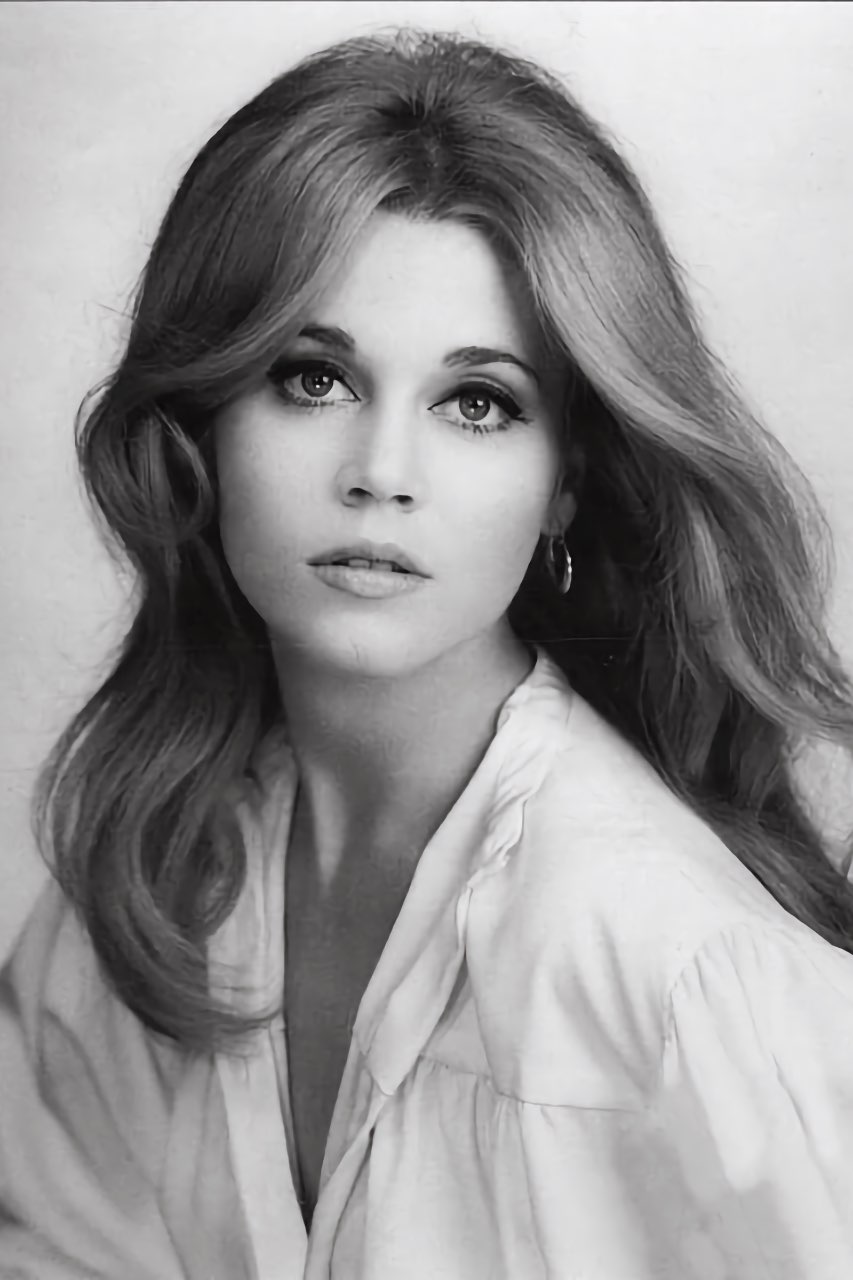
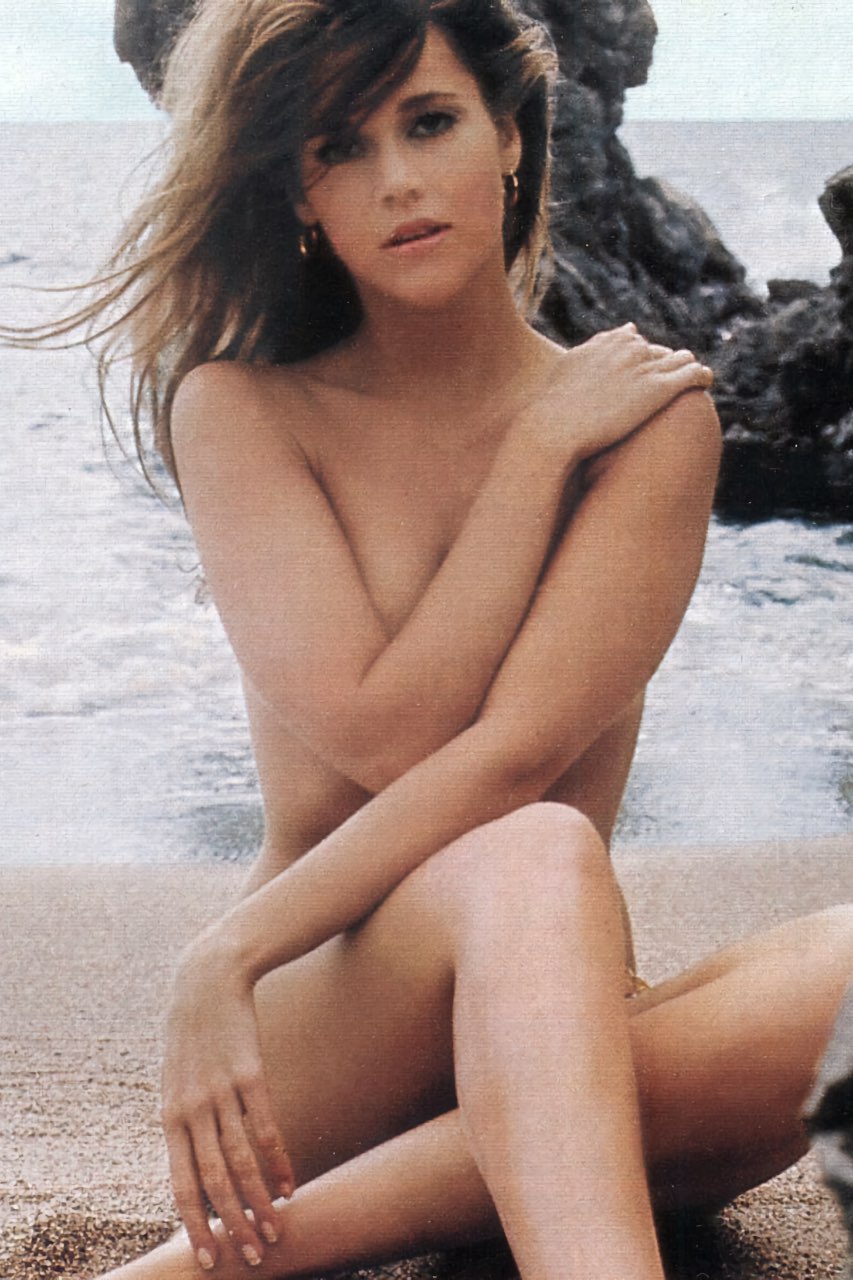
Jane Fonda is an American Actress and activist. Born Jane Seymour Fonda on December 21, 1937, in New York City, New York, she has also been credited as Jane S. Plemiannikov. She appeared in Playboy in August 1966 at 28, adding the feature to her public career. Her appearance came during the 1960s, as Playboy grew into a major force in American magazine publishing.
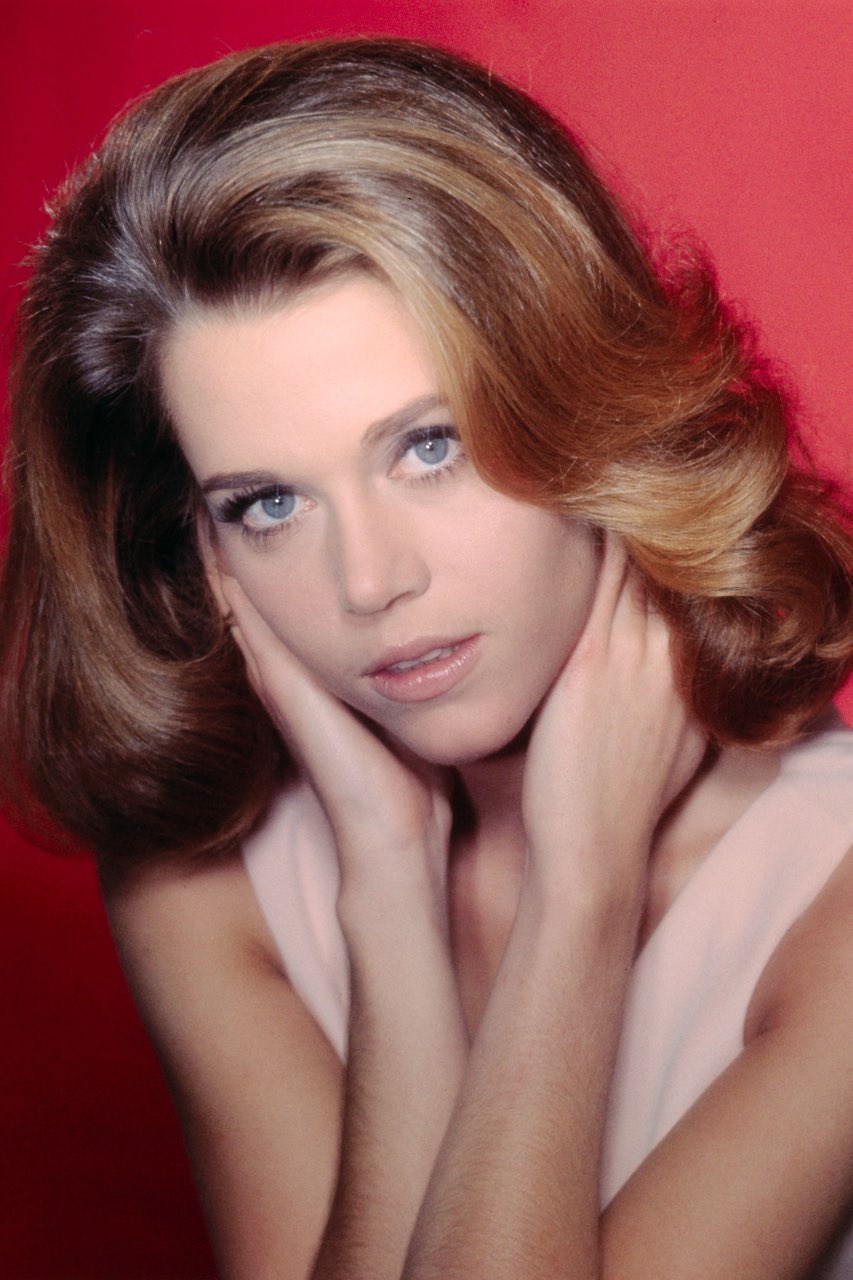
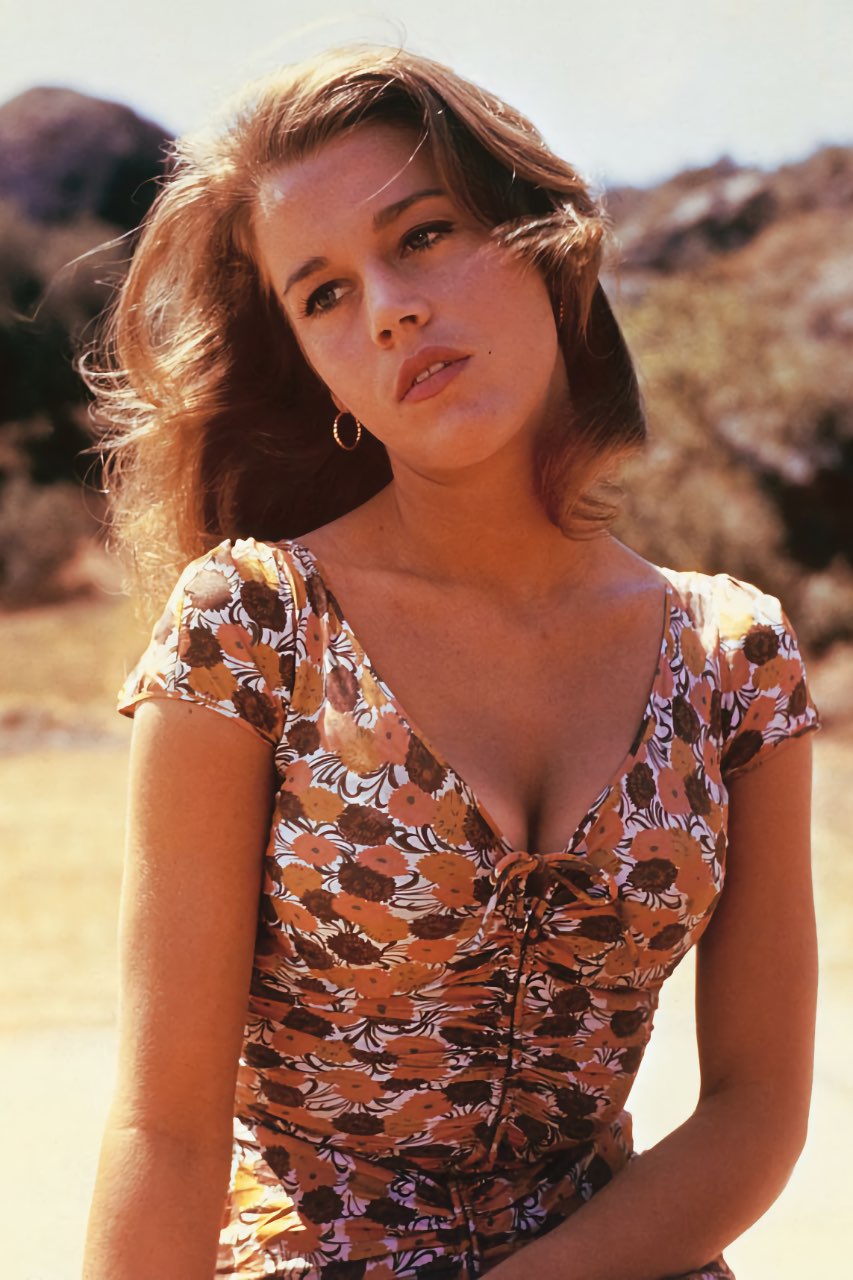
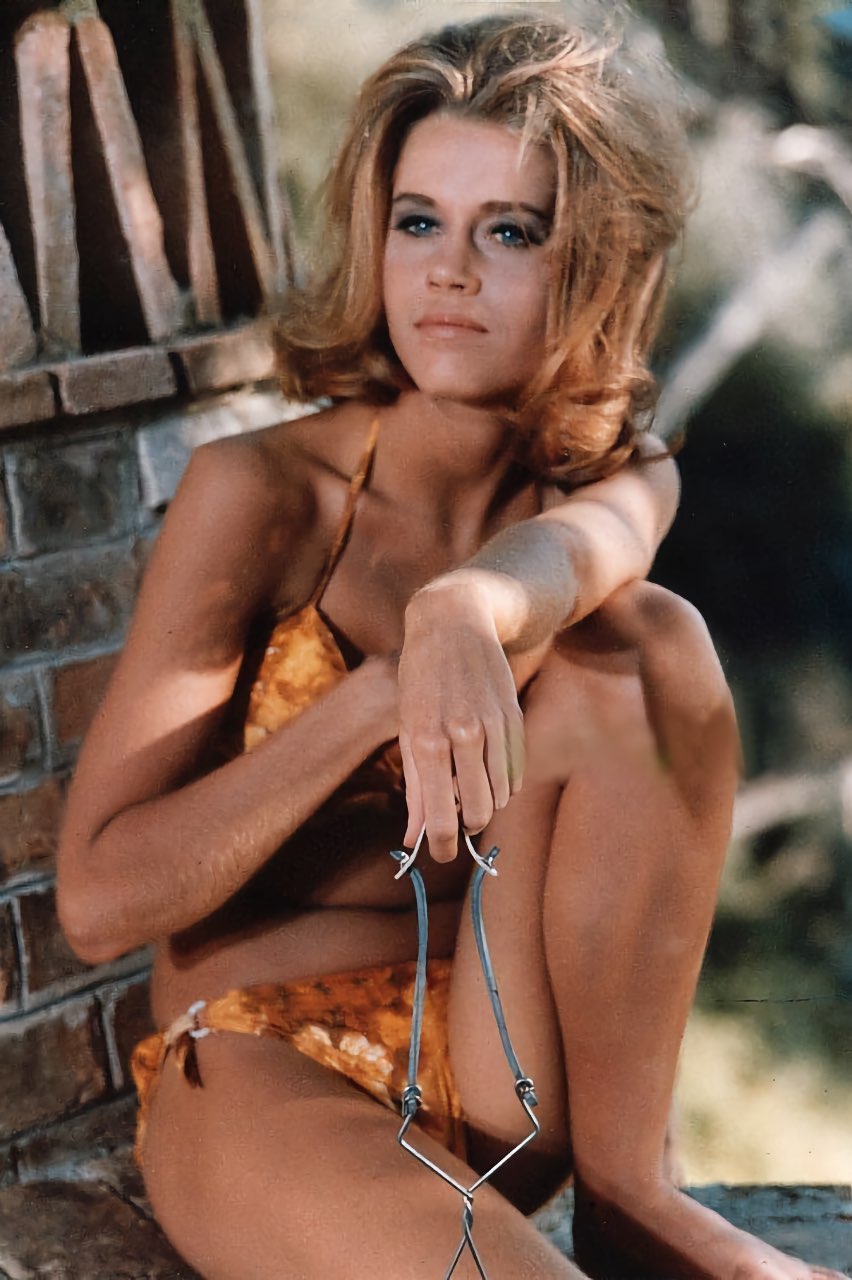
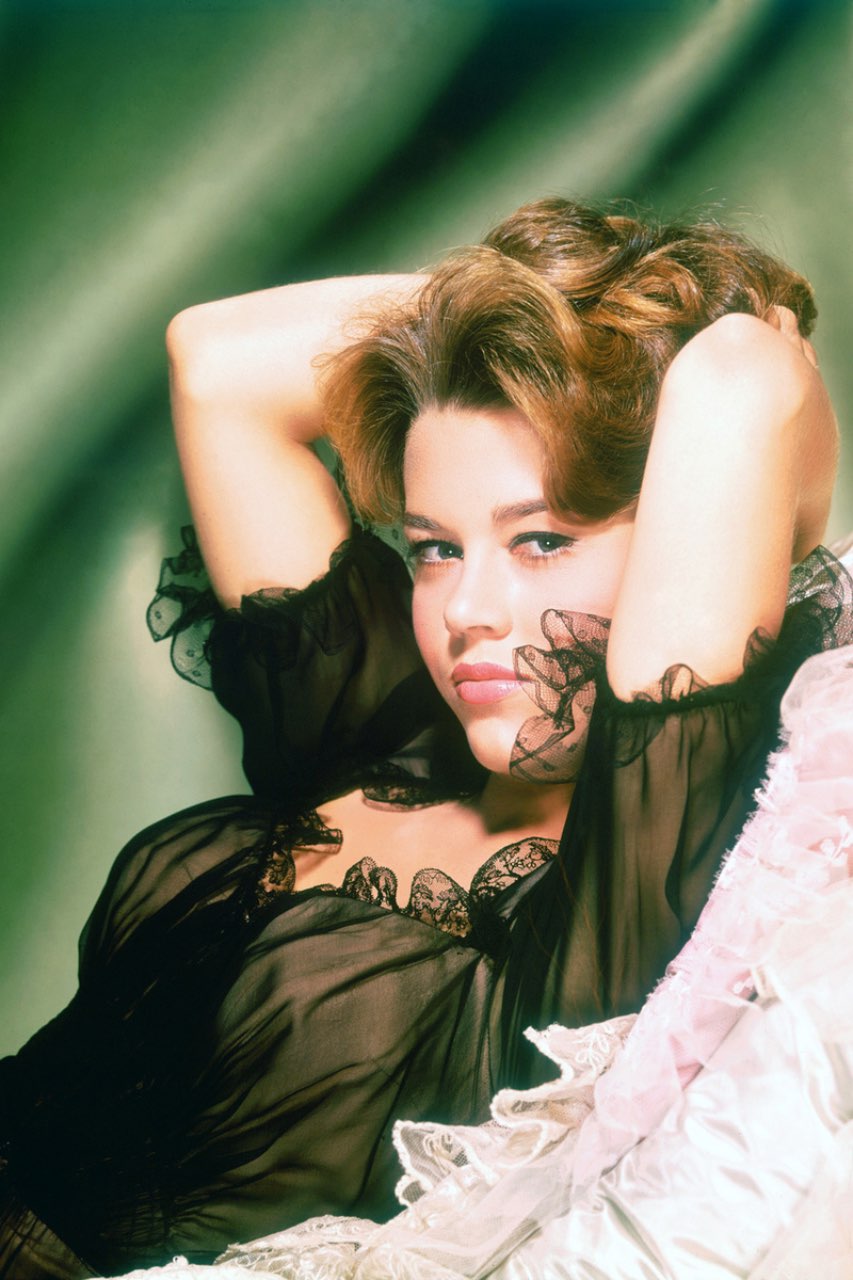
Fonda has natural breasts, blue eyes and blond hair. Her measurements are 33-24-35.
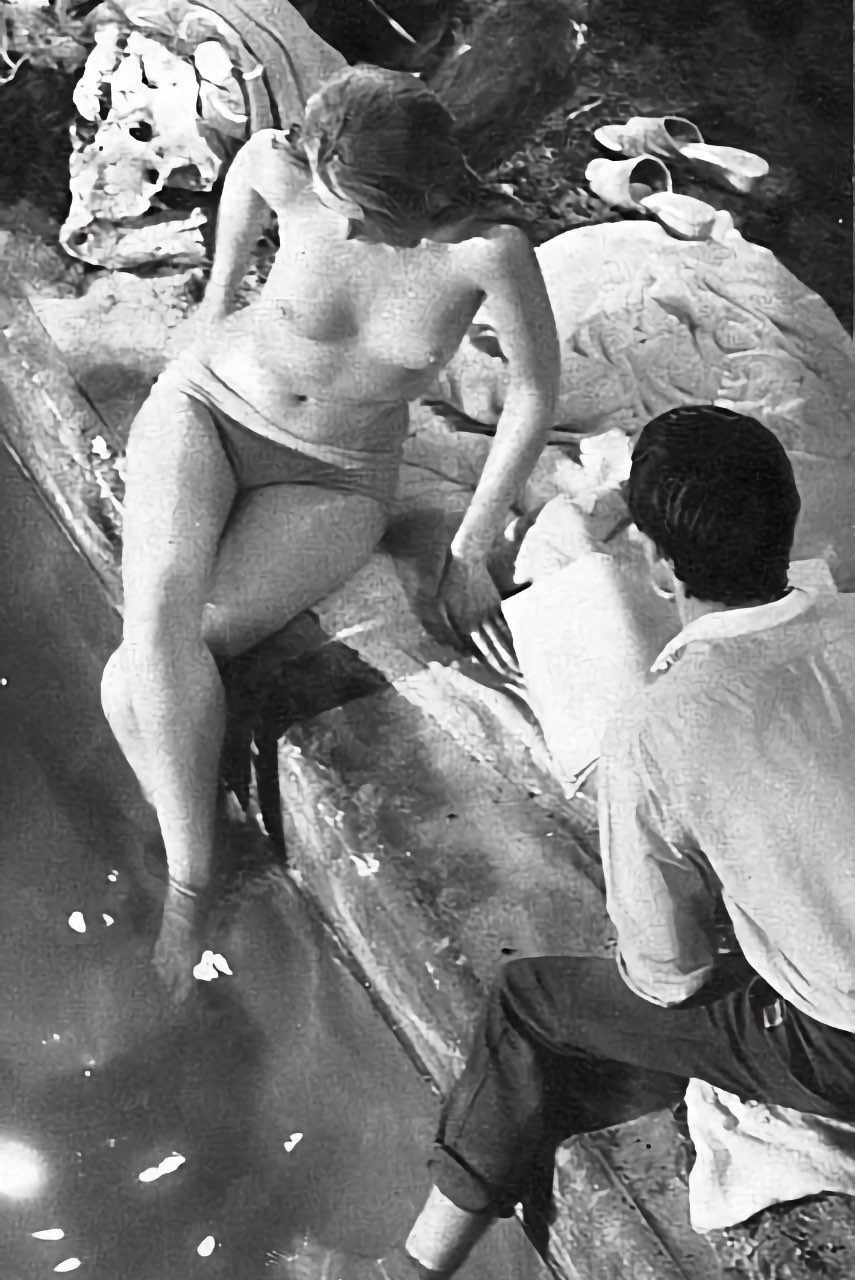
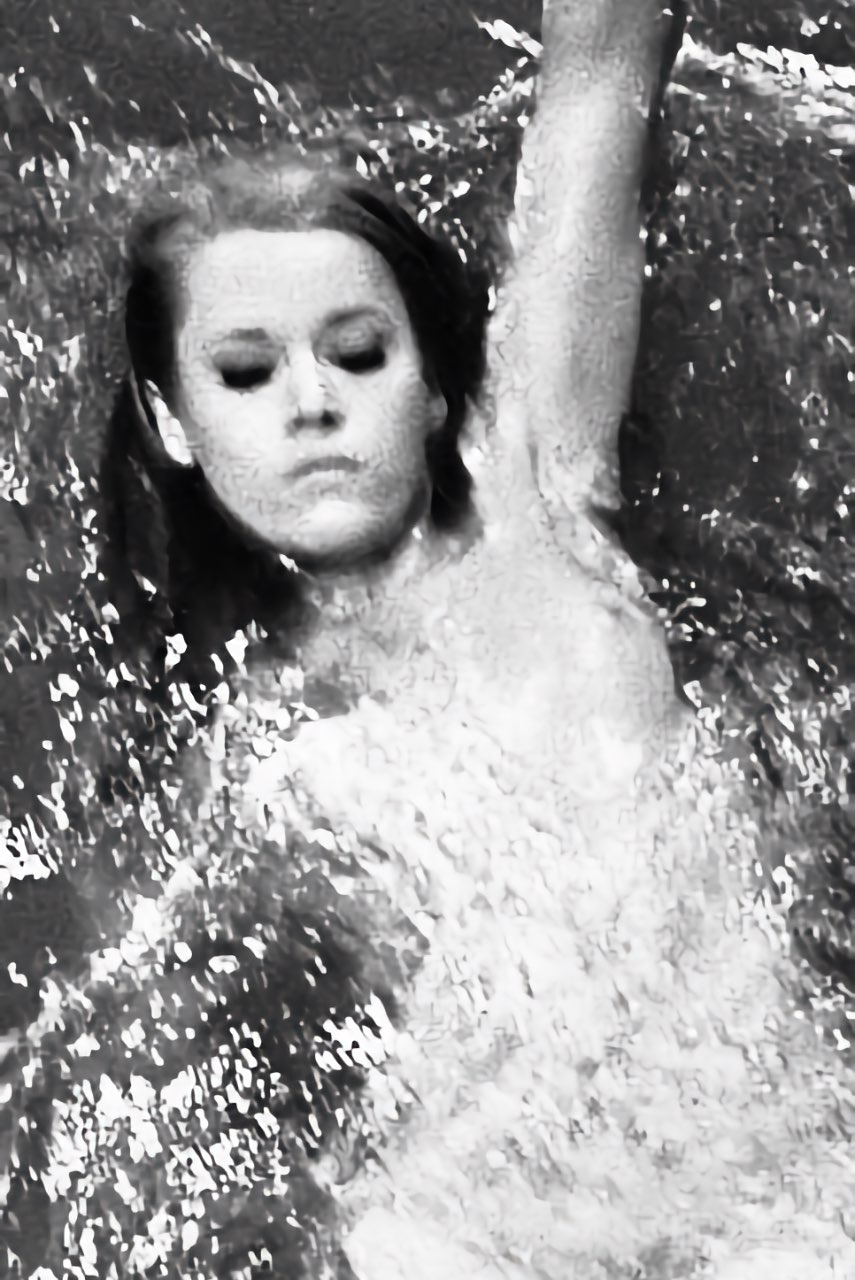
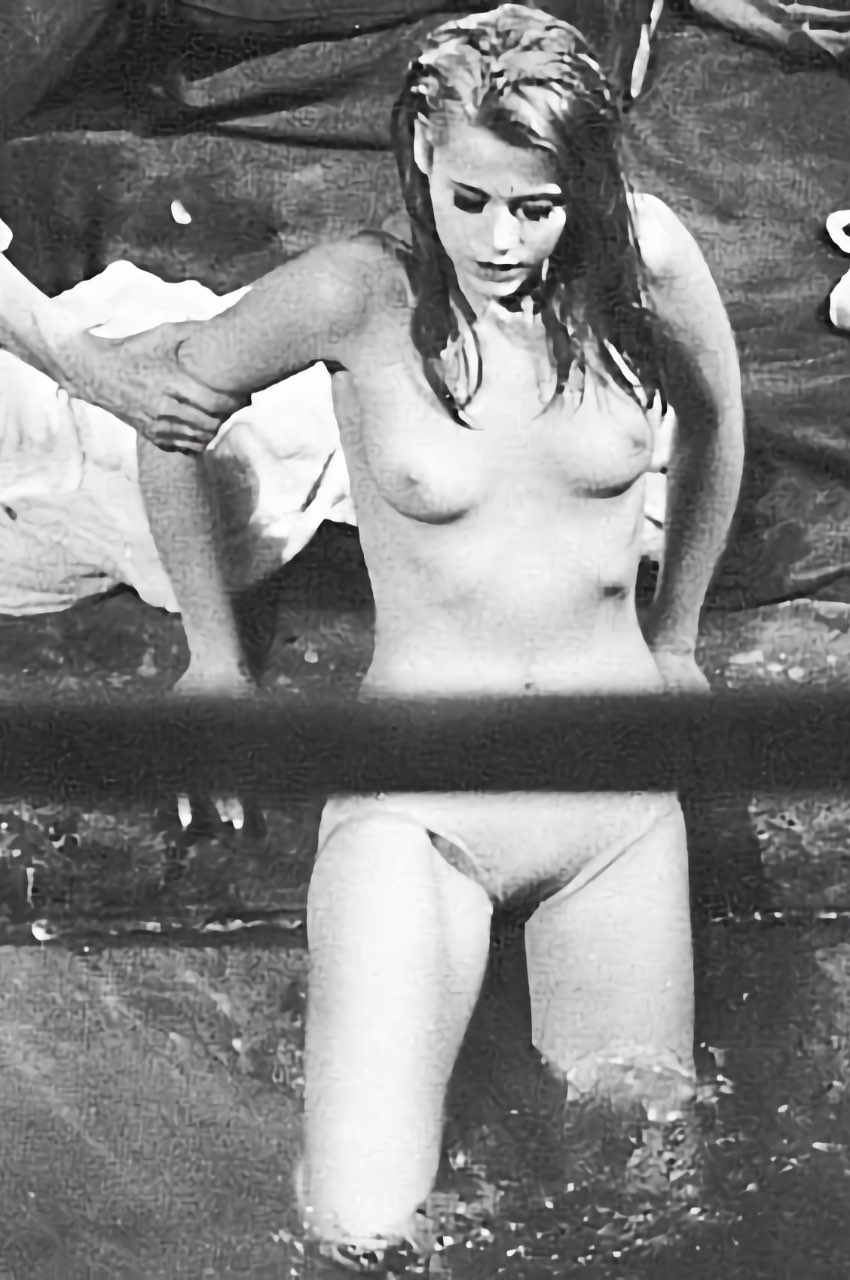
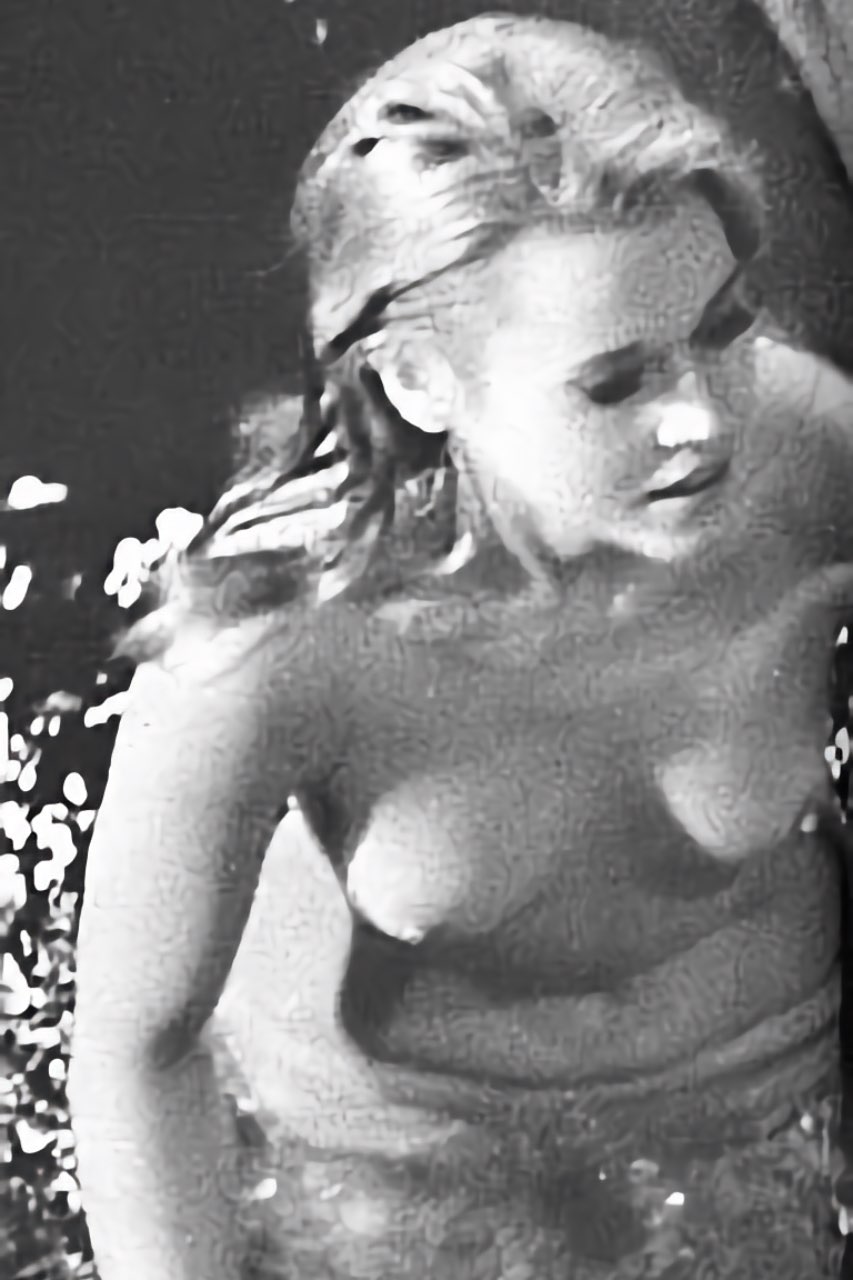
Jane Fonda appeared in Playboy’s August 1966 issue in a feature titled “Jane Fonda in the Buff,” published while she was starring in Roger Vadim’s French drama The Game Is Over, originally titled La Curée. Unlike a conventional celebrity pictorial, the photographs were not created with Fonda’s informed cooperation. They had been secretly taken during intimate scenes on a closed film set and subsequently sold to the magazine. Fonda did not authorise the feature and promptly filed a lawsuit over its publication.
By then, Fonda had already progressed far beyond the expectations attached to being Henry Fonda’s daughter. After establishing herself on Broadway, she made her screen debut in Tall Story and demonstrated increasingly confident comic and dramatic instincts in Walk on the Wild Side, Sunday in New York and Cat Ballou. Her move to France and professional relationship with Vadim encouraged a more European screen image, combining modern fashion, emotional freedom and an increasingly adventurous choice of roles.
The Playboy episode therefore should not be interpreted as a carefully planned declaration of independence. Fonda later recalled that the set had been cleared and that she trusted Vadim to protect the material during editing, only to discover that a photographer had concealed himself above the set. Her decision to take legal action made the issue one of consent and privacy rather than prudishness. The photographs may have reinforced her growing reputation as a sex symbol, but they did so on terms she had neither selected nor approved.
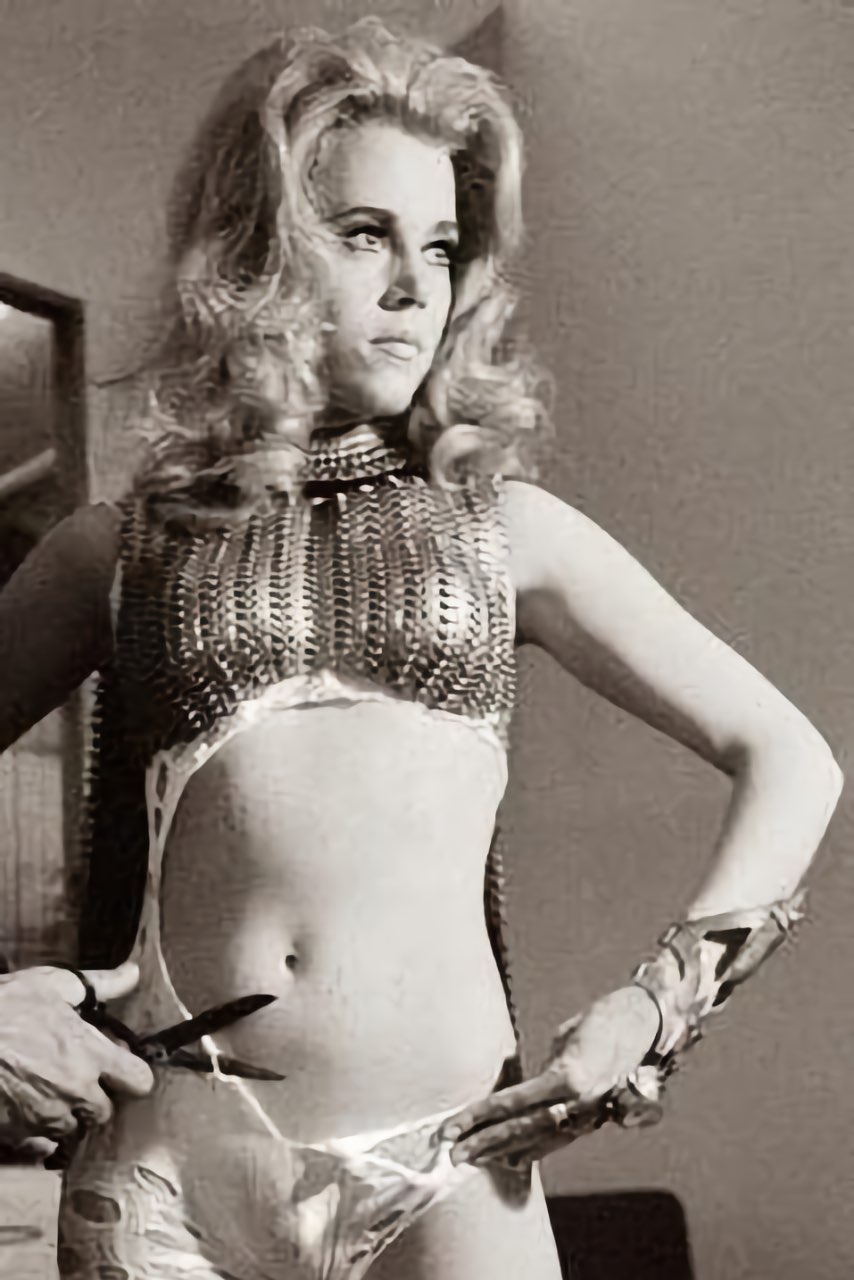
Fonda soon gained greater command over both her performances and public image. Barbarella made her a lasting pop-cultural icon, while They Shoot Horses, Don’t They? revealed the severity and emotional intelligence beneath her glamour. She won Academy Awards for Klute and Coming Home and strengthened her influence through films such as The China Syndrome, Nine to Five and On Golden Pond, several of which she also helped produce. Her later reinvention as a fitness entrepreneur demonstrated the same ability to recognise cultural change and place herself decisively within it.
Her activism became equally central to her identity. Fonda’s opposition to the Vietnam War made her one of America’s most controversial celebrities, but she continued using her platform to support civil rights, women’s empowerment, reproductive health and environmental action. Her August 1966 Playboy appearance remains a revealing but uncomfortable early chapter in that journey. It captured Hollywood’s eagerness to exploit her image, while her response anticipated the woman she would become: outspoken, politically engaged and increasingly determined to control the meaning of her own body, career and voice.