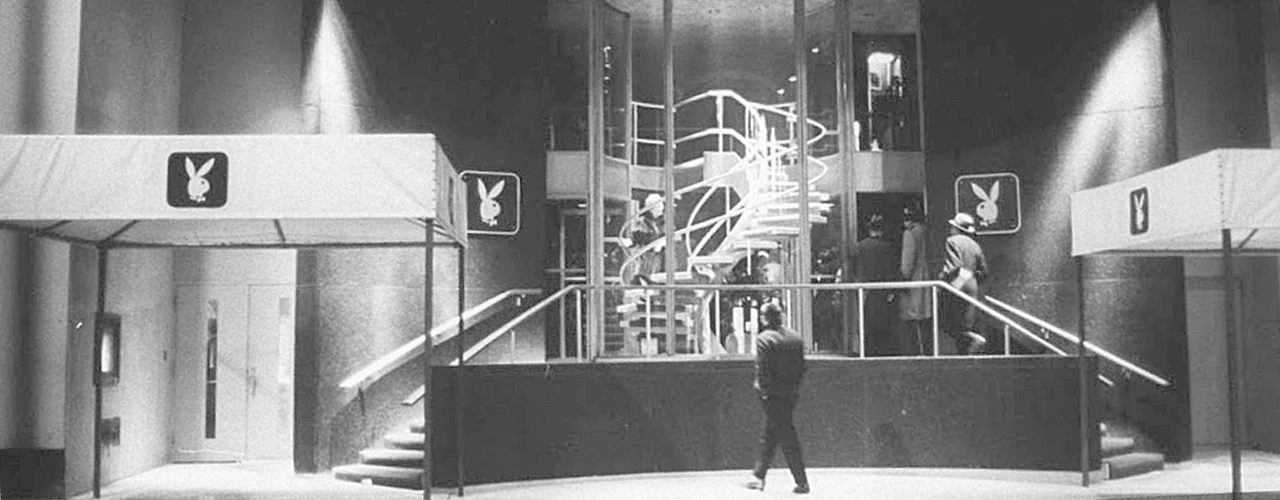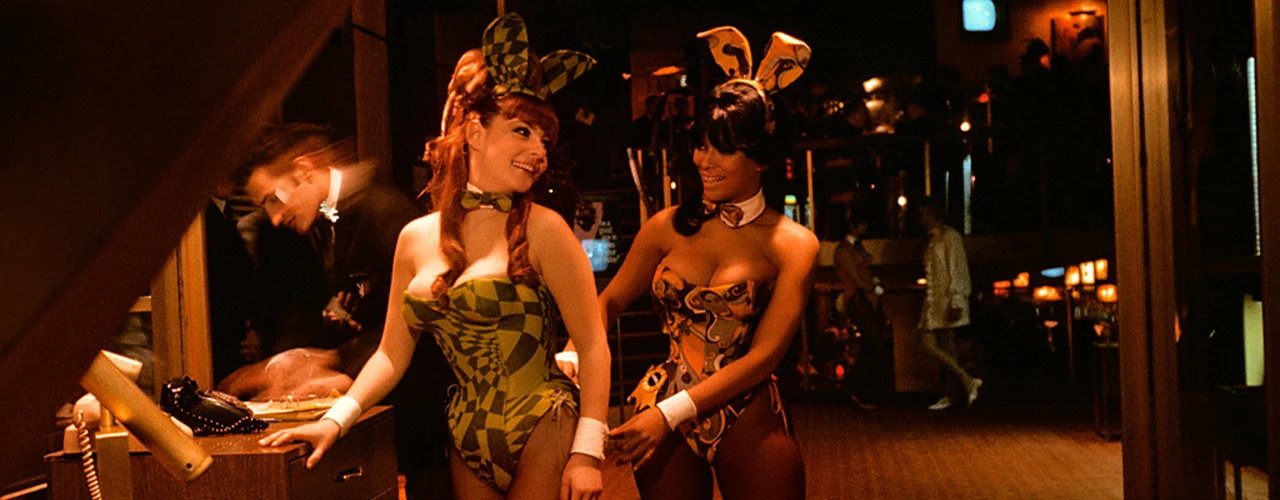
It’s 1974 in Los Angeles. The sun is high, the studio smells faintly of perfume and film chemicals, and somewhere between the haze of cigarette smoke and warm tungsten lights, a Playmate slips into a silk robe. She’s not nervous. She’s part of something larger—a ritual of glamour, confidence, and art.
In the golden age of Playboy, the 1970s were more than a decade—they were a mood. The magazine was at its cultural peak, defining the look of American sensuality and sophistication. Every pictorial was a meticulous production, blending photography, fashion, and fantasy into an unforgettable visual story.
The Creative Process
A Playboy pictorial wasn’t improvised—it was orchestrated like a symphony. The shoots often began weeks in advance with concept meetings at the Playboy headquarters in Chicago or Los Angeles. Editors, stylists, and photographers collaborated to create a narrative for each Playmate of the Month.
The setting might be a Malibu beach house, a New York penthouse, or a secluded garden estate. Each scene was chosen not only for its beauty but for how it captured the model’s personality. The Playmate wasn’t simply posing—she was acting, playing the lead in a story about elegance and desire.
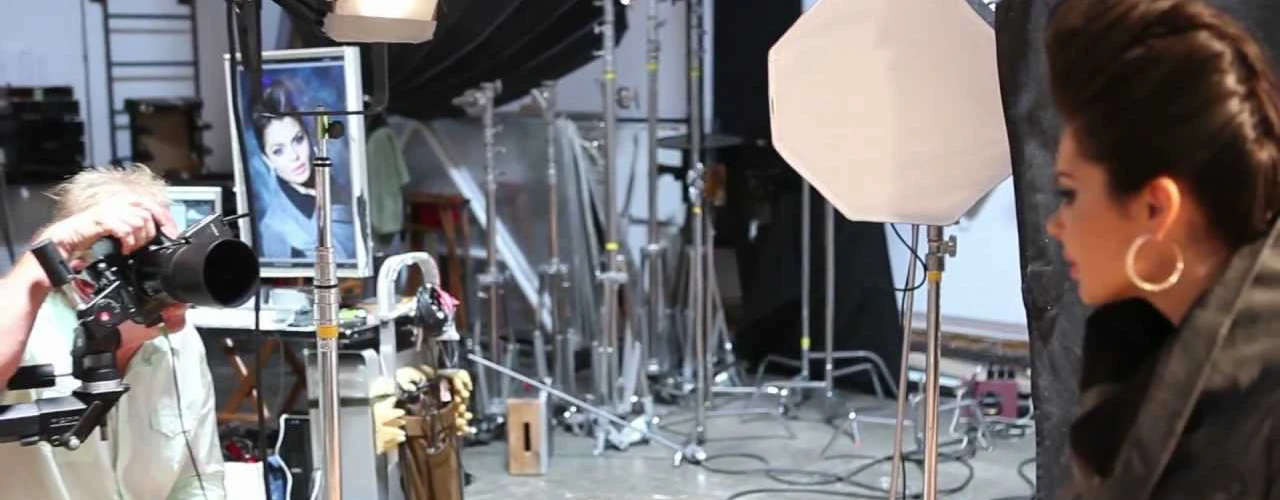
Photographers like Arny Freytag, Pompeo Posar, and Ken Marcus were known for their cinematic eye. They used film cameras that demanded precision, with assistants measuring light, adjusting gels, and loading rolls of Kodak Ektachrome or Fujichrome. Test Polaroids were pinned to cork boards for review, and Hefner himself might drop by to offer input or simply soak in the magic of creation.
The Atmosphere of the Shoot
Playboy’s shoots in the 1970s had a special kind of energy—half Hollywood movie set, half intimate portrait session. Music played softly in the background—Carole King, Elton John, maybe even Marvin Gaye. The models were treated like stars, pampered by makeup artists and wardrobe stylists who knew that the smallest detail could make a photograph unforgettable.
Lighting was everything. Photographers spent hours shaping shadows, using reflectors to catch that soft glow on skin that became Playboy’s signature look. It wasn’t about exposing—it was about revealing. A curve, a smile, a moment of eye contact—all captured in the golden shimmer of natural light.
The Playmate’s comfort was paramount. Hefner insisted on a professional environment where models felt respected, safe, and celebrated. That ethos set Playboy apart from imitators. For Hefner, sensuality was never crude—it was cultivated.
Film, Patience, and Perfection
Unlike today’s instant digital previews, film photography was an exercise in anticipation. Every shot was precious; every frame had to count. Photographers couldn’t see the results until the negatives were developed—often days later. When the contact sheets finally arrived, the team would gather around a light table, magnifying glasses in hand, searching for that one perfect expression that told the story.
The final image wasn’t retouched by computer. Any editing was done by hand, with airbrushes and paint. The artistry was real, the craftsmanship meticulous. It’s no wonder that so many pictorials from that era still look timeless today—the warmth of film, the humanity of imperfection, and the glow of authenticity.
Hefner’s Vision
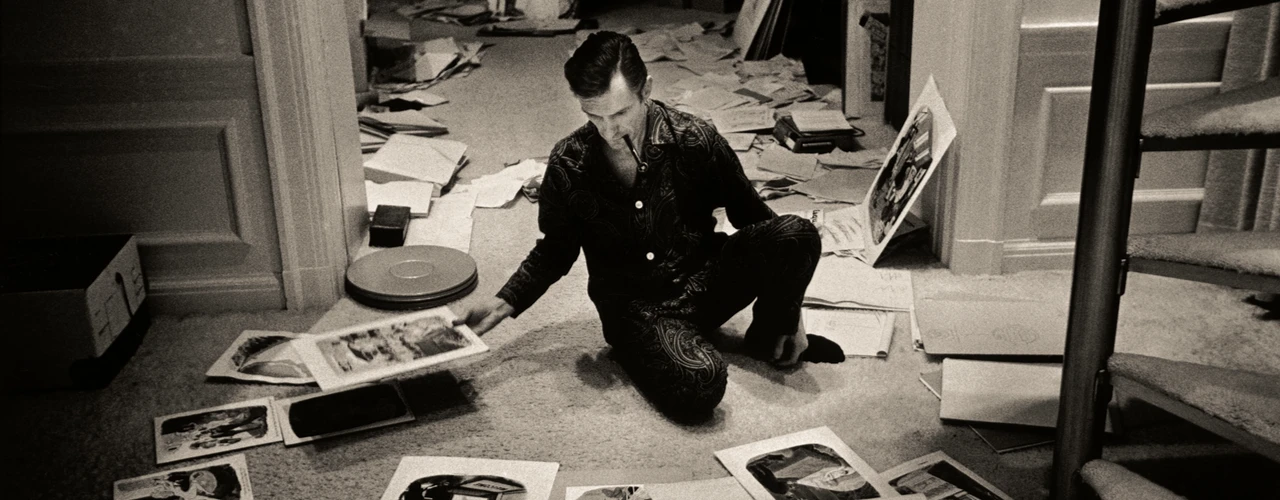
Behind every centerfold was Hugh Hefner’s singular vision. He believed the Playboy woman wasn’t just an object of desire—she was a muse. She had wit, ambition, and presence. Hefner understood that his readers wanted more than beauty—they wanted personality.
He saw the Playmate as a modern goddess: confident, playful, and unafraid to be seen. The magazine’s photography reflected that philosophy. Every pictorial was a love letter to freedom, sensuality, and the beauty of individuality.
The Legacy of the 1970s Shoots
Looking back, those ’70s pictorials remain the gold standard of glamour photography. They captured not only the women but also the spirit of an era when sensuality and sophistication danced in perfect harmony.
The artistry of those shoots—meticulous lighting, masterful storytelling, and a profound respect for beauty—still influences fashion and portrait photography today. Every image from that decade reminds us that behind the camera, Playboy wasn’t just selling fantasy. It was creating culture.