Anime-inspired artwork has given artists the means to be as visually expressive as they want to be in a wide variety of ways. With anime art, you can bring together your own unique design ideas for characters and scenes, your own creative interpretations of locations or settings, how to convey emotions, and how to compose a scene to help make them memorable.
Generative A.I. offers new options for artists to discover additional methods of telling stories through images. Because Generative A.I. does not require the artist to develop their concept idea from beginning to end, he/she may try many different types of visuals before determining what types will be best suited for developing into a final piece of art.
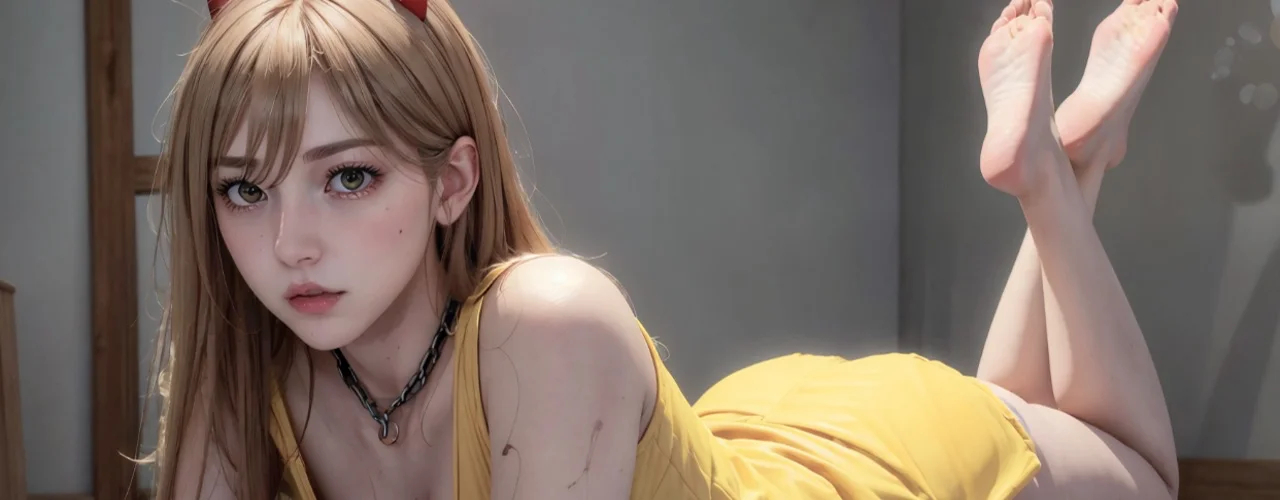
Generative A.I. platforms such as AI Hentai demonstrate that Generative A.I. may be utilized to generate fictional, anime-inspired content. This technology is also changing how artists create digital illustrations and tell visual stories.
Start With the Mood
An imaginative endeavor doesn't have to start with an individual. At times, it's the atmosphere that will be your best place to begin. A developer could envision a serene evening; an enigmatic setting; a futuristic metropolis; a dramatic fantasy environment. These broad concepts will help you create the remainder of the image.
Using AI allows developers to conceptualize several interpretations of the mood and choose the route they think fits best.
Let the Environment Shape the Concept
You can use the background as another tool to visualize what's happening with the scene.
The audience will get an idea about where and/or how it feels (mood/feelings) based upon the objects that surround you (architecture, weather/lighting, etc.) and other items around your environment.
Being outside during a bright/sunny day gives you a completely different overall feel than being inside a darkened city.
Develop Visual Ideas Through Variations
One of the benefits of using generative tools allows creators to try different versions. By changing components like the composition, lighting, perspective, color palette, or art style while retaining a common concept/idea, creators can visually compare each version to see what is working well and what will require additional focus.
Generative tool use becomes more about developing a series of options that, when compared together, provide an understanding of how best to combine the visual elements rather than trying to find just one correct option.
Character Design Can Evolve Naturally
Developing Characters through Experiments An author may begin developing an initial character image; once they have a base image for their character, they develop specific details to the character's image, including hairstyles, clothing, facial expressions, accessories and other characteristics that will help identify the character.
It doesn’t matter if you create your first version of your character without one or some of the above items.
Exploring Different Artistic Approaches
A story's creative vision will look vastly different visually based upon how you decide to create that vision. There are many ways to express your story's vision through illustrations. For example, there is detailed illustration; the style of the film (cinematic); digitally colored artwork; manga-inspired composition; etc.
The way an artist chooses to illustrate a particular scene may greatly affect the overall emotional feel for that scene.
Nowadays, AI has enabled artists to quickly and easily see what their creative vision would look like if they were to use one particular type of illustration over another.
When an Unexpected Result Becomes Useful
Creative experimentation can sometimes produce something different from what was originally intended. That does not always mean the result is unsuccessful. An unexpected composition may suggest a better idea. A new color combination may create a stronger atmosphere. A background detail might inspire an entirely different setting.
These discoveries can become useful parts of the creative process. Instead of simply repeating the original prompt, creators can use interesting results as a starting point for the next experiment.
Building Connected Visual Concepts
AI-generated images can be created as a collection of multiple images in addition to being generated individually. There are many ways that several different images could be visually connected. Examples include sharing a single character, similar settings, matching colors, etc.
Connections made by creating these types of visual relationships between the images create a base for developing a larger fictional world or story.
Because each image is built on top of other related images, it's possible to add new places, characters, etc., over time while continuing to build toward your ultimate goal without feeling overwhelmed by trying to envision everything all at one time.
AI as a Tool for Creative Planning
Generative AI can also be useful before the final production stage. Creators can use visual generations to test whether an idea works before investing more time into it.
A concept image might help establish composition. A character reference might help define an appearance. An environment concept might determine the visual direction of a larger project. In this way, AI can function as part of the planning process rather than simply being the final production tool.
Specialized AI Platforms
Generative AI is being developed as niche products. Generative AI platforms can develop content based on targeted audience groups; they can also create within defined styles of creativity (such as anime); they can develop content that is specifically related to specific formats of content (such as stills or videos).
An example of a niche generative AI platform is AI Hentai, which allows users to generate anime-style art using generative AI technology. Many other applications will allow users to utilize generative AI for illustration, animation, character development, and/or digital storytelling. Niche platforms offer artists more opportunity to choose a workflow that matches their individual artistic interests.
Human Creativity Still Determines the Direction
AI will be able to generate a lot of potential interpretations of an idea; however, AI is unable to determine whether or not any interpretation has value in that particular context.
Creators are responsible for determining what ideas they want to explore (the concept), evaluating the results, identifying what changes need to take place, and ultimately deciding if a specific version of their work is worthy of further development.
This makes Creative Judgment a critical component of creating with AI assistance. Technology creates possibility, and creators provide possibility with purpose.
Where AI Anime Creation Could Go Next
Generative tools are getting better and it is possible that creators will have even more ways to link up characters, environments, scenes and large-scale visual projects.
There may be an increasing flexibility in what was once considered a strict line between developing new ideas (brainstorming) and creating completed work (production). More people may try out new things with this type of freedom.
Final Thoughts
Anime-inspired creativity is one of the many avenues that exist for experimenting visually with an abundance of potential opportunities. In addition to the above-mentioned avenues, AI now offers yet another avenue for exploring these opportunities by enabling creators to experiment with different environments, characters, styles, composition, and moods prior to determining which route they will ultimately take.
Platforms like AI Hentai represent some examples of specialized tools in the broader landscape of developing anime-inspired AI-assisted content.